

Image of 1971 Ford Ranchero, Note: These illustrations use artistic license and may differ from actual historical models.
Performance Metrics
Fundamental Metrics
Emotional Appeal
MMP Rating
| Engine Specifications | |
|---|---|
| Engine Options: | 302 V8, 351 V8, 429 V8 |
| Displacement Range: | 302 - 429 cu in |
| Horsepower Range: | 210 - 370 hp |
| Torque: | 296 - 450 lb-ft |
| Compression Ratio: | 9.0:1 - 11.3:1 |
| Ignition System: | Electronic Ignition |
| Cooling System: | Water-cooled |
| Performance Specifications | |
| 0-60 Time: | 7.5 - 9 seconds |
| 1/4 Mile Time: | 15 - 17 seconds |
| Top Speed: | 120 - 130 mph |
| Transmission and Drive | |
| Drive Type: | Rear-wheel drive |
| Transmission Type: | 3-speed automatic, 4-speed manual |
| Fuel and Efficiency | |
| Fuel System Type: | Carburetor |
| MPG: | 10 - 14 mpg |
| Dimensions and Brakes | |
| Brakes: | Front disc, rear drum |
| Wheelbase: | 118 in |
| Weight: | 3,500 - 3,900 lbs |
Note: Specifications for classic cars are given to the best of our ability, considering the limited and variant data available.
1971 Ford Ranchero: The Muscle Car That Could Haul
The 1971 Ford Ranchero could carry a load of lumber on Friday and rumble into a weekend cruise-in on Saturday. Part pickup, part midsize Ford, it combined the comfort and road manners of a passenger car with an open cargo bed, creating one of the era’s most distinctive American vehicles.
Ford introduced the Ranchero in 1957, two years before Chevrolet launched the El Camino. The concept was simple but clever: build a utility vehicle on a car platform, giving buyers a more comfortable alternative to a conventional pickup. By 1971, the Ranchero shared its basic architecture with the Ford Torino. That connection gave it a broad engine lineup, substantial presence, and a distinctly muscle-era personality.
The 1971 model received updated styling within the Torino family. Its most intriguing detail was the range of personalities it could adopt. A basic Ranchero could serve as a hardworking utility vehicle, while a GT with a big-block V8 could turn the same car-based pickup into a serious performance machine.
Torino Style, Ranchero Utility
The 1971 Ranchero had long, sweeping body lines, a broad grille, and a substantial front end that reflected the bold proportions of early-1970s Fords. Its car-like cab flowed into an open cargo bed, while the low roofline and sculpted sides made it look more like a Torino with a box than a traditional work truck. The 1971 refresh brought revised front-end details, including a reshaped grille, giving the Ranchero a slightly different face from the 1970 model.
Ford offered the Ranchero in several trim series, including the Ranchero 500, sport-focused GT, and woodgrain-trimmed Squire. These were trim levels rather than separate body styles: the basic configuration remained a two-door car-based pickup. The GT is often the most recognizable today, thanks to its sportier appearance and availability with powerful V8 engines. The Squire took a more upscale approach, using simulated woodgrain trim to evoke Ford’s country-themed wagons.
Inside, the Ranchero felt much closer to a midsize car than a work truck. Depending on trim and options, buyers could get vinyl or cloth-and-vinyl upholstery, a front bench seat, or sportier bucket seats. The GT’s interior could be dressed up with a console and additional instrumentation. Materials were typical of American cars of the period: comfortable and attractive when new, though not immune to decades of sunlight, wear, and aging vinyl.
Factory paint choices varied by trim and production date. Period colors included subdued whites and metallic shades as well as brighter options such as yellow, green, and blue. Vivid colors suited the Ranchero’s muscle-car side, while white and darker metallic finishes were popular choices for a more restrained look. Today, an original color combination can be a significant part of a truck’s collector appeal.
For its time, the Ranchero offered useful convenience and driving features, including available power steering, power brakes, air conditioning, and automatic transmission. Depending on configuration, buyers could also choose a manual gearbox. These options helped make it practical for everyday driving, not just hauling or weekend use.
Why the Car-Truck Formula Mattered
The Ranchero stood apart because it offered pickup-bed utility without the proportions or driving feel of a conventional truck. Its Torino-based construction and car-style cabin made it appealing to buyers who wanted one vehicle for commuting, light-duty work, and recreation. That blend helped define the coupe utility niche in the United States.
Ford’s original Ranchero concept helped establish the car-based pickup as a genuine market category, and the 1971 model showed how far the idea could stretch. It could be an economical hauler, a dressed-up suburban runabout, or a V8-powered muscle machine. The formula also anticipated the appeal of later lifestyle pickups, where comfort and image mattered alongside payload.
The Ranchero was never as common in popular culture as the Mustang or as familiar as a full-size Ford pickup. Its significance lies instead in its unusual combination of roles. It delivered passenger-car comfort and styling in a format that could still handle bulky cargo, making it a distinctive alternative to both cars and trucks.
Engines, Speed, and Road Manners
The 1971 engine range covered everything from practical six-cylinder power to big-block performance. Depending on configuration and availability, buyers could choose a 250-cubic-inch inline-six, small-block V8s such as the 302, 351-cubic-inch V8s, a 400, or a 429 Cobra Jet. Exact availability depended on trim, equipment, and the way the truck was ordered.
Performance varies widely between versions, so there is no single meaningful 0-to-60-mph figure for every 1971 Ranchero. A six-cylinder or modestly powered V8 model is generally a relaxed performer, with acceleration commonly estimated in the 9-to-12-second range. A well-equipped 429 Cobra Jet GT could run from 0 to 60 mph in roughly 6.5 to 7.5 seconds, depending on transmission, axle gearing, tire condition, and test method. Period horsepower figures were often quoted using the gross-rating system, so they should not be compared directly with modern net horsepower ratings.
Top speed is similarly configuration-dependent. A big-block Ranchero with suitable gearing could reach approximately 120 mph or more under favorable conditions, while many versions were geared and equipped for ordinary road use rather than high-speed runs. These estimates are best treated as broad guides, not guaranteed results for a surviving vehicle.
On the road, the Ranchero feels more like a large American car than a modern pickup. Its suspension can absorb ordinary bumps comfortably, though worn bushings, tired shocks, and old tires can make one feel loose or unsettled. The long body and substantial weight are noticeable on winding roads, where it rewards smooth steering inputs rather than quick changes of direction. Crosswinds can also be more apparent with a light or empty bed.
A V8 Ranchero announces itself with a deep exhaust note and an easy wave of low-speed torque. The steering is less precise than that of a modern vehicle, and the brakes and handling reflect the technology of the early 1970s. Still, the seating position, broad hood, and relaxed cruising character make the driving experience part of the truck’s appeal.
Living With a 1971 Ranchero
Owners use these trucks as weekend cruisers, show vehicles, light-duty haulers, and, in some cases, regular drivers. The open bed makes it genuinely useful, but a clean or restored example is often too valuable to subject to heavy work. A GT is especially well suited to cruising and car shows, while a six-cylinder or small-block model can make a more practical project.
Routine maintenance is familiar to anyone who has worked on a classic Ford: service the ignition and carburetor, keep the cooling system in good order, inspect brakes and suspension, and address leaks before they become bigger problems. Many mechanical parts are shared with the Torino and other Ford models of the period, helping with repairs. Trim, interior pieces, and Ranchero-specific body parts can be harder to find.
Rust is a major inspection point. Check the floor pans, cowl, lower doors, bed floor, wheel arches, and areas around the rear window and bed sides. Also inspect the frame and suspension mounting points carefully. A Ranchero can be straightforward to repair mechanically, but extensive corrosion or damaged body panels can turn a seemingly simple project into an expensive restoration.
Ranchero Trivia and Common Criticisms
The Ranchero’s name comes from the Spanish word for a rancher, a fitting choice for a vehicle designed to bridge passenger-car comfort and utility. Ford launched the model before Chevrolet introduced the El Camino, giving the Ranchero an early place in the American car-truck story.
The 1971 Ranchero was not a mass-market truck on the scale of Ford’s conventional pickups. Production estimates are often cited at roughly 20,000 to 25,000 vehicles across the model year, though totals can vary by source and by how trim versions are counted. That makes a surviving example less common than a typical full-size pickup, but not automatically rare in the collector-car sense. Well-preserved GTs and big-block examples are more difficult to find than ordinary models.
Common criticisms are part of the ownership conversation. The bed is less versatile than a full-size pickup’s, the cabin and cargo area do not offer modern safety or convenience features, and the handling is not especially nimble. Fuel consumption from the larger V8s can also be substantial. In return, the Ranchero offers a character and combination of abilities that a conventional truck cannot quite duplicate.
Collector Value and Market Outlook
As a broad 2026 guide, a project or rough driver might sell for about $5,000 to $10,000, while a usable, presentable example could land around $10,000 to $20,000. A clean, well-restored Ranchero may bring roughly $20,000 to $35,000. Exceptional GTs, particularly documented big-block cars with desirable options, can reach approximately $40,000 to $70,000 or more, depending on condition, originality, and buyer demand.
These are estimates rather than fixed price brackets. Rust repair, restoration quality, factory configuration, and documentation can move a sale price significantly. A high-performance engine does not automatically guarantee a premium if the car has been poorly modified or lacks evidence of its original specification.
Ranchero values have generally been supported by growing interest in unusual American classics, but the model has not always appreciated as quickly as headline muscle cars. The strongest demand tends to gather around original, rust-free GTs and documented big-block examples. Good cars are available, though locating the right combination of condition, originality, and price can take patience.
The 1971 Ranchero’s Lasting Appeal
The 1971 Ford Ranchero paired Torino styling and car-like comfort with the practical advantage of an open bed. Its range of trims and engines meant it could be a modest utility vehicle or a powerful GT, while its distinctive shape kept it separate from both ordinary pickups and conventional cars.
More than a halfway point between two vehicle types, the Ranchero made that unusual combination its whole identity. For collectors and drivers who want classic Ford style with real utility, the 1971 Ranchero remains a memorable way to bring a little muscle-car attitude to the working end of the driveway.
1971 Ford Ranchero Catalog of Parts
 1971 Ford Ranchero Tailgate Bumper, with core. 1-1/8" X 3/4" X 7/16". Each-DB 55Tailgate Bumper, with core. 1-1/8" X 3/4" X 7/16". Each
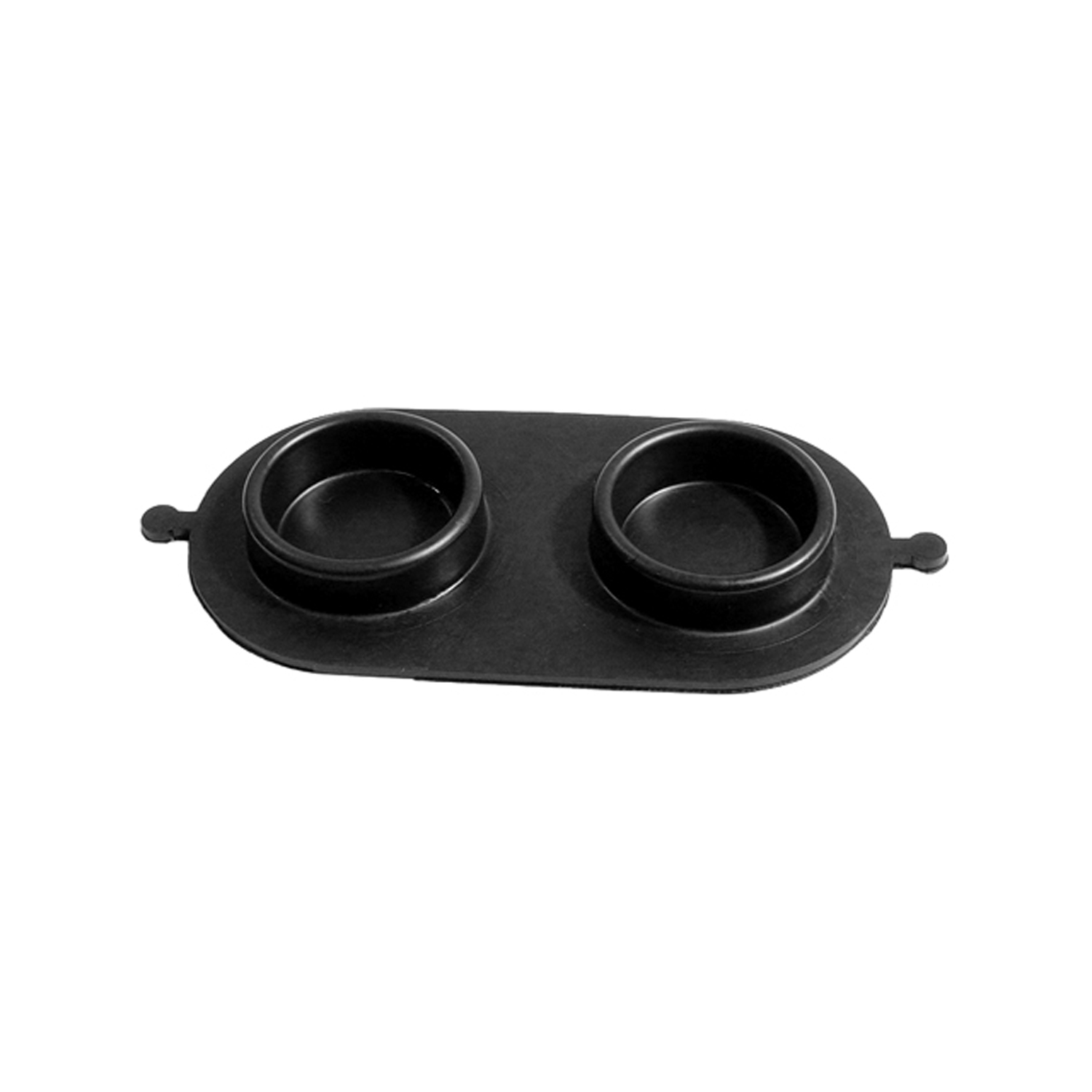 1971 Ford Ranchero Brake Master Cylinder Cover Seal. Replaces OEM #C7AZ2167-A-RP 2-BBrake Master Cylinder Cover Seal. Replaces OEM #C7AZ2167-A. Each
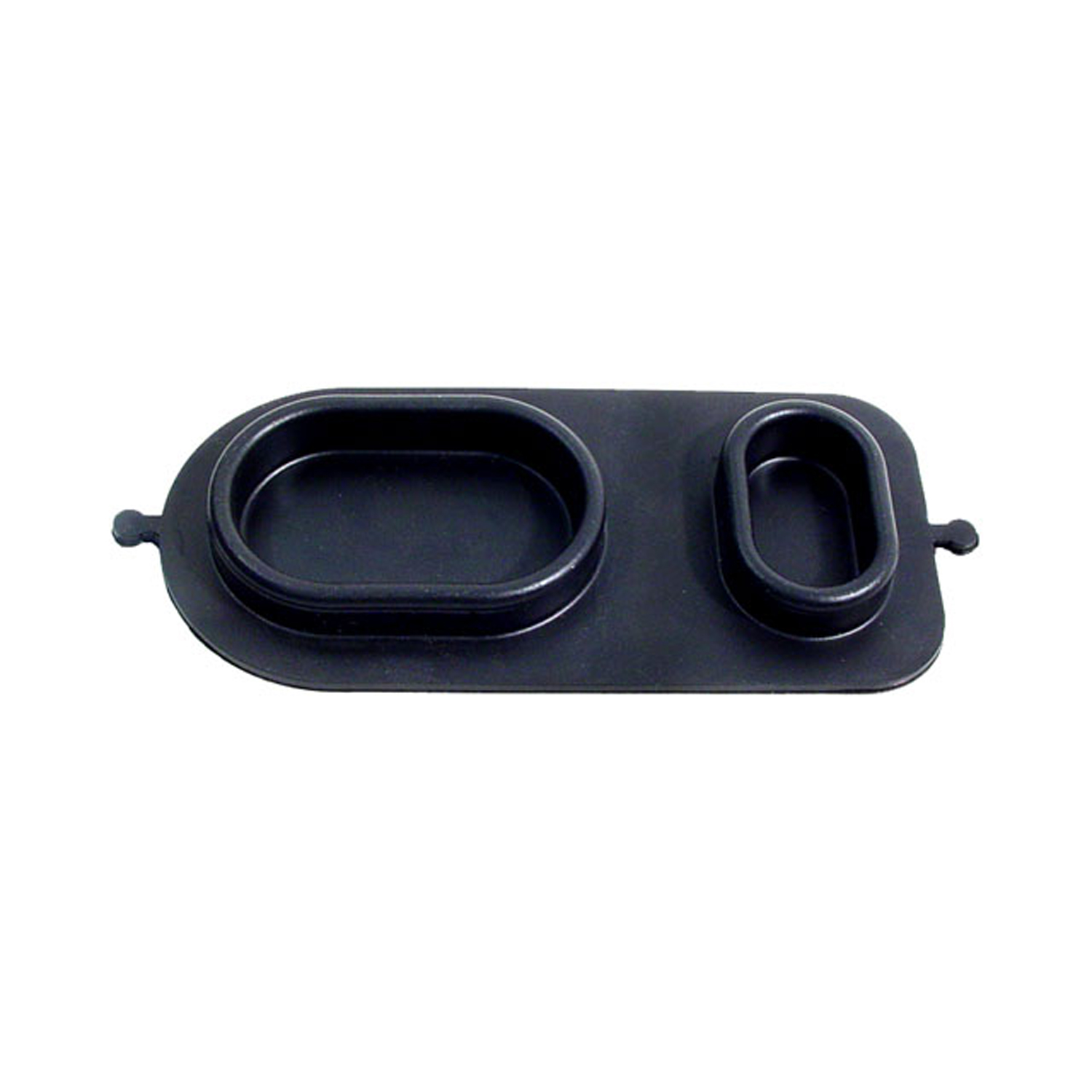 1971 Ford Ranchero Brake Master Cylinder Cover Seal. Replaces OEM #5470861-RP 2-CBrake Master Cylinder Cover Seal. Replaces OEM #5470861. 5-9/16" long, 2-5/8" wide. Each
Why Choose Metro?
For over 100 years, Metro Moulded Parts has been the pinnacle of quality in classic car restoration parts. Our commitment to precision and authenticity in every component ensures a perfect fit and an OEM-level appearance.
- Expert Craftsmanship & Quality: Each part is a testament to our dedication to reliability and perfection, crafted from original designs and thoroughly tested.
- Advanced Technology: We use cutting-edge techniques to create flawless, long-lasting parts that surpass others in performance.
- SuperSoft Sponge – The Ultimate Door Seal: Not only are our door seals 30% softer than competitors', but they're also guaranteed to never leak. They effectively reduce wind and road noise, enhancing your classic car's comfort and driving experience.
- Proudly American: Our parts are a product of American craftsmanship, made in the USA with a spirit of excellence and heritage.
- Unrivaled Warranty: We back our products with a 30-year industry-leading warranty, a testament to our confidence in their quality.
Join us in preserving the legacy of classic cars with parts that are crafted for perfection, not just made.