

Image of 1971 Ford Thunderbird, Note: These illustrations use artistic license and may differ from actual historical models.
Performance Metrics
Fundamental Metrics
Emotional Appeal
MMP Rating
| Engine Specifications | |
|---|---|
| Engine: | 429 cu in (7.0 L) 385-series V8 |
| Displacement: | 429 cu in (7.0 L) |
| Horsepower: | 360 hp |
| Torque: | 480 lb-ft |
| Compression Ratio: | 11.3:1 |
| Ignition System: | Conventional breaker-point ignition system |
| Cooling System: | Liquid-cooled |
| Performance Specifications | |
| 0-60 Time: | 8.5 seconds |
| 1/4 Mile Time: | 16 seconds |
| Top Speed: | 120 mph |
| Transmission and Drive | |
| Drive Type: | Rear-wheel drive |
| Transmission Type: | 3-speed automatic |
| Fuel and Efficiency | |
| Fuel System Type: | Carburetor |
| MPG: | 10-12 mpg |
| Dimensions and Brakes | |
| Brakes: | Front disc and rear drum brakes |
| Wheelbase: | 120.4 inches |
| Weight: | 4,500 lbs |
Note: Specifications for classic cars are given to the best of our ability, considering the limited and variant data available.
1971 Ford Thunderbird: The Last of a Distinctive Breed
The 1971 Ford Thunderbird could turn a quiet stretch of highway into a private grand-tourer’s lounge, wrapped in a long hood, hidden headlights, and the low, confident rumble of a big V8. Built by Ford in the final year of its 1967–71 design generation, the 1971 Thunderbird sat between the sporty origins of the nameplate and the full-size luxury cars it was becoming.
Ford introduced the Thunderbird in 1955 as a personal car that combined American performance with comfort and style. By 1971, the formula had grown considerably. This was a substantial, rear-wheel-drive luxury car with room for passengers, a high level of equipment, and a 429-cubic-inch V8 as standard equipment. A notable detail of the 1971 range was its four-door Landau, which used rear-hinged back doors, an unusual arrangement that gave passengers an elegant, wide-opening entrance.
Long Hood, Hidden Headlights, and Formal Lines
The Thunderbird’s exterior was all about proportion. Its long hood, extended rear deck, and 120.4-inch wheelbase made the car look poised even when parked. At about 214 inches long, it had real road presence. The front end was broad and formal, with a prominent grille and concealed headlamps. When switched off, the headlights disappeared behind doors in the grille, giving the nose a clean, uninterrupted appearance.
At the back, the Thunderbird carried broad taillights and Ford’s distinctive sequential turn signals. Rather than flashing all at once, the rear lamp sections illuminated in sequence to indicate a turn. It was a memorable piece of mid-century automotive theater, and one of the details that helped make a Thunderbird recognizable after dark.
Buyers could choose a two-door hardtop, with Landau trim available for a more formal roof treatment, or a four-door Landau. The two-door versions delivered the classic personal-luxury look and are generally the most sought-after today. The four-door Landau was the unusual alternative, with rear-hinged rear doors that opened toward the curb. These doors created a distinctive entry, though they required careful use and were less convenient in tight parking spaces.
A Comfortable Cabin With Upscale Touches
Inside, the 1971 Thunderbird focused on comfort rather than bare-bones sportiness. The cabin was spacious, with a broad dashboard, substantial padded surfaces, and supportive seating. Upholstery and trim varied by model and options, with cloth, vinyl, and leather-like materials available depending on configuration. Ford offered a wide choice of equipment, including power windows, power locks, power seats, air conditioning, cruise control, and upgraded radio systems.
Like many luxury cars of the period, the Thunderbird put a premium on convenience. Power steering and power-assisted brakes helped make a large car easier to manage, while automatic transmission was central to its relaxed character. Optional features could make the cabin feel impressively well equipped for the early 1970s, though today’s buyers should check that electrical accessories, seat motors, and climate-control components still work properly.
Factory paint choices varied by trim and production details, but buyers could select from subdued metallics, richer blues and greens, warm golds, red tones, white, and darker colors. Metallic blue and green shades suited the car’s formal styling particularly well. A vinyl roof, often paired with Landau trim, added another layer of personal-luxury character.
Where the Thunderbird Fit in 1971
By the early 1970s, the Thunderbird was no longer trying to be a small, two-seat sports car. Ford had steadily developed it into a larger personal-luxury model, competing for buyers who wanted comfort, presence, and power in one package. The 1971 car represents the mature end of the 1967–71 generation, before a major redesign brought an even larger Thunderbird for 1972.
Its mix of a two-door personal-luxury coupe and a four-door model with rear-hinged doors set it apart from many contemporaries. Most large American cars offered conventional four-door layouts; the Thunderbird’s unusual door arrangement gave its four-door version a more ceremonial feel. The hidden headlights and sequential rear indicators also show how automakers used distinctive styling and lighting details to give premium models a recognizable identity.
The 1971 Thunderbird was not a technological revolution, but it captured an important moment in American motoring. Big engines, automatic transmissions, comfort features, and bold styling were still central to the luxury-car formula, even as emissions rules and changing fuel concerns began to reshape the industry.
429 V8 Power and Easygoing Road Manners
The standard engine was Ford’s 429-cubic-inch V8, paired with a three-speed automatic transmission and rear-wheel drive. Period specifications commonly list the four-barrel 429 at about 360 horsepower using the gross rating system of the time, with roughly 480 lb-ft of torque. Gross horsepower figures were measured differently from modern net ratings, so they should not be compared directly with today’s advertised output.
Exact acceleration and top speed depend on the car’s condition, gearing, tires, and test method. As a broad period-style estimate, a healthy example can reach 60 mph in roughly 8 to 9 seconds. Top speed is generally estimated in the neighborhood of 115 to 125 mph, though this is a large luxury car, not a machine designed for repeated high-speed runs. Its strongest performance trait is effortless low-speed torque, which lets it gather speed without needing to be pushed hard.
On a smooth highway, the Thunderbird feels settled and quiet, with the V8 turning over at an unhurried pace. The suspension is tuned for comfort, so it absorbs ordinary road imperfections better than a firm sports car. On broken pavement, the car’s weight and soft suspension can bring some float and body movement. On winding roads, expect a relaxed grand-tourer rather than sharp, modern handling. Wide corners are more its style than quick direction changes.
From behind the wheel, the experience is defined by scale and ease. The steering is light with power assistance, the automatic transmission favors smooth shifts, and the engine supplies a deep, muted rumble. It feels substantial without being difficult to drive, although its length and width demand attention in parking lots and narrow streets.
Living With a 1971 Thunderbird
Today, most 1971 Thunderbirds are enjoyed as weekend cruisers, show cars, or occasional-use classics. Their comfort makes them well suited to local drives and highway outings, but fuel consumption is high by modern standards. The 429’s appetite, large-car tires, and age-related maintenance needs make daily use less practical than it once was.
Mechanical work is generally within reach for an experienced home mechanic. The V8 and automatic transmission belong to a familiar era of American Ford engineering, and many routine service tasks are straightforward. The challenges are more often age, size, and parts availability than unusual mechanical complexity. Before buying, inspect the body and frame for rust, check the hidden-headlight mechanism, test every power accessory, and look for evidence of overheating or transmission wear. Trim, interior pieces, and model-specific details can take more effort to source than common mechanical parts.
Reliability depends heavily on maintenance and restoration quality. A well-sorted Thunderbird can be a dependable cruiser, but a neglected example may need substantial work in its cooling system, brakes, suspension, wiring, and fuel system. Its mass also means that worn suspension and braking components should not be treated as minor issues.
Trivia, Rarity, and Common Criticisms
The rear-hinged doors on the four-door Landau are the model’s standout conversation piece. They make passenger access memorable and give the car a limousine-like touch. The sequential taillights and concealed headlights are other details that reward a closer look. The 1971 model is also the final year of the 1967–71 Thunderbird design, giving it a clear place in the nameplate’s evolution.
Ford built approximately 36,000 Thunderbirds for the 1971 model year, making the car uncommon today without being exceptionally rare. The four-door Landau is less frequently seen than the two-door versions, but rarity alone does not guarantee a higher price. Many collectors prefer the cleaner, more familiar two-door profile.
Common criticisms are practical ones: the Thunderbird is large, thirsty, and not especially nimble. Its weight can make worn brakes and suspension components more noticeable, and the concealed-headlight system adds a mechanism that may need attention. These drawbacks are part of the trade-off for its relaxed ride, V8 character, and unmistakable presence.
1971 Thunderbird Collector Values
Prices vary substantially with body style, originality, rust, mechanical condition, and the quality of any restoration. As a general current-market guide, a project or rough driver may fall around $5,000 to $12,000. A sound, usable example commonly lands in the $12,000 to $25,000 range, while a well-restored or exceptionally preserved car may bring roughly $25,000 to $40,000 or more. Rare colors, excellent documentation, and outstanding originality can improve a car’s appeal, but condition remains the main value driver.
The market for early-1970s personal-luxury cars has generally been steadier and more affordable than for celebrated muscle cars. Good examples have the potential to appreciate gradually as survivors become harder to find, but values are not guaranteed to rise. The best purchases are cars with solid structure, complete trim, and documented work rather than the cheapest example on offer.
Why the 1971 Thunderbird Still Matters
The 1971 Ford Thunderbird brought together a big 429 V8, a comfortable cabin, dramatic proportions, concealed headlights, and distinctive sequential taillights. It also marked the end of a design generation that balanced personal-luxury style with a uniquely American sense of scale.
It is not a sports car, and it makes no attempt to be one. The Thunderbird’s appeal lies in the way it turns ordinary travel into a composed, V8-powered cruise. More than half a century later, that combination of comfort, character, and unmistakable presence is what keeps the 1971 model worth remembering.
1971 Ford Thunderbird Catalog of Parts
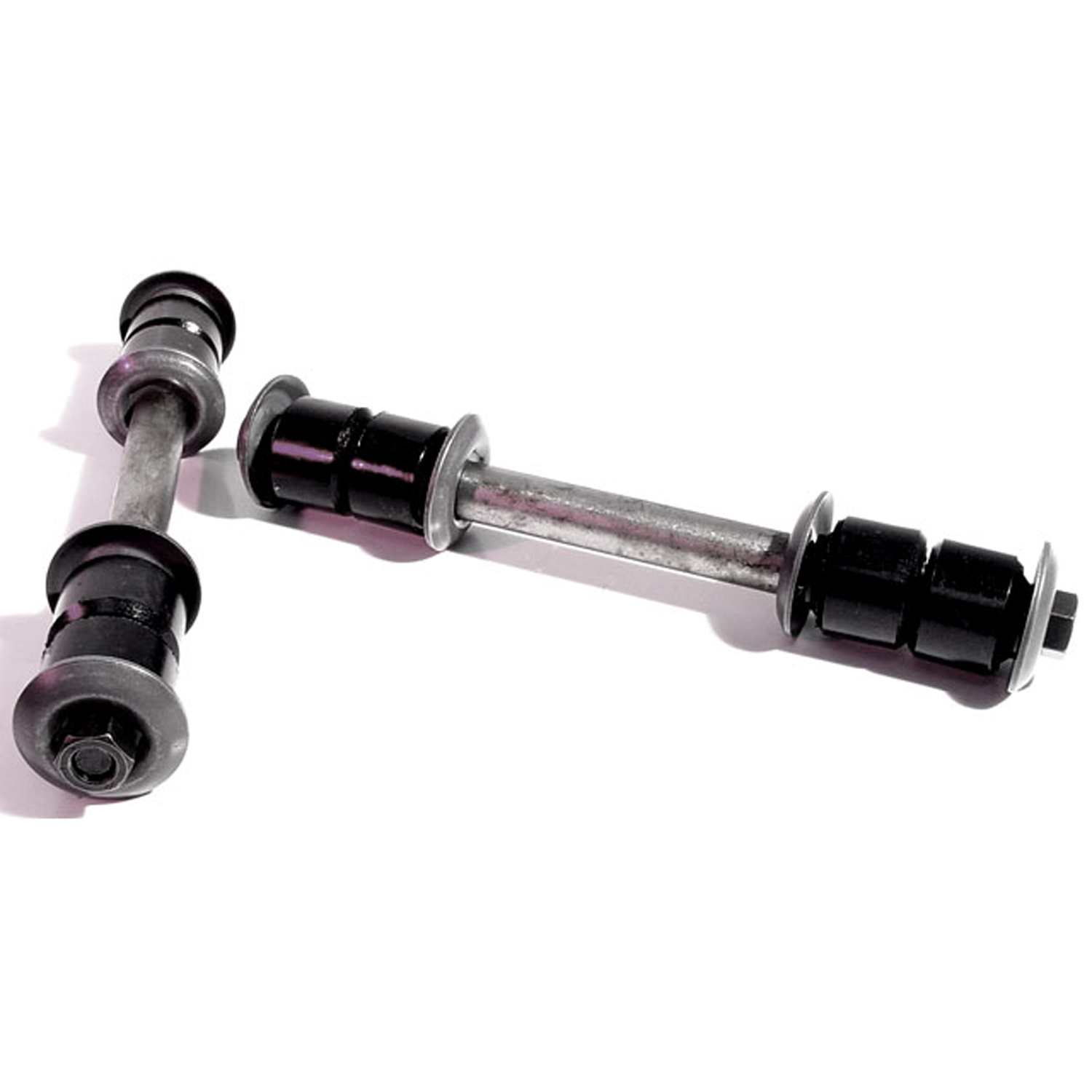 1971 Ford Thunderbird Front Stabilizer End Repair Kit-BNK 21Front Stabilizer End Repair Kit. 22-piece set for two stabilizer bars. Contains all rubber bushings, washers, bolts and nuts, enough for one front end. Set
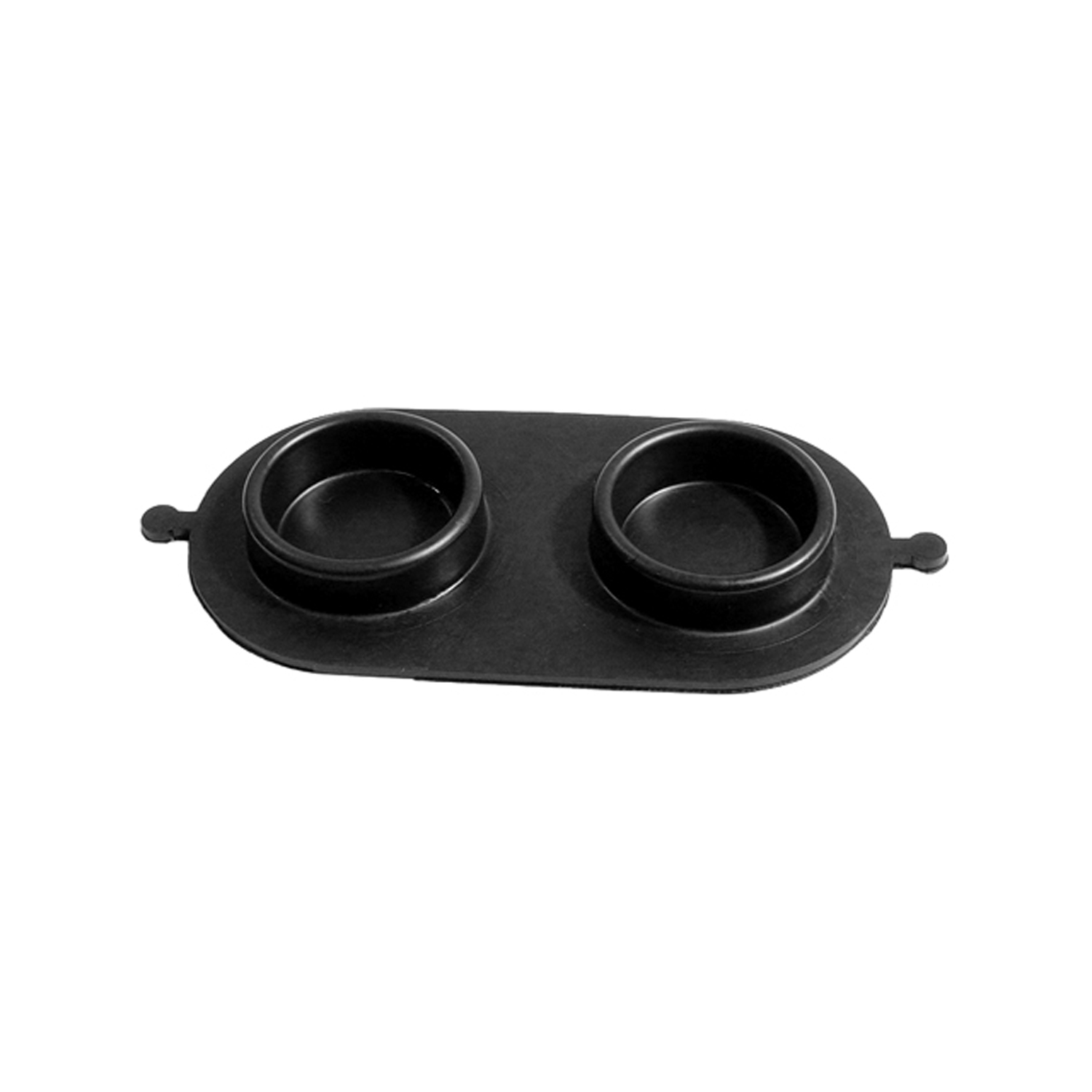 1971 Ford Thunderbird Brake Master Cylinder Cover Seal. Replaces OEM #C7AZ2167-A-RP 2-BBrake Master Cylinder Cover Seal. Replaces OEM #C7AZ2167-A. Each
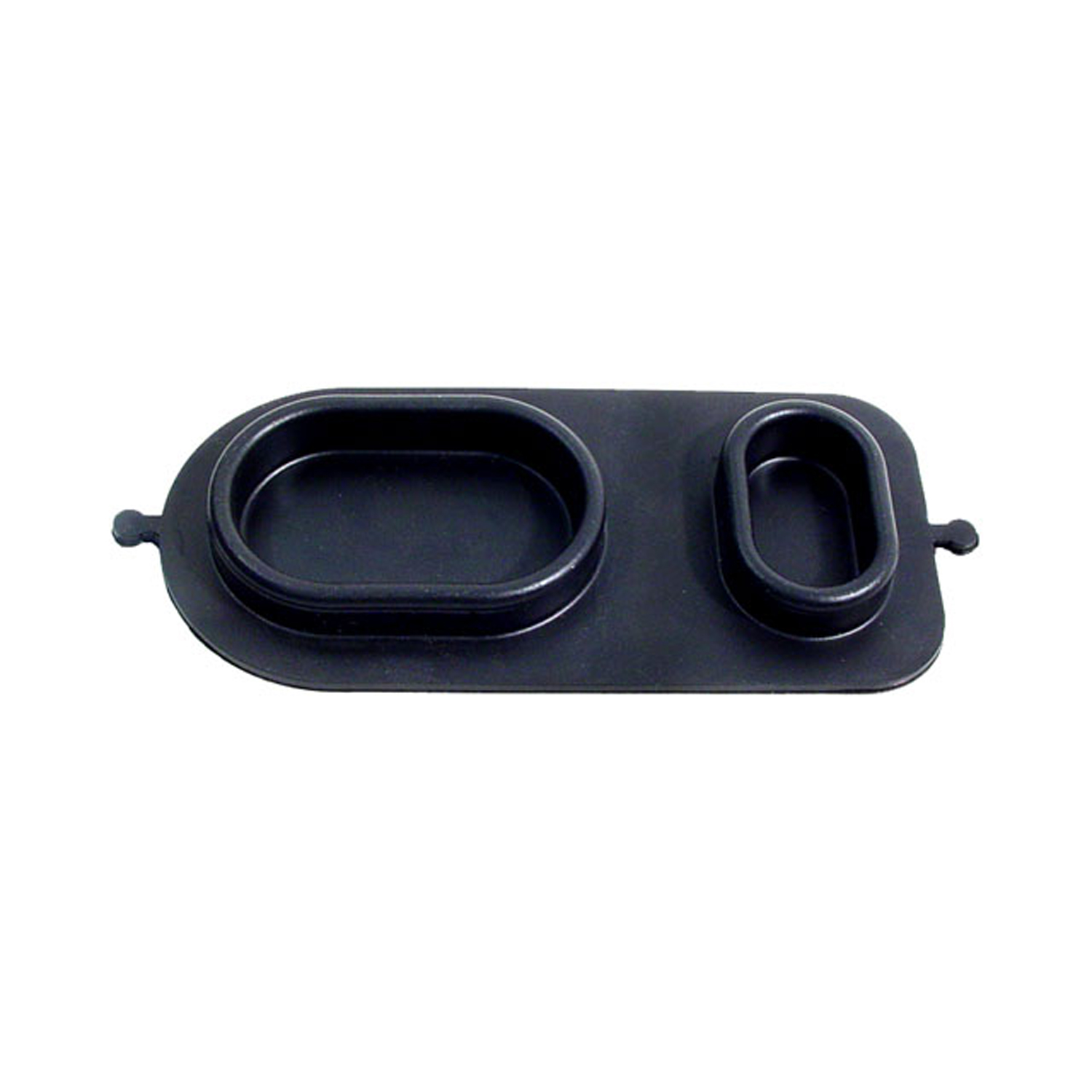 1971 Ford Thunderbird Brake Master Cylinder Cover Seal. Replaces OEM #5470861-RP 2-CBrake Master Cylinder Cover Seal. Replaces OEM #5470861. 5-9/16" long, 2-5/8" wide. Each
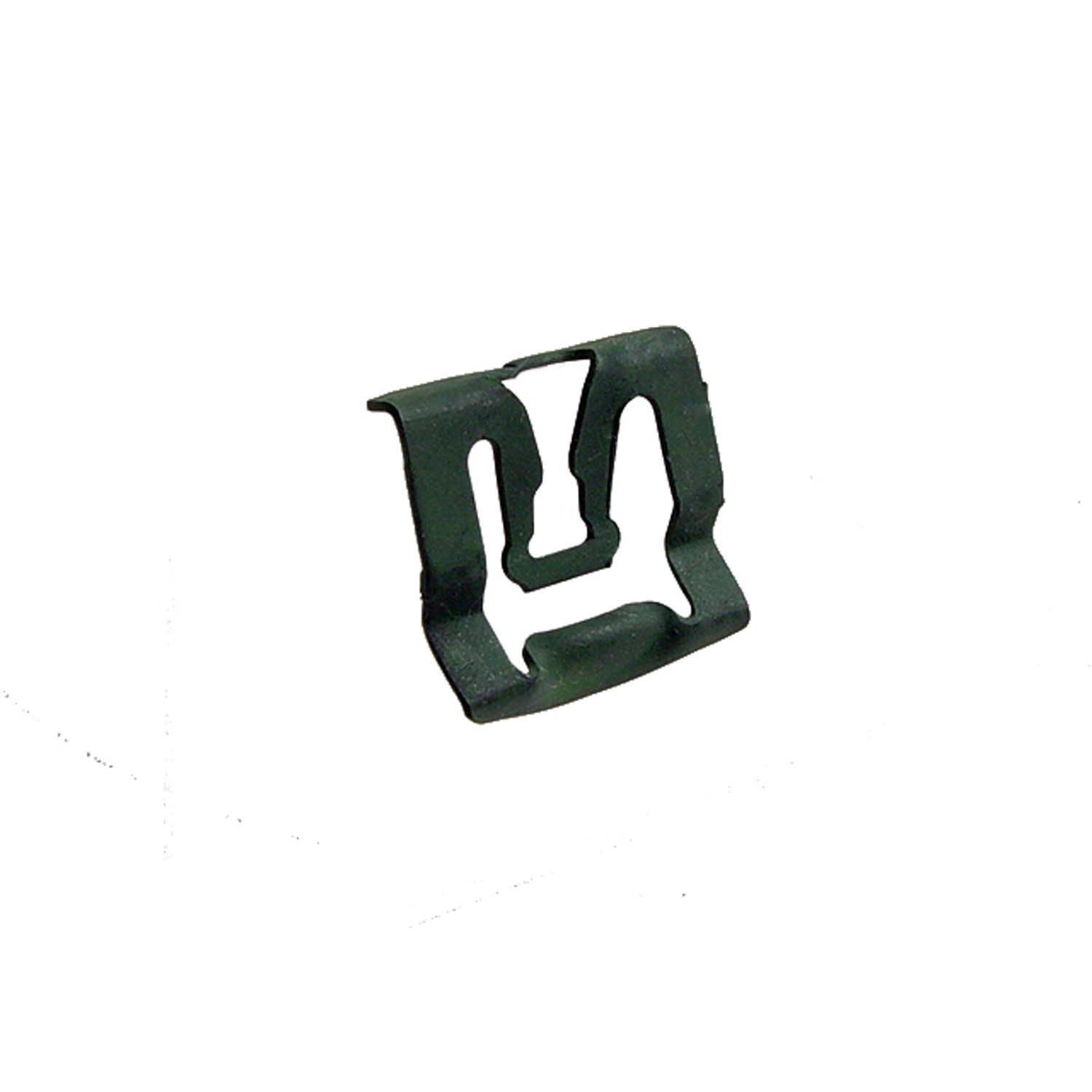 1971 Ford Thunderbird Windshield Reveal Molding Clip. Made of steel. Each-WF 228-AWindshield Reveal Molding Clip. Made of steel. Each
 1971 Ford Thunderbird Spare Tire Hold Down Nut. 3/8- 16 thread size-WF 3504Spare Tire Hold Down Nut. 3/8- 16 thread size. Replaces OEM #B9AZ-1462-A. Each
Why Choose Metro?
For over 100 years, Metro Moulded Parts has been the pinnacle of quality in classic car restoration parts. Our commitment to precision and authenticity in every component ensures a perfect fit and an OEM-level appearance.
- Expert Craftsmanship & Quality: Each part is a testament to our dedication to reliability and perfection, crafted from original designs and thoroughly tested.
- Advanced Technology: We use cutting-edge techniques to create flawless, long-lasting parts that surpass others in performance.
- SuperSoft Sponge – The Ultimate Door Seal: Not only are our door seals 30% softer than competitors', but they're also guaranteed to never leak. They effectively reduce wind and road noise, enhancing your classic car's comfort and driving experience.
- Proudly American: Our parts are a product of American craftsmanship, made in the USA with a spirit of excellence and heritage.
- Unrivaled Warranty: We back our products with a 30-year industry-leading warranty, a testament to our confidence in their quality.
Join us in preserving the legacy of classic cars with parts that are crafted for perfection, not just made.