

Image of 1971 Ford Torino, Note: These illustrations use artistic license and may differ from actual historical models.
Performance Metrics
Fundamental Metrics
Emotional Appeal
MMP Rating
| Engine Specifications | |
|---|---|
| Engine Options: | 250 cu in (4.1 L) I6, 302 cu in (4.9 L) Windsor V8, 351 cu in (5.8 L) Windsor V8, 351 cu in (5.8 L) Cleveland V8, 429 cu in (7.0 L) 385 Series V8 |
| Displacement Range: | 250-429 cu in (4.1-7.0 L) |
| Horsepower Range: | 145-370 hp |
| Torque: | 245-450 lb-ft |
| Compression Ratio: | 8.0:1 - 11.3:1 |
| Ignition System: | Conventional breaker-point ignition system |
| Cooling System: | Liquid-cooled |
| Performance Specifications | |
| 0-60 Time: | 6.5 - 9.0 seconds |
| 1/4 Mile Time: | 14.5 - 16.0 seconds |
| Top Speed: | 120-130 mph |
| Transmission and Drive | |
| Drive Type: | Rear-wheel drive |
| Transmission Type: | 3-speed manual, 4-speed manual, 3-speed automatic |
| Fuel and Efficiency | |
| Fuel System Type: | Carburetor |
| MPG: | 10-15 mpg |
| Dimensions and Brakes | |
| Brakes: | Front disc brakes and rear drum brakes |
| Wheelbase: | 114 inches |
| Weight: | 3,200-3,800 lbs |
Note: Specifications for classic cars are given to the best of our ability, considering the limited and variant data available.
1971 Ford Torino: Ford’s Bold New Intermediate
The 1971 Ford Torino arrived with a longer, fuller shape and the kind of V8 soundtrack that made an ordinary trip feel like an event. Built by Ford Motor Company as part of its midsize lineup, the Torino was positioned between the compact Maverick and full-size Ford models. It offered family-friendly body styles alongside performance versions such as the GT and Cobra.
The 1971 model marked a major redesign. Ford gave the Torino a larger-looking body, distinctive front-end styling and a broad range of engines, from an economical six-cylinder to powerful 429-cubic-inch V8s. Its fastback SportsRoof shape also reflected an era when aerodynamics mattered on both the highway and the NASCAR circuit.
One intriguing detail: the Torino’s NASCAR reputation was built by earlier, highly aerodynamic versions, including the 1969 Torino Talladega. The 1971 Torino continued that racing-era image, even as changing rules and the end of the muscle-car boom began reshaping American performance cars.
Torino Styling: Long Hood, Fastback Profile
Ford’s 1971 redesign gave the Torino a broad, sculpted appearance. Its long hood and short rear deck emphasized the car’s length, while the wide grille and substantial front bumper gave it a purposeful face. The sides had smooth, flowing contours rather than the crisp, boxy lines found on many earlier intermediates. The result was a car that looked substantial without losing its sporting character.
The two-door SportsRoof was the most recognizable performance shape. Its sloping roofline flowed into the rear deck, creating a fastback profile that looked especially dramatic in Torino GT and Cobra trim. The GT added sporty exterior details, while the Cobra used performance-focused styling cues, including a blacked-out grille and hood treatment on many examples. Exact equipment varied with trim and options.
Buyers could also choose a two-door hardtop, four-door sedan, four-door hardtop or station wagon. The Torino GT was offered as a two-door hardtop or SportsRoof, while the Cobra was a two-door SportsRoof performance model. For many enthusiasts, the SportsRoof remains the iconic choice because it best captures the period’s blend of muscle-car attitude and NASCAR-inspired design.
Color choices ranged from subdued whites, grays and metallics to vivid blues, greens, golds and reds. Bright colors suited the GT and Cobra particularly well, but restrained metallic shades were popular on more comfort-oriented models. Availability depended on trim, production timing and regional ordering.
Inside the 1971 Torino
Torino interiors varied considerably by model. A basic car could be ordered with durable, straightforward upholstery, while the Brougham emphasized comfort with richer trim and a more formal cabin. The GT leaned toward a sporty look, with bucket seats and a center console available on selected configurations. Materials were typical of American production cars of the period: vinyl was common, with upgraded upholstery and trim available depending on the model.
The dashboard was broad and driver-oriented, with conventional analog gauges and familiar knobs and switches. Buyers could add conveniences such as air conditioning, an AM or AM/FM radio, power steering and power brakes. These were not high-tech systems by modern standards, but they made the Torino adaptable as either a basic family car or a more heavily optioned cruiser.
Safety equipment reflected early-1970s standards, including federally required seat belts and an energy-absorbing steering column. Disc brakes were available, though equipment depended on the engine and option package. As with any classic, a car’s original specification should be verified by its documentation and hardware rather than assumed from its badges.
Why the Torino Mattered
The Torino occupied an important middle ground in Ford’s lineup. It could serve as a practical sedan or wagon, yet the same basic model family could be equipped with a high-output V8 and presented as a serious performance car. That flexibility was a defining feature of the American intermediate market in the late 1960s and early 1970s.
Its styling also reflected the growing influence of aerodynamics in stock-car racing. Ford’s earlier Torino Talladega had been developed with NASCAR competition in mind, and the fastback roofline remained a strong part of the Torino’s identity. The 1971 model was not the first Torino to race, nor did it single-handedly change automotive design. Its significance lies in how it carried Ford’s racing image into a new model generation while offering a wide range of everyday body styles.
The Torino’s appeal was also a contrast to increasingly compact and fuel-conscious cars that would dominate later in the decade. In 1971, a buyer could still order a midsize Ford with a large-displacement V8. That combination now gives the car much of its classic muscle-era character.
Engines, Speed and Road Manners
Engine availability varied by model and equipment. The lineup included a 250-cubic-inch inline-six and several V8 choices, including 302-, 351- and 429-cubic-inch engines. The 351 Cleveland and big-block 429 options made the Torino especially appealing to performance buyers. The top engines were most commonly associated with the Cobra and other high-performance configurations, but a car’s actual specification should be checked against its build information.
Performance figures depend on engine, transmission, axle ratio, tires, vehicle condition and testing method. As a broad period-style estimate, a healthy 429-powered Torino could reach 60 mph in roughly six seconds, with a top speed around 125 to 130 mph in a suitable configuration. A six-cylinder or smaller-engine model was considerably slower. These figures are estimates, not guarantees for every surviving car.
On the road, the Torino feels like a substantial American car. Its long hood, wide cabin and traditional suspension give it a relaxed, planted feel on open highways. The suspension can absorb ordinary road imperfections comfortably, though worn bushings, tired shocks or sagging springs can make an old example float or wander. On a winding road, the Torino’s size and weight are apparent. It can be enjoyable and predictable, but it is not a modern sports sedan, and hard cornering calls for measured inputs.
A big-block car provides the most memorable driving experience. The engine’s low-frequency rumble, the steady pull of torque and the feel of a period automatic or manual transmission all contribute to the occasion. Steering and braking are less precise than on a contemporary vehicle, particularly without well-maintained power assistance or front disc brakes. A sound Torino feels relaxed at a cruise and eager under throttle, but it rewards smooth driving rather than abrupt maneuvers.
Living with a Classic Torino
Today, 1971 Torinos are used as weekend cruisers, show cars, restoration projects and, in some cases, vintage competition or exhibition vehicles. A modestly equipped car can be a comfortable classic for local drives, while a well-documented Cobra or 429-powered example is more likely to be preserved and shown.
Mechanical repairs are generally approachable for an owner with classic-car experience. The Ford V8s are familiar to many shops, and routine service items and replacement parts are available through specialist suppliers. The main challenge is often not the basic engine work but finding correct trim, body panels, interior pieces and model-specific details in good condition.
Before buying, inspect the body carefully for rust, especially in the floors, trunk, lower quarters, wheel arches and around the windshield and rear window. Check for evidence of collision repair, poor-quality restoration work and mismatched panels. Confirm engine and transmission specifications where possible. A Torino that looks complete can still require substantial time and money if its rare trim or original performance parts are missing.
Torino Facts, Racing and Common Complaints
The Torino’s racing image is closely tied to the earlier Talladega, whose reshaped nose and aerodynamic body were created to improve Ford’s NASCAR competitiveness. The 1971 Torino carried that family name into a fresh design generation, but it should not be confused with the specially modified Talladega models from 1969.
One common criticism is that the 1971 Torino is large and heavy by modern standards. Its fuel consumption, broad turning circle and less precise handling can also surprise drivers accustomed to newer cars. Some buyers find the styling less instantly recognizable than the most famous muscle cars of the era. Enthusiasts, however, often see those same qualities as part of its appeal: it is a distinctive Ford with genuine period presence and a useful range of configurations.
There is no single production figure that captures the rarity of every 1971 Torino version. A reasonable estimate for total Torino-family production is about 300,000 to 330,000 cars, with roughly 326,000 often cited as an approximate model-year figure. Individual Cobra, engine and option combinations were far less common than the overall total, and surviving cars with documented original equipment are scarcer still. Production totals should be treated as estimates unless supported by model-specific records.
1971 Torino Values and Collector Outlook
Prices vary sharply with condition, originality, body style and engine. As a broad current-market guide, a project car may sell for around $8,000 to $15,000. A sound driver-quality Torino commonly falls in the $18,000 to $35,000 range, while a high-quality restoration or exceptionally clean original car may bring roughly $35,000 to $60,000 or more.
Desirable Cobra and big-block examples can exceed those figures, particularly when they have verifiable factory specifications, strong restoration documentation and original performance equipment. Exceptional cars may reach $60,000 to $100,000 or beyond, although the market for a particular car depends heavily on condition and buyer demand. These are estimates, not formal appraisals.
The Torino has generally been less expensive than the most celebrated muscle cars, which can make it an appealing way into the period. Values tend to be strongest for original, well-documented performance models and high-quality restorations. Ordinary examples may appreciate slowly, remain relatively stable or fluctuate with the broader classic-car market. Rust, incomplete paperwork and incorrect parts can significantly reduce a car’s value.
Why the 1971 Torino Still Turns Heads
The 1971 Ford Torino combined practical midsize-car versatility with dramatic fastback styling and the option of serious V8 power. Its broad model range, comfortable highway character and connection to Ford’s NASCAR history give it appeal beyond a single performance trim.
For collectors, the best Torino is not automatically the one with the largest engine. A solid, well-kept car with clear history and the right combination of condition and character can be more rewarding than a neglected high-horsepower project. More than five decades later, the Torino remains a vivid snapshot of an era when one Ford could be a family wagon, a stylish cruiser or a big-block bruiser.
1971 Ford Torino Catalog of Parts
 1971 Ford Torino Molded Door Seals. For 2-door hardtop-LM 14-TMolded Door Seals. For 2-door hardtop. Each is 70-1/2" long. Pair R&L
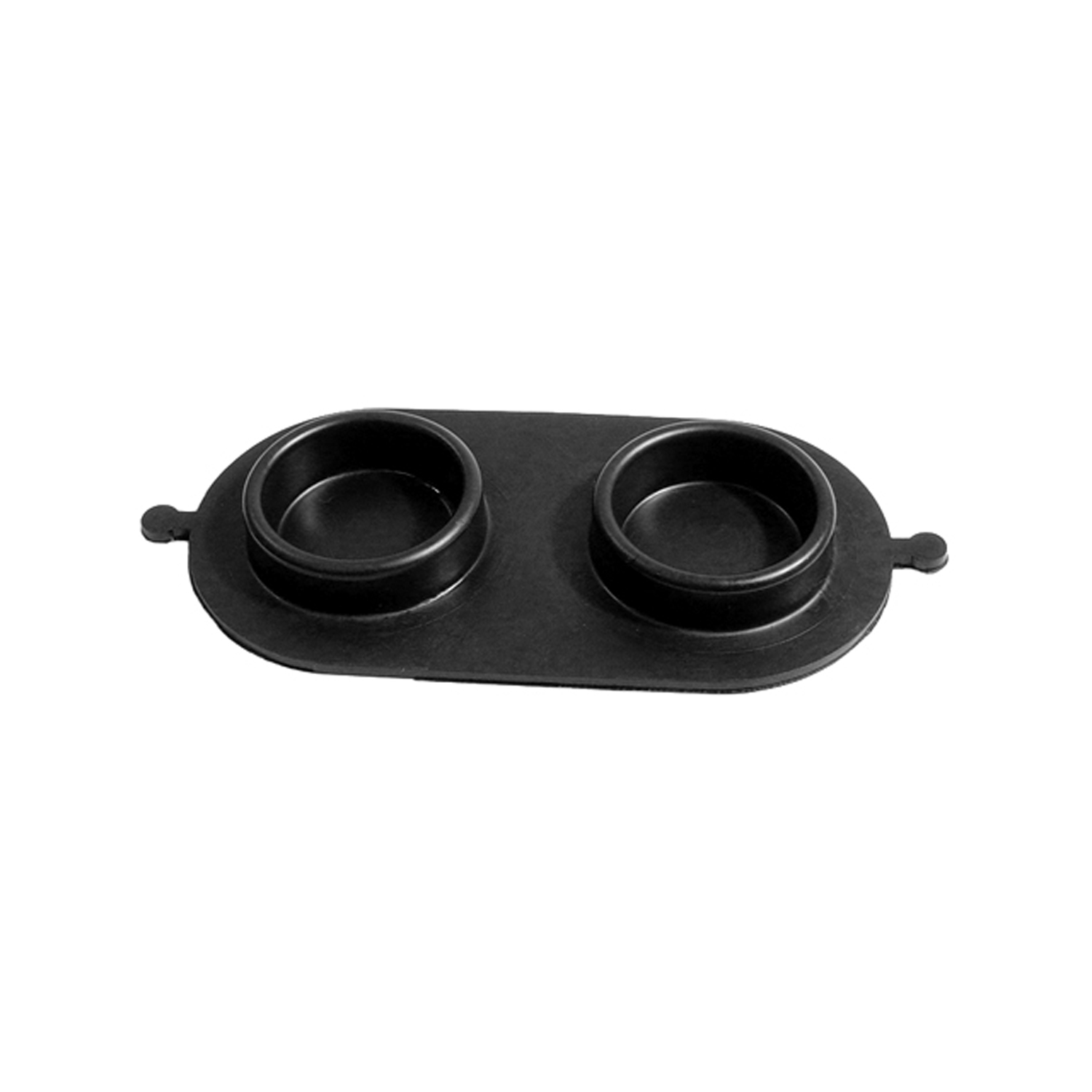 1971 Ford Torino Brake Master Cylinder Cover Seal. Replaces OEM #C7AZ2167-A-RP 2-BBrake Master Cylinder Cover Seal. Replaces OEM #C7AZ2167-A. Each
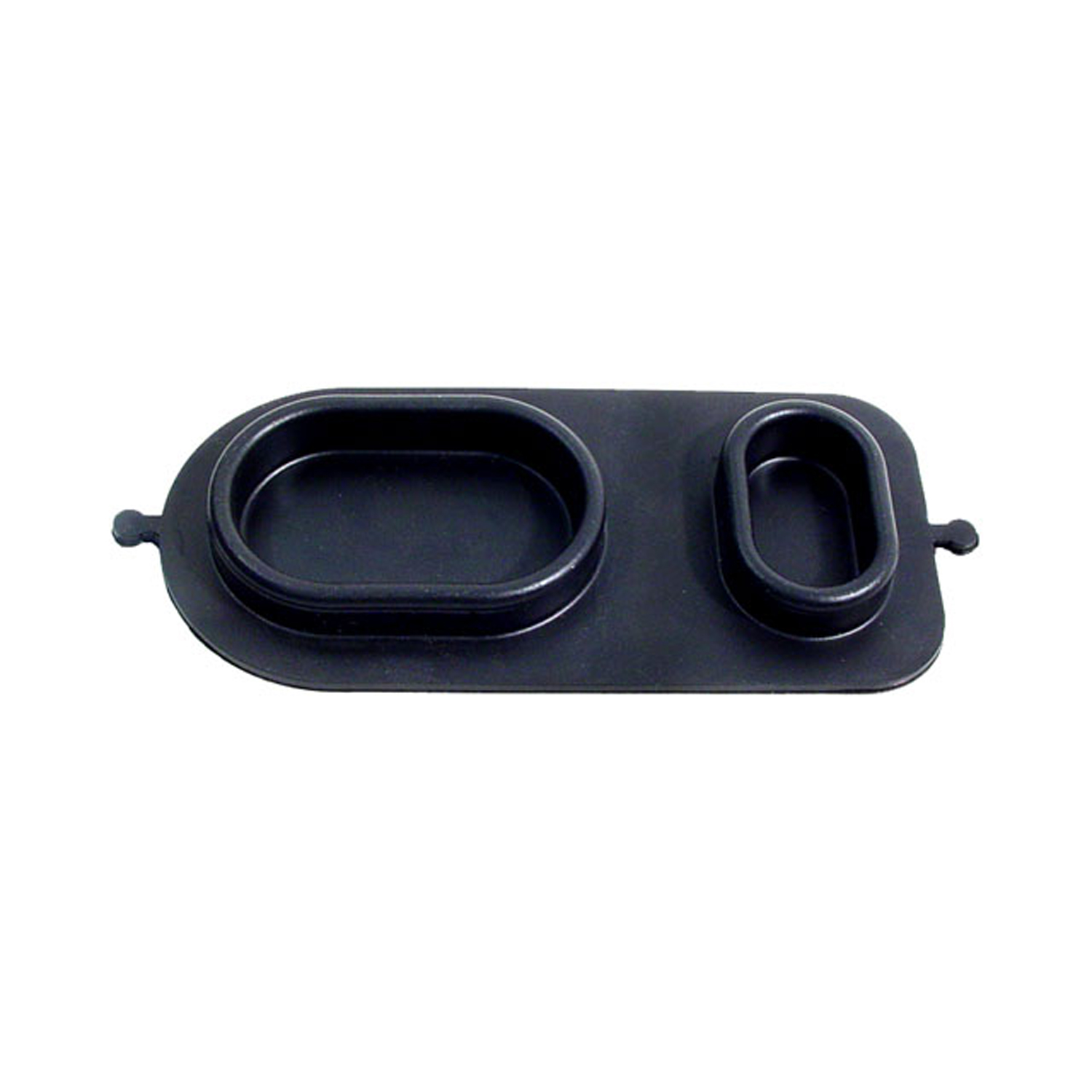 1971 Ford Torino Brake Master Cylinder Cover Seal. Replaces OEM #5470861-RP 2-CBrake Master Cylinder Cover Seal. Replaces OEM #5470861. 5-9/16" long, 2-5/8" wide. Each
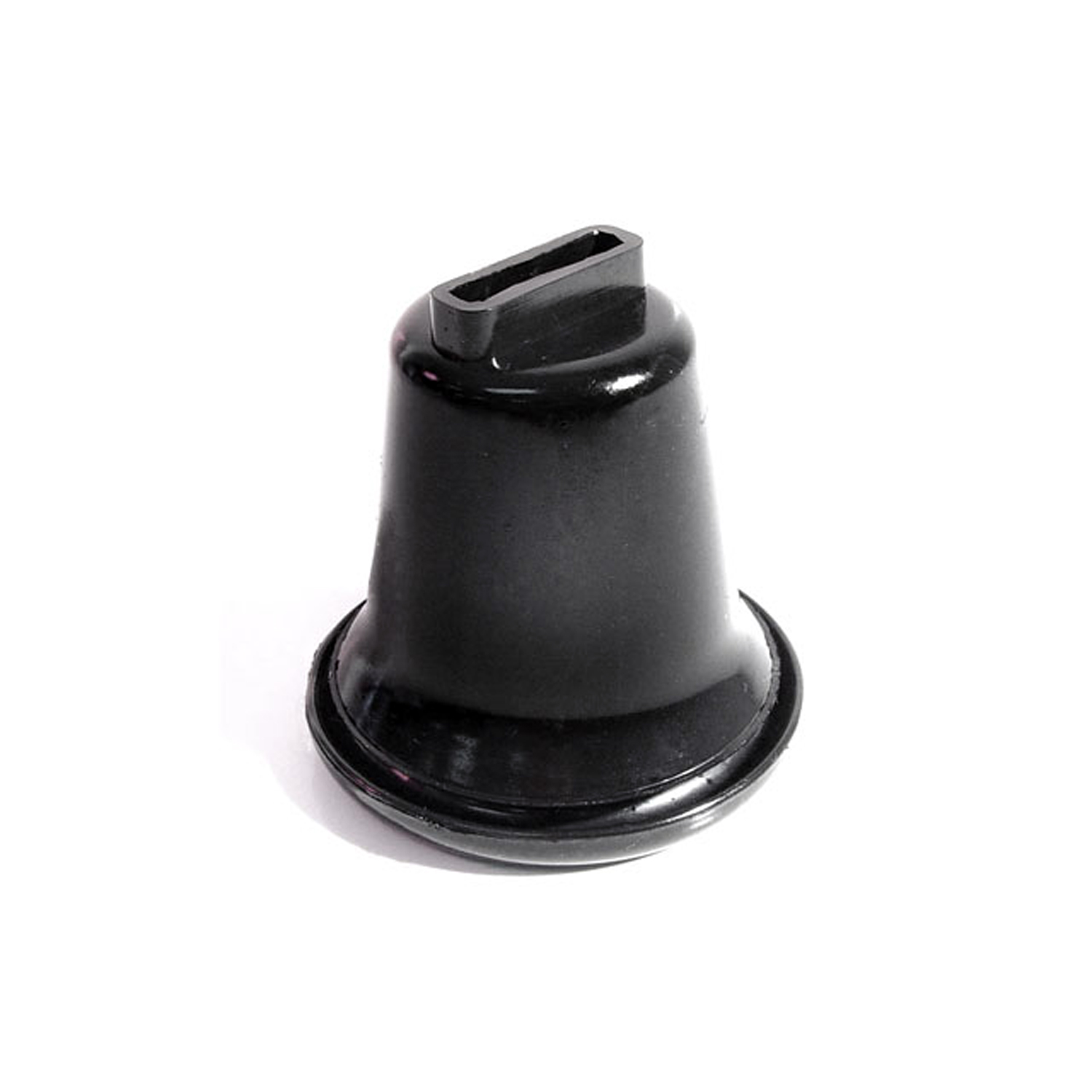 1971 Ford Torino Brake Booster Boot. Each-RP 32-AABrake Booster Boot. Each
 1971 Ford Torino Rear Roll-Up Window Seals, for 2-Door Fastback. Pair R&L-VS 3-TRear Roll-Up Window Seals, for 2-Door Fastback. Pair R&L. 15.5" Long. Replaces OEM #'s D1ZZ 6330146-A & D1ZZ 6330147-A.
 1971 Ford Torino Rear Roll-Up Window Seals, for 2-Door Hardtop. Pair R&L-VS 3-VRear Roll-Up Window Seals, for 2-Door Hardtop. Pair R&L
 1971 Ford Torino Rear Roll-Up Window Seals, for 2-Door Convertible-VS 3-WRear Roll-Up Window Seals, for 2-Door Convertible. Pair R&L
 1971 Ford Torino Spare Tire Hold Down Nut. 1/2- 13 thread size-WF 3503Spare Tire Hold Down Nut. 1/2- 13 thread size. Replaces OEM #C8AZ-1462-A. Each
Why Choose Metro?
For over 100 years, Metro Moulded Parts has been the pinnacle of quality in classic car restoration parts. Our commitment to precision and authenticity in every component ensures a perfect fit and an OEM-level appearance.
- Expert Craftsmanship & Quality: Each part is a testament to our dedication to reliability and perfection, crafted from original designs and thoroughly tested.
- Advanced Technology: We use cutting-edge techniques to create flawless, long-lasting parts that surpass others in performance.
- SuperSoft Sponge – The Ultimate Door Seal: Not only are our door seals 30% softer than competitors', but they're also guaranteed to never leak. They effectively reduce wind and road noise, enhancing your classic car's comfort and driving experience.
- Proudly American: Our parts are a product of American craftsmanship, made in the USA with a spirit of excellence and heritage.
- Unrivaled Warranty: We back our products with a 30-year industry-leading warranty, a testament to our confidence in their quality.
Join us in preserving the legacy of classic cars with parts that are crafted for perfection, not just made.