

Image of 1972 Ford Country Squire, Note: These illustrations use artistic license and may differ from actual historical models.
Performance Metrics
Fundamental Metrics
Emotional Appeal
MMP Rating
| Engine Specifications | |
|---|---|
| Engine: | 400 CID 2V V-8, 429 CID 4V V-8 |
| Displacement: | 400-429 cubic inches |
| Horsepower: | 168-205 hp |
| Torque: | 315-322 lb-ft |
| Compression Ratio: | 8.5:1 for 400 CID, 10.5:1 for 429 CID |
| Ignition System: | Conventional, breaker point |
| Cooling System: | Liquid-cooled |
| Performance Specifications | |
| 0-60 Time: | 10-12 seconds |
| 1/4 Mile Time: | 17-19 seconds |
| Top Speed: | 115-120 mph |
| Transmission and Drive | |
| Drive Type: | Rear-wheel drive |
| Transmission Type: | 3-speed automatic |
| Fuel and Efficiency | |
| Fuel System Type: | Carburetor |
| MPG: | 10-12 mpg |
| Dimensions and Brakes | |
| Brakes: | Front disc, rear drum |
| Wheelbase: | 121 inches |
| Weight: | 4,500 lbs |
Note: Specifications for classic cars are given to the best of our ability, considering the limited and variant data available.
1972 Ford Country Squire: America’s Big-Shouldered Family Wagon
The 1972 Ford Country Squire could carry a family, a week’s worth of luggage, and a surprising amount of suburban life behind its long woodgrain sides. Built by Ford as the upscale member of its full-size station-wagon lineup, it combined the comfort of a large American sedan with the cargo space and flexibility families wanted from a wagon.
The Country Squire was part of a long-running Ford nameplate, but the 1972 model belongs to a particularly recognizable era: large V8 engines, generous dimensions, acres of bright trim, and faux-wood body panels that made a wagon look both practical and prestigious. It was not a sports car or a technological revolution. Its importance lies in how confidently it represented the full-size family wagon at the height of its popularity, just before changing fuel costs and the rise of newer vehicle types began to reshape the market.
One of its most useful features was its two-way “Magic Doorgate.” The rear gate could be lowered like a conventional tailgate or opened sideways like a door, making it easier to load long items or reach into the cargo area in a tight space. It was a clever everyday innovation on a car whose main promise was carrying people and things with less fuss.
Woodgrain Style and Full-Size Presence
The 1972 Country Squire made no effort to hide its size. Its long hood, broad body, upright greenhouse, and substantial front end gave it the imposing presence of a full-size Ford sedan stretched into wagon form. A wide grille and four headlamps established the front-end look, while bright trim outlined the windows and body. The signature simulated woodgrain side panels, framed by contrasting trim, supplied the Country Squire’s most recognizable visual cue.
The woodgrain was decorative rather than structural, but it was central to the model’s identity. It echoed the look of earlier wood-bodied “woodies” while using modern body construction that was easier to produce and maintain. A roof rack added to the wagon’s ready-for-a-road-trip appearance, although the Country Squire’s real carrying capacity came from its roomy interior and foldable seating.
Inside, the emphasis was comfort and space rather than sports-car intimacy. Buyers could choose durable vinyl or cloth upholstery, depending on equipment and trim, along with broad bench seats and period-appropriate carpeting and trim. The dash was wide and straightforward, with large, legible controls. Materials were typical of a mainstream American car of the period: comfortable and substantial, but not hand-finished luxury-car craftsmanship.
Country Squires were offered in six-passenger and nine-passenger configurations. The nine-passenger version added a third-row seat, commonly arranged to face rearward, giving the wagon room for a larger family or extra passengers. The cargo area could be adapted by folding or stowing seats, though the exact arrangement depended on the chosen seating package. The long-roof Country Squire was the signature full-size wagon body style, and its woodgrain trim made it the most recognizable version of Ford’s 1972 estate-car family.
Paint choices varied with the order and trim combinations, but period colors included familiar whites, reds, blues, greens, golds, and earth tones. White and darker shades such as green or brown often made a striking contrast with the woodgrain appliqué and chrome. Interior colors were coordinated with the exterior, so surviving cars can be found in a range of period combinations.
Useful Technology, Not Space-Age Gimmicks
The Country Squire’s standout convenience feature was its dual-action rear gate, often paired with a power-operated rear window. Together, they made loading more flexible than on a wagon with a simple liftgate. The window could be lowered to improve access, and the gate could swing open or fold down, depending on the job.
Other equipment was designed around long-distance comfort and everyday use. Depending on configuration, buyers could order conveniences such as power steering, power brakes, air conditioning, and a roof rack. The big Ford’s equipment list reflected the expectations of a well-appointed family car in the early 1970s, rather than a push toward new electronic systems or advanced driver aids.
Why the Country Squire Mattered
The 1972 Ford Country Squire was not the first wagon, nor did it introduce a breakthrough engine or chassis. Its significance is more cultural and practical. It represents the mature American full-size wagon: a vehicle that could serve as family transport, vacation hauler, and occasional cargo carrier without requiring a separate truck.
It also illustrates how automakers used styling to distinguish practical vehicles. The simulated woodgrain connected the Country Squire to the romantic image of traditional wood-bodied wagons, while its steel body and modern production methods made it a more usable everyday car. Ford’s Magic Doorgate, meanwhile, showed that small mechanical ideas could make a large vehicle noticeably more versatile.
By the early 1970s, the Country Squire faced growing pressure from higher fuel costs, emissions requirements, and changing tastes. It still had plenty of appeal, but the era when a large wagon was the default family road-trip machine was beginning to give way to other formats. That makes the 1972 model a useful snapshot of the full-size wagon near the end of its cultural peak.
400 V8 Power and Road Manners
Most 1972 Country Squires were powered by a V8, with a 400-cubic-inch engine commonly serving as the standard choice and a larger 429-cubic-inch V8 available on some configurations. Exact output depends on engine, carburetion, and the way period ratings are reported. In the early 1970s, manufacturers were transitioning from gross horsepower figures to more realistic net ratings, so a specification quoted without that context can be misleading. These engines were tuned for low-speed pulling power and relaxed cruising, not high-revving performance.
A three-speed automatic transmission, typically from Ford’s heavy-duty automatic family, suited the wagon’s weight and intended use. The result was easy, unhurried acceleration rather than sharp response. Depending on engine and condition, a 0-to-60-mph run would generally take roughly 11 to 14 seconds. A healthy example might reach around 100 to 110 mph, but top speed was not a meaningful selling point for a tall, heavy family wagon. These are broad estimates, not guaranteed factory test figures.
On the road, the Country Squire feels as large as it looks. The long wheelbase and soft suspension smooth out ordinary pavement cracks and broad bumps, while the body’s weight gives the car a settled, rolling character. On a tight or winding road, however, there is no disguising the wagon’s size. It leans through corners, responds gradually to steering inputs, and rewards a calm hand rather than quick corrections.
Crosswinds and rough pavement call for attention, especially with old tires, worn suspension bushings, or loose steering components. A properly maintained example should cruise comfortably, but it will not feel as precise as a modern car. Behind the wheel, the V8’s low rumble, the gentle shift of the automatic, and the broad hood ahead create a distinctly old-school driving experience. The best way to enjoy it is to settle into the bench seat, leave room to brake, and let the car cover distance at an easy pace.
Living With a 1972 Country Squire
Today, owners use Country Squires as weekend cruisers, family nostalgia projects, show cars, and occasional practical haulers. Some are restored to factory-style condition, while others wear patina and remain in service for local trips or vintage events. They are not common choices for racing, and their size, weight, and fuel consumption make them less appealing as modern daily drivers than smaller classics.
Mechanical parts for Ford V8s and many common chassis components are generally easier to find than model-specific trim. That makes basic servicing approachable for an owner with mechanical experience. The larger challenges are often rust, aging wiring, worn suspension and brake parts, and the condition of the tailgate mechanism, rear window, woodgrain, and brightwork. The woodgrain is a vinyl-style appliqué, and reproducing it neatly can take time and expense.
Reliability depends heavily on maintenance. A sound V8 and automatic can be durable, but a 50-year-old wagon should be inspected carefully before purchase. Check the frame and body for corrosion, confirm that the rear glass and gate operate correctly, and look for evidence of neglected cooling or brake systems. The big car’s simple mechanical layout is a plus, but its sheer size means some repairs require more space and heavier equipment than work on a compact classic.
Country Squire Trivia and Common Complaints
The Country Squire’s woodgrain is its most famous feature, but the dual-action Magic Doorgate may be the more ingenious one. It let owners choose between a drop-down tailgate and a side-opening gate, a practical touch that suited everything from loading furniture to reaching cargo in a narrow parking space.
The model is also easy to confuse with a famous movie wagon. The vehicle used as the “Wagon Queen Family Truckster” in National Lampoon’s Vacation was based on a later Ford LTD Country Squire, not a 1972 model. The resemblance reflects the Country Squire’s enduring association with the American family road trip, but the movie car should not be mistaken for this model year.
There is no major speed or endurance record associated with the 1972 Country Squire. Its achievement was more ordinary and arguably more revealing: it was built to move families and their belongings across long distances in comfort. Common criticisms include poor fuel economy, bulky dimensions, soft handling, and the cost of restoring weathered woodgrain and trim. Those drawbacks are part of the ownership equation, not surprises to discover after buying one.
Collector Values and Production Estimate
Values vary widely with rust, mechanical condition, originality, and whether the car has six- or nine-passenger seating. As a broad U.S. market guide, a project or heavily worn example might bring about $2,000 to $6,000. A usable driver could fall around $8,000 to $18,000, while a clean, well-preserved or properly restored car may reach roughly $20,000 to $35,000 or more. Exceptional examples with strong documentation and excellent trim can exceed that range, though the market is specialized and asking prices do not always equal sale prices.
Exact 1972 Country Squire production totals are not consistently reported in commonly available model summaries. A reasonable working estimate is roughly 50,000 to 70,000 cars, but that should be treated as an informed estimate, not a verified factory count. They are not extraordinarily rare, yet clean survivors are much less common than the original production scale might suggest. Large wagons were used hard, exposed to weather, and often scrapped when repairs became uneconomical.
Values have generally risen for attractive, original, and restored examples as interest in vintage wagons has grown, but the Country Squire remains a niche collectible. Condition matters more than speculative rarity. A solid car with working rear glass, sound structure, and presentable woodgrain is usually a better buy than a cheaper project that needs extensive bodywork and trim restoration.
A Classic Built for the Long Way Around
The 1972 Ford Country Squire paired full-size V8 comfort with the practicality of a three-row family wagon. Its long, woodgrain-clad body, roomy cabin, and clever dual-action gate made it an emblem of an era when the family car was expected to carry nearly everything and keep going for miles.
It is not quick, compact, or economical by modern standards. Its appeal is the opposite: unhurried power, a cushioned ride, and a design that makes every errand feel like the start of a road trip. The Country Squire remains a memorable reminder of when America’s most versatile family vehicle wore woodgrain down its flanks and had room for one more suitcase.
1972 Ford Country Squire Catalog of Parts
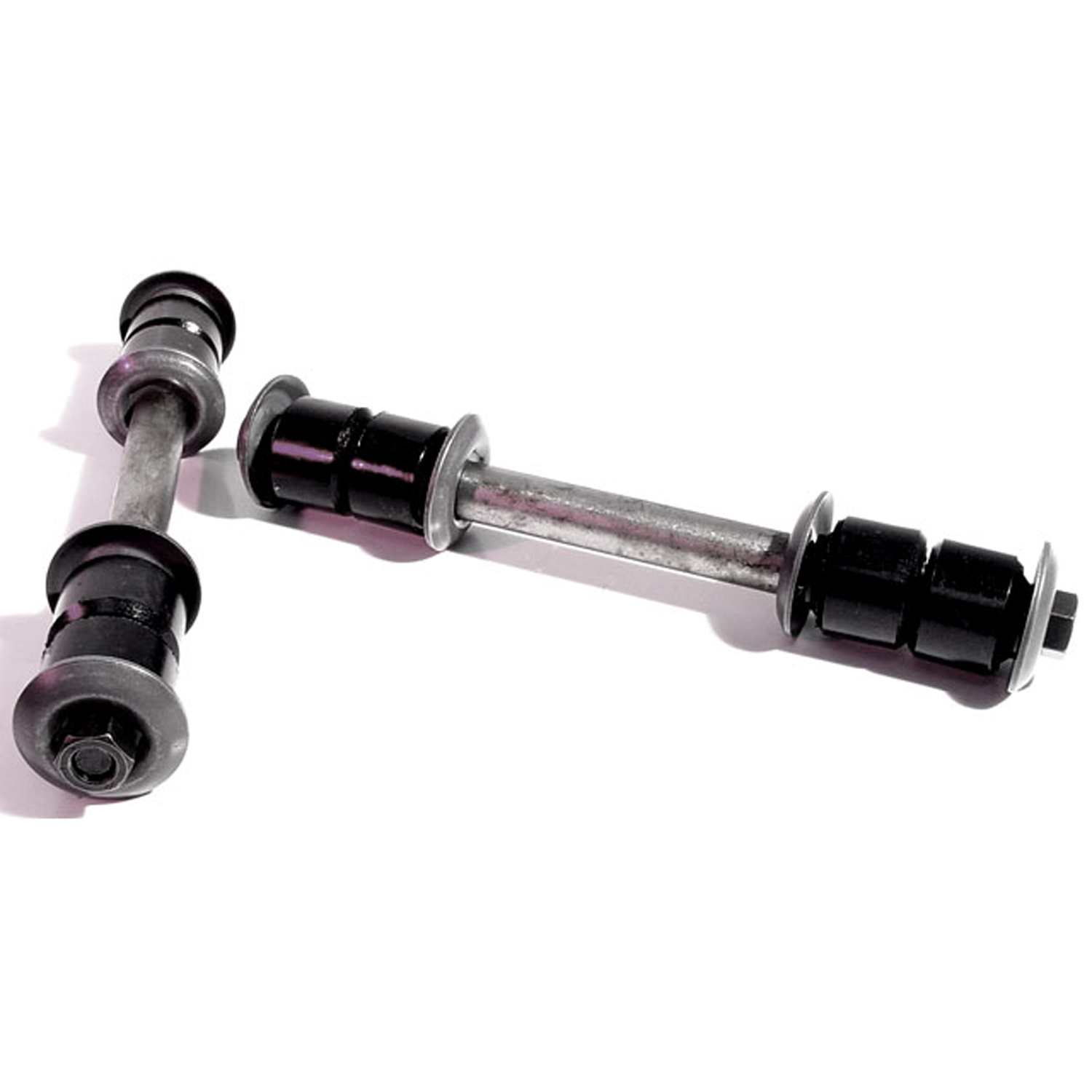 1972 Ford Country Squire Front Stabilizer End Repair Kit-BNK 21Front Stabilizer End Repair Kit. 22-piece set for two stabilizer bars. Contains all rubber bushings, washers, bolts and nuts, enough for one front end. Set
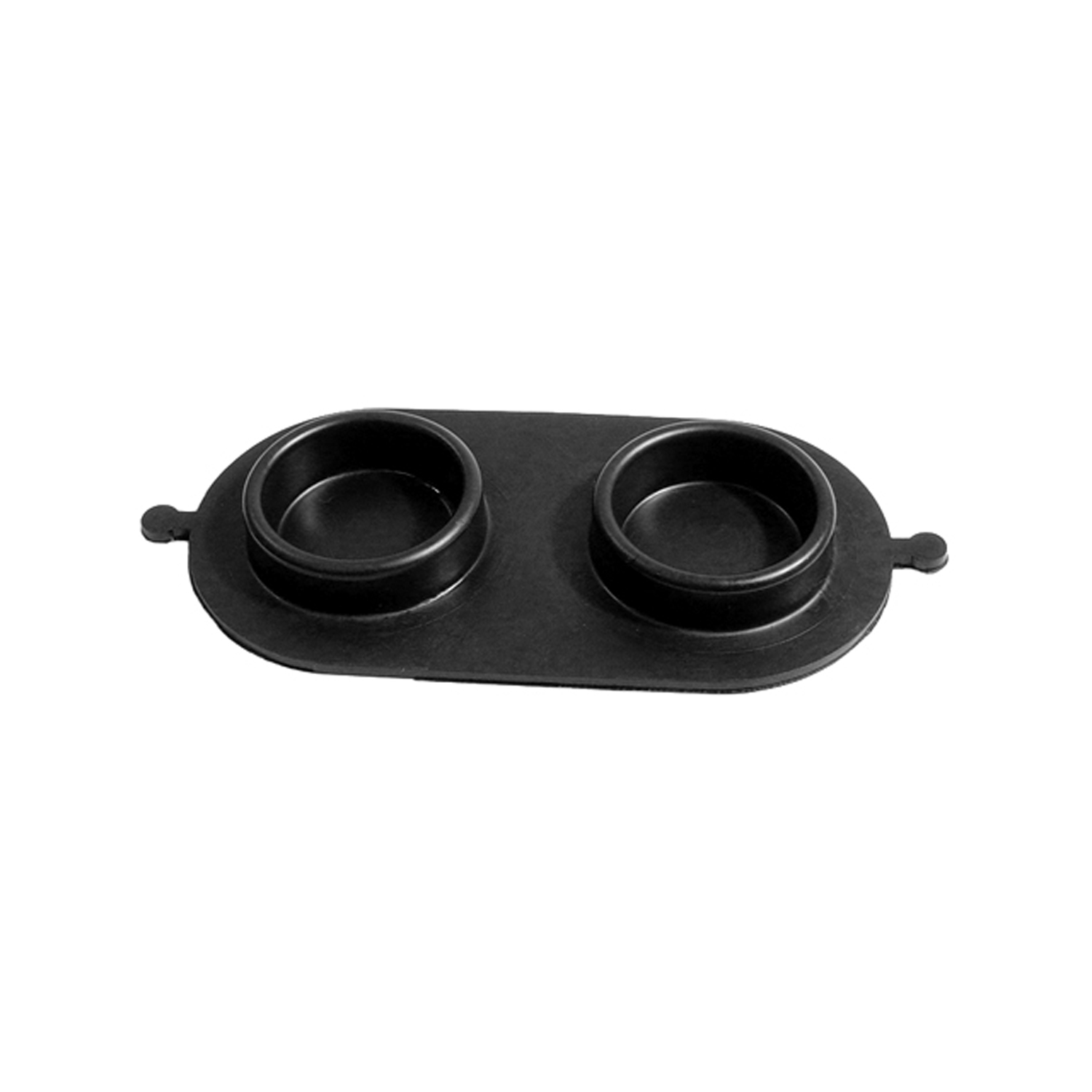 1972 Ford Country Squire Brake Master Cylinder Cover Seal. Replaces OEM #C7AZ2167-A-RP 2-BBrake Master Cylinder Cover Seal. Replaces OEM #C7AZ2167-A. Each
Why Choose Metro?
For over 100 years, Metro Moulded Parts has been the pinnacle of quality in classic car restoration parts. Our commitment to precision and authenticity in every component ensures a perfect fit and an OEM-level appearance.
- Expert Craftsmanship & Quality: Each part is a testament to our dedication to reliability and perfection, crafted from original designs and thoroughly tested.
- Advanced Technology: We use cutting-edge techniques to create flawless, long-lasting parts that surpass others in performance.
- SuperSoft Sponge – The Ultimate Door Seal: Not only are our door seals 30% softer than competitors', but they're also guaranteed to never leak. They effectively reduce wind and road noise, enhancing your classic car's comfort and driving experience.
- Proudly American: Our parts are a product of American craftsmanship, made in the USA with a spirit of excellence and heritage.
- Unrivaled Warranty: We back our products with a 30-year industry-leading warranty, a testament to our confidence in their quality.
Join us in preserving the legacy of classic cars with parts that are crafted for perfection, not just made.