
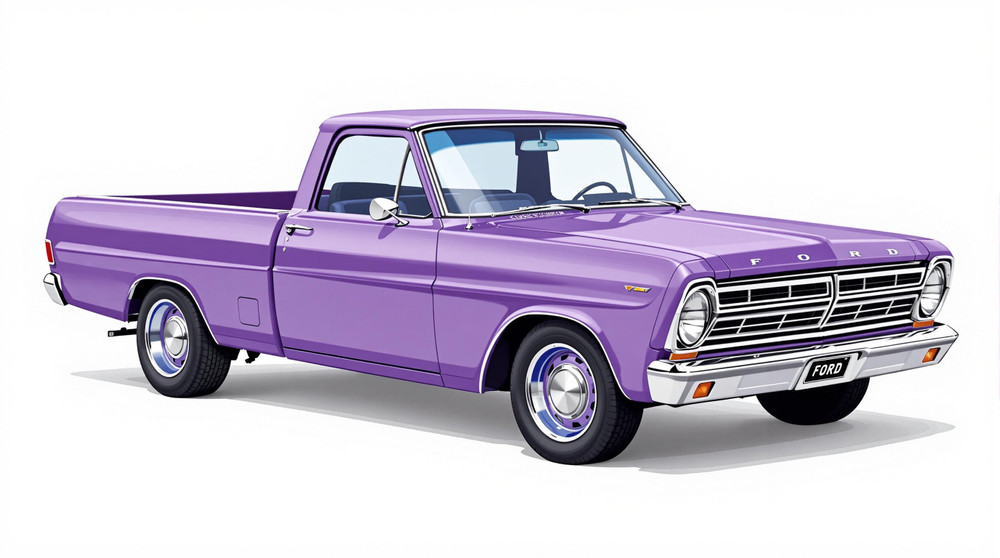
Image of 1972 Ford Courier, Note: These illustrations use artistic license and may differ from actual historical models.
Performance Metrics
Fundamental Metrics
Emotional Appeal
MMP Rating
| Engine Specifications | |
|---|---|
| Engine: | 1.8L Mazda F/NA I4 |
| Displacement: | 1.8L |
| Horsepower: | 74-79 hp |
| Torque: | 94 lb-ft |
| Compression Ratio: | 8.6:1 |
| Ignition System: | Distributor ignition |
| Cooling System: | Liquid-cooled |
| Performance Specifications | |
| 0-60 Time: | Estimated 20 seconds |
| 1/4 Mile Time: | Estimated 22 seconds |
| Top Speed: | 85 mph |
| Transmission and Drive | |
| Drive Type: | Rear-wheel drive |
| Transmission Type: | 4-speed manual |
| Fuel and Efficiency | |
| Fuel System Type: | Carburetor |
| MPG: | Estimated 20-25 mpg |
| Dimensions and Brakes | |
| Brakes: | Front disc and rear drum brakes |
| Wheelbase: | 102.6 inches |
| Weight: | 2,800 lbs |
Note: Specifications for classic cars are given to the best of our ability, considering the limited and variant data available.
1972 Ford Courier: The Compact Pickup That Came From Mazda
The 1972 Ford Courier looked like a small Ford truck, but its roots were across the Pacific: it was built in Japan by Toyo Kogyo, the company now known as Mazda. Ford imported the compact pickup and sold it through its own dealer network, giving buyers a fuel-conscious alternative to the full-size F-Series at a time when smaller trucks were gaining attention.
The Courier arrived as fuel economy and practical size were becoming increasingly important to American drivers. It also helped Ford compete with compact imports such as the Toyota Hilux and Datsun pickups, as well as the Chevrolet LUV. One intriguing detail is that the Courier’s Mazda connection was more than a shared parts-bin arrangement. Its basic engineering came from Mazda’s B-Series pickup, while Ford adapted the styling and branding for its own market.
Ford Styling, Mazda Foundations
The Courier had the straightforward proportions of a traditional compact pickup: a short, upright cab, a long and useful bed, and a narrow body that felt far less intimidating than a full-size truck. At the front, Ford-specific trim and a simple grille gave it a recognizable family resemblance to the larger F-Series. Round headlights, a flat hood, modest chrome details, and a high-set bumper kept the look practical rather than flashy.
Inside, the emphasis was on durability and function. Expect a simple dashboard, easy-to-read gauges, basic switchgear, and hard-wearing vinyl surfaces. Many trucks had a bench seat and a rubber floor covering, choices that suited work use and made cleanup easy. Equipment and upholstery could vary with the original order, but the Courier was not a luxury pickup. Its appeal was in being simple, compact, and ready to haul.
Paint choices varied by market and order, with period colors generally ranging across familiar whites, reds, blues, greens, and earth tones. Bright red and blue trucks make especially vivid choices today, while white examples capture the understated work-truck look. The 1972 Courier was sold as a regular-cab pickup rather than a range of elaborate body styles. Bed and equipment details could differ, but its defining configuration was a compact two-door cab paired with a practical pickup bed.
Compact Truck History
The Courier was significant less for introducing a radical new technology than for helping establish the compact pickup as a serious choice for American buyers. Its smaller footprint and four-cylinder engine suited owners who wanted a truck for everyday errands, light work, or recreation without the size and appetite of a full-size model.
It also illustrated an important shift in the American truck market: automakers increasingly turned to international partnerships to offer smaller, more economical pickups. The Courier gave Ford a quick way to compete in that growing segment. Its success helped lay the groundwork for Ford’s later compact-truck strategy, including the Ranger introduced in 1983. The Courier’s Mazda origins remain part of its identity, not a footnote.
There was a trade-policy wrinkle, too. The United States imposed a 25 percent tariff on imported light trucks, commonly nicknamed the “chicken tax.” The Courier was imported in a cab-chassis form, with the pickup bed fitted in the United States as part of a strategy to reduce the tariff burden. That unusual arrangement is a memorable example of how trade rules could shape the way a vehicle was brought to market.
Engine, Speed, and Road Manners
The 1972 Courier used a Mazda-sourced 1.8-liter overhead-cam inline-four, rated at roughly 74 horsepower in period specifications. A four-speed manual transmission was common, with an automatic available in some configurations. Output was modest by modern standards, but the engine’s job was to move a light, compact truck economically rather than deliver sports-car acceleration.
Period performance figures vary with equipment, condition, and testing method. A healthy example is generally estimated to reach 60 mph in around 16 to 18 seconds, with a top speed in the neighborhood of 80 to 85 mph. Those figures are best treated as estimates, not guaranteed results for every truck. The Courier feels most at home at town speeds and on back roads, where its size and visibility are more useful than outright pace.
The driving experience is distinctly old-school. The four-cylinder has a busy, mechanical sound when worked hard, and the manual gearbox makes the driver an active part of the routine. Steering and suspension feel more direct and less isolated than those of a modern pickup. On broken pavement, the unladen rear end can hop or bounce, as was common with light pickups of the era. On a winding road, its narrow dimensions are an advantage, but it is still a truck with period tires and handling limits, not a sporty car.
Living With a 1972 Courier
Owners today use Couriers as weekend haulers, vintage work trucks, restoration projects, and show-field curiosities. A good one can also handle occasional local driving, though modern traffic, highway speeds, and limited safety equipment make it less suited to daily commuting than a contemporary pickup.
Routine service is generally approachable for a mechanically minded owner. The engine bay is relatively uncluttered, and the truck’s basic systems are easier to understand than those of a modern vehicle. The main challenge is often not complicated engineering but finding the right parts. Mazda mechanical components may be shared with period B-Series trucks, while Ford-specific trim, badges, and body details can take more searching.
As with any 1970s truck, inspect carefully for rust, especially in the cab corners, floor, bed, wheel openings, and frame. Also check for worn suspension parts, tired brakes, oil leaks, and evidence of poorly executed repairs. A clean, straight body is often more valuable than a bargain purchase with hidden corrosion.
Courier Trivia and Common Complaints
The Courier’s most distinctive trivia is its split identity: Ford name and market presentation, Mazda engineering and Japanese manufacture. It was not a high-performance truck, and it is not known for a special 1972 racing edition or a major speed record. Its story is instead tied to the rise of compact pickups and the inventive ways manufacturers navigated import rules.
Common criticisms are easy to understand. The four-cylinder can feel slow when the truck is loaded, the cabin is basic, and the ride can be choppy over rough roads. Rust and parts availability are concerns for surviving examples. On the other hand, those same simple specifications make the Courier appealing to enthusiasts who want an honest, mechanically straightforward classic rather than a heavily equipped truck.
Collector Value and Availability
The 1972 Courier is uncommon compared with Ford’s F-Series, but exact production figures for a single model year are not consistently published in a way that cleanly separates every configuration. As a working estimate, roughly 20,000 to 30,000 U.S.-market examples may have been sold for the 1972 model year. That is an informed estimate, not an audited production total, and surviving trucks are far fewer today.
Values depend heavily on rust, originality, mechanical condition, and the quality of any restoration. As a broad U.S. market guide, a project truck might sell for about $2,000 to $5,000. A usable driver in decent condition could fall around $6,000 to $12,000, while an exceptionally clean or professionally restored example might reach roughly $15,000 to $25,000 or more. These are approximate ranges, not formal appraisals, and local supply can make a significant difference.
Interest in vintage compact trucks has generally strengthened, which has helped good Couriers attract more attention. Values remain below those of many iconic American pickups, but clean, original examples are increasingly difficult to find. The best trucks are likely to hold their appeal, while rough projects can remain difficult to justify unless the buyer can handle much of the work personally.
Why the 1972 Ford Courier Matters
The 1972 Ford Courier was not built to be fast, luxurious, or imposing. Its strengths were a manageable size, practical utility, straightforward mechanics, and a clever blend of Ford branding with Mazda engineering. It offered American buyers a compact pickup at a moment when that idea was becoming increasingly relevant.
Today, the Courier stands as a reminder that automotive history is full of cross-border collaborations and practical compromises. Small in stature but meaningful in the story of Ford’s truck lineup, it helped make the compact pickup a familiar part of the American road.
1972 Ford Courier Catalog of Parts
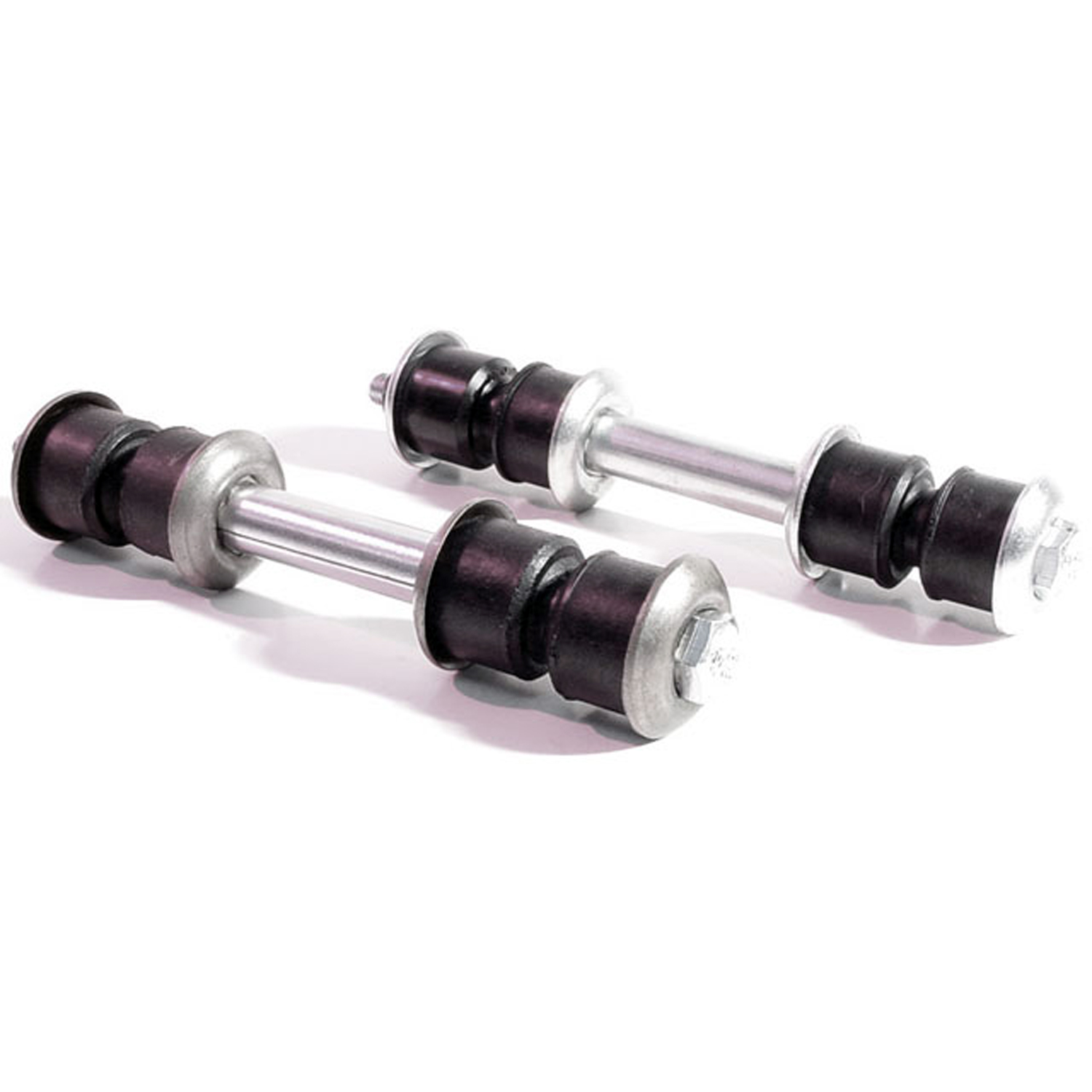 1972 Ford Courier Front Stabilizer End Repair Kit-BNK 24Front Stabilizer End Repair Kit. 22-piece set for two stabilizer bars. Contains all rubber bushings, washers, bolts and nuts, enough for one front end. Set
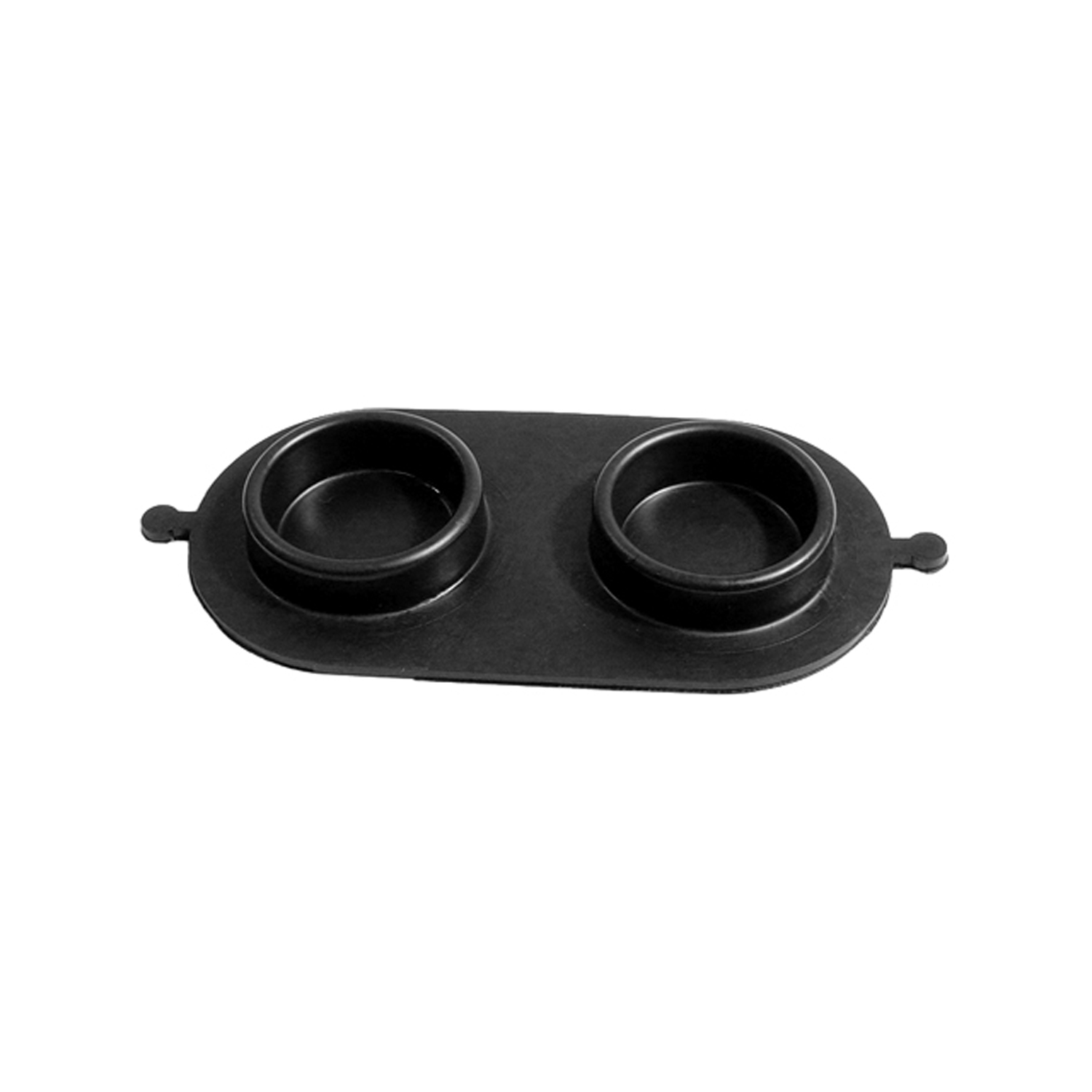 1972 Ford Courier Brake Master Cylinder Cover Seal. Replaces OEM #C7AZ2167-A-RP 2-BBrake Master Cylinder Cover Seal. Replaces OEM #C7AZ2167-A. Each
Why Choose Metro?
For over 100 years, Metro Moulded Parts has been the pinnacle of quality in classic car restoration parts. Our commitment to precision and authenticity in every component ensures a perfect fit and an OEM-level appearance.
- Expert Craftsmanship & Quality: Each part is a testament to our dedication to reliability and perfection, crafted from original designs and thoroughly tested.
- Advanced Technology: We use cutting-edge techniques to create flawless, long-lasting parts that surpass others in performance.
- SuperSoft Sponge – The Ultimate Door Seal: Not only are our door seals 30% softer than competitors', but they're also guaranteed to never leak. They effectively reduce wind and road noise, enhancing your classic car's comfort and driving experience.
- Proudly American: Our parts are a product of American craftsmanship, made in the USA with a spirit of excellence and heritage.
- Unrivaled Warranty: We back our products with a 30-year industry-leading warranty, a testament to our confidence in their quality.
Join us in preserving the legacy of classic cars with parts that are crafted for perfection, not just made.