
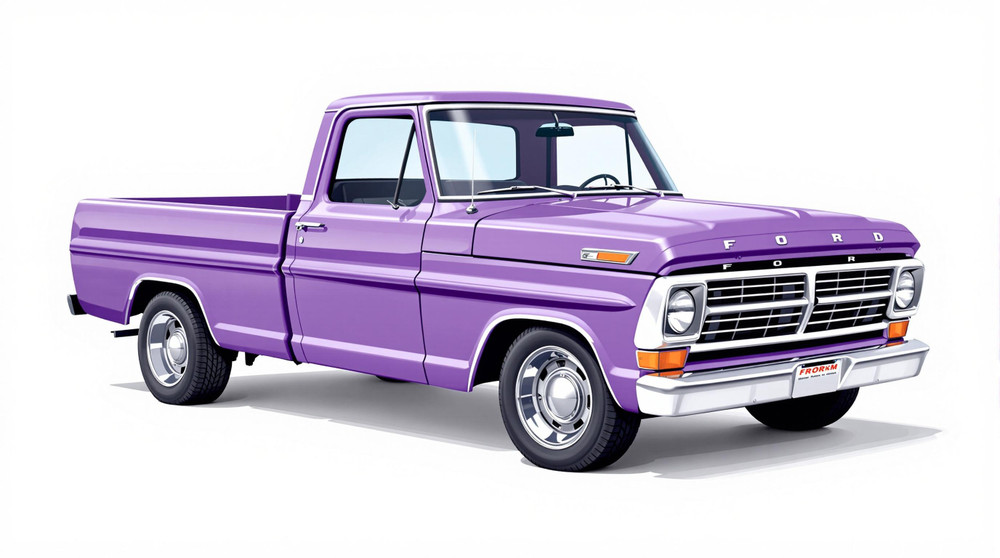
Image of 1972 Ford F-100, Note: These illustrations use artistic license and may differ from actual historical models.
Performance Metrics
Fundamental Metrics
Emotional Appeal
MMP Rating
| Engine Specifications | |
|---|---|
| Engine: | 240, 300, 302, 360, 390 CID |
| Displacement: | 240-390 cubic inches |
| Horsepower: | 101-255 hp |
| Torque: | 223-344 lb-ft |
| Compression Ratio: | 8.0:1 - 9.5:1 |
| Ignition System: | Conventional, distributor |
| Cooling System: | Liquid-cooled |
| Performance Specifications | |
| 0-60 Time: | 10-15 seconds |
| 1/4 Mile Time: | 17-20 seconds |
| Top Speed: | 85-100 mph |
| Transmission and Drive | |
| Drive Type: | Rear-wheel drive |
| Transmission Type: | 3-speed manual, 4-speed manual, 3-speed automatic |
| Fuel and Efficiency | |
| Fuel System Type: | Carburetor |
| MPG: | 10-15 mpg |
| Dimensions and Brakes | |
| Brakes: | Front disc and rear drum brakes |
| Wheelbase: | 115 inches |
| Weight: | 3,500-4,500 lbs |
Note: Specifications for classic cars are given to the best of our ability, considering the limited and variant data available.
1972 Ford F-100: The Last of the Bumpsides
The 1972 Ford F-100 is a pickup with one foot in the workaday past and the other in the modern truck era. It is the final model year of Ford’s fifth-generation F-Series, known to enthusiasts as the “Bumpside” for the raised character line running along the body sides. Built by Ford Motor Company, the F-100 was the half-ton member of a lineup that had become a fixture on farms, construction sites, and American roads.
Its timing gives it special appeal: in 1973, Ford replaced the Bumpside with the more squared-off “Dentside” generation. That makes the ’72 a bookend truck, representing the end of a familiar design before pickups grew larger and more comfort-focused. The F-100 was never intended to be a sports truck, but its clean proportions, wide range of configurations, and straightforward mechanicals have made it a favorite among restorers and custom builders.
A useful piece of trivia for shoppers is that “F-100” does not describe one single specification. Engine, transmission, axle ratio, cab, bed, and equipment could all vary, so two trucks with the same badge may feel quite different on the road.
Bumpside Styling and Cabin Details
The 1972 F-100 has a broad, upright face, a flat hood, and a simple rectangular grille framed by prominent front fenders. Its rounded cab corners soften the otherwise sturdy shape, while the distinctive ridge pressed into each bedside gives the generation its nickname. The design looks purposeful without being overly ornate, a quality that helps the truck suit everything from a weathered farm-truck restoration to a polished show build.
Ford offered the F-100 as a regular-cab pickup with either a Styleside bed, whose outer sides align smoothly with the cab, or a Flareside bed, with separate, outward-projecting rear fenders. Styleside trucks are the more familiar sight and are often considered the classic all-purpose configuration. Flareside models have a narrower bed but a more traditional, eye-catching look. Wheelbase and bed combinations varied, and four-wheel drive was available on suitable configurations.
Trim choices ranged from basic work-truck equipment to better-appointed packages such as Ranger and Ranger XLT. Depending on the build, buyers could get extra brightwork, upgraded upholstery, additional interior trim, and convenience features. The cabin itself was practical rather than luxurious: a broad bench seat, simple controls, durable vinyl or cloth-and-vinyl upholstery, and a rubber floor covering on many work-oriented trucks. The dash was easy to read and designed for straightforward use, though today’s drivers will notice the upright seating position and limited sound insulation.
Ford’s paint choices covered the period’s familiar whites, reds, blues, greens, browns, and metallic finishes, with exact colors depending on the order and market. White and red trucks remain especially recognizable, while bright blues and two-tone treatments are popular with restorers. Original color codes and trim details are worth checking against the truck’s data plate and factory documentation before a restoration.
Simple Technology, Thoughtful Engineering
The F-100’s most important engineering feature was not a flashy dashboard gadget. On two-wheel-drive models, Ford’s Twin I-Beam independent front suspension used two long beams, each pivoting from the frame and supporting one front wheel. Introduced on the F-Series in the 1960s, the layout helped give the truck a more comfortable ride than a traditional solid front axle while retaining a rugged, truck-oriented design. Four-wheel-drive versions used a different front-axle arrangement.
Depending on the truck, buyers could choose a manual transmission or an automatic, along with equipment such as power steering and power-assisted brakes. These were meaningful conveniences in a vehicle that could otherwise require firm steering and a deliberate pedal effort. Safety and comfort equipment remained modest by modern standards. Seat belts and a padded dash were part of the era’s safety-minded design, but there were no airbags, stability control, or modern crash structures.
Under the hood, engine choices commonly included the 240- and 300-cubic-inch inline-six engines and V8 options such as the 302, 360, and 390, depending on configuration and market. Availability varied, so a prospective buyer should verify the engine against the truck’s original equipment information rather than relying on badges or seller descriptions.
Why the 1972 F-100 Matters
The 1972 F-100 captures a point when pickups were still primarily tools but were becoming more comfortable and customizable. Its range of engines, drivetrains, trim levels, and bed styles let buyers tailor a truck to work, recreation, or personal taste. That flexibility helped establish a formula that remains central to the pickup market: a tough basic platform with options that make it more capable or more comfortable.
Its Twin I-Beam front suspension also illustrates Ford’s willingness to apply passenger-car ride ideas to a working truck without abandoning the strength customers expected. The result was a pickup that felt more composed on ordinary roads than many older trucks, while remaining easy to service and adaptable to different jobs.
What sets the ’72 apart today is its balance of classic shape and usable mechanical simplicity. It is old enough to have unmistakable vintage character, yet common enough that owners can still find parts, advice, and restoration knowledge. The truck’s influence is less about one revolutionary feature than about how well it combined durability, choice, and everyday usability.
Performance and Road Manners
Performance depends heavily on engine, transmission, axle gearing, tire size, and whether the truck is two- or four-wheel drive. A healthy six-cylinder F-100 is generally a relaxed, hardworking machine rather than a quick one. A V8 brings stronger acceleration and a deeper exhaust note, especially when the truck is lightly loaded. As rough period-style estimates, many stock examples take around 12 to 20 seconds to reach 60 mph, with the slower end more likely for six-cylinder trucks and heavier or lower-geared configurations. Top speed is often in the neighborhood of 80 to 95 mph, but these are broad estimates, not factory guarantees. A 1972 F-100 is best driven at sensible highway speeds, not treated as a modern high-speed vehicle.
On two-wheel-drive models, the Twin I-Beam suspension absorbs many ordinary road imperfections well, though a worn or poorly aligned front end can cause wandering, tire wear, or a noticeable bump-steer sensation. The truck’s body-on-frame construction and solid rear axle mean sharp potholes can still send a firm jolt through the cabin, especially when the bed is empty. Four-wheel-drive trucks are more at home on rough ground, but their steering and ride can feel heavier and less refined.
Behind the wheel, the F-100 feels substantial and direct. The steering is slower than a modern pickup’s, the brakes require more anticipation, and the large hood makes the driver feel connected to the truck’s working dimensions. A six-cylinder produces a steady, purposeful mechanical note; the V8 adds a more pronounced burble under acceleration. The best experience is not a sprint. It is the satisfying combination of engine sound, simple controls, and a chassis that feels built to take use.
Living With a Classic Ford Pickup
Owners use 1972 F-100s as weekend drivers, farm and property trucks, show vehicles, and restoration projects. Some are modified for modern traffic with upgraded brakes, suspension components, fuel systems, or air conditioning. Others are kept close to factory specification, where their original trim and patina are part of the appeal. They are not common choices for racing, though modified examples appear in drag racing and truck-show scenes.
Routine maintenance is relatively approachable for an owner with basic mechanical skills. The engine bay is roomy, many components are mechanically straightforward, and parts support remains strong for common engines and chassis items. Carburetor tuning, ignition maintenance, brake work, and suspension servicing are familiar tasks for classic-truck shops. Originality can make some trim, body, or interior pieces harder to source than common mechanical parts.
Rust is the major ownership concern. Inspect the cab floor, cab mounts, inner and outer rocker panels, lower doors, bed supports, wheel arches, and frame carefully. Also check for mismatched body panels, poorly repaired collision damage, and worn steering or suspension parts. A running truck with solid structure is usually a better starting point than a shiny project hiding extensive corrosion.
F-100 Facts and Common Complaints
The 1972 model year was the last year of the Bumpside F-Series. The next generation, introduced for 1973, earned the “Dentside” nickname from the styling treatment in its body sides. That final-year status is a strong part of the ’72’s enthusiast identity, even though it was not a separate commemorative edition.
Ford sold the F-Series in very large numbers. Roughly half a million F-Series trucks were sold in 1972, but that figure covers the broader lineup, not just F-100s. A dependable production total for every F-100 cab, bed, engine, and trim combination is difficult to establish, so claims about exact configuration counts should be treated cautiously. The F-100 itself was a mass-market truck, not a limited-production model, though particular combinations, such as a well-optioned four-wheel-drive truck or an unusual original-color example, can be much harder to find today.
There is no widely recognized factory F-100 speed or endurance record attached specifically to the 1972 model. Its reputation rests instead on utility, sales success, and long service lives. Nor is there a single famous celebrity-owned 1972 F-100 that defines the model’s story. Its cultural presence comes from ordinary use: work trucks that earned their keep and survived long enough to become classics.
Common criticisms are fair but predictable. The cab is noisy, the ride can be choppy when unloaded, fuel economy is modest by modern standards, and braking distances demand attention. Rust and decades of repairs can also make individual trucks very different from one another. These are old work vehicles, and condition matters more than a seller’s claim that a truck is “all original.”
Collector Values and Market Outlook
Values vary widely by region, condition, originality, engine, drivetrain, and quality of restoration. As a broad U.S. market estimate for 2026, a project truck may sell for roughly $3,000 to $8,000. A usable driver in fair-to-good condition often falls around $10,000 to $25,000, while a clean, well-restored example may bring $30,000 to $50,000. Exceptional restorations, desirable four-wheel-drive trucks, or particularly well-optioned examples can reach $50,000 to $80,000 or more, though those top prices are not typical.
The 1972 F-100 is not rare in the broad sense, and parts trucks and project vehicles still appear on the market. The challenge is finding one with solid metal, credible history, and the exact configuration an enthusiast wants. Prices for desirable classic pickups have generally strengthened over the long term, especially for rust-free, documented examples. Ordinary drivers and unfinished projects remain more sensitive to condition and local demand, so appreciation is not guaranteed for every truck.
For buyers, the smartest value is often a mechanically sound, structurally solid truck that needs cosmetic attention rather than a highly polished example with uncertain repairs. Keep records, preserve original components where possible, and budget for the small details that make a restoration feel complete.
A Classic Built for the Long Haul
The 1972 Ford F-100 combines the sturdy proportions of a traditional American pickup with engineering that made it more comfortable and versatile than many earlier trucks. Its Bumpside styling, broad engine range, practical cabin, and straightforward repairability explain why it remains popular with collectors and everyday enthusiasts.
As the final year of its generation, the ’72 marks the close of a distinctive chapter in Ford truck design. It may not be fast or quiet, but it has a character that modern pickups rarely try to reproduce: honest, hands-on, and unmistakably built to work.
1972 Ford F-100 Catalog of Parts
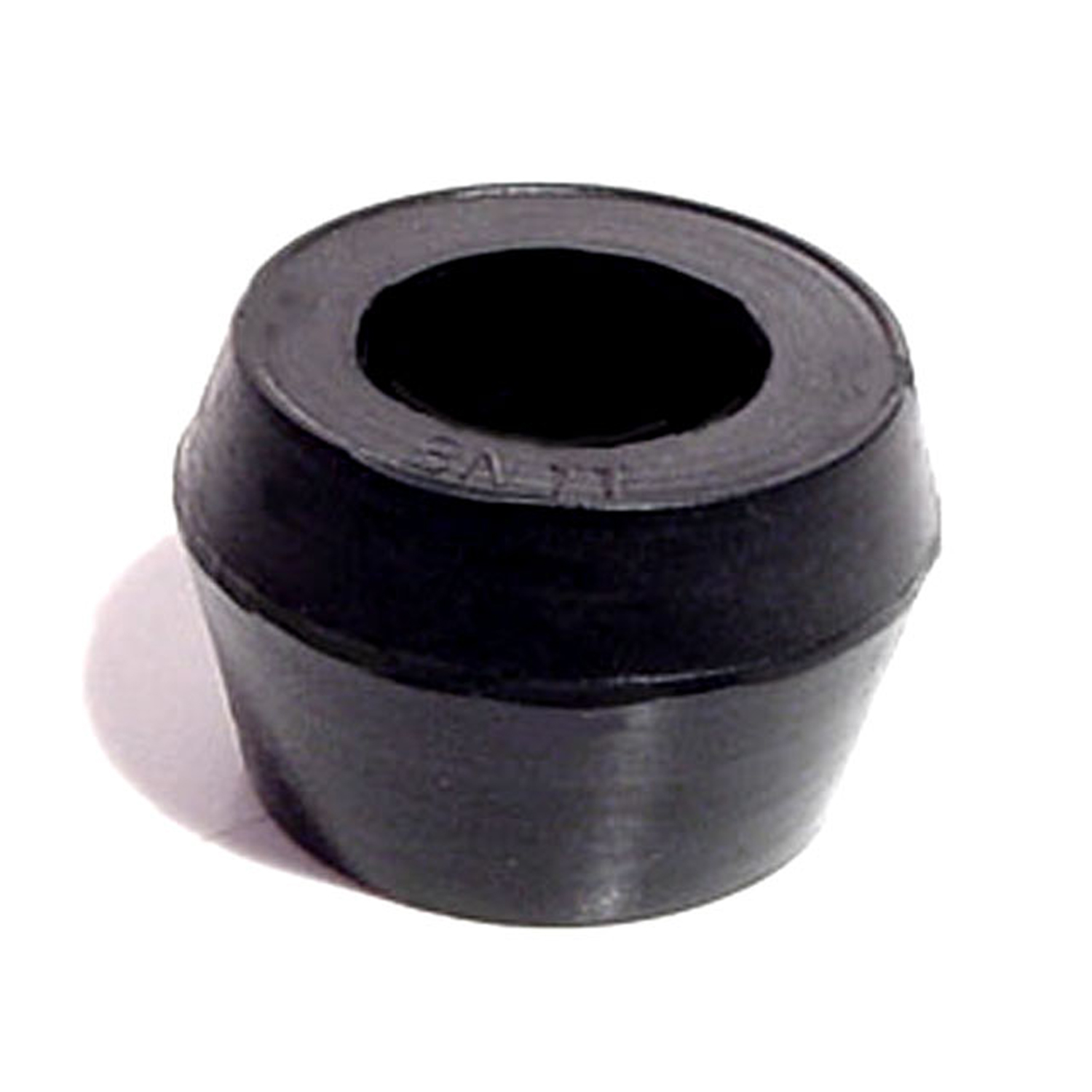 1972 Ford F-100 Shock Absorber Grommet. 1" bottom O.D-BN 11Shock Absorber Grommet. 1" bottom O.D., 3/4" high, with 5/8" I.D. Each
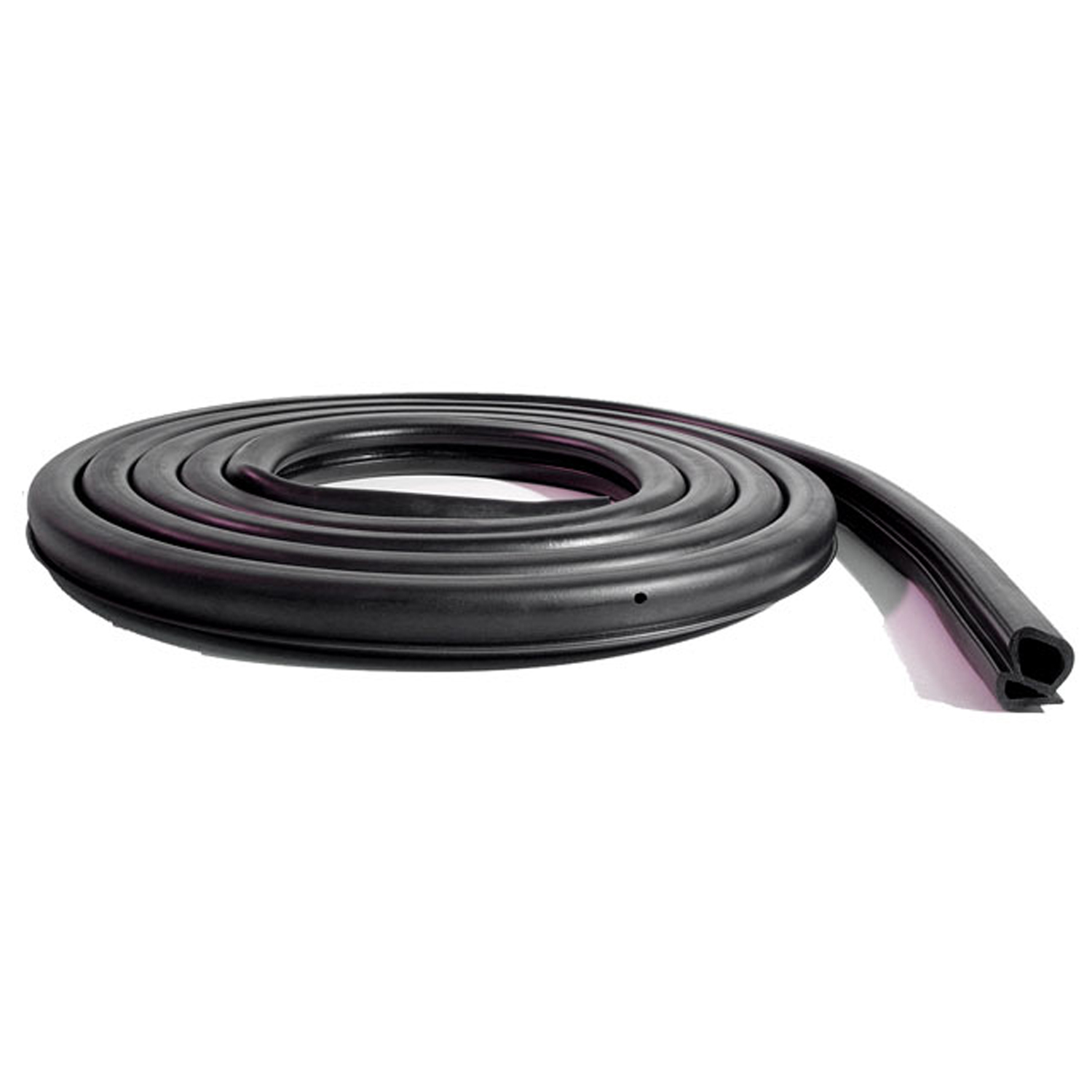 1972 Ford F-100 Door Seal. Fits either side. Each-LM 110-BDoor Seal. Fits either side. Each
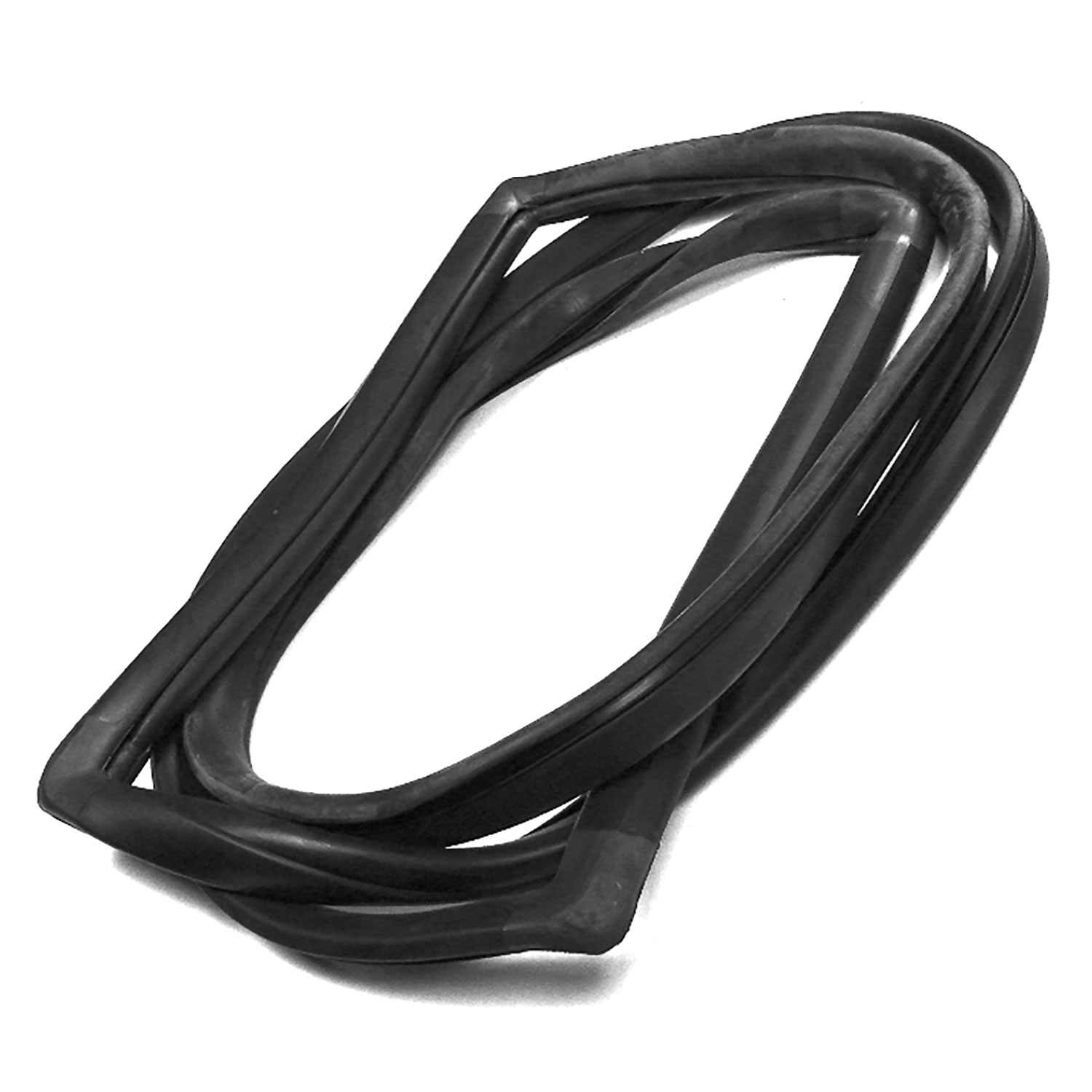 1972 Ford F-100 Windshield Seal, 67-79 Ford Full Size Truck, 78-79 Bronco, Without Trim Groove-VWS 3304-CThis windshield seal goes first on the glass and is installed using the rope-in method. This product is made from the original specs and with high quality ozone resistant EPDM rubber for a great fit and long life. This item is designed to be installed during glass replacement.
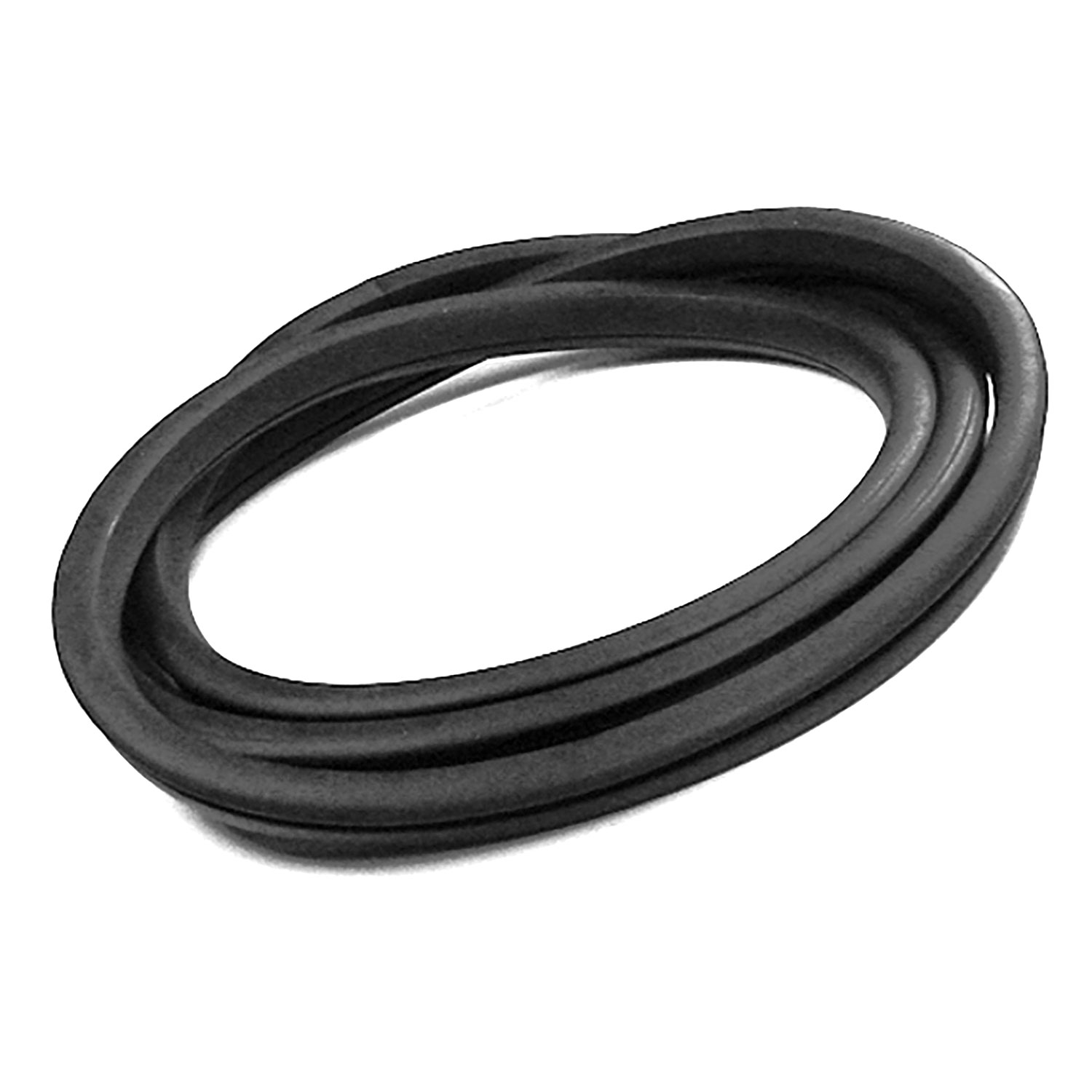 1972 Ford F-100 Rear Window Seal, 67-72 Ford Full Size Truck, Without Trim Groove, Each-VWS 3304-QThis rear window seal goes first on the body then the glass is placed in the opening. It is a standard black gasket without trim groove. This product is made from the original specs and with high quality ozone resistant materials for a great fit and long life. This item is designed to be installed during glass replacement.
Why Choose Metro?
For over 100 years, Metro Moulded Parts has been the pinnacle of quality in classic car restoration parts. Our commitment to precision and authenticity in every component ensures a perfect fit and an OEM-level appearance.
- Expert Craftsmanship & Quality: Each part is a testament to our dedication to reliability and perfection, crafted from original designs and thoroughly tested.
- Advanced Technology: We use cutting-edge techniques to create flawless, long-lasting parts that surpass others in performance.
- SuperSoft Sponge – The Ultimate Door Seal: Not only are our door seals 30% softer than competitors', but they're also guaranteed to never leak. They effectively reduce wind and road noise, enhancing your classic car's comfort and driving experience.
- Proudly American: Our parts are a product of American craftsmanship, made in the USA with a spirit of excellence and heritage.
- Unrivaled Warranty: We back our products with a 30-year industry-leading warranty, a testament to our confidence in their quality.
Join us in preserving the legacy of classic cars with parts that are crafted for perfection, not just made.