

Image of 1972 Ford Galaxie 500, Note: These illustrations use artistic license and may differ from actual historical models.
Performance Metrics
Fundamental Metrics
Emotional Appeal
MMP Rating
| Engine Specifications | |
|---|---|
| Engine: | 351 cu in (5.8 L) Windsor V8, 400 cu in (6.6 L) Cleveland V8, 429 cu in (7.0 L) ThunderJet V8 |
| Displacement: | 351-429 cu in (5.8-7.0 L) |
| Horsepower: | 163-224 hp |
| Torque: | 312-356 lb-ft |
| Compression Ratio: | 8.6:1 - 9.0:1 |
| Ignition System: | Conventional breaker-point ignition system |
| Cooling System: | Liquid-cooled |
| Performance Specifications | |
| 0-60 Time: | 10-12 seconds |
| 1/4 Mile Time: | 17-19 seconds |
| Top Speed: | 115-120 mph |
| Transmission and Drive | |
| Drive Type: | Rear-wheel drive |
| Transmission Type: | 3-speed automatic, 4-speed manual |
| Fuel and Efficiency | |
| Fuel System Type: | Carburetor |
| MPG: | 10-12 mpg |
| Dimensions and Brakes | |
| Brakes: | Front disc, rear drum |
| Wheelbase: | 121 inches |
| Weight: | 3,900-4,200 lbs |
Note: Specifications for classic cars are given to the best of our ability, considering the limited and variant data available.
1972 Ford Galaxie 500: A Big Ford at the End of an Era
The 1972 Ford Galaxie 500 brought classic American full-size motoring into a changing decade: long, roomy, V8-powered, and built for the open road. Produced by Ford Motor Company, the Galaxie had been a familiar name since the late 1950s, when space-age styling and the Space Race helped inspire its name. By 1972, it sat between the more basic Custom 500 and the better-trimmed Ford LTD in the company’s full-size lineup.
The timing gives this model extra significance. It arrived just before the 1973 oil crisis, when fuel economy and smaller cars would quickly become much more important to American buyers. A particularly memorable detail is that 1972 marked the final model year for Ford’s full-size factory convertibles. That makes an open-top Galaxie 500 one of the more distinctive versions of an already substantial car.
Full-Size Ford Styling and Body Choices
The 1972 Galaxie 500 wore the broad, low-slung look that defined many American cars of the period. Its long hood, generous passenger compartment, and wide rear quarters gave it a confident, almost yacht-like stance. A prominent grille sat between paired headlamps, while restrained side sculpting and bright trim added visual length without making the design overly fussy. The result was less flamboyant than some late-1950s Fords, but unmistakably large and formal.
Ford offered the Galaxie 500 in several body styles, including a two-door hardtop, four-door sedan, four-door hardtop, and convertible. Station wagons were also part of the broader full-size Ford range, though names and trim details varied across the lineup. The two-door hardtop is often the most immediately recognizable choice for classic-car fans, while the convertible is the standout for rarity and open-air appeal. The four-door sedan, meanwhile, captures the model’s original mission as comfortable family transportation.
Paint choices varied by trim and ordering details, but buyers could choose from period colors that included subdued whites, blacks, blues, greens, golds, and earth tones. White and darker blues are especially fitting choices for the car’s formal profile, while brighter or metallic colors give it a more expressive early-1970s look. Original paint codes and trim combinations are worth checking when assessing a restoration.
A Spacious, Comfort-Focused Interior
Inside, the Galaxie 500 emphasized room and ease of use over sports-car intimacy. The broad cabin could be ordered with bench seating, and the two-door models offered a front bench or available bucket-seat arrangements depending on configuration. Upholstery included cloth and vinyl combinations, with patterned fabrics and coordinated door panels adding color. The materials were appropriate to a mainstream American car of the period: comfortable and practical, with trim upgrades available, but not intended to rival a luxury model such as the LTD Brougham.
The dashboard was wide and straightforward, with clear instrumentation and controls placed within easy reach. Depending on how the car was ordered, equipment could include air conditioning, an AM radio, power steering, power brakes, and power windows or seat adjustments. These were comfort and convenience features rather than groundbreaking electronics, but they made a large car easier to live with. Safety equipment and regulations were also evolving: federal requirements brought features such as an energy-absorbing steering column and improved occupant-protection provisions into the era’s cars.
Engines, Acceleration, and Road Manners
Engine availability depended on body style and equipment, but the 1972 full-size Ford range offered a selection of six-cylinder and V8 powerplants. Common V8 choices included small-block engines such as the 302 and 351, along with larger-displacement options such as the 400 and 429 in applicable configurations. A three-speed automatic was a frequent pairing, although exact combinations varied. Because Ford used different engines, axle ratios, and equipment, there is no single performance figure that describes every Galaxie 500.
As a broad guide, a V8 Galaxie 500 in ordinary road-going specification might take roughly 10 to 13 seconds to reach 60 mph. Top speed could fall in the neighborhood of 105 to 120 mph, depending on its engine, gearing, condition, and tires. These are estimates rather than factory figures for every version, and they should not be treated as modern performance-car benchmarks. The Galaxie’s strengths were relaxed cruising and effortless-feeling V8 torque, not quick launches.
On the road, the car’s size and soft suspension made it well suited to highways and uneven pavement. It could absorb bumps with the unhurried composure expected of a full-size Ford, though worn suspension parts can make an old example floaty or vague. On a winding road, its length, weight, and relatively slow steering require planning. It is happiest when driven smoothly, with measured inputs rather than rapid direction changes.
From behind the wheel, the engine’s low, steady rumble and the broad hood ahead create a distinctly traditional driving experience. The steering often feels lighter at parking speeds with power assistance, while the suspension favors comfort over cornering grip. A well-maintained example can be a pleasant long-distance cruiser, but its brakes, tires, and suspension should be in good condition before regular highway use.
Why the Galaxie 500 Mattered
The Galaxie 500 was part of a major American tradition: the full-size family car built around generous interior space, a comfortable ride, and a choice of engines. It was not a revolutionary design in 1972, nor did it introduce a technology that changed the industry. Its significance comes from how clearly it represents the end of a particular automotive formula, just before rising fuel costs, emissions rules, and changing tastes pushed manufacturers toward smaller and more efficient vehicles.
The Galaxie name also carried a strong motorsports association from earlier years. Ford Galaxies had been prominent in stock-car racing during the 1960s, helping establish the model name’s performance credentials. The 1972 Galaxie 500 was a more comfort-oriented road car, but it inherited some of that name recognition. Compared with many contemporaries, it stood out for its sheer scale, its broad range of body styles, and its blend of family practicality with available V8 power.
Living With a 1972 Galaxie 500
Today, owners use Galaxie 500s as weekend cruisers, show cars, parade vehicles, and occasional-use classics. A sound sedan or hardtop can also serve as a regular driver for someone comfortable with old-car fuel consumption, large parking dimensions, and period braking and handling. The convertible is more likely to be preserved as a special-use car, particularly if it retains original trim or has a documented history.
Mechanical parts are generally manageable for a capable home mechanic. Ford V8s of this era are familiar to many classic-car shops, and routine service items are widely understood. However, condition matters more than reputation: a car that has sat for years may need work on its fuel system, cooling system, brakes, suspension, wiring, and automatic transmission. Body and trim restoration can be more challenging. Rust in floors, lower body panels, trunk areas, and frame sections deserves close inspection, while correct interior pieces and model-specific convertible parts can take time to locate.
Common criticisms are easy to name: the car is thirsty by modern standards, takes up a lot of space, and does not handle like a contemporary sedan. Its substantial weight also means that worn brakes or tired suspension can make it feel less secure than its size suggests. Those drawbacks are part of the ownership bargain. The appeal is the same: a quiet, spacious cabin, a relaxed ride, and the unmistakable presence of a full-size 1970s Ford.
Collector Values, Rarity, and Market Direction
Exact production totals for the Galaxie 500 can be difficult to compare because figures may be divided by body style, engine, or broader Ford model group. As a practical estimate, total 1972 Galaxie 500 production across the range was likely in the general neighborhood of 100,000 to 150,000 cars. That is a broad estimate, not a verified count for every configuration. Ordinary sedans and hardtops remain more attainable than well-preserved convertibles, which are the more collectible body style.
As a general U.S. market guide, a project car may sell for roughly $3,000 to $8,000, while a usable driver in fair-to-good condition might bring about $8,000 to $18,000. A clean, well-restored hardtop or sedan could fall around $18,000 to $35,000, with exceptional examples sometimes exceeding that range. Convertibles can command approximately $25,000 to $50,000 or more when they are especially sound, correctly restored, or unusually well documented. Actual prices vary sharply by condition, originality, location, and quality of restoration.
Values have generally been steady to gradually appreciating for the best examples, especially convertibles and cars with appealing original features. The broader market is not uniformly rising, however. Large, fuel-hungry classics can be slower to sell than smaller or more performance-focused cars, and an expensive restoration may not be fully reflected in the resale price. Buyers should prioritize structural condition, completeness, and documentation over ambitious claims about rarity.
Galaxie 500 Facts Worth Knowing
The 1972 model year was the last chance to buy a factory full-size Ford convertible before the company withdrew from that segment. It also arrived at the close of the classic big-car period, just before the oil crisis changed the conversation around vehicle size and fuel use. While the Galaxie name has strong links to 1960s NASCAR, the 1972 model is better remembered as a spacious road car than as a factory racing special. There is no single notable speed or sales record that defines this particular model year.
One practical bit of trivia for shoppers: a Galaxie 500’s badge alone does not establish its engine or equipment. Original build information, engine markings, and factory documentation can help confirm how a particular car was ordered. That is especially useful when evaluating a car that has been modified or partially restored.
The Lasting Appeal of the 1972 Ford Galaxie 500
The 1972 Ford Galaxie 500 combines the scale and comfort of traditional American motoring with a place at the threshold of a new automotive era. It offers roomy body styles, familiar V8 character, a smooth highway ride, and the special historical appeal of Ford’s final full-size convertible year. It is not a sports car or an economy car, and it never pretended to be either.
For collectors and casual enthusiasts alike, the Galaxie 500 is a reminder of when a family Ford could be long, relaxed, and unmistakably grand. Find a solid example, maintain it carefully, and every drive becomes a rolling visit to the end of the big-car age.
1972 Ford Galaxie 500 Catalog of Parts
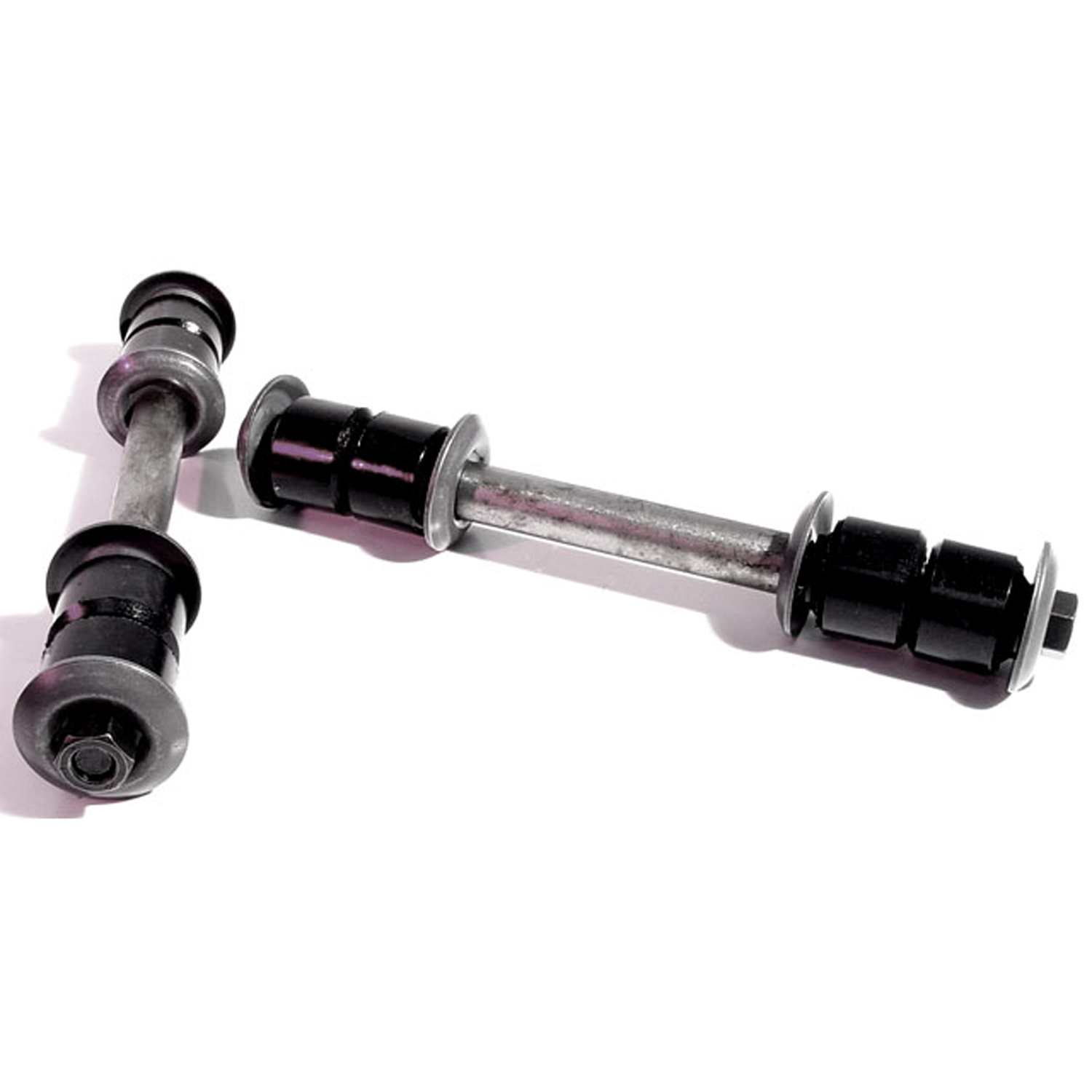 1972 Ford Galaxie 500 Front Stabilizer End Repair Kit-BNK 21Front Stabilizer End Repair Kit. 22-piece set for two stabilizer bars. Contains all rubber bushings, washers, bolts and nuts, enough for one front end. Set
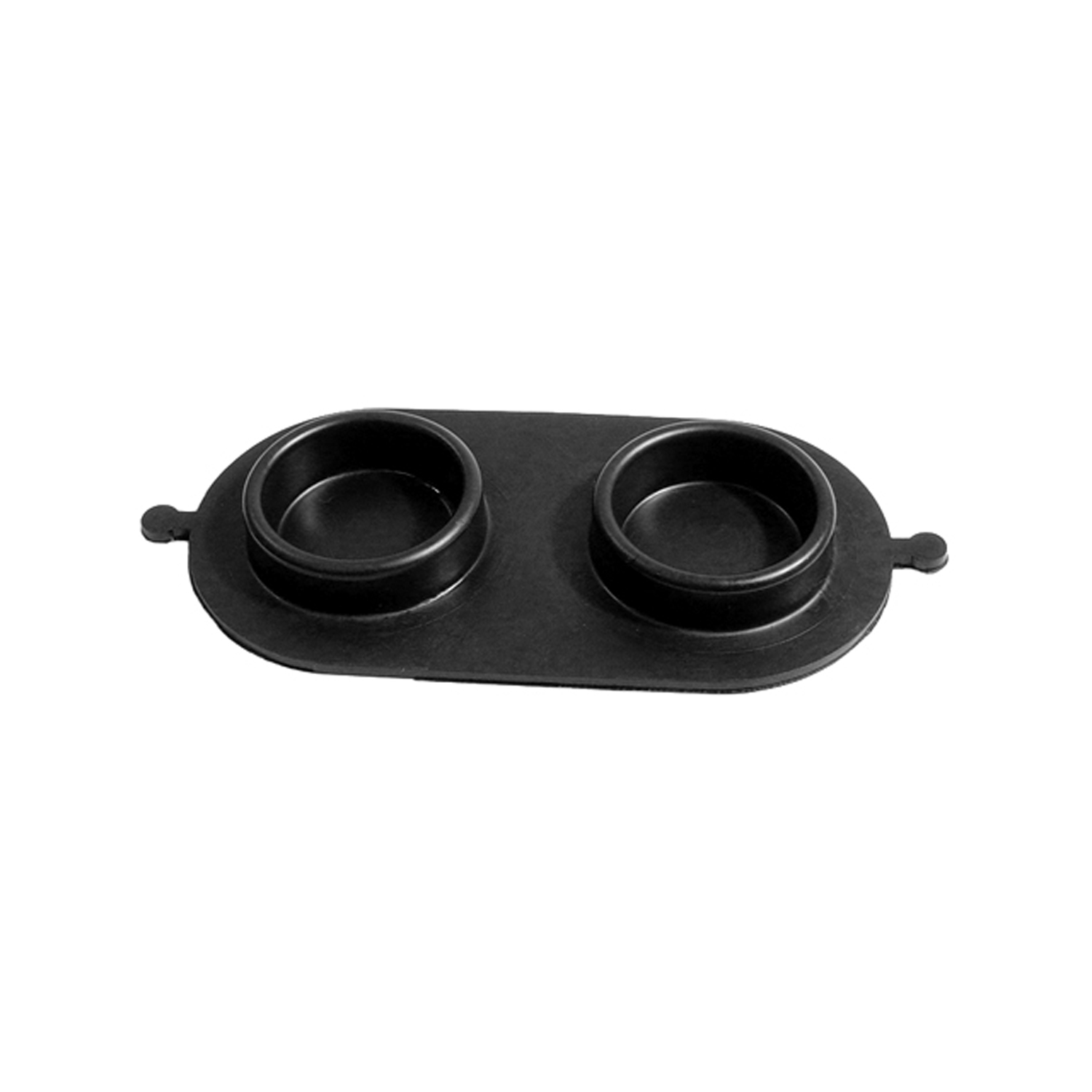 1972 Ford Galaxie 500 Brake Master Cylinder Cover Seal. Replaces OEM #C7AZ2167-A-RP 2-BBrake Master Cylinder Cover Seal. Replaces OEM #C7AZ2167-A. Each
 1972 Ford Galaxie 500 Trunk Seal. 18 feet long. Each-TK 51-18Trunk Seal. 18 feet long. Each
 1972 Ford Galaxie 500 Rear Windshield Reveal Molding Clip. Made of steel. Each-WF 228Rear Windshield Reveal Molding Clip. Made of steel. Each
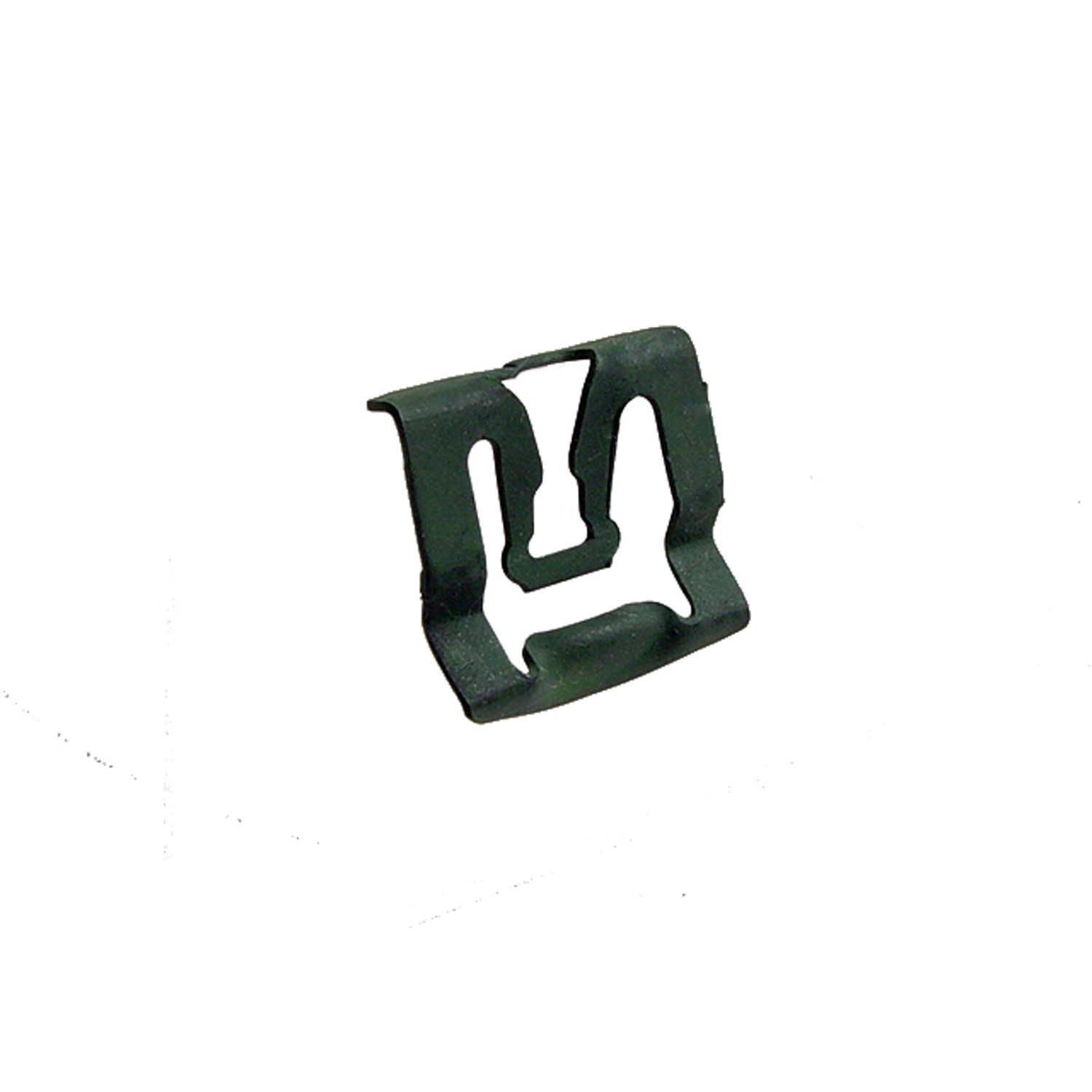 1972 Ford Galaxie 500 Windshield Reveal Molding Clip. Made of steel. Each-WF 228-AWindshield Reveal Molding Clip. Made of steel. Each
Why Choose Metro?
For over 100 years, Metro Moulded Parts has been the pinnacle of quality in classic car restoration parts. Our commitment to precision and authenticity in every component ensures a perfect fit and an OEM-level appearance.
- Expert Craftsmanship & Quality: Each part is a testament to our dedication to reliability and perfection, crafted from original designs and thoroughly tested.
- Advanced Technology: We use cutting-edge techniques to create flawless, long-lasting parts that surpass others in performance.
- SuperSoft Sponge – The Ultimate Door Seal: Not only are our door seals 30% softer than competitors', but they're also guaranteed to never leak. They effectively reduce wind and road noise, enhancing your classic car's comfort and driving experience.
- Proudly American: Our parts are a product of American craftsmanship, made in the USA with a spirit of excellence and heritage.
- Unrivaled Warranty: We back our products with a 30-year industry-leading warranty, a testament to our confidence in their quality.
Join us in preserving the legacy of classic cars with parts that are crafted for perfection, not just made.