

Image of 1972 Ford Ltd, Note: These illustrations use artistic license and may differ from actual historical models.
Performance Metrics
Fundamental Metrics
Emotional Appeal
MMP Rating
| Engine Specifications | |
|---|---|
| Engine: | 400 CID 2V V-8, 429 CID 4V V-8 |
| Displacement: | 400-429 cubic inches |
| Horsepower: | 168-205 hp |
| Torque: | 315-322 lb-ft |
| Compression Ratio: | 8.5:1 for 400 CID, 8.7:1 for 429 CID |
| Ignition System: | Conventional, breaker point |
| Cooling System: | Liquid-cooled |
| Performance Specifications | |
| 0-60 Time: | 10-12 seconds |
| 1/4 Mile Time: | 17-18 seconds |
| Top Speed: | 115-120 mph |
| Transmission and Drive | |
| Drive Type: | Rear-wheel drive |
| Transmission Type: | 3-speed automatic |
| Fuel and Efficiency | |
| Fuel System Type: | Carburetor |
| MPG: | 10-12 mpg |
| Dimensions and Brakes | |
| Brakes: | Front disc, rear drum |
| Wheelbase: | 121 inches |
| Weight: | 4,000-4,300 lbs |
Note: Specifications for classic cars are given to the best of our ability, considering the limited and variant data available.
1972 Ford LTD: Full-Size Comfort, Ford Style
The 1972 Ford LTD turned a long stretch of American road into its natural habitat. Big, quiet, and richly trimmed, it brought a taste of luxury to Ford’s mainstream full-size lineup without stepping into Lincoln territory. Built by the Ford Motor Company in the United States, the LTD was aimed at buyers who wanted room for the family, a smooth ride, and a V8 under the hood.
The LTD name had begun as an upscale trim package on the Ford Galaxie in 1965, then became a separate model line in 1968. By 1972, it was one of Ford’s most important full-size offerings and a direct rival to cars such as the Chevrolet Caprice and Plymouth Fury. A useful piece of context: the 1972 model arrived just before federal rules required larger, energy-absorbing bumpers on new cars. Its substantial chrome bumpers still had the slimmer pre-1973 profile.
Ford’s full-size cars had been redesigned for 1971, so the 1972 LTD was an evolution of that fresh platform rather than an entirely new car. It kept the traditional body-on-frame construction and generous dimensions that made the big American sedan a familiar sight on highways and in suburban driveways.
Long Lines and Lounge-Like Trim
The LTD wore its size with confidence. A long hood, broad grille, formal roofline, and expansive side panels gave it a substantial presence. Chrome trim outlined the grille and windows, while the squared-off front end and wide rear quarters emphasized the car’s width. Depending on body style and trim, details such as wheel covers, vinyl roof coverings, and additional brightwork gave the LTD a more upscale look.
Inside, the emphasis was on space and comfort rather than a sporty cockpit. The cabin could be ordered with cloth, vinyl, or combinations of the two, along with soft-touch surfaces and decorative trim. A broad bench seat was common, with a front split-bench arrangement available on some versions. The large dashboard kept the instruments and controls within easy reach, though the driver sat behind a wide steering wheel and a relatively flat instrument panel rather than a modern wraparound design.
Options could add power steering, power brakes, air conditioning, power windows, power door locks, a power seat, and an AM/FM radio or stereo. Availability varied by model and equipment package. These features were not all standard, but the LTD could be equipped to feel impressively plush for a mainstream Ford. The car also offered the practical benefit of plentiful cabin and trunk space.
Ford offered the LTD in a broad factory paint palette that included whites, reds, blues, greens, golds, and earth tones. Exact names and combinations depended on the paint and trim codes. White and darker blue or green cars with contrasting vinyl roofs are especially evocative of the period, while bright colors can make a well-kept example stand out at a show.
Coupe, Sedan, or Wagon
The 1972 LTD range included two-door and four-door models, with formal-roof hardtops and a conventional four-door sedan among the choices. Full-size wagons were also part of Ford’s family lineup. The LTD-badged hardtops are particularly recognizable today for their long rooflines and pillarless appearance, while the two-door coupe offers a more personal, stylish take on the same large-car formula.
At the top of the comfort spectrum, the LTD Brougham added extra luxury appointments. Ford’s Country Squire was the best-known upscale wagon in the broader full-size family, distinguished by its simulated woodgrain side trim. It is often associated with LTD-level equipment, but it was marketed as its own model name rather than simply being an LTD wagon in every catalog and configuration.
What Made the LTD Matter
The 1972 LTD was not a technology-showcase car, and its historical importance does not rest on a single revolutionary invention. Its significance lies in how well it represented the American full-size sedan at the beginning of a decade of change. Buyers still wanted room, comfort, V8 power, and a quiet highway ride, but rising safety and emissions requirements and the coming oil crisis would soon reshape what automakers could build.
Ford positioned the LTD as a comfortable, well-equipped alternative to a luxury car at a more accessible price. Its soft suspension, insulated cabin, and available convenience features helped make upscale motoring feel attainable to a broad range of buyers. The LTD also reflected a design philosophy that prioritized presence and passenger comfort over compact dimensions or sharp cornering. That approach defined a large share of American family motoring in the early 1970s.
One notable point in the model’s history is its connection to the name itself. “LTD” is sometimes expanded as “Luxury Trim Decor,” but that explanation is often repeated as a backronym rather than treated as a firmly established official meaning. The name became recognizable in its own right, and the LTD went on to remain part of Ford’s lineup for many years.
V8 Power and Highway Manners
Engine offerings varied with body style, equipment, and market, but the 1972 LTD was firmly a V8-oriented car. Buyers could find engines from the 351-cubic-inch family, a 400-cubic-inch V8, and larger optional V8s such as the 429 in applicable configurations. Most cars used a three-speed automatic transmission. Exact output figures can be confusing because manufacturers were transitioning from gross to more realistic net horsepower ratings; a 1972 engine’s advertised net rating was lower than the gross figures used in earlier years, even when the underlying engine had not changed dramatically.
Performance depended heavily on engine choice, axle ratio, body style, and condition. As a broad period-correct estimate, a 351-powered LTD would generally take around 11 to 14 seconds to reach 60 mph. A larger-engine example could make the run in roughly 9 to 12 seconds. Top speed was not a major selling point, but a healthy car could reach approximately 100 to 110 mph. These are estimates rather than a single definitive factory figure, and today’s results will depend on how well the car has been maintained.
The LTD’s real talent was relaxed cruising. The V8 produced a deep, steady burble, while the automatic transmission shifted without asking the driver to work hard. Power steering made low-speed turns manageable, and power brakes were common on well-equipped cars. The suspension was tuned for comfort, so it soaked up ordinary bumps and expansion joints with the soft, floating quality many people associate with early-1970s American cars.
On a winding road, the tradeoff was clear. The LTD was large and softly sprung, with noticeable body lean compared with a smaller or sportier car. It preferred a smooth, measured driving style to quick direction changes. In crosswinds, the broad body could feel less settled than a modern car, while the long wheelbase helped it track comfortably on open highways. From behind the wheel, the experience is less about precision and more about commanding space, enjoying the V8 soundtrack, and covering distance at an easy pace.
Living With a 1972 LTD
Today, most LTDs are used as weekend cruisers, family heirlooms, or show cars rather than daily transportation. Their roomy cabins and large trunks still make them practical for local trips, classic-car gatherings, and relaxed highway drives. They are not usually built for racing, though period V8 power and a sturdy chassis can make them enjoyable in informal performance settings when properly prepared.
Routine maintenance is straightforward by classic-car standards. The carbureted V8s, conventional automatic transmission, and rear-wheel-drive layout are familiar to many independent mechanics and home restorers. Tune-ups, brake work, suspension repairs, and much engine servicing can be handled with ordinary shop equipment. The main challenge is often not mechanical complexity but finding the right parts and dealing with age-related wear.
Before buying, inspect the frame and body carefully for rust, particularly around lower body panels, floor pans, trunk areas, and suspension mounting points. Check for worn steering and suspension components, cooling-system problems, transmission leaks, and electrical faults in optional power equipment. Trim, upholstery, and model-specific exterior pieces can be harder to source than common mechanical parts. A solid, complete car is usually a better starting point than a cheaper project with missing brightwork and extensive corrosion.
Trivia, Reputation, and Common Criticisms
The LTD’s defining claim to fame was not a land-speed record or a racing championship. It was its role as a familiar, high-volume full-size Ford. The name appeared in American popular culture as shorthand for a large, comfortable Ford, and the car’s broad availability made it a natural choice for families, businesses, and public-service fleets.
There is no single widely cited production total for every 1972 LTD body style and trim combination. A reasonable estimate for LTD-badged production is roughly 200,000 to 250,000 cars, though totals can vary depending on how body styles and related wagon models are counted. That makes ordinary examples far from rare in production terms. Surviving cars in excellent, original condition are much less common, particularly when they retain their original trim, paint, and interior.
Common criticisms are much the same as for other big American cars of the period: fuel consumption is high by modern standards, handling is soft, and the car’s size can make parking and tight streets a chore. Emissions equipment and decades of deferred maintenance can also affect performance. In return, owners get a roomy cabin, easygoing road manners, and a mechanical layout that is generally approachable for a classic-car enthusiast.
Collector Values and Availability
Values depend on rust, originality, engine, body style, equipment, and the quality of any restoration. As a broad U.S. market guide, a rough project may sell for around $2,000 to $6,000. A usable driver in fair to good condition often falls in the $6,000 to $14,000 range. Clean, well-preserved examples may bring about $15,000 to $28,000, while exceptional restorations or especially appealing specifications can exceed that range.
The LTD is a niche collectible, not a high-dollar muscle car. Its value has generally been driven more by condition and buyer nostalgia than by rarity. Prices for sound survivors have firmed as interest in 1970s cars has grown, but the market remains selective. A documented, rust-free car with a desirable color combination can attract attention, while a worn example may remain inexpensive because restoration costs can quickly exceed its resale value.
Why the 1972 Ford LTD Still Draws a Crowd
The 1972 Ford LTD captures a particular moment in American motoring: a time when full-size comfort, chrome detailing, and V8 power were still central to the family-car experience. It was spacious, quiet, and straightforward to maintain, with a range of body styles and options that let buyers choose anything from a handsome coupe to a well-equipped family sedan.
It may not corner like a modern car or sip fuel like a compact, but that is not the point. The LTD’s appeal is its scale, its unhurried road manners, and the unmistakable feeling of an American highway cruiser. For collectors who appreciate big Fords and the changing automotive landscape of the early 1970s, the 1972 LTD remains a memorable piece of the era.
1972 Ford Ltd Catalog of Parts
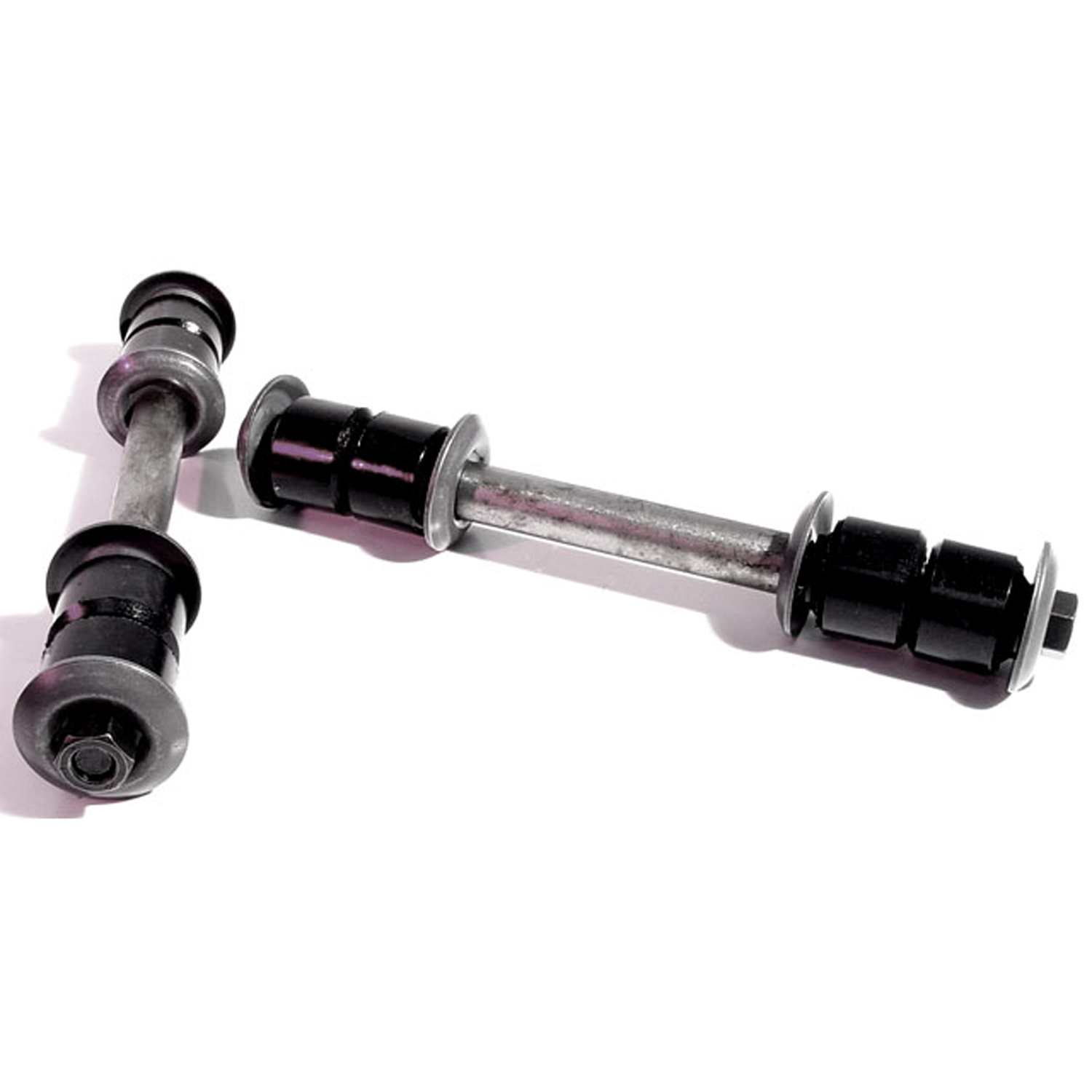 1972 Ford LTD Front Stabilizer End Repair Kit-BNK 21Front Stabilizer End Repair Kit. 22-piece set for two stabilizer bars. Contains all rubber bushings, washers, bolts and nuts, enough for one front end. Set
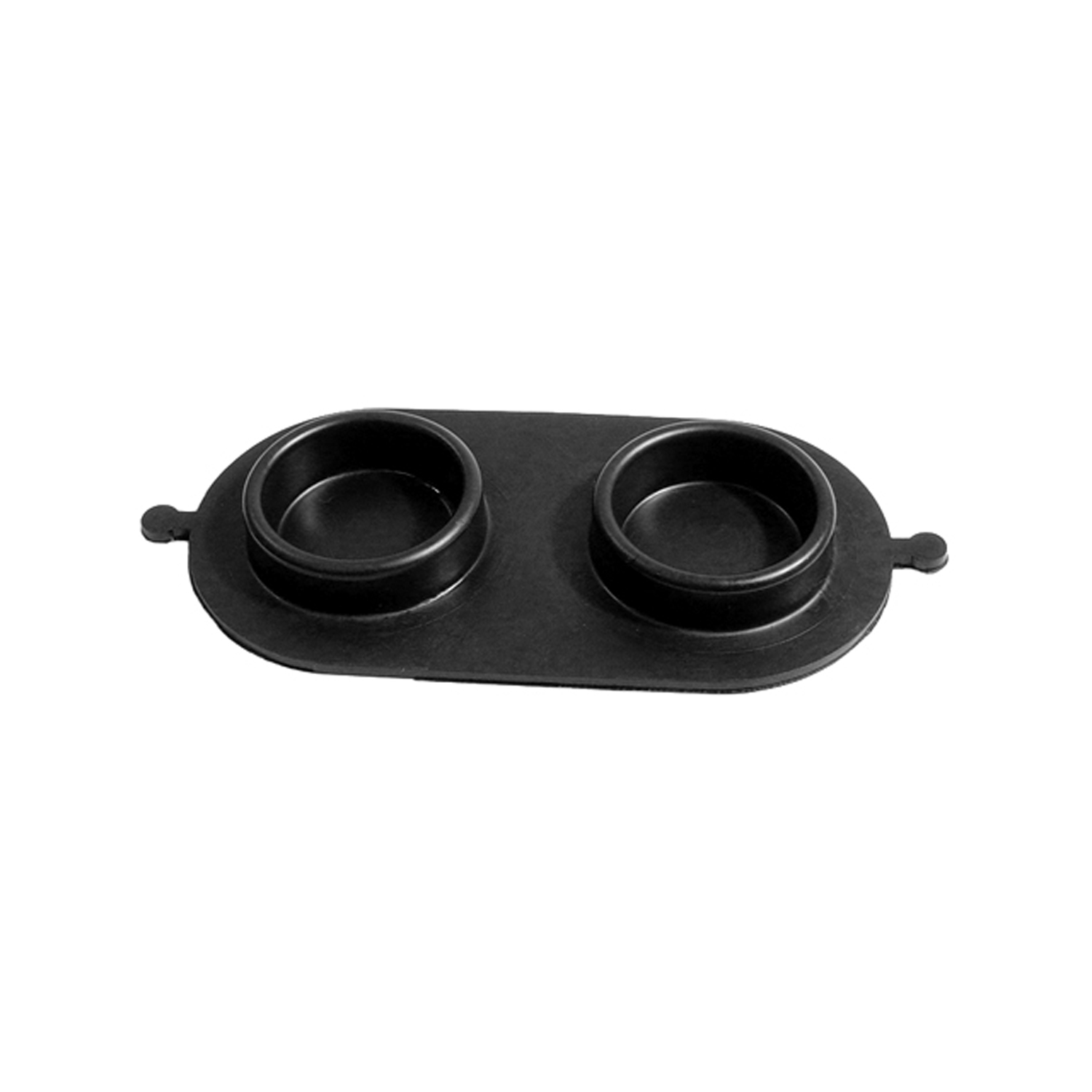 1972 Ford LTD Brake Master Cylinder Cover Seal. Replaces OEM #C7AZ2167-A-RP 2-BBrake Master Cylinder Cover Seal. Replaces OEM #C7AZ2167-A. Each
 1972 Ford LTD Rear Windshield Reveal Molding Clip. Made of steel. Each-WF 228Rear Windshield Reveal Molding Clip. Made of steel. Each
Why Choose Metro?
For over 100 years, Metro Moulded Parts has been the pinnacle of quality in classic car restoration parts. Our commitment to precision and authenticity in every component ensures a perfect fit and an OEM-level appearance.
- Expert Craftsmanship & Quality: Each part is a testament to our dedication to reliability and perfection, crafted from original designs and thoroughly tested.
- Advanced Technology: We use cutting-edge techniques to create flawless, long-lasting parts that surpass others in performance.
- SuperSoft Sponge – The Ultimate Door Seal: Not only are our door seals 30% softer than competitors', but they're also guaranteed to never leak. They effectively reduce wind and road noise, enhancing your classic car's comfort and driving experience.
- Proudly American: Our parts are a product of American craftsmanship, made in the USA with a spirit of excellence and heritage.
- Unrivaled Warranty: We back our products with a 30-year industry-leading warranty, a testament to our confidence in their quality.
Join us in preserving the legacy of classic cars with parts that are crafted for perfection, not just made.