

Image of 1972 Ford Maverick, Note: These illustrations use artistic license and may differ from actual historical models.
Performance Metrics
Fundamental Metrics
Emotional Appeal
MMP Rating
| Engine Specifications | |
|---|---|
| Engine Options: | 170 CID I6, 200 CID I6, 250 CID I6, 302 CID V8 |
| Displacement Range: | 170-302 cubic inches |
| Horsepower Range: | 105-210 hp |
| Torque: | 156-296 lb-ft |
| Compression Ratio: | 8.3:1 - 9.0:1 |
| Ignition System: | Conventional, distributor |
| Cooling System: | Liquid-cooled |
| Performance Specifications | |
| 0-60 Time: | 10-12 seconds |
| 1/4 Mile Time: | 17-19 seconds |
| Top Speed: | 105-115 mph |
| Transmission and Drive | |
| Drive Type: | Rear-wheel drive |
| Transmission Type: | 3-speed manual, 3-speed automatic |
| Fuel and Efficiency | |
| Fuel System Type: | Carburetor |
| MPG: | 15-20 mpg |
| Dimensions and Brakes | |
| Brakes: | Front disc, rear drum |
| Wheelbase: | 103.9 inches |
| Weight: | 2,800-3,100 lbs |
Note: Specifications for classic cars are given to the best of our ability, considering the limited and variant data available.
1972 Ford Maverick: Ford’s Straightforward Compact
The 1972 Ford Maverick made a virtue of keeping things simple: compact dimensions, familiar mechanicals, and just enough muscle-car attitude to make the basic formula fun. Built by Ford Motor Company, the Maverick arrived for 1970 as an affordable American compact at a time when buyers wanted smaller, more economical cars and imports were gaining ground. By 1972, it had grown beyond its original two-door-only lineup, while the sporty Grabber package gave the humble commuter a bold new personality.
The Maverick was designed to be practical and inexpensive to build, drawing on Ford’s experience with compact-car components rather than chasing elaborate engineering. Its success helped establish the compact as a mainstream choice for American buyers. One notable detail: the four-door Maverick had joined the lineup in 1971, so 1972 buyers could choose a more family-friendly version without giving up the car’s compact footprint.
Maverick Styling and Grabber Details
The 1972 Maverick wore clean, crisp lines rather than the elaborate sculpting and chrome trim found on many larger American cars. Its long hood, short rear deck, and gently sloping roof gave the two-door a sporty profile. A simple grille and modest bumpers kept the front end tidy, while the compact proportions made the car look nimble even when parked beside a full-size Ford.
The Grabber was the standout for buyers who wanted a more assertive look. It added distinctive graphics, sportier trim, and, depending on equipment and production details, features such as a hood treatment, front spoiler, and dual racing-style mirrors. The package turned the Maverick into a recognizable street car without changing its basic compact-car structure. The two-door Grabber is now the model most enthusiasts picture when they think of a classic Maverick.
Inside, the Maverick was straightforward and functional. The dashboard used simple, legible controls, and the cabin relied largely on durable vinyl, with cloth-and-vinyl combinations available on some configurations. Bucket seats and a console could give a two-door a sportier feel, while the four-door offered easier access for passengers. Air conditioning, an AM radio, power steering, and power brakes were among the comfort and convenience options buyers could add. Materials were practical rather than luxurious, which suited the Maverick’s budget-minded mission.
Available paint choices varied by trim and market, with solid colors, metallic shades, and high-impact Grabber colors among the possibilities. Grabber Blue and other vivid blues, greens, yellows, and oranges are especially associated with the sporty versions. These bright finishes suit the car’s period character, while more restrained whites, reds, and darker colors are also common on surviving cars. Exact color availability depends on the car’s original order and build records.
The 1972 lineup came as a two-door or four-door sedan. There was no factory convertible or fastback body style. The two-door Grabber is the most iconic choice today, but the four-door has its own appeal as a usable classic with a less common, more practical character.
What Made the Maverick Matter
The Maverick’s importance was not that it introduced a radical new technology. Instead, it showed how effectively Ford could package familiar, serviceable engineering in a compact and relatively affordable car. Its straightforward construction helped keep the purchase price and repair complexity down, while optional six-cylinder and V8 engines let buyers choose between economy and extra performance.
That combination set the Maverick apart from many contemporaries. It could serve as basic transportation, yet a buyer could order a 302-cubic-inch V8 and the Grabber’s sporty appearance. The result was a flexible compact that appealed to commuters, young drivers, and enthusiasts alike. Its formula also reflects a broader shift in the American market: smaller cars were no longer merely economy choices, but could be personalized and enjoyed as well.
1972 Maverick Performance and Road Feel
Engine choices included a 170-cubic-inch inline-six, a 200-cubic-inch inline-six, a 250-cubic-inch inline-six, and an optional 302-cubic-inch V8. Output figures vary by source and by whether horsepower is quoted using gross or net testing methods, so period numbers should be compared carefully. The 302 was the performance choice, while the sixes were aimed at buyers who valued lower running costs and uncomplicated daily driving.
Ford offered manual and automatic transmissions, with availability depending on engine and equipment. A three-speed manual and automatic were common choices, while some configurations could be ordered with a four-speed manual. The exact combination on any individual car is best confirmed from its original documentation or identification tags.
Performance figures also depend on engine, gearing, transmission, condition, and test method. As a broad guide, a 302-powered Maverick might reach 60 mph in roughly 9 to 11 seconds, with a top speed around 100 mph or a little higher under favorable conditions. Six-cylinder cars are generally slower, often taking approximately 13 to 17 seconds to reach 60 mph, with top speed commonly in the 90-mph range. These are estimates, not guaranteed factory figures.
On the road, the Maverick feels light and direct by 1970s American-car standards. Its front coil-spring suspension and rear live axle with leaf springs are conventional, durable arrangements. The ride can feel firm over sharp bumps, especially on a car with worn suspension bushings or modern low-profile tires. On winding roads, the compact size helps, but the car’s steering, braking, and body control are from a different era: it is best driven smoothly rather than hustled like a modern sport sedan.
A six-cylinder Maverick produces a restrained, steady engine note, while the 302 adds the deeper burble that makes the Grabber particularly appealing. The driving experience is pleasantly mechanical: a broad view over the hood, simple controls, and a clear sense of the engine and road beneath you. A well-maintained example feels approachable, though original drum brakes, older tires, and aging suspension components call for sensible speeds and proper upkeep.
Living With a Classic Ford Maverick
Today, the Maverick can serve as a weekend cruiser, a local-show car, or even a carefully maintained regular driver. The four-door is especially useful for passengers, while a two-door Grabber makes a stronger statement at meets and cruise nights. Some owners also build Mavericks for drag racing, taking advantage of the car’s relatively light body and the wide availability of Ford V8 performance parts.
Routine maintenance is familiar to anyone who has worked on a classic Ford. The inline-sixes are known for straightforward service, and the V8 shares a large aftermarket ecosystem with other small-block Ford applications. Ignition, carburetion, brakes, steering, and suspension are all manageable projects for a capable home mechanic. Parts support is generally good, although trim-specific items, correct Grabber pieces, and certain interior details may take more searching.
As with any car this age, condition matters more than reputation. Inspect the floor pans, cowl, trunk, lower body panels, and suspension mounting areas for rust or old repairs. Check for signs of an engine or transmission swap, and make sure any modified car has been assembled safely. A clean, correctly maintained car is usually a better buy than a cheaper project with hidden corrosion.
Grabber Trivia and Common Criticisms
The Maverick’s most memorable factory personality came from the Grabber package, which gave a practical compact a distinctly performance-inspired look. The car also appealed to buyers who wanted V8 power without stepping up to a larger, heavier model. That mix of modest size and small-block power is a major reason Mavericks remain popular with budget-minded classic-car enthusiasts.
There is no single celebrity owner or historic event that defines the 1972 Maverick’s story. Its significance is more everyday and commercial: it was part of Ford’s successful effort to sell compact cars in large numbers. Model-year production is commonly estimated at roughly 197,000 Mavericks across the lineup, though totals can vary by source and do not indicate how many Grabbers were built. Exact production figures for particular combinations are less consistently documented.
Common criticisms are equally straightforward. The interior is basic, the ride and handling are dated, and six-cylinder versions are not especially quick. Rust can be a serious concern, and some reproduction parts do not match original trim perfectly. The Maverick also lacks the instant recognition of a Mustang or the plushness of a larger Ford. For many owners, though, its simplicity is part of the charm.
1972 Ford Maverick Values and Collectibility
The Maverick remains more affordable than many better-known 1970s American cars, but condition and configuration make a big difference. As a general U.S. market estimate, a running driver-quality car may sell for about $5,000 to $12,000. A clean, well-presented example can fall around $12,000 to $22,000, while a high-quality restoration or especially desirable Grabber may reach roughly $20,000 to $35,000 or more. Exceptional cars can exceed those ranges, but they are the exception rather than the rule.
Ordinary Mavericks are not especially rare, given the model’s substantial production. A sound, original Grabber is harder to find than a basic sedan, particularly with documented equipment and correct trim. Prices have generally strengthened for clean, distinctive examples as interest in 1970s cars has grown, but values remain highly condition-sensitive. A rusty project is unlikely to become a bargain once bodywork and restoration costs are included.
When shopping, verify the car’s identity and inspect its condition before paying a premium for badges or paint. A genuine, well-documented Grabber is more desirable to many collectors, but a clean standard Maverick with an honest history can be an excellent classic-car buy.
Why the 1972 Maverick Still Connects
The 1972 Ford Maverick was a compact built around sensible engineering, approachable ownership, and room for personal choice. It offered two- and four-door body styles, economical six-cylinder engines, an optional 302 V8, and the sporty Grabber package that became its signature. It was never a luxury car or a cutting-edge technological showcase, but it delivered a useful and distinctly American kind of simplicity.
That is the Maverick’s lasting appeal: it is easy to understand, rewarding to maintain, and still capable of putting a smile on a driver’s face. In a classic-car world often dominated by bigger names and bigger price tags, the 1972 Maverick proves that an honest compact can have plenty of character.
1972 Ford Maverick Catalog of Parts
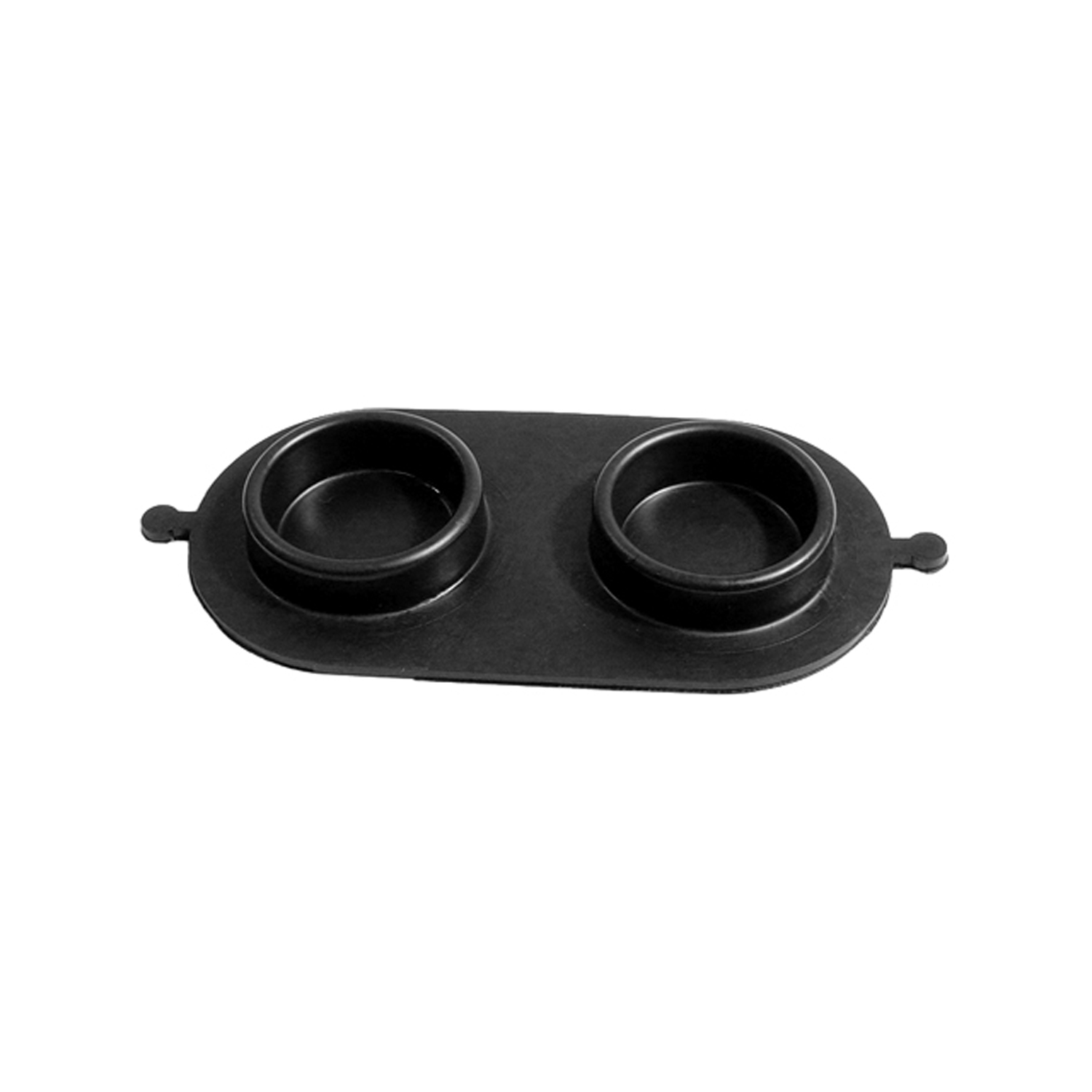 1972 Ford Maverick Brake Master Cylinder Cover Seal. Replaces OEM #C7AZ2167-A-RP 2-BBrake Master Cylinder Cover Seal. Replaces OEM #C7AZ2167-A. Each
 1972 Ford Maverick Windshield and Rear Windshield Reveal Molding Clip-WF 226Windshield and Rear Windshield Reveal Molding Clip. Made of steel. Each
 1972 Ford Maverick Spare Tire Hold Down Nut. 1/2- 13 thread size-WF 3503Spare Tire Hold Down Nut. 1/2- 13 thread size. Replaces OEM #C8AZ-1462-A. Each
Why Choose Metro?
For over 100 years, Metro Moulded Parts has been the pinnacle of quality in classic car restoration parts. Our commitment to precision and authenticity in every component ensures a perfect fit and an OEM-level appearance.
- Expert Craftsmanship & Quality: Each part is a testament to our dedication to reliability and perfection, crafted from original designs and thoroughly tested.
- Advanced Technology: We use cutting-edge techniques to create flawless, long-lasting parts that surpass others in performance.
- SuperSoft Sponge – The Ultimate Door Seal: Not only are our door seals 30% softer than competitors', but they're also guaranteed to never leak. They effectively reduce wind and road noise, enhancing your classic car's comfort and driving experience.
- Proudly American: Our parts are a product of American craftsmanship, made in the USA with a spirit of excellence and heritage.
- Unrivaled Warranty: We back our products with a 30-year industry-leading warranty, a testament to our confidence in their quality.
Join us in preserving the legacy of classic cars with parts that are crafted for perfection, not just made.