

Image of 1972 Ford Ranch Wagon, Note: These illustrations use artistic license and may differ from actual historical models.
Performance Metrics
Fundamental Metrics
Emotional Appeal
MMP Rating
| Engine Specifications | |
|---|---|
| Engine: | 302 CID 2V V8, 400 CID 2V V8, 429 CID 4V V8 |
| Displacement: | 302 - 429 cu in |
| Horsepower: | 140 - 360 hp |
| Torque: | 239 - 480 lb-ft |
| Compression Ratio: | 8.5:1 - 11.3:1 |
| Ignition System: | Conventional, distributor |
| Cooling System: | Liquid-cooled |
| Performance Specifications | |
| 0-60 Time: | 10 - 12 seconds |
| 1/4 Mile Time: | 17 - 19 seconds |
| Top Speed: | 105 - 120 mph |
| Transmission and Drive | |
| Drive Type: | Rear-wheel drive |
| Transmission Type: | 3-speed automatic, 4-speed manual |
| Fuel and Efficiency | |
| Fuel System Type: | Carburetor |
| MPG: | 10 - 14 mpg |
| Dimensions and Brakes | |
| Brakes: | Front disc, rear drum |
| Wheelbase: | 119.0 in |
| Weight: | 4,000 - 4,500 lbs |
Note: Specifications for classic cars are given to the best of our ability, considering the limited and variant data available.
1972 Ford Ranch Wagon: The Full-Size Family Hauler
The 1972 Ford Ranch Wagon was built for a time when a family’s road-trip plans were measured in suitcases, kids, and how much could fit behind the front seat. A full-size, rear-wheel-drive station wagon from Ford Motor Company, it paired generous cargo room with straightforward mechanicals and the comfortable, substantial feel of a traditional American car.
The Ranch Wagon name first appeared in 1952, when Ford introduced it as a practical, relatively plain station wagon. By 1972, the model sat near the entry end of Ford’s full-size wagon range, below more elaborately trimmed offerings such as the Country Sedan and woodgrain-clad Country Squire. Its appeal was simple: a spacious Ford wagon without paying extra for the most decorative trim.
Its timing is part of its story. The Ranch Wagon belonged to the final generation of big American family wagons before minivans and SUVs transformed the market. One especially useful Ford wagon feature was the available two-way tailgate, which could open downward like a conventional tailgate or swing to the side for easier loading. It made a long, heavy wagon more practical in everyday use.
Long Roof, Clean Lines, and Practical Trim
The Ranch Wagon wore the broad-shouldered proportions typical of early-1970s full-size Fords: a long hood, substantial body sides, upright glass, and a roofline that stretched well back over the cargo area. Its wide front grille and paired headlights gave it a squared-off, confident face, while restrained exterior trim kept it looking more work-ready than the upscale Country Squire.
Body and equipment details varied by configuration and market. Ranch Wagons were offered in two-door form, and Ford’s full-size wagon range also included four-door models. The two-door version has a particularly distinctive profile, with a long roof and fewer side doors than most family wagons. Buyers who wanted easier access to the rear seats could look to the four-door choices in Ford’s broader wagon lineup.
Inside, the emphasis was on useful space rather than luxury-car ornament. Depending on the order, the cabin could have durable vinyl or cloth-and-vinyl seating, a front bench, simple door trim, and a large, uncomplicated dashboard. Carpet, air conditioning, power steering, power brakes, and an AM radio were among the comfort or convenience features available on Ford models of the period, though equipment varied. Some full-size Ford wagons could also be ordered with a rear-facing third seat, a memorable option for carrying extra passengers.
Paint choices changed with trim and availability, but period Ford wagons could be found in colors such as white, blue, green, gold, brown, and red. Earthy greens and browns suit the Ranch Wagon’s utilitarian character, while brighter blues and reds give its long body a more attention-grabbing presence. Original paint codes and trim combinations are worth checking when assessing a car for restoration.
Ford Wagon Technology in 1972
The Ranch Wagon was not a technology showcase, but it benefited from practical engineering developed for Ford’s full-size cars. Its body-on-frame construction was familiar to mechanics and well suited to a heavy wagon expected to carry people and cargo. The available two-way tailgate was another everyday innovation: it could provide a conventional loading surface or swing open to the side, depending on the job and available space.
Power steering and power-assisted brakes made the large car easier to manage, especially when parking or driving with a full load. Automatic transmissions were common choices, while manual-transmission availability depended on engine and configuration. Compared with today’s cars, the Ranch Wagon’s equipment was basic, but the controls were easy to understand and the mechanical layout was conventional.
Why the Ranch Wagon Matters
The 1972 Ranch Wagon represents the American station wagon at its most straightforward. Before the SUV became the default family vehicle, wagons handled commuting, school runs, vacations, and home-improvement errands. The Ranch Wagon did that without pretending to be a luxury cruiser or a sporting machine. Its large cargo area, rear-wheel-drive layout, and familiar Ford components made it a practical choice for households that needed room.
It also reflects a shift in how manufacturers rated engine output. By this period, horsepower figures were increasingly reported using SAE net measurements, which better represented power with accessories and exhaust equipment installed than earlier gross ratings. The result was a more realistic number on paper, even if it could make newer engines appear less powerful than their predecessors.
What set the Ranch Wagon apart from pricier Ford wagons was its restrained presentation and focus on value. It shared the full-size family-wagon role with better-trimmed models, but its simpler appearance is now part of its charm. It is a reminder that automotive history is not made only by fast, rare, or luxurious cars. Everyday vehicles shaped how people traveled, moved their belongings, and spent time together.
Engines, Speed, and the Feel on the Road
Engine availability depended on the specific configuration and the original order. Ford’s full-size range offered a selection of six-cylinder and V8 engines, with V8s the natural choice for buyers who expected to carry passengers and cargo regularly. Depending on equipment, engines available across the 1972 full-size Ford lineup included small-block V8s and larger-displacement options. A car’s VIN, engine tag, and original documentation are the best way to confirm what a particular Ranch Wagon left the factory with.
Ford’s published horsepower figures for this era were generally SAE net ratings, and output varied by engine, carburetion, and emissions equipment. Period performance also depended heavily on axle ratio, transmission, vehicle weight, and condition. As a broad road-going estimate rather than a factory specification, a V8 Ranch Wagon might reach 0 to 60 mph in roughly 10 to 14 seconds. A healthy, appropriately equipped example could approach approximately 100 to 110 mph, but these figures should be treated as estimates, not guaranteed test results.
On the road, the Ranch Wagon feels large and relaxed. Its long wheelbase helps it settle over broad highway dips, while the soft suspension absorbs many ordinary bumps with the cushioned motion expected of a full-size American car. On tight, winding roads, its size and weight become more apparent. Steering is not as quick as in a modern car, and body lean is part of the experience, so smooth inputs suit it better than hurried cornering.
A V8 brings a deep, unhurried rumble, especially when accelerating from a stop. The automatic transmission, where fitted, tends to suit the car’s easygoing character. Behind the wheel, the driver sits above a long hood with a broad view of the road, but parking and maneuvering in close quarters take more planning than they do in a modern compact vehicle.
Living With a 1972 Ranch Wagon
Today, Ranch Wagons are most often enjoyed as weekend cruisers, family heirlooms, show cars, or practical classics for local driving. Some owners still use them for errands and road trips, provided the car is mechanically sound and its brakes, tires, cooling system, and suspension are up to the task. It is not a common choice for racing, though period-style drag or custom builds exist across the wider Ford wagon scene.
Maintenance is generally approachable for a hands-on owner. The engine bay is spacious, many mechanical components were shared with other Ford models, and basic service work does not require specialized diagnostic equipment. Parts availability is strongest for common mechanical items. Wagon-specific trim, glass, tailgate pieces, interior parts, and correct two-door body components can take more searching.
As with any half-century-old car, condition matters more than reputation. Inspect the frame and body for rust, especially around the floors, lower quarters, wheel openings, tailgate, and window surrounds. Check that the tailgate operates and seals correctly, and look for sagging suspension, worn steering components, cooling-system problems, and signs of neglected transmission service. A well-maintained driver can be enjoyable; a rusty wagon with incomplete trim can quickly become an expensive project.
Ranch Wagon Facts and Common Criticisms
The Ranch Wagon name had a long run, beginning in 1952 and connecting several generations of Ford station wagons. The 1972 model is part of the full-size generation introduced for 1971. Its available two-way tailgate is one of the most memorable practical features associated with Ford wagons of the era, combining a familiar drop-down opening with a side-opening option.
There is no widely recognized 1972 Ranch Wagon land-speed, endurance, or sales record, and it is not chiefly known for celebrity ownership or a single defining historical event. Its significance is more everyday: wagons like it carried generations of families and cargo before the modern sport-utility vehicle took over much of the same role.
Common criticisms are easy to understand. The Ranch Wagon is large, thirsty by modern standards, and less nimble than a smaller car. Its basic trim may feel plain beside a Country Squire, and the long body can make city parking awkward. Those drawbacks are also part of its appeal to enthusiasts who value its honest, uncomplicated character.
Collector Values and Availability
Exact production totals for the 1972 Ranch Wagon are not consistently documented in commonly available model references. A reasonable estimate is that Ford built tens of thousands across the Ranch Wagon versions, perhaps around 20,000 to 30,000, but that figure should be treated as an informed estimate rather than an official production count. Surviving examples are less common than the number built suggests, particularly in solid condition with complete wagon-specific trim.
As a broad U.S. market guide, a project car may sell for roughly $3,000 to $7,000, while a presentable driver could fall around $8,000 to $18,000. Clean, well-preserved, or professionally restored examples may bring approximately $20,000 to $35,000 or more, depending on originality, engine, body style, documentation, and regional demand. Exceptional cars can exceed those ranges, while rust, poor repairs, or missing parts can pull a car well below them.
Values have generally risen as classic wagons have gained attention, but the Ranch Wagon remains more attainable than many muscle cars and high-trim collector Fords. Its market is driven by condition, nostalgia, and the growing appreciation for vintage utility vehicles rather than rarity alone. Originality, a solid body, working tailgate hardware, and a clear ownership history can make a noticeable difference to buyers.
A Classic Ford With Room to Spare
The 1972 Ford Ranch Wagon offered what many families needed: a roomy cabin, a useful cargo area, familiar Ford engineering, and a comfortable ride. It was less ornate than the top-of-the-line wagons and less flashy than a performance car, but its practical design gave it a lasting place in American automotive history.
Today, a Ranch Wagon is more than a long roof and a tailgate. It is a rolling reminder of when the family station wagon was the go-to vehicle for everyday life, built to carry people, luggage, and just about anything else the weekend demanded.
1972 Ford Ranch Wagon Catalog of Parts
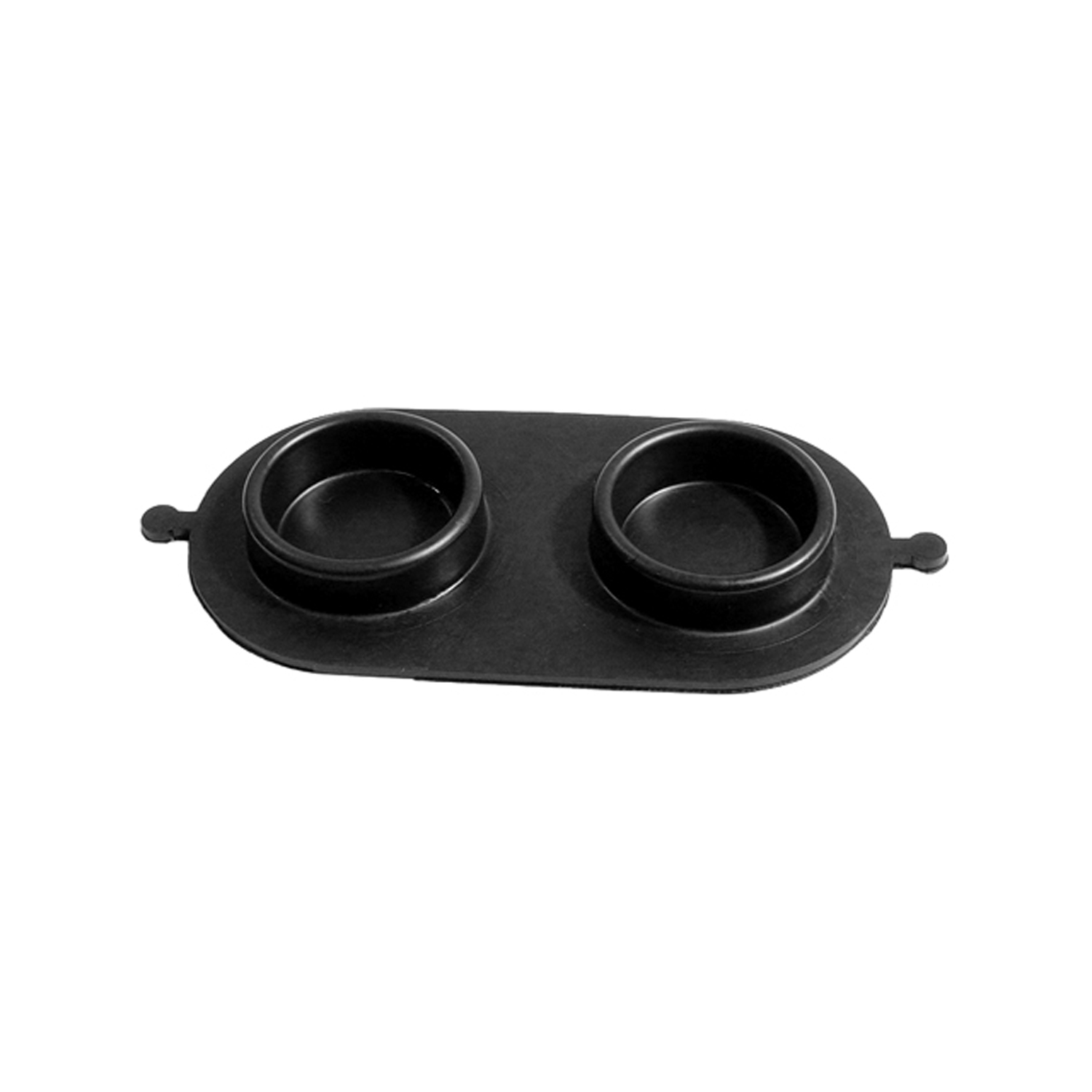 1972 Ford Ranch Wagon Brake Master Cylinder Cover Seal. Replaces OEM #C7AZ2167-A-RP 2-BBrake Master Cylinder Cover Seal. Replaces OEM #C7AZ2167-A. Each
Why Choose Metro?
For over 100 years, Metro Moulded Parts has been the pinnacle of quality in classic car restoration parts. Our commitment to precision and authenticity in every component ensures a perfect fit and an OEM-level appearance.
- Expert Craftsmanship & Quality: Each part is a testament to our dedication to reliability and perfection, crafted from original designs and thoroughly tested.
- Advanced Technology: We use cutting-edge techniques to create flawless, long-lasting parts that surpass others in performance.
- SuperSoft Sponge – The Ultimate Door Seal: Not only are our door seals 30% softer than competitors', but they're also guaranteed to never leak. They effectively reduce wind and road noise, enhancing your classic car's comfort and driving experience.
- Proudly American: Our parts are a product of American craftsmanship, made in the USA with a spirit of excellence and heritage.
- Unrivaled Warranty: We back our products with a 30-year industry-leading warranty, a testament to our confidence in their quality.
Join us in preserving the legacy of classic cars with parts that are crafted for perfection, not just made.