

Image of 1972 Ford Ranchero, Note: These illustrations use artistic license and may differ from actual historical models.
Performance Metrics
Fundamental Metrics
Emotional Appeal
MMP Rating
| Engine Specifications | |
|---|---|
| Engine: | 250 cu in (4.1 L) I6, 302 cu in (4.9 L) Windsor V8, 351 cu in (5.8 L) Cleveland V8, 400 cu in (6.6 L) Cleveland V8, 429 cu in (7.0 L) Cobra Jet V8 |
| Displacement: | 250-429 cu in |
| Horsepower: | 98-375 hp |
| Torque: | 245-450 lb-ft |
| Compression Ratio: | 8.0:1 - 11.3:1 |
| Ignition System: | Conventional breaker-point ignition system |
| Cooling System: | Liquid-cooled |
| Performance Specifications | |
| 0-60 Time: | 7-9 seconds |
| 1/4 Mile Time: | 15-17 seconds |
| Top Speed: | 120-130 mph |
| Transmission and Drive | |
| Drive Type: | Rear-wheel drive |
| Transmission Type: | 3-speed manual, 4-speed manual, 3-speed automatic |
| Fuel and Efficiency | |
| Fuel System Type: | Carburetor |
| MPG: | 10-15 mpg |
| Dimensions and Brakes | |
| Brakes: | Front disc and rear drum brakes |
| Wheelbase: | 118 in |
| Weight: | 3,500-3,900 lbs |
Note: Specifications for classic cars are given to the best of our ability, considering the limited and variant data available.
1972 Ford Ranchero: A Muscle Car with a Pickup Bed
The 1972 Ford Ranchero could haul a load of lumber on Saturday and cruise like a Torino on Sunday. That unusual mix was the point: Ford built a two-door, car-based utility vehicle with a proper pickup bed, giving buyers comfort and road manners that a conventional truck could not quite match.
The Ranchero began in 1957, when Ford introduced a passenger-car-based pickup ahead of Chevrolet’s El Camino. By 1972, it was in its fifth generation and shared its basic platform and many components with Ford’s midsize Torino. It arrived during a changing era for American performance cars, as emissions rules, insurance costs, and rising fuel prices began to temper the big-engine boom.
One intriguing detail is that the Ranchero was not simply a Torino with its rear seat removed. Ford gave it a separate cargo bed and utility-focused bodywork, creating a vehicle that sat between a car and a pickup. That distinctive formula helped the Ranchero build a following among tradespeople, outdoor enthusiasts, and drivers who wanted utility without giving up a comfortable cabin.
Torino Styling with Ranchero Utility
The 1972 Ranchero wore the long hood, sculpted flanks, and broad stance associated with Ford’s Torino family. Its prominent grille and substantial front end gave it a purposeful face, while the two-door cab flowed into a separate open bed. The shape was unmistakably American: generous in scale, assertive in its proportions, and designed to look at home outside a worksite or a drive-in.
Inside, the Ranchero felt more like a passenger car than a basic pickup. Depending on trim and equipment, buyers could get a bench seat or front bucket seats, durable vinyl upholstery, carpeting, and a more finished instrument panel than many truck interiors offered. The GT added a sportier flavor, while higher equipment levels could bring upgraded trim and comfort features. As with any 1970s Ford, the materials were sturdy and practical rather than luxurious by modern standards.
Equipment varied by trim and order. Available features included automatic transmission, power steering, power brakes, air conditioning, an AM/FM radio, and other convenience options. These were meaningful amenities at the time, especially in a vehicle expected to work as well as it drove. Ford’s period safety equipment included items such as a padded interior and a collapsible steering column, though the Ranchero predates today’s comprehensive occupant-protection standards.
Ford offered the Ranchero in several trim levels, including the 500, GT, and Squire. These were equipment and appearance packages rather than separate body styles: all used the same basic coupe-utility layout. The GT is often the most sought-after version for its sportier presentation, while the Squire stood out with simulated woodgrain trim that echoed the look of Ford’s wood-accented station wagons.
Paint choices ranged across the bright and subdued colors typical of early-1970s Fords. Exact names and availability depended on the order and production period, but buyers could choose from hues such as reds, blues, greens, yellows, and earth tones, along with white and darker metallic finishes. Today, bold period colors tend to make a Ranchero especially eye-catching at a show, though original paint and color documentation matter more to collectors than any single shade.
Why the Ranchero Matters
The Ranchero helped establish the car-based pickup as a distinct kind of American vehicle. It offered a useful bed without the heavy-duty construction, tall ride height, and trucklike driving feel of a full-size pickup. In return, owners got a lower step-in height, a more familiar car cabin, and road manners shaped by a passenger-car platform.
By 1972, that formula was well established, and the Ranchero was part of a wider market that included Chevrolet’s El Camino. What set it apart was its direct relationship to Ford’s midsize Torino range. Buyers could select a more work-oriented configuration or a sporty GT, all within the same basic concept. The Ranchero’s lasting influence can be seen in later lifestyle pickups and car-based utility vehicles that blurred the line between passenger car and truck.
The timing also gives the 1972 model historical significance. It represents the big, powerful era just before stricter emissions controls and changing economic conditions reshaped the American performance landscape. It was not the final word in muscle, but it captured the period’s appetite for V8 power, expressive styling, and vehicles with more than one job to do.
Engines, Speed, and Road Manners
Engine availability depended on trim and configuration. The 1972 lineup included a 250-cubic-inch inline-six and several V8 choices, including the 302, 351 Cleveland, and 400-cubic-inch engines. The exact selection varied by model and order, and the engine was only one part of the performance equation: transmission, axle ratio, vehicle condition, and equipment all made a difference.
Ford did not give every Ranchero one definitive top-speed or 0-to-60-mph figure. Period road tests and modern estimates vary with engine and gearing. A healthy V8 example might reach 60 mph in roughly 8 to 11 seconds, with stronger configurations toward the quicker end; a six-cylinder model would be slower. Depending on engine and setup, a V8 Ranchero could approach roughly 100 to 120 mph, but these are broad estimates, not a guarantee for every car. A classic Ranchero should be assessed for mechanical condition and braking ability before anyone explores its limits.
On the road, the Ranchero feels like a substantial 1970s Ford: long in the nose, solid in its structure, and more relaxed than nimble. The car-based layout gives it a more familiar, lower-slung feel than a conventional pickup, but the open bed means cargo weight and load placement can change how it behaves. On rough pavement, the ride is generally more carlike than trucklike, though a lightly loaded bed can feel firm or unsettled over sharp bumps. On winding roads, the Ranchero is best enjoyed at a measured pace. Its size and period suspension favor broad, sweeping corners over quick direction changes.
A V8 brings the experience many enthusiasts want: a deep exhaust note, a broad swell of torque, and the sensation of a big American engine working without strain. The driver sits in a roomy cabin, looks over a long hood, and has the useful bed visible in the rearview mirror. That combination of relaxed cruising and practical cargo space is central to the Ranchero’s appeal.
Living with a 1972 Ranchero
Owners use Rancheros as weekend cruisers, show cars, light-duty haulers, and occasional daily drivers. A clean example can still handle errands and modest cargo, but it is wise to remember that this is now a more than 50-year-old vehicle. It lacks modern crash protection, fuel economy, braking performance, and convenience features, so regular highway use requires thoughtful maintenance and realistic expectations.
Routine service is familiar to anyone who knows classic Fords. The engines and many chassis components were shared with other Ford models, which helps with parts availability and repair knowledge. Basic jobs such as ignition service, carburetor work, brake repairs, and suspension maintenance are manageable for a capable home mechanic. Rust is often the bigger concern: inspect the bed, cab corners, floor, lower body panels, frame, and areas where moisture or debris can collect.
Before buying, check for evidence of collision repairs, poorly executed engine swaps, worn suspension parts, and mismatched brakes or tires. A Ranchero that has spent decades hauling heavy loads may need more than a cosmetic refresh. Good documentation, sound structure, and a well-maintained drivetrain are more valuable than a shiny paint job hiding unfinished repairs.
Ranchero Facts and Misconceptions
The Ranchero name was inspired by the idea of a vehicle suited to ranch life, and Ford’s original pitch emphasized its unusual combination of passenger-car comfort and pickup usefulness. The 1972 model also belongs to the broad Torino family, which means many mechanical parts and service procedures overlap with other Fords of the period.
There is no widely recognized production or speed record associated specifically with the 1972 Ranchero, and claims of celebrity ownership should be checked against documentation rather than repeated as fact. Its real distinction is more everyday: it helped make the car-pickup format a familiar part of American automotive life. The common criticism is that it is neither as capable as a full-size truck nor as comfortable and secure as a closed-body car when carrying cargo. That trade-off is also what makes it interesting.
Collector Values and Market Outlook
For a broad U.S. market estimate, a running but tired 1972 Ranchero might sell for about $5,000 to $10,000. A solid, presentable driver commonly falls around $10,000 to $20,000, while a well-restored or unusually original example may bring roughly $20,000 to $35,000. A particularly desirable GT or Squire in excellent condition can exceed that range, especially when it has documented history, correct equipment, and high-quality restoration work. These are general estimates, not a substitute for comparing recent sales of similar cars.
Production figures are not always presented consistently across sources and trim breakdowns, but a reasonable estimate is approximately 20,000 to 25,000 Rancheros for the 1972 model year. That makes the model uncommon today without putting it in the same rarity category as a limited-production muscle car. Rancheros do appear on the market, though the best originals and properly restored examples take more patience to find.
Values have generally been more moderate than those of high-profile muscle cars. Interest in classic utility vehicles and well-kept 1970s Fords has helped good examples attract buyers, but condition and originality remain the strongest value drivers. A rough project can quickly cost more to restore than it will be worth, while a clean, usable Ranchero is likely to hold its appeal better. The market is best described as steady to gradually appreciating for desirable examples, rather than booming across the board.
A Ford with Two Useful Sides
The 1972 Ford Ranchero combines Torino-inspired styling, period V8 character, and genuine cargo-carrying ability in a package that stands apart from both ordinary cars and conventional pickups. Its cabin is comfortable for its era, its mechanical layout is familiar to Ford enthusiasts, and its design reflects a moment when American automakers were still willing to build vehicles that crossed traditional categories.
That blend is the Ranchero’s lasting significance. It was not simply a car with a bed or a truck with softer manners. It was a distinctive Ford with a job to do, a sound of its own, and enough personality to make every trip feel a little less ordinary.
1972 Ford Ranchero Catalog of Parts
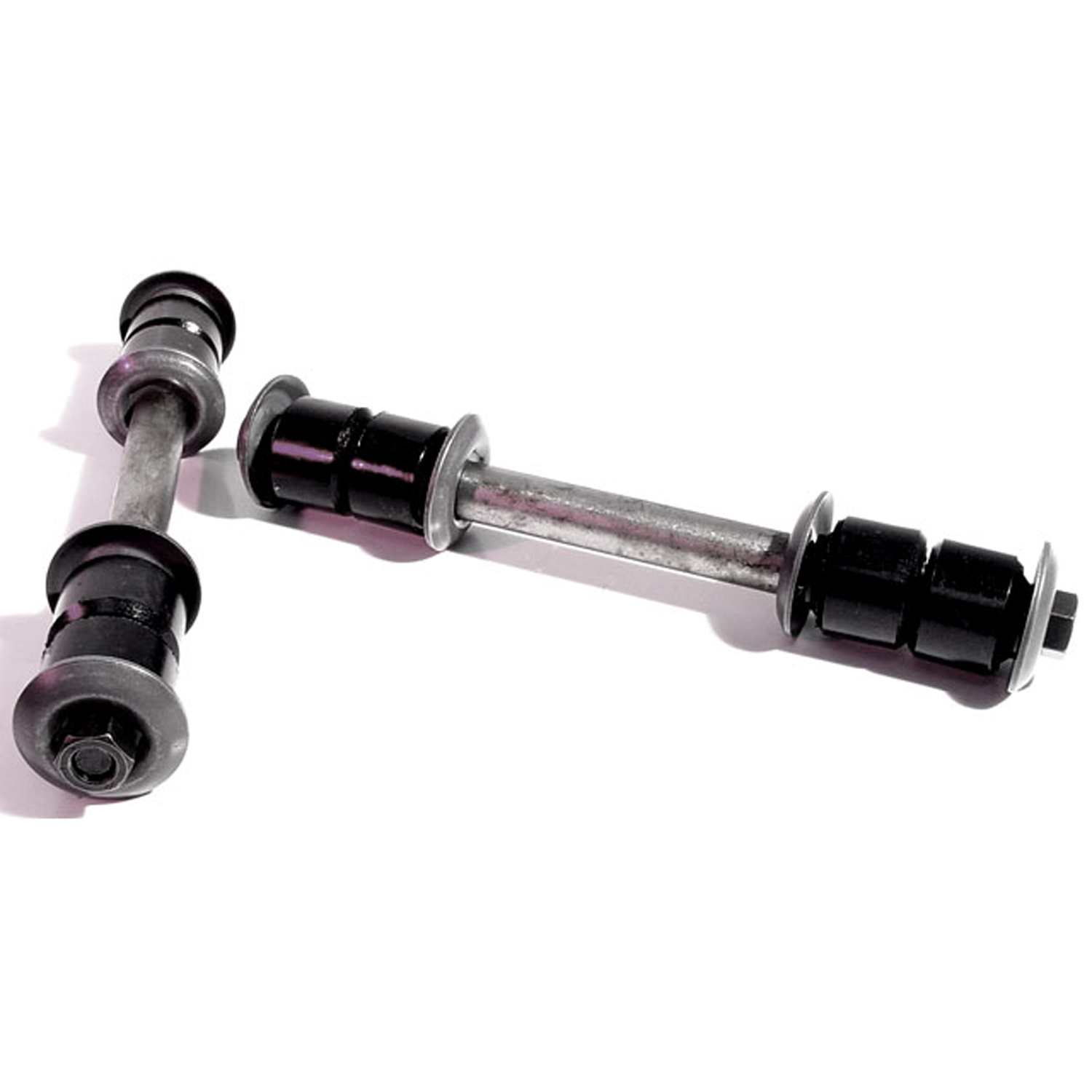 1972 Ford Ranchero Front Stabilizer End Repair Kit-BNK 21Front Stabilizer End Repair Kit. 22-piece set for two stabilizer bars. Contains all rubber bushings, washers, bolts and nuts, enough for one front end. Set
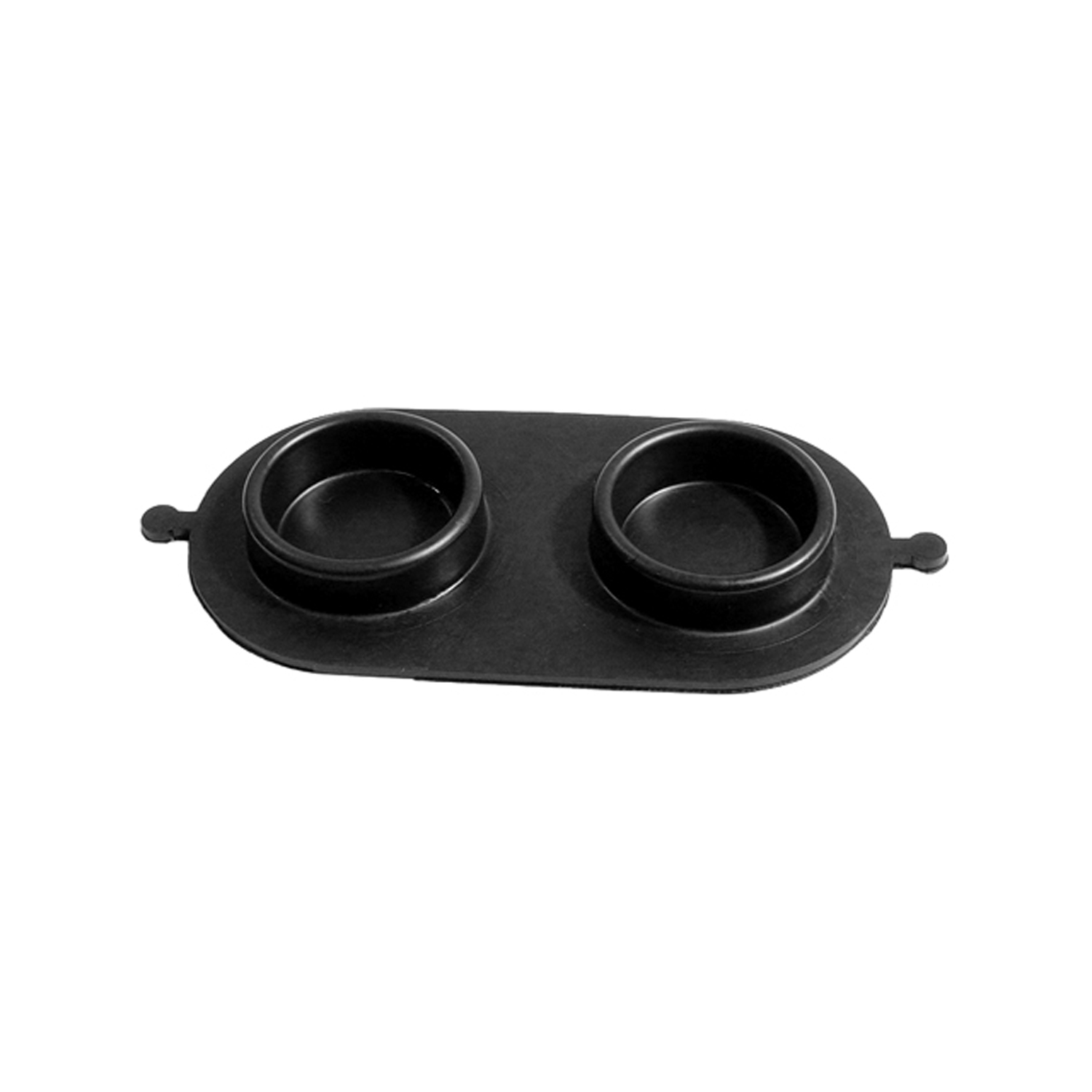 1972 Ford Ranchero Brake Master Cylinder Cover Seal. Replaces OEM #C7AZ2167-A-RP 2-BBrake Master Cylinder Cover Seal. Replaces OEM #C7AZ2167-A. Each
Why Choose Metro?
For over 100 years, Metro Moulded Parts has been the pinnacle of quality in classic car restoration parts. Our commitment to precision and authenticity in every component ensures a perfect fit and an OEM-level appearance.
- Expert Craftsmanship & Quality: Each part is a testament to our dedication to reliability and perfection, crafted from original designs and thoroughly tested.
- Advanced Technology: We use cutting-edge techniques to create flawless, long-lasting parts that surpass others in performance.
- SuperSoft Sponge – The Ultimate Door Seal: Not only are our door seals 30% softer than competitors', but they're also guaranteed to never leak. They effectively reduce wind and road noise, enhancing your classic car's comfort and driving experience.
- Proudly American: Our parts are a product of American craftsmanship, made in the USA with a spirit of excellence and heritage.
- Unrivaled Warranty: We back our products with a 30-year industry-leading warranty, a testament to our confidence in their quality.
Join us in preserving the legacy of classic cars with parts that are crafted for perfection, not just made.