

Image of 1972 Ford Thunderbird, Note: These illustrations use artistic license and may differ from actual historical models.
Performance Metrics
Fundamental Metrics
Emotional Appeal
MMP Rating
| Engine Specifications | |
|---|---|
| Engine: | 429 CID 4V Thunder Jet V8 |
| Displacement: | 429 cubic inches (7.0 liters) |
| Horsepower: | 205-360 HP |
| Torque: | 480 lb-ft |
| Compression Ratio: | 11.3:1 |
| Ignition System: | Electronic |
| Cooling System: | Liquid-cooled |
| Performance Specifications | |
| 0-60 Time: | 8.5 seconds |
| 1/4 Mile Time: | 16 seconds |
| Top Speed: | 120 mph |
| Transmission and Drive | |
| Drive Type: | Rear-wheel drive |
| Transmission Type: | 3-speed automatic |
| Fuel and Efficiency | |
| Fuel System Type: | Carburetor |
| MPG: | 10-12 mpg |
| Dimensions and Brakes | |
| Brakes: | Front disc brakes and rear drum brakes |
| Wheelbase: | 120.4 inches |
| Weight: | 4,600 lbs |
Note: Specifications for classic cars are given to the best of our ability, considering the limited and variant data available.
1972 Ford Thunderbird: A Personal-Luxury Giant
The 1972 Ford Thunderbird arrived with the presence of a grand touring car and the appetite of a full-size V8. It was part of the Thunderbird’s sixth generation, a substantial redesign that moved the nameplate toward a larger, more formal kind of personal luxury. Built by Ford Motor Company in the United States, the 1972 model paired imposing proportions with a quiet, richly trimmed cabin and a standard big-block engine.
Its timing mattered. In the early 1970s, American buyers still wanted comfort, power, and dramatic styling, but rising insurance costs, fuel concerns, and changing safety and emissions rules were beginning to reshape the market. The 1972 Thunderbird captured the high-water feel of the traditional American luxury coupe just before those pressures became more pronounced.
One intriguing detail is that this Thunderbird offered a 429-cubic-inch V8 as standard equipment. A 460-cubic-inch V8 was also available, giving buyers the option of even more displacement in a car already weighing well over two tons. The result was less a sports car than a polished, high-speed boulevard cruiser.
Long Hood, Formal Roof, Hidden Headlights
The 1972 Thunderbird wore a long hood, a broad grille, and a sharply defined front end that made it look substantial even beside other large American cars. Its sculpted body sides flowed toward a formal rear roofline, while the low, wide stance gave the coupe a planted appearance. At the nose, concealed headlights sat behind retractable doors, preserving the clean look of the front end when the lights were off.
The cabin continued the car’s grand-touring theme. Wide seats, generous legroom, and a sweeping dashboard made the Thunderbird feel more like a private lounge than a conventional coupe. Buyers could choose upscale upholstery and trim, with vinyl roofs and other dress-up details adding to the formal effect. The materials and finish reflected the era’s luxury priorities: plush surfaces, bright trim, and a sense of scale rather than minimalist design.
Ford offered the Thunderbird as a two-door hardtop, with a Landau-style package available for buyers who wanted an even more distinctive roof treatment and luxury appearance. The Landau’s padded vinyl roof and opera-window styling are among the most recognizable looks associated with this generation. Color choices varied by order and trim, but period-appropriate shades included subdued metallics, rich blues and greens, warm earth tones, and traditional black, white, and red. Darker colors and vinyl-roof combinations particularly suited the car’s formal character.
Convenience equipment could include power steering, power brakes, power windows, air conditioning, and an automatic transmission, depending on the car’s specification. The concealed headlamps were a standout visual feature, operated by a vacuum system. They were stylish, but like many period vacuum-operated systems, they can require attention on an old car.
Why the 1972 Thunderbird Mattered
The 1972 redesign marked a change in the Thunderbird’s identity. Earlier generations had helped establish the personal-luxury coupe as a distinct category, blending sporty presentation with comfort. By 1972, the emphasis had shifted toward size, quietness, and prestige. The Thunderbird remained a two-door statement car, but its scale and equipment put it closer to a luxury cruiser than a nimble sports coupe.
That positioning set it apart from smaller or more performance-focused contemporaries. The Thunderbird was built to cover distance with little effort, offering a big V8, a soft-riding suspension, and an insulated cabin. Its influence is best understood as part of the broader American move toward large personal-luxury cars, a formula that would remain popular through much of the 1970s.
429 and 460 V8 Performance
The standard engine was a 429-cubic-inch V8, commonly listed at about 212 horsepower under the net rating system used at the time. Buyers could also specify a 460-cubic-inch V8, rated at roughly 224 net horsepower. Those figures may seem modest beside the gross horsepower claims of earlier years, but they reflect a different measurement method and the growing effects of emissions-era tuning. Both engines delivered the kind of low-speed torque that suited a heavy luxury coupe.
With its V8 and automatic transmission, a healthy 1972 Thunderbird could reach 60 mph in approximately 9 to 11 seconds, depending on engine, gearing, condition, and test method. Top speed is often estimated in the neighborhood of 115 to 125 mph, though the car’s weight, gearing, tires, and age make any single figure approximate. Its strengths were relaxed acceleration and steady highway cruising, not quick changes of direction or stoplight competition.
On the road, the Thunderbird feels big in every sense. The engine produces a deep, smooth V8 note, and the automatic transmission favors easy progress over sharp responses. The suspension absorbs ordinary pavement breaks and highway expansion joints with the soft, composed motion expected of a luxury car. On a winding road, however, the car’s mass and comfort-oriented setup are obvious: body lean builds, the steering feels less immediate than a modern car’s, and narrow roads demand a measured pace.
That is part of the appeal. The driver sits behind a broad hood, rests an arm on a generously sized door, and guides the car with unhurried inputs. A well-maintained example feels calm and substantial, especially on open roads. It is a cruiser first, and it rewards smooth driving.
Living With a Classic Thunderbird
Most 1972 Thunderbirds today serve as weekend cruisers, show cars, or occasional-use classics. Their large dimensions, fuel consumption, and age make them less practical as everyday transportation than a modern sedan. A sound example can still handle local trips and relaxed highway use, provided the cooling system, brakes, tires, and other safety-related components are in good condition.
Mechanical service is generally manageable for an owner familiar with older American cars. Ford V8s and many period drivetrain components are well understood, and replacement parts are available through classic-car suppliers. The challenges often lie in age-related wear, not exotic engineering. Carburetors, ignition systems, vacuum-operated headlamp doors, power accessories, and air-conditioning components may need sorting. Rust deserves careful inspection, especially around the floors, lower body panels, wheel openings, and trunk.
Before buying, check that the engine starts cleanly, the transmission shifts properly, the cooling system holds temperature, and the electrical accessories work. A car that has been stored for years may need much more than a fresh battery and a tune-up. On a large, heavy coupe, sound brakes and quality tires are essential.
Trivia, Reputation, and Common Complaints
The 1972 Thunderbird was not a limited-production performance edition, and it is not especially known for a single celebrity owner or record-setting achievement. Its distinction is the way it represents a particular moment in American automotive culture: big displacement, formal styling, and comfort-first engineering at a time when the traditional luxury coupe was nearing a turning point.
Production for the 1972 model year is commonly reported at about 57,814 cars. That makes the Thunderbird far from a one-off rarity, but surviving examples in excellent, original condition are less common than the production figure might suggest. Many were used as everyday luxury cars and have since been affected by rust, wear, or incomplete restoration.
Common criticisms include heavy fuel use, substantial size, and handling that feels soft by modern standards. The hidden-headlamp vacuum system and aging power accessories can also become maintenance projects. Those drawbacks are balanced by the car’s comfort, visual presence, and easygoing V8 character.
1972 Thunderbird Values and Collectability
Values depend heavily on condition, originality, engine, documentation, and the quality of any restoration. As a broad current-market estimate, a project or driver-quality car may sell for roughly $5,000 to $12,000. A clean, well-maintained example commonly falls around $12,000 to $25,000, while a top-quality, highly original or professionally restored car can reach approximately $25,000 to $40,000 or more in the right sale. Exceptional cars may exceed that range, but they are the exception rather than the norm.
The 460 V8, desirable equipment, an attractive color combination, and strong documentation can help a car stand out, though condition usually matters more than specification alone. The market has generally been steady to gently appreciating for well-kept examples, while ordinary driver cars remain relatively affordable. It is best viewed as an enjoyment purchase with collector appeal, not a guaranteed investment.
With roughly 57,814 produced, buyers can still find 1972 Thunderbirds on the market, but patience is useful when searching for a rust-free car with intact trim and working accessories. The cleanest examples are increasingly valued because restoring a large, heavily equipped coupe can become expensive quickly.
The Thunderbird’s Big-Coupe Legacy
The 1972 Ford Thunderbird brought together a standard big-block V8, concealed headlights, plush accommodations, and formal two-door styling in one unmistakably American package. It was not built to carve corners or sip fuel. It was built to make long journeys feel effortless and to arrive with presence.
More than half a century later, that mission still defines its appeal. The 1972 Thunderbird is a vivid reminder of the era when comfort, size, and a smooth V8 could turn an ordinary drive into a grand tour.
1972 Ford Thunderbird Catalog of Parts
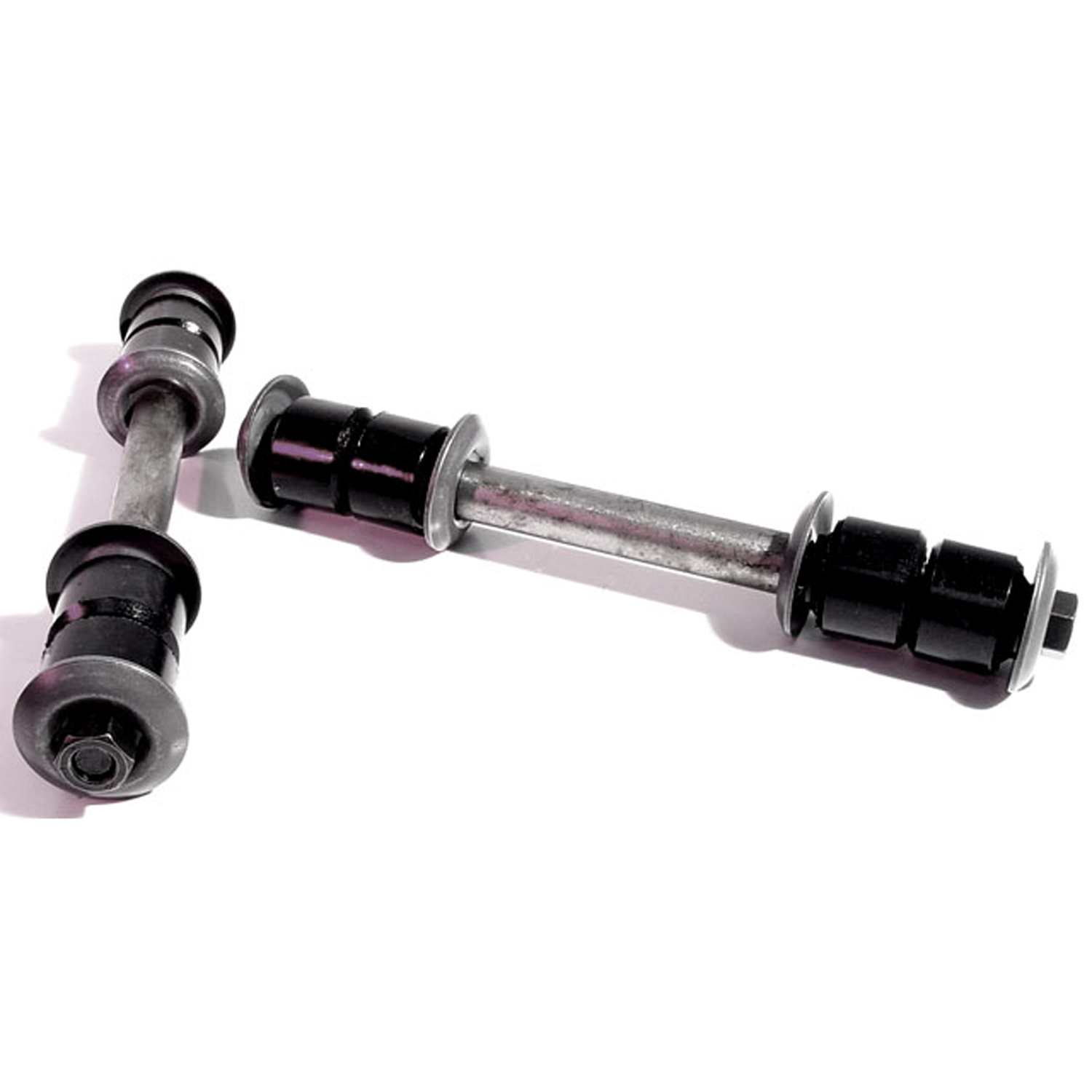 1972 Ford Thunderbird Front Stabilizer End Repair Kit-BNK 21Front Stabilizer End Repair Kit. 22-piece set for two stabilizer bars. Contains all rubber bushings, washers, bolts and nuts, enough for one front end. Set
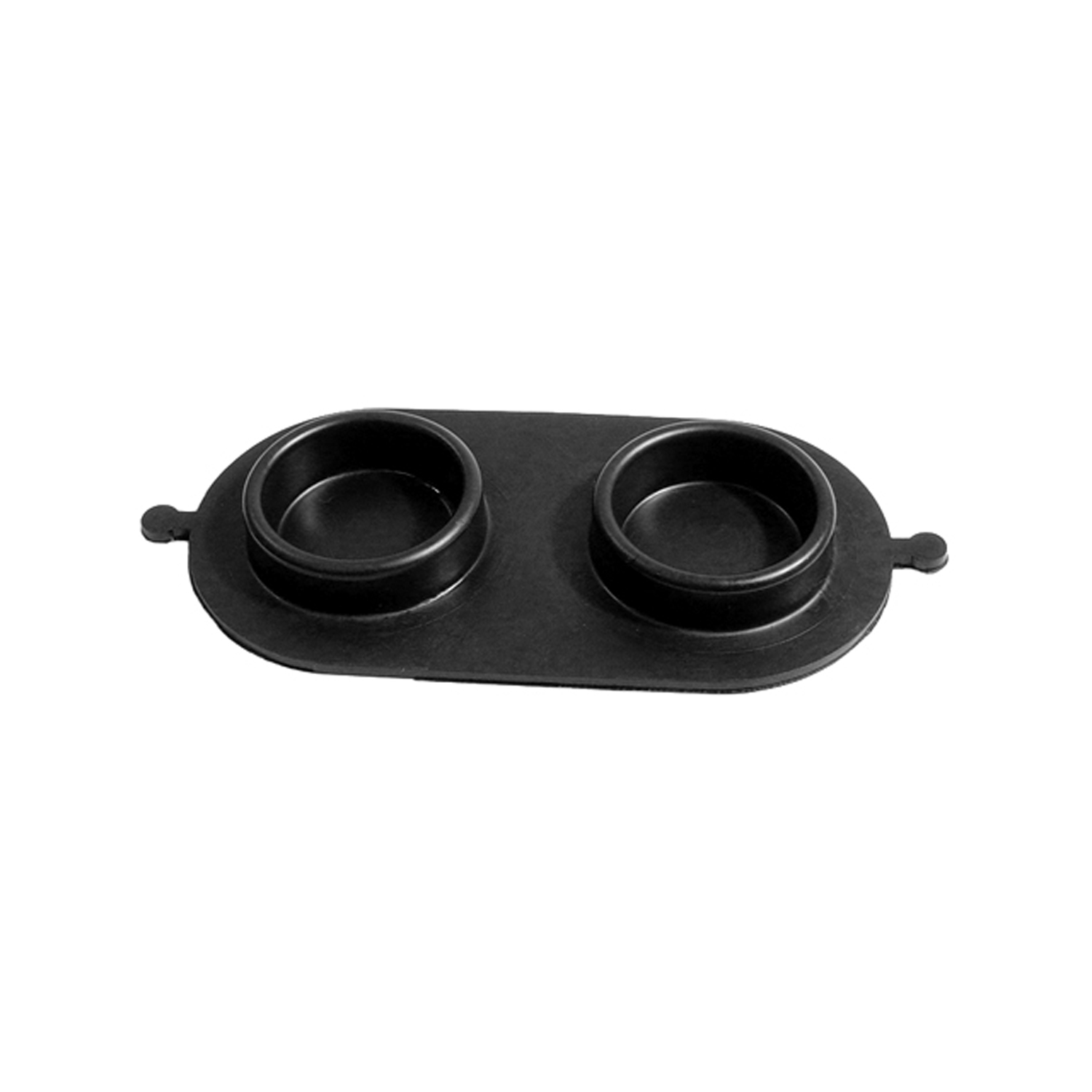 1972 Ford Thunderbird Brake Master Cylinder Cover Seal. Replaces OEM #C7AZ2167-A-RP 2-BBrake Master Cylinder Cover Seal. Replaces OEM #C7AZ2167-A. Each
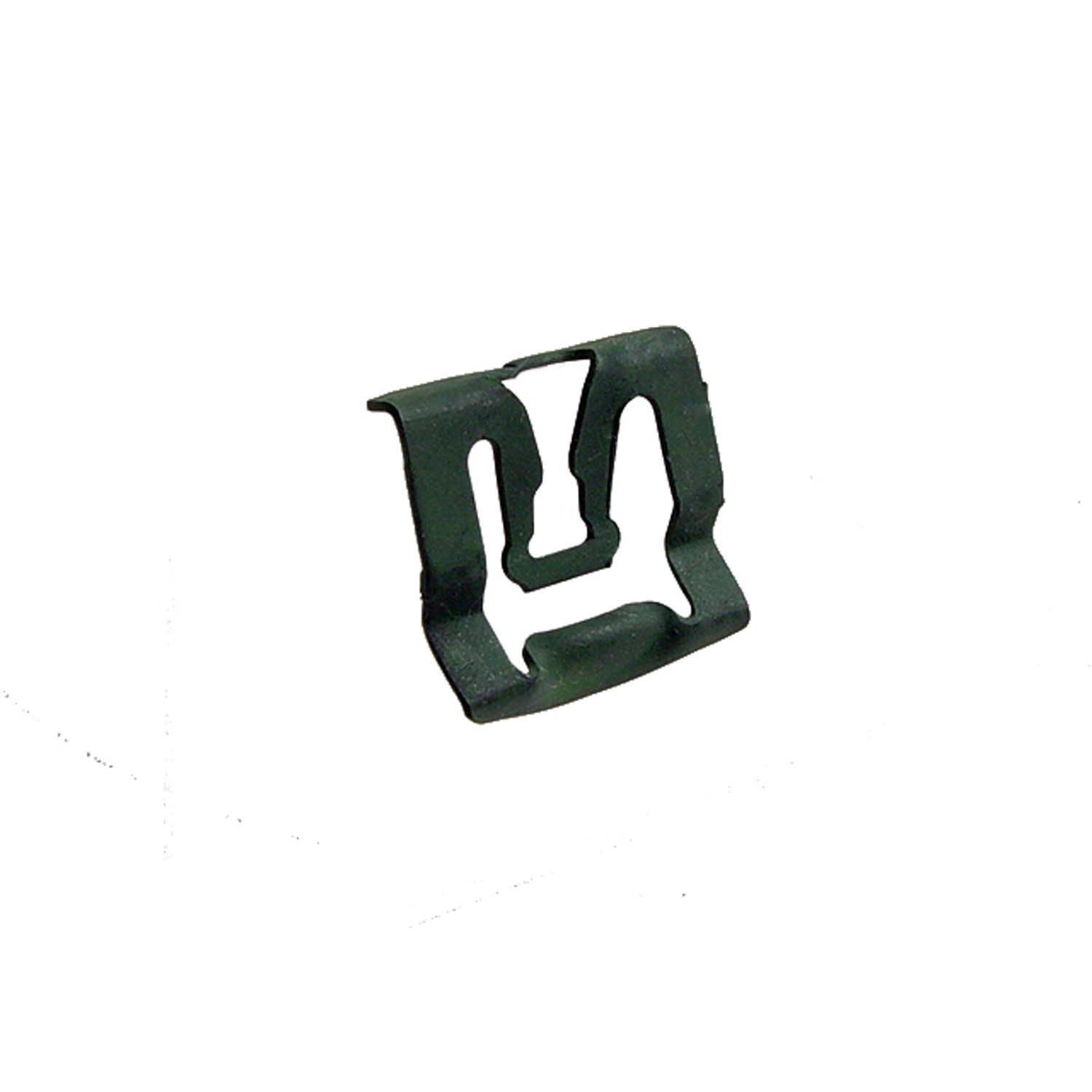 1972 Ford Thunderbird Windshield Reveal Molding Clip. Made of steel. Each-WF 228-AWindshield Reveal Molding Clip. Made of steel. Each
 1972 Ford Thunderbird Spare Tire Hold Down Nut. 3/8- 16 thread size-WF 3504Spare Tire Hold Down Nut. 3/8- 16 thread size. Replaces OEM #B9AZ-1462-A. Each
Why Choose Metro?
For over 100 years, Metro Moulded Parts has been the pinnacle of quality in classic car restoration parts. Our commitment to precision and authenticity in every component ensures a perfect fit and an OEM-level appearance.
- Expert Craftsmanship & Quality: Each part is a testament to our dedication to reliability and perfection, crafted from original designs and thoroughly tested.
- Advanced Technology: We use cutting-edge techniques to create flawless, long-lasting parts that surpass others in performance.
- SuperSoft Sponge – The Ultimate Door Seal: Not only are our door seals 30% softer than competitors', but they're also guaranteed to never leak. They effectively reduce wind and road noise, enhancing your classic car's comfort and driving experience.
- Proudly American: Our parts are a product of American craftsmanship, made in the USA with a spirit of excellence and heritage.
- Unrivaled Warranty: We back our products with a 30-year industry-leading warranty, a testament to our confidence in their quality.
Join us in preserving the legacy of classic cars with parts that are crafted for perfection, not just made.