

Image of 1972 Ford Torino, Note: These illustrations use artistic license and may differ from actual historical models.
Performance Metrics
Fundamental Metrics
Emotional Appeal
MMP Rating
| Engine Specifications | |
|---|---|
| Engine: | 250 CID I6, 302 CID V8, 351 CID V8, 400 CID V8, 429 CID V8 |
| Displacement: | 250-429 cubic inches |
| Horsepower: | 98-375 hp |
| Torque: | 185-450 lb-ft |
| Compression Ratio: | 8.0:1 - 11.3:1 |
| Ignition System: | Conventional breaker-point ignition system |
| Cooling System: | Liquid-cooled |
| Performance Specifications | |
| 0-60 Time: | 6.5 - 10 seconds |
| 1/4 Mile Time: | 14.5 - 17 seconds |
| Top Speed: | 120 - 140 mph |
| Transmission and Drive | |
| Drive Type: | Rear-wheel drive |
| Transmission Type: | 3-speed manual, 4-speed manual, 3-speed automatic |
| Fuel and Efficiency | |
| Fuel System Type: | Carburetor |
| MPG: | 10-15 mpg |
| Dimensions and Brakes | |
| Brakes: | Front disc and rear drum brakes |
| Wheelbase: | 114 inches |
| Weight: | 3,200 - 3,800 lbs |
Note: Specifications for classic cars are given to the best of our ability, considering the limited and variant data available.
1972 Ford Torino: The Big, Bold Ford of a Changing Era
The 1972 Ford Torino arrived with a sweeping new shape and a clear mission: give American families a roomy, comfortable intermediate while keeping V8 power and muscle-car character within reach. Built by Ford Motor Company, the Torino sat between compact cars such as the Maverick and full-size models such as the Galaxie, offering a broad range of body styles and equipment.
Its timing made it especially interesting. The muscle-car boom was giving way to tighter emissions rules, rising insurance costs, and growing interest in comfort and safety. Ford answered with a redesigned Torino that looked substantial and modern, but could still be ordered with a strong Cleveland V8. One notable twist is that the familiar name “Torino” covered everything from practical family sedans and wagons to the sporty Gran Torino Sport.
Fuselage Styling and Gran Torino Sport Trim
The 1972 Torino was a complete redesign, with smooth, rounded “fuselage” styling that made the car look wider and longer than its predecessor. A prominent grille sat between the headlights, while the front bumper wrapped around the body in a substantial loop. Long hood, gently sloping rooflines, and broad rear quarters gave the two-door models a distinctly American presence. The result was less sharp-edged than many late-1960s muscle cars, but it had plenty of visual weight.
Inside, the Torino emphasized space and comfort. Depending on trim, buyers got cloth-and-vinyl or all-vinyl upholstery, broad bench seats, deep carpeting, and a sweeping dashboard. The Gran Torino Sport could be ordered with bucket seats and a floor console for a more driver-focused feel. Materials were appropriate to a mainstream American car of the period: comfortable and durable, rather than luxurious by modern standards. After decades of exposure to sunlight, however, original upholstery, dash pads, and trim can be difficult or costly to restore.
Available convenience and safety equipment included power steering, power brakes, air conditioning, an automatic transmission, and front disc brakes, depending on model and configuration. These were not cutting-edge electronics, but they made the Torino easy to live with. Buyers could choose from a broad factory color palette, with shades such as red, white, blue, yellow, and metallic finishes. Bright, high-impact colors suit the car’s character, though original paint codes and trim combinations matter to collectors.
The range included two-door hardtops, four-door sedans, and station wagons, with the exact offerings varying by Torino series. The Gran Torino Sport was the standout choice for buyers after a sportier look. Offered in distinctive two-door forms, including a fastback-style SportsRoof, it paired the Torino’s size with a lower, more dramatic roofline. The SportsRoof is often the most instantly recognizable version today.
A Torino at the Turning Point
The 1972 Torino captures the moment when American performance cars began changing direction. Its large V8 options and confident styling belonged to the muscle-car tradition, while its emphasis on ride comfort, equipment, and a wide model range reflected a market moving toward more versatile family cars. Ford also revised its horsepower ratings to the more realistic net system for 1972. As a result, published figures can look lower than earlier gross-horsepower numbers even when comparing engines with similar real-world output.
What set the Torino apart was its ability to serve several roles without changing its basic identity. A six-cylinder sedan could handle ordinary family duties, a wagon could carry people and cargo, and a Gran Torino Sport with a four-barrel 351 Cleveland could deliver genuinely lively performance. The design influenced the next generation of Torino models, while the name itself continued to signal a substantial, distinctly American Ford.
The Torino also had a connection to NASCAR, where Ford intermediates had been important competition cars. The famous aerodynamic Torino Talladega was an earlier model, not a special 1972 road-car edition, but the Torino name still carried racing associations. By 1972, factory involvement in stock-car racing had changed, yet Ford-bodied cars remained part of the sport’s competitive landscape.
V8 Performance and Road Manners
Engine choices varied by trim and market, but the 1972 range included an inline-six and several V8s, with small-block choices such as the 302 and 351 and larger options including the 400. The 351 Cleveland, particularly in a four-barrel performance configuration where available, is a favorite among enthusiasts for its strong midrange pull and tuning potential. Exact equipment and engine availability should be confirmed using the car’s original documentation or identification numbers.
Performance depends heavily on the engine, transmission, axle ratio, body style, and condition. As a general period-style estimate, a well-running 351-powered Gran Torino Sport might reach 60 mph in roughly 7 to 9 seconds and approach 115 to 125 mph in favorable conditions. A 302-equipped car would typically be slower, while a six-cylinder model was oriented more toward steady everyday driving than quick acceleration. These are broad estimates, not guaranteed figures for every Torino; surviving cars may also have different gearing or modified drivetrains.
On the road, the Torino feels substantial. Its suspension favors a smooth, settled ride over sharp cornering, soaking up ordinary road imperfections well when the springs, shocks, and bushings are in good shape. On winding roads, expect noticeable body lean and steering that feels less precise than a modern car. Strong crosswinds and the car’s size can also make it feel less nimble than a compact classic.
A V8 Torino announces itself with a deep, relaxed exhaust note that becomes more forceful as the throttle opens. The driver sits behind a broad hood, with a large steering wheel and simple, familiar controls. It is a car to cruise in and enjoy, rather than a modern sports sedan to hustle through tight corners. A healthy engine and well-sorted brakes transform the experience, while worn suspension components can make even a comfortable Torino feel loose.
Living With a 1972 Torino
Today, Torinos are used as weekend cruisers, show cars, family classics, and project cars. Their roomy cabins and conventional mechanical layout make them approachable for owners who enjoy working on older American cars. Routine service is straightforward, and many mechanical parts are shared with other Ford models of the era. Specialty trim, body panels, and model-specific interior pieces can be harder to find than common tune-up parts.
Rust is a key inspection point. Check the floor pans, trunk, lower body panels, wheel openings, and areas around the windshield and rear window. Also inspect the frame and suspension mounting points carefully. A pre-purchase check should cover the cooling system, transmission, steering, brakes, electrical connections, and evidence of previous accident repairs. Old cars often need attention even when they run well, so budget for hoses, seals, tires, and brake components as part of ownership.
Reliability depends less on the Torino name than on the condition of the individual car. A maintained, mostly stock example can be dependable for local driving, but age brings predictable challenges, including carburetor issues, worn bushings, leaking seals, and tired wiring. The Torino’s straightforward design makes many repairs accessible to a capable home mechanic, though restoration work and engine rebuilding still call for specialist skills and tools.
Torino Trivia and Common Misconceptions
The 1972 model is sometimes confused with two other famous Torinos. The red-and-white-striped car from the television series Starsky & Hutch was based on a 1970s Torino, most famously a 1975 model, not the 1972. Clint Eastwood’s 2008 film Gran Torino helped renew interest in the name, but the film’s car is a character in its own right, not evidence that every Torino is a rare performance edition.
There is no single production figure that captures every 1972 Torino configuration neatly. Ford built the Torino in large numbers across its many body styles, and total production is generally described as being around half a million cars for the broader model range. That does not mean every version is common today. Gran Torino Sports, especially desirable engine and body combinations in original condition, are much less frequently encountered than ordinary sedans and wagons.
Common criticisms include the car’s size, modest cornering ability, fuel consumption, and the way net horsepower ratings can disappoint readers comparing them directly with earlier gross figures. The 1972 Torino was not designed to be economical by modern standards, and a large-displacement V8 will use fuel accordingly. Its appeal lies instead in its space, relaxed cruising manners, bold styling, and accessible Ford V8 character.
Collector Values and Rarity
Collector values vary widely with body style, engine, originality, rust, and restoration quality. As a broad U.S. market estimate, a project or rough driver might sell for about $4,000 to $10,000. A usable, presentable example often falls around $10,000 to $25,000, while a clean, well-restored car may bring roughly $25,000 to $45,000. Exceptional Gran Torino Sport examples, particularly with desirable factory performance equipment and strong documentation, can exceed that range. These are estimates rather than fixed price guides, and local markets can differ substantially.
Most standard Torinos are not especially rare in the production-count sense, but the best-preserved cars are increasingly difficult to find. Original paint, factory-correct drivetrains, complete trim, and documented history can make a major difference. Before buying a car advertised as a special or high-performance model, verify its identity and equipment rather than relying on badges or seller descriptions.
Prices have generally benefited from renewed interest in 1970s American cars, though the market is selective. Clean, original, desirable versions tend to hold their appeal better than heavily modified or rusty examples. A Torino is best purchased because you want to own and drive it, not because rapid appreciation is guaranteed.
Why the 1972 Torino Still Matters
The 1972 Ford Torino brought together the qualities that made American intermediates so appealing: bold styling, generous space, a wide choice of body styles, and V8 power in a comfortable package. It arrived as the muscle-car era was changing, making it both a product of its time and a snapshot of the transition toward a more comfort-minded decade.
For collectors, its strongest versions offer period character without the prices attached to the rarest muscle cars. For drivers, it delivers a roomy cabin, relaxed ride, and unmistakable V8 soundtrack. The Torino may not be the sharpest car on a winding road, but it has something more lasting: the easy confidence of a big Ford built to make every ordinary drive feel like an occasion.
1972 Ford Torino Catalog of Parts
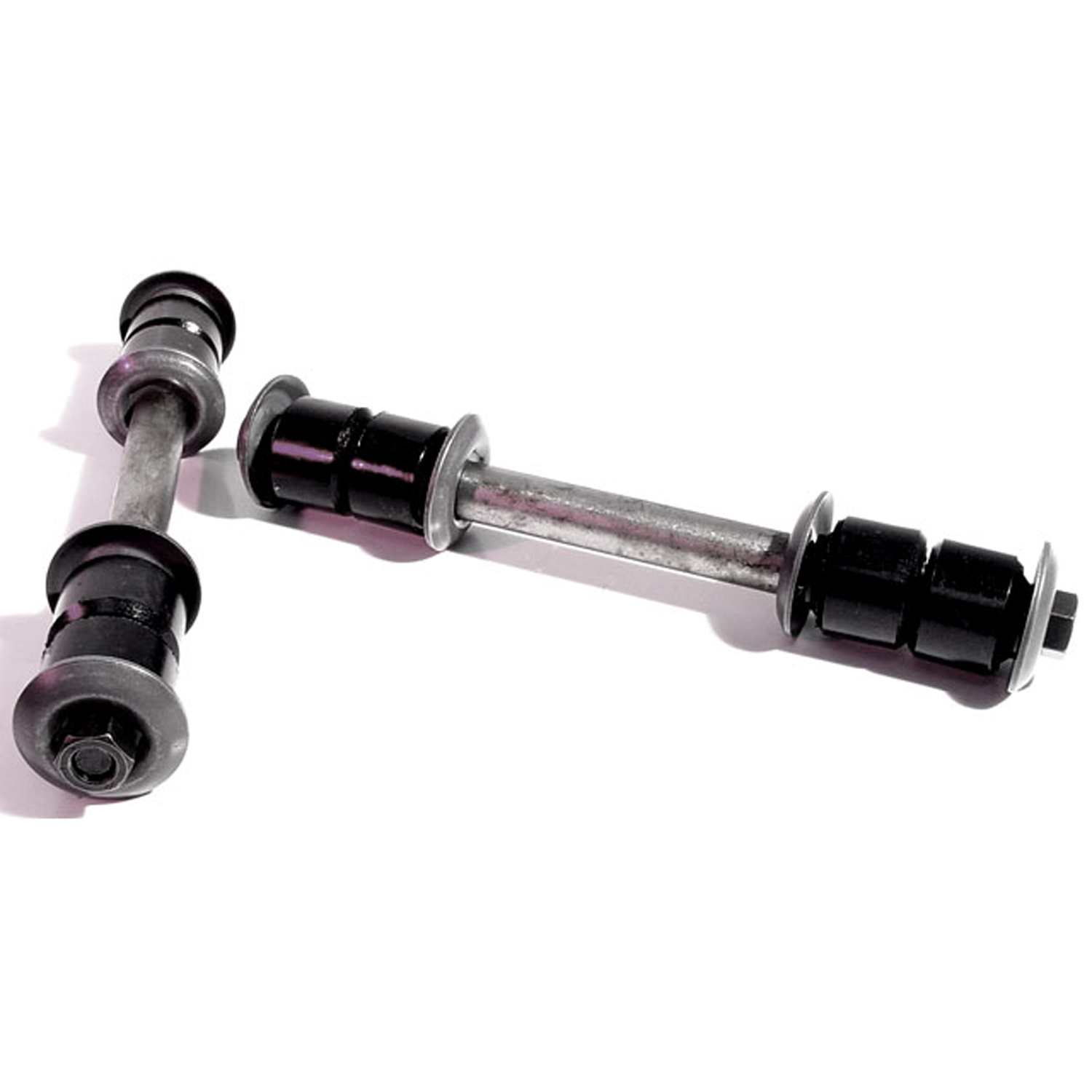 1972 Ford Torino Front Stabilizer End Repair Kit-BNK 21Front Stabilizer End Repair Kit. 22-piece set for two stabilizer bars. Contains all rubber bushings, washers, bolts and nuts, enough for one front end. Set
 1972 Ford Torino Hood to Cowl Seal, with Clips. 58-1/2" long. Each-CS 33-BHood to Cowl Seal, with Clips. 58-1/2" long. Each
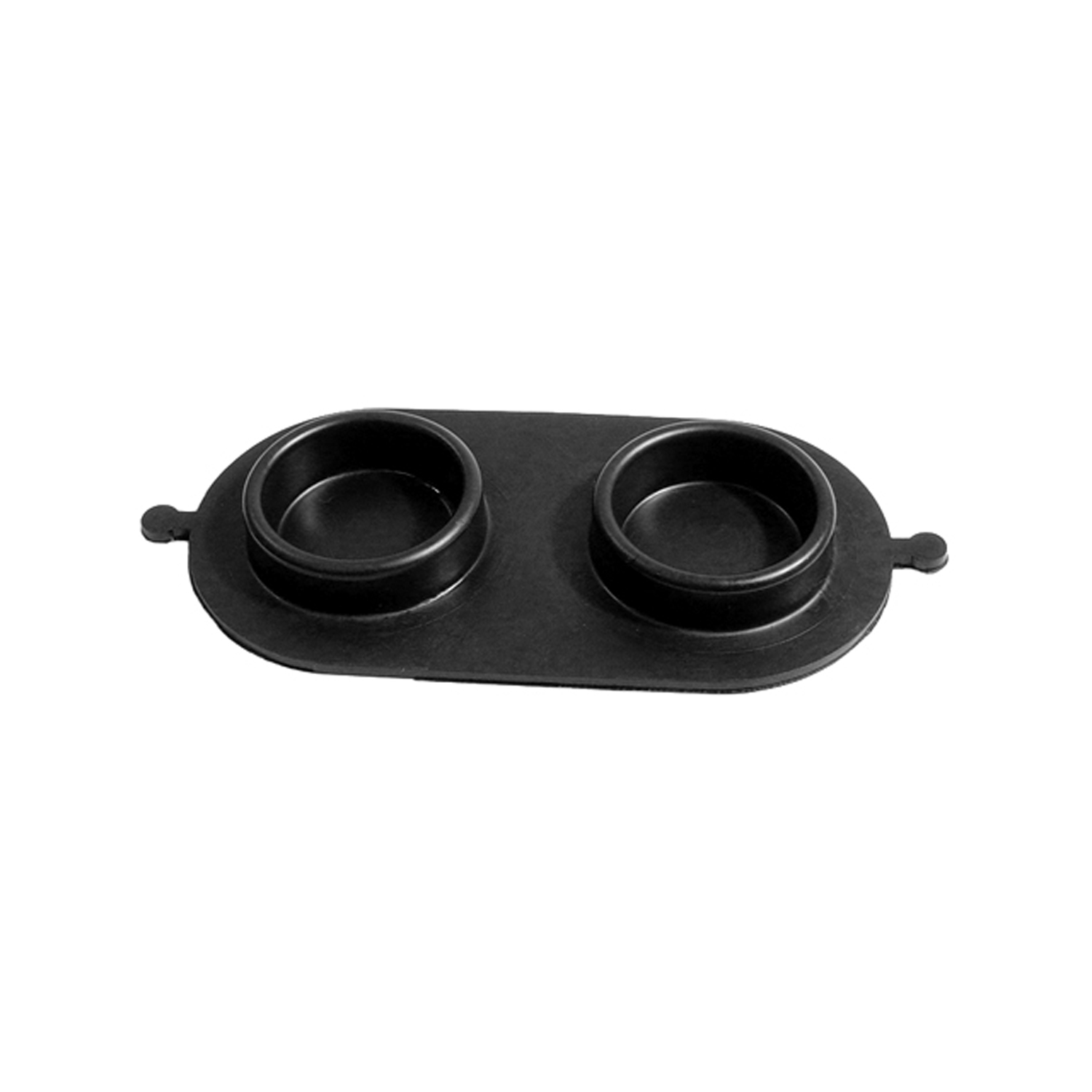 1972 Ford Torino Brake Master Cylinder Cover Seal. Replaces OEM #C7AZ2167-A-RP 2-BBrake Master Cylinder Cover Seal. Replaces OEM #C7AZ2167-A. Each
 1972 Ford Torino Spare Tire Hold Down Nut. 1/2- 13 thread size-WF 3503Spare Tire Hold Down Nut. 1/2- 13 thread size. Replaces OEM #C8AZ-1462-A. Each
Why Choose Metro?
For over 100 years, Metro Moulded Parts has been the pinnacle of quality in classic car restoration parts. Our commitment to precision and authenticity in every component ensures a perfect fit and an OEM-level appearance.
- Expert Craftsmanship & Quality: Each part is a testament to our dedication to reliability and perfection, crafted from original designs and thoroughly tested.
- Advanced Technology: We use cutting-edge techniques to create flawless, long-lasting parts that surpass others in performance.
- SuperSoft Sponge – The Ultimate Door Seal: Not only are our door seals 30% softer than competitors', but they're also guaranteed to never leak. They effectively reduce wind and road noise, enhancing your classic car's comfort and driving experience.
- Proudly American: Our parts are a product of American craftsmanship, made in the USA with a spirit of excellence and heritage.
- Unrivaled Warranty: We back our products with a 30-year industry-leading warranty, a testament to our confidence in their quality.
Join us in preserving the legacy of classic cars with parts that are crafted for perfection, not just made.