

Image of 1973 Ford Country Sedan, Note: These illustrations use artistic license and may differ from actual historical models.
Performance Metrics
Fundamental Metrics
Emotional Appeal
MMP Rating
| Engine Specifications | |
|---|---|
| Engine: | 351-2V, 400-2V, 429-4V |
| Displacement: | 351 - 429 cu in |
| Horsepower: | 163 - 208 hp |
| Torque: | 282 - 322 lb-ft |
| Compression Ratio: | 8.0:1 - 8.5:1 |
| Ignition System: | Conventional, distributor |
| Cooling System: | Liquid-cooled |
| Performance Specifications | |
| 0-60 Time: | 10 - 12 seconds |
| 1/4 Mile Time: | 17 - 19 seconds |
| Top Speed: | 105 - 115 mph |
| Transmission and Drive | |
| Drive Type: | Rear-wheel drive |
| Transmission Type: | 3-speed automatic |
| Fuel and Efficiency | |
| Fuel System Type: | Carburetor |
| MPG: | 10 - 12 mpg |
| Dimensions and Brakes | |
| Brakes: | Front disc, rear drum |
| Wheelbase: | 121.0 in |
| Weight: | 4,400 - 4,600 lbs |
Note: Specifications for classic cars are given to the best of our ability, considering the limited and variant data available.
1973 Ford Country Sedan: The Full-Size Family Wagon
The 1973 Ford Country Sedan was built for a time when a family’s biggest journeys began with a long bench seat, a well-packed cargo area, and a V8 rumbling under the hood. A full-size station wagon from Ford Motor Company, it combined generous passenger room with straightforward, body-on-frame construction. It was the practical middle ground in Ford’s wagon range: less dressy than the woodgrain-trimmed Country Squire, but every bit as ready for school runs, road trips, and hardware-store errands.
The Country Sedan name had been part of Ford’s lineup since the early 1950s. By 1973, it represented a kind of American car that was nearing its high-water mark. Minivans and SUVs had not yet taken over the family-vehicle market, so a large wagon still made a compelling case for itself. The 1973 model also arrived during a turning point: federal bumper requirements were changing, and the oil crisis would soon make the fuel appetite of big V8 vehicles a national talking point.
One detail that captures the Country Sedan’s everyday ingenuity is Ford’s available Magic Doorgate. Rather than simply dropping down like a conventional tailgate, it could also swing open from the side. That made loading awkward or bulky cargo easier, a small but memorable piece of wagon-era problem-solving.
Exterior Design and Wagon Practicality
The Country Sedan wore the broad, squared-off proportions that defined Ford’s full-size cars in the early 1970s. Its long hood, upright grille, formal roofline, and substantial body sides gave it a purposeful, substantial look. The large glass area helped the cabin feel open and made it easier to see out than many later SUVs. At the same time, its length and width were unmistakable: this was a big American wagon, not a compact runabout.
For 1973, federal rules brought energy-absorbing front bumpers to new cars, and the resulting bumper design added to the Ford’s already imposing presence. The Country Sedan generally avoided the Country Squire’s most recognizable styling cue, its simulated woodgrain exterior trim. That gave it a cleaner, more restrained appearance, while chrome accents and model-specific trim supplied the period-appropriate polish.
The 1973 Country Sedan was a four-door station wagon, offered in configurations that could carry six or, with an optional third-row seat, as many as nine passengers. The third row was typically rear-facing, turning the back of the wagon into a favorite spot for children on long trips. Seating and trim could vary by equipment and order, so surviving cars are not all configured alike.
Ford offered a broad palette of early-1970s paint colors. Buyers could choose from shades in the white, red, blue, green, gold, and brown families, among others, with exact names and availability depending on the paint chart and trim. White, blue, and earth-tone colors look especially at home on surviving examples, though no single shade defines the model.
Cabin Comfort and 1970s Features
Inside, the Country Sedan prioritized room and durability over luxury-car flourish. Depending on how it was ordered, the cabin could have cloth or vinyl upholstery, broad bench seats, and practical, hard-wearing trim. The dashboard was designed around large, legible controls rather than a complicated collection of switches. A roomy front bench made it easy for three people to sit across, while the wagon’s long roof and generous windows created an airy feel.
Available conveniences could include power steering, power brakes, air conditioning, an AM radio, and other comfort options. These features were not universal, so equipment varies from car to car. The technology was conventional for the era: a traditional instrument panel, mechanical controls, and familiar serviceable components rather than today’s electronic driver aids. Seat belts and other period safety equipment were present, but the car lacks modern crash protection, airbags, and stability control.
The two-way Magic Doorgate, when fitted, was a particularly useful feature. It could be operated as a traditional drop-down tailgate or swung open from the side, depending on the loading situation. Combined with the broad cargo floor and folding or removable rear seating, it made the Country Sedan a capable hauler as well as a people mover.
Why the 1973 Country Sedan Matters
The Country Sedan was not a revolutionary engineering experiment. Its importance is more cultural and practical: it represents the mature American station wagon at a moment when the format was central to family life. Its long wheelbase, separate body and frame, V8 power, and flexible seating reflected the priorities of buyers who wanted one vehicle to transport people, luggage, pets, and home-improvement supplies.
That formula set the Country Sedan apart from smaller wagons and imported alternatives. It delivered a distinctly American combination of scale, comfort, and cargo capacity. It also belonged to a broad Ford ecosystem, sharing many mechanical components with other full-size models. That shared engineering helped keep it familiar to mechanics and made routine repairs less mysterious than they might be on a rare, specialized car.
The 1973 model year is historically interesting because it sits just before the oil embargo reshaped attitudes toward fuel economy. Big wagons remained useful and popular, but rising fuel prices and changing expectations gradually opened the door to smaller cars, minivans, and, later, SUVs. The Country Sedan is therefore a snapshot of the last great era of the traditional full-size family wagon.
V8 Power and Road Manners
Most 1973 Country Sedans were ordered with a V8, with engine availability depending on the specific configuration and market. Ford’s larger-car engine choices included small- and big-block V8s, with some versions offering substantially more displacement and power than others. A three-speed automatic transmission was common. Because surviving cars may have different engines, axle ratios, and equipment, it is worth checking the vehicle’s identification and engine tags rather than assuming every Country Sedan has the same specification.
Period engine ratings and performance figures vary by engine and testing method. As a general guide, a typical V8 Country Sedan produces roughly 150 to just over 200 net horsepower, while a well-maintained example may reach 0 to 60 mph in approximately 11 to 14 seconds. Top speed is best treated as an estimate, commonly around 100 to 110 mph depending on gearing and condition. These are not factory promises for every configuration, and the car was designed for relaxed cruising, not acceleration contests.
On the road, the Country Sedan feels substantial and unhurried. Its long wheelbase helps it glide over ordinary pavement breaks, while the soft suspension favors comfort over sharp cornering. On winding roads, the high weight and body lean encourage a smooth, measured pace. Crosswinds and narrow parking spaces remind the driver just how much car is present.
The V8’s sound is one of the pleasures of the experience: a low, steady burble at idle that deepens under acceleration. Steering is light with power assistance, and the view over the hood gives the driver a commanding perspective. The brakes and tires are decades-old technologies by modern standards, so a good example should feel predictable and well maintained, not sporty. Driving one is less about chasing speed than settling into the quiet, cushioned rhythm of a classic American cruiser.
Living With a Country Sedan
Today, the 1973 Country Sedan is most often used as a weekend cruiser, vintage road-trip car, show vehicle, or rolling piece of family history. It can still perform practical duties, but its fuel consumption, large footprint, and age make it less convenient as a daily driver than a modern wagon or crossover. Expect mileage to vary widely with engine, tuning, traffic, and driving style; a big V8 wagon is not a choice for buyers whose first priority is fuel economy.
Routine maintenance is generally approachable for an owner with basic mechanical skills. The carbureted engine, conventional automatic transmission, and familiar Ford chassis components are well understood by classic-car mechanics. Many mechanical parts interchange with other full-size Fords, though wagon-specific items such as rear glass, tailgate hardware, interior trim, and body panels can be harder to source.
Before buying, inspect the frame and body carefully for rust, especially around the floors, lower body panels, wheel openings, rear cargo area, and tailgate. Check that the tailgate operates correctly and that its glass and seals are in good condition. Also inspect the cooling system, transmission, suspension bushings, brakes, and electrical connections. A car that has been stored outdoors may need considerably more work than its shiny paint suggests.
Trivia, Reputation, and Common Complaints
The Magic Doorgate is a standout piece of Country Sedan trivia because it made the wagon’s rear opening more versatile than a simple liftgate or drop-down tailgate. Another historical footnote is the timing of the 1973 front bumper changes, which made the model part of the transition toward federally regulated impact protection.
The Country Sedan is not known for setting speed or endurance records, and there is no widely recognized celebrity-owned 1973 example that defines the model’s story. Its appeal is more everyday than glamorous. It earned its place through family utility, spaciousness, and the familiar character of Ford’s full-size cars.
Common criticisms are easy to understand: it is thirsty, large, and not especially nimble. Early-1970s emissions equipment and tuning can also make some examples feel less lively than older high-compression muscle-era cars. Its size can be a challenge in modern traffic and parking lots. Those drawbacks are part of the honest ownership picture, but they are also tied to the relaxed, roomy character that enthusiasts enjoy.
Collector Value and Availability
The 1973 Ford Country Sedan is uncommon in today’s collector market, but it is not generally valued like a rare muscle car. Exact production figures for this specific model and year are not consistently available in commonly published sources. A reasonable estimate is roughly 15,000 to 25,000 examples, but that should be treated as an informed estimate, not a confirmed Ford production total. The number of surviving cars is much lower, especially for solid, original wagons.
As a broad U.S. market guide, a project car may sell for around $2,000 to $5,000, while a usable driver in sound condition might bring roughly $5,000 to $10,000. A clean, well-presented example could be in the $10,000 to $18,000 range, with an exceptional restoration or unusually original car potentially exceeding $20,000. These estimates can shift with rust condition, engine and equipment, documentation, location, and the strength of the local classic-wagon market.
Values have generally been modest compared with those of muscle cars and premium woodgrain Country Squires. Interest in classic wagons has helped good examples attract more attention, but this remains a niche market. Prices are best described as stable to gradually appreciating for especially clean cars, while rough or incomplete examples may remain difficult to sell. Condition and originality matter more than simply having a rare badge.
A Classic Wagon With Real Purpose
The 1973 Ford Country Sedan brought together the qualities that made the American station wagon a family staple: a roomy cabin, flexible cargo space, available V8 power, and comfortable road manners. It was not a technological trailblazer or a performance icon, but it was a thoughtfully useful vehicle from a pivotal moment in automotive history.
For collectors, it offers a distinctive alternative to the usual muscle-car choices. For anyone who remembers traveling across the back seat or loading a wagon for a long summer drive, it carries something more valuable than rarity alone: the unmistakable character of an era when a family car could be as broad as the open road ahead.
1973 Ford Country Sedan Catalog of Parts
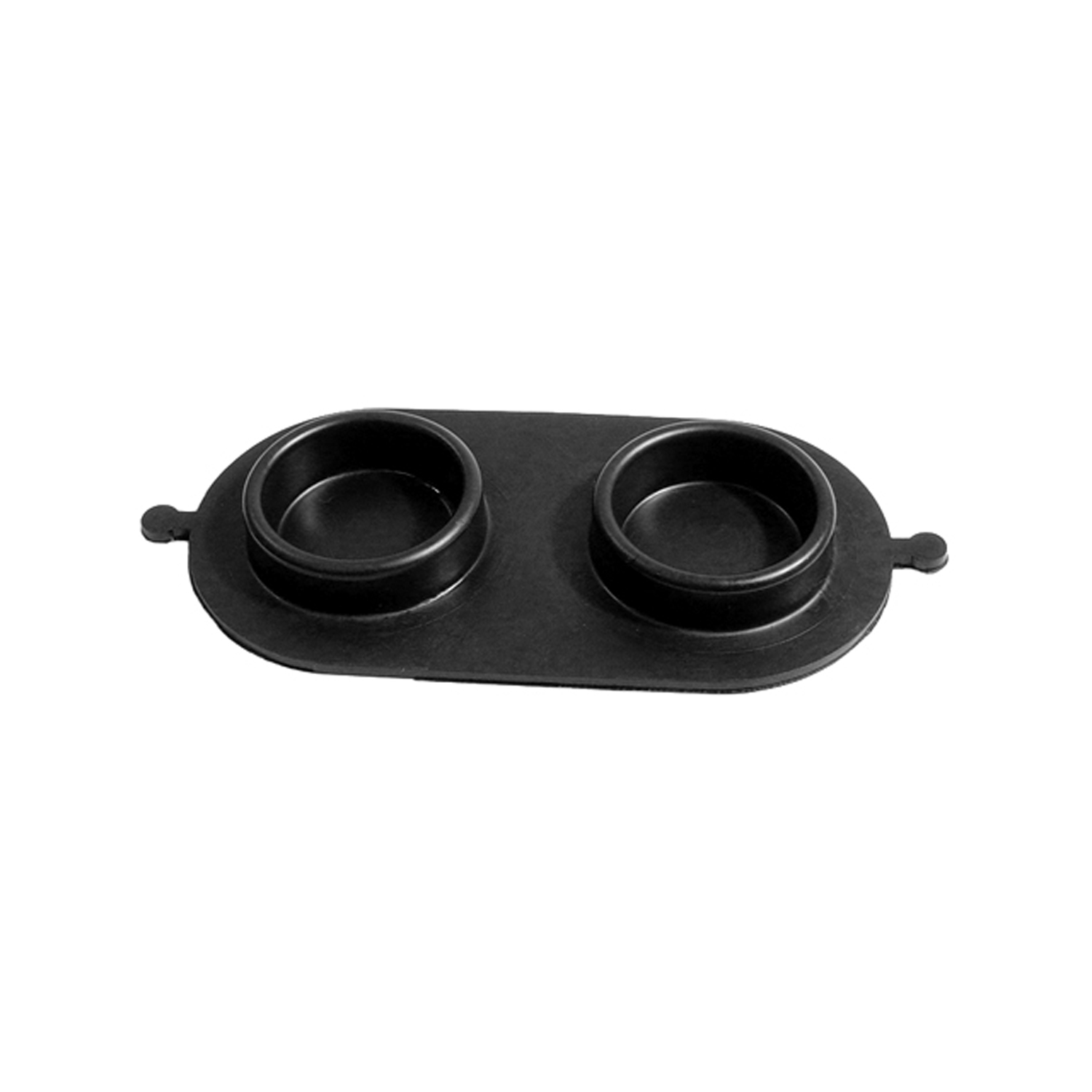 1973 Ford Country Sedan Brake Master Cylinder Cover Seal. Replaces OEM #C7AZ2167-A-RP 2-BBrake Master Cylinder Cover Seal. Replaces OEM #C7AZ2167-A. Each
 1973 Ford Country Sedan Rear Windshield Reveal Molding Clip. Made of steel. Each-WF 228Rear Windshield Reveal Molding Clip. Made of steel. Each
Why Choose Metro?
For over 100 years, Metro Moulded Parts has been the pinnacle of quality in classic car restoration parts. Our commitment to precision and authenticity in every component ensures a perfect fit and an OEM-level appearance.
- Expert Craftsmanship & Quality: Each part is a testament to our dedication to reliability and perfection, crafted from original designs and thoroughly tested.
- Advanced Technology: We use cutting-edge techniques to create flawless, long-lasting parts that surpass others in performance.
- SuperSoft Sponge – The Ultimate Door Seal: Not only are our door seals 30% softer than competitors', but they're also guaranteed to never leak. They effectively reduce wind and road noise, enhancing your classic car's comfort and driving experience.
- Proudly American: Our parts are a product of American craftsmanship, made in the USA with a spirit of excellence and heritage.
- Unrivaled Warranty: We back our products with a 30-year industry-leading warranty, a testament to our confidence in their quality.
Join us in preserving the legacy of classic cars with parts that are crafted for perfection, not just made.