

Image of 1973 Ford Country Squire, Note: These illustrations use artistic license and may differ from actual historical models.
Performance Metrics
Fundamental Metrics
Emotional Appeal
MMP Rating
| Engine Specifications | |
|---|---|
| Engine: | 400 CID 2V V-8, 429 CID 4V V-8 |
| Displacement: | 400-429 cubic inches |
| Horsepower: | 168-205 hp |
| Torque: | 315-322 lb-ft |
| Compression Ratio: | 8.0:1 - 8.5:1 |
| Ignition System: | Conventional, distributor |
| Cooling System: | Liquid-cooled |
| Performance Specifications | |
| 0-60 Time: | 11-13 seconds |
| 1/4 Mile Time: | 18-20 seconds |
| Top Speed: | 105-110 mph |
| Transmission and Drive | |
| Drive Type: | Rear-wheel drive |
| Transmission Type: | 3-speed automatic |
| Fuel and Efficiency | |
| Fuel System Type: | Carburetor |
| MPG: | 10-12 mpg |
| Dimensions and Brakes | |
| Brakes: | Front disc, rear drum |
| Wheelbase: | 121 inches |
| Weight: | 4,500 lbs |
Note: Specifications for classic cars are given to the best of our ability, considering the limited and variant data available.
1973 Ford Country Squire: The Full-Size American Family Wagon
With its long hood, broad chrome grille, roof rack, and unmistakable simulated woodgrain sides, the 1973 Ford Country Squire made the family road trip look like a grand expedition. Built by Ford Motor Company as its premium full-size station wagon, it paired generous seating and cargo space with the comfort and V8 power expected of a big American car.
The Country Squire was part of Ford’s full-size wagon family, closely related to the LTD sedan and sharing its basic body-on-frame construction. By 1973, station wagons were still a popular choice for families who needed room for people, luggage, sports gear, and the occasional oversized household purchase. Minivans and SUVs had not yet taken over that role.
One of the Country Squire’s most memorable features was its “Magic Doorgate,” a rear gate designed to open in more than one way. It made loading easier in tight spaces and became a defining Ford wagon innovation. In an era when a station wagon’s tailgate was part of everyday family life, that was more than a clever name.
Woodgrain, Chrome, and Wagon Practicality
The 1973 Country Squire had the imposing proportions of a classic full-size Ford: a long wheelbase, a substantial front end, and a broad, upright profile. Its grille and brightwork gave it a formal, almost luxury-car presence, while the woodgrain-look panels along the body made its identity instantly recognizable. The panels were decorative appliqué, not real wood, but they delivered the visual shorthand Americans associated with a well-equipped family wagon.
Ford updated its full-size cars for the 1973 model year, giving the Country Squire a broad, confident stance and substantial bumpers. The roof rack added a useful finishing touch, ready for luggage or vacation gear. Buyers could choose from a range of exterior paints, including whites, blues, greens, reds, and earthy browns or golds, depending on the specific equipment and market. White and earth-tone cars remain especially familiar combinations with the woodgrain trim.
The Country Squire came as a four-door wagon, with seating configurations that could accommodate six or nine passengers. The nine-passenger version added a third row, typically facing rearward, while the six-passenger layout offered a more open cargo area behind the second row. The rear-facing seats gave children a distinctive view of the road behind, though they were not the sort of feature modern safety expectations would encourage.
Inside, the emphasis was on space and comfort rather than sporty design. Buyers could find cloth and vinyl upholstery, patterned trim, carpeting, and a wide bench-seat layout. As a premium Ford wagon, the Country Squire could be equipped with convenience features such as air conditioning, power steering, power brakes, and upgraded audio. The cabin was roomy, though its broad dashboard and large controls reflected the straightforward, substantial feel of early-1970s American cars.
Useful Technology for Family Travel
The Magic Doorgate was the Country Squire’s most distinctive practical feature. Its design allowed the rear gate to be used in different ways, including as a conventional tailgate or as a side-opening door. That flexibility helped when loading bulky cargo or when the wagon was parked close to another vehicle. The rear window could also be lowered, making it easier to carry long items or improve access to the cargo area.
Other useful features were less showy but important on a heavy wagon. Power steering made parking and low-speed maneuvering more manageable, while power brakes reduced the effort needed to bring the car to a stop. Automatic transmission was typical for the model, and available comfort equipment could make long-distance driving considerably more pleasant. These were not futuristic gadgets, but they made a large family car easier to live with.
Why the Country Squire Mattered
The Country Squire represented the peak of the traditional American station wagon: large, comfortable, V8-powered, and designed to carry a family without asking anyone to travel light. It competed with full-size wagons such as the Chevrolet Caprice Estate, Buick Estate Wagon, and Chrysler Town & Country. Ford’s combination of LTD-derived comfort, recognizable woodgrain styling, and the Magic Doorgate gave the Squire a clear identity in that crowded field.
Its significance was not that it invented the station wagon. Rather, it helped refine the wagon as a premium family vehicle. The design brought together sedan-like appointments and a practical cargo area, while features such as the multi-action rear gate addressed the real business of loading and unloading. The Country Squire also represents a turning point in American motoring: it arrived just before the 1973 oil crisis pushed fuel economy into sharper focus and began changing what many buyers wanted from a family vehicle.
V8 Power and a Soft-Riding Drive
Engine availability could vary with equipment and market, but 1973 Country Squires were powered by large Ford V8s. The 400-cubic-inch V8 was a common choice, with larger engines available on some configurations. A three-speed automatic transmission was typical. Exact output figures depend on the engine and emissions specification, but these were engines tuned for moving a heavy wagon smoothly rather than delivering sports-car acceleration.
As a result, performance figures should be treated as estimates, not universal factory numbers. A properly running example may take roughly 11 to 14 seconds to accelerate from 0 to 60 mph, depending on its engine, gearing, condition, and load. Top speed is generally estimated in the neighborhood of 100 to 115 mph, though a Country Squire is much more at home cruising comfortably than being driven flat out.
On the road, the wagon’s weight and long wheelbase help it settle over ordinary bumps and highway seams. The ride is soft by modern standards, and the body can lean noticeably in quick corners. On winding roads, the Country Squire rewards smooth steering inputs rather than aggressive driving. Crosswinds and uneven pavement can remind the driver that this is a large, tall-bodied wagon, not a compact car.
The driving experience is part of the appeal. The V8 produces a low, relaxed rumble, the automatic transmission shifts without drama, and the broad bench seat gives the driver a commanding view of the road. Steering effort is light with power assist, though the car’s size still requires attention in parking lots and narrow streets. It feels most convincing on an open highway with the family aboard and the cargo area packed for a long weekend.
Living With a 1973 Country Squire
Today, owners use these wagons as weekend cruisers, family-history pieces, road-trip cars, and show vehicles. Some are restored to factory-style condition, while others are kept as honest drivers with weathered woodgrain and a few age-related quirks. The Country Squire is not a natural choice for racing or economical daily commuting, but it can still make a memorable local cruiser.
Mechanical repairs are generally approachable for an experienced home mechanic. The V8 layout and automatic transmission are familiar to many classic-car shops, and common service parts are usually easier to source than model-specific trim. The main challenges are often age and size: fuel consumption is high, and large body panels, interior pieces, woodgrain appliqué, and intact Magic Doorgate components can take time to find.
Before buying, inspect the frame and underbody for corrosion, along with the floor pans, lower body panels, and the areas around the tailgate. Check that the rear glass and gate operate correctly, and look closely at the woodgrain for peeling, fading, or mismatched replacement sections. A wagon that has spent years outdoors may have hidden water damage or worn-out weatherstripping, so a careful inspection is worth the effort.
Country Squire Trivia and Common Complaints
The Magic Doorgate is a standout piece of Ford ingenuity because it tackled a familiar problem with a feature owners could use every day. It also became part of the Country Squire’s personality, alongside the woodgrain sides and rear-facing third-row seats. Those details helped distinguish the wagon from a standard full-size sedan with extra cargo room.
There is no widely recognized speed, endurance, or sales record associated specifically with the 1973 Country Squire. Nor is a single celebrity-owned 1973 example central to its history. Its cultural presence is broader: the Country Squire became one of the defining images of the American family wagon, appearing in the background of countless period photographs, television scenes, and road-trip memories.
The usual criticisms are straightforward. The wagon is thirsty, takes up a lot of space, and feels cumbersome compared with a modern crossover. Its large V8s and soft suspension prioritize comfort over efficiency and cornering precision. The simulated woodgrain can also divide opinion. For fans, however, that trim is exactly what makes the Country Squire look like a Country Squire.
Collector Value and Availability
1973 Country Squires appear on the classic-car market often enough that patient buyers can find one, but clean, original wagons are much less common than ordinary project cars. Production figures for the model are not consistently published in the references collectors use. A reasonable broad estimate is several tens of thousands built, perhaps in the range of 50,000 to 75,000, but that should be treated as an informed estimate rather than a confirmed factory total.
Values depend heavily on rust, mechanical condition, trim completeness, and whether the rear gate and glass work properly. As a general current-market guide, a project or rough driver might sell for around $2,000 to $6,000. A usable, presentable example could fall near $6,000 to $14,000, while a clean, well-maintained wagon may bring approximately $15,000 to $25,000. Exceptional restorations can exceed that range, particularly when originality and documentation are strong. Local demand and recent auction results can move prices considerably.
Values have generally benefited from renewed interest in full-size American wagons, especially distinctive models with original trim. Still, the Country Squire is a niche collector car rather than a guaranteed investment. A sound, complete example is usually a safer purchase than a cheap restoration project, since bodywork, interior restoration, and hard-to-find wagon-specific parts can quickly outweigh the initial savings.
A Classic Wagon With Room to Remember
The 1973 Ford Country Squire brought together V8 power, generous seating, a soft highway ride, and instantly recognizable woodgrain styling. Its Magic Doorgate made it more practical, while its size and comfort captured the expectations of the American family car just before the oil crisis changed the conversation.
It may not be efficient or nimble, but that was never the point. The Country Squire was built to carry people and their lives in comfort, and it remains one of the most memorable expressions of the full-size American wagon.
1973 Ford Country Squire Catalog of Parts
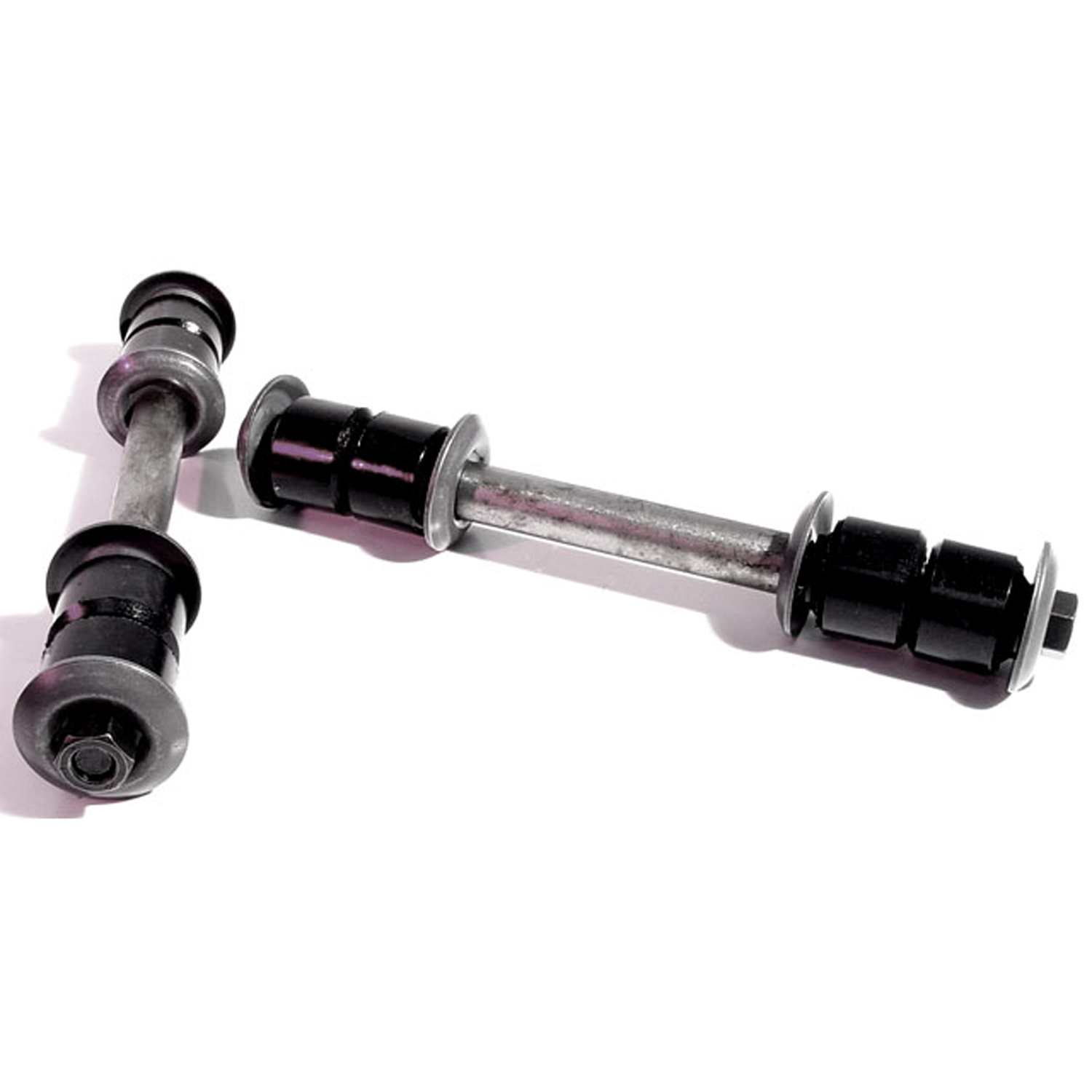 1973 Ford Country Squire Front Stabilizer End Repair Kit-BNK 21Front Stabilizer End Repair Kit. 22-piece set for two stabilizer bars. Contains all rubber bushings, washers, bolts and nuts, enough for one front end. Set
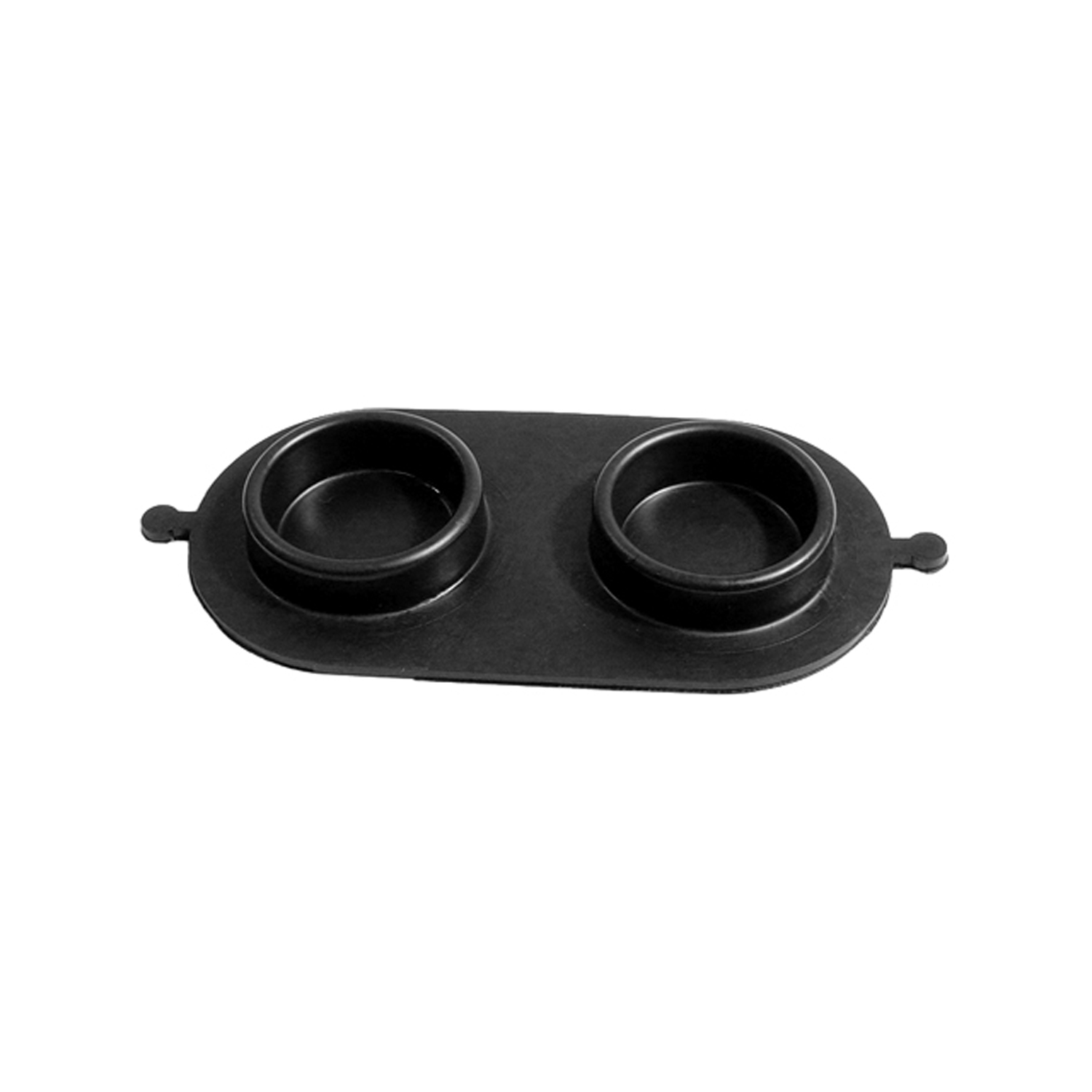 1973 Ford Country Squire Brake Master Cylinder Cover Seal. Replaces OEM #C7AZ2167-A-RP 2-BBrake Master Cylinder Cover Seal. Replaces OEM #C7AZ2167-A. Each
Why Choose Metro?
For over 100 years, Metro Moulded Parts has been the pinnacle of quality in classic car restoration parts. Our commitment to precision and authenticity in every component ensures a perfect fit and an OEM-level appearance.
- Expert Craftsmanship & Quality: Each part is a testament to our dedication to reliability and perfection, crafted from original designs and thoroughly tested.
- Advanced Technology: We use cutting-edge techniques to create flawless, long-lasting parts that surpass others in performance.
- SuperSoft Sponge – The Ultimate Door Seal: Not only are our door seals 30% softer than competitors', but they're also guaranteed to never leak. They effectively reduce wind and road noise, enhancing your classic car's comfort and driving experience.
- Proudly American: Our parts are a product of American craftsmanship, made in the USA with a spirit of excellence and heritage.
- Unrivaled Warranty: We back our products with a 30-year industry-leading warranty, a testament to our confidence in their quality.
Join us in preserving the legacy of classic cars with parts that are crafted for perfection, not just made.