

Image of 1973 Ford F-250, Note: These illustrations use artistic license and may differ from actual historical models.
Performance Metrics
Fundamental Metrics
Emotional Appeal
MMP Rating
| Engine Specifications | |
|---|---|
| Engine Options: | 360 cu in (5.9 L) FE V8, 390 cu in (6.4 L) FE V8 |
| Displacement Range: | 360-390 cu in |
| Horsepower Range: | 150-170 hp |
| Torque: | 315-325 lb-ft |
| Compression Ratio: | 8.9:1 |
| Ignition System: | Conventional breaker-point ignition system |
| Cooling System: | Liquid-cooled |
| Performance Specifications | |
| 0-60 Time: | Estimated 10-12 seconds |
| 1/4 Mile Time: | Estimated 17-19 seconds |
| Top Speed: | 85-95 mph |
| Transmission and Drive | |
| Drive Type: | Rear-wheel drive (RWD) |
| Transmission Type: | 3-speed automatic, 4-speed manual |
| Fuel and Efficiency | |
| Fuel System Type: | Carburetor |
| MPG: | 10-12 mpg |
| Dimensions and Brakes | |
| Brakes: | Front disc, rear drum |
| Wheelbase: | 131 inches |
| Weight: | 4,500-5,000 lbs |
Note: Specifications for classic cars are given to the best of our ability, considering the limited and variant data available.
1973 Ford F-250: The Heavy-Duty Pickup That Started a New Era
The 1973 Ford F-250 looks every bit the working truck it was built to be: upright, broad-shouldered and ready to haul. It was part of Ford’s sixth-generation F-Series, a major redesign that introduced the squared-off body style enthusiasts now call the “Dentside.” Built by Ford Motor Company in the United States, the F-250 sat between the lighter F-100 and the heavier F-350, offering a useful balance of payload, towing ability and everyday practicality.
Its timing mattered. American pickups were moving beyond purely utilitarian workhorses, with more buyers expecting a truck to serve as a family vehicle, a tow rig and a daily driver. The 1973 F-250 answered that shift with a larger, more comfortable cab and a wider selection of engines, drivetrains and trim. It also has a special place in Ford history as the first model year of the long-running 1973–1979 sixth-generation F-Series.
One detail that makes the 1973 especially interesting to collectors is that it is the first-year “Dentside.” Its body-side crease became the signature styling feature of the generation, setting it apart from the smoother-sided “Bumpside” trucks that came before.
Dentside Design and Work-Ready Comfort
The F-250’s exterior is defined by its tall hood, nearly vertical grille and strong horizontal lines. The grille treatment and trim varied by model and equipment, but the overall look was unmistakably functional. A pronounced crease runs along the body sides, giving the doors and bedside a crisp, sculpted appearance. Large glass areas and a straightforward cab shape also helped provide useful outward visibility.
Buyers could choose a Styleside bed, with flat outer sides and a broad, boxy cargo area, or a Flareside bed, whose rear fenders stand proud of the body. Styleside was the practical and widely seen choice; Flareside models offered a more traditional pickup profile and are now especially eye-catching at shows. Cab and chassis configurations suited different jobs, while 4x2 and 4x4 drivetrains let buyers tailor the truck to road or off-road use. Exact combinations depended on configuration and order.
The cabin followed the same honest approach. A broad bench seat, durable vinyl upholstery, a simple metal dashboard and clearly arranged gauges made the truck easy to understand and clean. Higher trim and option packages could add upgraded upholstery, carpeting, additional convenience features and more decorative brightwork. Even well-equipped examples remained refreshingly straightforward compared with modern pickups.
Paint choices varied by year, trim and order, with familiar period colors including white, red, blue, green and earthier tones. White and red trucks are common sights today, while less frequently encountered original colors can add character and appeal. As with any classic, the truck’s original paint and trim codes are more useful than assumptions based on a color’s popularity.
Engines, Equipment and Useful Innovation
Ford offered a range of powertrains across the F-Series, with availability depending on the truck’s configuration and intended load rating. The 300-cubic-inch inline-six developed a reputation for durability and straightforward service. V8 choices included members of Ford’s FE family, such as the 360 and 390, and the larger 460-cubic-inch V8 was available in heavy-duty applications. Not every engine was offered with every cab, drivetrain or axle combination.
Transmission choices included manual gearboxes and Ford’s C6 automatic, with equipment varying by specification. Four-wheel-drive versions provided extra traction for rough worksites, snow and unpaved roads. On two-wheel-drive trucks, Ford’s Twin I-Beam independent front suspension was a familiar feature, designed to combine a truck’s load-carrying role with more controlled front-wheel movement than a traditional solid front axle. Four-wheel-drive trucks used a different front suspension arrangement suited to their drivetrain.
Convenience and safety equipment could include power steering, power brakes and a range of brake and axle specifications. Options and standard equipment changed with the particular model and gross vehicle weight rating, so it is wise to check a truck’s original documentation before judging it against another F-250.
Why the 1973 F-250 Matters
The sixth-generation F-Series helped establish the shape and character of the modern American pickup. Its larger cab, purposeful styling and broad option list reflected a market in which trucks were increasingly expected to do more than carry tools. The Dentside’s sharp body crease gave Ford a distinctive identity through the 1970s, and the basic design remained in production through 1979.
The F-250’s appeal was its middle-ground capability. It was more substantial than a light-duty pickup, yet it did not require a buyer to step up to the largest truck in Ford’s range. That made it useful to contractors, farmers, recreational towers and drivers who wanted a durable vehicle with room for equipment and passengers. Its combination of straightforward mechanicals and multiple configurations also helped make it a familiar sight across the country.
The F-Series’ longer story reinforces the importance of this generation. Ford’s truck line went on to become one of the most influential and successful vehicle families in North America. The 1973 F-250 was not responsible for that success on its own, but it represents a key stage in the transition from basic work truck to versatile all-purpose pickup.
Performance and Road Manners
There is no single dependable performance figure for every 1973 F-250. Engine choice, transmission, axle gearing, tire size, drivetrain and payload make a substantial difference, and period pickup tests were not conducted under one consistent specification. As a general estimate, a V8-equipped truck might reach 60 mph in roughly 12 to 18 seconds, while a six-cylinder or heavily loaded example could take longer. Top speed might fall around 80 to 95 mph for many configurations, but gearing, condition and tire ratings can change that considerably. These are broad estimates, not factory ratings.
On the road, an unloaded F-250 feels like a traditional heavy-duty pickup: high-seated, substantial and less nimble than a modern truck. It can ride firmly over sharp bumps, particularly with a light bed, while a useful load often settles the suspension. On winding roads, the driver feels the truck’s size and weight, and the steering is slower than what contemporary vehicles provide. A sound example is capable and predictable, but it rewards smooth inputs rather than hurried cornering.
The engine is part of the experience. The inline-six has a steady, workmanlike note, while the FE V8s deliver a deeper rumble and the 460 brings a more muscular presence. Manual-transmission trucks keep the driver closely involved, especially when pulling away with a load. An automatic makes stop-and-go driving easier, but neither setup disguises the F-250’s old-school steering, body movement and mechanical character.
Living With a 1973 Ford F-250
Today, owners use these trucks as weekend drivers, farm and shop vehicles, tow rigs, restoration projects and show entries. A carefully maintained example can also serve as a local-use daily driver, although fuel economy, braking distances, noise and modern traffic speeds are worth considering before making that commitment.
Routine maintenance is approachable for an owner with basic mechanical skills. The carburetor, ignition system, cooling system and brakes are conventional, and many replacement parts remain available through classic-truck suppliers. The 300 inline-six is particularly valued for its durability, while V8 trucks benefit from regular attention to cooling, ignition and fuel systems. A vehicle’s maintenance history matters more than the badge on the fender.
Rust is often the bigger concern than mechanical wear. Inspect cab corners, floors, inner fenders, rocker areas, bed seams, wheel arches and the frame, especially around suspension and mounting points. On four-wheel-drive models, check the transfer case, front axle, steering and driveline for leaks or wear. Also verify that the truck’s brakes, tires and steering components are suitable for its weight and intended use.
F-250 Trivia and Common Criticisms
The 1973 model marks the launch of the Dentside generation, whose styling remained in place until the 1979 model year. Ford’s extended-cab SuperCab arrived during this generation, but it was not a defining 1973 launch feature. The F-250 was sold in many combinations, so two trucks from the same year can differ substantially in cab, bed, engine, axle ratio and equipment.
There is no widely recognized 1973 F-250 speed or endurance record, and celebrity ownership is not central to the model’s reputation. Its story is more closely tied to everyday work and recreation than to a single headline-making event. Ford did not publish an easily verifiable production total for every F-250 configuration, so claims about the exact number built should be treated cautiously.
Common criticisms are part of the ownership equation: these trucks can be thirsty, their ride can be firm when unloaded, and their brakes, steering and cabin noise feel dated by modern standards. Rust and decades of repairs can also complicate a restoration. In return, owners get simple mechanicals, a commanding driving position and a sound that modern trucks rarely reproduce.
Collector Value and Availability
1973 F-250s remain findable, but condition and originality vary widely. For a rough U.S. market guide, a project truck may sell for about $3,000 to $8,000. A running driver in usable condition often falls in the $8,000 to $18,000 range. Clean, well-presented examples can bring roughly $20,000 to $35,000, while exceptional restorations, rare specifications or highly desirable original trucks may exceed $40,000. These are broad estimates, not appraisals, and regional demand can shift prices considerably.
There is no confirmed public production figure for the 1973 F-250 alone. As a rough estimate rather than a documented count, production may have been in the tens of thousands to low six figures across the model year’s many configurations. That makes the truck uncommon in comparison with the full F-Series production total, but not inherently rare in the collector market. Well-preserved examples with desirable engines, four-wheel drive, unusual factory equipment or strong documentation are much harder to find than project trucks.
Values have generally benefited from growing interest in vintage pickups, especially for clean, original or professionally restored examples. The market is not uniformly rising: rusty projects and heavily modified trucks may remain difficult to sell, while excellent examples attract stronger attention. Originality, rust-free structure, quality of restoration and accurate identification of factory equipment usually matter more than a single option or engine.
A Classic Ford Built to Keep Working
The 1973 Ford F-250 combines the defining Dentside look with durable mechanical choices, practical cab design and the versatility that made the F-Series a fixture of American roads. It is not quick or refined by modern standards, but its straightforward engineering makes it approachable, and its sturdy character remains part of the appeal.
Whether it is hauling equipment, heading to a weekend show or simply filling a driveway with unmistakable 1970s presence, the 1973 F-250 is more than an old pickup. It is an important chapter in Ford truck history, built for work and remembered for lasting far beyond it.
1973 Ford F-250 Catalog of Parts
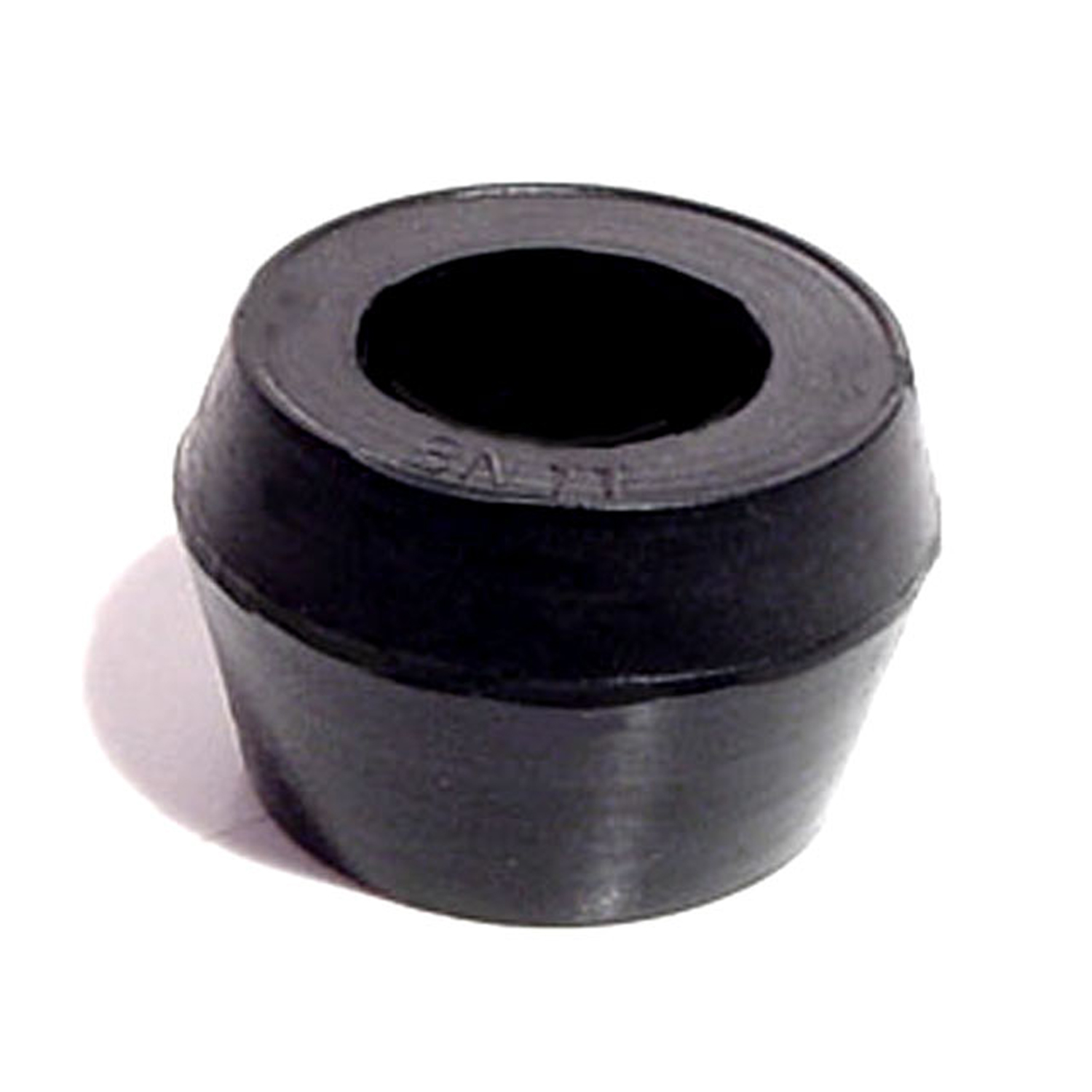 1973 Ford F-250 Shock Absorber Grommet. 1" bottom O.D-BN 11Shock Absorber Grommet. 1" bottom O.D., 3/4" high, with 5/8" I.D. Each
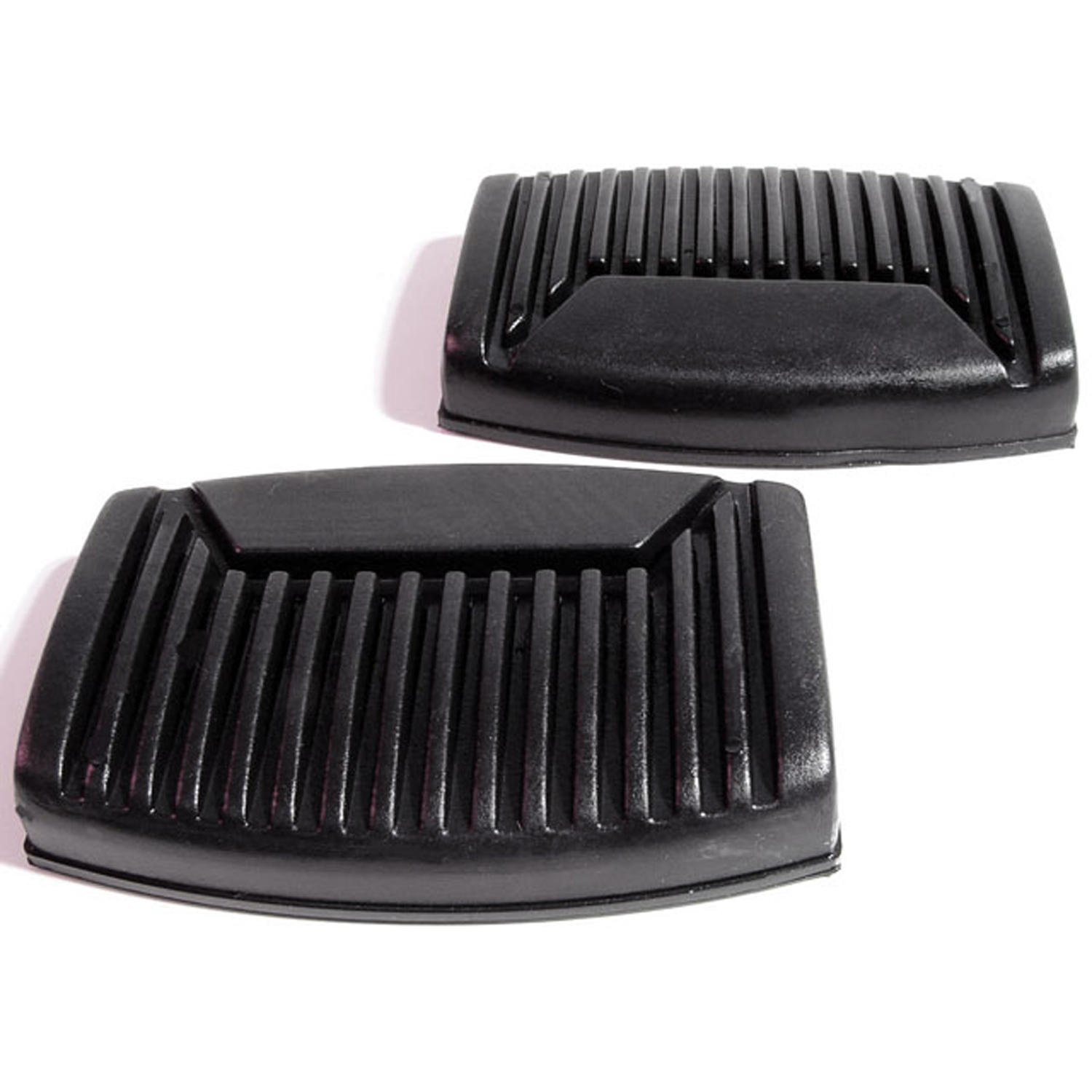 1973 Ford F-250 Clutch and Brake Pedal Pads. 3-1/4" wide X 2-1/4" long-CB 111Clutch and Brake Pedal Pads. 3-1/4" wide X 2-1/4" long. Pair
 1973 Ford F-250 Door seal. '73-'79 Ford F-Series trucks. '78-'79 Ford Bronco-LM 110-ADoor seal. '73-'79 Ford F-Series trucks. '78-'79 Ford Bronco. Fits on cab, either side. Each.
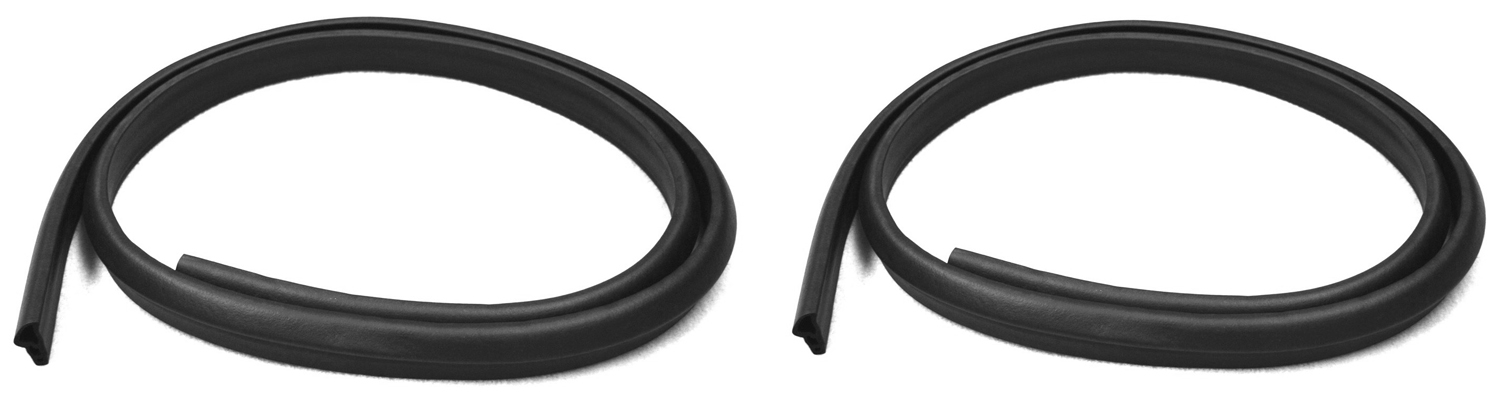 1973 Ford F-250 Upper Door Seal, 73-79 Ford Full Size Truck, 78-79 Ford Bronco, On Door, Pair-LM 110-AUThis auxiliary seal fits on the top portion of the door. It is primarily designed to reduce wind and road noise. It also provides added weatherseal protection and further cushions the door when it is shut closed. This part was stock on the 1978-1979 models but you can use them on any of the '73-'79 models specified.
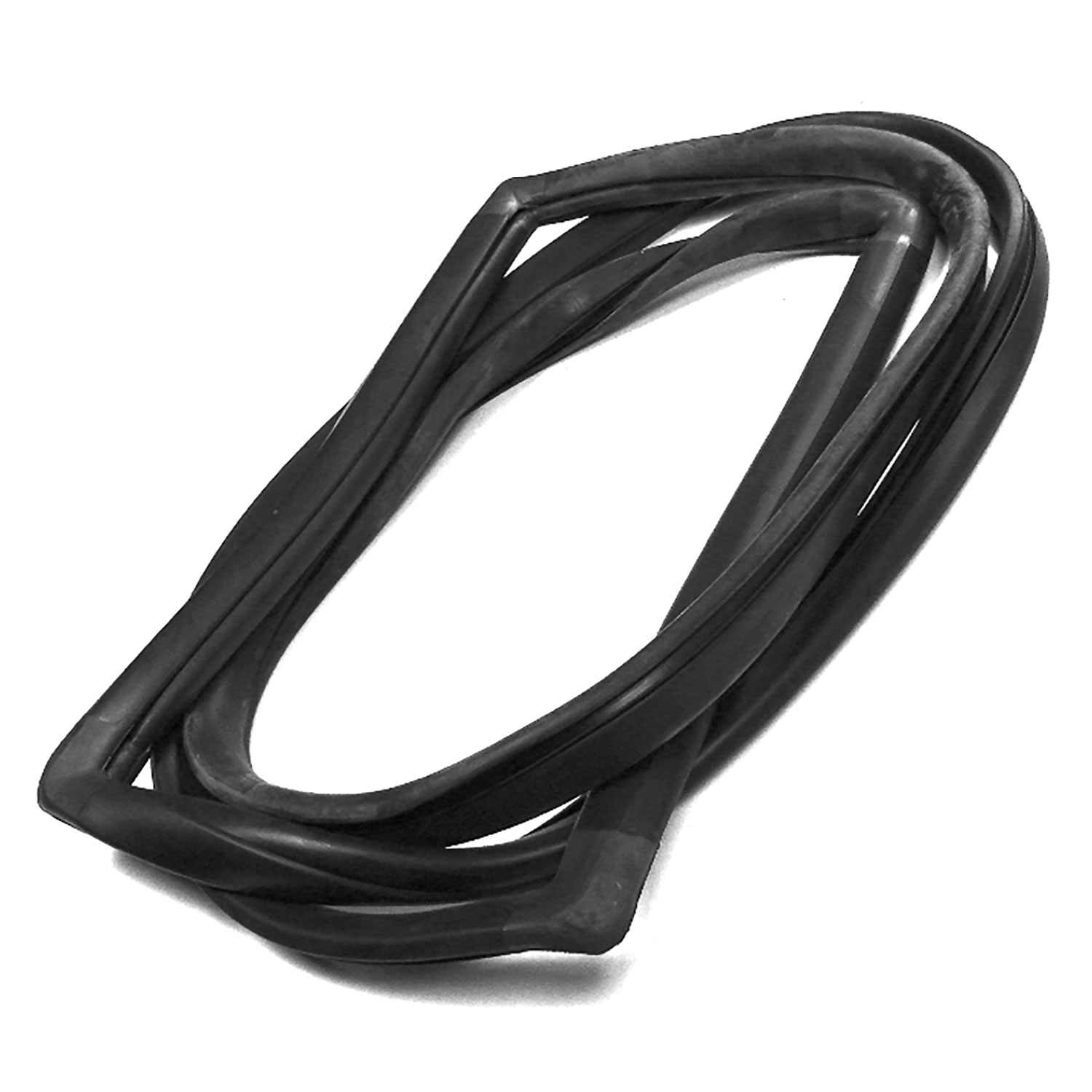 1973 Ford F-250 Windshield Seal, 67-79 Ford Full Size Truck, 78-79 Bronco, Without Trim Groove-VWS 3304-CThis windshield seal goes first on the glass and is installed using the rope-in method. This product is made from the original specs and with high quality ozone resistant EPDM rubber for a great fit and long life. This item is designed to be installed during glass replacement.
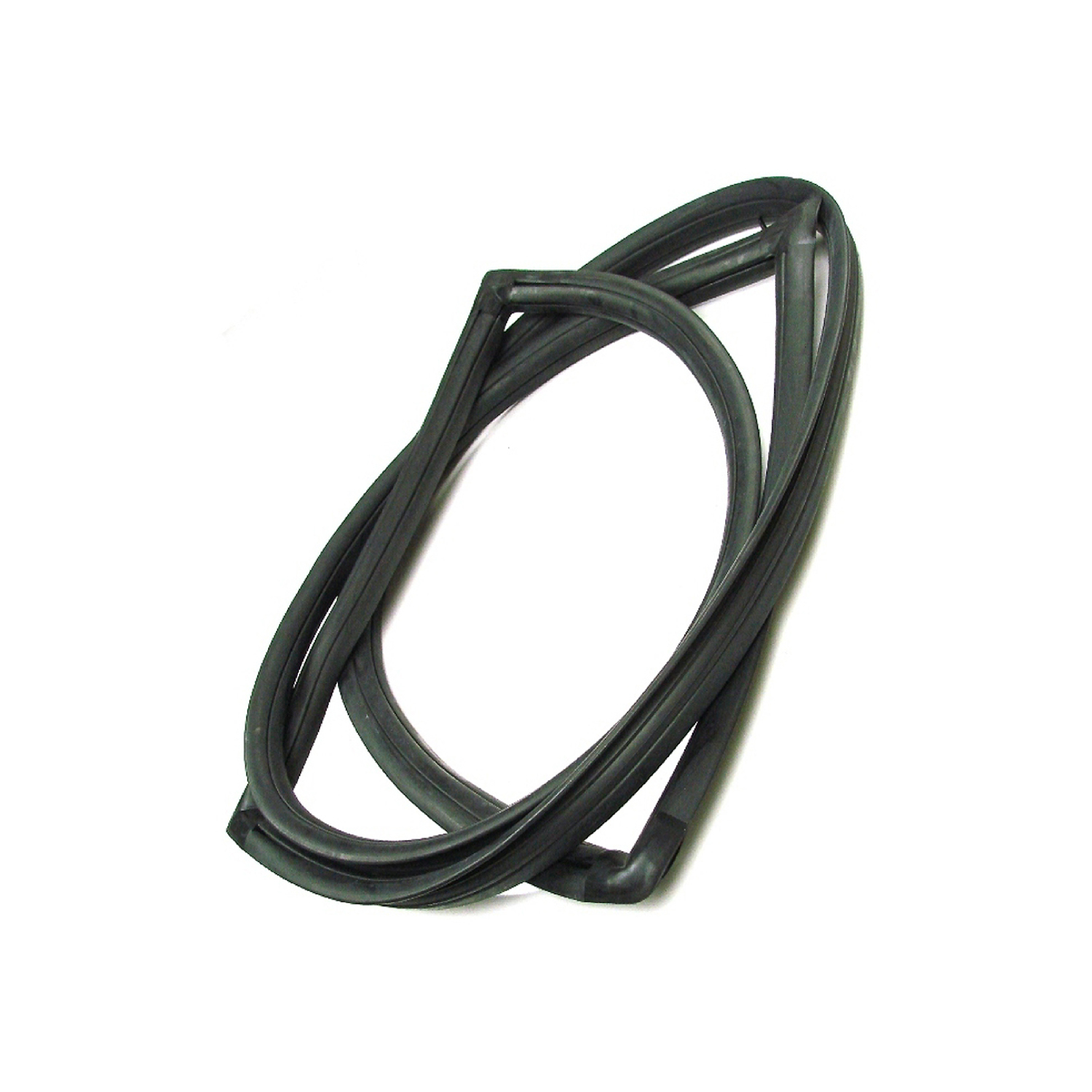 1973 Ford F-250 Windshield seal, '73-'76 Ford F Series Truck-VWS 3304-EWindshield seal, '73-'76 Ford F Series Truck with groove to accept trim, each.
 1973 Ford F-250 Rear window seal, '73-'79 Ford F Series Truck without trim groove-VWS 3304-RRear window seal, '73-'79 Ford F Series Truck without trim groove, each. Replaces OEM part # D3TZ-1042084-A.
Why Choose Metro?
For over 100 years, Metro Moulded Parts has been the pinnacle of quality in classic car restoration parts. Our commitment to precision and authenticity in every component ensures a perfect fit and an OEM-level appearance.
- Expert Craftsmanship & Quality: Each part is a testament to our dedication to reliability and perfection, crafted from original designs and thoroughly tested.
- Advanced Technology: We use cutting-edge techniques to create flawless, long-lasting parts that surpass others in performance.
- SuperSoft Sponge – The Ultimate Door Seal: Not only are our door seals 30% softer than competitors', but they're also guaranteed to never leak. They effectively reduce wind and road noise, enhancing your classic car's comfort and driving experience.
- Proudly American: Our parts are a product of American craftsmanship, made in the USA with a spirit of excellence and heritage.
- Unrivaled Warranty: We back our products with a 30-year industry-leading warranty, a testament to our confidence in their quality.
Join us in preserving the legacy of classic cars with parts that are crafted for perfection, not just made.