

Image of 1973 Ford Ltd, Note: These illustrations use artistic license and may differ from actual historical models.
Performance Metrics
Fundamental Metrics
Emotional Appeal
MMP Rating
| Engine Specifications | |
|---|---|
| Engine: | 351 cu in (5.8 L) Windsor V8, 400 cu in (6.6 L) Cleveland V8, 429 cu in (7.0 L) 385 V8 |
| Displacement: | 351-429 cu in (5.8-7.0 L) |
| Horsepower: | 163-224 hp |
| Torque: | 282-356 lb-ft |
| Compression Ratio: | 8.0:1 - 8.5:1 |
| Ignition System: | Conventional breaker-point ignition system |
| Cooling System: | Liquid-cooled |
| Performance Specifications | |
| 0-60 Time: | 10-12 seconds |
| 1/4 Mile Time: | 17-19 seconds |
| Top Speed: | 115-120 mph |
| Transmission and Drive | |
| Drive Type: | Rear-wheel drive |
| Transmission Type: | 3-speed automatic |
| Fuel and Efficiency | |
| Fuel System Type: | Carburetor |
| MPG: | 10-12 mpg |
| Dimensions and Brakes | |
| Brakes: | Front disc, rear drum |
| Wheelbase: | 121.0 in |
| Weight: | 3,900-4,200 lbs |
Note: Specifications for classic cars are given to the best of our ability, considering the limited and variant data available.
1973 Ford LTD: The Full-Size Ford at Its Peak
The 1973 Ford LTD was a big, comfortable American car built for long roads, broad seats, and an unhurried kind of travel. Produced by the Ford Motor Company, it sat near the top of Ford’s full-size lineup, where quiet comfort and generous space mattered more than nimble handling or fuel economy. Its long hood, broad grille, and substantial bumpers made it instantly recognizable as a product of early-1970s Detroit.
The LTD’s roots go back to 1965, when Ford introduced the name on an upscale version of the Galaxie. By 1967, LTD had become a model in its own right. The 1973 version belonged to the third generation of full-size LTDs, introduced for 1972 and updated for the new model year. It arrived just as the oil crisis was beginning to change how Americans thought about large, thirsty cars.
One notable detail is that 1973 was the last model year before federal rules required passenger cars to withstand a 5-mph rear impact without damage. The LTD already wore larger, more substantial bumpers as safety regulations began reshaping the look and construction of American cars.
Big Ford Styling and Brougham Comfort
The 1973 LTD had the formal proportions expected of a full-size Ford: a long, flat hood, a wide grille, a high beltline, and a generous trunk. Its squared-off shape looked elegant rather than sporty, with bright trim emphasizing the body’s length. Depending on trim, the front end could feature concealed headlamps, a particularly upscale touch associated with higher-end LTD versions such as the Brougham. The new impact-conscious bumper design added visual weight to the front and rear.
Inside, the LTD delivered the spacious, soft-edged cabin that American buyers expected from a premium family car. Bench seating was common, with broad cushions and room for adults in both rows. Upholstery choices included cloth, vinyl, and combinations of the two, while higher trims could add richer fabrics, carpeting, woodgrain-style accents, and extra brightwork. The overall feel was roomy and comfortable, not minimalist or sporty.
Options could include power windows, power door locks, air conditioning, cruise control, an AM/FM radio or stereo, and upgraded interior trim. Power steering and power-assisted brakes were important features on a car of this size. Equipment varied by trim and original order, so two LTDs can feel quite different inside today.
Ford offered the LTD in a range of period colors, from conservative whites, blacks, and silvers to blues, greens, browns, and warmer metallic shades. Exact paint names and availability depended on the body style and production date. Dark green, blue, copper, and white are especially evocative of the era, while a well-kept metallic finish can make the car’s long, formal lines stand out at a show.
LTD Body Styles and Trim Choices
The core 1973 LTD range included two-door and four-door hardtops, along with a four-door sedan. The hardtops had a clean, pillarless appearance when the windows were lowered, giving them a more open look than the sedan. For buyers wanting extra luxury, the LTD Brougham added upscale details and equipment.
Ford’s full-size wagon range included models such as the LTD Country Squire, distinguished by its woodgrain-style exterior trim and family-hauling practicality. The Country Squire is among the most recognizable Ford wagons of the period, but the two-door LTD hardtop is often the most visually striking choice for collectors. Ford had ended its full-size convertible production after 1972, so there was no 1973 LTD convertible.
Engines and Road Performance
The LTD’s engine choices varied by trim and equipment, but the range included V8s such as the 351-cubic-inch, 400-cubic-inch, and 460-cubic-inch engines. These were tuned for smooth, low-speed torque rather than high-revving performance. In period net-horsepower terms, output was roughly 156 horsepower for a 351, about 166 for a 400, and around 212 for a 460, with figures varying by configuration and emissions equipment. A three-speed automatic was the natural match for the car’s relaxed character.
Performance depended heavily on engine, axle ratio, condition, and vehicle weight. As a general guide, a healthy 460-equipped LTD might reach 60 mph from rest in roughly 10 to 11 seconds, while a smaller-engine car could take around 12 to 14 seconds. Approximate top speed was in the 105-to-115-mph range, though tires, gearing, and mechanical condition matter greatly. These are practical estimates, not a single factory figure for every LTD.
Behind the wheel, the LTD feels substantial. The V8 produces a low, steady rumble, and the automatic transmission shifts without demanding much attention. Its long wheelbase and soft suspension take the edge off patched pavement and highway joints. On a winding road, however, the car’s size and softly tuned suspension are obvious: it leans through corners, responds gradually, and is happiest when driven smoothly rather than pushed hard. Crosswinds can also make a large, high-sided car feel less settled than a modern sedan.
Why the 1973 LTD Matters
The LTD represents the traditional American full-size car at a moment of transition. Its emphasis on room, comfort, V8 power, and formal styling was familiar to buyers, while new safety requirements and the looming fuel crisis were beginning to challenge that formula. The 1973 model is therefore a useful snapshot of a turning point: the big-car ideal was still strong, but the industry was approaching a period of rapid change.
Against rivals such as the Chevrolet Caprice and Chrysler Newport, the Ford LTD competed on quietness, smooth ride, and a broad selection of body styles and equipment. It was not a radical engineering experiment. Its significance lies in how effectively it refined the established full-size-car formula and how clearly it reflects the tastes of its era. The LTD name would continue in later, smaller forms, but the 1973 car belongs to the classic generation of large, body-on-frame Fords.
Living With a 1973 Ford LTD
Today, an LTD can serve as a weekend cruiser, a local-show car, a movie or photography prop, or even a relaxed occasional-use driver. It is not an ideal choice for someone seeking modern fuel economy or compact parking dimensions. A full-size V8 Ford from this period commonly returns modest mileage, and the figures can be especially low in city traffic.
Routine mechanical work is generally approachable for a competent home mechanic. The engines and drivetrains are conventional, and many service parts remain available through classic Ford specialists and general parts suppliers. The main challenges are often age-related: worn suspension bushings, tired steering components, carburetor or ignition issues, cooling-system neglect, and automatic-transmission wear. Rust deserves careful inspection, particularly around the floors, trunk, lower body panels, and window areas.
Specific trim pieces, interior materials, and body panels can be harder to find than basic mechanical parts. Before buying, check that the car’s brakes, steering, electrical accessories, and cooling system work properly. A cheap LTD with extensive rust or missing trim can quickly become more expensive than a sound, complete example.
Notable Details and Common Criticisms
The 1973 LTD was not a factory racing car and is not known for a headline-grabbing speed or endurance record. Its achievement was more everyday: Ford offered a large range of full-size cars to buyers who wanted comfort, family space, and V8 power. The Country Squire wagon’s woodgrain appearance remains one of the era’s most recognizable automotive styling cues.
Common criticisms are predictable but fair. The LTD is large, heavy, thirsty, and less precise to drive than a modern vehicle. Its acceleration is leisurely by current standards, and its soft suspension is not designed for aggressive cornering. In return, it offers a roomy cabin, a relaxed highway ride, and a distinctly period-correct American driving experience.
Collector Value and Availability
Ford built LTDs in substantial numbers, so the 1973 model is not generally considered rare. Exact production totals can be difficult to compare because figures may separate body styles, trim levels, and related wagon models differently. A reasonable broad estimate is roughly 300,000 to 400,000 LTD-badged cars for the model year, with the exact count depending on what is included. Specific body styles, factory equipment combinations, and especially well-preserved Brougham examples are less common than the model as a whole.
As a general U.S. market guide, a project or rough driver might sell for about $2,000 to $5,000. A usable, presentable car may bring roughly $6,000 to $12,000, while a clean, well-maintained example could reach $12,000 to $20,000. Exceptional restorations, rare configurations, or unusually original cars can exceed that range, though buyer demand and local market conditions matter. These are estimates, not guaranteed sale prices.
Values have tended to remain accessible compared with those of muscle cars and highly sought-after classic coupes. Interest in 1970s styling and full-size cruisers has helped good examples attract more attention, but the LTD is best viewed as a steadily appealing niche classic rather than a guaranteed investment. Condition, originality, rust, and completeness usually matter more than simply having a particular engine.
The Lasting Appeal of the 1973 Ford LTD
The 1973 Ford LTD captures a time when a premium car meant a broad bench seat, a quiet V8, a long hood, and a suspension tuned to smooth out the miles. It was not built to be nimble or economical. It was built to make distance feel easy, and it did that with the confidence of a full-size Ford.
For collectors, the LTD offers an approachable route into classic American motoring. For anyone who remembers these cars, its familiar proportions and unhurried road manners bring back a distinctly different era. The 1973 LTD may not be rare, but it remains a memorable example of the big, comfortable Ford at the edge of a changing automotive world.
1973 Ford Ltd Catalog of Parts
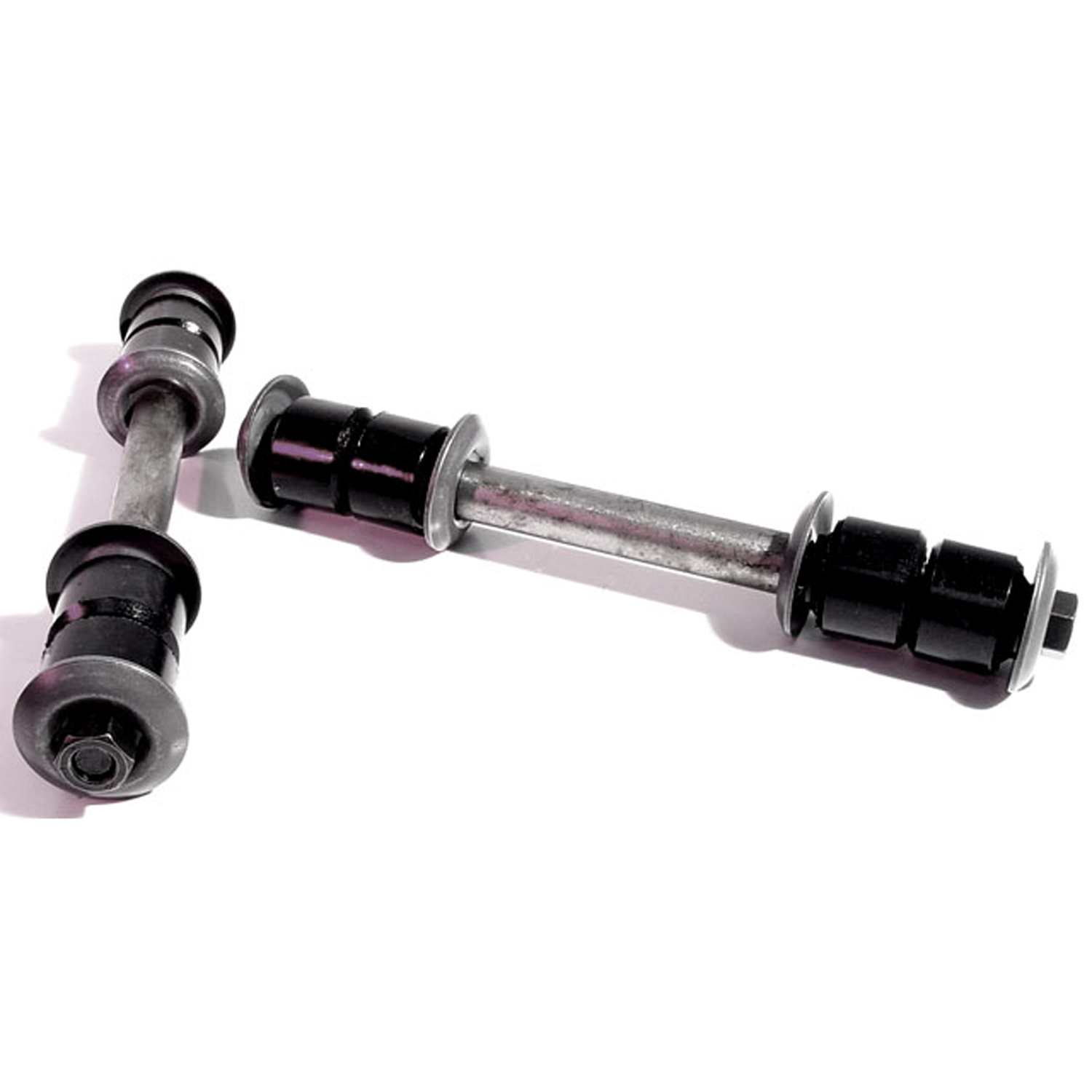 1973 Ford LTD Front Stabilizer End Repair Kit-BNK 21Front Stabilizer End Repair Kit. 22-piece set for two stabilizer bars. Contains all rubber bushings, washers, bolts and nuts, enough for one front end. Set
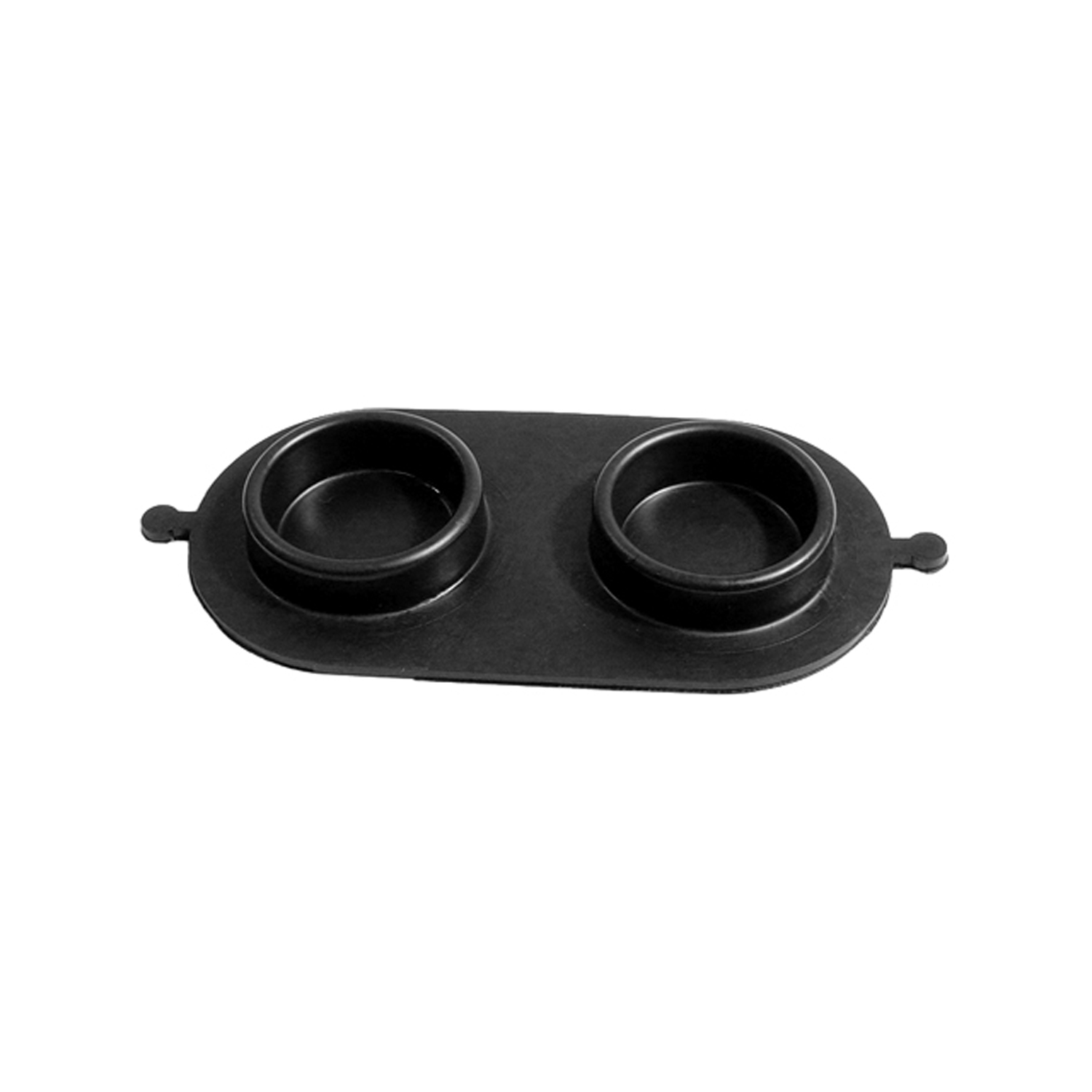 1973 Ford LTD Brake Master Cylinder Cover Seal. Replaces OEM #C7AZ2167-A-RP 2-BBrake Master Cylinder Cover Seal. Replaces OEM #C7AZ2167-A. Each
 1973 Ford LTD Rear Windshield Reveal Molding Clip. Made of steel. Each-WF 228Rear Windshield Reveal Molding Clip. Made of steel. Each
Why Choose Metro?
For over 100 years, Metro Moulded Parts has been the pinnacle of quality in classic car restoration parts. Our commitment to precision and authenticity in every component ensures a perfect fit and an OEM-level appearance.
- Expert Craftsmanship & Quality: Each part is a testament to our dedication to reliability and perfection, crafted from original designs and thoroughly tested.
- Advanced Technology: We use cutting-edge techniques to create flawless, long-lasting parts that surpass others in performance.
- SuperSoft Sponge – The Ultimate Door Seal: Not only are our door seals 30% softer than competitors', but they're also guaranteed to never leak. They effectively reduce wind and road noise, enhancing your classic car's comfort and driving experience.
- Proudly American: Our parts are a product of American craftsmanship, made in the USA with a spirit of excellence and heritage.
- Unrivaled Warranty: We back our products with a 30-year industry-leading warranty, a testament to our confidence in their quality.
Join us in preserving the legacy of classic cars with parts that are crafted for perfection, not just made.