

Image of 1973 Ford Maverick, Note: These illustrations use artistic license and may differ from actual historical models.
Performance Metrics
Fundamental Metrics
Emotional Appeal
MMP Rating
| Engine Specifications | |
|---|---|
| Engine Options: | 200 CID I6, 250 CID I6, 302 CID V8 |
| Displacement Range: | 200-302 cubic inches |
| Horsepower Range: | 88-140 hp |
| Torque: | 122-239 lb-ft |
| Compression Ratio: | 8.0:1 - 9.0:1 |
| Ignition System: | Conventional, distributor |
| Cooling System: | Liquid-cooled |
| Performance Specifications | |
| 0-60 Time: | Estimated 10-12 seconds |
| 1/4 Mile Time: | Estimated 17-19 seconds |
| Top Speed: | 105-110 mph |
| Transmission and Drive | |
| Drive Type: | Rear-wheel drive |
| Transmission Type: | 3-speed manual, 3-speed automatic |
| Fuel and Efficiency | |
| Fuel System Type: | Carburetor |
| MPG: | Estimated 15-20 mpg |
| Dimensions and Brakes | |
| Brakes: | Front disc, rear drum |
| Wheelbase: | 103.9 inches |
| Weight: | 2,800-3,100 lbs |
Note: Specifications for classic cars are given to the best of our ability, considering the limited and variant data available.
1973 Ford Maverick: The Compact That Kept Its Cool
The 1973 Ford Maverick was built for drivers who wanted a straightforward, affordable American car without the bulk and expense of a full-size sedan. With its long hood, clean sides, and choice of economical six-cylinder or lively V8 power, the Maverick delivered practical transportation with a little more personality than its humble mission suggested.
Ford introduced the Maverick for the 1970 model year as its answer to growing demand for compact, lower-cost cars. It was designed and sold by Ford Motor Company, with a closely related Mercury sibling called the Comet. By 1973, the Maverick had become an established part of Ford’s lineup. That year also brought an important change in the car’s appearance: federally required impact standards led to larger, more prominent bumpers, giving the Maverick a noticeably different look from earlier models.
The timing gave the car lasting historical relevance. The 1973 oil crisis made fuel economy a daily concern for American drivers, and the Maverick’s modest size and available inline-six engines suited the moment. One memorable measure of its early popularity came in its debut year: Ford sold roughly 579,000 Mavericks in 1970, an extraordinary launch for a new model. The 1973 version carried that successful formula into a very different automotive era.
Maverick Styling and Interior
The Maverick’s styling was simple, purposeful, and unmistakably early 1970s. Its long hood flowed into a short rear deck, while a gently sloping roofline and relatively straight body sides kept the profile tidy. The 1973 front end featured a broad grille framed by squared-off headlamps and a more substantial bumper than the earlier cars. At the back, the compact rear quarters and straightforward taillight treatment gave the car a clean, no-nonsense finish.
For buyers after a sportier appearance, the two-door Maverick Grabber was the standout. Its package added distinctive exterior trim and graphics, along with sport-oriented details that varied by equipment and specification. The Grabber was more about visual attitude than race-car engineering, but it gave the compact Ford a recognizable identity. A V8-equipped Grabber could back up its bolder look with noticeably stronger performance.
Inside, the Maverick prioritized function over luxury. Depending on trim and options, buyers could choose bench or bucket seats, vinyl or cloth-and-vinyl upholstery, and details such as a floor console or upgraded trim. Materials were durable and straightforward rather than plush. The cabin was easy to understand and operate, with simple controls and good outward visibility, although rear-seat space and overall refinement were modest by larger-car standards.
Ford offered the Maverick in a broad range of paint colors, with choices changing across model years and trim levels. Period shades included both subdued earth tones and brighter colors. Grabber graphics and high-impact paint choices made some examples especially eye-catching, but the most popular color depended on the buyer and market. Today, original paint and correctly applied Grabber stripes are appealing details for enthusiasts.
For 1973, the Maverick lineup included two-door and four-door sedans. The two-door Grabber is the most widely recognized enthusiast version, while the four-door offered easier access for passengers and more practical family use. The two-door body became the classic image of the Maverick, but both versions shared the same basic compact-car engineering.
What Made the Maverick Matter
The Maverick’s importance was not that it introduced a revolutionary new technology. Its achievement was making compact-car ownership appealing to mainstream American buyers through a familiar formula: simple mechanicals, a roomy-enough cabin, conventional rear-wheel drive, and accessible pricing. It gave Ford a domestic alternative to imported small cars while retaining the look and feel of a traditional American automobile.
That approach set the Maverick apart from more specialized or expensive competitors. It was uncomplicated to manufacture and relatively easy to service, and its platform could accommodate both economical six-cylinder engines and a small-block V8. The Maverick also reflected a shift in American design priorities. As fuel costs and safety regulations became more influential, compact cars were no longer merely entry-level curiosities. They were becoming a central part of the market.
The Maverick’s lasting influence is best seen in its role as an accessible, adaptable classic. It was never the most advanced car of its era, but its basic layout and broad parts interchange with other Ford models have helped keep it on the road. That practical appeal remains a major part of its charm.
1973 Maverick Performance and Handling
Engine availability varied by configuration and market, but the 1973 Maverick could be equipped with Ford inline-six engines, including 200- and 250-cubic-inch versions, or an optional 302-cubic-inch V8. A manual transmission or automatic was available depending on the engine and equipment. The six-cylinder cars emphasized economical, uncomplicated transportation; the 302 gave the compact Ford a much stronger turn of speed.
Exact performance figures depend on engine, transmission, axle gearing, vehicle condition, and testing method. As a broad period-car estimate, a healthy 302 V8 Maverick could reach 60 mph in roughly 9 to 11 seconds, with a top speed around 100 mph. Six-cylinder versions were slower, often taking roughly 13 to 17 seconds to reach 60 mph, with top speed generally in the 85 to 95 mph range. These are approximate figures, not guarantees for every surviving car.
Behind the wheel, the Maverick feels light and direct compared with many larger American cars of the same period. The inline-six delivers a steady, familiar burble, while a 302 adds the deeper exhaust note and stronger low-speed response that many enthusiasts seek. The ride is tuned for ordinary roads rather than sharp cornering. It handles routine bumps comfortably, but worn suspension components, narrow period tires, and a relatively soft setup can make it feel less settled on rough pavement or winding roads than a modern car.
The Maverick uses conventional rear-wheel-drive hardware, and its steering and brakes reflect the era. Depending on equipment, braking could include front disc brakes, but buyers should verify what a particular car has rather than assume. The car has no modern stability control, anti-lock brakes, or airbags. In good condition, it can be enjoyable on back roads, but its limits and stopping distances deserve respect, especially in wet weather.
Living With a Classic Maverick
A 1973 Maverick can serve as a weekend cruiser, a local-show car, or a straightforward classic-car project. A sound six-cylinder example is pleasant for relaxed drives, while a V8 car is more appealing to drivers who want traditional small-block performance. Some owners modify them for drag racing or street performance, but an original, well-preserved car is increasingly attractive to collectors who value its period character.
Maintenance is one of the Maverick’s strong points. Its mechanical layout is familiar to many classic Ford technicians and home mechanics, and common service work does not require specialized diagnostic equipment. Ford components shared across the company’s model range can help with repairs, though exact availability depends on the part. Reproduction and used parts are generally obtainable through classic-Ford suppliers and enthusiast networks.
Condition matters more than the car’s simple design might suggest. Inspect the cowl area for water leaks, along with the floorpans, lower body panels, rear quarters, trunk, and suspension mounting areas. Check the shock towers and front suspension carefully, and look for signs of rushed repairs or poorly executed modifications. A thorough inspection of the structure, brakes, steering, and cooling system is wise before buying, even for a car that appears tidy in photographs.
Maverick Facts, Myths, and Criticisms
The Maverick’s Grabber package is its most familiar sporty variation, but it was not a separate high-performance model in the same sense as a dedicated muscle car. Its appeal came from the combination of sporty styling, compact size, and available V8 power. The Mercury Comet shared much of the Maverick’s underlying hardware, offering a more upscale alternative within the Ford family.
The 1973 Maverick is not especially associated with a single celebrity owner or one defining historical event. Its more notable story is its everyday role during a period of change: it was a familiar compact Ford on American roads just as fuel economy and safety requirements were reshaping the industry. It also remains a popular platform for owners who want a classic Ford that is simpler and generally less costly to maintain than many larger muscle cars.
Common criticisms are part of the package. The cabin is basic, the rear seat is tight, and the car lacks the comfort and safety equipment expected today. Six-cylinder models are not quick, while even a V8 Maverick may need suspension, tire, and brake upgrades to feel confident in modern traffic. The 1973 bumpers also look bulky to some enthusiasts compared with the cleaner early Mavericks. For others, that detail is part of the car’s period-correct character.
1973 Ford Maverick Values and Rarity
Exact production totals can differ among published references and depending on what body styles and trim packages are counted. A reasonable estimate for 1973 Maverick production is approximately 290,000 cars. That makes an ordinary example far from rare, but surviving cars in excellent original condition are less common than the production number suggests. Desirable two-door Grabbers, especially those with a V8 and documented originality, attract more attention than basic four-door sedans.
As a broad U.S. market estimate, a project car may sell for about $2,000 to $6,000. A usable driver in fair to good condition might bring roughly $7,000 to $15,000, while a clean, well-restored or unusually original car can reach approximately $15,000 to $25,000. Exceptional Grabbers and well-presented V8 examples may command $25,000 to $35,000 or more, depending on provenance, originality, and buyer demand. These are general ranges, not a formal appraisal, and local markets can vary substantially.
Maverick values have generally strengthened as interest in approachable 1970s classics has grown, particularly for Grabbers and V8 cars. The trend is better described as gradual appreciation for the best examples than a dramatic rise across every car. Rust, incomplete restoration work, and non-original modifications can limit value, while documented history and quality workmanship help. Buyers should put condition and authenticity ahead of trim badges or ambitious asking prices.
Why the 1973 Maverick Still Connects
The 1973 Ford Maverick combined compact dimensions, simple engineering, practical body styles, and the option of genuine V8 character. It was not a luxury car or a cutting-edge technical showcase. Instead, it represented an important moment when American manufacturers were adapting to new expectations around price, fuel use, and safety.
More than fifty years later, the Maverick remains appealing because it is approachable: easy to understand, enjoyable to drive, and distinctive without needing to shout. In a well-kept Grabber or an honest daily-driver sedan, the 1973 Maverick captures the resourceful, changing spirit of its time, one straightforward mile at a time.
1973 Ford Maverick Catalog of Parts
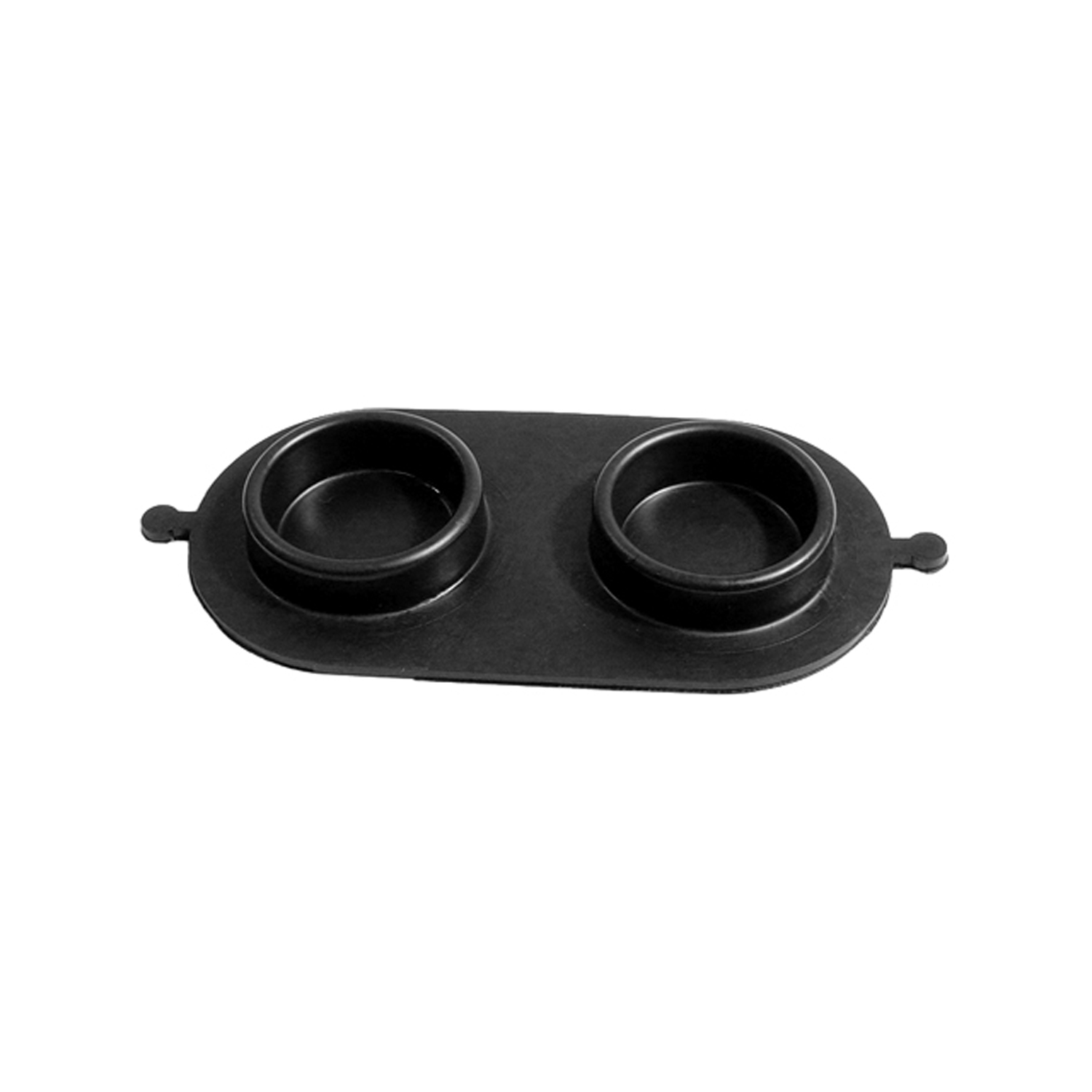 1973 Ford Maverick Brake Master Cylinder Cover Seal. Replaces OEM #C7AZ2167-A-RP 2-BBrake Master Cylinder Cover Seal. Replaces OEM #C7AZ2167-A. Each
 1973 Ford Maverick Windshield and Rear Windshield Reveal Molding Clip-WF 226Windshield and Rear Windshield Reveal Molding Clip. Made of steel. Each
Why Choose Metro?
For over 100 years, Metro Moulded Parts has been the pinnacle of quality in classic car restoration parts. Our commitment to precision and authenticity in every component ensures a perfect fit and an OEM-level appearance.
- Expert Craftsmanship & Quality: Each part is a testament to our dedication to reliability and perfection, crafted from original designs and thoroughly tested.
- Advanced Technology: We use cutting-edge techniques to create flawless, long-lasting parts that surpass others in performance.
- SuperSoft Sponge – The Ultimate Door Seal: Not only are our door seals 30% softer than competitors', but they're also guaranteed to never leak. They effectively reduce wind and road noise, enhancing your classic car's comfort and driving experience.
- Proudly American: Our parts are a product of American craftsmanship, made in the USA with a spirit of excellence and heritage.
- Unrivaled Warranty: We back our products with a 30-year industry-leading warranty, a testament to our confidence in their quality.
Join us in preserving the legacy of classic cars with parts that are crafted for perfection, not just made.