

Image of 1973 Ford Pinto, Note: These illustrations use artistic license and may differ from actual historical models.
Performance Metrics
Fundamental Metrics
Emotional Appeal
MMP Rating
| Engine Specifications | |
|---|---|
| Engine: | Inline 4 |
| Displacement: | 98 cu in (1.6 L) to 140 cu in (2.3 L) |
| Horsepower: | 54-86 hp |
| Torque: | 74-118 lb-ft |
| Compression Ratio: | 8.2:1 to 9.0:1 |
| Ignition System: | Conventional |
| Cooling System: | Water-cooled |
| Performance Specifications | |
| 0-60 Time: | 14-20 seconds |
| 1/4 Mile Time: | 19-21 seconds |
| Top Speed: | 90-100 mph |
| Transmission and Drive | |
| Drive Type: | RWD (Rear Wheel Drive) |
| Transmission Type: | 4-speed manual, 3-speed automatic |
| Fuel and Efficiency | |
| Fuel System Type: | Carburetor |
| MPG: | 20-25 mpg |
| Dimensions and Brakes | |
| Brakes: | Front disc, rear drum |
| Wheelbase: | 94.0 in |
| Weight: | 2000-2300 lbs |
Note: Specifications for classic cars are given to the best of our ability, considering the limited and variant data available.
1973 Ford Pinto: The Small Car That Changed Ford
The 1973 Ford Pinto was compact, affordable, and unmistakably American: a simple rear-wheel-drive car built for buyers who wanted lower prices and better fuel economy without giving up familiar Ford styling. Developed by Ford Motor Company and introduced for the 1971 model year, the Pinto became one of the best-known domestic subcompact cars of the 1970s.
Its timing mattered. American drivers were increasingly interested in smaller cars, and the 1973 oil crisis made fuel economy an urgent concern. The Pinto was already established by then, offering Ford a homegrown alternative to compact imports. It also became one of the most discussed cars of its era for reasons beyond its sales success, including a major controversy over rear-impact fuel-tank safety.
A revealing detail about its development is the speed of the project: Ford worked to bring the Pinto from concept to production in roughly 25 months, a notably compressed schedule for a new car. The result was a straightforward machine designed around a clear goal: keep it small, light, and affordable.
Styling, Cabin, and Pinto Body Styles
The Pinto’s shape followed the compact-car formula of a long hood, short deck, and upright passenger compartment. Its clean, slightly squared-off lines looked contemporary in the early 1970s, while brightwork around the grille and windows gave it a touch of traditional Ford polish. It was not a miniature muscle car, but its proportions and available sporty trim helped it look more lively than a purely practical economy box.
Inside, the Pinto was deliberately uncomplicated. The dashboard put the main controls within easy reach, and the seating and trim were designed to meet a budget rather than imitate a luxury car. Buyers generally found vinyl upholstery, basic carpeting, and hard-wearing interior surfaces, with optional upgrades available depending on trim and equipment. Bucket seats, a center console, and appearance packages could make the cabin feel more personal, though the overall character remained functional.
For 1973, the Pinto lineup included a two-door sedan, the Runabout hatchback, and a station wagon. The Runabout was especially recognizable, with its lift-up rear hatch and compact, sporty profile. The wagon offered more cargo utility, while the sedan delivered the traditional three-box look. The Runabout is often the most iconic body style today, but the wagon has its own following among collectors who appreciate its unusual mix of economy-car dimensions and family-car practicality.
Ford offered the Pinto in a broad palette of period colors, from restrained whites, creams, and metallic shades to vivid reds, blues, greens, and yellows. Exact colors varied by paint code and production date. Bright colors suit the car’s 1970s character especially well, though neutral shades are also common among surviving examples.
Simple Technology for a Changing Market
The Pinto used a conventional front-engine, rear-wheel-drive layout. That arrangement was familiar to American drivers and made the car relatively straightforward to service. Its suspension used independent front components and a solid rear axle, while front disc brakes and rear drums provided braking. Equipment varied by car, with items such as power steering, air conditioning, and upgraded audio available as options rather than universal features.
Engine choices for the 1973 model year centered on small four-cylinder units, including a 1.6-liter engine and an optional 2.0-liter engine. Exact output figures can vary by published source and rating method, but the basic engine was generally quoted in the mid-70-horsepower range, with the larger unit around the mid-80s. Buyers could choose from manual and automatic transmissions, depending on configuration.
There was no high-tech dashboard or electronic driving system to learn. The Pinto’s appeal was its accessible, familiar hardware. In an era when fuel economy and purchase price were becoming more important, that simplicity was a feature in its own right.
Why the Pinto Mattered
The Pinto was part of Detroit’s response to the growing popularity of compact imports. It showed that an American manufacturer could build a small car in substantial numbers and sell it to buyers who wanted practical dimensions, manageable running costs, and domestic dealer support. The model helped establish the subcompact as a permanent part of Ford’s lineup and influenced the company’s approach to smaller vehicles.
Its significance is also inseparable from the safety debate that followed. In 1977, an investigative report by Mother Jones drew public attention to the Pinto’s fuel-tank placement and its potential vulnerability in certain rear-impact collisions. The controversy led to a National Highway Traffic Safety Administration investigation and a 1978 recall involving Pintos and related Ford vehicles. The issue became a landmark in discussions of automotive safety, engineering decisions, corporate responsibility, and the use of cost-benefit analysis.
That history requires context. The Pinto was not the only car of its period with fuel-system risks in rear collisions, and safety standards and test methods were different from those used today. Still, the controversy profoundly shaped the car’s reputation. For many people, the Pinto is both a successful response to changing consumer demand and a case study in why safety engineering and public trust matter.
Performance and Driving Feel
The 1973 Pinto was built for everyday transportation, not drag-strip numbers. Depending on engine, transmission, condition, and test method, a 0-to-60-mph time in the approximate 12-to-16-second range is a reasonable period-performance estimate. Top speed varied as well, but a healthy car could generally reach roughly 85 to 95 mph. These are approximate figures, not guarantees for every surviving example.
On the road, the Pinto feels light and modestly powered by modern standards. The smaller engine is best suited to relaxed city driving, while the 2.0-liter version gives the car more useful passing and highway response. The engine’s sound is a familiar four-cylinder hum rather than a sporting roar, and acceleration asks for patience, especially with passengers or cargo aboard.
The suspension is tuned for ordinary roads. It can feel compliant over smaller bumps, though a worn example may reveal its age through loose steering, rattles, or a choppy ride. On winding roads, the Pinto is more nimble than a full-size American car but is not a modern sports coupe. Expect noticeable body lean and modest grip, particularly on period tires. In strong crosswinds, its light weight can also make the driver more aware of gusts than in a heavier car.
Living With a Pinto Today
In its own time, the Pinto was a daily driver, commuter car, second family car, and practical runabout. Today, owners use them as vintage cruisers, show cars, restoration projects, and occasional weekend drivers. The Runabout attracts people who like its hatchback look, while the wagon appeals to enthusiasts seeking something less common at local shows.
Mechanical maintenance is generally approachable for an owner with basic tools and repair experience. The engines and driveline use conventional components, and many routine jobs are less complicated than on a modern car. Parts availability is mixed: common service items and reproduction components can often be found, but trim pieces, body panels, and model-specific interior details may take more searching.
Rust is a major inspection point, especially around the floor, lower body panels, wheel arches, and structural areas. Buyers should also check the fuel system, brakes, suspension, steering components, and the condition of any previous repairs. A car that has been sitting for years may need much more than a battery and fresh fuel, so a careful inspection matters even with a relatively inexpensive example.
Pinto Trivia and Common Criticisms
The Pinto name referred to a spotted horse, fitting the model’s intended image as a compact and approachable car. Its quick development schedule remains one of the more notable details in its story. The model also became a familiar part of 1970s popular culture, appearing in news coverage, films, television, and jokes that often focused on its safety reputation.
Ford sold the Pinto in large numbers. Estimates commonly place 1973 model-year sales or production at roughly 480,000 to 485,000 cars across the lineup, though totals can differ depending on whether a source counts sales, production, or calendar-year registrations. That makes the 1973 Pinto far from rare as a model, even though clean examples and less-common body styles are increasingly difficult to find.
The familiar criticisms are its modest performance, basic cabin materials, limited refinement, and the fuel-tank safety controversy. It is not a car to buy for modern crash protection or effortless highway acceleration. Its charm lies in its period character, simple layout, and place in the story of American small cars.
1973 Pinto Values and Collector Interest
As of 2026, condition and originality make a substantial difference in value. A project car or rough driver might sell for around $2,000 to $5,000. A usable, presentable example may bring approximately $5,000 to $12,000, while a clean, well-restored, or unusually well-preserved car can reach roughly $12,000 to $22,000 or more. Exceptional examples and desirable wagons or Runabouts may exceed those estimates, while heavily modified or poorly repaired cars can sell for less.
These figures are broad market estimates, not a formal appraisal. Regional demand, rust, documentation, drivetrain, originality, and the quality of restoration all affect the final price. Pintos remain more accessible than many classic Fords, but strong examples are becoming harder to locate as ordinary cars are scrapped or modified.
With hundreds of thousands of Pintos built for the 1973 model year, overall production was substantial. The surviving population is much smaller, but there is no reliable single count of how many remain. Values have generally risen for clean classic examples, though the Pinto has not experienced the same collector boom as iconic muscle cars or rare performance models. Its appeal is strongest among fans of 1970s design, Ford history, and affordable vintage motoring.
A Small Ford With a Big Story
The 1973 Ford Pinto was an economical, practical subcompact that arrived at exactly the moment American buyers were rethinking size and fuel use. Its straightforward engineering, distinctive Runabout and wagon body styles, and accessible ownership experience made it an important Ford. Its safety controversy also ensured that it would remain part of a much larger conversation about automotive responsibility.
Today, a Pinto is more than a budget classic. It is a rolling snapshot of a turning point in American car culture, and a reminder that even a small car can leave a lasting mark on the industry.
1973 Ford Pinto Catalog of Parts
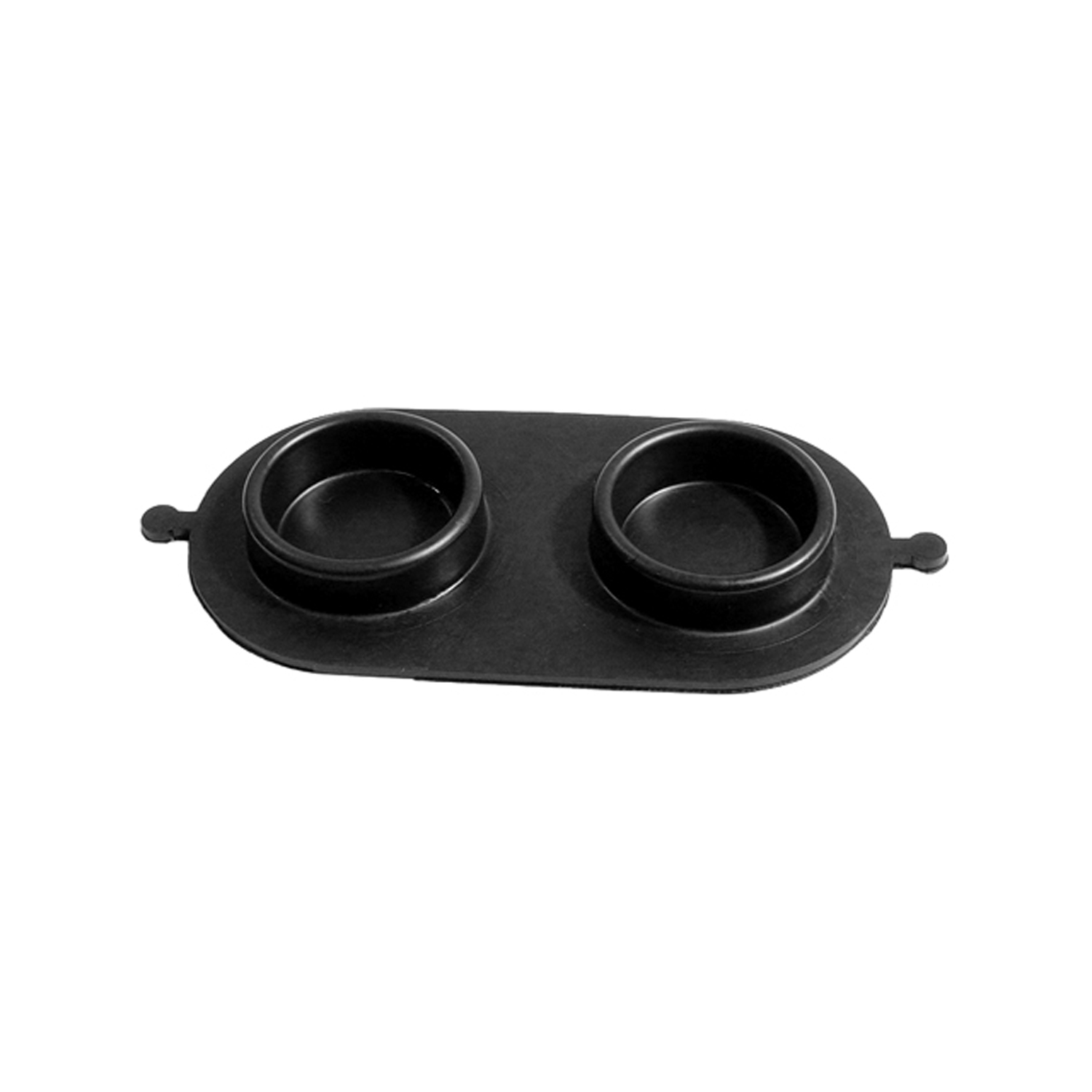 1973 Ford Pinto Brake Master Cylinder Cover Seal. Replaces OEM #C7AZ2167-A-RP 2-BBrake Master Cylinder Cover Seal. Replaces OEM #C7AZ2167-A. Each
 1973 Ford Pinto Windshield and Rear Windshield Reveal Molding Clip-WF 226Windshield and Rear Windshield Reveal Molding Clip. Made of steel. Each
Why Choose Metro?
For over 100 years, Metro Moulded Parts has been the pinnacle of quality in classic car restoration parts. Our commitment to precision and authenticity in every component ensures a perfect fit and an OEM-level appearance.
- Expert Craftsmanship & Quality: Each part is a testament to our dedication to reliability and perfection, crafted from original designs and thoroughly tested.
- Advanced Technology: We use cutting-edge techniques to create flawless, long-lasting parts that surpass others in performance.
- SuperSoft Sponge – The Ultimate Door Seal: Not only are our door seals 30% softer than competitors', but they're also guaranteed to never leak. They effectively reduce wind and road noise, enhancing your classic car's comfort and driving experience.
- Proudly American: Our parts are a product of American craftsmanship, made in the USA with a spirit of excellence and heritage.
- Unrivaled Warranty: We back our products with a 30-year industry-leading warranty, a testament to our confidence in their quality.
Join us in preserving the legacy of classic cars with parts that are crafted for perfection, not just made.