

Image of 1973 Ford Ranchero, Note: These illustrations use artistic license and may differ from actual historical models.
Performance Metrics
Fundamental Metrics
Emotional Appeal
MMP Rating
| Engine Specifications | |
|---|---|
| Engine: | 250 cubic inch 1V 6-cylinder, 302 cubic inch 2V V-8, 351 cubic inch 2V V-8, 400 cubic inch 2V V-8, 429 cubic inch 4V V-8 |
| Displacement: | 250 - 429 cubic inches |
| Horsepower: | 98 - 360 hp |
| Torque: | 186 - 480 lb-ft |
| Compression Ratio: | 8.0:1 - 11.3:1 |
| Ignition System: | Conventional, breaker point |
| Cooling System: | Liquid-cooled |
| Performance Specifications | |
| 0-60 Time: | 8 - 10 seconds |
| 1/4 Mile Time: | 16 - 18 seconds |
| Top Speed: | 115 - 130 mph |
| Transmission and Drive | |
| Drive Type: | Rear-wheel drive |
| Transmission Type: | 3-speed manual, 4-speed manual, 3-speed automatic |
| Fuel and Efficiency | |
| Fuel System Type: | Carburetor |
| MPG: | 10 - 15 mpg |
| Dimensions and Brakes | |
| Brakes: | Front disc, rear drum |
| Wheelbase: | 118 inches |
| Weight: | 3,500 - 4,000 lbs |
Note: Specifications for classic cars are given to the best of our ability, considering the limited and variant data available.
1973 Ford Ranchero: A Muscle-Era Car With a Truck Bed
The 1973 Ford Ranchero could haul a load of lumber, cruise like a full-size American coupe, and rumble away with a V8 soundtrack, all without looking like a conventional pickup. Built by Ford Motor Company, this “car-truck” combined a passenger-car front end with an open cargo bed. Its roots reach back to the original Ranchero of 1957, but the 1973 model belonged to a larger, more muscular generation based on Ford’s Torino platform.
The timing was significant. The 1973 Ranchero arrived as muscle-car performance was being squeezed by rising insurance costs, stricter emissions rules, and the oil crisis. Ford still offered substantial V8 power, but the era of treating horsepower as the only measure of a vehicle was beginning to fade. One intriguing detail: despite its truck bed, the Ranchero was closely related to a Torino rather than a traditional body-on-frame pickup. That car-based foundation gave it a distinct mix of utility and road manners.
Torino Styling With a Work-Ready Bed
For 1973, the Ranchero wore the Torino’s bold, formal styling. The front end featured a prominent grille, a long hood, and squared-off lines that made the vehicle look substantial without losing its sporty profile. Its sweeping front fenders and low passenger-car stance flowed into the open cargo box, creating a silhouette that remains instantly recognizable to classic Ford fans.
The bed was practical for lighter hauling and weekend jobs, though it was not as spacious or heavy-duty as a full-size pickup’s box. The Ranchero’s tailgate made loading easier, while the car-like cabin offered a more comfortable place to spend a long drive. Buyers could also choose bed trim and exterior details that varied by series and option package.
Ford offered several trim levels, including the basic Ranchero, Ranchero 500, GT, and Squire. The GT was the sport-oriented choice, with distinctive trim and a more aggressive look. The Squire brought a woodgrain-style appearance that echoed Ford’s upscale wagon treatment. All were versions of the same coupe-utility body style, rather than separate cab or bed configurations.
Cabin Comfort and 1973 Features
Inside, the Ranchero felt much more like a Torino than a work truck. Depending on trim and options, buyers could get vinyl or cloth-and-vinyl upholstery, a front bench seat or bucket seats, upgraded trim, carpeting, and a center console. Materials were typical of Detroit cars of the period: durable and substantial, though not immune to decades of wear, sun damage, and cracked vinyl.
Available convenience features could include air conditioning, power steering, power brakes, an automatic transmission, and an AM or AM/FM radio. Instrumentation was straightforward, with a broad dashboard and clear, period-style gauges. The Ranchero did not offer modern electronic driver aids, but options such as power steering and brakes made a large vehicle easier to manage in everyday traffic.
Paint choices changed across the model year and could vary with trim and region. Ford offered a range of solid and metallic colors, including shades of red, blue, green, gold, and white. Bright, high-contrast colors look especially at home on a GT, while darker metallics and woodgrain trim suit the Squire’s more refined character. Original paint codes are worth checking when assessing a restoration.
Why the Ranchero Stood Apart
The Ranchero occupied a distinctive spot between a car and a pickup. Ford had pioneered the formula in the 1950s, and by 1973 its main rival was Chevrolet’s El Camino. Both offered car-like comfort with an open cargo area, but the Ranchero’s Torino underpinnings gave it a particularly broad, muscular presence.
Its significance is less about introducing a new technology than about keeping a useful automotive idea alive. The Ranchero demonstrated that a vehicle could carry weekend gear or work supplies without the driving feel and cabin character of a conventional truck. It also reflected the era’s preference for long hoods, wide bodies, and V8 options. The car-truck concept did not disappear with this generation: it continued to inspire later utility vehicles and remains a popular niche among collectors.
V8 Power and Road Manners
Engine choices depended on trim and configuration. The range included a 250-cubic-inch inline-six and several V8 options, commonly including 302-, 351-, and 400-cubic-inch engines. Exact availability and equipment can differ by series, so buyers should verify an individual car’s engine against its factory documentation or vehicle identification number. Many Rancheros were ordered with an automatic transmission, while specific combinations varied.
Performance also varies substantially with engine, transmission, axle ratio, vehicle condition, and emissions equipment. As a broad period-style estimate, a V8 Ranchero in good tune might reach 0 to 60 mph in roughly 9 to 12 seconds, with a top speed in the neighborhood of 105 to 115 mph. These are not universal factory figures: a heavier trim package or a less favorable gear ratio can make a noticeable difference, and the inline-six models are slower.
On the road, the Ranchero feels big and planted, with a comfortable ride suited to open highways. Its long wheelbase helps it settle over ordinary bumps, though worn suspension bushings, tired shocks, or oversized tires can make an old example feel loose. On winding roads, it behaves like a large 1970s car: composed at a sensible pace, but not as nimble as a smaller coupe. Crosswinds and a loaded bed can affect the feel, so careful tire condition and correct suspension setup matter.
A V8 Ranchero announces itself with a low, smooth growl that becomes more pronounced under acceleration. The steering and brakes feel more direct when the car is well maintained, but they lack the precision and stopping power of modern systems. That is part of the appeal for enthusiasts: the driver is involved, the controls have weight, and the engine’s character is never hidden behind layers of electronics.
Living With a 1973 Ranchero
Owners use the Ranchero as a weekend cruiser, a local show car, a light-duty hauler, or even an occasional daily driver. Its bed is useful for garden supplies, camping gear, and home-improvement materials, but a clean, collectible example is better treated gently than used as a construction-site beater.
Mechanical repairs are generally approachable for an experienced home mechanic. Ford V8 parts and common service items remain widely available, and the Torino relationship helps owners locate compatible components. The usual classic-car checks apply: inspect the frame and floor for rust, examine the bed and lower body closely, and look for evidence of poor repairs. Also check the cooling system, brakes, steering, transmission, and electrical connections. On a car this age, condition and maintenance history matter more than the badge on the fender.
Ranchero Facts and Common Complaints
The Ranchero name dates to 1957, making the model one of America’s early car-based pickups. The 1973 version belongs to the Torino-based generation introduced for 1972, and it shares much of its character and styling with Ford’s intermediate cars. Model-year production is generally estimated at roughly 45,000 Rancheros, though published totals and trim breakdowns can vary. That makes the model collectible without being exceptionally scarce.
There is no widely recognized 1973 Ranchero speed or endurance record, and it is not chiefly remembered for a famous racing victory. The related Torino name has a stronger motorsports profile, but that should not be confused with the Ranchero’s own history. Its appeal is rooted in the unusual blend of utility, comfort, and period style.
Common criticisms are practical ones. The bed is smaller than a pickup’s, fuel economy is modest with a V8, and the vehicle’s size can make tight parking awkward. Like many cars of the period, it can also require ongoing attention to rust, weatherstripping, and aging interior materials. These drawbacks are easy to understand, but they are also part of what makes a well-preserved Ranchero feel like a genuine survivor from its era.
Collector Values and Market Outlook
As a general U.S. market estimate for 2026, a running but tired 1973 Ranchero may sell for about $6,000 to $12,000. A solid driver with presentable paint and a sound interior often falls around $12,000 to $22,000. Well-restored GT or Squire examples can bring roughly $22,000 to $35,000, with exceptional, highly original, or unusually well-documented cars potentially selling for more. These are broad ranges, not guaranteed appraisals; location, originality, rust, engine, trim, and quality of restoration all affect price.
The Ranchero is available often enough that patient buyers can find examples, but clean cars are much less common than projects. Values have generally strengthened as interest in 1970s American cars has grown, particularly for authentic GTs and well-preserved examples. The market is best described as condition-sensitive rather than uniformly fast-rising: an excellent car can attract strong interest, while a rusty or incomplete project may remain difficult to sell.
For collectors, documentation matters. Factory paperwork, correct trim, original engine equipment, and a credible restoration history can help distinguish a carefully preserved car from one that has simply been repainted. Because the model is less commonly discussed than a Mustang or Torino, a properly presented Ranchero can also stand out at a show.
A Distinctive Ford With Everyday Character
The 1973 Ford Ranchero brought together Torino comfort, bold early-1970s styling, useful cargo space, and a choice of familiar Ford engines. It was not a full-size work truck or a nimble sports car, and that was precisely its niche. Today, its appeal comes from the same combination that made it different in period: a practical bed, a comfortable cabin, and unmistakable V8-era personality.
For collectors who want something more unusual than another muscle coupe, the Ranchero delivers a memorable piece of Ford history. It is a car that can still turn heads at a show, carry the weekend gear, and remind everyone that utility does not have to look ordinary.
1973 Ford Ranchero Catalog of Parts
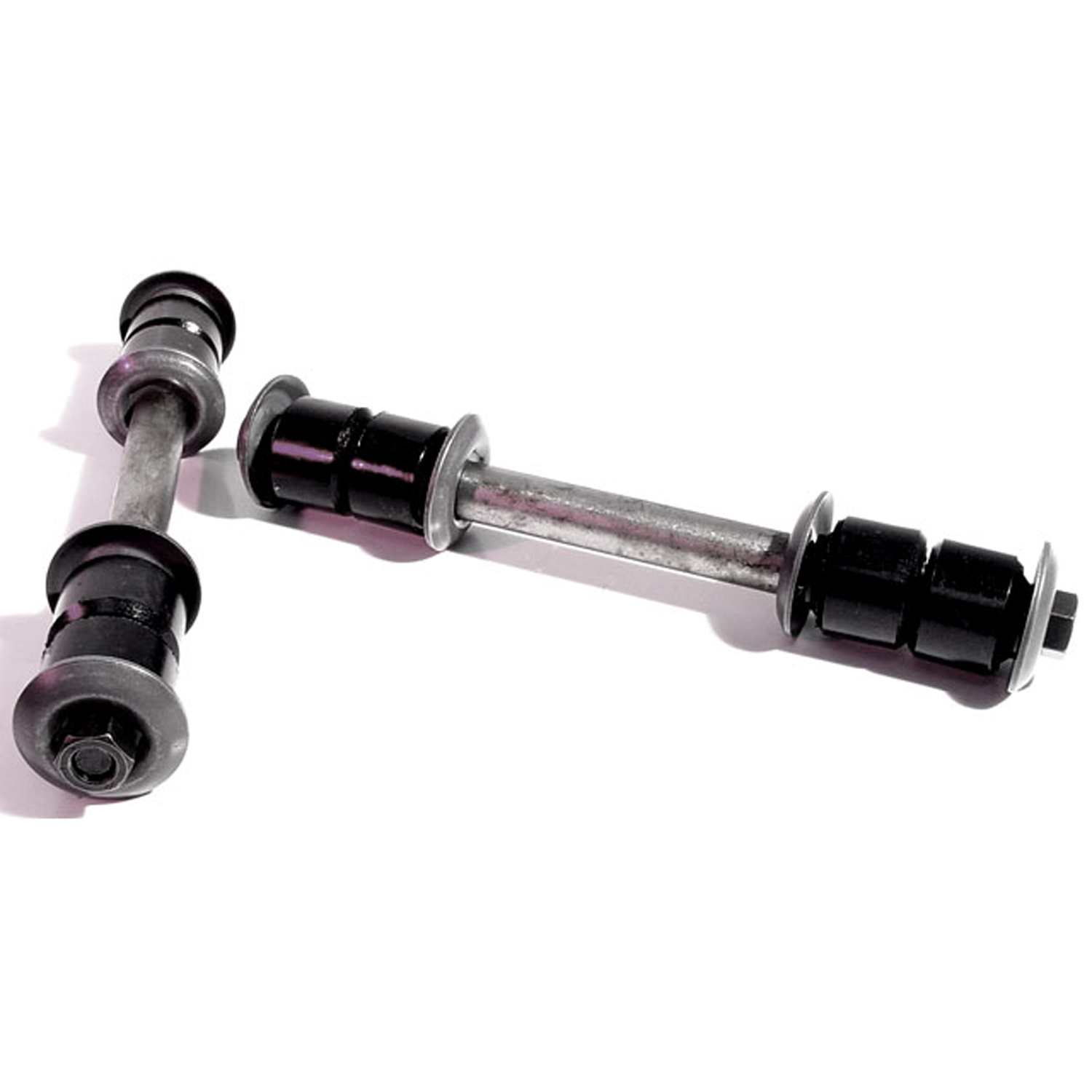 1973 Ford Ranchero Front Stabilizer End Repair Kit-BNK 21Front Stabilizer End Repair Kit. 22-piece set for two stabilizer bars. Contains all rubber bushings, washers, bolts and nuts, enough for one front end. Set
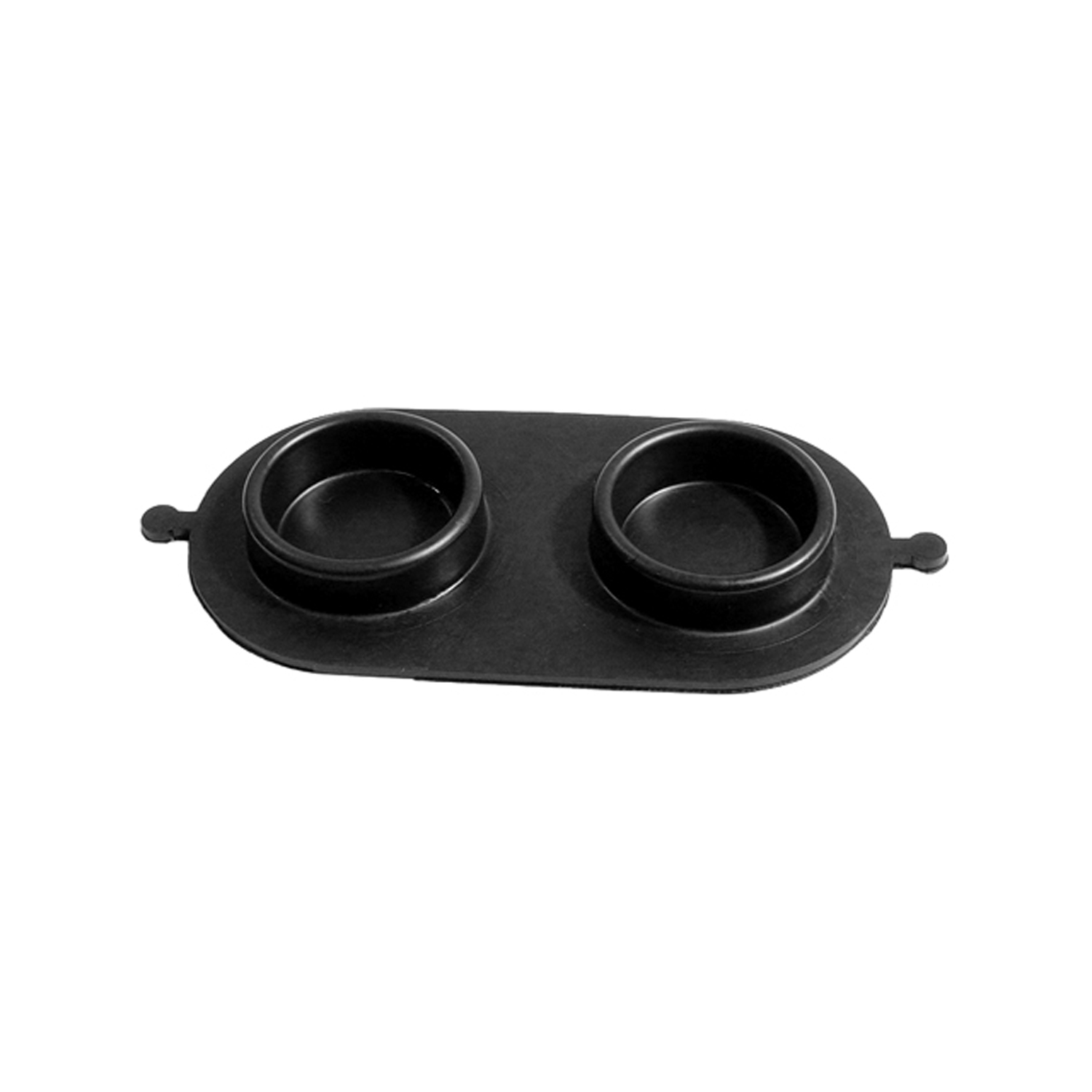 1973 Ford Ranchero Brake Master Cylinder Cover Seal. Replaces OEM #C7AZ2167-A-RP 2-BBrake Master Cylinder Cover Seal. Replaces OEM #C7AZ2167-A. Each
Why Choose Metro?
For over 100 years, Metro Moulded Parts has been the pinnacle of quality in classic car restoration parts. Our commitment to precision and authenticity in every component ensures a perfect fit and an OEM-level appearance.
- Expert Craftsmanship & Quality: Each part is a testament to our dedication to reliability and perfection, crafted from original designs and thoroughly tested.
- Advanced Technology: We use cutting-edge techniques to create flawless, long-lasting parts that surpass others in performance.
- SuperSoft Sponge – The Ultimate Door Seal: Not only are our door seals 30% softer than competitors', but they're also guaranteed to never leak. They effectively reduce wind and road noise, enhancing your classic car's comfort and driving experience.
- Proudly American: Our parts are a product of American craftsmanship, made in the USA with a spirit of excellence and heritage.
- Unrivaled Warranty: We back our products with a 30-year industry-leading warranty, a testament to our confidence in their quality.
Join us in preserving the legacy of classic cars with parts that are crafted for perfection, not just made.