

Image of 1973 Ford Thunderbird, Note: These illustrations use artistic license and may differ from actual historical models.
Performance Metrics
Fundamental Metrics
Emotional Appeal
MMP Rating
| Engine Specifications | |
|---|---|
| Engine: | 429 CID 4V ThunderJet V8, 460 CID 4V V8 |
| Displacement: | 429 - 460 cubic inches |
| Horsepower: | 205 - 224 HP |
| Torque: | 320 - 355 lb-ft |
| Compression Ratio: | 8.5:1 - 10.5:1 |
| Ignition System: | Electronic |
| Cooling System: | Water-cooled |
| Performance Specifications | |
| 0-60 Time: | 10 seconds |
| 1/4 Mile Time: | 17.5 seconds |
| Top Speed: | 120 mph |
| Transmission and Drive | |
| Drive Type: | Rear-wheel drive |
| Transmission Type: | 3-speed automatic |
| Fuel and Efficiency | |
| Fuel System Type: | Carburetor |
| MPG: | 10 - 12 mpg |
| Dimensions and Brakes | |
| Brakes: | Front disc, rear drum |
| Wheelbase: | 120.4 inches |
| Weight: | 4,500 lbs |
Note: Specifications for classic cars are given to the best of our ability, considering the limited and variant data available.
1973 Ford Thunderbird: The Personal-Luxury Coupe at Full Size
The 1973 Ford Thunderbird arrived with a long hood, a dramatic pointed grille, and enough V8 muscle to move nearly two and a half tons of American luxury. Built by Ford Motor Company, it belonged to the Thunderbird’s sixth generation, introduced for 1972. This was the era when the T-Bird moved decisively away from its sporty, smaller beginnings and became a large, plush personal-luxury coupe.
Its timing was striking. The Thunderbird’s 1973 model year began during a period of rising safety regulation and ended amid the oil crisis, a turning point that would soon make enormous engines and thirsty luxury cars harder to justify. Yet the model was a sales success: Ford built approximately 87,269 Thunderbirds for 1973, a high point for this generation. That figure makes the car common enough to find, but it also marks an important moment just before the market began changing rapidly.
Long Hood, Formal Roofline
The 1973 Thunderbird wore its size with confidence. A long, sculpted hood led to a prominent, divided grille with a forward-pointing center section, while a short rear deck and broad rear quarters gave the coupe a formal, almost architectural profile. Concealed headlamps kept the front end clean when the lights were off. At the back, the Thunderbird’s distinctive sequential turn signals lit in a moving pattern, a long-running Ford design feature that added a little theater to every lane change.
One detail that distinguishes the 1973 car is its substantial front bumper. Federal rules called for improved low-speed impact protection, and the new bumper became a visible part of the car’s design rather than a discreet piece of trim. The result was still handsome, but a little more imposing than earlier Thunderbirds.
The cabin was designed for comfort rather than sport. Wide seats, generous legroom, thick carpeting, and extensive soft-touch trim helped create the feel of a personal lounge. Depending on how the car was ordered, buyers could get upgrades such as leather upholstery, power-adjustable seating, power windows, air conditioning, cruise control, and an upgraded radio. Exact equipment varied, so it is worth checking a particular car’s original window sticker or build documentation.
Ford offered the 1973 Thunderbird as a two-door hardtop coupe, not as a convertible or four-door sedan. Buyers could personalize its appearance with options such as a vinyl roof and formal roof treatments that gave the rear side windows a more enclosed, opera-window look. Exterior colors varied by production and trim, but the palette included classic whites, reds, blues, greens, and metallic gold, copper, and brown shades. White and darker metallic colors often look especially at home with the Thunderbird’s large chrome details and vinyl roof options.
Personal Luxury, Ford Style
By the early 1970s, the Thunderbird was no longer trying to be a sports car. It competed in the growing personal-luxury market, where buyers wanted a distinctive two-door with a comfortable ride, a powerful engine, and an upscale cabin. Its shared engineering relationship with Ford’s larger luxury cars helped deliver the substantial proportions and smooth highway character expected in this class.
That shift was significant. The Thunderbird helped make the large American coupe a status symbol as much as a means of transport. Its formula combined dramatic styling with familiar mass-production mechanicals, giving buyers a luxury-flavored experience without the price or exclusivity of a top-tier luxury marque. The 1973 model also captures the last confident chapter of the big-block era: it was built just before fuel economy became a defining concern for American car buyers.
The car’s influence is less about introducing a single new technology and more about refining the personal-luxury template. Concealed headlamps, sequential taillights, a formal roofline, and a broad, well-appointed cabin gave the Thunderbird a recognizable identity. Those details made it feel special even though it shared much of its mechanical DNA with other large Ford products.
460 V8 Performance and Road Manners
Power came from Ford’s 460-cubic-inch V8, a big-block engine paired with a three-speed automatic transmission. In 1973, horsepower was reported using the newer SAE net measurement, which gives a more realistic figure than the older gross ratings. The 460 was rated at about 219 net horsepower, with strong low-speed torque suited to moving the Thunderbird’s considerable weight.
Period road-test figures and modern estimates vary with engine condition, gearing, weather, and test method. A healthy example is generally estimated to reach 60 mph in roughly 9 to 11 seconds, with top speed in the neighborhood of 110 to 120 mph. Those numbers are best treated as approximate, not as a promise of performance from every surviving car. The Thunderbird’s talents were relaxed acceleration and effortless cruising, not quick changes of direction or modern sports-car pace.
On the road, the big Ford feels substantial and soft-riding. Its long wheelbase helps it glide over highway joints and broken pavement, while the heavy body and comfort-oriented suspension can produce noticeable lean in a corner. On winding roads, the driver quickly learns to plan ahead and let the car’s mass settle rather than hustling it from bend to bend. Crosswinds and uneven surfaces are manageable, but the car’s size is always part of the experience.
Start the 460 and the sound is unmistakably large-displacement American V8: a deep idle, a rounded growl under acceleration, and a relaxed hum once the transmission settles into top gear. The steering and brakes feel heavier and less immediate than those in a modern car, but they suit the Thunderbird’s unhurried character. It is happiest on an open road, where its smooth ride and broad torque can do their best work.
Living With a 1973 Thunderbird
Today, owners most often use a 1973 Thunderbird as a weekend cruiser, local show car, or occasional long-distance classic. It can be driven regularly, but it is a large, fuel-hungry vehicle. Fuel economy depends heavily on condition and driving style, though single-digit city mileage and low-teens highway mileage are realistic expectations for many examples.
The basic mechanicals are familiar Ford technology, and the 460 V8 and automatic transmission are generally serviceable by experienced independent mechanics. Many routine engine and drivetrain parts remain obtainable. Owners should pay particular attention to cooling-system condition, carburetor tuning, ignition components, brakes, and the health of the transmission. A large engine in a heavy car needs a sound radiator and cooling system, especially in slow traffic.
Some of the trickier repairs involve age-related systems and model-specific trim. Vacuum-operated headlamp doors can develop leaks or fail to open smoothly. The sequential turn signals rely on components that may need repair or replacement. Body trim, interior pieces, and correct roof materials can take more searching than common mechanical parts. Inspect carefully for rust in the floors, lower body panels, trunk, and areas where a vinyl roof may have trapped moisture. On a car this large, a shiny paint job does not guarantee a solid structure underneath.
Small Details and Big-Coupe Trivia
The 1973 Thunderbird’s production total of about 87,269 makes it one of the more successful years of its 1972-to-1976 generation. It was not a limited-edition model, and there is no widely recognized 1973 performance edition that changes the car’s basic identity. Its appeal comes instead from its size, styling, big-block power, and the way it represents American luxury just before the energy crisis reshaped the market.
Sequential rear turn signals are among its most memorable features. Rather than flashing all at once, the lamps illuminate in sequence to indicate a turn. The effect became a signature Thunderbird touch and remains one of the easiest ways to recognize the car at night.
Common criticisms are tied to the same qualities that make the car distinctive. The Thunderbird is heavy, thirsty, and large to park. Its soft suspension is comfortable on a highway but less satisfying on a tight road, and the bumper treatment can look bulky to fans of earlier, cleaner designs. Those are fair trade-offs to consider, but they are also reminders that this car was engineered for a very different set of priorities.
1973 Thunderbird Values and Availability
The 1973 Thunderbird is uncommon in everyday traffic, but it is not especially rare by production-car standards. With roughly 87,269 built, buyers can still find examples in the United States, though condition, originality, and location make a substantial difference. Cars with complete trim, healthy mechanicals, and documented history are more appealing than projects with missing interior pieces or extensive rust.
As a broad 2026 U.S. market guide, a rough project car may sell for about $1,500 to $5,000. A usable driver in fair to good condition might bring roughly $6,000 to $15,000. Clean, well-preserved examples commonly fall around $15,000 to $25,000, while exceptional restorations or unusually original cars can reach approximately $25,000 to $40,000 or more. These are estimates, not fixed values. A car’s mechanical health, originality, paperwork, and quality of restoration matter more than a high asking price.
Values have generally been steady to modestly stronger for attractive, well-kept examples, but the market remains selective. This is not usually a high-dollar investment car, and restoration costs can quickly exceed the finished vehicle’s value. The best approach is to buy the soundest example you can afford and treat any appreciation as a bonus. A neglected Thunderbird may be inexpensive to purchase but costly to put right, particularly if bodywork and rare trim are involved.
Why the 1973 Thunderbird Still Matters
The 1973 Ford Thunderbird is a memorable example of American personal luxury at full scale. It paired a dramatic hardtop body, comfortable and well-equipped interior, sequential taillights, and a torque-rich 460 V8 with a ride built for open highways. Its high production year also captures the moment before new fuel and economic realities began to challenge cars of this size.
It may not be a nimble sports coupe or a frugal daily driver, but that was never its purpose. The 1973 Thunderbird is best understood as a rolling statement of confidence: long hood, big V8, plush cabin, and room to cruise. For enthusiasts who want a classic that feels unmistakably of its era, few cars make a grander entrance.
1973 Ford Thunderbird Catalog of Parts
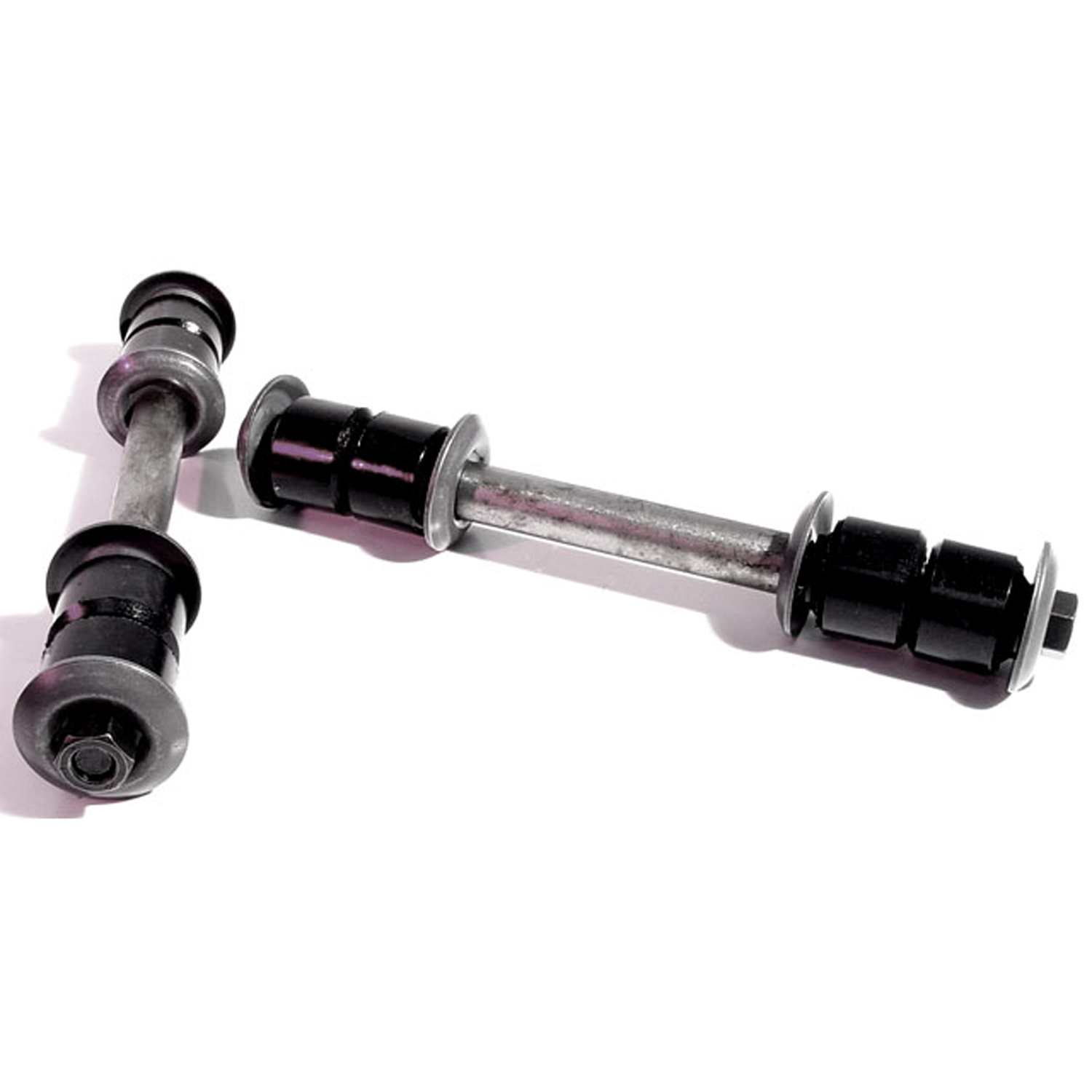 1973 Ford Thunderbird Front Stabilizer End Repair Kit-BNK 21Front Stabilizer End Repair Kit. 22-piece set for two stabilizer bars. Contains all rubber bushings, washers, bolts and nuts, enough for one front end. Set
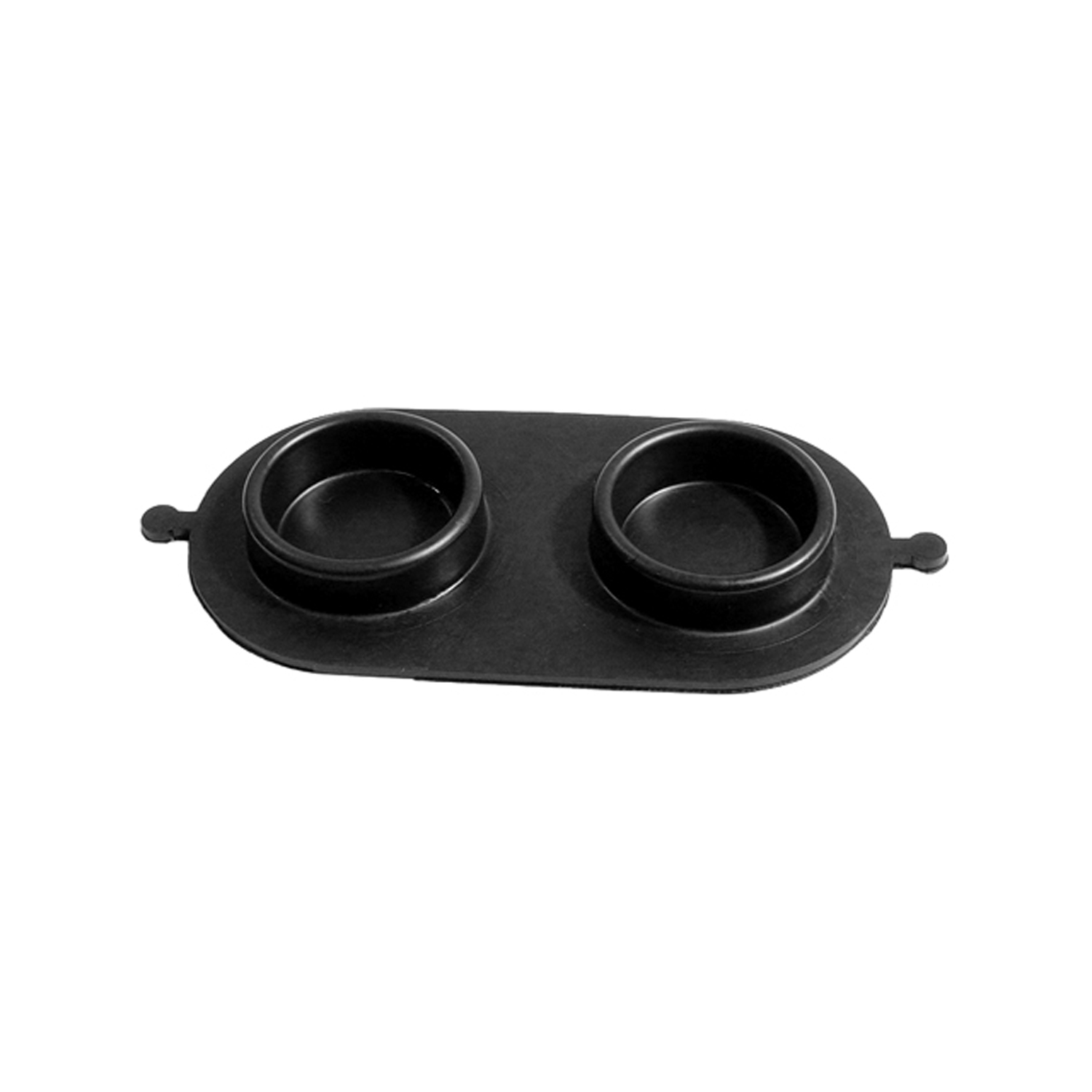 1973 Ford Thunderbird Brake Master Cylinder Cover Seal. Replaces OEM #C7AZ2167-A-RP 2-BBrake Master Cylinder Cover Seal. Replaces OEM #C7AZ2167-A. Each
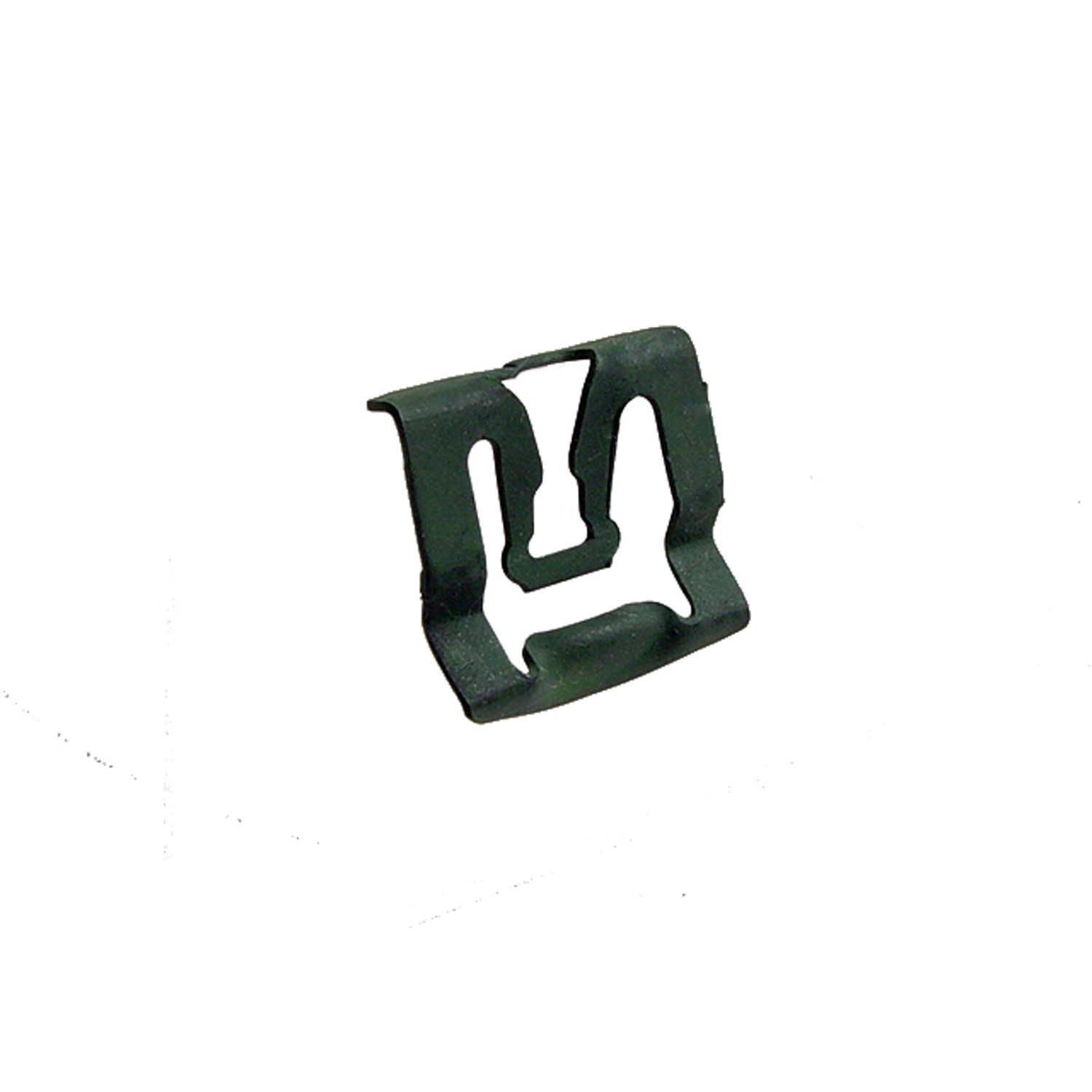 1973 Ford Thunderbird Windshield Reveal Molding Clip. Made of steel. Each-WF 228-AWindshield Reveal Molding Clip. Made of steel. Each
Why Choose Metro?
For over 100 years, Metro Moulded Parts has been the pinnacle of quality in classic car restoration parts. Our commitment to precision and authenticity in every component ensures a perfect fit and an OEM-level appearance.
- Expert Craftsmanship & Quality: Each part is a testament to our dedication to reliability and perfection, crafted from original designs and thoroughly tested.
- Advanced Technology: We use cutting-edge techniques to create flawless, long-lasting parts that surpass others in performance.
- SuperSoft Sponge – The Ultimate Door Seal: Not only are our door seals 30% softer than competitors', but they're also guaranteed to never leak. They effectively reduce wind and road noise, enhancing your classic car's comfort and driving experience.
- Proudly American: Our parts are a product of American craftsmanship, made in the USA with a spirit of excellence and heritage.
- Unrivaled Warranty: We back our products with a 30-year industry-leading warranty, a testament to our confidence in their quality.
Join us in preserving the legacy of classic cars with parts that are crafted for perfection, not just made.