

Image of 1973 Ford Torino, Note: These illustrations use artistic license and may differ from actual historical models.
Performance Metrics
Fundamental Metrics
Emotional Appeal
MMP Rating
| Engine Specifications | |
|---|---|
| Engine Options: | 250 cu in (4.1 L) I6, 302 cu in (4.9 L) V8, 351 cu in (5.8 L) V8, 400 cu in (6.6 L) V8, 429 cu in (7.0 L) V8, 460 cu in (7.5 L) V8 |
| Displacement Range: | 250-460 cu in (4.1-7.5 L) |
| Horsepower Range: | 98-375 hp |
| Torque: | 245-480 lb-ft |
| Compression Ratio: | 8.0:1 - 10.5:1 |
| Ignition System: | Conventional breaker-point ignition system |
| Cooling System: | Liquid-cooled |
| Performance Specifications | |
| 0-60 Time: | 7-10 seconds |
| 1/4 Mile Time: | 15-18 seconds |
| Top Speed: | 120-130 mph |
| Transmission and Drive | |
| Drive Type: | Rear-wheel drive |
| Transmission Type: | 3-speed manual, 4-speed manual, 3-speed automatic |
| Fuel and Efficiency | |
| Fuel System Type: | Carburetor |
| MPG: | 10-15 mpg |
| Dimensions and Brakes | |
| Brakes: | Front disc brakes and rear drum brakes |
| Wheelbase: | 114 inches |
| Weight: | 3,500-4,000 lbs |
Note: Specifications for classic cars are given to the best of our ability, considering the limited and variant data available.
1973 Ford Torino: A Classic American Midsize
The 1973 Ford Torino brought big-car comfort and V8 character to the American midsize market, wrapped in styling that looked ready for the new decade. Built by Ford Motor Company, the Torino had been introduced in 1968 as a more upscale branch of the Fairlane line. By 1973, it had become a substantial model family of its own, ranging from practical sedans and wagons to the sporty Gran Torino Sport.
The year arrived during a turning point for Detroit. Rising insurance costs, tighter emissions rules, and new crash standards were beginning to reshape performance cars. The Torino answered with a larger, more substantial front bumper for the new federal impact requirements, while still offering engines up to a 429-cubic-inch V8. One detail that can surprise fans: the famous red-and-white-striped car from Starsky & Hutch was a 1974 Gran Torino, not a 1973, although the two model years are close relatives.
Torino Styling and Interior
The 1973 Torino had a broad, assertive face. Its grille and prominent front bumper gave the car a heavier look than the earlier, more rounded Torino designs. Depending on trim, the front end wore different grille treatments and brightwork. Long hood lines, generous glass, and a high beltline emphasized the Torino’s size, while the roof profile varied from formal and upright to the sweeping SportsRoof shape on the Gran Torino Sport.
Inside, the Torino focused on comfort rather than sports-car minimalism. Buyers could choose vinyl or cloth-and-vinyl upholstery, broad bench seats, and woodgrain-style trim on better-equipped versions. The Gran Torino Sport offered a more driver-focused setting, with available bucket seats and a center console. Options such as air conditioning, power windows, an AM/FM radio, cruise control, and tilt steering made the car feel well appointed for the era. Materials and detailing depended heavily on trim level, but even a basic Torino offered a roomy cabin and a straightforward, durable layout.
Factory paint choices changed by series and production period, but the palette reflected early-1970s tastes: white, black, reds, blues, greens, golds, and earthy metallic shades. Bright colors look especially at home on the Sport models, while darker metallics and muted tones suit the Torino’s formal body lines. Original paint codes and trim combinations are worth checking when evaluating a restoration.
The range included two-door and four-door hardtops, four-door sedans, and station wagons, with exact availability depending on the Torino series. The Gran Torino Sport was the most recognizable enthusiast choice. It came in SportsRoof form, with a fastback-like roofline, as well as a more formal hardtop configuration in the lineup. The wagon, meanwhile, delivered the Torino’s roomy platform with practical family-car utility.
Design Legacy and Historical Importance
The Torino was not a revolutionary engineering exercise, but it was a strong example of how American manufacturers combined style, comfort, and performance in one midsize platform. Its range let buyers move from a dependable family sedan to a V8-powered personal car without leaving the showroom. That flexibility was central to the Torino’s appeal.
Its competition history also gave the nameplate a performance reputation. Earlier Torino-based Ford racers, particularly the aerodynamic Torino Talladega models of 1969 and 1970, helped Ford compete in NASCAR’s high-speed era. The 1973 Torino was not itself a special-purpose Talladega or an equivalent aero racer, but it inherited some of the nameplate’s motorsports associations. On the road, it stood apart from more conservative midsize cars through its available Sport styling, substantial V8 choices, and broad model range.
The 1973 model also captures the transition from the high-horsepower marketing of the late 1960s to the more constrained performance years that followed. Power figures were increasingly reported using net ratings, which measure output with accessories and exhaust equipment installed. As a result, a 1973 horsepower number should not be compared directly with an earlier gross rating without accounting for the different test methods.
Engines, Speed, and Road Manners
Engine availability varied by trim and equipment, but the 1973 Torino range included economical six-cylinder and small-block V8 choices, along with larger V8s. Common options included a 250-cubic-inch six, a 302 V8, 351-cubic-inch V8s, a 400 V8, and, in selected configurations, a 429 V8. Automatic transmissions were widely chosen, while manual transmissions were available on some combinations. The largest engines were generally paired with stronger driveline and suspension equipment.
Performance depends on the engine, axle ratio, transmission, body style, and the car’s present condition. As a broad period-car estimate, a healthy 429-powered Torino could reach 0 to 60 mph in roughly 8 to 9 seconds and approach 110 to 120 mph in suitable conditions. A 351-equipped example was typically slower, with a 0-to-60 time around 9 to 11 seconds. These are estimates, not guaranteed factory figures, and surviving cars may perform differently due to age, tuning, and modern tires.
Behind the wheel, the Torino feels substantial. The larger V8s deliver a deep, unhurried rumble and strong low-speed pull, while the cabin keeps wind and road noise at a level suited to long highway trips. The suspension favors comfort, absorbing ordinary road joints and bumps better than a stiffly tuned sports car. On winding roads, the Torino’s size and weight are apparent: it is best driven with smooth inputs, and it will lean more in corners than a modern performance car. Steering feel and braking response also depend greatly on the condition of the original components and any upgrades.
Owning and Maintaining a 1973 Torino
Today, Torinos appear as weekend cruisers, show cars, family heirlooms, and occasional daily drivers. A well-sorted car can handle local trips and relaxed highway use, but fuel economy is modest, particularly with a large V8. Owners should also remember that a classic car’s safety, lighting, braking, and emissions equipment may not match modern expectations.
Mechanical work is generally approachable for an experienced home mechanic. Ford V8 parts and service knowledge remain widely available, and the Torino’s conventional rear-wheel-drive layout is familiar to many classic-car shops. Routine maintenance includes checking ignition and carburetor condition, cooling-system health, transmission service, suspension wear, and brake components. Rust deserves close attention around the floors, trunk, lower body panels, and windshield areas. Mechanical parts are often easier to source than model-specific trim, interior pieces, and undamaged body panels, so completeness matters when buying a project.
Torino Trivia and Common Misconceptions
The Torino name was inspired by Turin, Italy, a city with a long automotive tradition. The name also connects the car to Ford’s earlier Fairlane range: Torino began as an upscale Fairlane variant before becoming a full model line. And while the 1973 Torino is often associated with the Starsky & Hutch image, the television car’s distinctive paint scheme belongs most famously to the 1974 model year.
There is no single speed or endurance record that defines the 1973 Torino. Its more notable motorsports connection comes from the Torino name’s earlier NASCAR achievements, rather than a production-car record set by the 1973 model. Common criticisms include heavy fuel consumption, substantial road weight, and less precise handling than smaller or more sporting contemporaries. For many owners, those drawbacks are part of the trade: the Torino offers room, presence, and classic V8 character rather than modern efficiency.
Collector Values and Availability
Ford built roughly 496,000 Torinos across the 1973 model range, though published totals and the way wagons or related versions are counted can vary. That makes the Torino common enough to find, but individual body styles, trim combinations, and well-preserved examples are much less evenly represented. The Gran Torino Sport generally attracts the most attention, especially with desirable V8 equipment, original documentation, and matching-number components.
As a broad 2026 U.S. market estimate, a project or rough driver might sell for about $3,000 to $8,000. A sound, presentable Torino commonly falls around $10,000 to $22,000, while a high-quality restoration or especially desirable Sport can reach roughly $25,000 to $40,000 or more. Exceptional, documented examples with rare equipment may exceed that range. These figures are general estimates: condition, originality, rust, engine, body style, and regional demand have a major effect on price.
Values have generally been strongest for clean, original, sporty V8 cars, while ordinary sedans and wagons remain more affordable. The Torino is not a guaranteed investment, but interest in 1970s American cars has supported well-preserved examples. A complete car with its original trim and a documented history is often a better long-term buy than a heavily modified project.
Why the 1973 Torino Still Matters
The 1973 Ford Torino brought together the things that defined an American midsize car at a moment of change: roomy comfort, bold styling, practical body choices, and the option of serious V8 power. It was not the lightest or most economical car of its era, but it offered a distinctive blend of everyday usefulness and big-car personality. More than fifty years later, a Torino still makes a memorable entrance, then backs it up with the unmistakable sound and feel of classic Ford muscle.
1973 Ford Torino Catalog of Parts
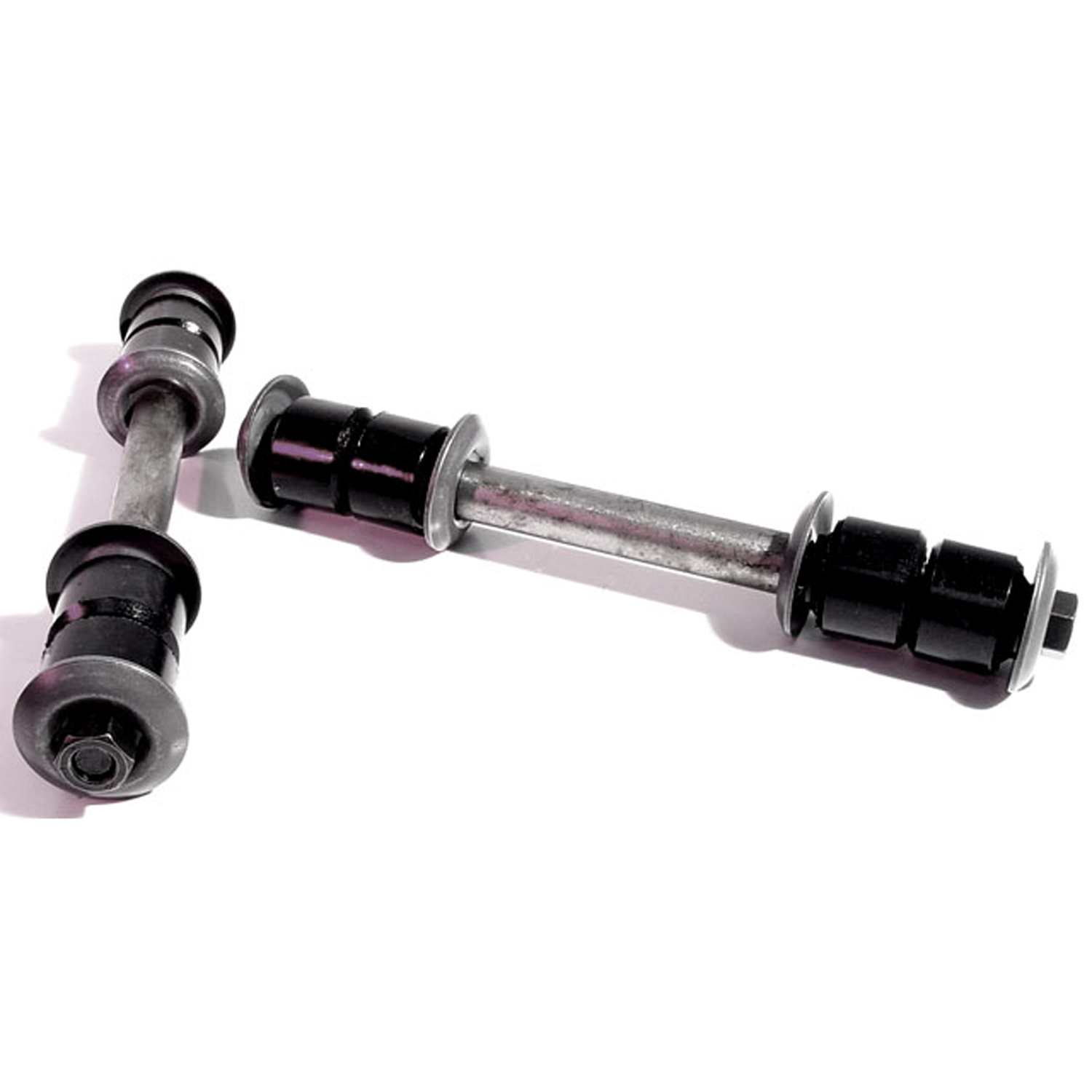 1973 Ford Torino Front Stabilizer End Repair Kit-BNK 21Front Stabilizer End Repair Kit. 22-piece set for two stabilizer bars. Contains all rubber bushings, washers, bolts and nuts, enough for one front end. Set
 1973 Ford Torino Hood to Cowl Seal, with Clips. 58-1/2" long. Each-CS 33-BHood to Cowl Seal, with Clips. 58-1/2" long. Each
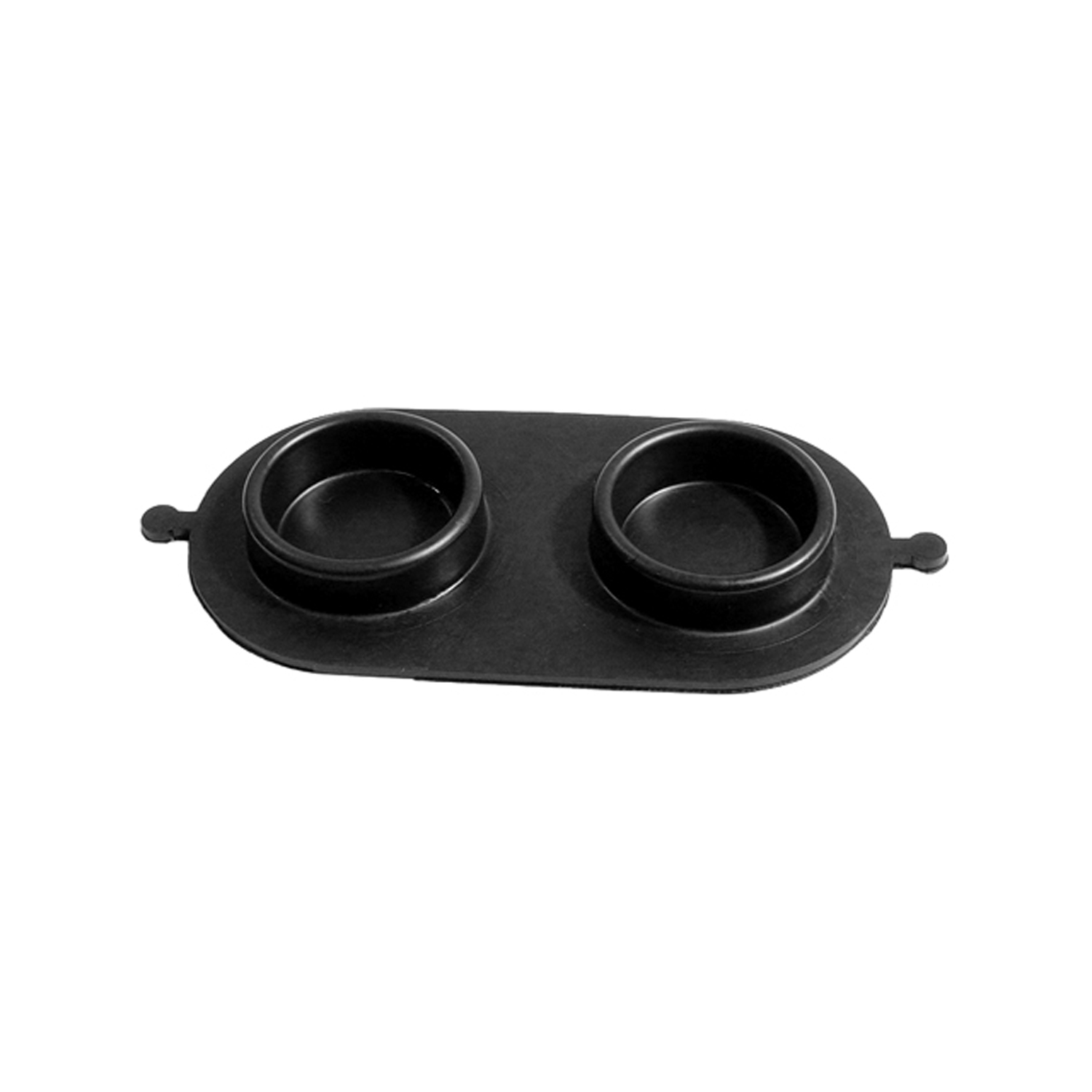 1973 Ford Torino Brake Master Cylinder Cover Seal. Replaces OEM #C7AZ2167-A-RP 2-BBrake Master Cylinder Cover Seal. Replaces OEM #C7AZ2167-A. Each
Why Choose Metro?
For over 100 years, Metro Moulded Parts has been the pinnacle of quality in classic car restoration parts. Our commitment to precision and authenticity in every component ensures a perfect fit and an OEM-level appearance.
- Expert Craftsmanship & Quality: Each part is a testament to our dedication to reliability and perfection, crafted from original designs and thoroughly tested.
- Advanced Technology: We use cutting-edge techniques to create flawless, long-lasting parts that surpass others in performance.
- SuperSoft Sponge – The Ultimate Door Seal: Not only are our door seals 30% softer than competitors', but they're also guaranteed to never leak. They effectively reduce wind and road noise, enhancing your classic car's comfort and driving experience.
- Proudly American: Our parts are a product of American craftsmanship, made in the USA with a spirit of excellence and heritage.
- Unrivaled Warranty: We back our products with a 30-year industry-leading warranty, a testament to our confidence in their quality.
Join us in preserving the legacy of classic cars with parts that are crafted for perfection, not just made.