

Image of 1974 Ford Bronco, Note: These illustrations use artistic license and may differ from actual historical models.
Performance Metrics
Fundamental Metrics
Emotional Appeal
MMP Rating
| Engine Specifications | |
|---|---|
| Engine: | 200 cu in (3.3 L) Straight-6, 302 cu in (4.9 L) Windsor V8 |
| Displacement: | 3.3L - 4.9L |
| Horsepower: | 82-140 hp |
| Torque: | 190-239 lb-ft |
| Compression Ratio: | 8.0:1 - 8.4:1 |
| Ignition System: | Conventional, distributor |
| Cooling System: | Liquid-cooled |
| Performance Specifications | |
| 0-60 Time: | Estimated 11-15 seconds |
| 1/4 Mile Time: | Estimated 18-20 seconds |
| Top Speed: | 80-90 mph |
| Transmission and Drive | |
| Drive Type: | Rear-wheel drive (RWD) / Four-wheel drive (4WD) |
| Transmission Type: | 3-speed manual, 3-speed automatic |
| Fuel and Efficiency | |
| Fuel System Type: | Carburetor |
| MPG: | Estimated 10-14 mpg |
| Dimensions and Brakes | |
| Brakes: | Front disc brakes, rear drum brakes |
| Wheelbase: | 92 inches |
| Weight: | 3,200-3,600 lbs |
Note: Specifications for classic cars are given to the best of our ability, considering the limited and variant data available.
1974 Ford Bronco: The Compact 4x4 That Helped Define an SUV
The 1974 Ford Bronco is a short-wheelbase 4x4 with the proportions of a work truck and the personality of a weekend escape vehicle. Built by Ford in the United States, it belongs to the first generation of Bronco, introduced for the 1966 model year as a compact, purpose-built rival to vehicles such as the Jeep CJ and International Scout.
By 1974, the Bronco had already established its basic formula: a sturdy ladder frame, four-wheel drive, simple mechanicals, and a body small enough to feel nimble beside full-size trucks. It arrived before the modern SUV became a mainstream family vehicle, yet it offered a useful mix of off-road ability and everyday practicality. One distinctive detail is its 92-inch wheelbase, which gave the Bronco a notably tight turning circle and helped it squeeze along trails where larger 4x4s felt cumbersome.
The 1974 model also comes from an important moment in the first-generation story. Ford added an automatic transmission option for the Bronco in 1973, making the truck more approachable for drivers who wanted four-wheel-drive capability without a manual gearbox. Meanwhile, rising fuel costs and changing vehicle regulations were beginning to reshape the market. The Bronco remained a relatively compact alternative to larger 4x4s, though its engines and rugged design were still built for utility rather than fuel economy.
Boxy Bronco Styling and Cabin Details
The first-generation Bronco wears its function openly. Its flat hood, upright windshield, nearly vertical grille, round headlights, and squared-off fenders create a purposeful profile that is instantly recognizable. The body sits high over the axles, while the short front and rear overhangs improve clearance on steep approaches and departures. Compared with later, larger Broncos, the 1974 truck looks almost miniature, but its stance is anything but delicate.
The standard body was a two-door wagon with a removable hardtop. The roof could be taken off for open-air driving, although the Bronco was not a factory roadster in 1974. Earlier first-generation models had included a roadster and a half-cab pickup configuration, but those body styles had been discontinued by this point. By 1974, the wagon had become the familiar and most widely recognized Bronco shape.
Inside, the Bronco is intentionally straightforward. The cabin generally uses hard-wearing vinyl upholstery, painted or basic trim surfaces, and a rubber floor covering suited to muddy boots. Its simple dashboard puts the essential gauges and controls within easy reach, without the layered trim or extensive convenience equipment found in many modern vehicles. Equipment and finishes depended on the trim level and options, but even a well-equipped Bronco retained a practical, work-ready feel.
Ford offered the Bronco in a changing range of exterior colors during the 1970s, including subdued earth tones and brighter shades. Exact colors and names varied by model year and paint selection. Period buyers who wanted their 4x4 to stand out often chose vivid colors, while white, blue, green, and neutral tones also suited the Bronco’s utilitarian character. Today, original paint and correct trim can be a major part of a collector’s interest.
Simple Technology, Serious 4x4 Hardware
The Bronco’s technology was mechanical rather than electronic. It used a part-time four-wheel-drive system with a transfer case, allowing the driver to select four-wheel drive when conditions called for it. A Dana 20 transfer case was paired with sturdy axles, including a Dana 44 front axle on later first-generation Broncos and a Ford 9-inch rear axle. Those components are well known among enthusiasts for their strength and broad aftermarket support.
Suspension design helped distinguish the Bronco from many traditional solid-axle 4x4s. It used coil springs and radius arms at the front, with leaf springs at the rear. The setup gave it useful wheel travel and a more composed ride than a purely utilitarian design might suggest, while retaining the durability needed for rough terrain. Four-wheel drum brakes were typical for 1974, with power assistance available depending on equipment. Power steering was also an option, making the Bronco easier to maneuver at low speeds.
Trim and equipment availability could vary, but buyers could choose from basic, utility-focused configurations and better-appointed versions. Automatic transmission, power steering, and other convenience options broadened the Bronco’s appeal without changing its essential character. It remained a comparatively simple truck that a mechanically minded owner could understand and service.
Where the 1974 Bronco Fits in 4x4 History
The first-generation Bronco helped establish the compact sport-utility vehicle as a distinct kind of vehicle. It was smaller than a full-size pickup, more adaptable than a passenger car, and designed from the start for serious off-road use. That combination anticipated the lifestyle 4x4 market that grew dramatically in later decades.
Its size and proportions set it apart from contemporaries. A Jeep CJ was smaller and more open, while the International Scout offered a similarly rugged alternative with its own practical strengths. The Bronco sat in a useful middle ground: enclosed and adaptable like a small truck, but short and maneuverable enough for trails. Its removable hardtop added versatility, and its truck-based construction made it suitable for work as well as recreation.
The first-generation Bronco’s influence is clear in the generations that followed and in the broader popularity of compact 4x4s. Its uncomplicated shape has also become a design reference. The modern appetite for retro-inspired SUVs owes something to the visual clarity of the original: round lamps, a blunt grille, upright glass, and a strong, simple silhouette.
302 V8 Performance and Trail Manners
A 1974 Bronco was available with a 200-cubic-inch inline-six or a 302-cubic-inch V8. Exact output figures depend on the engine, emissions calibration, and rating method used. In broad terms, the six-cylinder was the more modest choice, while the 302 delivered stronger low-speed torque and better suited drivers who regularly carried passengers, gear, or trailer loads. A three-speed manual was common, and the C4 automatic was available for buyers seeking easier operation.
Factory performance figures are not consistent across every source, and gearing, tires, engine condition, and transmission make a significant difference. As a general estimate, a healthy V8 Bronco may reach 0 to 60 mph in roughly 14 to 18 seconds, with a top speed in the neighborhood of 85 to 95 mph. The six-cylinder version is generally slower. These figures describe a classic 4x4, not a performance car: the Bronco’s strengths are traction, torque, and access to rough ground rather than rapid acceleration or high-speed cruising.
On pavement, the short wheelbase makes the Bronco feel responsive, but its solid axles, tall stance, and vintage tires require a different driving style from a modern crossover. It can feel busy over sharp bumps, and strong crosswinds or uneven roads may call for frequent steering corrections. On a winding road, it rewards smooth inputs and sensible speeds rather than aggressive cornering.
Take it onto a dirt track and the Bronco’s character comes into focus. Its compact dimensions make it easy to place between rocks and ruts, while low-range gearing helps it crawl over obstacles. The engine has the familiar mechanical rumble of a carbureted-era Ford, with the V8 adding a deeper, more forceful note. Steering and braking feel direct but old-fashioned, and the driver remains closely involved in every part of the experience.
Living With a Classic Ford Bronco
Today, a 1974 Bronco may serve as a weekend driver, trail rig, restoration project, show vehicle, or carefully preserved collector truck. Some owners use them for light utility work, but many keep them for recreation and local cruising. Their compact size makes them more manageable than a full-size vintage truck, though their age means they are rarely as comfortable, quiet, or economical as a modern daily driver.
Routine service is familiar to many classic-car mechanics. The carburetor, ignition system, brakes, steering, cooling system, and drivetrain are all approachable compared with modern computer-controlled vehicles. Parts availability is generally strong thanks to the Bronco’s popularity and a large restoration and aftermarket industry. That does not make every repair inexpensive: rust repair, worn suspension components, drivetrain rebuilding, and incomplete or poorly executed modifications can quickly add up.
Rust deserves special attention. Inspect the frame, floor pans, body mounts, inner fenders, and the areas around the windshield and tailgate. Also check that the four-wheel-drive system engages properly and that the vehicle tracks straight under braking. A Bronco with a clean frame and sound body is often a better buy than a shiny truck hiding structural corrosion beneath fresh paint.
Bronco Trivia and Common Criticisms
Ford developed the Bronco as a compact 4x4 rather than adapting an existing passenger car, a decision that helped give it a focused, truck-like identity from the beginning. Its off-road reputation was strengthened by racing efforts involving modified Broncos, including vehicles prepared by Bill Stroppe. These competition trucks were substantially altered from showroom models, but they helped showcase the platform’s potential in demanding desert conditions.
The 1974 model year was a strong period for first-generation Bronco production. A commonly cited estimate is about 25,824 vehicles for the year, though production totals can vary among references. That makes the 1974 Bronco collectible without making it exceptionally scarce. Specially prepared Baja Broncos and unusual original-condition trucks are much harder to find than an ordinary 1974 wagon.
Common criticisms are part of the package. The ride can be choppy, the cabin is noisy, fuel consumption is high by modern standards, and the brakes and steering lack the refinement expected in a current SUV. Safety equipment is also limited by modern standards. Buyers should not mistake the Bronco’s charm or trail ability for modern crash protection, comfort, or highway stability.
1974 Bronco Values and Collector Outlook
Values depend heavily on condition, originality, rust, engine, transmission, and restoration quality. As a broad 2026 market estimate in the United States, a project Bronco may fall around $10,000 to $20,000. A usable driver in honest condition might bring roughly $25,000 to $45,000, while a well-restored example can reach approximately $50,000 to $90,000 or more. Exceptional restorations, rare configurations, and notable Baja Bronco examples can exceed those ranges.
These are estimates rather than guaranteed sale prices. Modified trucks can be valuable when the work is high quality and well documented, but highly personalized builds may appeal to a narrower group of buyers. Originality, records, and correct parts often matter most to collectors seeking a period-authentic example.
First-generation Broncos have appreciated substantially over the long term, helped by their limited production, distinctive design, and strong enthusiast following. Prices surged during the modern classic-SUV boom and can fluctuate with the wider collector-car market. Clean examples remain desirable, but buyers should compare recent completed sales and budget for inspection and repairs rather than relying on asking prices alone.
Why the 1974 Bronco Still Matters
The 1974 Ford Bronco combines compact dimensions, honest mechanical design, and genuine four-wheel-drive ability in a shape that has aged remarkably well. Its removable hardtop, durable axles, simple cabin, and available V8 make it equally memorable as a trail companion and a piece of Ford history. It is not fast, quiet, or especially refined, but it offers a level of direct involvement that modern vehicles often filter out.
More than five decades after its arrival, the original Bronco remains a touchstone for the classic SUV. The 1974 model captures the formula at its most familiar: tough, adaptable, and ready to leave the pavement behind.
1974 Ford Bronco Catalog of Parts
 1974 Ford Bronco Body Cushion. 2-5/16" O.D., 15/16" I.D., 3/4" Thick. Each-BC 6Body Cushion. 2-5/16" O.D., 15/16" I.D., 3/4" Thick. Each
 1974 Ford Bronco Body Cushion. 2-9/16" O.D., 3/4" I.D., 13/16" Thick. Each-BC 6-ABody Cushion. 2-9/16" O.D., 3/4" I.D., 13/16" Thick. Each
 1974 Ford Bronco Clutch and Brake Pedal Pads. 3-1/4" wide X 2-1/4" long-CB 111Clutch and Brake Pedal Pads. 3-1/4" wide X 2-1/4" long. Pair
 1974 Ford Bronco Door Seals. Fits either side. 83-1/2" long. Pair-LM 11-BDoor Seals. Fits either side. 83-1/2" long. Pair
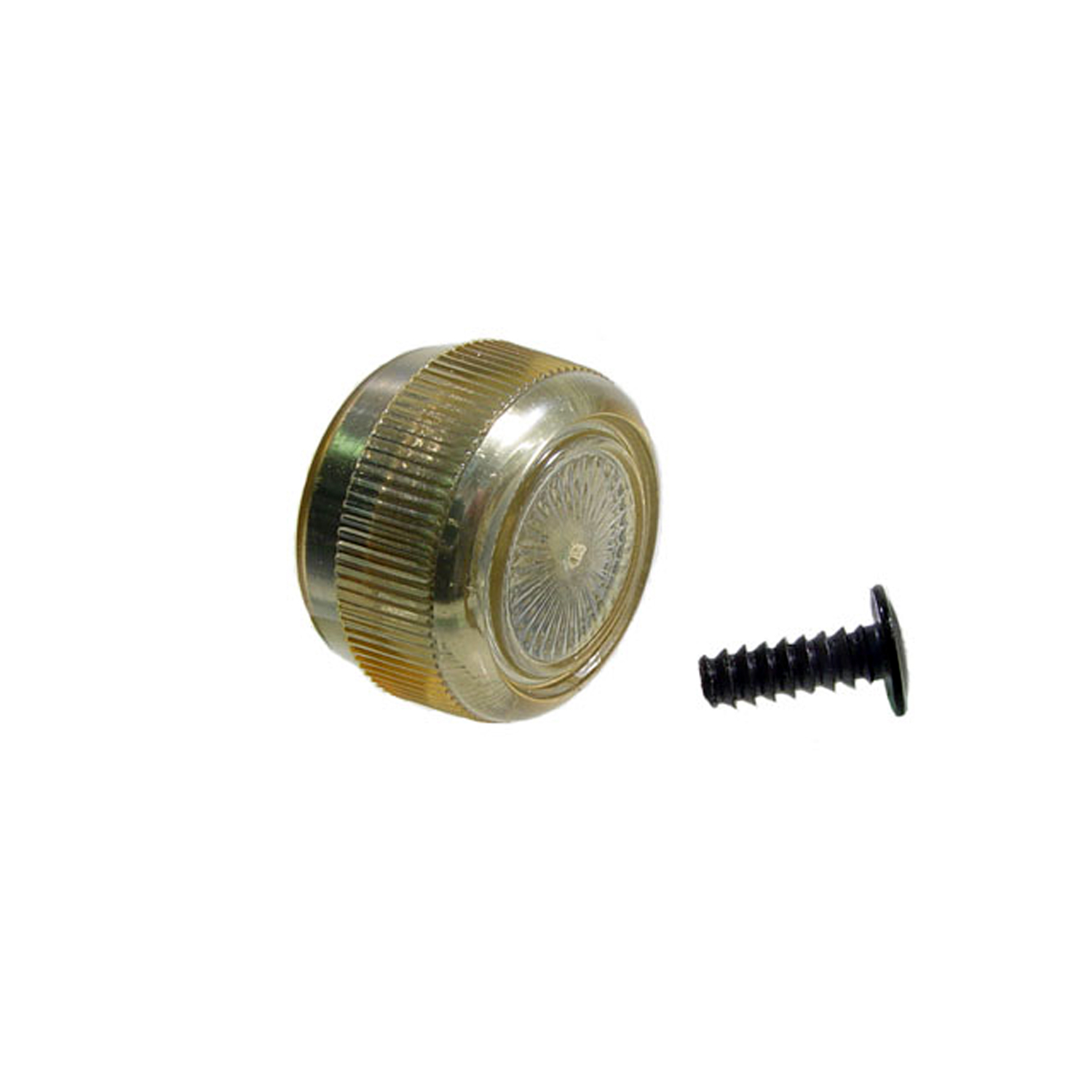 1974 Ford Bronco Window Crank Handle Knob and Attaching Parts. Clear. Each-RP 400-BWindow Crank Handle Knob and Attaching Parts. Clear. Each
 1974 Ford Bronco Molded Roof Rail Seals. Pair R&L-RR 3310Molded Roof Rail Seals. Pair R&L
 1974 Ford Bronco Vulcanized Windshield Seal-VWS 3390Vulcanized Windshield Seal. For models without chrome garnish on windshield. Each
Why Choose Metro?
For over 100 years, Metro Moulded Parts has been the pinnacle of quality in classic car restoration parts. Our commitment to precision and authenticity in every component ensures a perfect fit and an OEM-level appearance.
- Expert Craftsmanship & Quality: Each part is a testament to our dedication to reliability and perfection, crafted from original designs and thoroughly tested.
- Advanced Technology: We use cutting-edge techniques to create flawless, long-lasting parts that surpass others in performance.
- SuperSoft Sponge – The Ultimate Door Seal: Not only are our door seals 30% softer than competitors', but they're also guaranteed to never leak. They effectively reduce wind and road noise, enhancing your classic car's comfort and driving experience.
- Proudly American: Our parts are a product of American craftsmanship, made in the USA with a spirit of excellence and heritage.
- Unrivaled Warranty: We back our products with a 30-year industry-leading warranty, a testament to our confidence in their quality.
Join us in preserving the legacy of classic cars with parts that are crafted for perfection, not just made.