

Image of 1974 Ford Country Sedan, Note: These illustrations use artistic license and may differ from actual historical models.
Performance Metrics
Fundamental Metrics
Emotional Appeal
MMP Rating
| Engine Specifications | |
|---|---|
| Engine: | 400 CID 2V V-8, 460 CID 4V V-8 |
| Displacement: | 400-460 CID |
| Horsepower: | 158-224 hp |
| Torque: | 277-356 lb-ft |
| Compression Ratio: | 8.0:1 (400 CID 2V V-8), 8.5:1 (460 CID 4V V-8) |
| Ignition System: | Conventional, distributor |
| Cooling System: | Liquid-cooled |
| Performance Specifications | |
| 0-60 Time: | Estimated 10-12 seconds |
| 1/4 Mile Time: | Estimated 17-19 seconds |
| Top Speed: | 115 mph |
| Transmission and Drive | |
| Drive Type: | Rear-wheel drive |
| Transmission Type: | 3-speed automatic |
| Fuel and Efficiency | |
| Fuel System Type: | Carburetor |
| MPG: | Estimated 10-12 mpg |
| Dimensions and Brakes | |
| Brakes: | Front disc, rear drum |
| Wheelbase: | 121.0 inches |
| Weight: | 4,500 lbs |
Note: Specifications for classic cars are given to the best of our ability, considering the limited and variant data available.
1974 Ford Country Sedan: The Last of a Big-Wagon Breed
The 1974 Ford Country Sedan was built for a kind of family travel that demanded room for everyone, luggage, and perhaps a dog or two, without the woodgrain trim of Ford’s better-known Country Squire. A full-size, four-door station wagon from the Ford Motor Company, it paired traditional American-car comfort with a practical, broad load floor. Its 1974 model year also marked the end of the Country Sedan name, giving this roomy wagon an extra measure of historical appeal.
Ford had been building family wagons for decades by then. The 1974 Country Sedan arrived during a period of major change: the oil crisis had made fuel economy a national concern, safety regulations were reshaping vehicle design, and buyers were beginning to turn toward smaller cars. Yet Ford’s big wagon still made a convincing case for space and comfort. One especially memorable feature was its two-way tailgate, designed to open downward like a conventional tailgate or swing sideways like a door.
Clean Lines, Big-Wagon Proportions
The Country Sedan wore the squared-off, formal styling typical of Ford’s full-size cars in the early 1970s. Its long hood, straight body sides, upright windshield, and expansive glass gave it a substantial presence without relying on the simulated timber trim fitted to the Country Squire. A wide grille and substantial chrome bumpers completed the look. The bumpers were more than decoration: federal rules had brought energy-absorbing bumper requirements to the forefront, and the 1974 Ford carried the larger, more prominent bumpers associated with the period.
Inside, the cabin was designed around space and straightforward comfort. Depending on specification, buyers could choose cloth-and-vinyl or vinyl upholstery, with bench seating that made the front row feel open and accommodating. The materials were durable and practical rather than luxurious, though higher-grade trim and comfort options could make the interior feel considerably more upscale. The dashboard was broad and easy to read, with large controls suited to use while driving.
Ford offered the wagon in a range of period-appropriate paint colors, from subdued whites, creams, and blues to greens, browns, and brighter shades. Exact names and availability varied by paint code and trim. Darker greens and blues, along with earth tones, look especially at home on the long body, while white or pale colors emphasize its clean, formal lines. Two-tone combinations and contrasting interior colors could add visual interest without changing the Country Sedan’s restrained character.
One Body Style, Several Ways to Carry a Crowd
The 1974 Country Sedan was offered as a four-door station wagon, rather than as a separate sedan or coupe. Buyers could configure the interior for six-passenger seating or, with an optional rear-facing third seat, carry as many as nine people. The third-row arrangement was a classic full-size-wagon solution: useful for children and shorter trips, and foldable or removable depending on equipment and configuration to free up cargo space.
The signature practical feature was Ford’s Magic Doorgate, a two-way rear gate. It could be lowered for loading bulky items or swung open from the side when access was easier that way. That flexibility made the wagon useful for everything from grocery runs to camping gear and home-improvement supplies. The Country Sedan’s defining choice was its plain-sided finish: buyers got the full-size Ford wagon experience without the Country Squire’s imitation woodgrain exterior.
What Made the Country Sedan Matter
The Country Sedan was not a radical engineering experiment, and its importance is best understood as part of the full-size American wagon tradition. It offered a practical alternative to the sedan for families who needed passenger and cargo capacity but did not want or need a truck-based vehicle. Its roomy cabin, long roof, and versatile tailgate helped establish the station wagon as an everyday family tool, not merely a niche utility vehicle.
Compared with many contemporaries, the Country Sedan stood out for its combination of generous interior volume, conventional car-like driving manners, and a broad choice of equipment. It was part of a market in which Ford, Chevrolet, and other manufacturers competed to make the family wagon more comfortable and versatile. The layout would eventually be eclipsed by minivans and SUVs, but the basic idea remains familiar: a passenger car adapted to carry people and their belongings with minimal fuss.
The 1974 model year gives the Country Sedan particular significance. It was the final year Ford used the Country Sedan name in its full-size wagon lineup. As fuel concerns and changing buyer preferences gained force, Ford’s wagon range evolved, and the nameplate that had represented an unpretentious alternative to the wood-trimmed Country Squire disappeared.
V8 Power and a Comfortable Highway Pace
Powertrain availability varied with equipment and market, but the 1974 full-size Ford wagon was typically powered by a V8. The 302-cubic-inch engine was among the more economical choices, while larger 351- and 400-cubic-inch V8s offered additional pulling power. A 460-cubic-inch V8 was available in some full-size Ford configurations for buyers who prioritized strong low-speed torque over fuel savings. Most cars were paired with an automatic transmission, making the Country Sedan easy to drive in town and relaxed on the highway.
Period performance depended heavily on the engine, axle ratio, transmission, load, and emissions equipment. A reasonable estimate for a typical V8 example is roughly 12 to 16 seconds from 0 to 60 mph, with a top speed in the neighborhood of 100 to 115 mph. Those figures should be treated as broad estimates, not guaranteed specifications for every car. By modern standards, even the stronger versions were more about steady, effortless progress than quick acceleration. Fuel consumption was a clear drawback, and a large V8 wagon could return single-digit mileage in demanding conditions.
On the road, the Country Sedan feels like a big, softly sprung American car. Its suspension is tuned for comfort, so it generally takes broken pavement and broad bumps in stride. The long wheelbase helps it settle into a smooth highway rhythm, while the substantial body can lean through corners and feel ponderous on narrow, winding roads. Crosswinds and the wagon’s large side area can also make it feel less settled than a smaller car. Good tires, sound suspension components, and correctly adjusted steering make a substantial difference today.
From behind the wheel, the experience is defined by a wide bench seat, a long view over the hood, and the gentle mechanical sound of a V8 working at low revs. The steering is not as precise as a modern car’s, and braking distances and body control reflect the era. In good condition, though, the Country Sedan delivers the unhurried, comfortable character that made full-size wagons appealing in the first place.
Living With a 1974 Country Sedan
Today, these wagons are most often used for weekend cruising, family nostalgia, road trips, and classic-car shows. They are not common choices for racing, and their size and fuel use make them less convenient as everyday transportation than a modern car. Still, a well-maintained example can handle regular local driving, provided its owner accepts the realities of an older vehicle and keeps up with inspection and maintenance.
Mechanical repairs are generally approachable for a competent home mechanic. Ford V8 parts and service knowledge remain widely available, and many systems use familiar, conventional designs. The bigger challenge is often the body and trim. Rust can affect floors, frame areas, lower body sections, and the tailgate, while wagon-specific glass, interior pieces, and rear-seat parts may take more searching to locate. Before buying, inspect the underside carefully, check that the tailgate operates correctly, and confirm that all side and rear glass is intact.
Like any 50-year-old vehicle, reliability depends more on condition and maintenance than on the badge. Cooling-system neglect, aged fuel and brake components, worn steering parts, electrical faults, and tired automatic transmissions are all worth checking. A thorough baseline service is wise even if the car appears to run well. Some 1974 vehicles also had a federally mandated seat-belt starter interlock system, a short-lived safety measure that prevented the car from starting unless occupants buckled up. This system became notorious with owners and was soon removed from the requirement.
Wagon Trivia and Common Complaints
The Country Sedan’s two-way gate is one of its most useful conversation starters. It reflects an era when manufacturers looked for practical improvements to a familiar format rather than replacing the station wagon’s basic design. The model’s final-year status is another notable distinction: a 1974 Country Sedan represents the closing chapter of a long-running Ford wagon nameplate.
There is no widely recognized speed or endurance record associated with the Country Sedan, and it was not a celebrated competition model. Nor is there a firmly documented celebrity connection that defines its reputation. Its appeal is more everyday than glamorous: this was the sort of car that carried families, camping equipment, and household cargo across the country.
Its most frequent criticisms are easy to understand. The wagon is large, thirsty, and not especially nimble. Parking can be a chore, and today’s drivers may find its braking, steering, and handling less composed than those of a modern vehicle. Rust and scarce wagon-specific trim can complicate restoration. Those drawbacks are balanced by abundant space, a distinctive period look, and a ride that can be remarkably comfortable when the suspension is in good shape.
Collector Values and How Rare It Is
Ford did not make the Country Sedan as collectible or heavily documented as some performance models, and dependable production totals for the 1974 version are not commonly published. A reasonable, clearly approximate estimate is that production was in the tens of thousands, perhaps around 20,000 to 30,000 cars. That figure should be treated as a best guess rather than a verified factory total. Many examples have since been scrapped, so finding a complete, rust-free wagon can be harder than the original production number suggests.
As a broad current-market guide, a project car with significant rust or missing parts might sell for roughly $2,500 to $5,000. A presentable driver in sound condition could fall around $7,000 to $14,000, while a very clean, highly original, or properly restored example may reach approximately $15,000 to $25,000 or more. Exceptional cars can exceed that range, but condition, documentation, originality, and local demand matter greatly. These are estimates, not formal appraisals, and wagon-specific sales can be sporadic.
Values have generally risen from the bargain-car territory these wagons occupied for years, as nostalgic interest in vintage station wagons has grown. The Country Sedan remains more affordable than a highly sought-after muscle car or a pristine Country Squire, but its rarity in surviving condition gives good examples a modest collector appeal. The best investment is usually the car that needs the least bodywork, not the cheapest project in the classifieds.
The Enduring Appeal of Ford’s Plain-Sided Wagon
The 1974 Ford Country Sedan brought together full-size comfort, useful passenger and cargo space, a versatile two-way tailgate, and the straightforward styling of a traditional American station wagon. It was not designed to be fast, economical, or fashionable. It was designed to carry a family in comfort, and it did that job with room to spare.
As the final Country Sedan, the 1974 model marks the end of a familiar Ford name and a particular kind of family car. For today’s collectors, it offers a generous dose of 1970s character without the premium attached to more famous nameplates. It is a reminder that sometimes the most memorable classics are not the ones built to win races, but the ones built to take everyone along.
1974 Ford Country Sedan Catalog of Parts
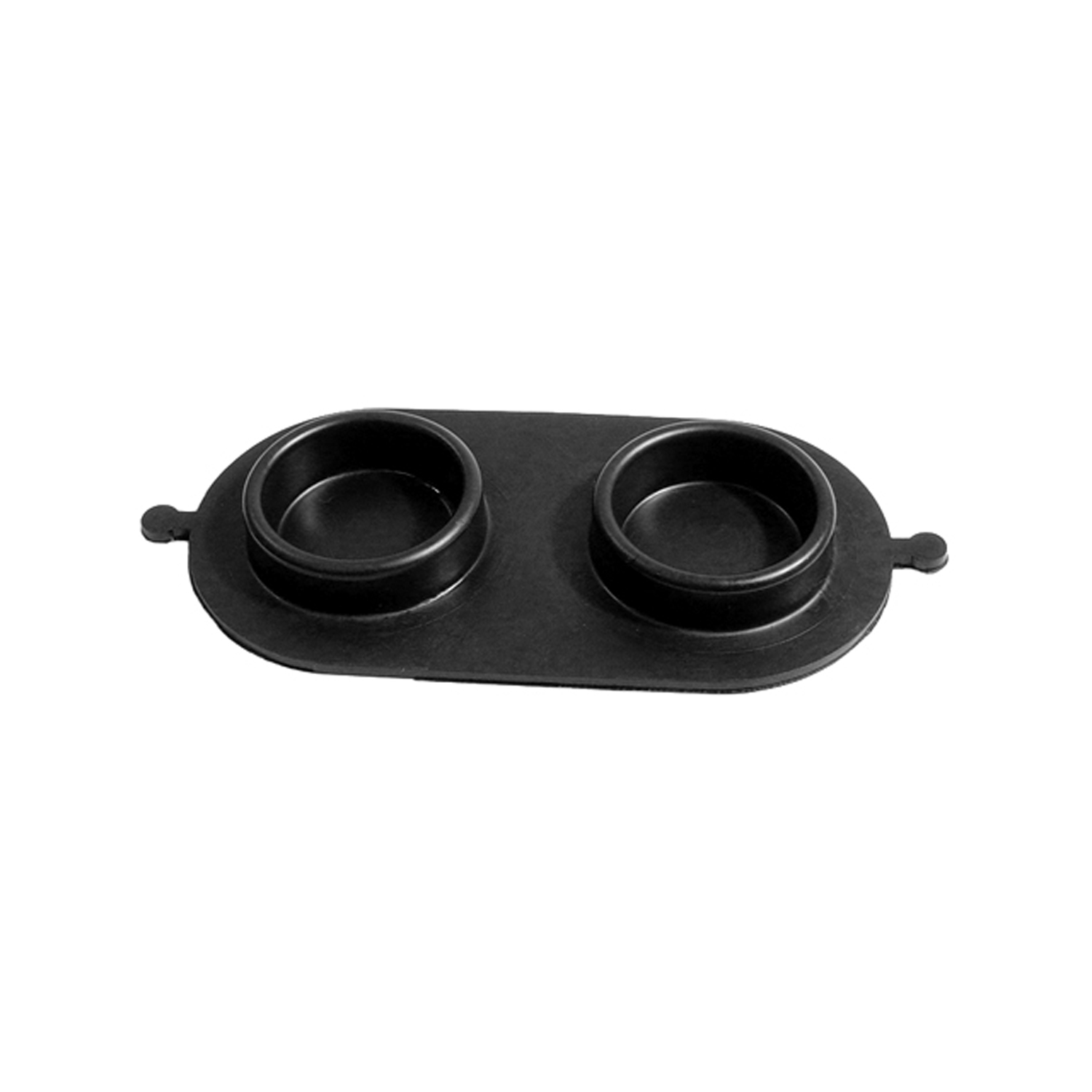 1974 Ford Country Sedan Brake Master Cylinder Cover Seal. Replaces OEM #C7AZ2167-A-RP 2-BBrake Master Cylinder Cover Seal. Replaces OEM #C7AZ2167-A. Each
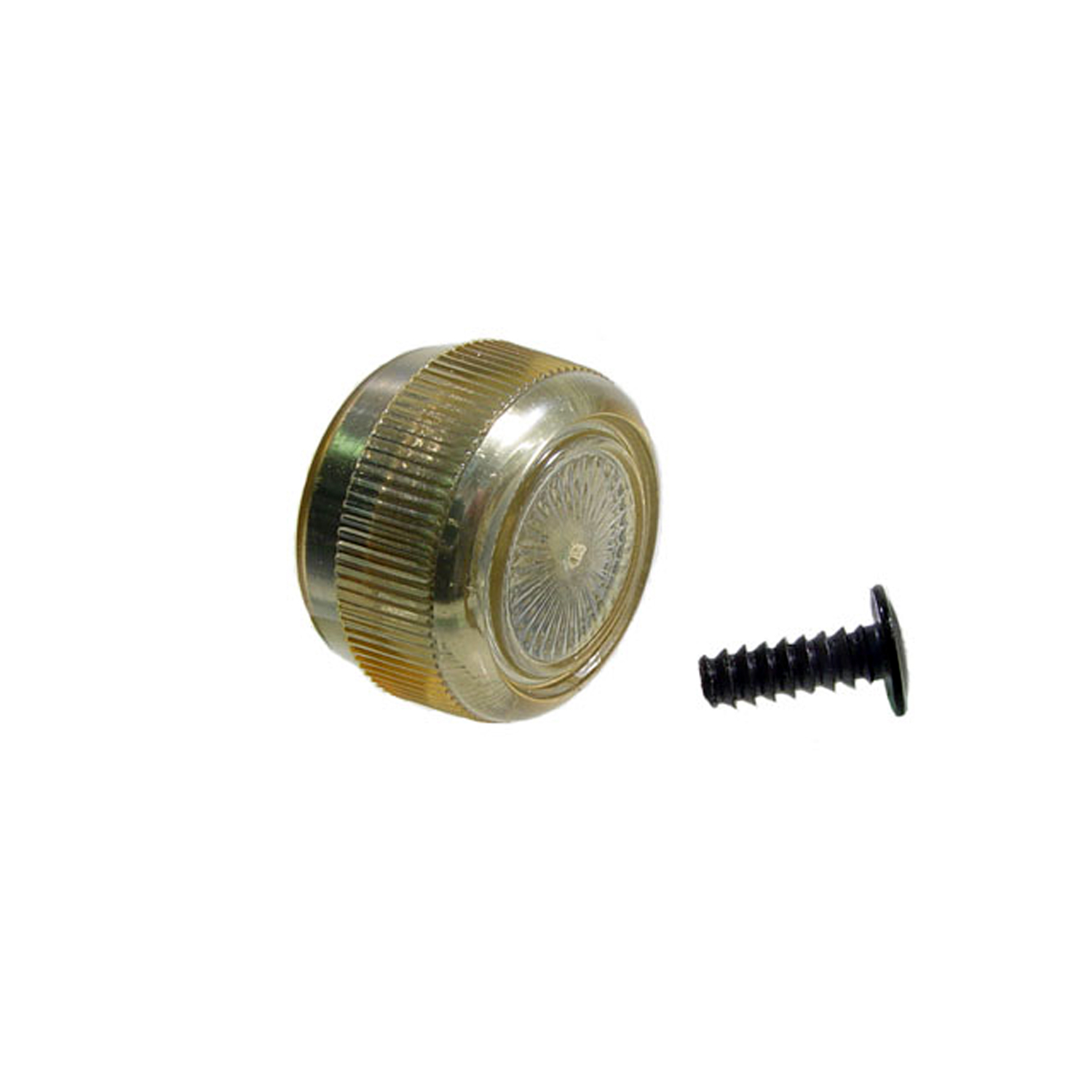 1974 Ford Country Sedan Window Crank Handle Knob and Attaching Parts. Clear. Each-RP 400-BWindow Crank Handle Knob and Attaching Parts. Clear. Each
 1974 Ford Country Sedan Rear Windshield Reveal Molding Clip. Made of steel. Each-WF 228Rear Windshield Reveal Molding Clip. Made of steel. Each
Why Choose Metro?
For over 100 years, Metro Moulded Parts has been the pinnacle of quality in classic car restoration parts. Our commitment to precision and authenticity in every component ensures a perfect fit and an OEM-level appearance.
- Expert Craftsmanship & Quality: Each part is a testament to our dedication to reliability and perfection, crafted from original designs and thoroughly tested.
- Advanced Technology: We use cutting-edge techniques to create flawless, long-lasting parts that surpass others in performance.
- SuperSoft Sponge – The Ultimate Door Seal: Not only are our door seals 30% softer than competitors', but they're also guaranteed to never leak. They effectively reduce wind and road noise, enhancing your classic car's comfort and driving experience.
- Proudly American: Our parts are a product of American craftsmanship, made in the USA with a spirit of excellence and heritage.
- Unrivaled Warranty: We back our products with a 30-year industry-leading warranty, a testament to our confidence in their quality.
Join us in preserving the legacy of classic cars with parts that are crafted for perfection, not just made.