

Image of 1974 Ford Country Squire, Note: These illustrations use artistic license and may differ from actual historical models.
Performance Metrics
Fundamental Metrics
Emotional Appeal
MMP Rating
| Engine Specifications | |
|---|---|
| Engine: | 400 CID 2V V-8, 460 CID 4V V-8 |
| Displacement: | 400-460 cubic inches |
| Horsepower: | 158-220 hp |
| Torque: | 315-355 lb-ft |
| Compression Ratio: | 8.0:1 (400 CID), 8.5:1 (460 CID) |
| Ignition System: | Electronic |
| Cooling System: | Liquid-cooled |
| Performance Specifications | |
| 0-60 Time: | 12-14 seconds |
| 1/4 Mile Time: | 18-20 seconds |
| Top Speed: | 105-110 mph |
| Transmission and Drive | |
| Drive Type: | Rear-wheel drive |
| Transmission Type: | 3-speed automatic |
| Fuel and Efficiency | |
| Fuel System Type: | Carburetor |
| MPG: | 10-12 mpg |
| Dimensions and Brakes | |
| Brakes: | Front disc, rear drum |
| Wheelbase: | 121 inches |
| Weight: | 4,700-5,000 lbs |
Note: Specifications for classic cars are given to the best of our ability, considering the limited and variant data available.
1974 Ford Country Squire: The Big Woodgrained Wagon
The 1974 Ford Country Squire could carry a family, a week’s groceries, and a generous amount of camping gear, all while wearing one of Detroit’s most recognizable costumes: simulated woodgrain trim. Built by Ford Motor Company as the upscale member of its full-size station-wagon lineup, the Country Squire paired V8 power and a roomy cabin with the practical details that made American wagons a familiar sight on highways and suburban streets.
Its timing made it especially interesting. The 1974 model arrived amid the energy crisis, rising fuel prices, and increasingly strict emissions and safety rules. Big wagons were still in demand, but their appetite for gasoline was becoming harder to ignore. One memorable Country Squire feature was its two-way tailgate, which could open like a conventional door or fold down like a pickup tailgate. It was a small engineering flourish that made the enormous wagon more useful in everyday life.
Woodgrain, Chrome, and Full-Size Style
The Country Squire wore its size proudly. Its long hood, broad shoulders, upright roof, and extended cargo area gave it the classic proportions of a full-size American wagon. A substantial front grille and bright trim added a formal touch, while the wide side panels provided an expansive canvas for the model’s signature woodgrain-look appliqué. The material was a decorative vinyl finish, not real timber, but it delivered the warm, outdoorsy image buyers expected from a Country Squire.
Ford offered the 1974 wagon in a range of period colors. Depending on the paint chart and market, buyers could choose from shades such as white, blue, green, red, gold, and brown, alongside metallic finishes. Darker colors made the woodgrain stand out, while white and pale paint gave the long body a cleaner, more understated look. Color availability varied, but the most recognizable combination remains a rich woodgrain surround against a light or medium-toned body.
The Country Squire was a four-door station wagon, rather than a separate sedan or coupe body style. Within Ford’s wagon range, the Country Squire sat above the less lavish Country Sedan and was the most visually distinctive choice. Six-passenger seating was typical, with an optional rear-facing third-row seat that increased capacity to nine. That third seat transformed the rear of the wagon into a kid-friendly travel perch, although modern passengers may find its rear-facing arrangement unusual.
A Cabin Built for Long Trips
Inside, the Country Squire emphasized space and comfort over sporty flair. A broad front bench seat, generous legroom, and large windows made the cabin feel open. Upholstery choices varied by trim and order, with cloth and vinyl combinations among the available finishes. Buyers could also add convenience features such as air conditioning, power windows, power door locks, and upgraded audio equipment. The materials were appropriate to a well-equipped family wagon of the period, with durable surfaces designed to tolerate regular use rather than delicate, hand-finished luxury-car detailing.
Practicality was central to the design. The rear seats could be folded or arranged to expand the cargo area, and the large tailgate opening made loading bulky items straightforward. The electrically operated rear window could be lowered into the tailgate, clearing the opening for longer cargo and making it easier to use the two-way gate. Power steering and power brakes were common conveniences on a vehicle of this size, helping reduce the effort required in parking lots and stop-and-go traffic.
Ford’s Full-Size Wagon in a Changing Era
The Country Squire did not introduce a new vehicle category, but it represented the full-size American station wagon at a particularly important moment. For decades, wagons had served as the family road-trip vehicle, combining passenger seating with a load area that a sedan could not match. By 1974, the Country Squire offered that familiar formula just as the industry was contending with fuel shortages, tighter emissions controls, and new bumper regulations.
Those changes shaped the car. The 1974 model wore federally required five-mph bumpers, adding prominent bumper hardware to its otherwise polished exterior. Emissions equipment and lower-compression engine tuning also reflected the period’s changing priorities. The wagon was still designed for comfort and capacity, but the balance between power, economy, and regulation was shifting.
What set the Country Squire apart from many rivals was its blend of upscale presentation and everyday utility. The faux-wood sides made it instantly recognizable, while features such as the two-way tailgate addressed the real work of carrying people and cargo. Its influence is less about a single breakthrough than about refining a formula that later generations of minivans and SUVs would reinterpret: a family vehicle with flexible seating, substantial cargo room, and a comfortable ride.
V8 Power and Road Manners
For 1974, the Country Squire was powered by a V8, with the 400-cubic-inch engine serving as the standard offering in many configurations and the 460-cubic-inch V8 available as an upgrade. Exact equipment could vary by order and market. The engines were paired with an automatic transmission, typically a three-speed unit, and sent power to the rear wheels. In period terms, the 400 produced roughly 170 horsepower, while the larger 460 was rated at about 220 horsepower. These are net horsepower figures, which are more conservative than the gross ratings used in earlier years.
Performance figures depend on engine, axle ratio, vehicle condition, and test conditions. A healthy 400-powered example can be expected to reach 60 mph in roughly 12 to 14 seconds, while a 460 car may manage the run in about 10 to 12 seconds. Top speed is best treated as an estimate rather than a single factory figure: gearing, tires, and the car’s substantial weight put most examples in the neighborhood of 100 mph, with little reason to treat the wagon as a high-speed machine. Its natural strengths were relaxed cruising and passing power, not quick launches or sharp acceleration.
On the road, the Country Squire feels large because it is large. Its long wheelbase helps it glide over highway joints and broad pavement changes, but short, sharp bumps can still make themselves known through the body and suspension. The steering is light with power assist, and the car responds deliberately rather than eagerly. On a winding road, the long body and soft, comfort-oriented suspension encourage a smooth pace. Strong crosswinds can ask for occasional steering corrections, especially at highway speeds.
The driving experience is a big part of its appeal. The V8 produces a low, familiar burble, the automatic transmission shifts without drama, and the suspension gives the car a gentle, floating character over decent roads. Behind the wheel, the driver sits high with a wide view over the hood and plenty of glass around the cabin. It feels less like piloting a modern crossover and more like guiding a living room down the interstate.
Living with a Country Squire
Most Country Squires spent their working lives as family transportation, vacation haulers, and occasional furniture movers. Today, owners tend to use them as weekend cruisers, show cars, parade vehicles, or nostalgic road-trip machines. A well-maintained example can still cover highway miles comfortably, but its size and fuel consumption make it a demanding choice for daily urban driving.
Maintenance is generally approachable for an experienced home mechanic. The V8s are conventional pushrod designs, and many service tasks are familiar to shops that work on older American Fords. Parts for common mechanical systems remain available through classic-car suppliers and general parts channels, though trim, woodgrain material, interior pieces, and model-specific body parts can take more searching. Rust deserves close inspection, particularly around the floors, lower body panels, wheel openings, and areas that collect moisture.
Fuel economy is one of the clearest compromises. Depending on engine, condition, gearing, and driving style, owners may see roughly 8 to 12 mpg in mixed use, with highway results varying considerably. A larger engine can feel more effortless under load, but it does not turn the Country Squire into an economical car. Regular checks of cooling, ignition, brakes, suspension bushings, and automatic-transmission condition help keep an old, heavy wagon dependable.
Country Squire Facts and Myths
The two-way tailgate is one of the model’s most useful talking points. It gave owners more flexibility than a simple liftgate or side-hinged door, especially when loading long objects or reaching into the cargo area. The retracting rear glass added another layer of convenience and became part of the familiar Country Squire experience.
The 1974 Country Squire is not known for a special speed record or a single landmark competition victory. Its legacy is rooted in everyday American use rather than racing. It also belongs to the last era in which a large, rear-wheel-drive wagon could serve as a mainstream family flagship before minivans and SUVs increasingly took over those duties.
Common criticisms are straightforward: the wagon is thirsty, bulky in tight spaces, and less agile than a smaller car. The woodgrain is a styling treatment rather than genuine wood, and the large body can be intimidating to park. On the other hand, its spacious cabin, smooth highway ride, generous cargo capacity, and unmistakable appearance are exactly why enthusiasts seek one out today.
Collector Value and Availability
There is no single authoritative production total for every 1974 Country Squire configuration, so a reasonable estimate is approximately 45,000 to 60,000 cars for the model year. That is a ballpark figure rather than a verified registry count. Many were used hard as family vehicles, and far fewer survived in clean, original condition. The model is not exceptionally rare in a historical sense, but finding a sound example with complete trim and an intact interior can take patience.
As a broad 2026 market guide, a project car may sell for around $2,000 to $5,000, while a running driver in usable condition could fall in the $7,000 to $15,000 range. A clean, well-presented example may bring roughly $15,000 to $25,000, and an unusually complete, restored, or exceptionally original wagon can reach $25,000 to $35,000 or more. These are estimates, not guaranteed sale prices. Rust, mechanical condition, originality, documentation, and the quality of the woodgrain and interior have a major effect on value.
Values have generally been steady to gradually stronger for attractive, usable examples, especially as interest in classic wagons has grown. Still, the Country Squire is a niche collector car, not a blue-chip investment. Exceptional examples can command attention, but a rough project may remain inexpensive because restoration costs can quickly exceed the finished car’s market value. Buyers should prioritize condition over ambitious restoration plans.
Why the 1974 Country Squire Still Matters
The 1974 Ford Country Squire brought together the defining elements of the big American wagon: V8 power, a cushioned ride, flexible seating, serious cargo capacity, and woodgrain trim that made it impossible to mistake for anything else. It also captures a turning point, when fuel concerns and new regulations began to challenge the oversized family-car formula.
It was never a sports car, and it never pretended to be one. The Country Squire’s appeal lies in its scale, its practicality, and the unmistakable character of an era when a family road trip could begin by lowering the rear window and loading the wagon to the roof. For enthusiasts who value comfort, utility, and classic Ford style, this full-size woodgrained wagon remains a memorable piece of American automotive history.
1974 Ford Country Squire Catalog of Parts
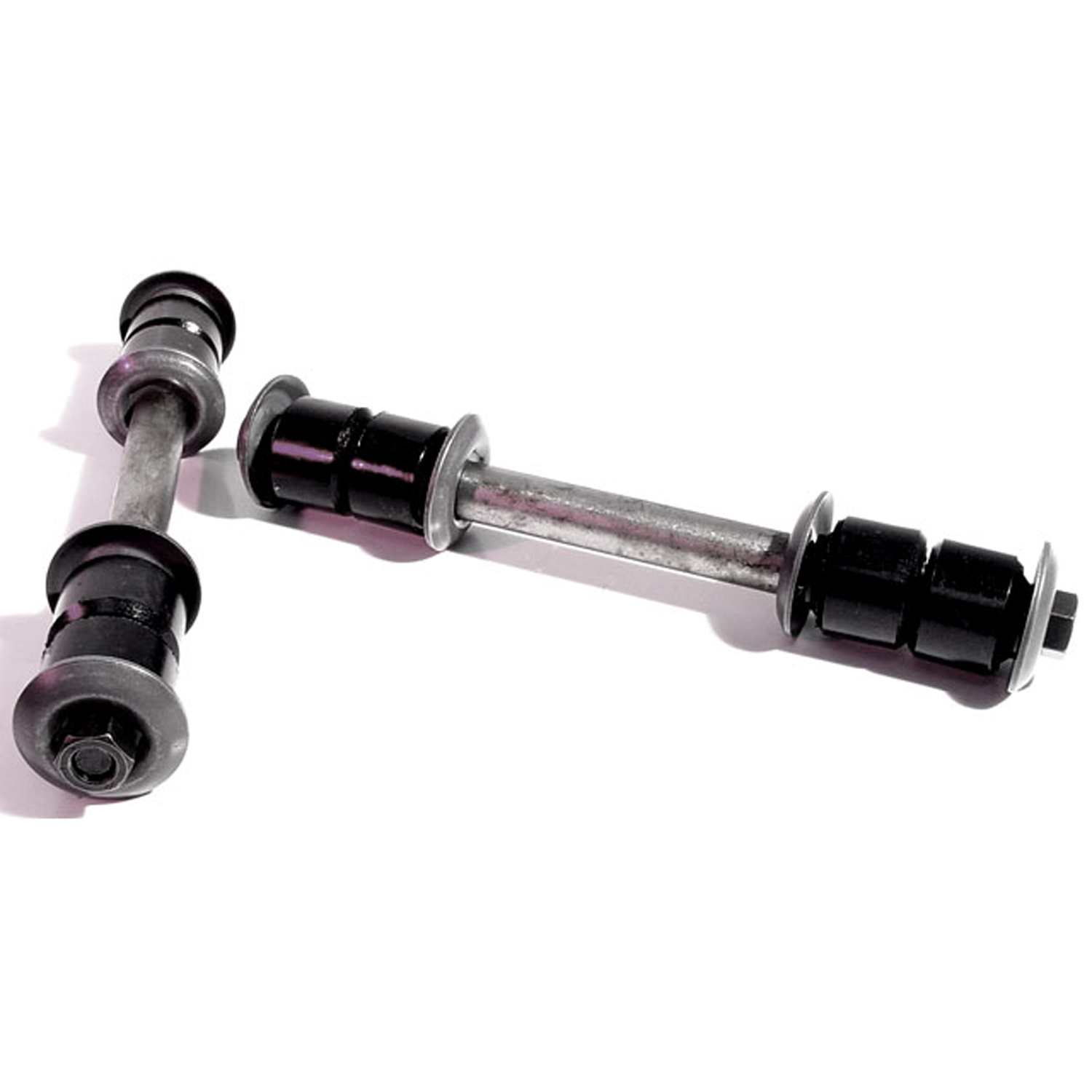 1974 Ford Country Squire Front Stabilizer End Repair Kit-BNK 21Front Stabilizer End Repair Kit. 22-piece set for two stabilizer bars. Contains all rubber bushings, washers, bolts and nuts, enough for one front end. Set
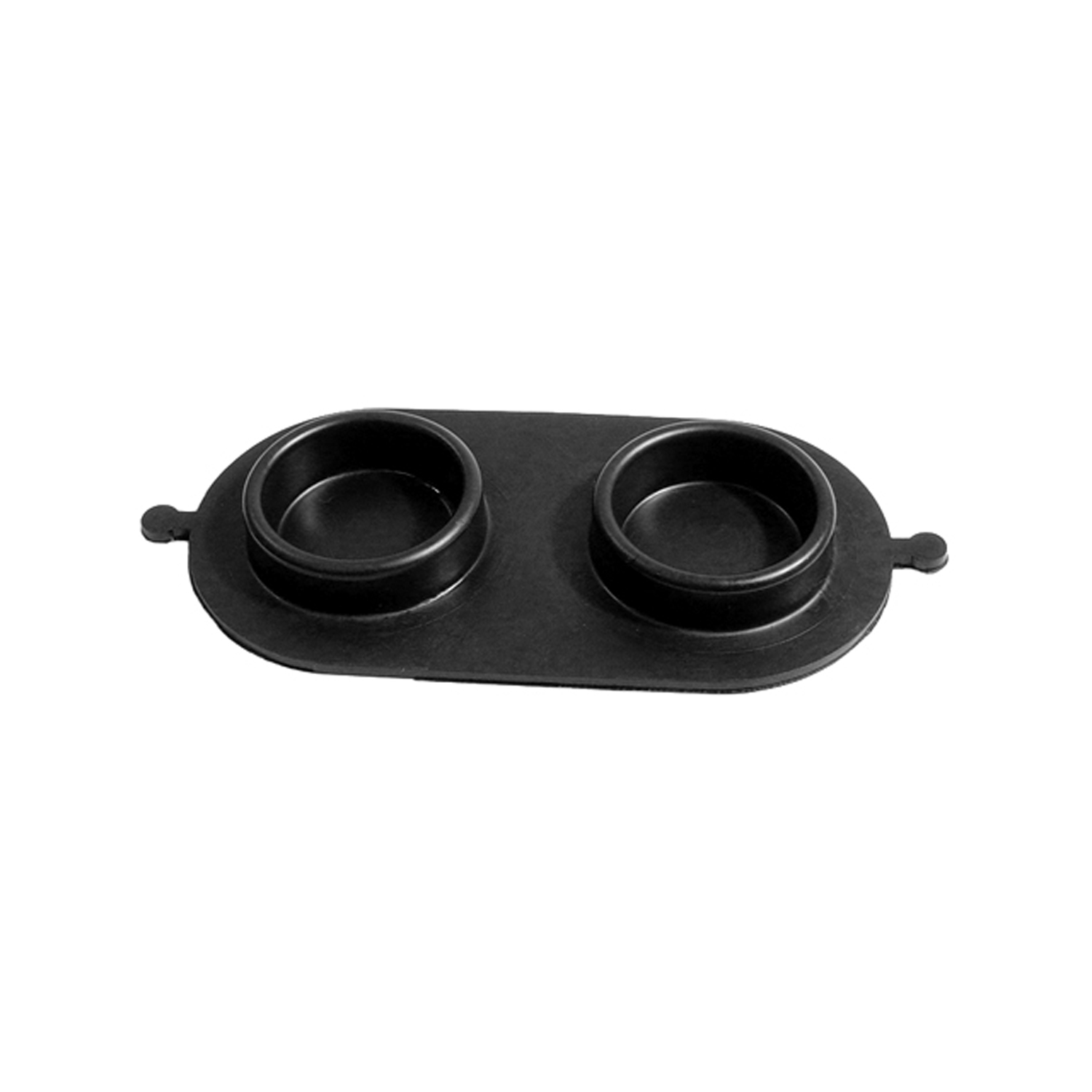 1974 Ford Country Squire Brake Master Cylinder Cover Seal. Replaces OEM #C7AZ2167-A-RP 2-BBrake Master Cylinder Cover Seal. Replaces OEM #C7AZ2167-A. Each
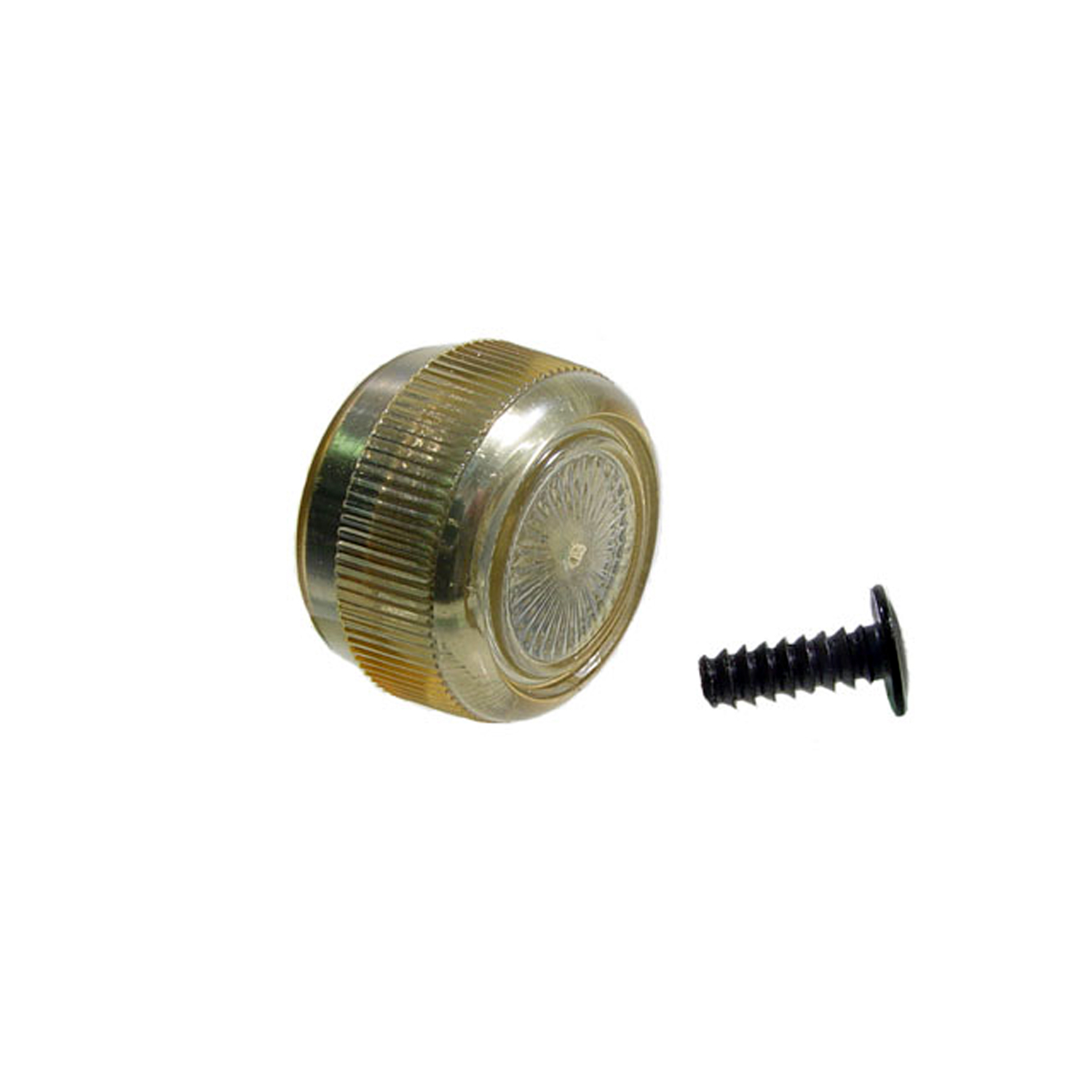 1974 Ford Country Squire Window Crank Handle Knob and Attaching Parts. Clear. Each-RP 400-BWindow Crank Handle Knob and Attaching Parts. Clear. Each
Why Choose Metro?
For over 100 years, Metro Moulded Parts has been the pinnacle of quality in classic car restoration parts. Our commitment to precision and authenticity in every component ensures a perfect fit and an OEM-level appearance.
- Expert Craftsmanship & Quality: Each part is a testament to our dedication to reliability and perfection, crafted from original designs and thoroughly tested.
- Advanced Technology: We use cutting-edge techniques to create flawless, long-lasting parts that surpass others in performance.
- SuperSoft Sponge – The Ultimate Door Seal: Not only are our door seals 30% softer than competitors', but they're also guaranteed to never leak. They effectively reduce wind and road noise, enhancing your classic car's comfort and driving experience.
- Proudly American: Our parts are a product of American craftsmanship, made in the USA with a spirit of excellence and heritage.
- Unrivaled Warranty: We back our products with a 30-year industry-leading warranty, a testament to our confidence in their quality.
Join us in preserving the legacy of classic cars with parts that are crafted for perfection, not just made.