

Image of 1974 Ford Courier, Note: These illustrations use artistic license and may differ from actual historical models.
Performance Metrics
Fundamental Metrics
Emotional Appeal
MMP Rating
| Engine Specifications | |
|---|---|
| Engine: | 1.8L Mazda F/4 |
| Displacement: | 1.8L |
| Horsepower: | 74 hp |
| Torque: | 92 lb-ft |
| Compression Ratio: | 8.6:1 |
| Ignition System: | Electronic |
| Cooling System: | Liquid-cooled |
| Performance Specifications | |
| 0-60 Time: | Estimated 20 seconds |
| 1/4 Mile Time: | Estimated 22 seconds |
| Top Speed: | 80 mph |
| Transmission and Drive | |
| Drive Type: | Rear-wheel drive |
| Transmission Type: | 4-speed manual |
| Fuel and Efficiency | |
| Fuel System Type: | Carburetor |
| MPG: | 20-25 mpg |
| Dimensions and Brakes | |
| Brakes: | Front disc and rear drum brakes |
| Wheelbase: | 102.6 inches |
| Weight: | 2,400 lbs |
Note: Specifications for classic cars are given to the best of our ability, considering the limited and variant data available.
1974 Ford Courier: The Compact Pickup That Came From Mazda
The 1974 Ford Courier was a small truck with a clever international story: it wore Ford badging, but its basic engineering came from Japan’s Mazda. Built for drivers who wanted pickup practicality without the size and thirst of a full-size truck, the Courier arrived just as rising fuel costs were making compact pickups especially appealing.
Ford sold the Courier in the United States as its compact-pickup alternative to the Toyota Hilux, Datsun pickup and Chevrolet LUV. The truck was manufactured by Toyo Kogyo, the company now known as Mazda, and was closely related to Mazda’s B-Series pickups. Its combination of modest dimensions, useful cargo capacity and familiar Ford identity made it an important early step in the growth of the American compact-truck market.
One especially interesting detail is that the Courier’s international origins were tied to U.S. import tariffs. To avoid the steep tariff on imported light trucks, the vehicles were shipped to America in cab-and-chassis form, with the cargo bed fitted in the United States. It was a practical workaround that helped make the small Ford viable in a market dominated by larger domestic pickups.
Compact Styling, Straightforward Cabin
The Courier had the purposeful proportions of a classic mini-truck: a narrow cab, upright windshield, short hood and a separate cargo bed. Its front end wore Ford identification, while its compact scale and Mazda-derived construction distinguished it from a scaled-down F-Series. Depending on the exact build and trim, 1974 examples featured a simple grille and round headlamps, giving the truck a clean, utilitarian face.
The U.S.-market Courier was essentially a regular-cab pickup with a roughly six-foot bed. Buyers could add practical equipment such as a step bumper, mirrors, trim packages and dealer-fitted accessories. Bed canopies and camper shells were popular ways to make the truck more useful for camping or secure cargo. It was not offered as a broad family of cab styles and body configurations like many modern pickups; the standard-cab, short-bed layout was the defining Courier shape.
Inside, the Courier prioritized function over decoration. The cabin was compact, with straightforward controls, durable upholstery and hard-wearing trim rather than luxury materials. The seating position was upright, and the simple dashboard made the truck easy to operate. Options and equipment varied, but the basic appeal was uncomplicated: a small, accessible cab and a clear view of the road and bed.
For its time, the Courier’s technology was conventional rather than flashy. Its appeal came from a modern, efficient four-cylinder engine, a manual transmission and a relatively light body. Front disc brakes and rear drum brakes were typical of the period’s setup. Factory paint colors changed with Ford’s model-year palette; common choices included practical whites, reds, blues and earthy tones. Bright colors and two-tone dealer treatments can be especially eye-catching on surviving examples, though availability depended on the specific order and market.
Why the Courier Mattered
The 1974 Courier arrived during a turning point for American drivers. The 1973 oil crisis had made fuel economy a more urgent concern, while imported compact pickups were demonstrating that a truck did not need a large V8 or a full-size footprint to be useful. The Courier gave Ford a credible entry in that growing segment without requiring the company to develop an entirely new small truck from the ground up.
That strategy set it apart from many domestic pickups of the period. The Courier was easier to maneuver and park than a full-size truck, and its four-cylinder engine used less fuel than a large-displacement alternative. Its Mazda roots also connected Ford to a compact-pickup design that had already been developed and sold in other markets.
The Courier helped establish Ford’s presence in the compact-truck category before the Ranger arrived for the 1983 model year. It was not the direct engineering blueprint for every later Ford pickup, but it proved that there was a meaningful audience for a smaller, more economical truck wearing a Blue Oval badge. Its legacy is part of the broader shift that eventually made compact and midsize pickups a permanent part of the American market.
1974 Ford Courier Performance and Road Manners
Power came from a Mazda-built 1.8-liter inline-four. Period specifications can vary by source and by whether horsepower is stated using gross or net measurement, but U.S. figures are generally around 74 horsepower in net form, with torque in the neighborhood of 90 lb-ft. A four-speed manual was the common transmission, with an automatic available on some trucks.
Performance was steady rather than quick. A healthy, lightly loaded Courier is generally estimated to reach 60 mph in roughly 16 to 18 seconds, with a top speed around 80 to 85 mph. These are approximate period-style figures, not guarantees: gearing, tires, engine condition, altitude and test methods all affect the result. The Courier was built to carry tools, supplies and weekend gear, not to win a drag race.
On ordinary roads, its compact size and modest weight make it easy to place in traffic and simple to maneuver through tight streets. The suspension uses the familiar pickup arrangement of independent front suspension and a solid rear axle with leaf springs. That setup is sturdy and useful under load, but an unloaded truck can feel bouncy over sharp bumps. Add cargo to the bed and the rear ride usually settles down.
On winding roads, the Courier feels more agile than a full-size pickup, though its narrow stance, older tires and truck-style suspension still call for sensible cornering speeds. Crosswinds can be noticeable, especially with an empty bed. Behind the wheel, the experience is distinctly mechanical: the four-cylinder engine works audibly as speed builds, the manual gearbox keeps the driver involved, and the ride communicates plenty of road texture. It feels like a small working truck, not a modern crossover dressed up with a bed.
Living With a Classic Courier
Today, a 1974 Courier can serve as a weekend runabout, a light-duty work truck, a restoration project or a show-field curiosity. It is also an appealing choice for someone who enjoys older Japanese engineering presented in a distinctly American-market package. Its compact footprint makes it less intimidating to drive and store than a vintage full-size pickup.
Routine mechanical work is generally approachable for an experienced home mechanic. The engine bay is not overly crowded, and the truck’s basic systems are conventional. Mazda B-Series parts can help with some mechanical needs, but buyers should check compatibility carefully by year and specification. Ford-specific trim, badges, body panels and interior pieces may take more searching to locate.
Rust is the main concern on many survivors. Inspect the cab corners, floor, lower doors, bed seams, wheel arches, frame and areas where the bed meets the chassis. Also check for tired suspension components, worn steering parts, brake wear, oil leaks and evidence of improvised repairs. A sound, complete truck is usually a better starting point than a cheap example missing hard-to-find trim or carrying extensive corrosion.
Courier Trivia and Common Criticisms
The Courier was a Ford by badge and sales network, but a Mazda by much of its underlying design. That cross-border identity is a large part of its appeal to collectors today. It also belongs to a different chapter from later vehicles called Courier in other countries, so buyers researching parts should confirm they are looking at the correct U.S.-market generation.
There is no widely recognized speed, endurance or production record associated with the 1974 Courier, and it is not especially known for celebrity ownership. Its notable achievement was more practical: it gave Ford a way into the increasingly important compact-pickup market during a period of changing fuel priorities. The truck’s most common criticisms are equally straightforward. It is slow by modern standards, the cabin is basic, the unloaded ride can be choppy, and its small size limits how much it can carry compared with a full-size pickup.
Collector Values and Availability
Values depend heavily on rust, originality, mechanical condition and the quality of any restoration. As a broad 2026 guide, a project or parts truck might sell for around $1,000 to $3,000. A usable driver in fair condition may fall roughly between $3,000 and $6,000, while a clean, well-kept example can bring about $7,000 to $12,000. Exceptional restorations or unusually original trucks may exceed that range, particularly when they have strong documentation and hard-to-find parts.
Exact 1974 Courier production totals are not consistently published in accessible model-year records. As a cautious estimate, U.S. sales for the year were likely in the tens of thousands, perhaps around 25,000 to 35,000, rather than a precisely verified figure. Many were used as working vehicles, so rust-free, complete examples are much scarcer today than their original numbers suggest.
Courier values have generally risen from project-truck levels as interest in compact pickups and Japanese-American automotive history has grown. They are not usually priced like the most sought-after muscle cars or rare big-block pickups, and condition remains the decisive factor. A sound, original truck is likely to hold its appeal better than a heavily modified or incomplete one.
The Small Ford With a Big Story
The 1974 Ford Courier combined Mazda engineering, Ford branding and smart timing. It offered economical four-cylinder power, practical pickup utility and manageable dimensions just when many buyers were reconsidering the size and fuel appetite of their vehicles. Its simple cabin and modest performance are part of its honest character, not surprises hidden beneath the badge.
For today’s enthusiast, the Courier is more than a small vintage truck. It is a snapshot of an industry adapting to new pressures and working across borders to meet them. That blend of practicality and history is what makes this compact Ford worth remembering.
1974 Ford Courier Catalog of Parts
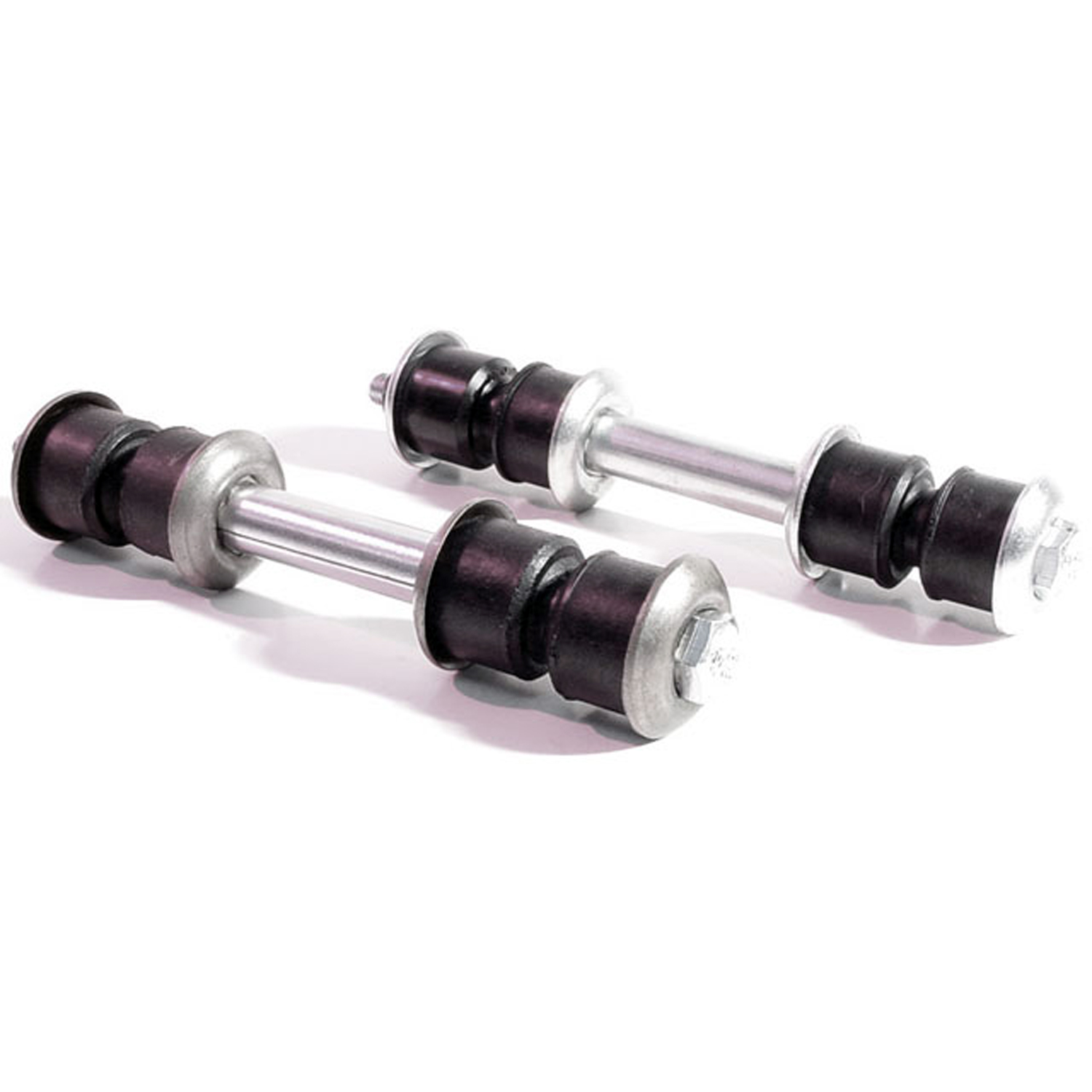 1974 Ford Courier Front Stabilizer End Repair Kit-BNK 24Front Stabilizer End Repair Kit. 22-piece set for two stabilizer bars. Contains all rubber bushings, washers, bolts and nuts, enough for one front end. Set
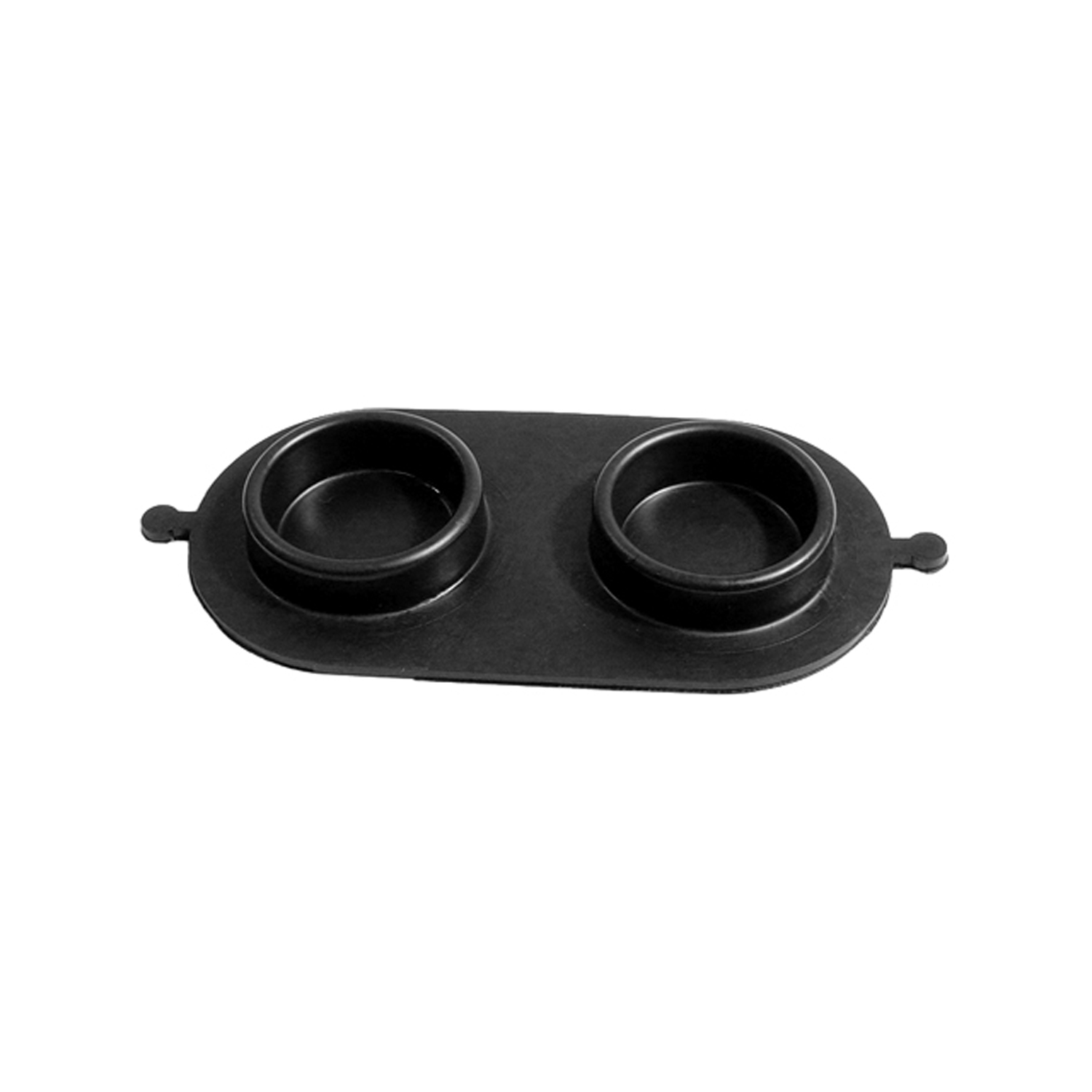 1974 Ford Courier Brake Master Cylinder Cover Seal. Replaces OEM #C7AZ2167-A-RP 2-BBrake Master Cylinder Cover Seal. Replaces OEM #C7AZ2167-A. Each
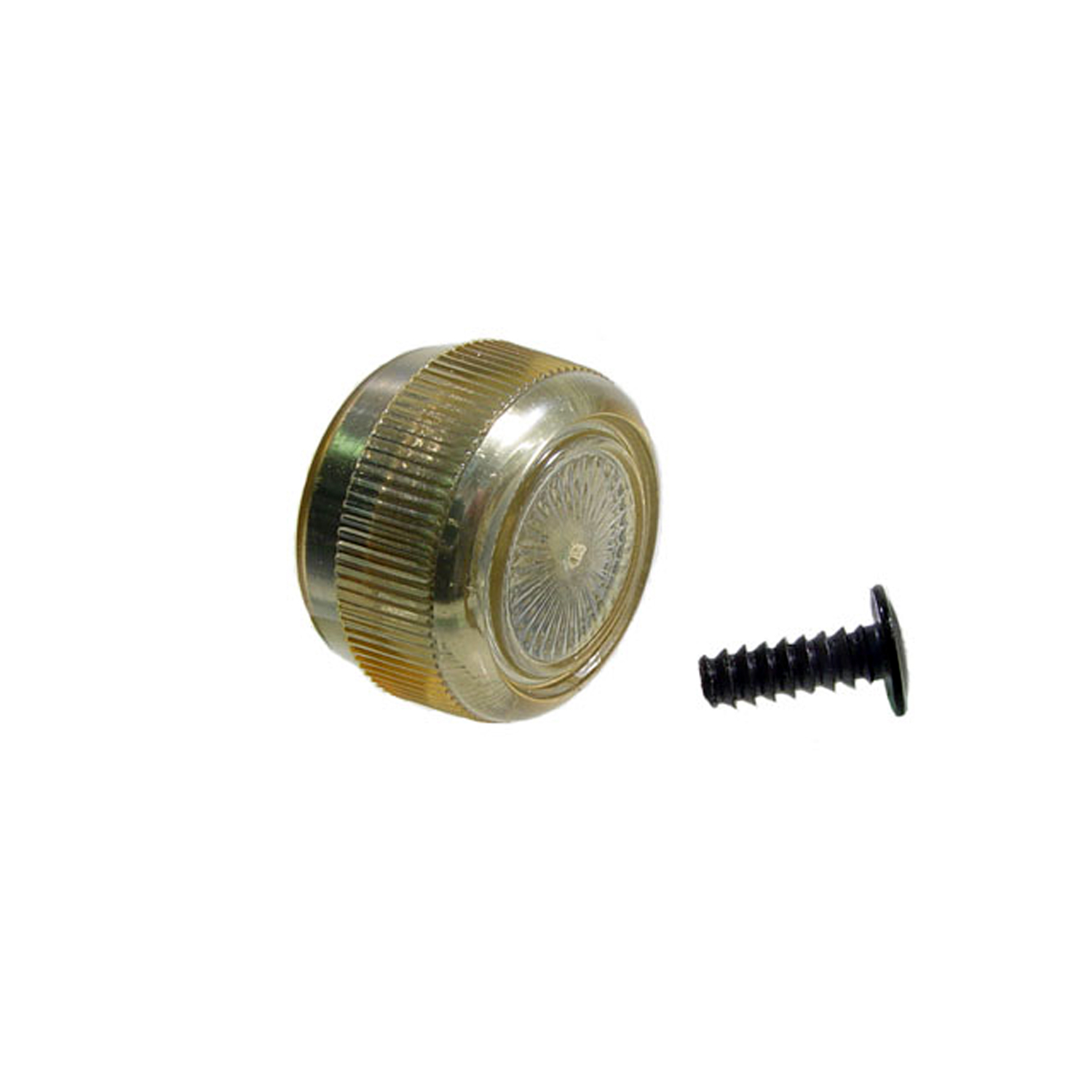 1974 Ford Courier Window Crank Handle Knob and Attaching Parts. Clear. Each-RP 400-BWindow Crank Handle Knob and Attaching Parts. Clear. Each
Why Choose Metro?
For over 100 years, Metro Moulded Parts has been the pinnacle of quality in classic car restoration parts. Our commitment to precision and authenticity in every component ensures a perfect fit and an OEM-level appearance.
- Expert Craftsmanship & Quality: Each part is a testament to our dedication to reliability and perfection, crafted from original designs and thoroughly tested.
- Advanced Technology: We use cutting-edge techniques to create flawless, long-lasting parts that surpass others in performance.
- SuperSoft Sponge – The Ultimate Door Seal: Not only are our door seals 30% softer than competitors', but they're also guaranteed to never leak. They effectively reduce wind and road noise, enhancing your classic car's comfort and driving experience.
- Proudly American: Our parts are a product of American craftsmanship, made in the USA with a spirit of excellence and heritage.
- Unrivaled Warranty: We back our products with a 30-year industry-leading warranty, a testament to our confidence in their quality.
Join us in preserving the legacy of classic cars with parts that are crafted for perfection, not just made.