

Image of 1974 Ford F-250, Note: These illustrations use artistic license and may differ from actual historical models.
Performance Metrics
Fundamental Metrics
Emotional Appeal
MMP Rating
| Engine Specifications | |
|---|---|
| Engine Options: | 360 CID V8, 390 CID V8, 460 CID V8 |
| Displacement Range: | 360-460 cubic inches |
| Horsepower Range: | 150-220 HP |
| Torque: | 280-350 lb-ft |
| Compression Ratio: | 8.5:1 - 10.5:1 |
| Ignition System: | Conventional breaker-point ignition system |
| Cooling System: | Liquid-cooled |
| Performance Specifications | |
| 0-60 Time: | Estimated 10-15 seconds |
| 1/4 Mile Time: | Estimated 17-20 seconds |
| Top Speed: | 85-95 mph |
| Transmission and Drive | |
| Drive Type: | Rear-wheel drive |
| Transmission Type: | 3-speed automatic, 4-speed manual |
| Fuel and Efficiency | |
| Fuel System Type: | Carburetor |
| MPG: | Estimated 10-12 mpg |
| Dimensions and Brakes | |
| Brakes: | Front disc and rear drum brakes |
| Wheelbase: | 133 inches |
| Weight: | 4,500-5,000 lbs |
Note: Specifications for classic cars are given to the best of our ability, considering the limited and variant data available.
1974 Ford F-250: A Dentside Workhorse With Lasting Appeal
The 1974 Ford F-250 looks ready to haul a load before you have even turned the key. With its broad hood, square cab and unmistakable body-side crease, this heavy-duty pickup represents the practical, no-nonsense side of classic American motoring. Built by Ford Motor Company as part of the sixth-generation F-Series, it could be ordered as a basic jobsite truck or dressed up as a comfortable family hauler.
The 1974 model belongs to the generation enthusiasts call the “Dentside,” named for the pronounced inward crease stamped into the body below the beltline. That design ran from 1973 through 1979 and gave the trucks a strong visual identity. A particularly interesting detail: a four-wheel-drive 1974 F-250 can be one of the sought-after “Highboy” trucks, with a tall stance and a divorced transfer case that helps distinguish it from later 4x4 models.
America was facing the effects of the 1973 oil crisis when this truck arrived. Fuel economy was becoming a more urgent concern, but buyers still needed pickups capable of hauling, towing and working every day. The F-250 answered with a range of engines and configurations, rather than a single idea of what a truck should be.
Dentside Design and Cab Choices
The F-250’s styling is simple but full of character. A wide, upright grille sits between large rectangular headlamp surrounds, while the long hood and squared-off fenders give the truck a planted, purposeful look. The body crease adds shape without making the sheet metal look delicate. In two-wheel-drive form it has a relatively level stance; a four-wheel-drive Highboy stands taller, with more visible clearance beneath the body.
Ford offered the F-250 in both Styleside and Flareside form. Styleside trucks have a conventional full-width bed with flat outer sides, making them practical for carrying bulky loads. Flareside models use separate rear fenders and a narrower-looking bed, a traditional pickup layout that remains popular with collectors. Styleside is generally the more familiar and versatile configuration, while a clean Flareside can attract attention for its old-school appearance.
Cab choices varied by configuration and included the regular cab, the extended SuperCab and crew-cab versions. The SuperCab added extra space behind the front seats, useful for tools, gear or occasional passengers. Crew cabs offered four full doors and seating for a larger group, though they are less common and can be more expensive to find today. Buyers could also specify different bed lengths and work-oriented chassis configurations.
Paint availability depended on the order and market, but period F-Series trucks appeared in colors such as white, red, blue, green and earth-toned shades. White and work-truck colors were common fleet choices. Blue, red and two-tone combinations are especially recognizable on restored examples, particularly when paired with period-correct trim and wheels.
Cab Materials and Period Equipment
The 1974 F-250’s cabin favors durability over luxury. The dashboard is broad and straightforward, with large, legible instruments and simple switchgear. Vinyl upholstery was a practical choice for work trucks, while cloth or upgraded trim could make a more comfort-focused example feel friendlier. Even better-equipped versions retain a distinctly utilitarian character compared with a modern pickup.
Depending on the original order, equipment could include power steering, power brakes, air conditioning, an automatic transmission, upgraded seats and additional trim. These were meaningful upgrades in a truck intended to spend long hours on the road. The basic manual controls and uncomplicated layout are part of the appeal today: there is little to distract the driver from the task at hand.
Its technology was conventional for the era, but useful. Two-wheel-drive F-Series trucks used Ford’s Twin I-Beam front suspension, a design introduced in the 1960s to provide independent front-wheel movement while remaining robust for truck duty. Four-wheel-drive models used a solid front axle and transfer case instead. Depending on configuration, buyers could choose a three-speed or four-speed manual transmission or an automatic. Power steering and power-assisted brakes were available, making a heavily loaded truck easier to manage.
Why the 1974 F-250 Matters
The F-250 helped define the heavy-duty pickup as a vehicle that could serve both work and personal needs. It sat above the lighter F-100 in Ford’s lineup, offering greater capacity and a sturdier setup for towing, hauling and commercial use. Rather than relying on styling alone, Ford gave buyers meaningful choices in engines, drivetrains, cab styles and equipment.
That flexibility set the F-Series apart from many contemporaries. A buyer could order a basic two-wheel-drive truck for daily work, a four-wheel-drive model for rough terrain, or a better-trimmed truck that could double as family transportation. The formula of offering a broad range of capability within one pickup line remains central to the modern truck market.
The Dentside generation also left a strong design legacy. Its crisp body lines and upright proportions look distinctly vintage without being ornate. The F-250’s blend of practical engineering and unmistakable styling has helped it remain popular with restorers, off-road enthusiasts and owners who want a classic truck they can still use.
Engines, Speed and Road Manners
Engine availability depended on configuration and ordering details, but F-250 buyers could find a 300-cubic-inch inline-six and several V8 choices, including 360-, 390- and 460-cubic-inch engines in the broader range. The 300 six is valued for its straightforward character and workhorse reputation. The larger V8s deliver more pulling power and the familiar low, rumbling soundtrack many owners associate with a classic Ford truck. Exact availability varied by model and drivetrain, so a specific truck’s original equipment should be confirmed from its data plate or documentation.
Ford did not position the F-250 as a performance vehicle, and period acceleration figures vary with engine, gearing, transmission, tires and load. As a broad modern estimate, a V8-equipped example might take roughly 12 to 18 seconds to reach 60 mph, with a six-cylinder or heavily geared work truck taking longer. A lightly loaded truck with a suitable V8 may reach around 80 to 95 mph, but gearing and condition matter greatly. These are estimates, not guaranteed factory figures, and sustained high-speed driving is not where the truck feels most at home.
On the road, the F-250 feels substantial. Its steering is slower than that of a modern pickup, and the truck takes up more space than its cab might suggest. The ride can be firm when the bed is empty, especially on a heavy-duty or four-wheel-drive configuration. Add a load and the suspension settles into its intended working rhythm. Broken pavement and sharp bumps are felt clearly, while winding roads call for smooth inputs and a little patience.
The driving experience is part of the charm. A manual-transmission truck asks the driver to work the clutch and shifter, while an automatic makes stop-and-go use less demanding. The engine’s mechanical rumble, the view over the long hood and the direct, unfiltered feel of the controls create a much more hands-on experience than a modern pickup. It feels built to do a job, not to isolate its driver from the road.
Ownership, Repairs and Everyday Use
Today, a 1974 F-250 may serve as a weekend driver, a tow vehicle, a farm or ranch truck, an off-road project or a show-quality restoration. A well-sorted example can still be used regularly, but it is important to remember that a fifty-year-old truck needs age-related maintenance even if it looks freshly painted.
Mechanical repairs are generally approachable for an experienced home mechanic. The engine bay is spacious, many systems are straightforward, and replacement parts remain available through specialist suppliers and the classic Ford community. Routine service includes attention to ignition components, cooling, brakes, steering, suspension and drivetrain fluids. Four-wheel-drive trucks add components such as the transfer case and front axle that require their own inspection and upkeep.
Rust is often the biggest ownership concern. Check the cab corners, floor pans, rocker panels, bed, wheel arches, frame and body mounts carefully. Also inspect the steering and suspension for wear, and make sure the brakes function evenly. A shiny exterior can hide old repairs, so a thorough inspection underneath is worth the effort before buying.
F-250 Facts and Common Criticisms
The “Highboy” nickname is an enthusiast term rather than Ford’s official model designation. It generally refers to certain 1967 through 1977 F-250 four-wheel-drive trucks with a taller frame and a divorced transfer case. That construction gives the 1974 Highboy its distinctive stance and has made it a favorite among collectors and off-road builders.
The 1974 F-250 was sold in many combinations, and exact production totals for each engine, cab, bed and drivetrain are not readily established in commonly available records. As a rough estimate rather than a confirmed factory figure, annual F-250 production may have been in the neighborhood of 100,000 to 150,000 trucks. That broad estimate should not be confused with a documented total for a specific configuration, which can be far harder to find.
There is no widely recognized speed or endurance record attached specifically to the 1974 F-250. Its achievement was more practical: serving as a durable working truck across farms, construction sites, businesses and private driveways. Its reputation rests on utility and longevity rather than motorsport fame.
Common criticisms are familiar to anyone who has driven an older heavy-duty pickup: fuel consumption can be high, the ride can be stiff, and the steering and braking feel less refined than those of newer trucks. Rust and decades of hard use can also turn a bargain project into an expensive restoration. On the other hand, the simple layout and strong parts support make many repairs less intimidating than those on a modern vehicle.
Collector Value and Market Outlook
Values vary widely with condition, originality, engine, drivetrain, cab style and quality of restoration. As a broad 2026 market estimate, a rough project truck might sell for about $3,000 to $8,000. A running but imperfect driver may fall around $8,000 to $18,000, while a clean, well-maintained example can bring roughly $18,000 to $35,000. Professionally restored trucks, rare configurations and especially desirable 4x4 Highboys can reach $35,000 to $60,000 or more. Exceptional examples may exceed that range, but condition and documentation make a major difference.
The 1974 F-250 is not rare in the same way as a limited-production sports car, but particular combinations can be difficult to locate. A solid, original truck is often more compelling than a heavily modified one, while a well-executed restoration can command a premium. Crew cabs, four-wheel-drive models, Highboys and trucks with desirable factory equipment tend to draw strong interest.
Market values have generally strengthened as interest in classic pickups has grown, especially for clean four-wheel-drive examples. Prices can still vary with broader collector trends, regional supply and the cost of restoration. The best long-term value is usually a structurally sound truck with correct, documented details rather than the cheapest project or the most heavily customized build.
Why the 1974 Ford F-250 Still Works
The 1974 Ford F-250 combines the bold, squared-off look of the Dentside era with the practical engineering of a genuine heavy-duty pickup. Its range of engines, cab styles and drivetrains let buyers tailor it to work or personal use, while the four-wheel-drive Highboy configuration adds a special place in Ford truck history.
It is not quiet, economical or polished by modern standards, and it was never meant to be. What it offers instead is mechanical simplicity, unmistakable character and the satisfaction of driving a truck built to earn its keep. More than half a century later, the F-250 remains a classic because it still looks ready to get to work.
1974 Ford F-250 Catalog of Parts
 1974 Ford F-250 Shock Absorber Grommet. 1" bottom O.D-BN 11Shock Absorber Grommet. 1" bottom O.D., 3/4" high, with 5/8" I.D. Each
 1974 Ford F-250 Door seal. '73-'79 Ford F-Series trucks. '78-'79 Ford Bronco-LM 110-ADoor seal. '73-'79 Ford F-Series trucks. '78-'79 Ford Bronco. Fits on cab, either side. Each.
 1974 Ford F-250 Upper Door Seal, 73-79 Ford Full Size Truck, 78-79 Ford Bronco, On Door, Pair-LM 110-AUThis auxiliary seal fits on the top portion of the door. It is primarily designed to reduce wind and road noise. It also provides added weatherseal protection and further cushions the door when it is shut closed. This part was stock on the 1978-1979 models but you can use them on any of the '73-'79 models specified.
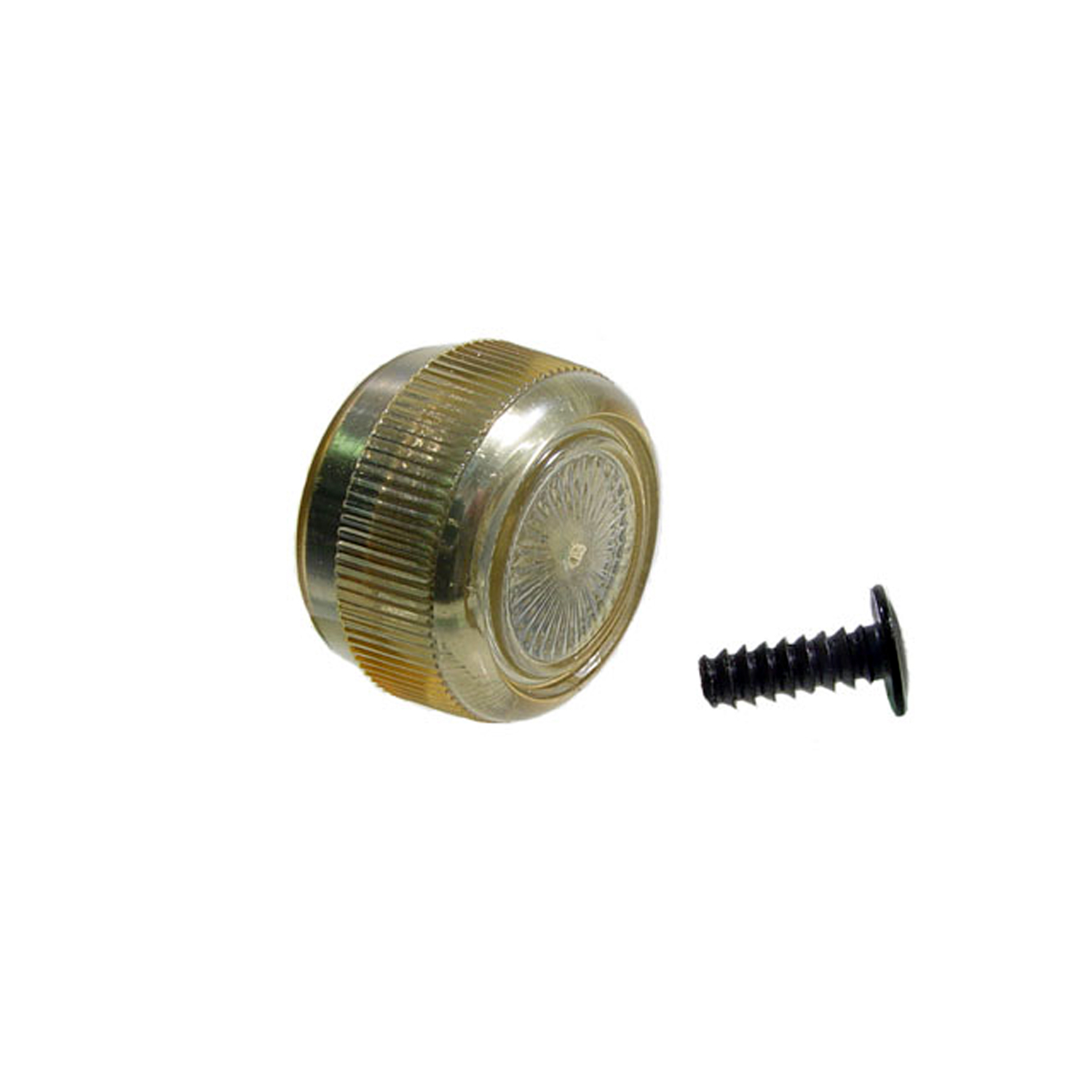 1974 Ford F-250 Window Crank Handle Knob and Attaching Parts. Clear. Each-RP 400-BWindow Crank Handle Knob and Attaching Parts. Clear. Each
 1974 Ford F-250 Windshield Seal, 67-79 Ford Full Size Truck, 78-79 Bronco, Without Trim Groove-VWS 3304-CThis windshield seal goes first on the glass and is installed using the rope-in method. This product is made from the original specs and with high quality ozone resistant EPDM rubber for a great fit and long life. This item is designed to be installed during glass replacement.
 1974 Ford F-250 Windshield seal, '73-'76 Ford F Series Truck-VWS 3304-EWindshield seal, '73-'76 Ford F Series Truck with groove to accept trim, each.
 1974 Ford F-250 Rear window seal, '73-'79 Ford F Series Truck without trim groove-VWS 3304-RRear window seal, '73-'79 Ford F Series Truck without trim groove, each. Replaces OEM part # D3TZ-1042084-A.
Why Choose Metro?
For over 100 years, Metro Moulded Parts has been the pinnacle of quality in classic car restoration parts. Our commitment to precision and authenticity in every component ensures a perfect fit and an OEM-level appearance.
- Expert Craftsmanship & Quality: Each part is a testament to our dedication to reliability and perfection, crafted from original designs and thoroughly tested.
- Advanced Technology: We use cutting-edge techniques to create flawless, long-lasting parts that surpass others in performance.
- SuperSoft Sponge – The Ultimate Door Seal: Not only are our door seals 30% softer than competitors', but they're also guaranteed to never leak. They effectively reduce wind and road noise, enhancing your classic car's comfort and driving experience.
- Proudly American: Our parts are a product of American craftsmanship, made in the USA with a spirit of excellence and heritage.
- Unrivaled Warranty: We back our products with a 30-year industry-leading warranty, a testament to our confidence in their quality.
Join us in preserving the legacy of classic cars with parts that are crafted for perfection, not just made.