

Image of 1974 Ford F-350, Note: These illustrations use artistic license and may differ from actual historical models.
Performance Metrics
Fundamental Metrics
Emotional Appeal
MMP Rating
| Engine Specifications | |
|---|---|
| Engine Options: | 360 CID V8, 390 CID V8 |
| Displacement Range: | 360 - 390 cubic inches |
| Horsepower Range: | 150 - 170 hp |
| Torque: | 280 - 315 lb-ft |
| Compression Ratio: | 8.5:1 - 8.9:1 |
| Ignition System: | Conventional breaker-point ignition system |
| Cooling System: | Liquid-cooled |
| Performance Specifications | |
| 0-60 Time: | Estimated 12 - 14 seconds |
| 1/4 Mile Time: | Estimated 18 - 20 seconds |
| Top Speed: | 85 - 95 mph |
| Transmission and Drive | |
| Drive Type: | Rear-wheel drive |
| Transmission Type: | 3-speed automatic, 4-speed manual |
| Fuel and Efficiency | |
| Fuel System Type: | Carburetor |
| MPG: | 10 - 12 mpg |
| Dimensions and Brakes | |
| Brakes: | Front disc and rear drum brakes |
| Wheelbase: | 140 inches |
| Weight: | 4,500 - 5,000 lbs |
Note: Specifications for classic cars are given to the best of our ability, considering the limited and variant data available.
1974 Ford F-350: The One-Ton Workhorse
The 1974 Ford F-350 was built for jobs that demanded more than a pickup could casually promise: hauling heavy loads, carrying equipment, and serving as the foundation for everything from a farm truck to a fire-service rig. Part of Ford’s sixth-generation F-Series, it combined a rugged one-ton chassis with the straightforward, repairable engineering that helped make Ford trucks familiar sights on worksites and rural roads across America.
Ford introduced this generation for the 1973 model year, with a redesigned cab and the distinctive squared-off styling enthusiasts later nicknamed “Dentside.” The 1974 model arrived during the energy crisis, when fuel prices and availability had become serious concerns. That made the F-350’s thirst a practical drawback, but it did little to diminish the appeal of a truck valued for its capacity and durability. One intriguing detail: an F-350 was not just a pickup configuration. Ford also sold it as a chassis cab, ready for a customer or upfitter to add a flatbed, utility body, dump body, or other specialized equipment.
Dentside Design and Work-Ready Options
The 1974 F-350 has a broad, upright face, a tall hood, and crisp body lines that emphasize its size and purpose. Its grille and front-end details vary with trim and equipment, but the overall look is unmistakably practical: large glass, a substantial bumper, and bodywork designed to be used rather than pampered. Ford’s sixth-generation trucks gained their “Dentside” nickname from the recessed character line running along the body sides, a feature that gives the truck a little visual definition without softening its square-shouldered stance.
Buyers could choose a Styleside pickup bed or a Flareside bed, as well as chassis-cab and other commercial configurations. Available cab and equipment combinations varied by configuration and order. The conventional Styleside pickup is the version most people picture today, while chassis-cab trucks are especially recognizable in period work fleets. Four-wheel drive was available, but a two-wheel-drive F-350 was also a common choice for hauling and commercial service.
Inside, the F-350 favored function over decoration. The cabin used durable vinyl and painted metal, with a broad dashboard, straightforward controls, and a large steering wheel. Bench seating was typical, and trim and upholstery varied with the order. The materials were sturdy and easy to clean, though hardly luxurious by modern standards. Features such as power steering, power brakes, air conditioning, and upgraded trim could make a truck more comfortable, but equipment depended on how it was ordered.
Paint choices included the earthy tones, whites, reds, blues, and other solid colors common to Ford’s 1970s palette. Exact names and availability varied by model and production period. White was a practical fleet and work-truck favorite, while brighter red, blue, and two-tone combinations tend to draw more attention at shows today. Original paint codes and trim details are worth checking when assessing a truck’s authenticity.
Engines, Gearboxes, and Period Technology
Engine availability depended on the truck’s configuration and rating. The F-Series range included inline-six and V8 choices, with engines such as the 300-cubic-inch six and several V8s offered across the lineup. Larger-displacement V8 options were available in the broader range, but the exact engine selection for an individual F-350 should be verified using its identification and original equipment information. Three- and four-speed manual transmissions and an automatic were among the transmission choices offered in the period.
By modern standards, the technology was simple. That simplicity was part of the appeal: the truck had conventional, serviceable mechanical systems rather than layers of electronic controls. Two-wheel-drive models used Ford’s Twin I-Beam front suspension, a distinctive design that allowed each front wheel to move independently while retaining a robust truck layout. Four-wheel-drive versions used a different front suspension arrangement suited to their driven front axle.
Why the 1974 F-350 Still Matters
The F-350’s historical importance is less about introducing a single headline-grabbing invention and more about demonstrating how a mass-produced pickup could serve a huge range of needs. Ford’s F-Series platform supported personal trucks, farm vehicles, business fleets, and specialized commercial bodies. That flexibility helped establish the pickup as more than a basic cargo carrier. It could be a platform purchased to do a particular job, then maintained and adapted over many years.
The sixth-generation design also helped define the familiar American pickup silhouette: a separate cab and bed, upright proportions, a substantial grille, and a clear distinction between work-truck and comfort-oriented equipment. The F-350 sat above lighter-duty F-Series models, giving buyers greater payload and chassis capability. Its lasting influence is visible in the modern pickup market, where buyers still choose among multiple cab, bed, drivetrain, and duty-level combinations.
In 1974, that capability came with a tradeoff. The oil crisis made fuel consumption a more pressing concern, and a heavy one-ton truck was never going to be economical compared with a passenger car. For customers who genuinely needed its capacity, though, the F-350’s usefulness often mattered more than its fuel bills.
Performance and Road Manners
There is no single performance figure for a 1974 F-350. Engine, axle ratio, transmission, tires, body style, load, and mechanical condition all affect how quickly it accelerates and how fast it can safely cruise. As a broad period-truck estimate, an unloaded example might take roughly 15 to 25 seconds to reach 60 mph. A loaded truck, a lower-powered engine, or an unfavorable axle ratio could take longer. A healthy example may be capable of highway speeds in the region of 70 to 85 mph, but these are estimates, not factory performance claims. Tires, brakes, steering condition, and intended use should guide safe speeds today.
On the road, the F-350 feels substantial. Its large steering wheel and truck-oriented suspension communicate every input in a direct, mechanical way. An unloaded truck can bounce over broken pavement, while a load often settles the suspension and makes the ride feel more composed. On winding roads, the long, heavy chassis and work-focused tires reward a measured driving style rather than quick turn-in. Crosswinds can also be noticeable, especially with a tall body or an empty bed.
The driving experience is a big part of the truck’s charm. Six-cylinder models have a steady, purposeful working sound, while the V8s deliver the deeper exhaust note many enthusiasts associate with classic American pickups. There is no modern quiet-cabin isolation: the driver hears the engine, feels the road, and operates large, uncomplicated controls. That character is engaging on a short cruise, though less relaxing on a long modern freeway trip.
Living With a Classic F-350
Today, the 1974 F-350 is used as a show truck, a hobby vehicle, a farm or property truck, and sometimes a working hauler. Its sturdy construction and straightforward layout make many repairs accessible to an owner with basic mechanical skills and suitable tools. Parts support for the sixth-generation F-Series is generally good, although some F-350-specific chassis, trim, and commercial-body components can take more effort to locate than common F-100 parts.
Condition matters more than reputation. Before buying, inspect the frame, cab mounts, floors, bed, and body seams for rust or poorly repaired damage. Check steering and suspension wear, brake function, cooling-system condition, and evidence of overloading. Confirm the engine and transmission rather than relying on a badge or seller description. A truck that spent decades working hard may have hidden fatigue even if its exterior looks presentable.
Reliability can be excellent when the truck is maintained, but age introduces its own checklist: old wiring, fuel-system deterioration, worn rubber components, leaks, and cooling problems. An F-350 that is expected to haul should also be examined carefully for the condition and suitability of its tires, brakes, axle, and suspension. A classic truck’s original capability does not automatically make decades-old parts safe for modern traffic or heavy loads.
F-350 Facts and Common Criticisms
The F-350’s most unusual “option” was often what happened after it left the factory. As a chassis cab, it could be fitted with a service body, flatbed, camper setup, emergency-service body, or other specialized equipment. That means two 1974 F-350s can look radically different while sharing the same basic model designation.
There is no widely recognized production record or single celebrity-owned 1974 F-350 that defines the model’s story. Ford’s published production information is generally more useful at the broader F-Series level than as a clean count of every F-350 body and configuration. A reasonable but speculative estimate is that 1974 F-350 production was in the tens of thousands, perhaps around 25,000 to 50,000 trucks. That range is only a ballpark, not a verified factory total, and the number of surviving examples is smaller still.
The common criticisms are familiar: fuel economy is poor, ride quality can be choppy when unloaded, and the truck’s size and steering feel are dated beside a modern pickup. Some owners also find that restoring a work-worn example costs more than expected, especially when rust, commercial-body modifications, or missing F-350-specific parts are involved. In return, the truck offers a direct, sturdy character that many newer vehicles cannot replicate.
Collector Value and Market Outlook
Values vary widely with rust, originality, drivetrain, cab and bed configuration, restoration quality, and whether the truck is a standard pickup or a specialized chassis-cab example. As a broad U.S. market estimate for 2026, a project truck might sell for about $3,000 to $10,000. A usable driver could fall around $10,000 to $25,000, while a clean, well-presented example may bring roughly $25,000 to $45,000. Exceptional restorations, rare configurations, or trucks with high-quality period equipment can exceed that range. These are general estimates, not guaranteed asking or sale prices.
The F-350 is less commonly chased than the lighter F-100, but that can make an honest, original one-ton truck appealing to buyers who want something distinctive and useful. Clean examples are not always easy to find, particularly with sound frames and desirable original details. Over the long term, well-preserved trucks have benefited from growing interest in vintage pickups. Prices still depend heavily on condition, and a rough truck does not become valuable simply because it is old. The market is best described as selective, with strong examples holding or gaining appeal while projects remain sensitive to restoration costs.
A One-Ton Classic With Real Purpose
The 1974 Ford F-350 represents a period when a pickup’s identity was built around what it could do. Its squared-off Dentside styling, adaptable chassis, straightforward mechanicals, and range of work-ready configurations made it a dependable tool for owners who needed serious capacity. It is not fast, quiet, or economical by modern standards, but it remains compelling as a hands-on classic with a clear purpose.
For collectors, restorers, and truck enthusiasts, the F-350’s appeal is its combination of honest design and genuine capability. It is a reminder that a great classic does not have to be delicate or glamorous. Sometimes significance arrives with a solid frame, a V8 rumble, and a job waiting in the bed.
1974 Ford F-350 Catalog of Parts
 1974 Ford F-350 Shock Absorber Grommet. 1" bottom O.D-BN 11Shock Absorber Grommet. 1" bottom O.D., 3/4" high, with 5/8" I.D. Each
 1974 Ford F-350 Door seal. '73-'79 Ford F-Series trucks. '78-'79 Ford Bronco-LM 110-ADoor seal. '73-'79 Ford F-Series trucks. '78-'79 Ford Bronco. Fits on cab, either side. Each.
 1974 Ford F-350 Upper Door Seal, 73-79 Ford Full Size Truck, 78-79 Ford Bronco, On Door, Pair-LM 110-AUThis auxiliary seal fits on the top portion of the door. It is primarily designed to reduce wind and road noise. It also provides added weatherseal protection and further cushions the door when it is shut closed. This part was stock on the 1978-1979 models but you can use them on any of the '73-'79 models specified.
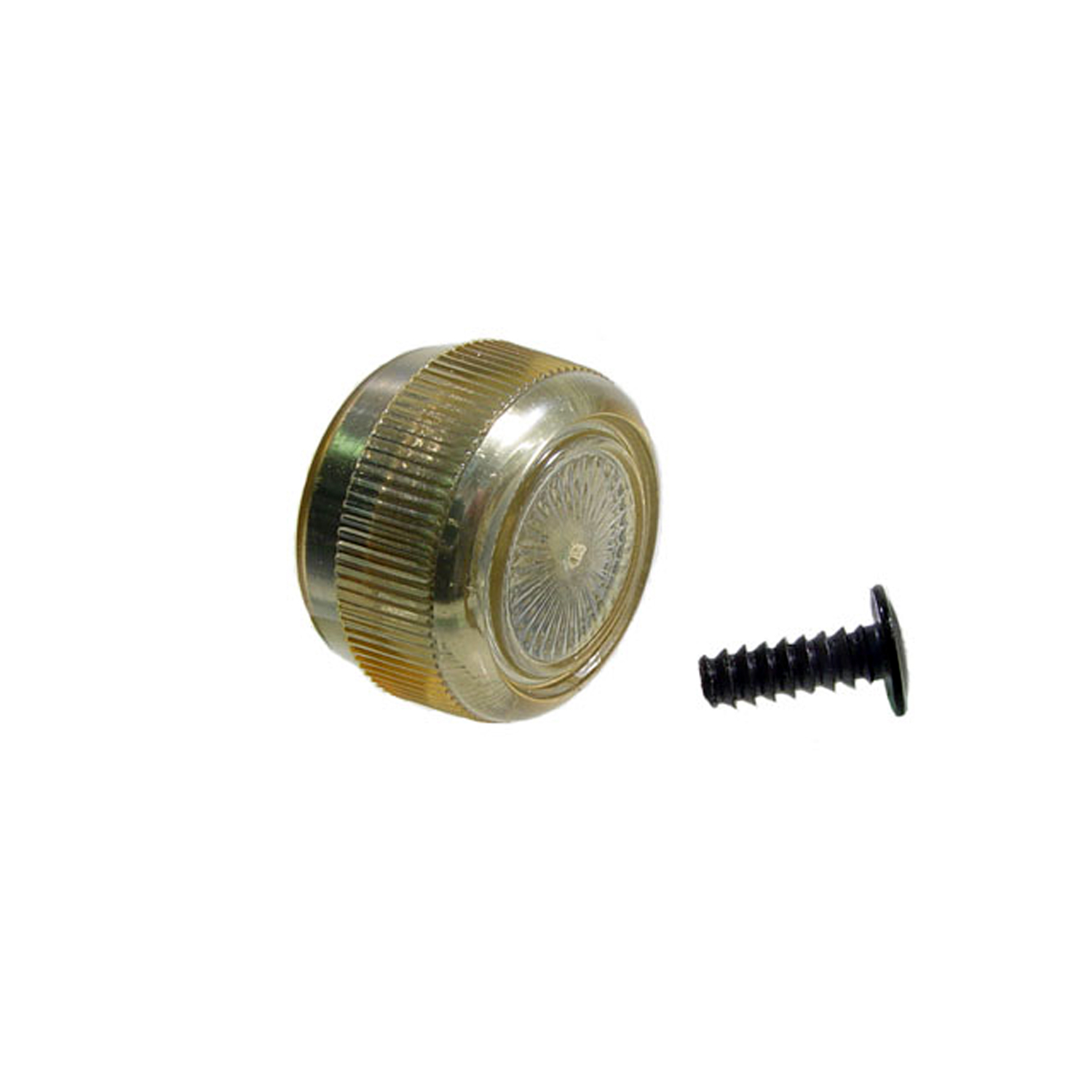 1974 Ford F-350 Window Crank Handle Knob and Attaching Parts. Clear. Each-RP 400-BWindow Crank Handle Knob and Attaching Parts. Clear. Each
 1974 Ford F-350 Windshield Seal, 67-79 Ford Full Size Truck, 78-79 Bronco, Without Trim Groove-VWS 3304-CThis windshield seal goes first on the glass and is installed using the rope-in method. This product is made from the original specs and with high quality ozone resistant EPDM rubber for a great fit and long life. This item is designed to be installed during glass replacement.
 1974 Ford F-350 Windshield seal, '73-'76 Ford F Series Truck-VWS 3304-EWindshield seal, '73-'76 Ford F Series Truck with groove to accept trim, each.
 1974 Ford F-350 Rear window seal, '73-'79 Ford F Series Truck without trim groove-VWS 3304-RRear window seal, '73-'79 Ford F Series Truck without trim groove, each. Replaces OEM part # D3TZ-1042084-A.
Why Choose Metro?
For over 100 years, Metro Moulded Parts has been the pinnacle of quality in classic car restoration parts. Our commitment to precision and authenticity in every component ensures a perfect fit and an OEM-level appearance.
- Expert Craftsmanship & Quality: Each part is a testament to our dedication to reliability and perfection, crafted from original designs and thoroughly tested.
- Advanced Technology: We use cutting-edge techniques to create flawless, long-lasting parts that surpass others in performance.
- SuperSoft Sponge – The Ultimate Door Seal: Not only are our door seals 30% softer than competitors', but they're also guaranteed to never leak. They effectively reduce wind and road noise, enhancing your classic car's comfort and driving experience.
- Proudly American: Our parts are a product of American craftsmanship, made in the USA with a spirit of excellence and heritage.
- Unrivaled Warranty: We back our products with a 30-year industry-leading warranty, a testament to our confidence in their quality.
Join us in preserving the legacy of classic cars with parts that are crafted for perfection, not just made.