

Image of 1974 Ford Galaxie 500, Note: These illustrations use artistic license and may differ from actual historical models.
Performance Metrics
Fundamental Metrics
Emotional Appeal
MMP Rating
| Engine Specifications | |
|---|---|
| Engine: | 351 cu in (5.8 L) Windsor V8, 400 cu in (6.6 L) Cleveland V8, 429 cu in (7.0 L) 385 V8 |
| Displacement: | 351-429 cu in |
| Horsepower: | 150-220 hp |
| Torque: | 300-320 lb-ft |
| Compression Ratio: | 8.0:1 - 8.5:1 |
| Ignition System: | Conventional breaker-point ignition system |
| Cooling System: | Liquid-cooled |
| Performance Specifications | |
| 0-60 Time: | 10-12 seconds |
| 1/4 Mile Time: | 17-19 seconds |
| Top Speed: | 115-120 mph |
| Transmission and Drive | |
| Drive Type: | Rear-wheel drive |
| Transmission Type: | 3-speed automatic |
| Fuel and Efficiency | |
| Fuel System Type: | Carburetor |
| MPG: | 10-12 mpg |
| Dimensions and Brakes | |
| Brakes: | Front disc, rear drum |
| Wheelbase: | 121.0 in |
| Weight: | 4,000-4,500 lbs |
Note: Specifications for classic cars are given to the best of our ability, considering the limited and variant data available.
1974 Ford Galaxie 500: A Full-Size Ford at the End of an Era
The 1974 Ford Galaxie 500 made a grand entrance even when parked: long hood, broad shoulders, and enough bench-seat real estate to make a compact car feel like a different species. Built by Ford Motor Company, it belonged to a proud line of full-size American cars that began in the late 1950s. By 1974, the Galaxie 500 was a comfortable, substantial family car in a rapidly changing automotive world, and its final model year gave it an extra measure of historical significance.
Rising fuel prices, new emissions requirements, and evolving federal safety rules were reshaping American cars. The Galaxie 500 still delivered the traditional full-size Ford experience, but it did so in a period when buyers were beginning to look closely at fuel economy and vehicle size. One memorable detail from 1974 was the federally mandated seat-belt interlock system, which could prevent a car from starting until occupants fastened their belts. The unpopular requirement was soon repealed, making the feature a distinctive footnote in the model year’s history.
1974 Galaxie 500 Styling and Body Styles
The Galaxie 500 wore the formal, substantial styling expected of a big Ford. Its long, nearly level hood flowed into a wide grille and squared-off front end. Straight body lines emphasized the car’s length, while generous glass and a broad roof gave the passenger cabin an airy look. The 1974 model also carried the larger, energy-absorbing bumpers required by new federal regulations. They added bulk to the ends of the car, but were part of a major industry-wide move toward low-speed impact protection.
Galaxie 500 passenger-car offerings centered on the two-door hardtop and four-door sedan, with availability and equipment varying by configuration. The hardtop had a more open, coupe-like profile and was often the more eye-catching choice. The sedan offered easier access to the rear seat and suited family or fleet use. Ford’s full-size range also included wagons under separate names, such as Country Sedan and Country Squire, rather than treating every wagon as a Galaxie 500.
Paint choices varied by factory order and region, but period Ford colors included understated whites, creams, blues, greens, browns, and metallic shades. White, dark blue, and muted earth tones look especially natural on the car’s broad panels. Two-tone treatments and contrasting vinyl roofs could add a more formal appearance, depending on the trim and options ordered.
Cabin Comfort and 1970s Technology
Inside, the Galaxie 500 put comfort ahead of sportiness. Wide seats, a spacious rear bench, and a simple, horizontal dashboard made it an easy car in which to spend a long day on the road. Depending on trim and equipment, upholstery could be cloth, vinyl, or a combination of the two. The materials were durable and practical by design, with bright trim and soft-touch details adding a little polish. Today, original upholstery, door panels, and dashboard pieces can be harder to find in good condition than the car’s mechanical parts.
Technology was modest by modern standards, but the Galaxie could be ordered with useful conveniences such as power steering, power brakes, air conditioning, an automatic transmission, and an AM radio. Front disc brakes were part of the full-size Ford’s safety-minded equipment, while comfort and convenience options helped buyers tailor the car to their needs. The result was not a gadget-filled luxury machine, but a straightforward cruiser designed to make everyday driving less tiring.
Why the Last-Year Galaxie Matters
The 1974 Galaxie 500 stands at the end of a long-running nameplate. Ford dropped the Galaxie name from its full-size passenger-car lineup after this model year, as the LTD and other models took over the spotlight. That makes a 1974 Galaxie 500 a useful snapshot of the traditional American full-size car just before the market shifted more decisively toward smaller, more fuel-conscious vehicles.
It was not a technology pioneer in the way a groundbreaking sports car might be. Its importance lies in how clearly it represents the priorities of its time: a roomy cabin, soft ride, available V8 power, and a choice of trim and convenience features. Compared with many contemporaries, the Galaxie 500 offered a less expensive route into full-size Ford comfort, sitting below the more upscale LTD. Its influence is less about a single invention and more about the decades-long appeal of the American family sedan: space, ease of use, and relaxed long-distance travel.
V8 Performance and Road Manners
Engine availability depended on configuration, but the 351-cubic-inch V8 was a common starting point, with larger options including a 400 and, in some versions, a 460-cubic-inch V8. Most cars paired their engine with an automatic transmission. Exact output and performance varied with engine, axle ratio, emissions equipment, and condition, so surviving cars can feel quite different from one another.
For a general sense of performance, a healthy 351-powered Galaxie 500 is best thought of as a roughly 13-to-15-second 0-to-60-mph car. A well-maintained example with the large 460 could be quicker, often in the neighborhood of 10 to 12 seconds. Depending on engine and gearing, a period-correct car could reach roughly 100 to 110 mph, though these estimates are not a recommendation to test an almost 50-year-old car at top speed. Tire condition, brakes, suspension, and mechanical health matter more than the number on the speedometer.
On the road, the Galaxie’s long wheelbase and soft suspension are its calling cards. It glides over broken pavement and expansion joints, with a gentle body float that feels distinctly different from a modern sedan’s firm, controlled ride. On winding roads, the car’s size and weight become obvious: steering is relaxed rather than sharp, and quick direction changes call for planning ahead. Crosswinds can also move the broad body around more than they would a smaller car.
With a V8 under the hood, the driving experience comes with a low, unhurried rumble and the easy pull of a large-displacement engine. The automatic transmission encourages smooth acceleration instead of aggressive gear changes. From the driver’s seat, the broad hood and generous cabin make the car feel commanding, while power steering keeps parking and slow-speed maneuvering manageable. It is a cruiser, not a corner-carver, and it is most enjoyable when driven accordingly.
Living With a 1974 Galaxie 500
Today, owners commonly use Galaxie 500s as weekend cruisers, parade cars, local show entries, or nostalgic family projects. Some are maintained as occasional drivers, but fuel consumption, large-car parking needs, and age-related repairs make one less convenient as a modern daily commuter. There is no notable factory racing identity attached to the model; its natural territory is the highway, the neighborhood cruise, and the classic-car gathering.
Routine repairs are generally approachable for an owner with basic mechanical skills. The V8 layout is familiar, many service parts remain available, and the car’s relatively simple mechanical systems are easier to understand than those of a modern vehicle. However, age changes the equation. Check carefully for rust in the floors, frame and body mounts, lower doors, trunk, and wheel openings. Inspect the cooling system, steering and suspension components, brake lines, wiring, and automatic transmission before buying. A car that has sat for years may need much more than a tune-up, even if its engine starts.
Fuel economy is one of the model’s common criticisms. A large V8 in a heavy, full-size car is thirsty by modern standards, especially in town. Its size can also make tight parking lots awkward, and the soft suspension will not appeal to drivers who want crisp handling. In exchange, owners get space, a comfortable ride, and a distinctly 1970s driving character that is increasingly rare.
Galaxie 500 Trivia and Notable Details
The seat-belt interlock is one of the most unusual details associated with 1974 cars. Federal rules required the system for that model year, but it proved unpopular and was repealed shortly afterward. Because of later repairs or modifications, not every surviving Galaxie will still have a functioning interlock, so the system’s presence can vary from car to car.
The 1974 Galaxie 500 is not known for a major speed record or a single famous competition victory. Its claim to distinction is more everyday and arguably more revealing: it was part of the last generation of full-size Fords sold under the Galaxie name. Individual cars may have appeared in period television, films, or local public service fleets, but the model is not defined by one celebrated screen role or celebrity owner. Its broad, formal shape simply made it a natural background car in 1970s America.
1974 Ford Galaxie 500 Values and Rarity
The Galaxie 500 is generally more affordable than a highly sought-after muscle car or luxury classic. As a broad 2026 market estimate in the United States, a project or rough driver might sell for about $2,500 to $6,000. A usable, presentable car commonly falls around $7,000 to $15,000, while a very clean, well-preserved or properly restored example could bring roughly $16,000 to $25,000 or more. Exceptional cars, especially those with documented history, desirable equipment, or unusually strong originality, may exceed that range. Actual prices depend heavily on rust, condition, engine, location, and the quality of the restoration.
There is no single easy-to-verify production total for every 1974 Galaxie 500 body and equipment combination. As a cautious estimate, production likely reached the low hundreds of thousands across the model’s configurations, but that figure should be treated as a ballpark rather than a verified factory total. The car is not scarce in the same way as a limited-production performance model, although finding an unmodified example with solid bodywork and intact interior trim can take patience.
Values have generally been steady rather than explosive. The Galaxie 500 benefits from growing interest in 1970s American cars, but its size, fuel use, and relatively modest performance keep demand below that for muscle-era nameplates. Well-kept examples may gradually appreciate, while average cars are more likely to hold value than deliver a quick investment return. Buying the best body and interior you can afford is often smarter than choosing a cheap project with extensive rust.
The Final Word on the 1974 Galaxie 500
The 1974 Ford Galaxie 500 combines classic full-size proportions, V8 availability, a roomy cabin, and an unmistakably soft ride. It arrived as fuel costs and safety regulations were changing the American car, and it left as the final Galaxie-badged Ford passenger car. Today, it is an approachable classic for someone who values comfort and period character over speed or economy. More than just a big old Ford, the Galaxie 500 is a rolling reminder of the moment when the American road was still built around the full-size family car.
1974 Ford Galaxie 500 Catalog of Parts
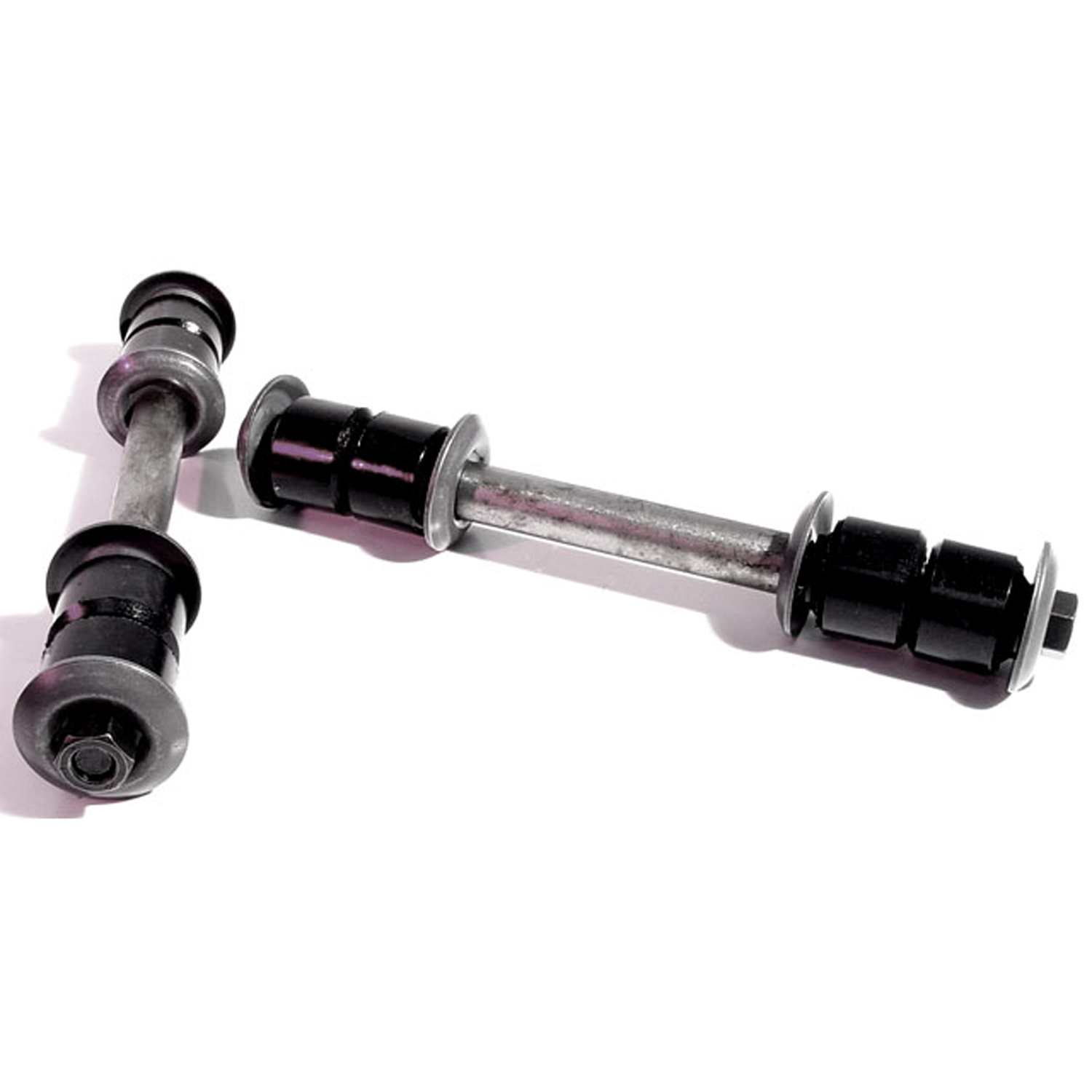 1974 Ford Galaxie 500 Front Stabilizer End Repair Kit-BNK 21Front Stabilizer End Repair Kit. 22-piece set for two stabilizer bars. Contains all rubber bushings, washers, bolts and nuts, enough for one front end. Set
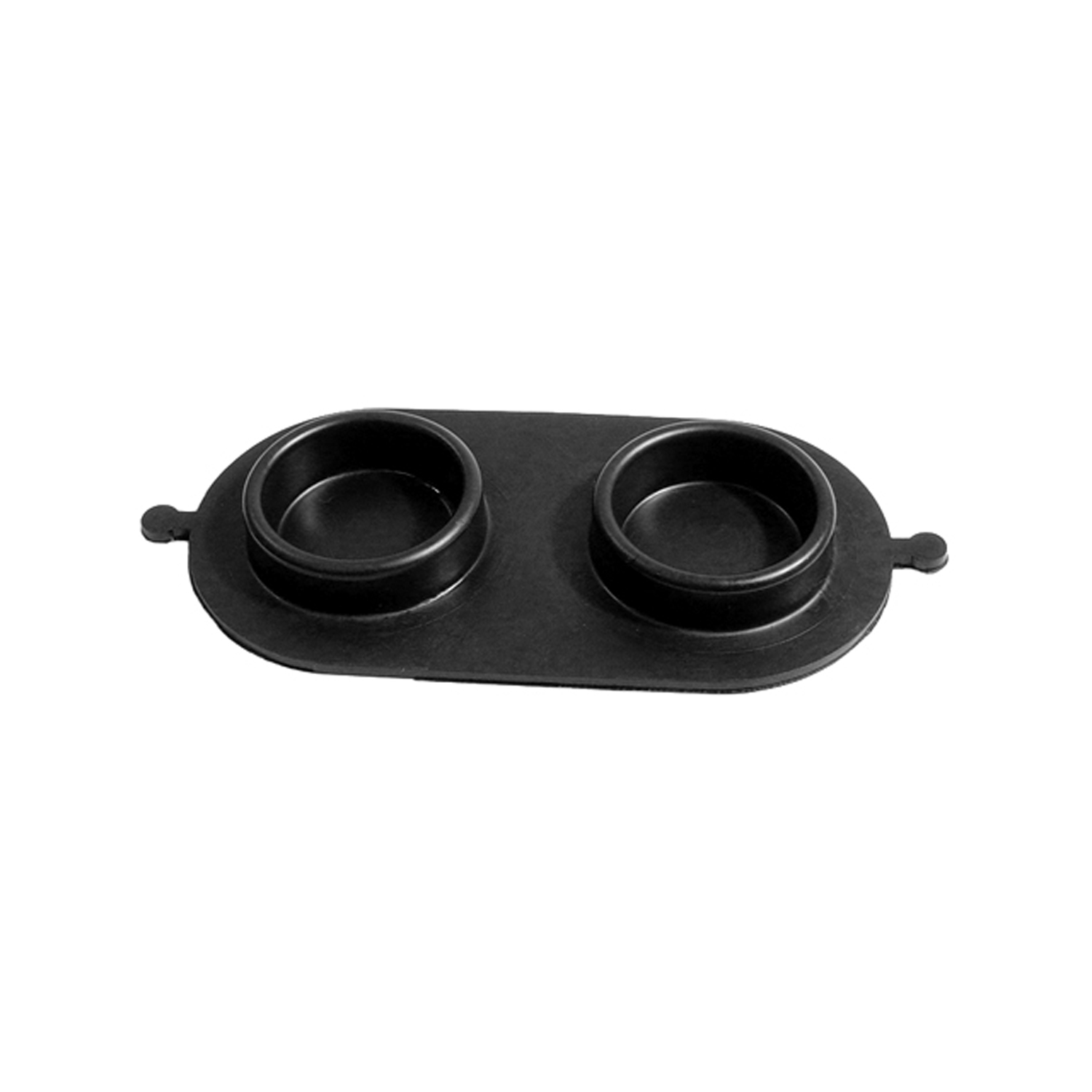 1974 Ford Galaxie 500 Brake Master Cylinder Cover Seal. Replaces OEM #C7AZ2167-A-RP 2-BBrake Master Cylinder Cover Seal. Replaces OEM #C7AZ2167-A. Each
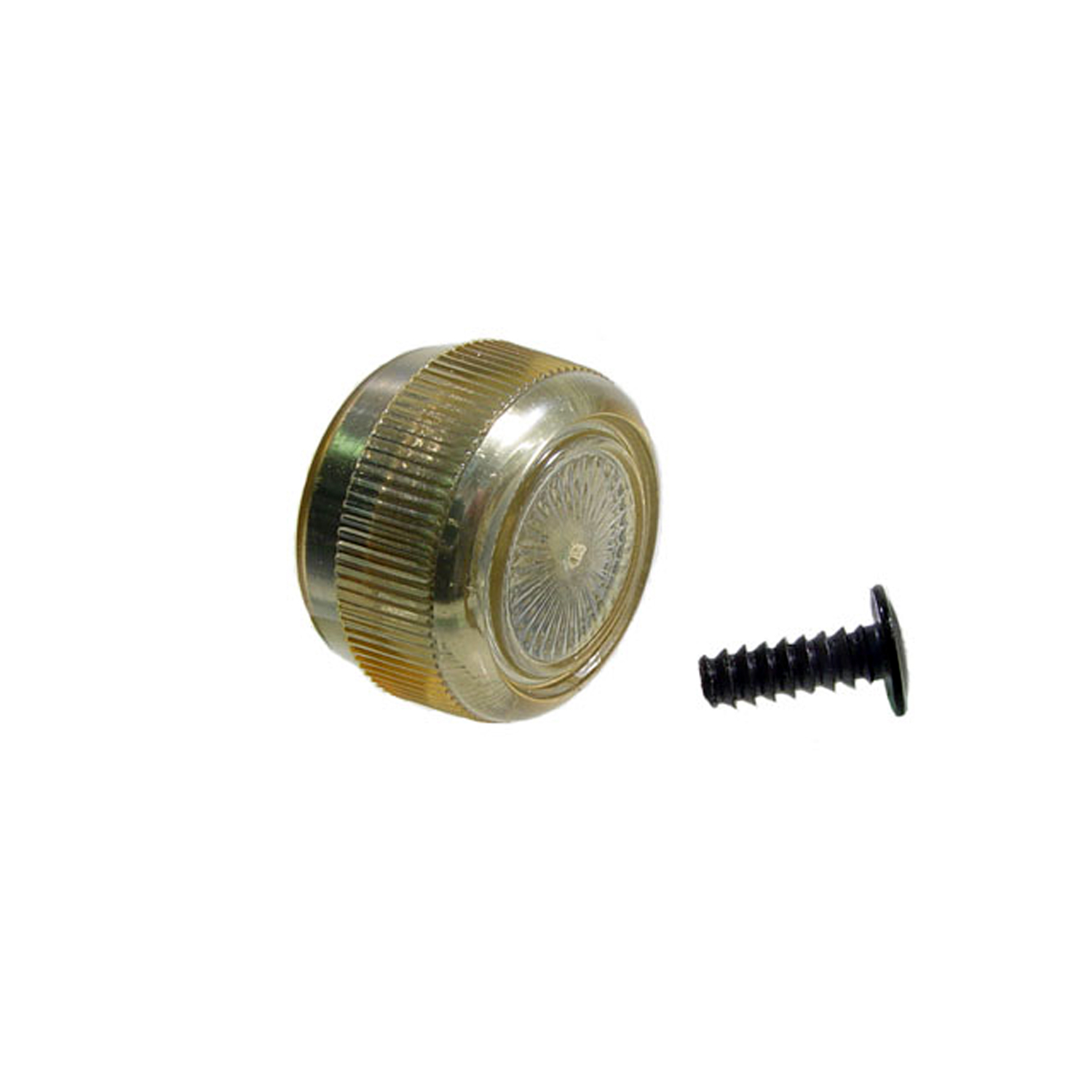 1974 Ford Galaxie 500 Window Crank Handle Knob and Attaching Parts. Clear. Each-RP 400-BWindow Crank Handle Knob and Attaching Parts. Clear. Each
 1974 Ford Galaxie 500 Rear Windshield Reveal Molding Clip. Made of steel. Each-WF 228Rear Windshield Reveal Molding Clip. Made of steel. Each
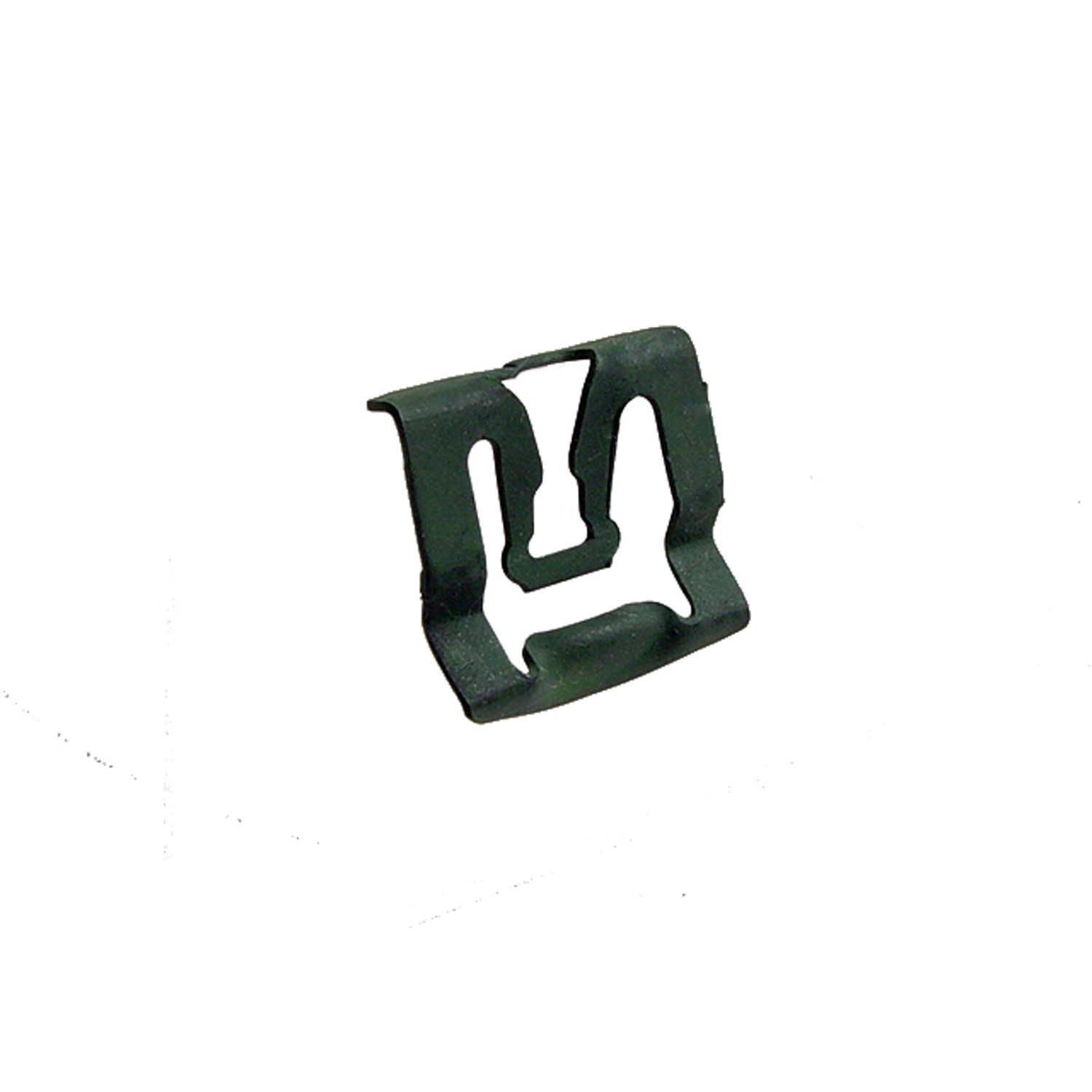 1974 Ford Galaxie 500 Windshield Reveal Molding Clip. Made of steel. Each-WF 228-AWindshield Reveal Molding Clip. Made of steel. Each
Why Choose Metro?
For over 100 years, Metro Moulded Parts has been the pinnacle of quality in classic car restoration parts. Our commitment to precision and authenticity in every component ensures a perfect fit and an OEM-level appearance.
- Expert Craftsmanship & Quality: Each part is a testament to our dedication to reliability and perfection, crafted from original designs and thoroughly tested.
- Advanced Technology: We use cutting-edge techniques to create flawless, long-lasting parts that surpass others in performance.
- SuperSoft Sponge – The Ultimate Door Seal: Not only are our door seals 30% softer than competitors', but they're also guaranteed to never leak. They effectively reduce wind and road noise, enhancing your classic car's comfort and driving experience.
- Proudly American: Our parts are a product of American craftsmanship, made in the USA with a spirit of excellence and heritage.
- Unrivaled Warranty: We back our products with a 30-year industry-leading warranty, a testament to our confidence in their quality.
Join us in preserving the legacy of classic cars with parts that are crafted for perfection, not just made.