

Image of 1974 Ford Gran Torino, Note: These illustrations use artistic license and may differ from actual historical models.
Performance Metrics
Fundamental Metrics
Emotional Appeal
MMP Rating
| Engine Specifications | |
|---|---|
| Engine: | 302 CID 2V V8, 351 CID 2V V8, 400 CID 2V V8, 460 CID 4V V8 |
| Displacement: | 302 - 460 CID |
| Horsepower: | 140 - 220 HP |
| Torque: | 240 - 355 lb-ft |
| Compression Ratio: | 8.0:1 - 8.5:1 |
| Ignition System: | Conventional breaker-point ignition system |
| Cooling System: | Liquid-cooled |
| Performance Specifications | |
| 0-60 Time: | 10 - 12 seconds |
| 1/4 Mile Time: | 17 - 19 seconds |
| Top Speed: | 115 - 120 mph |
| Transmission and Drive | |
| Drive Type: | Rear-wheel drive |
| Transmission Type: | 3-speed automatic, 4-speed manual |
| Fuel and Efficiency | |
| Fuel System Type: | Carburetor |
| MPG: | 10 - 14 MPG |
| Dimensions and Brakes | |
| Brakes: | Front disc and rear drum brakes |
| Wheelbase: | 114 inches |
| Weight: | 3,500 - 3,900 lbs |
Note: Specifications for classic cars are given to the best of our ability, considering the limited and variant data available.
1974 Ford Gran Torino: A Big-Body Ford at a Turning Point
The 1974 Ford Gran Torino brought broad shoulders, a long hood, and classic V8 presence to a year when American drivers were beginning to rethink what a car should be. Built by Ford Motor Company as part of its mid-size Torino range, it blended family-car practicality with the scale and style of a traditional American cruiser.
The Gran Torino name had appeared earlier in the Torino line, but the 1974 model arrived amid a dramatic shift in the auto industry. The oil crisis, rising insurance costs, stricter emissions rules, and new federal safety requirements were changing the priorities of both manufacturers and buyers. Ford’s answer was not a small car. The Gran Torino remained a substantial, comfortable machine, updated with federally mandated 5-mph bumpers and a range of engines to suit different budgets.
One detail that makes the 1974 model especially interesting is its place in a brief but memorable generation of Torinos. The 1972 redesign had given the line its distinctive long-hood, short-deck proportions. By 1974, those proportions were paired with heavier bumpers and a more formal, imposing look. The Torino would be discontinued after 1976, making this car part of the nameplate’s final chapter.
Exterior Design and Torino Body Styles
The 1974 Gran Torino looks every bit the mid-1970s American car: wide, low, and visually substantial. Its long hood leads to a prominent grille and a front end shaped around the newer impact-resistant bumpers. The body sides are relatively clean, with sculpted contours that catch the light without relying on the elaborate chrome ornamentation of some earlier cruisers. At the rear, broad panels and large bumpers complete its planted appearance.
Ford offered Torino models in several body styles, including two-door hardtops, four-door sedans, and station wagons. Gran Torino trim could be found across the range, while the sportier Gran Torino Sport focused on two-door buyers. The exact combination of body style, trim, and equipment depended on the model series. The two-door Gran Torino and Gran Torino Sport are often the most visually appealing to collectors, while the wagon stands out as a roomy period family hauler.
Paint choices varied with trim and production details, but the palette included the era’s familiar mix of reds, blues, greens, whites, browns, and metallic shades. Bright red and blue cars have strong visual appeal today, while earth tones and metallic greens capture the distinctly 1970s character. Original paint and correct color codes can add interest when assessing a restored example.
Cabin Comfort and Period Equipment
Inside, the Gran Torino emphasized space and comfort rather than a tight, driver-focused cockpit. Buyers could find bench-seat interiors suited to family use, as well as optional bucket seats and a console on sport-oriented versions. Depending on trim and options, upholstery came in cloth, vinyl, or combinations of the two, with patterned fabrics and simulated woodgrain adding period flavor. The materials feel substantial by the standards of the time, although surviving examples often show wear in seat coverings, door panels, and dashboard surfaces.
Equipment could include power steering, power-assisted brakes, air conditioning, an AM or AM/FM radio, and an automatic transmission. Front disc brakes were available and commonly fitted, though equipment varied by car. The Gran Torino’s technology was conventional rather than groundbreaking: its appeal came from familiar, serviceable mechanicals and comfort-focused features, not electronics or advanced driver aids.
Why the 1974 Gran Torino Matters
The Gran Torino captures the tension at the heart of American car design in 1974. It was still a large, V8-powered car with a generous cabin and a relaxed highway character, but it had to meet tougher safety and emissions requirements during an energy crisis. The resulting car was a transitional design: traditional in its size and layout, yet shaped by new rules and changing consumer expectations.
Compared with smaller imports and emerging economy cars, the Gran Torino offered more room, a softer ride, and a broader range of powerful engines. Compared with earlier muscle cars, it was heavier and less focused on raw performance. That combination helped define its role. It was not simply a muscle car or a basic family sedan, but a versatile mid-size Ford that could be ordered as a comfortable commuter, a family wagon, or a V8-powered personal cruiser.
Its influence is less about introducing a revolutionary technology than representing a major era in American automotive design. The Torino’s wide body, formal styling, and V8 options became familiar sights on roads and television screens. The model also remains part of the broader cultural appeal of 1970s American cars: bold proportions, straightforward mechanicals, and a strong sense of presence.
V8 Performance and Road Manners
Engine choices varied by configuration and equipment. The range included a six-cylinder engine and several V8s, with 302-, 351-, 400-, and, in some configurations, 460-cubic-inch options appearing in the broader Torino lineup. Availability depended on body style and specification, so buyers should verify an individual car’s engine against its identification codes and documentation. In the post-1972 era, published horsepower figures also need context: manufacturers increasingly reported net horsepower, which was lower than the older gross ratings.
Performance depends heavily on the engine, transmission, axle ratio, vehicle condition, and test method. As a broad period-car estimate, a healthy V8 Gran Torino might reach 60 mph in roughly 9 to 12 seconds, with top speed commonly in the neighborhood of 105 to 120 mph. A six-cylinder car would be noticeably slower. These are approximate ranges, not guaranteed factory figures, and the car’s weight and gearing matter as much as its engine badge.
On the road, the Gran Torino favors composure over agility. Its long wheelbase and substantial mass help it settle into a smooth highway cruise, and the suspension takes ordinary bumps in a relaxed, old-school way. On a winding road, however, body roll and the car’s size are hard to ignore. It can handle a curving route competently when driven sensibly, but it does not feel like a modern sports sedan.
With a V8 under the hood, the driving experience is part of the attraction: a deep exhaust note, a broad sense of low-speed torque, and an automatic transmission that suits relaxed cruising. The steering is typically light with power assistance, while the seating position and wide hood give the driver a distinctly large-car view of the road. The Gran Torino feels most at home rolling steadily down an open highway.
Living With a 1974 Gran Torino
Today, owners use these cars as weekend cruisers, local show vehicles, restoration projects, and occasional daily drivers. A well-maintained example can handle regular use, but fuel economy is modest by modern standards, and a large classic Ford is not always easy to park or maneuver in tight spaces.
The mechanical layout is familiar to classic Ford specialists and home mechanics. Routine work on the engine, transmission, brakes, and suspension is generally approachable for an owner with basic tools and workshop experience. Parts for common mechanical components are available through classic-car suppliers and salvage networks. Original trim, body panels, interior pieces, and model-specific details can take more patience to locate, especially for cars with unusual options or a less common body style.
Before buying, inspect the frame and structural areas for rust, then check the floors, trunk, lower body, and suspension mounting points. Confirm that the engine and transmission match the seller’s description, and look closely at the bumpers, interior, and electrical accessories. A car that has been stored outdoors or repaired poorly can require much more work than its handsome paint suggests.
Trivia, Pop Culture, and Common Complaints
The Gran Torino name is closely associated with television and film, but it is easy to mix up model years. The famous red-and-white striped car from Starsky & Hutch was a 1975 Ford Gran Torino, not a 1974. The 1974 model belongs to the same generation and shares much of its basic character, but it is not the exact year of the best-known TV car.
Another frequent source of confusion is the 2008 film Gran Torino. The car featured in that movie is a 1972 Ford Gran Torino Sport, not a 1974. Both appearances helped keep the Torino name recognizable to audiences well beyond the car’s original production years.
The main criticisms are familiar: fuel consumption is high, the car is bulky by modern standards, and handling is more comfort-oriented than sporty. Emissions-era engines can also feel less powerful than their displacement suggests. Those drawbacks are part of the car’s historical context, but they are worth considering if you are shopping for a car to drive frequently.
Collector Value and Availability
Ford built roughly 426,000 Torino-series cars for the 1974 model year, a figure that covers the broader Torino family rather than Gran Torino trim alone. Exact production totals for every trim and body-style combination are harder to establish, so the total number of 1974 Gran Torinos should not be inferred directly from the overall Torino figure. The model is not exceptionally rare, but clean, original examples and well-documented cars are less common than rough project cars.
As a broad U.S. market estimate, a running driver-quality Gran Torino may sell for about $5,000 to $12,000, depending on condition and specification. A solid, well-restored car can fall in the $15,000 to $30,000 range. Exceptional restorations, desirable V8 configurations, rare equipment, and particularly attractive Gran Torino Sport examples may reach $30,000 to $50,000 or more. These are general estimates, not a formal appraisal, and local demand can move prices considerably.
Values have generally strengthened for clean classic American cars, but the 1974 Gran Torino remains a more accessible niche collectible than the most sought-after muscle cars. Originality, rust-free structure, quality restoration work, and complete documentation tend to matter more than an ambitious asking price. Buyers should compare recent sales of similar body styles and specifications rather than relying on a single advertised listing.
The Lasting Appeal of the 1974 Ford Gran Torino
The 1974 Ford Gran Torino is a roomy, recognizable American cruiser from a turning point in automotive history. Its long-hood styling, comfortable cabin, broad engine selection, and straightforward mechanical character make it appealing to classic Ford fans, while its size and fuel use remind us how quickly the industry was changing.
It may not be the sharpest-handling or most economical classic on the road, but the Gran Torino offers something harder to measure: the sound, scale, and relaxed confidence of a full-bodied 1970s Ford. For anyone who wants a conversation-starting cruiser with genuine period character, the 1974 Gran Torino remains a compelling choice.
1974 Ford Gran Torino Catalog of Parts
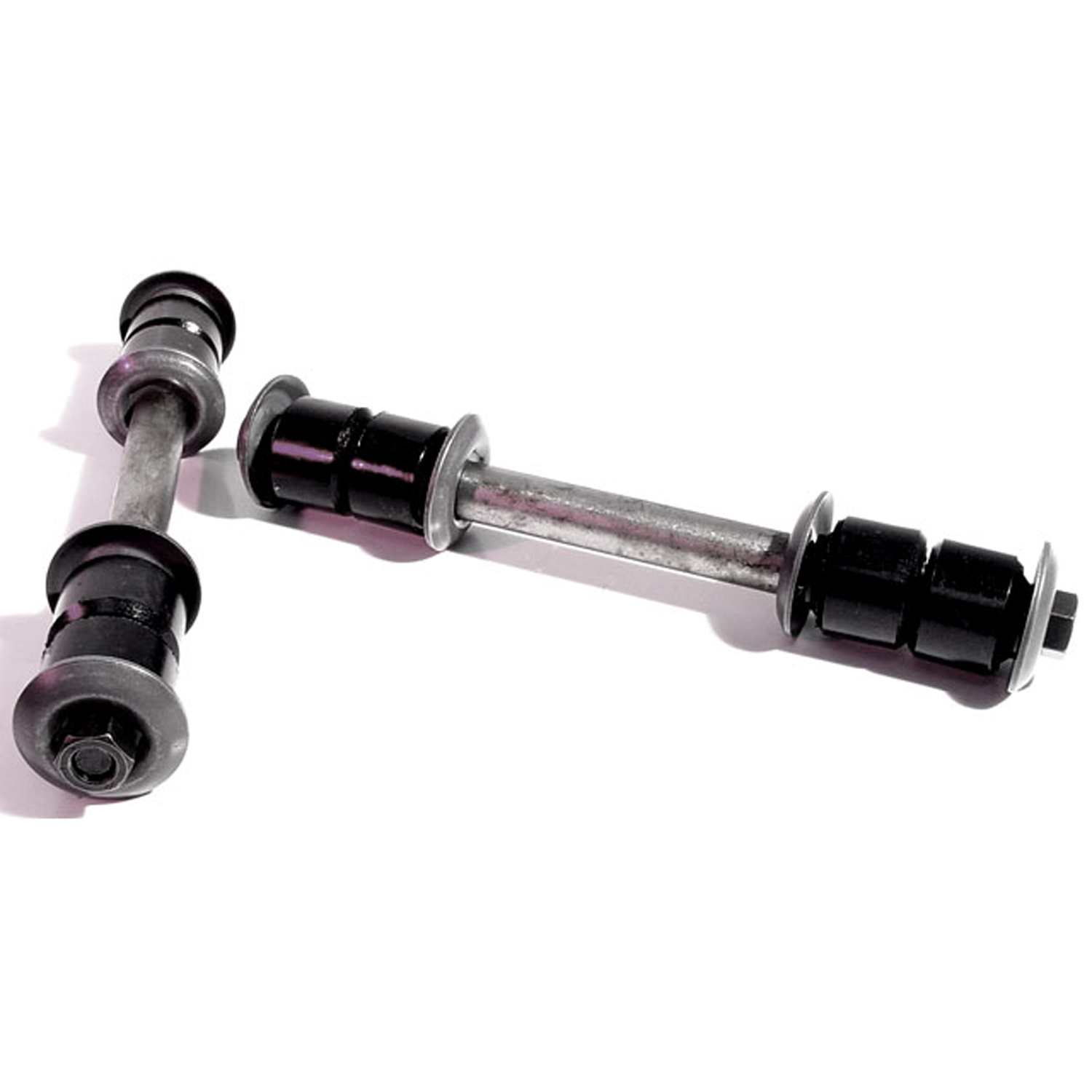 1974 Ford Gran Torino Front Stabilizer End Repair Kit-BNK 21Front Stabilizer End Repair Kit. 22-piece set for two stabilizer bars. Contains all rubber bushings, washers, bolts and nuts, enough for one front end. Set
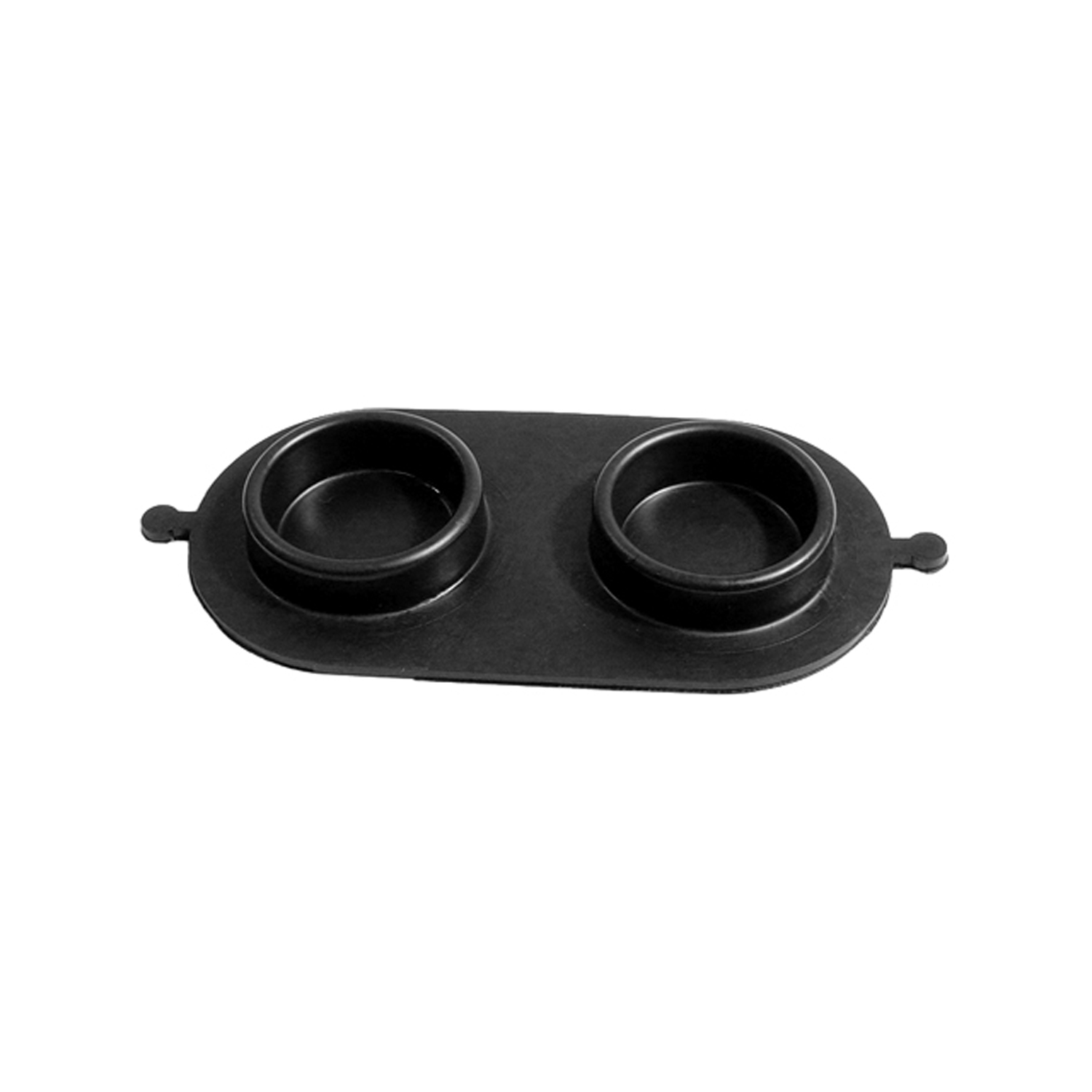 1974 Ford Gran Torino Brake Master Cylinder Cover Seal. Replaces OEM #C7AZ2167-A-RP 2-BBrake Master Cylinder Cover Seal. Replaces OEM #C7AZ2167-A. Each
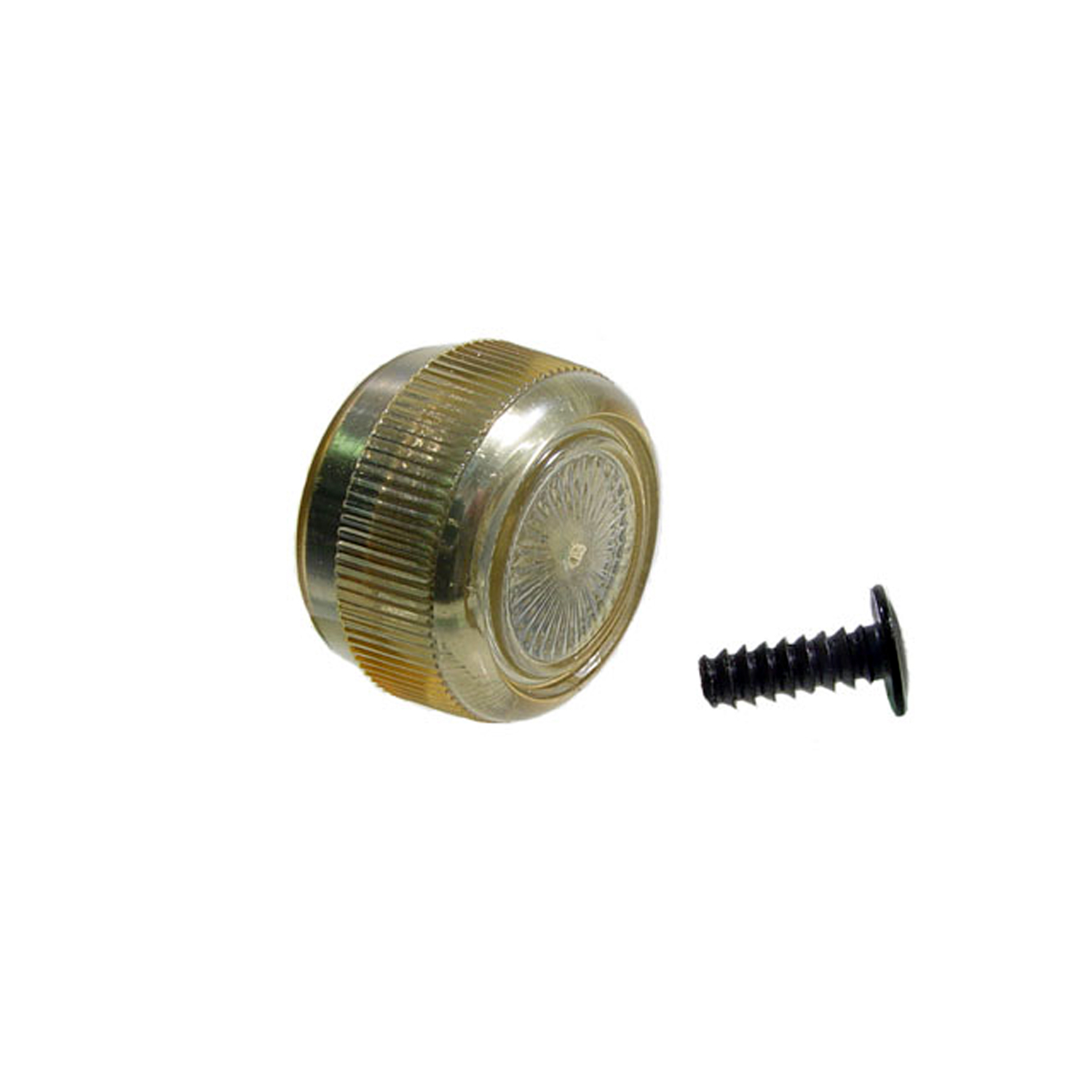 1974 Ford Gran Torino Window Crank Handle Knob and Attaching Parts. Clear. Each-RP 400-BWindow Crank Handle Knob and Attaching Parts. Clear. Each
Why Choose Metro?
For over 100 years, Metro Moulded Parts has been the pinnacle of quality in classic car restoration parts. Our commitment to precision and authenticity in every component ensures a perfect fit and an OEM-level appearance.
- Expert Craftsmanship & Quality: Each part is a testament to our dedication to reliability and perfection, crafted from original designs and thoroughly tested.
- Advanced Technology: We use cutting-edge techniques to create flawless, long-lasting parts that surpass others in performance.
- SuperSoft Sponge – The Ultimate Door Seal: Not only are our door seals 30% softer than competitors', but they're also guaranteed to never leak. They effectively reduce wind and road noise, enhancing your classic car's comfort and driving experience.
- Proudly American: Our parts are a product of American craftsmanship, made in the USA with a spirit of excellence and heritage.
- Unrivaled Warranty: We back our products with a 30-year industry-leading warranty, a testament to our confidence in their quality.
Join us in preserving the legacy of classic cars with parts that are crafted for perfection, not just made.