

Image of 1974 Ford Ltd, Note: These illustrations use artistic license and may differ from actual historical models.
Performance Metrics
Fundamental Metrics
Emotional Appeal
MMP Rating
| Engine Specifications | |
|---|---|
| Engine: | 400 CID 2V V-8, 460 CID 4V V-8 |
| Displacement: | 400 - 460 cubic inches |
| Horsepower: | 158 - 220 hp |
| Torque: | 315 - 355 lb-ft |
| Compression Ratio: | 8.0:1 - 8.5:1 |
| Ignition System: | Electronic Ignition System |
| Cooling System: | Liquid-cooled |
| Performance Specifications | |
| 0-60 Time: | 10 - 12 seconds |
| 1/4 Mile Time: | 17 - 19 seconds |
| Top Speed: | 115 - 120 mph |
| Transmission and Drive | |
| Drive Type: | Rear-wheel drive |
| Transmission Type: | 3-speed automatic |
| Fuel and Efficiency | |
| Fuel System Type: | Carburetor |
| MPG: | 10 - 12 mpg |
| Dimensions and Brakes | |
| Brakes: | Power front disc and rear drum brakes |
| Wheelbase: | 121 inches |
| Weight: | 4,000 - 4,500 lbs |
Note: Specifications for classic cars are given to the best of our ability, considering the limited and variant data available.
1974 Ford LTD: Ford’s Full-Size Flagship
The 1974 Ford LTD was built for Americans who wanted their car to feel roomy, quiet, and substantial. Long, broad, and powered by a V8, it represented the classic full-size Ford at a moment when the American car industry was beginning to change dramatically.
Ford introduced the LTD name in 1965 as an upscale trim package for the Galaxie, then made it a standalone model in 1967. By 1974, the LTD sat near the top of Ford’s full-size passenger-car range, competing with cars such as the Chevrolet Caprice and Chrysler Newport. Its size and comfort reflected the priorities of an era when a large car was still a common family and executive choice.
The timing makes the 1974 model especially interesting. It arrived after the 1973 oil crisis, when fuel economy had become a far more urgent concern, and during the introduction of new federal bumper standards. The LTD remained unapologetically big, but its broad bumpers and substantial bodywork also showed how safety rules were beginning to reshape American styling.
One detail that gives the model year a place in automotive history is its rear bumper. Federal rules had required stronger front bumpers on new cars for 1973, and the 1974 rules extended the requirement to the rear. The LTD’s bumpers were therefore more than decorative chrome: they were part of a new regulatory era.
Formal Styling and Full-Size Comfort
The 1974 LTD had the squared-off, formal look that defined many American luxury cars of the period. Its long hood, upright grille, broad shoulders, and nearly flat body sides made it look imposing without relying on the dramatic fins and sculpted forms of earlier decades. The prominent bumpers added visual weight, while the car’s long wheelbase gave it a stretched, stately profile.
Depending on trim and equipment, details could include bright side moldings, wheel covers, vinyl roof coverings, and more elaborate interior appointments. Higher-trim versions added a more dressed-up appearance, while the Landau-style coupe offered a formal roof treatment and distinctive rear-quarter-window styling. The overall effect was understated by the standards of a flashy personal-luxury coupe, but unmistakably upscale.
Inside, the LTD put comfort ahead of sportiness. Its wide bench seats were designed to accommodate passengers in relaxed fashion, and the dashboard spread its instruments and controls across a broad, straightforward layout. Buyers could choose cloth, vinyl, or combinations of upholstery materials, with higher trims generally bringing plusher fabrics and more decorative details. Power steering, power brakes, air conditioning, power windows, power locks, cruise control, and upgraded sound systems were among the available comfort features, depending on configuration.
Ford offered the LTD in several full-size body styles, including two-door hardtop, four-door hardtop, and four-door sedan configurations. The two-door hardtop is often the most visually memorable today, thanks to its long doors and uninterrupted roofline. The four-door models, however, better capture the car’s practical side and were natural choices for families and business use. Ford’s full-size station wagons were sold under names such as Country Sedan and Country Squire rather than simply being interchangeable with the LTD sedan lineup.
Paint choices varied by trim and production details, but period Ford palettes included understated whites, creams, silvers, and grays alongside richer greens, blues, browns, and reds. Earth tones and muted metallic shades suited the LTD’s formal character, while white and darker greens remain popular choices with collectors looking for an authentic early-1970s appearance.
Technology in a Changing Era
The LTD was not a showcase for futuristic electronics. Its appeal came from combining familiar mechanical engineering with a broad list of convenience options. A conventional automatic transmission, power-assisted steering, and power brakes made a car of this size manageable in everyday driving. Air conditioning and cruise control could make long trips more comfortable, while power accessories helped give the car the easygoing luxury buyers expected.
Underneath, the LTD used traditional body-on-frame construction and a suspension tuned for comfort. That approach was well suited to a large American sedan: it could absorb rough pavement, carry passengers, and be repaired by mechanics familiar with conventional Ford V8 systems. The trade-off was substantial weight and fuel consumption, both of which became more noticeable as gasoline prices rose.
Why the 1974 LTD Matters
The LTD’s significance lies less in a single breakthrough than in how clearly it represents the transition from the traditional American land yacht to a more regulation-conscious, fuel-aware era. It preserved the long-wheelbase, V8-powered comfort that buyers had associated with prestige, even as emissions rules, safety standards, and the energy crisis began to challenge that formula.
Compared with many contemporaries, the LTD offered a particularly broad range of body styles and comfort equipment, backed by Ford’s extensive dealer network. Its conventional construction also made it approachable for repair shops and home mechanics. The car’s influence is visible in the continuing popularity of roomy, comfort-focused sedans, though later generations would become smaller and more fuel-conscious.
The model was not an exotic luxury car, and that is part of its appeal. It brought a premium full-size experience to a much wider audience than a hand-built or low-volume automobile could. Today, it serves as a snapshot of the American market just before compact cars, smaller engines, and efficiency became central selling points.
V8 Performance and Road Manners
Most 1974 LTDs were powered by a V8, with engine availability depending on body style and equipment. Common choices included the 351-cubic-inch V8, with larger 400- and 460-cubic-inch engines available in some configurations. Exact output varied with the engine, carburetion, emissions equipment, and the period’s shift to net horsepower ratings. As a broad guide, a 351-equipped car might produce around 150 to 160 net horsepower, while a 460 could be in the neighborhood of 220 net horsepower.
Performance figures also varied with engine, axle gearing, vehicle condition, and options. A typical 351 car might take roughly 12 to 14 seconds to reach 60 mph, while a strong 460-equipped example could do it in about 10 to 12 seconds. A healthy LTD could reach approximately 105 to 115 mph, though its weight, gearing, and comfort-focused design made sustained high-speed driving less of a priority than relaxed cruising. These are period-style estimates, not guaranteed specifications for every car.
On the road, the LTD feels big because it is big. Its soft suspension takes the sting out of broken pavement and expansion joints, and its long wheelbase helps it settle into a steady highway rhythm. The body can lean through corners, and narrow roads or parking lots call for a little planning. Crosswinds and uneven surfaces are noticeable, especially compared with a modern car, but the LTD’s natural habitat is a straight stretch of open road rather than a tight, winding route.
The driving experience is part of the charm. The V8 produces a low, relaxed burble, the automatic transmission shifts without demanding much attention, and the power steering keeps low-speed maneuvering from becoming a workout. The cabin feels broad and comfortable, with a high seating position and a view over a long hood. A well-maintained car glides over rough pavement, though its brakes, steering response, and handling should not be confused with those of a modern sedan.
Living With a 1974 Ford LTD
Today, the LTD is most commonly used as a weekend cruiser, vintage-car show entry, parade car, or occasional driver. It can serve as a regular-use vehicle, but fuel cost, age-related maintenance, and the lack of modern safety and convenience systems make it less practical as daily transportation for many owners.
Mechanical parts for the common Ford V8s and many basic service components are generally obtainable through specialist suppliers, general parts stores, and the classic Ford community. The car’s conventional layout helps make routine work familiar to an experienced home mechanic. Oil changes, ignition service, brake work, and carburetor maintenance are all manageable with the right tools and a service manual.
Age is the bigger challenge. Before buying, inspect the frame and body carefully for rust, especially around the floors, trunk, lower body panels, wheel openings, and suspension mounting points. Check the transmission, cooling system, steering components, brakes, electrical accessories, and air-conditioning system. Trim, interior pieces, glass, and model-specific brightwork can be harder to source than common mechanical parts, so a complete car is often a better starting point than a cheap project missing key pieces.
Notable Facts and Common Criticisms
The LTD name is often expanded as “Luxury Trim Decor,” but that phrase is widely treated as an unofficial explanation rather than a definitive Ford-issued meaning. The name itself had already built a reputation before 1974, first appearing on the Galaxie in the 1960s before becoming its own model line.
The 1974 LTD is also a useful marker of the period just before catalytic converters became widespread on new U.S. cars. New federal emissions requirements brought converters into broad use for the 1975 model year, so the 1974 car belongs to the last chapter of the pre-catalyst era for many American-market vehicles.
There is no widely recognized production record or headline-grabbing racing achievement attached to the 1974 LTD. Its historical importance is more everyday: it was part of the enormous full-size-car market that shaped American family travel and suburban life. Claims about celebrity ownership should be treated as specific to individual cars rather than as a defining feature of the model.
The most common criticisms are familiar ones: high fuel consumption, considerable size, soft cornering, and a driving feel that is less precise than a modern vehicle. Some drivers also find the car’s broad dimensions challenging in tight urban spaces. For enthusiasts, those same qualities are part of its appeal: the LTD delivers the quiet, spacious, floaty ride that smaller cars cannot replicate.
Collector Value and Availability
Exact 1974 LTD production totals can be difficult to pin down by body style and trim, and published figures are not always separated consistently. A reasonable estimate is roughly 300,000 to 400,000 LTD-branded cars for the model year, with the total depending on which configurations are counted. That makes the car uncommon at shows today, but not especially rare by the standards of classic automobiles.
As a general U.S. market guide for 2026, a project car may sell for about $1,500 to $4,000. A usable driver in sound condition often falls around $4,000 to $10,000, while a clean, well-preserved example may bring roughly $10,000 to $20,000. Exceptional low-mileage survivors, especially with desirable equipment or a larger V8, can exceed that range, though condition and documentation matter more than engine size alone. These are broad estimates, and local demand can move prices considerably.
The LTD has generally appreciated more slowly than high-profile muscle cars or rare performance models. Its best cars have gained attention as interest in 1970s American cruisers has grown, but ordinary examples remain relatively affordable. The strongest long-term prospects belong to original, rust-free cars with complete trim, documented history, and interiors in good condition. For many buyers, its value is less about investment potential and more about getting a distinctive slice of automotive history for a manageable price.
A Lasting Full-Size Ford
The 1974 Ford LTD combined classic V8 power, spacious seating, formal styling, and a soft highway ride at a pivotal moment in American automotive history. It was not built to carve corners or sip fuel. It was built to make distance feel easy and to carry its passengers in comfort.
More than fifty years later, the LTD remains a rewarding reminder of when full-size meant genuinely full-size. Find a solid example, give it thoughtful maintenance, and it still knows how to turn an ordinary drive into a relaxed trip back to the American open-road era.
1974 Ford Ltd Catalog of Parts
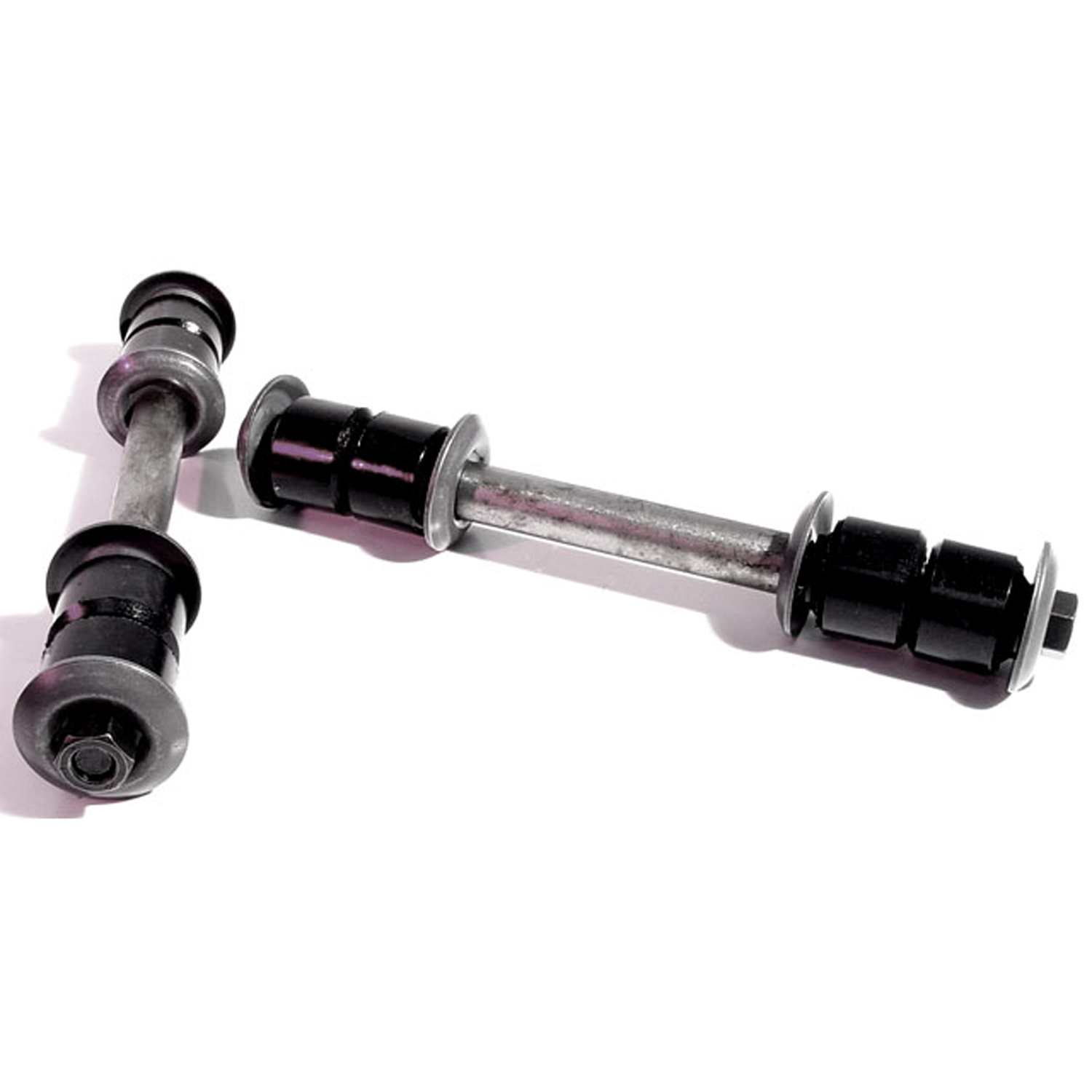 1974 Ford LTD Front Stabilizer End Repair Kit-BNK 21Front Stabilizer End Repair Kit. 22-piece set for two stabilizer bars. Contains all rubber bushings, washers, bolts and nuts, enough for one front end. Set
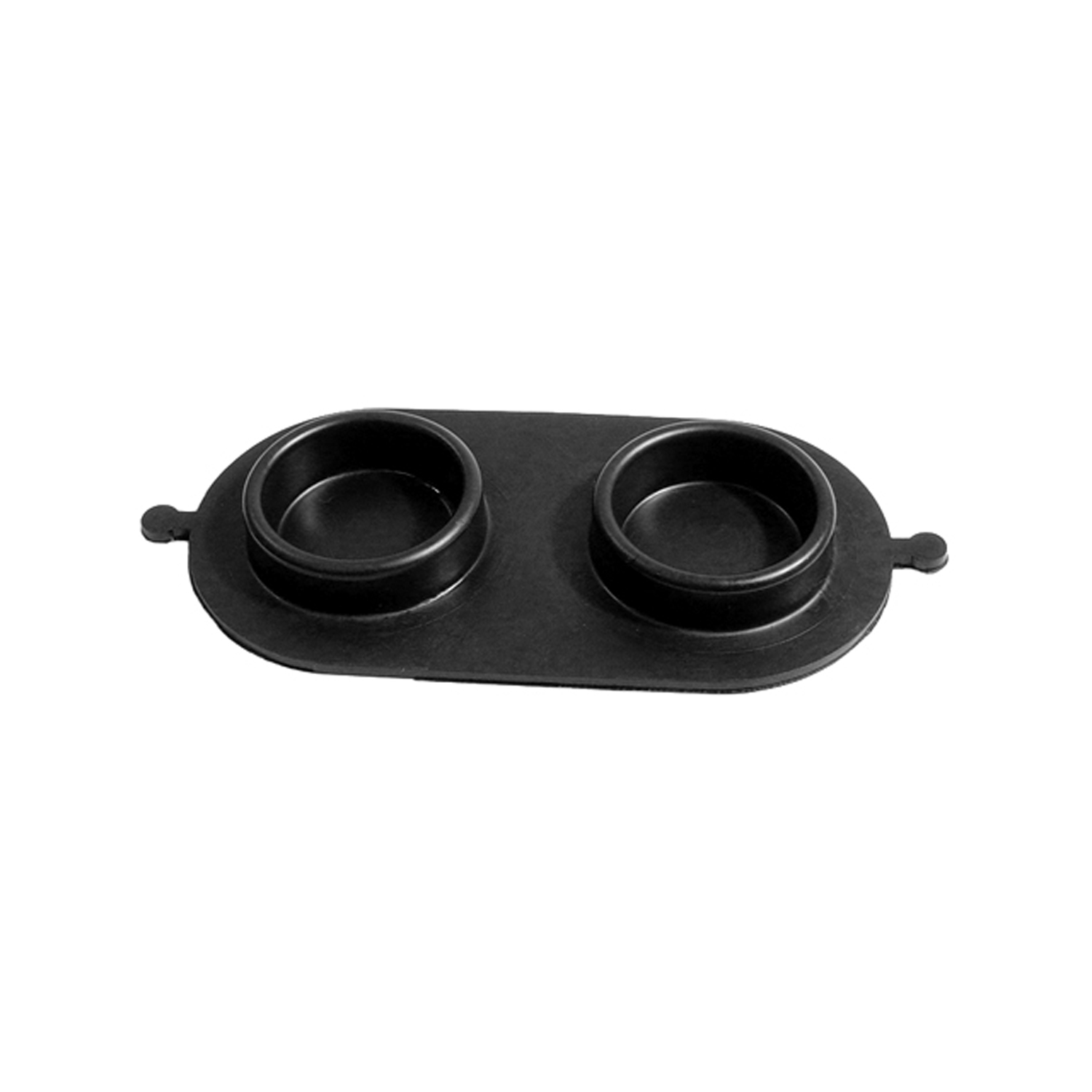 1974 Ford LTD Brake Master Cylinder Cover Seal. Replaces OEM #C7AZ2167-A-RP 2-BBrake Master Cylinder Cover Seal. Replaces OEM #C7AZ2167-A. Each
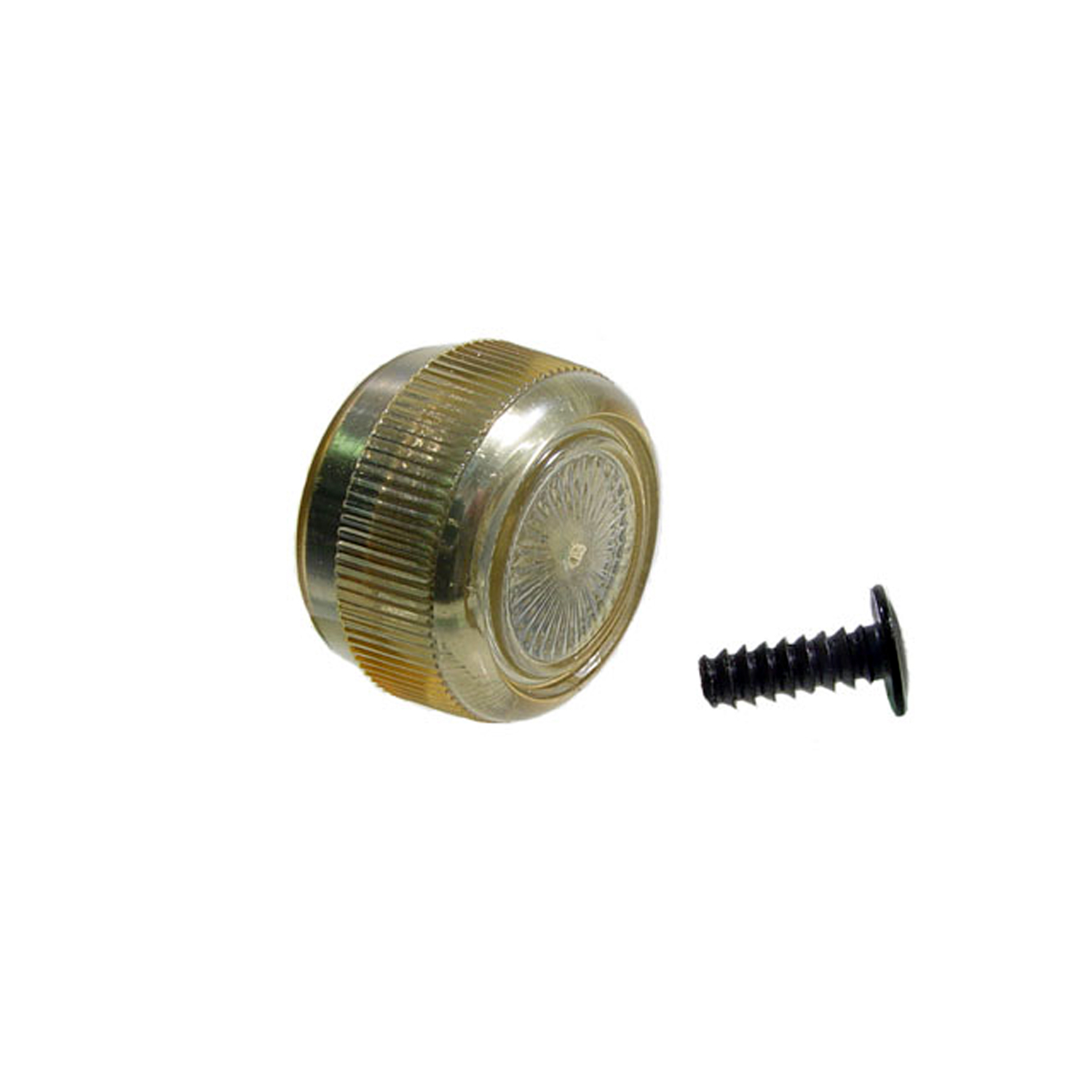 1974 Ford LTD Window Crank Handle Knob and Attaching Parts. Clear. Each-RP 400-BWindow Crank Handle Knob and Attaching Parts. Clear. Each
 1974 Ford LTD Rear Windshield Reveal Molding Clip. Made of steel. Each-WF 228Rear Windshield Reveal Molding Clip. Made of steel. Each
Why Choose Metro?
For over 100 years, Metro Moulded Parts has been the pinnacle of quality in classic car restoration parts. Our commitment to precision and authenticity in every component ensures a perfect fit and an OEM-level appearance.
- Expert Craftsmanship & Quality: Each part is a testament to our dedication to reliability and perfection, crafted from original designs and thoroughly tested.
- Advanced Technology: We use cutting-edge techniques to create flawless, long-lasting parts that surpass others in performance.
- SuperSoft Sponge – The Ultimate Door Seal: Not only are our door seals 30% softer than competitors', but they're also guaranteed to never leak. They effectively reduce wind and road noise, enhancing your classic car's comfort and driving experience.
- Proudly American: Our parts are a product of American craftsmanship, made in the USA with a spirit of excellence and heritage.
- Unrivaled Warranty: We back our products with a 30-year industry-leading warranty, a testament to our confidence in their quality.
Join us in preserving the legacy of classic cars with parts that are crafted for perfection, not just made.