

Image of 1974 Ford M-450, Note: These illustrations use artistic license and may differ from actual historical models.
Performance Metrics
Fundamental Metrics
Emotional Appeal
MMP Rating
| Engine Specifications | |
|---|---|
| Engine: | Ford 385 V8 |
| Displacement: | 7.5L |
| Horsepower: | Estimated 200-250 HP |
| Torque: | 365 lb-ft |
| Compression Ratio: | Estimated 8.5:1 |
| Ignition System: | Distributor ignition |
| Cooling System: | Liquid-cooled |
| Performance Specifications | |
| 0-60 Time: | Information not available |
| 1/4 Mile Time: | Information not available |
| Top Speed: | Estimated 85 mph |
| Transmission and Drive | |
| Drive Type: | Rear-wheel drive |
| Transmission Type: | 3-speed automatic |
| Fuel and Efficiency | |
| Fuel System Type: | Carburetor |
| MPG: | Estimated 8-10 MPG |
| Dimensions and Brakes | |
| Brakes: | Hydraulic with power assist |
| Wheelbase: | 140 inches |
| Weight: | Estimated 6000 lbs |
Note: Specifications for classic cars are given to the best of our ability, considering the limited and variant data available.
1974 Ford M-450: A Heavy-Duty Chassis with Many Lives
The 1974 Ford M-450 was less a single, ready-to-drive truck than a sturdy foundation for one. Ford supplied the heavy-duty chassis, and specialist body builders turned it into everything from a motorhome or delivery vehicle to a bus or utility truck. That distinction matters: unlike a pickup with a defined body and equipment package, an M-450’s appearance and road manners depend heavily on who built it up.
Ford developed the M-series for demanding commercial and recreational work. In 1974, the truck industry was adapting to tighter emissions rules and the effects of the 1973 oil crisis. Heavy vehicles still needed substantial power, but fuel economy was becoming a more urgent concern. One especially appealing detail for today’s enthusiasts is that an M-450 can lead a double life: beneath a familiar-looking motorhome or work body may be a serious commercial-grade Ford chassis.
Ford M-450 Design and Equipment
The M-450’s exterior styling is defined by its body-builder rather than by one standard Ford design. A motorhome conversion might have a tall, boxy profile, broad windshield, and large side windows. A commercial truck could wear a workmanlike cab and a flatbed, service body, or delivery box. The underlying chassis is built for utility, with a substantial frame, heavy axles, and components intended to carry more weight than a passenger-car platform.
The cab and interior vary with the finished vehicle. In a truck configuration, expect a practical rather than luxurious environment: durable trim, straightforward instruments, and materials chosen to tolerate frequent use. Motorhome interiors were the responsibility of the coach maker and could range from basic laminate cabinetry to considerably more elaborate appointments. A particular M-450’s seat upholstery, dashboard, and cabin finish are therefore clues to its builder and history, not a uniform Ford specification.
Equipment also depended on the original order and subsequent conversion. Possible features included power steering, power brakes, different axle ratios, and manual or automatic transmissions. Instrumentation was functional, with the driver focused on vehicle speed, engine condition, and the demands of a heavy load. Modern expectations such as advanced driver assistance, electronic stability control, and contemporary climate systems were not part of the package.
There was no single signature M-450 paint palette. Ford supplied a chassis that could be painted or finished by the body builder, while the completed vehicle might be repainted during its working life. White, cream, and light earth tones were common choices for motorhomes, while commercial operators often selected fleet colors. A surviving original paint scheme can be more informative than any supposed factory color list.
Chassis, Engines, and Body Styles
The M-450 is best understood as a heavy-duty chassis designation, not as one fixed body style. Depending on the application, it could underpin a motorhome, commercial truck, bus-style body, or specialized work vehicle. Motorhome conversions are among the most recognizable examples today, but the chassis’ broad usefulness was its defining feature.
Powertrain details are configuration-dependent. Ford’s large-displacement V8s, including the 460-cubic-inch V8 in many motorhome applications, are commonly associated with M-series recreational vehicles. Commercial builds could differ, and an individual truck may also have received an engine or transmission replacement over the decades. Check the vehicle’s identification plate, engine numbers, and service records before treating a particular specification as original.
Why the M-450 Matters
The M-450 was not a landmark styling exercise or a mass-market pickup. Its significance lies in the role it played in the expanding market for heavy recreational and commercial vehicles. By selling a capable chassis to specialist builders, Ford helped make it possible for other companies to create vehicles that Ford did not produce as complete models itself.
This chassis-and-body-builder approach was central to the commercial vehicle world. It allowed a common mechanical platform to serve very different jobs, and it gave coach makers room to tailor a vehicle to a customer’s needs. The M-450’s lasting influence is therefore practical rather than glamorous: it represents the flexible, build-to-purpose system that still shapes much of the truck and RV industry.
Its 1974 timing also gives it historical context. The fuel crisis put large engines and heavy vehicles under new scrutiny, while emissions regulations were changing how manufacturers tuned engines. The M-450’s purpose remained clear, however: carry a substantial body and load reliably, even if fuel economy was not its strongest selling point.
1974 Ford M-450 Performance and Road Feel
There is no universal top speed or 0-to-60-mph figure for the M-450. Engine, transmission, axle gearing, tire size, body weight, and the vehicle’s condition all make a major difference. As a broad, non-factory estimate, a heavy motorhome or truck might take well over 20 seconds to reach 60 mph when lightly loaded, and some builds may struggle to do so comfortably. A lighter commercial body could perform differently.
Top speed is equally configuration-specific. A reasonable period-style estimate for many completed vehicles is roughly 60 to 70 mph, with some gearing and body combinations capable of more. That is not a recommendation to cruise at those speeds. Old tires, brakes, steering parts, and suspension components need careful inspection, and a tall motorhome can feel unsettled in crosswinds even when its mechanical condition is good.
On the road, the M-450 feels like a work vehicle because that is what it is. The large V8, where fitted, produces a deep, busy rumble rather than a refined passenger-car soundtrack. Acceleration is deliberate, gear changes are noticeable, and the driver stays aware of vehicle length, braking distance, and load. On rough pavement, a heavy chassis can feel firm or jarring when lightly loaded, while a properly weighted vehicle may settle into a more composed ride. Winding roads call for patience: the high center of gravity of many conversions and the chassis’ size reward smooth steering and measured cornering.
Living with a Ford M-450
Most M-450s are better suited to occasional recreation, historic display, or specialized work than to daily commuting. A motorhome can be a distinctive travel vehicle, while a period commercial body can make an appealing show truck or working restoration. Either way, the truck’s size, fuel consumption, and need for ample parking make it a poor match for routine urban driving.
Mechanical repairs can be approachable for an experienced home mechanic, particularly when the vehicle uses familiar Ford components. The challenge is that heavy-duty parts are not always interchangeable with those from a common pickup. Brakes, steering, suspension, axles, and wheels must be matched to the chassis and its weight rating. Body and coach repairs can be more difficult still, especially where water intrusion, corrosion, or obsolete conversion-specific parts are involved.
Before buying, inspect the frame for corrosion and poor repairs, check the braking system and steering carefully, and look for leaks around the engine, transmission, and rear axle. On a motorhome, investigate roof and window leaks, soft flooring, aging tires, and electrical or plumbing faults. A low purchase price can quickly be eclipsed by structural or coachwork repairs, so a specialist inspection is money well spent.
Ford M-450 Facts and Common Criticisms
The most useful trivia about the M-450 is that two trucks carrying the same chassis designation can look and feel entirely different. Their body builders, original orders, and later modifications shaped their identities. That variety can make an individual example fascinating, but it also makes catalog-style comparisons difficult.
There is no widely recognized M-450 speed, sales, or endurance record, and no single famous event defines the model’s history. Nor is there a dependable public production total for 1974 M-450 chassis. Any exact figure should be treated cautiously because Ford supplied chassis for multiple applications and surviving records may not capture every completed vehicle.
Common criticisms are familiar to owners of large vintage trucks and motorhomes: thirsty engines, slow acceleration, limited modern safety equipment, and a driving experience that demands more attention than a contemporary vehicle. Age is another factor. Even a sound chassis can have decades-old wiring, tired rubber components, and conversion equipment that is difficult to replace.
1974 Ford M-450 Values and Rarity
The M-450 is uncommon in the collector market compared with popular pickups, but rarity varies greatly by body style and condition. A worn, incomplete chassis may attract little interest, while a well-preserved commercial truck, unusual conversion, or carefully restored motorhome can draw a dedicated buyer. The identity and quality of the body builder often matter as much as the Ford chassis itself.
There is no dependable value guide for every M-450 configuration. As a broad current-market estimate, a project or incomplete example might sell for about $1,500 to $5,000. A running, usable vehicle could fall around $5,000 to $15,000, while a particularly clean, documented, or distinctive restoration may reach $15,000 to $30,000 or more. These are general estimates, not guaranteed sale prices; condition, local demand, storage, and transport costs can move the value substantially.
Because a reliable production figure is unavailable, any count must be a guess. A cautious estimate for 1974 chassis built under the M-450 designation would be in the low thousands, though the number of surviving, identifiable examples is likely much smaller. Values are best described as condition-sensitive rather than steadily appreciating. Exceptional examples may gain collector appeal, but ordinary motorhome conversions often face a limited buyer pool and significant upkeep costs.
Is the 1974 Ford M-450 Worth Knowing?
The 1974 Ford M-450 is a reminder that a truck’s character does not always come from its cab or badge. Its heavy-duty chassis gave Ford customers and body builders a durable foundation for a wide range of vehicles, from working trucks to motorhomes. That flexibility is its real historical importance.
For today’s enthusiast, the M-450 offers a rewarding piece of commercial and recreational vehicle history, provided its size, fuel appetite, and maintenance needs are understood. Find a well-documented example, inspect it as a complete vehicle rather than just a Ford chassis, and you may discover a classic built not for one job, but for many.
1974 Ford M-450 Catalog of Parts
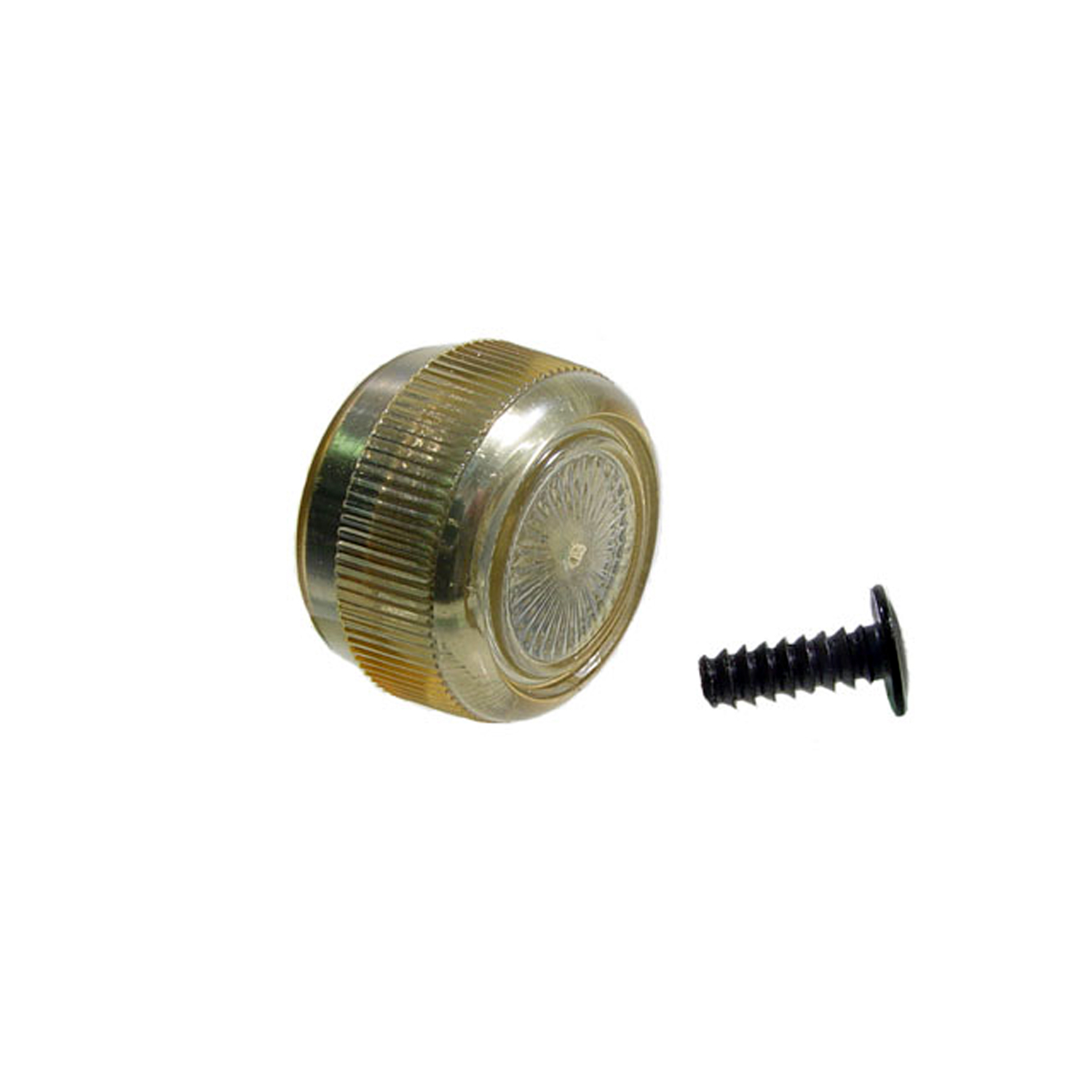 1974 Ford M-450 Window Crank Handle Knob and Attaching Parts. Clear. Each-RP 400-BWindow Crank Handle Knob and Attaching Parts. Clear. Each
Why Choose Metro?
For over 100 years, Metro Moulded Parts has been the pinnacle of quality in classic car restoration parts. Our commitment to precision and authenticity in every component ensures a perfect fit and an OEM-level appearance.
- Expert Craftsmanship & Quality: Each part is a testament to our dedication to reliability and perfection, crafted from original designs and thoroughly tested.
- Advanced Technology: We use cutting-edge techniques to create flawless, long-lasting parts that surpass others in performance.
- SuperSoft Sponge – The Ultimate Door Seal: Not only are our door seals 30% softer than competitors', but they're also guaranteed to never leak. They effectively reduce wind and road noise, enhancing your classic car's comfort and driving experience.
- Proudly American: Our parts are a product of American craftsmanship, made in the USA with a spirit of excellence and heritage.
- Unrivaled Warranty: We back our products with a 30-year industry-leading warranty, a testament to our confidence in their quality.
Join us in preserving the legacy of classic cars with parts that are crafted for perfection, not just made.