

Image of 1974 Ford Maverick, Note: These illustrations use artistic license and may differ from actual historical models.
Performance Metrics
Fundamental Metrics
Emotional Appeal
MMP Rating
| Engine Specifications | |
|---|---|
| Engine: | 200 CID I6, 250 CID I6, 302 CID V8 |
| Displacement: | 200-302 cubic inches |
| Horsepower: | 84-140 hp |
| Torque: | 122-239 lb-ft |
| Compression Ratio: | 8.0:1 - 8.4:1 |
| Ignition System: | Conventional, distributor |
| Cooling System: | Liquid-cooled |
| Performance Specifications | |
| 0-60 Time: | 10-12 seconds |
| 1/4 Mile Time: | 17-19 seconds |
| Top Speed: | 105-110 mph |
| Transmission and Drive | |
| Drive Type: | Rear-wheel drive |
| Transmission Type: | 3-speed manual, 3-speed automatic |
| Fuel and Efficiency | |
| Fuel System Type: | Carburetor |
| MPG: | 15-20 mpg |
| Dimensions and Brakes | |
| Brakes: | Front disc, rear drum |
| Wheelbase: | 103.9 inches |
| Weight: | 2,800-3,100 lbs |
Note: Specifications for classic cars are given to the best of our ability, considering the limited and variant data available.
1974 Ford Maverick: The Affordable American Compact
The 1974 Ford Maverick was a straightforward, roomy compact built for drivers who wanted American-car comfort without the size and price of a full-size sedan. Introduced by Ford for the 1970 model year, the Maverick filled the space left by the aging Falcon and gave the company a homegrown answer to small imports and rising demand for economical cars.
Its timing was especially useful in 1974. The fuel crisis had made size and fuel consumption front-of-mind for many buyers, while new safety and emissions rules were reshaping the industry. The Maverick offered a simple formula: a conventional front-engine layout, familiar mechanical parts, and a choice of six-cylinder or V8 power. Ford sold a remarkable number of Mavericks in the car’s debut year, helping establish it as one of the company’s most successful compact-car launches.
One appealing detail is that the Maverick was not a tiny economy car in the European sense. Its cabin and overall proportions felt substantial by compact-car standards, and the optional V8 gave it a distinctly American character. The 1974 model also reflects a moment of transition, combining the Maverick’s basic, low-cost roots with larger federally influenced bumpers and updated safety equipment.
1974 Maverick Styling and Interior
The Maverick’s exterior is clean and easy to recognize. A long hood leads into a simple rectangular grille, with round headlamps set into the front corners. The body sides are largely uncluttered, and the roofline flows into a short rear deck. It has none of the excess ornamentation found on many larger cars of the period, which is part of its appeal today. For 1974, federally required bumper changes gave the car more prominent front and rear bumpers than earlier Mavericks.
Buyers could choose a two-door or four-door sedan. The two-door has the sportier profile and is often the more sought-after shape among enthusiasts, especially when equipped with the Grabber package. The four-door was the practical choice for families and passengers, with easier access to the rear seat. Ford did not offer a Maverick station wagon.
The Grabber appearance package added visual attitude to the two-door. Depending on equipment and production details, it could include distinctive paint and graphics, special exterior trim, a sportier hood treatment, and upgraded interior touches. It was an appearance package rather than a separate high-performance model, but a Grabber with a V8 is one of the most memorable Maverick combinations.
Inside, the Maverick favored function over luxury. The dashboard was uncomplicated, with large, legible controls and a straightforward instrument layout. Materials were typical of an affordable American car of the period: vinyl upholstery was common, while cloth-and-vinyl combinations and upgraded trim were available. Bench seating suited the Maverick’s practical mission, while bucket seats and a floor shifter gave selected cars a sportier feel. Cabin quality is modest by modern standards, but the simple layout is easy to understand and generally easy to maintain.
Paint choices changed by market and trim, but the palette included subdued whites, blues, greens, browns, and metallic shades, as well as more attention-grabbing yellows, oranges, and reds. Bright colors paired particularly well with Grabber graphics and remain popular with show-car owners. Exact color availability depends on the car’s original build and market.
Engineering for Simplicity
The Maverick was built around conventional, proven engineering rather than expensive new technology. Its unibody construction helped keep weight and cost down, while familiar suspension and drivetrain components made it approachable for Ford dealers and independent repair shops. The front suspension used coil springs and control arms, and the rear axle was supported by leaf springs. This setup was durable and straightforward, though not especially sophisticated by modern handling standards.
Available equipment depended on engine and trim. Buyers could specify manual or automatic transmissions, power steering, and comfort or appearance options. Front disc brakes were available, and braking equipment varied with configuration and market. The Maverick’s most notable “technology” was its practicality: conventional systems, uncomplicated controls, and parts shared with other Ford products made it comparatively easy to own and repair.
Why the Maverick Mattered
The Maverick’s importance lies in how effectively it gave American buyers a compact car without asking them to give up familiar styling, seating, or serviceability. It was smaller and less expensive than Ford’s traditional intermediate and full-size cars, yet it still looked and felt like a domestic Ford. That made it a useful bridge between the older Falcon and the wave of smaller, more fuel-conscious cars that followed.
It also showed how a manufacturer could adapt an existing engineering approach to meet changing customer needs. The Maverick was not a technical revolution, and that was precisely the point. Its low-cost, conventional design helped Ford respond quickly to the compact-car market. The model’s lasting influence is less about a single breakthrough than about demonstrating that an affordable, simple American car could sell in huge numbers.
By 1974, the market had changed. The fuel crisis, emissions controls, and safety regulations affected nearly every new car. The Maverick’s larger bumpers and revised equipment reflect those pressures, while its available V8 shows that buyers still wanted performance and character alongside economy.
1974 Ford Maverick Performance
The standard engine was a 200-cubic-inch inline-six. A 250-cubic-inch six-cylinder and a 302-cubic-inch V8 were also available, depending on configuration. Transmission choices included a manual gearbox and an automatic; exact availability depended on engine, body style, and equipment. The six-cylinder engines were the sensible choices for everyday driving, while the 302 made the Maverick a much livelier car.
Performance figures vary with engine, transmission, axle ratio, vehicle condition, and the testing methods used at the time. As a general guide, a healthy 302-powered 1974 Maverick could reach 0 to 60 mph in roughly 9 to 11 seconds, with a top speed in the neighborhood of 105 to 115 mph. A six-cylinder car was notably slower, often taking roughly 13 to 17 seconds to reach 60 mph, with a lower top speed. These are estimates, not guaranteed factory figures, and emissions-era tuning could affect performance.
On the road, the Maverick feels more like a traditional compact than a modern small car. Its steering is relatively direct but not especially quick, and the suspension favors a comfortable, compliant ride over sharp cornering. It handles ordinary roads confidently, though bumps can unsettle the rear axle and body lean is noticeable on winding roads. A V8 car brings stronger acceleration and a deeper exhaust note, while the six-cylinder models deliver a quieter, more relaxed pace.
The driving experience is pleasantly mechanical. The driver sits close to the controls, the dashboard is simple to read, and the car’s modest size makes it easier to maneuver than larger Fords of the same era. A well-maintained example can feel light and responsive, though steering, braking, and road noise will not match a modern vehicle. The Maverick is best enjoyed at a comfortable pace, with its straightforward character as much a part of the fun as its speed.
Living with a Maverick
Today, a 1974 Maverick can serve as a weekend cruiser, a local-show car, a restoration project, or even a basic vintage commuter where traffic and safety conditions make that practical. The two-door Grabber is the most visibly sporty choice, but a clean four-door has its own appeal as an honest, usable survivor.
Routine maintenance is generally manageable for an owner with basic mechanical skills. The engine bay is not crowded by modern electronics, and many jobs, including tune-ups, brake work, and common engine repairs, are familiar to classic Ford mechanics. Parts availability is reasonably good for routine service items, though trim, correct interior pieces, and model-specific body components can take more searching. As with any 50-year-old car, condition matters more than reputation: inspect for rust, previous collision repairs, worn suspension parts, and evidence of poor modifications.
Reliability depends heavily on upkeep. The simple drivetrain can be durable, but age brings predictable challenges such as deteriorated fuel and brake lines, electrical faults, tired seals, and cooling-system problems. A pre-purchase inspection by someone familiar with older Fords is a smart investment, particularly if the car has been modified or stored for a long time.
Maverick Facts and Common Myths
The Maverick’s rapid early success is one of its best-known stories. Ford sold roughly 579,000 Mavericks in the 1970 model year, a striking debut for a new compact. The model continued through the 1970s, and the related Mercury Comet was sold alongside it in North America. The Maverick also developed a following in drag racing, where its relatively light body and available Ford V8 made it a natural platform for engine swaps and performance builds.
The 1974 Grabber is a desirable version, but it should not be mistaken for a factory-built muscle car in the same category as a Boss Mustang. Its appeal comes from its sporty appearance, compact proportions, and available V8. Production figures for specific Grabber combinations are not consistently documented, so claims that a particular package or color is exceptionally rare should be checked against reliable records rather than assumed.
Common criticisms are fair but familiar: the cabin is basic, the six-cylinder cars are not quick, and the suspension does not deliver modern cornering precision. Fuel economy also varies widely with engine, gearing, tuning, and driving style. The Maverick was designed as an affordable, conventional car, not a luxury compact or a sophisticated sports sedan.
1974 Ford Maverick Values
Values depend on rust, originality, mechanical condition, body style, and documentation. As a broad current-market estimate, a project car may sell for about $3,000 to $7,000. A usable driver in sound condition often falls around $7,000 to $15,000, while a clean, well-restored example can bring roughly $15,000 to $25,000. An exceptional Grabber, a particularly well-preserved original, or a high-quality V8 build may reach $25,000 to $35,000 or more. These are general estimates, not a formal appraisal, and regional prices can differ significantly.
Ford produced roughly 300,000 Mavericks for the 1974 model year, though published totals can vary by source and counting method. That means the model as a whole is not especially scarce. Good, original cars are harder to find than the production total suggests because many were used as inexpensive transportation, modified, or lost to rust. Grabbers and well-documented V8 cars attract the most attention, but condition and authenticity remain crucial.
Values have generally strengthened as interest in 1970s American cars has grown, particularly for clean, original examples. The Maverick is not usually a blue-chip investment, and ordinary project cars can remain affordable. The best prospects are well-preserved cars with correct equipment, attractive colors, and no major rust or questionable alterations.
A Small Ford with Staying Power
The 1974 Ford Maverick brought together practical dimensions, straightforward engineering, and a choice of engines that ranged from sensible six-cylinder power to a distinctly American V8. Its simple cabin and conventional road manners reflect its mission as an affordable compact, while the Grabber package gives the two-door a welcome dose of style.
More than a basic old Ford, the Maverick represents a turning point in American motoring, when economy and compact size became central concerns without ending the appetite for personality. That blend of practicality and character is why a well-kept 1974 Maverick still earns a second look.
1974 Ford Maverick Catalog of Parts
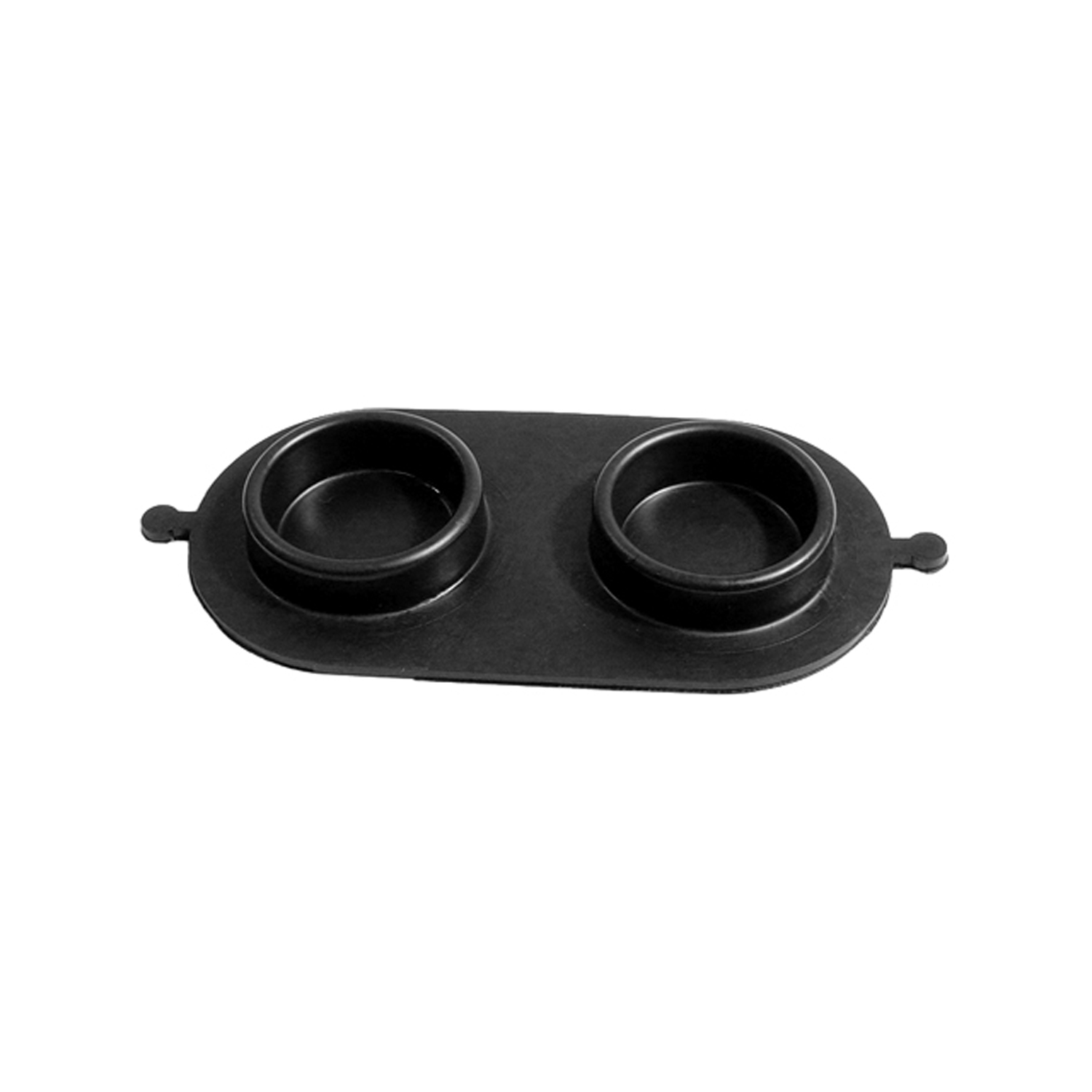 1974 Ford Maverick Brake Master Cylinder Cover Seal. Replaces OEM #C7AZ2167-A-RP 2-BBrake Master Cylinder Cover Seal. Replaces OEM #C7AZ2167-A. Each
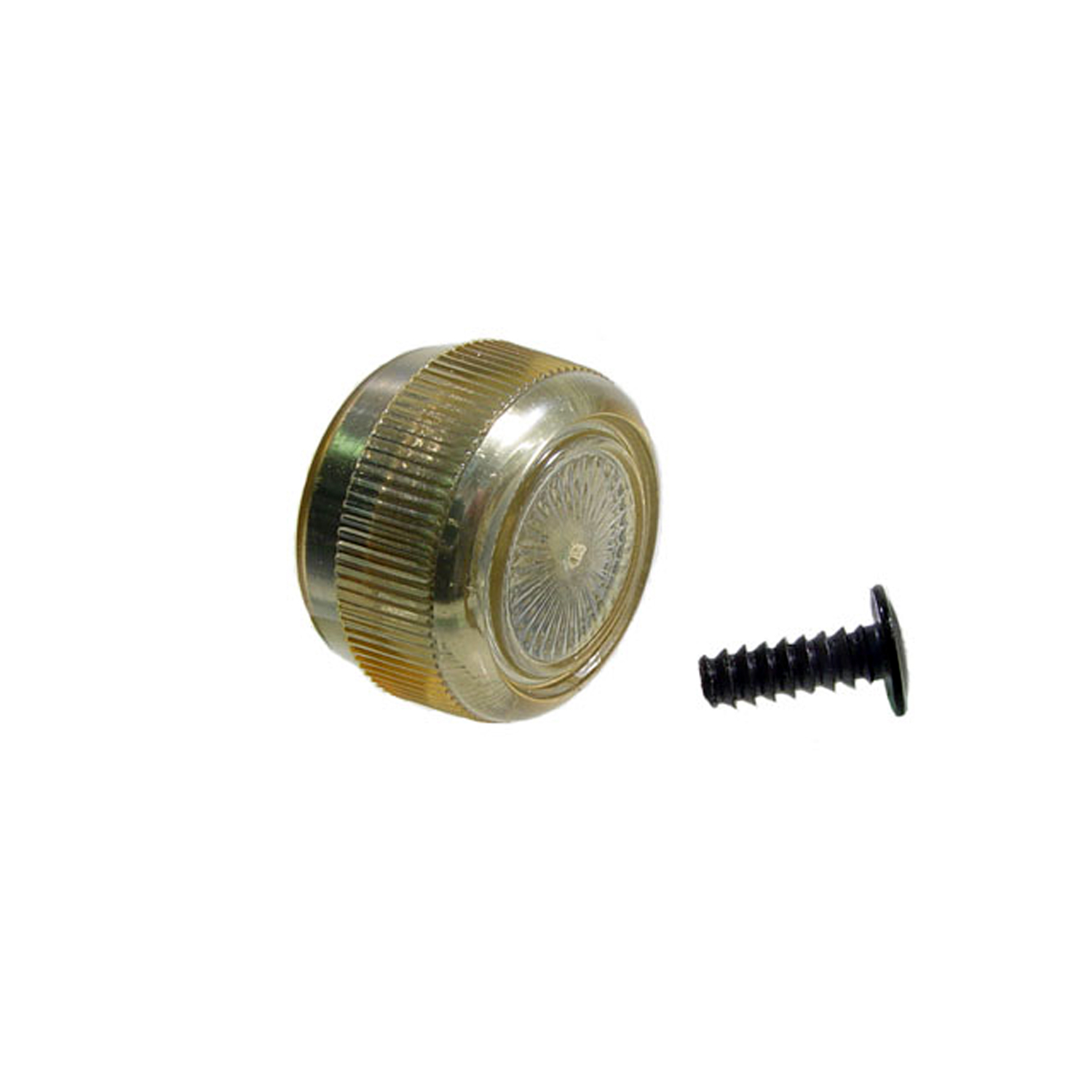 1974 Ford Maverick Window Crank Handle Knob and Attaching Parts. Clear. Each-RP 400-BWindow Crank Handle Knob and Attaching Parts. Clear. Each
Why Choose Metro?
For over 100 years, Metro Moulded Parts has been the pinnacle of quality in classic car restoration parts. Our commitment to precision and authenticity in every component ensures a perfect fit and an OEM-level appearance.
- Expert Craftsmanship & Quality: Each part is a testament to our dedication to reliability and perfection, crafted from original designs and thoroughly tested.
- Advanced Technology: We use cutting-edge techniques to create flawless, long-lasting parts that surpass others in performance.
- SuperSoft Sponge – The Ultimate Door Seal: Not only are our door seals 30% softer than competitors', but they're also guaranteed to never leak. They effectively reduce wind and road noise, enhancing your classic car's comfort and driving experience.
- Proudly American: Our parts are a product of American craftsmanship, made in the USA with a spirit of excellence and heritage.
- Unrivaled Warranty: We back our products with a 30-year industry-leading warranty, a testament to our confidence in their quality.
Join us in preserving the legacy of classic cars with parts that are crafted for perfection, not just made.