

Image of 1974 Ford Mustang Ii, Note: These illustrations use artistic license and may differ from actual historical models.
Performance Metrics
Fundamental Metrics
Emotional Appeal
MMP Rating
| Engine Specifications | |
|---|---|
| Engine Options: | 2.3L I4, 2.8L V6, 5.0L V8 |
| Displacement Range: | 140-302 cu in |
| Horsepower Range: | 88-140 hp |
| Torque: | 118-240 lb-ft |
| Compression Ratio: | 8.4:1 (I4), 8.7:1 (V6), 8.4:1 (V8) |
| Ignition System: | Electronic |
| Cooling System: | Liquid-cooled |
| Performance Specifications | |
| 0-60 Time: | 10-12 seconds |
| 1/4 Mile Time: | 17-19 seconds |
| Top Speed: | 105-110 mph |
| Transmission and Drive | |
| Drive Type: | RWD |
| Transmission Type: | 4-speed manual, 3-speed automatic |
| Fuel and Efficiency | |
| Fuel System Type: | Carburetor |
| MPG: | 18-22 mpg |
| Dimensions and Brakes | |
| Brakes: | Front disc, rear drum |
| Wheelbase: | 96.2 in |
| Weight: | 2,600-2,900 lbs |
Note: Specifications for classic cars are given to the best of our ability, considering the limited and variant data available.
1974 Ford Mustang II: A Pony Car Reimagined
The 1974 Ford Mustang II was a smaller, thriftier Mustang built for a country suddenly watching fuel prices and engine sizes. Introduced by Ford for the 1974 model year, it arrived just as the energy crisis was reshaping American car buying. The Mustang II traded the previous generation’s long, heavy proportions for a compact body, more modest engines, and a cabin that made better use of its footprint.
Ford launched the car in September 1973, with Lee Iacocca among the key figures behind the decision to rethink the Mustang. Rather than keep stretching the original formula, Ford returned to the compact dimensions that had helped make the first Mustang a hit. The result was built on a modified Pinto platform, though it received its own body, suspension tuning, and Mustang-specific styling.
One striking measure of its impact came immediately: the 1974 Mustang II was named Motor Trend’s Car of the Year. It was also the first Mustang model year with no V8 option. That decision remains a point of debate among enthusiasts, but it fit the moment and helped the Mustang survive a period when the original pony car’s size and appetite for fuel were becoming harder to sell.
Compact Mustang Styling and Trim Choices
The Mustang II kept familiar pony-car cues while shrinking the package. Its long hood, short rear deck, sculpted flanks, and sharply defined front end gave it a purposeful look without the bulk of the 1971–73 Mustang. New federal bumper requirements influenced the front and rear design, but Ford integrated the bumpers into the bodywork more neatly than on many larger cars of the era.
Buyers could choose a two-door hardtop coupe or a 2+2 hatchback. The coupe offered a traditional profile, while the hatchback added a large rear opening and folding seat for more useful cargo space. The Mach 1 was the best-known sporty trim, based on the hatchback and distinguished by performance-inspired graphics and exterior details. The Ghia, named for the Italian design house associated with Ford, took the more upscale route with extra trim and a more luxurious interior presentation.
Inside, the Mustang II was compact but sensibly laid out. Its dashboard placed the main controls within easy reach, and the cabin could be ordered with vinyl or cloth upholstery, depending on trim and options. The Ghia emphasized comfort and appearance, while the Mach 1 used sportier details. Materials were typical of a mass-market American car of the mid-1970s: durable and practical, but not especially plush by modern standards. Air conditioning, an AM radio, power steering, and power brakes were among the available conveniences, with equipment varying by model and order.
Ford offered the Mustang II in a broad range of period colors, including understated metallics and more vivid shades suited to the car’s sporty image. Bright reds, blues, and yellows were especially eye-catching, while earth tones and metallic finishes reflected the decade’s tastes. Exact color availability depended on trim and production date, so original paint codes are worth checking when researching a particular car.
Engines, Features, and 1970s Innovation
The standard engine was a 2.3-liter four-cylinder, rated at about 88 horsepower. Buyers seeking more power could order a 2.8-liter Cologne V6, rated at about 105 horsepower. Those figures are SAE net ratings, a more realistic measurement than the gross figures commonly quoted in earlier decades. A V8 was not offered in 1974; Ford brought one back for the Mustang II in 1975.
Depending on engine and equipment, transmissions included manual and automatic choices. The four-cylinder’s modest output suited commuting and fuel-conscious driving better than rapid acceleration. The V6 gave the car a more relaxed feel, particularly when merging or carrying passengers. Front disc brakes and rack-and-pinion steering were notable parts of the Mustang II’s modernized package, contributing to more direct steering response and predictable stopping compared with many older American compacts.
The Mustang II was not a technology showcase, but its engineering reflected a change in priorities. Ford focused on a smaller footprint, manageable weight, and useful passenger space instead of maximum displacement. That approach became increasingly relevant as automakers adapted to fuel-economy concerns, emissions rules, and tighter safety requirements.
Why the Mustang II Mattered
The Mustang II’s greatest achievement was keeping the Mustang name relevant during a difficult transition. The oil embargo of 1973 sent buyers toward smaller, more economical cars, while new emissions and safety standards challenged manufacturers to rethink their lineups. Ford responded with a Mustang that was easier to park, less demanding at the pump, and more closely aligned with the market of the mid-1970s.
That strategy paid off in sales. Ford produced approximately 385,993 Mustang IIs for the 1974 model year, an impressive total that made the car one of the era’s major commercial successes. Its popularity demonstrated that the Mustang could change substantially and still attract buyers. Later generations would continue to shift between performance, economy, and technology as customer priorities changed.
The trade-off was equally clear. Compared with earlier Mustangs, the 1974 model felt less powerful and less dramatic. Its Pinto-family underpinnings also gave critics an easy shorthand, even though the Mustang II had its own body and was engineered as a distinct model. It remains an important example of a car shaped by real economic pressures rather than nostalgia for the previous decade.
1974 Mustang II Performance and Road Feel
Performance varies with engine, transmission, gearing, and the condition of the car. As a broad period-style estimate, a four-cylinder Mustang II may take roughly 15 to 17 seconds to reach 60 mph, while a V6 car is generally in the 12-to-14-second range. Top speed is approximately 90 to 100 mph, though the engine, gearing, and vehicle condition make a noticeable difference. These are modest figures by modern standards, and the Mustang II was never intended to be a straight-line powerhouse in 1974.
On the road, the car feels lighter and more compact than its immediate predecessor. Rack-and-pinion steering gives the driver a direct sense of what the front tires are doing, and the shorter body makes urban driving and parking less of a chore. The suspension is tuned for ordinary road use rather than hard cornering. It can feel composed on a winding road when driven at a sensible pace, but a short wheelbase and period tires mean rough pavement and crosswinds are more noticeable than in a modern car.
The four-cylinder produces a busy, straightforward engine note, while the V6 has a fuller sound without the deep rumble of a V8. The ride is firm but generally comfortable for a small 1970s coupe. Behind the wheel, the experience is less about speed and more about light controls, compact proportions, and the distinctly mechanical feel of a vintage car.
Living With a Mustang II Today
A 1974 Mustang II can serve as a weekend cruiser, a local show car, or a hands-on entry into classic-car ownership. Its modest size and relatively simple mechanical layout make it easier to maneuver and work on than many larger American classics. The 2.3-liter engine also shares some mechanical family ties with other Ford compact-car applications, which can help with routine service and parts research.
Mechanical repairs are usually manageable for an owner with basic tools and a workshop manual. However, not every Mustang II part is interchangeable with Pinto components, and model-specific trim, interior pieces, glass, and body panels can take more searching. Before buying, inspect the floors, rocker panels, wheel arches, rear quarters, cowl area, and frame rails for rust or poor repairs. A car that looks tidy from the outside may still need substantial structural work underneath.
Reliability depends heavily on maintenance and restoration quality. These cars are now more than 50 years old, so cooling systems, fuel lines, brakes, wiring, suspension bushings, and rubber seals all deserve attention. A well-maintained example can be an enjoyable classic, but a neglected project can quickly cost more than its purchase price.
Mustang II Trivia and Common Criticisms
The 1974 Mustang II earned a major industry award in its debut year, but it also broke with Mustang tradition by offering no V8. That makes the year especially distinctive among classic Mustangs. The Mach 1 name continued, but it described a sporty V6-powered package rather than the high-output V8 performance many enthusiasts associate with earlier Mach 1s.
It is also important not to confuse the 1974 Mach 1 with later Mustang II special editions. The Cobra II arrived in 1976, and the King Cobra followed in 1978. Neither was part of the 1974 lineup. The Mustang II’s most common criticism is its limited power, especially when compared with the first-generation cars. Some fans also object to its Pinto-related platform. Supporters counter that its compact size and sales success were exactly what the Mustang needed at the time.
1974 Mustang II Values and Collectibility
For a rough U.S. market guide in 2026, a project car may fall around $2,000 to $6,000, while a running driver in usable condition might bring about $6,000 to $14,000. A clean, well-restored example could land in the $15,000 to $25,000 range, with exceptional cars sometimes asking more. These are broad estimates, not guaranteed sale prices; rust, originality, documentation, trim, and restoration quality can shift a car’s value considerably.
Mustang IIs are not especially rare in production terms: Ford built roughly 386,000 for 1974. Survivors in excellent original condition are much less common, however, because many were used as everyday transportation and later scrapped or modified. The Mach 1 and Ghia attract interest for their distinctive trim, while originality and condition matter more than simply having a particular badge.
Values have generally remained below those of earlier Mustangs, but clean, unmodified examples have gained attention as collectors look beyond the familiar first-generation cars. The best cars appear to be holding value or appreciating gradually, while rough projects remain inexpensive only until restoration costs are counted. A buyer should choose the soundest body and most complete car they can find.
A Mustang Built for Its Moment
The 1974 Ford Mustang II exchanged V8 power and full-size pony-car swagger for compact dimensions, better everyday usability, and a more fuel-conscious approach. Its two body styles, practical engineering, and strong debut sales helped the Mustang adapt to one of the most challenging periods in American automotive history. It may not deliver the speed of its famous predecessors, but it tells an important story: sometimes the car that keeps an icon alive is the one willing to change.
1974 Ford Mustang Ii Catalog of Parts
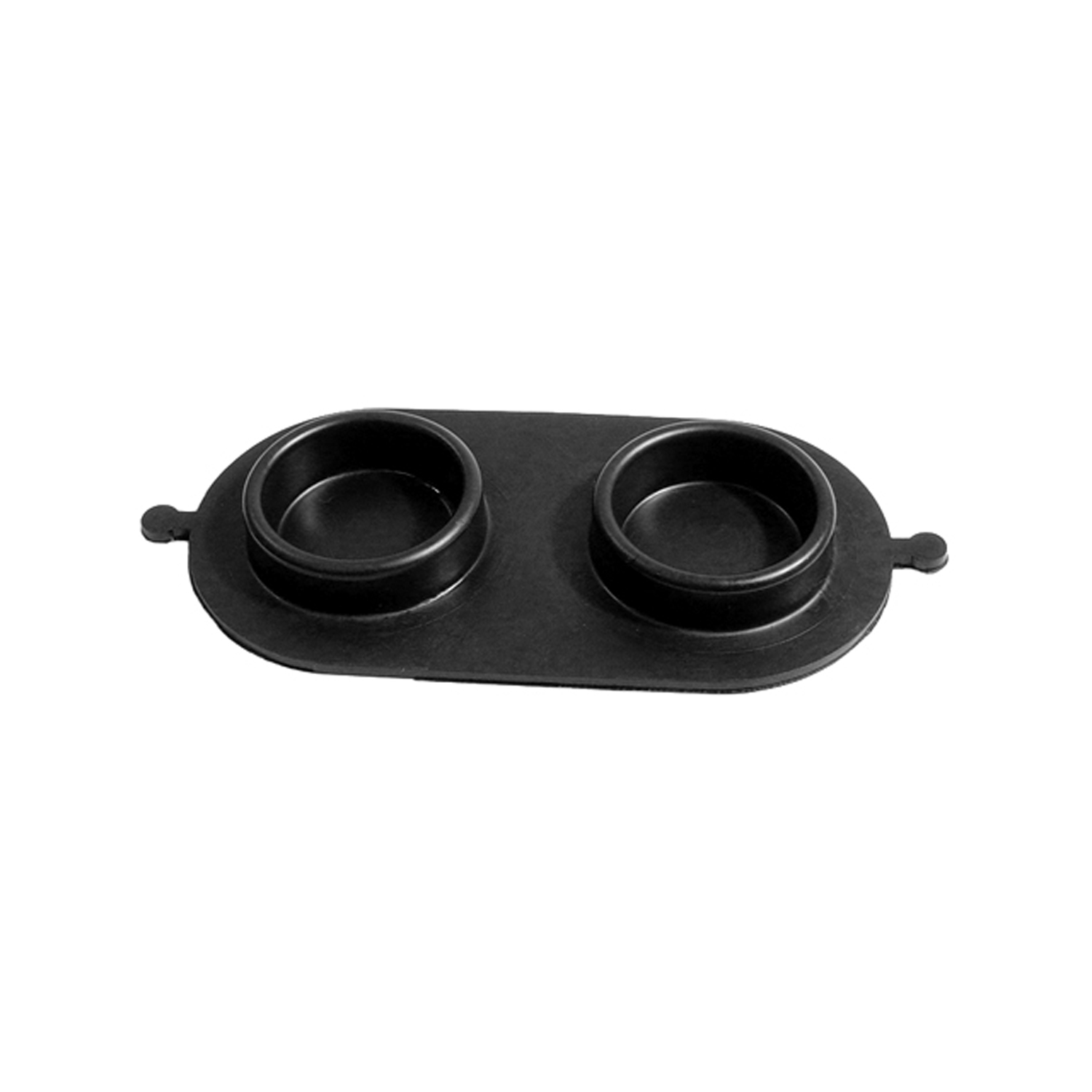 1974 Ford Mustang II Brake Master Cylinder Cover Seal. Replaces OEM #C7AZ2167-A-RP 2-BBrake Master Cylinder Cover Seal. Replaces OEM #C7AZ2167-A. Each
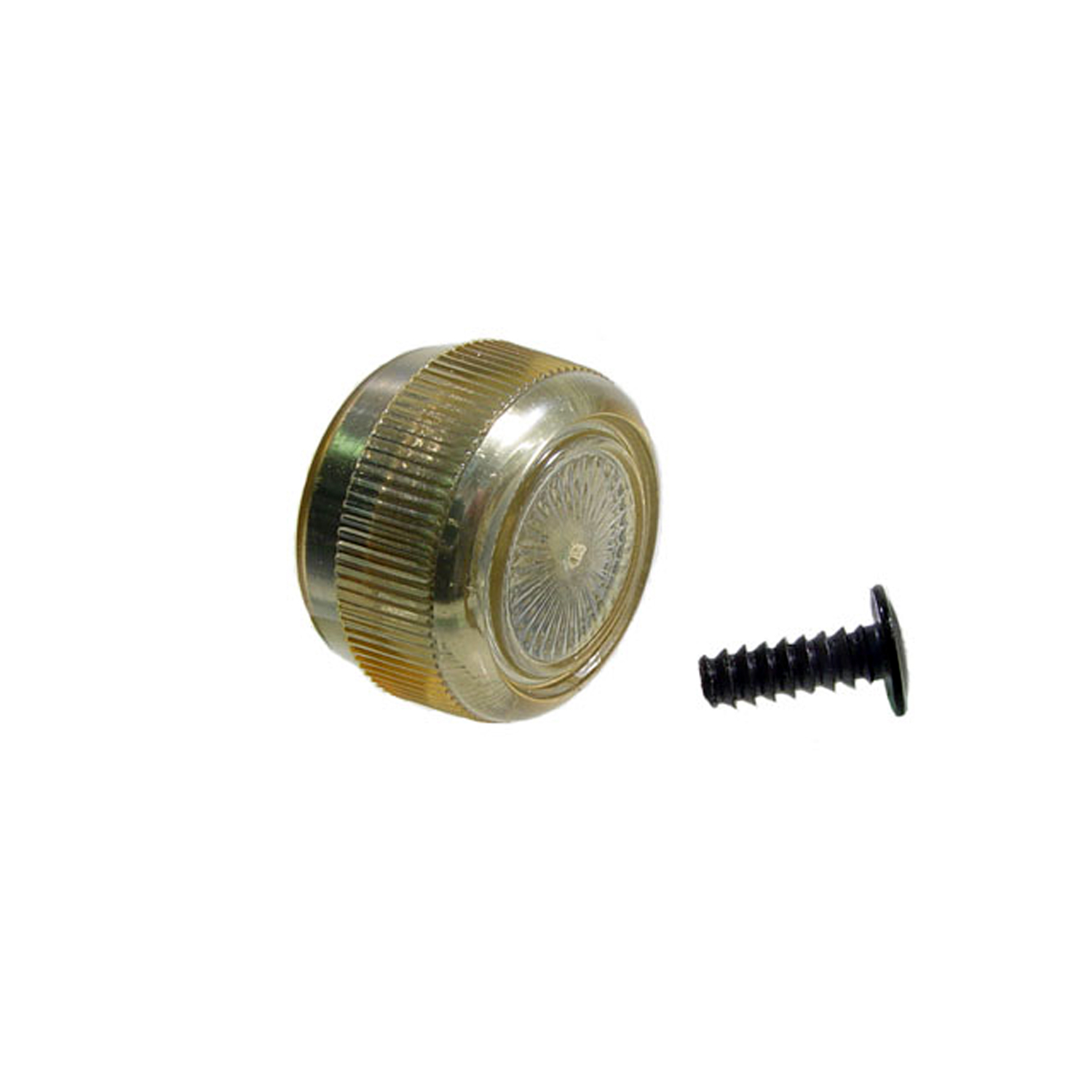 1974 Ford Mustang II Window Crank Handle Knob and Attaching Parts. Clear. Each-RP 400-BWindow Crank Handle Knob and Attaching Parts. Clear. Each
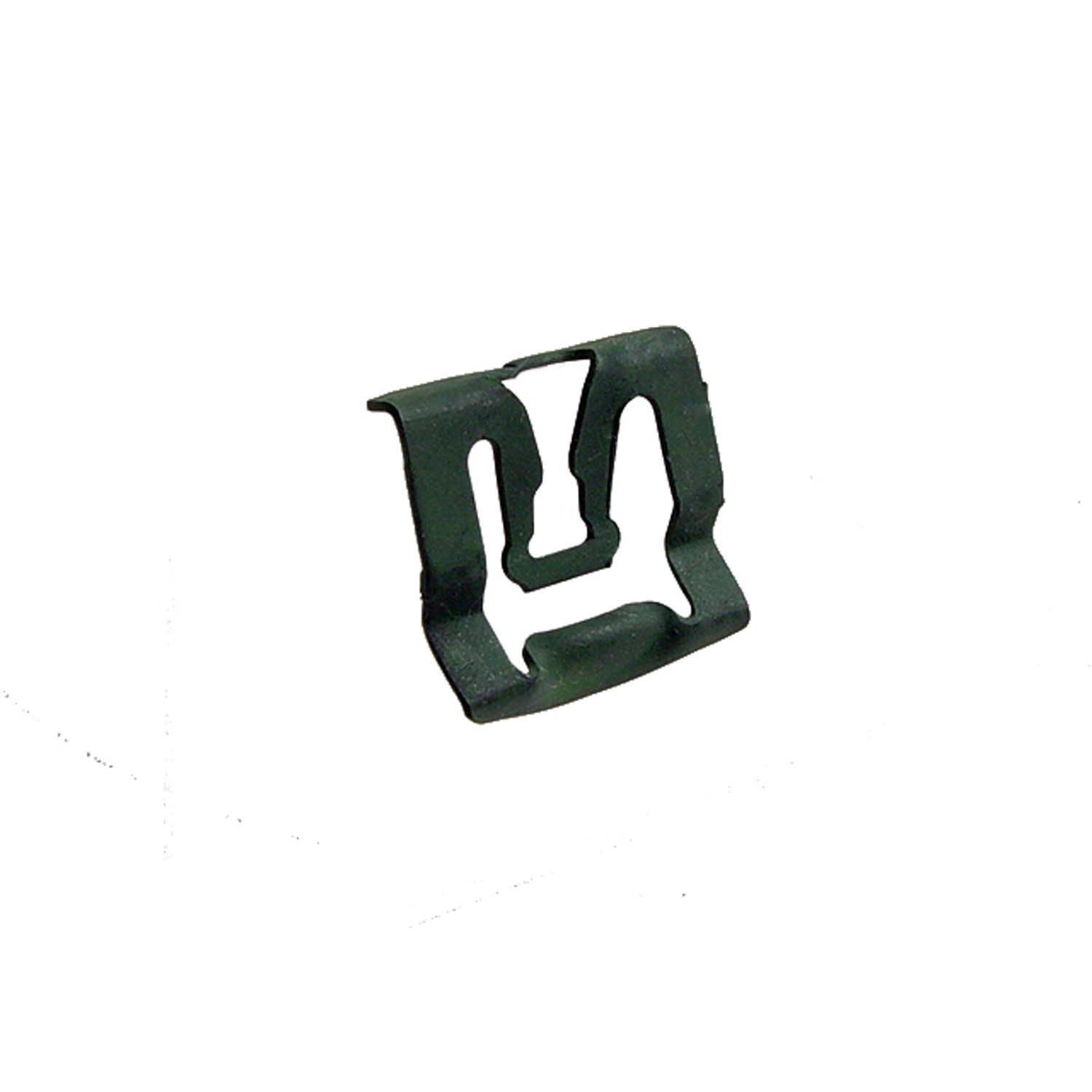 1974 Ford Mustang II Windshield Reveal Molding Clip. Made of steel. Each-WF 228-AWindshield Reveal Molding Clip. Made of steel. Each
Why Choose Metro?
For over 100 years, Metro Moulded Parts has been the pinnacle of quality in classic car restoration parts. Our commitment to precision and authenticity in every component ensures a perfect fit and an OEM-level appearance.
- Expert Craftsmanship & Quality: Each part is a testament to our dedication to reliability and perfection, crafted from original designs and thoroughly tested.
- Advanced Technology: We use cutting-edge techniques to create flawless, long-lasting parts that surpass others in performance.
- SuperSoft Sponge – The Ultimate Door Seal: Not only are our door seals 30% softer than competitors', but they're also guaranteed to never leak. They effectively reduce wind and road noise, enhancing your classic car's comfort and driving experience.
- Proudly American: Our parts are a product of American craftsmanship, made in the USA with a spirit of excellence and heritage.
- Unrivaled Warranty: We back our products with a 30-year industry-leading warranty, a testament to our confidence in their quality.
Join us in preserving the legacy of classic cars with parts that are crafted for perfection, not just made.