

Image of 1974 Ford Ranch Wagon, Note: These illustrations use artistic license and may differ from actual historical models.
Performance Metrics
Fundamental Metrics
Emotional Appeal
MMP Rating
| Engine Specifications | |
|---|---|
| Engine Options: | 302 cu in (4.9 L) Windsor V8, 351 cu in (5.8 L) Windsor V8, 400 cu in (6.6 L) Cleveland V8 |
| Displacement Range: | 302-400 cu in |
| Horsepower Range: | 140-180 hp |
| Torque: | 240-315 lb-ft |
| Compression Ratio: | 8.4:1 - 9.0:1 |
| Ignition System: | Conventional breaker-point ignition system |
| Cooling System: | Liquid-cooled |
| Performance Specifications | |
| 0-60 Time: | Estimated 10-12 seconds |
| 1/4 Mile Time: | Estimated 17-19 seconds |
| Top Speed: | 100-110 mph |
| Transmission and Drive | |
| Drive Type: | Rear-wheel drive |
| Transmission Type: | 3-speed automatic, 4-speed manual |
| Fuel and Efficiency | |
| Fuel System Type: | Carburetor |
| MPG: | Estimated 10-12 mpg |
| Dimensions and Brakes | |
| Brakes: | Front disc, rear drum |
| Wheelbase: | 114 inches |
| Weight: | 4,000-4,500 lbs |
Note: Specifications for classic cars are given to the best of our ability, considering the limited and variant data available.
1974 Ford Ranch Wagon: A Full-Size Family Hauler
The 1974 Ford Ranch Wagon was built for a job American families knew well: carry people, luggage, groceries, camping gear, and just about anything else that would fit through the tailgate. A full-size station wagon from Ford Motor Company, it sat at the practical end of Ford’s wagon range, below more elaborately trimmed models such as the Country Sedan and woodgrain-sided Country Squire.
The Ranch Wagon arrived during a pivotal moment for American cars. The 1973 oil crisis had made fuel economy a national concern, while new safety and emissions rules were reshaping vehicle design. Ford’s 1974 wagon answered with space, a substantial body-on-frame construction, and a choice of engines, but it remained very much a product of the big-car era.
One especially useful feature was Ford’s available two-way “Magic Doorgate.” Depending on how it was operated, the rear gate could open downward like a conventional tailgate or swing to the side like a door. It made loading bulky cargo easier, and remains one of the era’s memorable wagon innovations.
Full-Size Ford Styling and Interior
The 1974 Ranch Wagon wore the broad, squared-off proportions that defined American full-size cars of the period. Its long roof ran back to a nearly vertical tail, while a wide grille, rectangular headlamps, and substantial bumpers gave the nose a sturdy, formal look. The wagon’s large glass area helped keep the cabin bright and gave passengers a good view of the road.
Federal rules for 1974 brought more prominent impact-absorbing bumpers. They added visual bulk, but were intended to withstand low-speed impacts with less damage. The Ranch Wagon’s overall appearance was less decorative than that of a Country Squire, which was known for its faux woodgrain trim. The result was a clean, practical look that suited the Ranch Wagon’s role as a workhorse.
Inside, buyers could expect a roomy cabin with straightforward controls and durable materials. Depending on equipment, upholstery could be vinyl or cloth, with carpeting, trim, and convenience features varying by order. The dashboard favored broad, legible instruments over sporty detail, and the generous bench seating made the car comfortable for long trips. Options and exact interior combinations varied, so surviving cars can differ considerably.
Ford offered the Ranch Wagon in a range of period colors, from subdued whites, blues, and greens to warmer earth tones and metallic shades. The available palette depended on the specific paint code and order. Neutral colors were common, while brighter choices gave the big wagon a more distinctive presence.
For 1974, the Ranch Wagon was a four-door, full-size station wagon. It was not a separate sedan or coupe model. Buyers could tailor the wagon with different engines, transmissions, seating, trim, and convenience equipment, but its essential identity remained the same: a spacious, comparatively plain-trimmed Ford wagon.
What Set the Ranch Wagon Apart
The Ranch Wagon was not a revolutionary model on its own. Its importance came from how it represented the American family wagon at the end of its high point. Before minivans and SUVs took over the family-hauling role, station wagons combined passenger-car manners with a long, useful cargo area. Ford’s full-size wagons were major players in that market.
Compared with a Country Squire, the Ranch Wagon offered a simpler presentation. That made it appealing to buyers who wanted full-size capacity without paying for every decorative flourish. It also shows how Ford could use one basic vehicle architecture to serve different customers through trim and equipment choices.
The model’s significance is also tied to timing. The 1974 Ranch Wagon had to reconcile traditional American expectations of size and comfort with rising fuel costs and tighter regulations. It captures the transition from the confident, large-displacement station wagons of the 1960s toward the more efficiency-conscious vehicles that followed.
Engines, Speed, and Road Manners
Engine availability depended on the car’s equipment and market, but the 1974 full-size Ford range offered six-cylinder and V8 choices. Commonly listed options included a 250-cubic-inch inline-six and V8s such as the 302, 351, 400, and 460 cubic-inch engines. Not every engine was available in every configuration. Automatic transmission was a popular pairing, while transmission availability depended on the engine and order.
Ford did not present the Ranch Wagon as a performance car, and reliable factory acceleration figures are not commonly cited for every engine combination. As a broad period-car estimate, a V8 example might reach 60 mph in roughly 10 to 15 seconds, with a six-cylinder car generally taking longer. Top speed varied with engine, gearing, condition, and load; approximately 90 to 110 mph is a reasonable estimate for a healthy example, not a guaranteed factory specification.
On the road, the Ranch Wagon feels substantial. Its long wheelbase and soft suspension help it glide over ordinary bumps, while the large cabin and broad seats make highway cruising its natural habitat. On winding roads, the same size and comfort-focused setup mean it feels less nimble than a smaller car. It can lean through corners, and crosswinds or uneven pavement are more noticeable than they would be in a modern vehicle.
A V8 Ranch Wagon delivers a low, relaxed exhaust note and unhurried acceleration rather than a sharp sporting soundtrack. The driver sits behind a broad hood, works with period-style steering and controls, and feels the car’s weight in parking lots and tight turns. Fuel consumption is a significant part of the experience: depending on engine, condition, traffic, and driving style, single-digit or low-teens miles per gallon can be realistic.
Living With a 1974 Ranch Wagon
Today, Ranch Wagons are most often used as weekend cruisers, family history projects, show cars, or distinctive classic-car haulers. A well-maintained example can still carry passengers and cargo comfortably, but its size, fuel use, and age make it less convenient as a modern daily driver. It is better suited to relaxed trips than tight urban commutes.
Many routine repairs are approachable for an owner with basic mechanical skills. The engines and drivetrains are conventional by classic-car standards, and many service parts are shared with other Ford models of the era. That said, age brings its own challenges. Rust in the floors, frame, lower body, and wagon-specific rear structure deserves careful inspection, as do the tailgate mechanisms, window seals, electrical connections, brakes, and cooling system.
Parts availability is generally workable for common mechanical components, but trim, glass, interior pieces, and wagon-specific hardware can take more searching. Before buying, check that the rear gate and window operate correctly. A missing or damaged tailgate part can be more difficult to source than a routine engine component.
Ranch Wagon Facts and Common Criticisms
The Magic Doorgate is a standout talking point, but it is not the only practical detail worth noticing. Ford’s full-size wagon format offered a large cargo area and useful passenger space in a time before family SUVs became the default choice. The Ranch Wagon’s comparatively restrained trim also gives it a different character from the more frequently recognized woodgrain Country Squire.
There is no widely known speed, endurance, or sales record attached specifically to the 1974 Ranch Wagon, and it is not famous for a major movie-star ownership story. Its historical interest is quieter: it represents the everyday family vehicle of an era when a station wagon could serve as transportation, vacation machine, and cargo carrier all at once.
Common criticisms are familiar to anyone who has driven a large 1970s car. The Ranch Wagon is thirsty, takes up considerable road and parking space, and does not feel agile on narrow or winding roads. Its age also means that safety equipment and braking performance are not comparable to those of a modern vehicle. For many enthusiasts, however, those drawbacks are part of the honest character of a big American wagon.
1974 Ford Ranch Wagon Values and Rarity
Exact production figures for the 1974 Ranch Wagon are not consistently available in the kind of model-by-model detail collectors would like. As a rough estimate rather than an official Ford total, production may have been in the tens of thousands, perhaps around 15,000 to 25,000 examples. Many have disappeared through rust, heavy use, or decades of neglect, so surviving cars are much less common than that original volume suggests.
Prices depend heavily on condition, originality, engine, and the quality of any restoration. As a broad current-market guide, a project car might sell for about $1,500 to $4,000. A usable driver may fall around $4,000 to $9,000, while a clean, well-preserved or nicely restored example could bring roughly $9,000 to $16,000 or more. Exceptional cars can exceed that range, but wagon-specific parts and buyer demand strongly affect the final price.
The Ranch Wagon is a niche collectible, and values have generally risen as interest in vintage wagons has grown. It is not usually as valuable as a rare muscle car or a highly optioned Country Squire, and prices can be uneven. A solid, rust-free car is often a better investment than an ambitious restoration, especially because body and trim work can quickly cost more than the finished wagon is worth.
Why the 1974 Ranch Wagon Still Matters
The 1974 Ford Ranch Wagon combines generous space, familiar Ford engineering, and the unmistakable proportions of a full-size American station wagon. It was built for family usefulness rather than speed or prestige, yet its practical design, available Magic Doorgate, and place in the oil-crisis era make it more than just an old people-mover.
For collectors, it offers a less predictable alternative to the better-known woodgrain wagon. For anyone who appreciates the scale and character of 1970s American cars, the Ranch Wagon remains a rolling reminder of when the family car could also be the family’s biggest piece of luggage.
1974 Ford Ranch Wagon Catalog of Parts
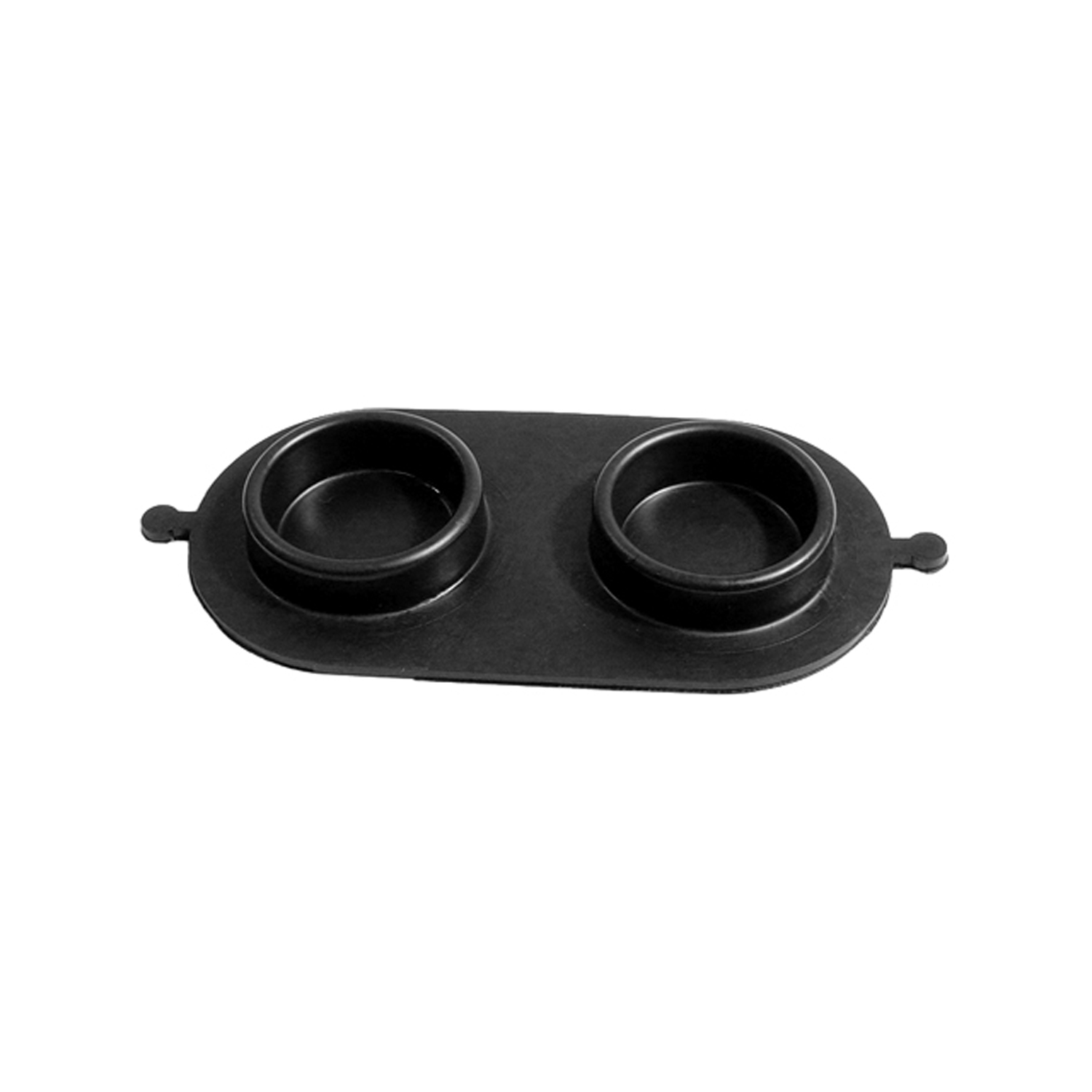 1974 Ford Ranch Wagon Brake Master Cylinder Cover Seal. Replaces OEM #C7AZ2167-A-RP 2-BBrake Master Cylinder Cover Seal. Replaces OEM #C7AZ2167-A. Each
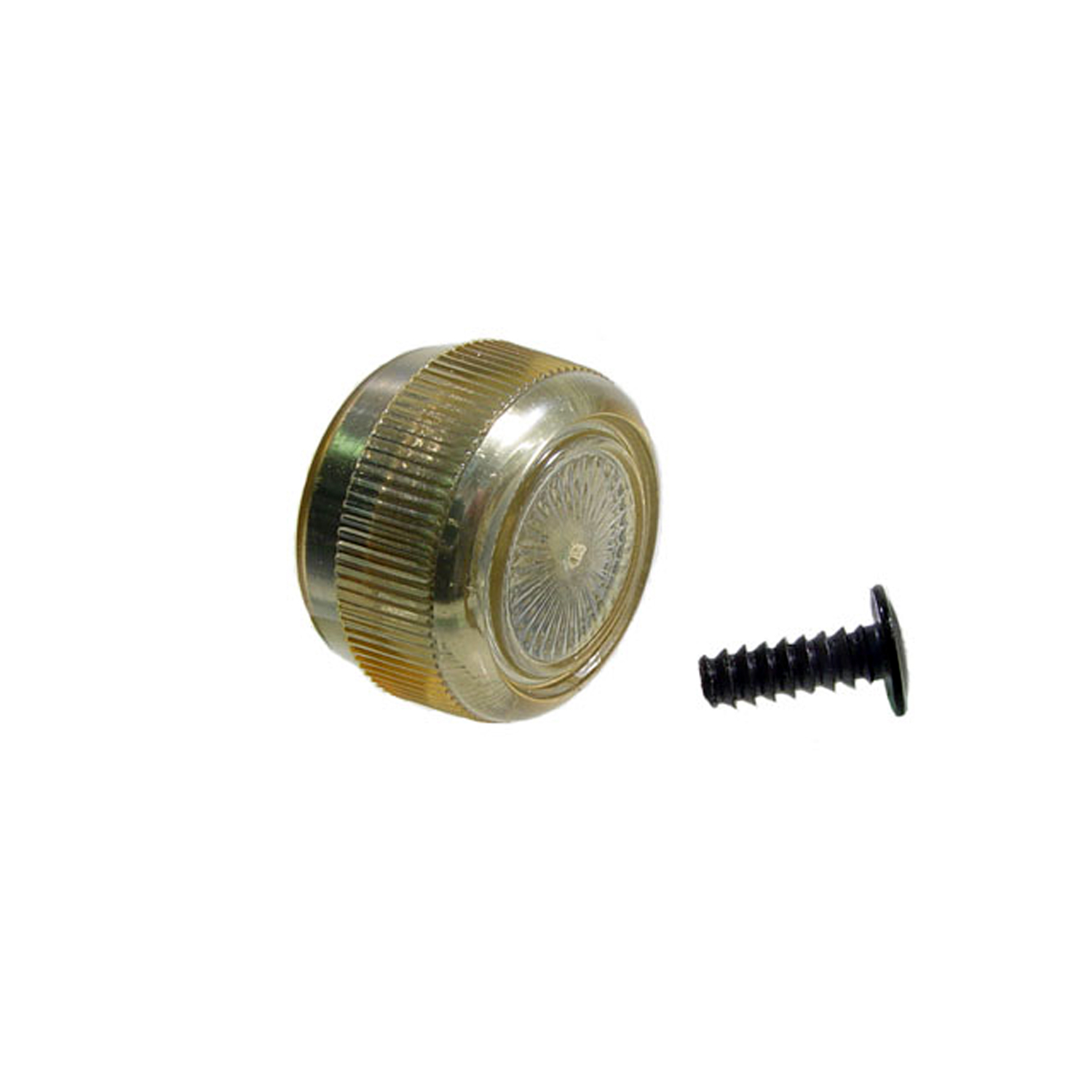 1974 Ford Ranch Wagon Window Crank Handle Knob and Attaching Parts. Clear. Each-RP 400-BWindow Crank Handle Knob and Attaching Parts. Clear. Each
Why Choose Metro?
For over 100 years, Metro Moulded Parts has been the pinnacle of quality in classic car restoration parts. Our commitment to precision and authenticity in every component ensures a perfect fit and an OEM-level appearance.
- Expert Craftsmanship & Quality: Each part is a testament to our dedication to reliability and perfection, crafted from original designs and thoroughly tested.
- Advanced Technology: We use cutting-edge techniques to create flawless, long-lasting parts that surpass others in performance.
- SuperSoft Sponge – The Ultimate Door Seal: Not only are our door seals 30% softer than competitors', but they're also guaranteed to never leak. They effectively reduce wind and road noise, enhancing your classic car's comfort and driving experience.
- Proudly American: Our parts are a product of American craftsmanship, made in the USA with a spirit of excellence and heritage.
- Unrivaled Warranty: We back our products with a 30-year industry-leading warranty, a testament to our confidence in their quality.
Join us in preserving the legacy of classic cars with parts that are crafted for perfection, not just made.