

Image of 1974 Ford Ranchero, Note: These illustrations use artistic license and may differ from actual historical models.
Performance Metrics
Fundamental Metrics
Emotional Appeal
MMP Rating
| Engine Specifications | |
|---|---|
| Engine: | 302 CID 2V V8, 351 CID 2V V8, 400 CID 2V V8, 460 CID 4V V8 |
| Displacement: | 302 - 460 CID |
| Horsepower: | 140 - 220 HP |
| Torque: | 242 - 350 lb-ft |
| Compression Ratio: | 8.0:1 - 8.5:1 |
| Ignition System: | Conventional breaker-point ignition system |
| Cooling System: | Liquid-cooled |
| Performance Specifications | |
| 0-60 Time: | 10 - 12 seconds |
| 1/4 Mile Time: | 17 - 19 seconds |
| Top Speed: | 105 - 115 mph |
| Transmission and Drive | |
| Drive Type: | Rear-wheel drive |
| Transmission Type: | 3-speed automatic, 4-speed manual |
| Fuel and Efficiency | |
| Fuel System Type: | Carburetor |
| MPG: | 10 - 14 MPG |
| Dimensions and Brakes | |
| Brakes: | Front disc brakes and rear drum brakes |
| Wheelbase: | 118 inches |
| Weight: | 3,600 - 4,000 lbs |
Note: Specifications for classic cars are given to the best of our ability, considering the limited and variant data available.
1974 Ford Ranchero: A Muscle-Era Pickup With Car Comfort
The 1974 Ford Ranchero could haul a load of lumber during the week and cruise like a full-size American coupe on the weekend. That unusual blend was the Ranchero’s signature: a two-door passenger car with an open cargo bed, built by Ford Motor Company for drivers who wanted pickup utility without giving up the comfort and style of a car.
The Ranchero began in 1957, two years before Chevrolet introduced its El Camino. By 1974, it had evolved into a substantial, Torino-based coupe utility with bold styling and a choice of six-cylinder and V8 power. It arrived at a turning point for American cars. The fuel crisis, emissions rules, and federally required crash standards were reshaping vehicle design, yet Ford’s Ranchero still offered the long hood, broad grille, and V8 character that buyers expected from a 1970s Ford.
One memorable detail is that the Ranchero’s name means “rancher” in Spanish. The name suited a vehicle designed to bridge two worlds: practical enough for work, but polished enough for the driveway of a family home.
Torino Styling and Ranchero Trim Choices
The 1974 Ranchero had a long, low profile, with a sweeping hood, two-door cabin, and separate cargo bed. Its front end wore the bold grille and squared-off details of the contemporary Ford Torino. At the rear, the bed’s high sides and tailgate gave it genuine hauling usefulness, while the cab’s sloping roofline kept the overall shape closer to a coupe than a conventional pickup. Federal bumper requirements added more substantial bumpers than those seen on many earlier cars.
Ford offered the Ranchero in several trim levels, commonly including the base model, Ranchero 500, GT, and Squire. These were trim and equipment variations, not different body styles: every 1974 Ranchero used the same basic two-door cab-and-bed layout. The GT brought a sportier appearance and was the choice for buyers seeking a more performance-minded look. The Squire stood out with woodgrain-style exterior trim that gave the utility vehicle a distinctly suburban, wagon-like touch.
Inside, the Ranchero felt more like a Ford passenger car than a work-truck cab. Depending on trim and options, buyers could get bench or bucket-style seating, vinyl or cloth-and-vinyl upholstery, carpeting, and bright interior trim. Higher equipment levels could add comforts such as air conditioning, power accessories, an upgraded radio, and automatic transmission. The materials were typical of a mass-produced American car of the period: durable and comfortable, with more emphasis on appearance and convenience than on modern levels of precision or soft-touch finish.
Color choices varied by trim and ordering combination, but Ford offered the period’s familiar range of solid and metallic exterior colors, from restrained whites and dark tones to brighter hues. Popular choices included classic red, blue, green, and white finishes. On Squire models, simulated woodgrain was a defining visual feature rather than a paint color.
Engines, Power, and Road Performance
Depending on configuration and market, 1974 Rancheros could be ordered with a 250-cubic-inch inline-six or a V8 such as the 302, 351, 400, or 460. Availability varied by trim and equipment. These engines used the lower advertised horsepower ratings typical of the period, when manufacturers were quoting power under newer SAE net standards and adapting to emissions requirements. Broadly, the lineup ranged from a practical six-cylinder to large-displacement V8s suited to towing and relaxed highway travel.
Performance depended heavily on the engine, axle ratio, transmission, and vehicle condition. As a general period-car estimate, a V8 Ranchero could reach 0 to 60 mph in roughly 9 to 14 seconds, with the larger-engine versions at the quicker end when properly equipped. A healthy, suitably geared example might have a top speed in the neighborhood of 100 to 115 mph, though that was not the Ranchero’s main purpose and should not be treated as a guaranteed factory figure. Six-cylinder versions were more leisurely, particularly when carrying a load.
On the road, the Ranchero feels broad and substantial. Its car-based platform gives it a more settled, less trucklike character than many pickups of the era, while the open bed and load-carrying suspension still make it feel different from a Torino coupe. It is comfortable on ordinary roads, but large bumps can produce the firm, slightly busy response expected from an older utility vehicle. On winding roads, expect body lean and a long, heavy feel rather than modern sports-car precision. Power steering and power brakes, when fitted and in good condition, make everyday driving much easier.
A V8 Ranchero has the deep, unhurried sound of a traditional American engine, especially under acceleration. The driving experience is less about sharp handling than about relaxed cruising, a wide view over the hood, and the sense that the vehicle can carry people and gear without losing its passenger-car manners.
Why the 1974 Ranchero Matters
The Ranchero helped establish the coupe utility as a distinct kind of vehicle in the American market. It was not simply a pickup with a car interior, nor a passenger car with a token cargo area. Its combination of car-like styling, accessible comfort, and useful bed influenced the appeal of later car-based utility vehicles, even as the American market gradually shifted toward larger pickups and, eventually, modern sport utility vehicles.
The Ranchero also illustrates the pressures facing U.S. automakers in 1974. Its design still reflected the big-car confidence of the early 1970s, but fuel prices and emissions rules were making large engines and heavy vehicles harder to justify. Against compact pickups, it offered more comfort and style. Against conventional cars, it offered an open bed. That versatility was its advantage, although it also meant the Ranchero did not fit neatly into a single category.
For 1974, the Ranchero was part of the final stretch of the Torino-based generation, which ran from 1972 through 1976. The model continued after that, but Ford shifted it to a different platform for 1977. That makes the 1974 version a representative example of the Ranchero’s large, distinctly 1970s era.
Living With a 1974 Ford Ranchero
Today, owners use these Rancheros as weekend cruisers, show vehicles, light-duty haulers, and sometimes regular drivers. A clean example can turn heads at a classic-car gathering precisely because it is less common than a Mustang or conventional pickup. The bed remains useful for manageable loads, though owners often protect original paint and trim rather than treating a collectible Ranchero like a modern work truck.
Mechanical maintenance is generally approachable for an owner familiar with classic American Fords. The engines and many drivetrain components are from a broad family of Ford parts, and routine jobs such as ignition service, brake work, and carburetor maintenance do not require specialist electronics. The main challenges are age-related: rust, worn suspension parts, tired wiring, leaks, and the difficulty of finding certain Ranchero-specific trim, bed parts, and interior pieces in good condition.
Before buying, inspect the floor pans, frame and suspension mounting areas, bed floor, lower body panels, and the seams around the cab and bed. Check that the engine, transmission, brakes, and cooling system behave properly under real driving conditions. A mechanically sound Ranchero is usually easier to enjoy than a neglected restoration project, especially when scarce trim or weatherstripping is missing.
Ranchero Trivia and Common Criticisms
Ranchero’s 1957 debut gave Ford an early lead in the American car-pickup niche, ahead of Chevrolet’s El Camino. The 1974 model is also a snapshot of a changing industry: a vehicle with large-engine options introduced just as the fuel crisis was pushing buyers toward greater economy.
There is no single widely recognized speed or endurance record associated with the 1974 Ranchero. Its appeal was versatility, not competition. Nor is a particular celebrity ownership story central to the model’s history. Its more lasting claim to fame is the unusual format itself: a car with a useful bed, built decades before crossovers made vehicle categories less clear-cut.
Common criticisms include fuel consumption on V8 models, substantial size, and handling that feels dated by modern standards. The cargo bed is also less convenient than a full-size pickup bed for some jobs, and the Ranchero’s combination of car and truck parts can make model-specific restoration details harder to source than routine mechanical components. These trade-offs are part of its character, but they are worth understanding before buying.
1974 Ford Ranchero Values and Rarity
Ford produced approximately 21,000 to 22,000 Rancheros for the 1974 model year, making them uncommon today but not exceptionally rare. This is a best-estimate figure, and surviving numbers are much lower because many examples spent years in work or daily-driver service. Base models and ordinary driver-quality cars appear periodically, while well-preserved GTs and Squires can take more searching.
As a broad current-market estimate, a project Ranchero may sell for about $5,000 to $10,000. A usable driver in fair-to-good condition might fall around $12,000 to $22,000, while a very clean, well-restored, or especially desirable example could reach roughly $25,000 to $40,000 or more. Condition, rust, documentation, engine, trim, and the quality of any restoration matter more than a badge alone. Exceptional cars can exceed these ranges, while incomplete or heavily corroded vehicles may fall below them.
Values have generally strengthened as interest in 1970s American vehicles has grown, but the Ranchero remains a niche collectible rather than a guaranteed high-return investment. The best examples tend to attract the most attention, while ordinary cars can be more price-sensitive. Buyers should compare recent sales of similar-condition Rancheros rather than assume a GT or Squire badge automatically means a premium.
A Classic With Two Jobs
The 1974 Ford Ranchero brought together the comfort of a Torino-era Ford and the usefulness of an open-bed vehicle at a moment when American motoring was changing fast. Its bold styling, wide engine choices, and distinctly carlike cabin made it different from both conventional pickups and ordinary coupes. For collectors, it offers an appealing piece of 1970s Ford history; for drivers, it remains a memorable classic with room for both passengers and cargo. Few vehicles make the case for doing two jobs with quite as much style.
1974 Ford Ranchero Catalog of Parts
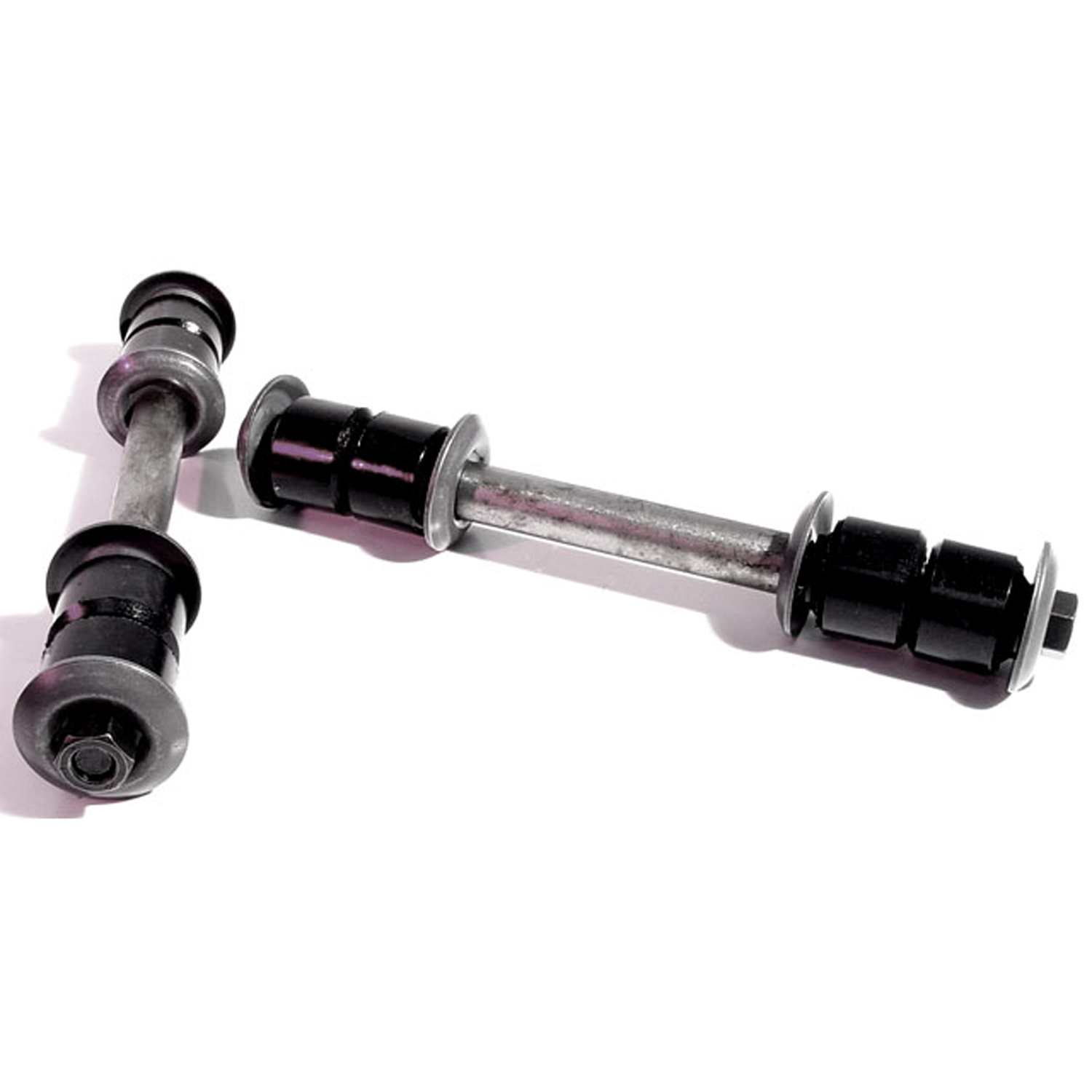 1974 Ford Ranchero Front Stabilizer End Repair Kit-BNK 21Front Stabilizer End Repair Kit. 22-piece set for two stabilizer bars. Contains all rubber bushings, washers, bolts and nuts, enough for one front end. Set
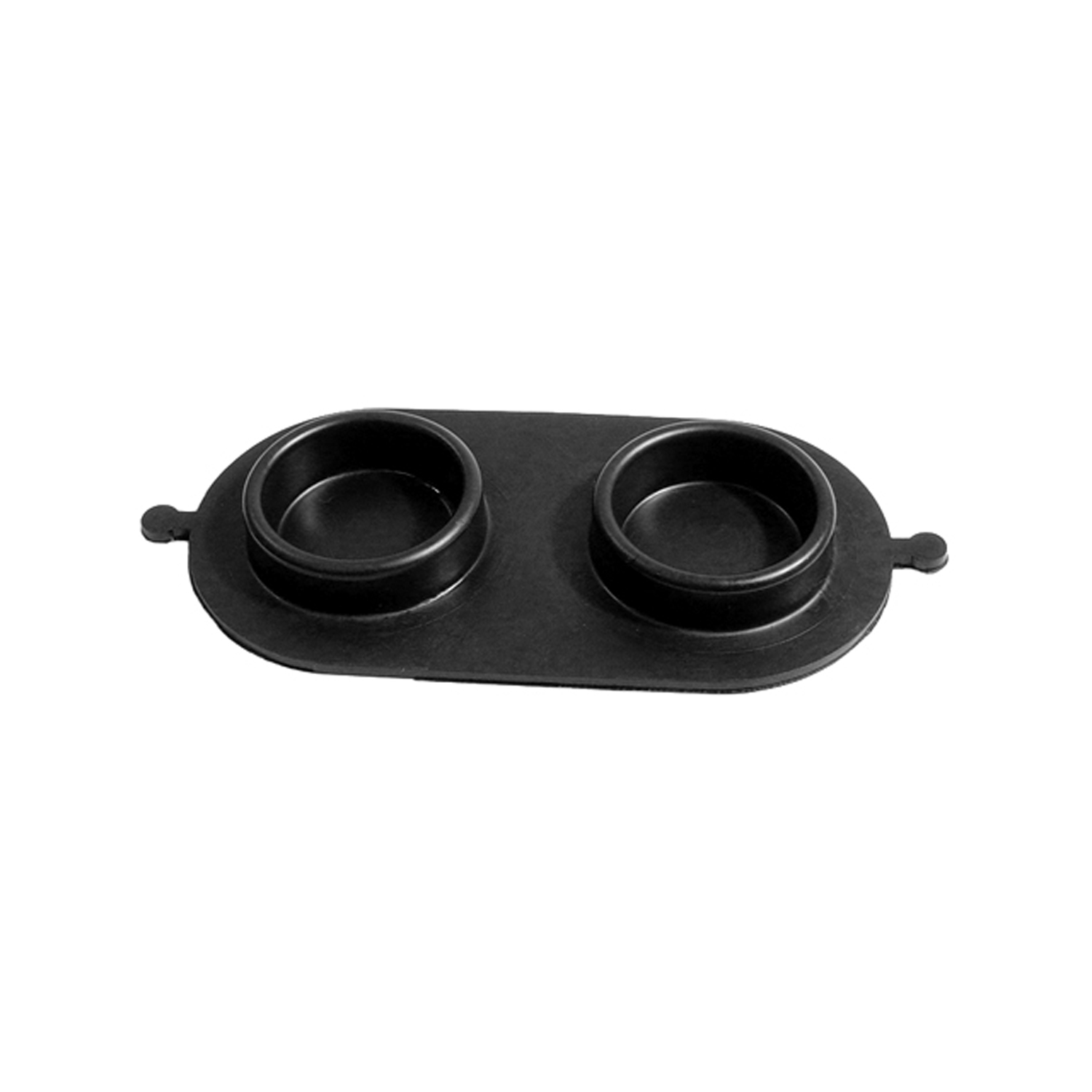 1974 Ford Ranchero Brake Master Cylinder Cover Seal. Replaces OEM #C7AZ2167-A-RP 2-BBrake Master Cylinder Cover Seal. Replaces OEM #C7AZ2167-A. Each
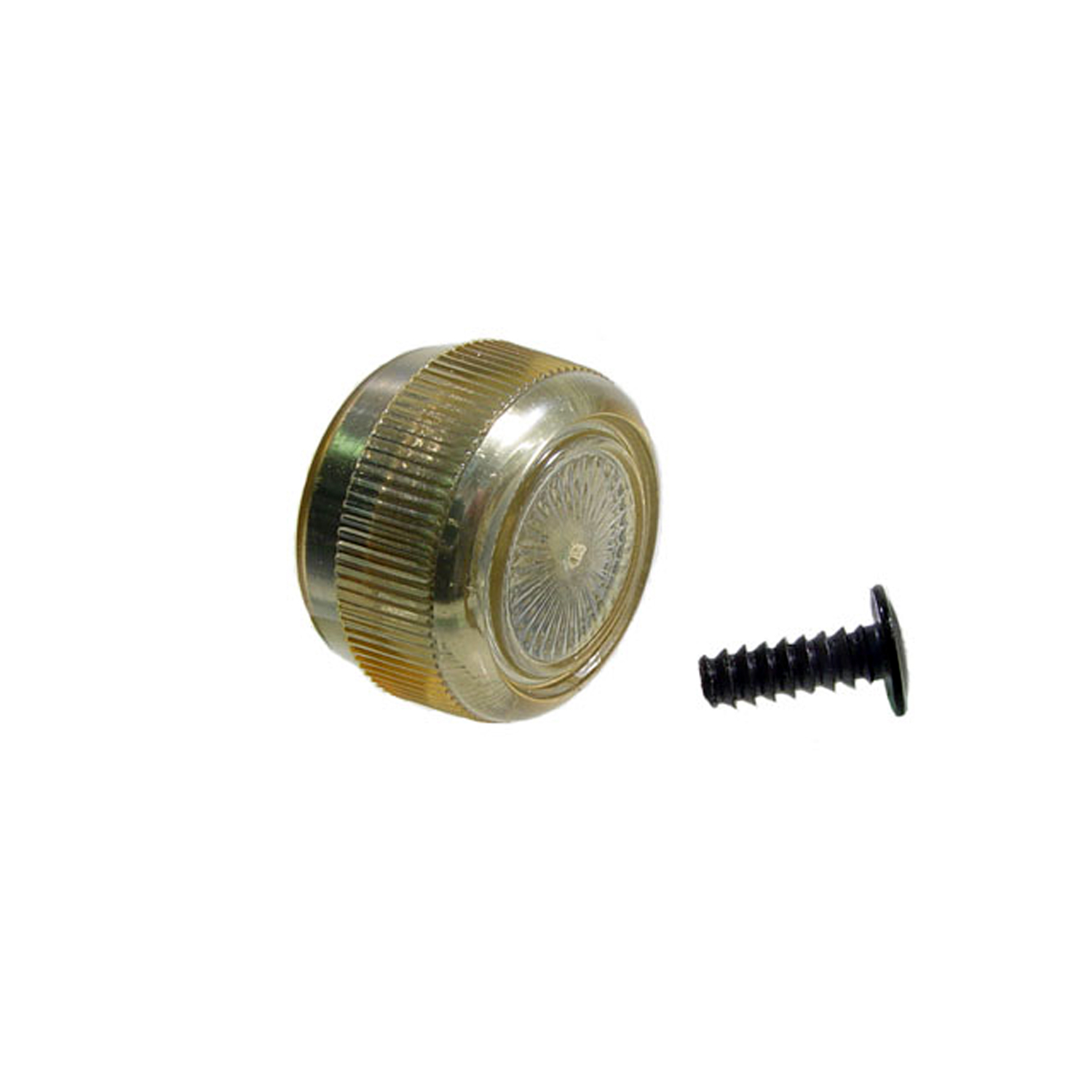 1974 Ford Ranchero Window Crank Handle Knob and Attaching Parts. Clear. Each-RP 400-BWindow Crank Handle Knob and Attaching Parts. Clear. Each
Why Choose Metro?
For over 100 years, Metro Moulded Parts has been the pinnacle of quality in classic car restoration parts. Our commitment to precision and authenticity in every component ensures a perfect fit and an OEM-level appearance.
- Expert Craftsmanship & Quality: Each part is a testament to our dedication to reliability and perfection, crafted from original designs and thoroughly tested.
- Advanced Technology: We use cutting-edge techniques to create flawless, long-lasting parts that surpass others in performance.
- SuperSoft Sponge – The Ultimate Door Seal: Not only are our door seals 30% softer than competitors', but they're also guaranteed to never leak. They effectively reduce wind and road noise, enhancing your classic car's comfort and driving experience.
- Proudly American: Our parts are a product of American craftsmanship, made in the USA with a spirit of excellence and heritage.
- Unrivaled Warranty: We back our products with a 30-year industry-leading warranty, a testament to our confidence in their quality.
Join us in preserving the legacy of classic cars with parts that are crafted for perfection, not just made.