

Image of 1974 Ford Thunderbird, Note: These illustrations use artistic license and may differ from actual historical models.
Performance Metrics
Fundamental Metrics
Emotional Appeal
MMP Rating
| Engine Specifications | |
|---|---|
| Engine: | 460 CID 4V V-8 |
| Displacement: | 460 cubic inches (7.5 liters) |
| Horsepower: | 220 HP |
| Torque: | 355 lb-ft |
| Compression Ratio: | 8.5:1 |
| Ignition System: | Electronic Ignition System |
| Cooling System: | Liquid-cooled |
| Performance Specifications | |
| 0-60 Time: | 10 seconds |
| 1/4 Mile Time: | 17.5 seconds |
| Top Speed: | 120 mph |
| Transmission and Drive | |
| Drive Type: | Rear-wheel drive |
| Transmission Type: | 3-speed automatic |
| Fuel and Efficiency | |
| Fuel System Type: | Carburetor |
| MPG: | 10-12 mpg |
| Dimensions and Brakes | |
| Brakes: | Power-assisted front disc and rear drum brakes |
| Wheelbase: | 120.4 inches |
| Weight: | 4,900 lbs |
Note: Specifications for classic cars are given to the best of our ability, considering the limited and variant data available.
1974 Ford Thunderbird: A Big-Body American Personal Luxury Coupe
The 1974 Ford Thunderbird was built for a particular kind of American motoring: long, quiet, comfortable, and unmistakably grand. It was a full-size personal luxury coupe from Ford Motor Company, with a powerful V8, a formal roofline, and the sort of road presence that made a parking space feel a little smaller.
By 1974, the Thunderbird had come a long way from its 1955 debut as a compact two-seat convertible. Ford had transformed it into a larger luxury car, and the sixth-generation model, introduced for 1972, took that idea to an imposing extreme. The 1974 car arrived during the first oil crisis, when fuel shortages and rising gasoline prices were suddenly part of everyday life. Its enormous 460-cubic-inch V8 made it a fascinating symbol of the era: a lavish, powerful cruiser launched just as America began questioning big-car appetites.
One detail that catches the eye is its concealed headlamps. When switched off, the lamps disappear behind matching panels, preserving the Thunderbird’s clean, formal front end. That little piece of theater suited a car designed to make an entrance.
Formal Styling and Thunderbird Luxury
The 1974 Thunderbird wears its size confidently. Its long hood, broad fenders, crisp body sides, and substantial rear quarters give it a stately profile. A prominent grille anchors the front, while the hidden headlights add a smooth, almost futuristic touch. At the back, the wide tail and carefully integrated lighting complete a shape that feels more like a personal-luxury statement than a conventional family coupe.
Inside, the emphasis was on space and comfort rather than a sporty, close-fitting cockpit. The cabin offered plush seating, generous legroom, and a broad dashboard laid out around the driver. Depending on equipment and trim, buyers could get upholstery in cloth, vinyl, or leather, along with woodgrain-style accents and a center console. Materials and finishes were intended to feel upscale for the period, though age and years of sun exposure can take a toll on surviving interiors.
Power steering and power-assisted brakes helped make this large coupe manageable, while options could include power windows, power door locks, air conditioning, cruise control, and upgraded radio or stereo equipment. Equipment varied by car, so a buyer today should check the original build information rather than assume every luxury feature was standard.
Ford offered the 1974 Thunderbird as a two-door coupe, with Landau trim available for buyers seeking an even more formal look. The Landau treatment typically emphasized the roof with vinyl covering and distinctive rear-quarter styling. Paint choices varied by production date and trim, but period colors included a broad mix of whites, blues, greens, reds, golds, and earth tones. Coordinated vinyl roofs and interiors were popular ways to give the car a richer, more customized appearance.
Why the 1974 Thunderbird Matters
The Thunderbird helped define the American personal-luxury coupe. Rather than chasing sports-car handling, it combined a powerful engine, comfortable seating, upscale appointments, and distinctive styling in a two-door package. The 1974 model represents that philosophy at full scale, arriving near the peak of the large American luxury car.
Its size also tells a story about the automotive industry. The sixth-generation Thunderbird shared its basic full-size foundations with other large Ford Motor Company cars, while its unique styling and equipment gave it a separate identity. That approach allowed Ford to deliver a roomy, substantial car with a more exclusive personality than an ordinary sedan.
The car’s timing is part of its significance. The 1973 oil crisis had made fuel economy a pressing concern, yet the Thunderbird retained a 460 V8 and a heavy, comfort-focused body. In later years, changing regulations, fuel prices, and buyer tastes pushed automakers toward smaller cars. The 1974 Thunderbird is a vivid snapshot of the moment before that shift reshaped the American coupe.
460 V8 Performance and Road Manners
For 1974, the Thunderbird’s signature powerplant was Ford’s 460-cubic-inch V8, paired with a three-speed automatic transmission. Output was approximately 220 horsepower using the period’s net rating system, with abundant low-speed torque. Exact figures can vary with equipment and published specifications, but the engine’s character is clear: it was built to move a heavy luxury car smoothly, not to encourage high-revving driving.
Period performance estimates generally put 0-to-60 mph acceleration in roughly the 10-to-12-second range, with top speed around 110 to 115 mph depending on condition, gearing, and test method. Those are respectable numbers for a large 1970s coupe, but the Thunderbird’s real talent was relaxed cruising. Its V8 delivered an effortless surge when merging or passing, while the automatic transmission kept the experience unhurried.
On the road, the Thunderbird feels substantial. Its long wheelbase and soft suspension are well suited to highway travel, where the car can smooth out ordinary pavement imperfections and settle into a quiet, steady rhythm. On rough roads, worn suspension parts or tired tires can make the ride floaty or unsettled. On winding roads, the car’s weight and size are obvious: it prefers broad, flowing curves to quick direction changes.
The driving experience is more lounge chair than sports coupe. The engine produces a deep, muted V8 rumble, and the power steering makes low-speed turns less of a workout than the car’s dimensions suggest. The hood stretches ahead of the driver, the seating position feels relaxed, and the heavy doors reinforce the sense that this is a car built for comfort and presence.
Living With a 1974 Thunderbird
Today, most 1974 Thunderbirds are best suited to weekend cruising, club events, and show-car duty rather than daily commuting. Their size can make urban parking awkward, and fuel economy is poor by modern standards. As a broad real-world expectation, an owner might see single-digit or low-teens miles per gallon, with results depending heavily on traffic, tuning, and driving style.
Routine mechanical work is familiar to many classic-car shops and experienced do-it-yourself owners. The V8 and automatic transmission are conventional American hardware, and common service parts are generally more approachable than trim-specific pieces. Still, a car this old deserves a thorough inspection. Check for rust, especially in the floors, lower body, and trunk; inspect the cooling system and brakes; and confirm that the transmission shifts properly.
Luxury features can add repair work. Power windows, air conditioning, vacuum-operated headlamp covers, and other accessories may need attention, while correct exterior trim and interior components can be harder to find than basic mechanical parts. Before buying, test every switch and inspect the headlamp doors, weatherstripping, glass, and vinyl roof. A clean, complete car is often a better purchase than a cheap project with missing specialty parts.
Thunderbird Trivia and Common Complaints
The 1974 Thunderbird was part of the final stretch of the model’s huge sixth-generation era. The 1972-to-1976 cars are often remembered for their size and formal styling, while the 1977 Thunderbird would be substantially smaller. The 1974 model year also came as the first oil crisis was changing what buyers expected from a new car.
Ford produced an estimated 58,443 Thunderbirds for the 1974 model year. That makes the car far from a one-off rarity, but surviving examples in excellent, original condition are much less common than the production figure suggests. The concealed headlamps remain one of its memorable design features, and they are a useful reminder that luxury-car theater could be mechanical as well as decorative.
The most frequent criticisms are easy to understand: the car is large, thirsty, heavy, and not especially nimble. Its fuel consumption became particularly hard to defend during the energy crisis. On the other hand, those same qualities are part of its appeal today. The Thunderbird offers a relaxed, unmistakably 1970s driving experience that smaller modern cars cannot reproduce.
1974 Thunderbird Collector Values
Values depend greatly on rust, mechanical condition, originality, and whether the car is a standard Thunderbird or a well-equipped Landau. As a broad current-market estimate, a project car may sell for around $2,000 to $5,000. A usable driver often falls in the $5,000 to $12,000 range, while a clean, well-kept example may bring roughly $12,000 to $22,000. Exceptional restorations or unusually original cars can reach higher prices, sometimes into the $25,000 to $35,000 range, though top-end sales are less common.
The 1974 Thunderbird is generally available through classic-car listings, auctions, and enthusiast groups, but finding a truly sound car takes patience. Its production run of about 58,443 means it is not exceptionally rare by collector-car standards. Condition and completeness matter more than a low production number.
Prices have tended to remain accessible compared with more celebrated muscle cars and premium European classics. Well-preserved examples may see gradual appreciation as interest in 1970s American cars grows, but the model is best viewed as an enjoyable collector car rather than a guaranteed investment. Rust-free bodywork, intact trim, and a functioning original interior are likely to matter more to future buyers than costly modifications.
The Big Thunderbird’s Lasting Appeal
The 1974 Ford Thunderbird brought together a massive V8, hidden headlights, generous comfort, and formal personal-luxury styling at a pivotal moment in American automotive history. It was not designed to be economical or nimble. It was designed to make long trips feel effortless and to give its owner a car with unmistakable presence.
For today’s collector, its appeal lies in that honest character. A good Thunderbird is a rolling reminder of an era when American luxury meant a long hood, a quiet cabin, and a V8 that never seemed in a hurry. In a world of downsized crossovers and digital dashboards, the 1974 Thunderbird still knows how to make the open road feel like an occasion.
1974 Ford Thunderbird Catalog of Parts
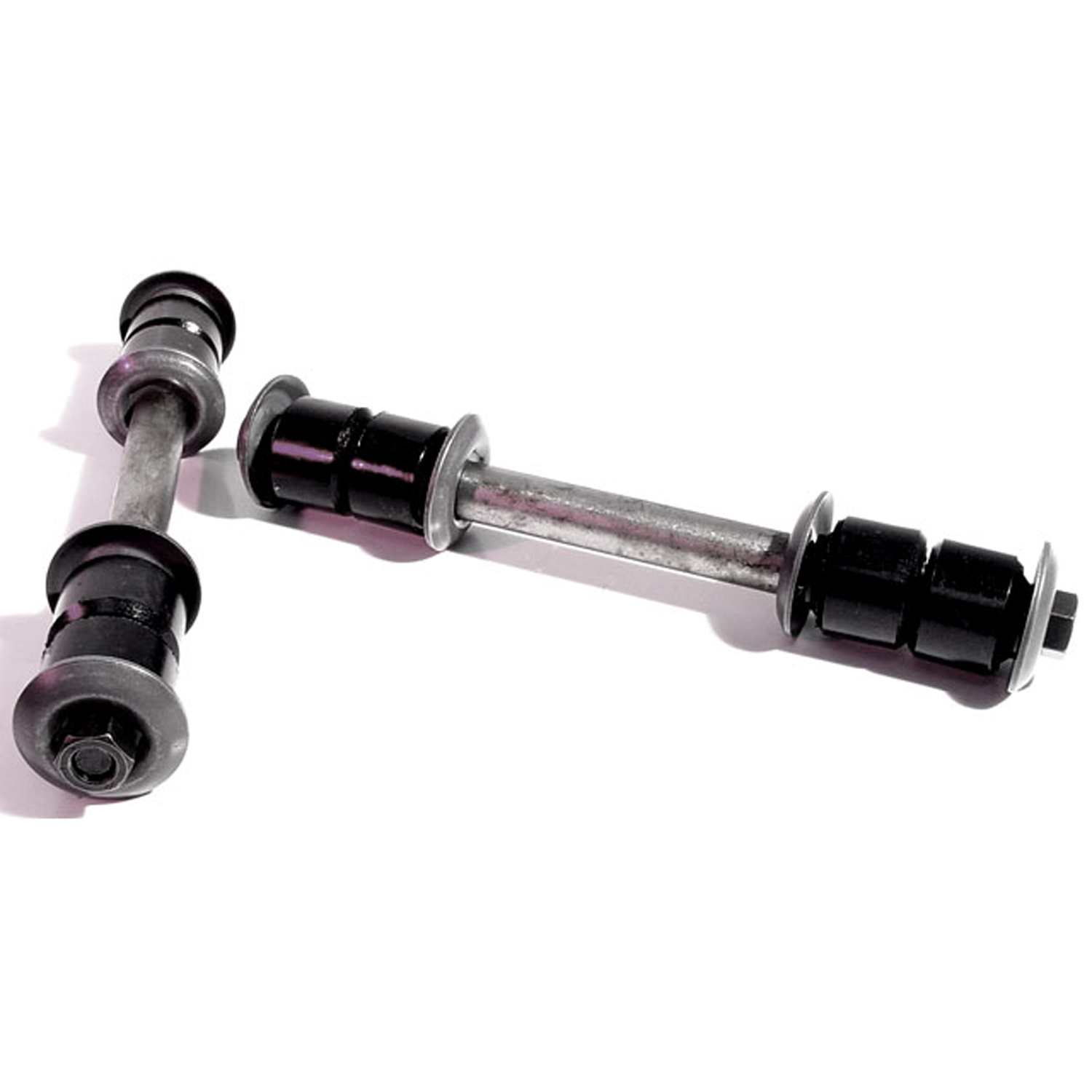 1974 Ford Thunderbird Front Stabilizer End Repair Kit-BNK 21Front Stabilizer End Repair Kit. 22-piece set for two stabilizer bars. Contains all rubber bushings, washers, bolts and nuts, enough for one front end. Set
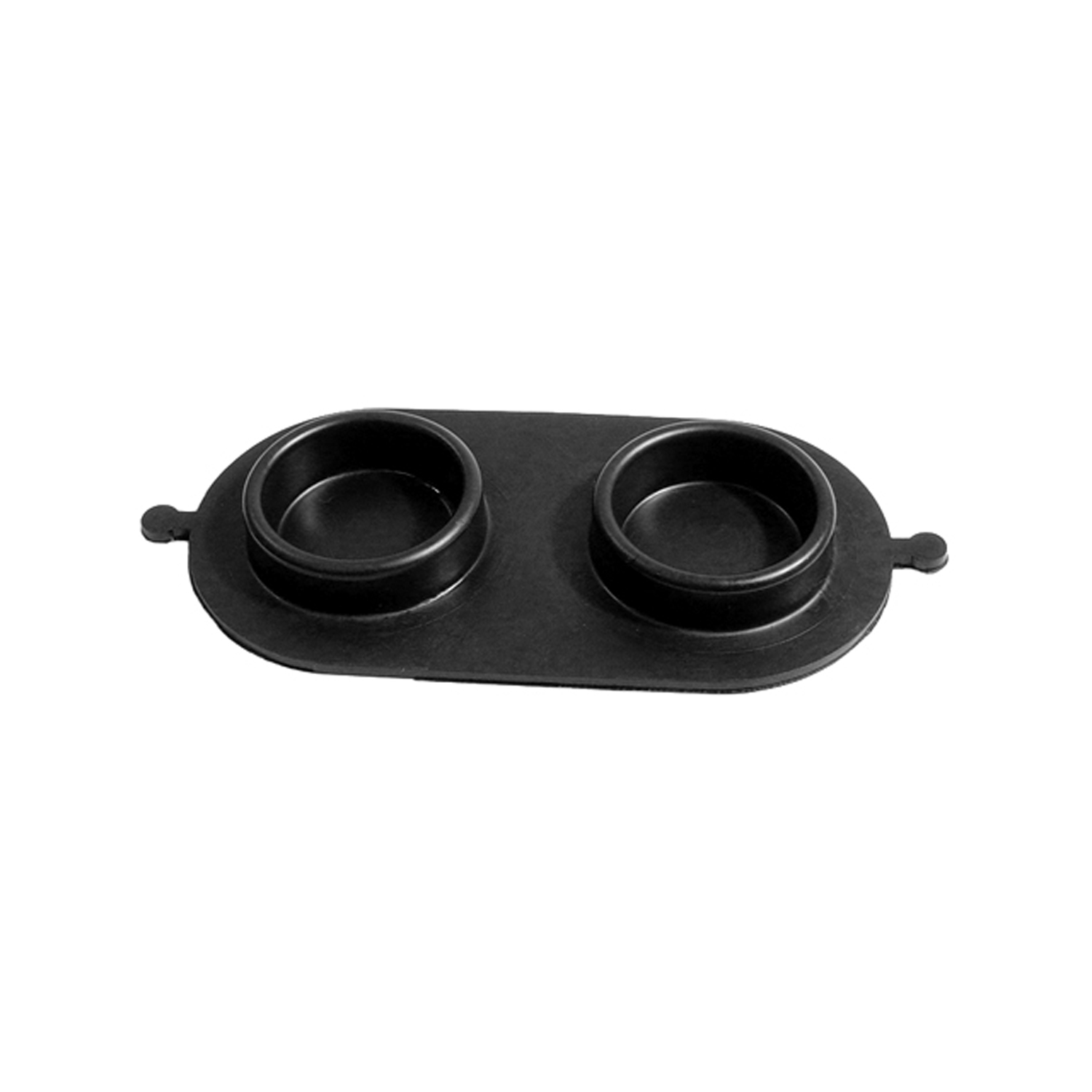 1974 Ford Thunderbird Brake Master Cylinder Cover Seal. Replaces OEM #C7AZ2167-A-RP 2-BBrake Master Cylinder Cover Seal. Replaces OEM #C7AZ2167-A. Each
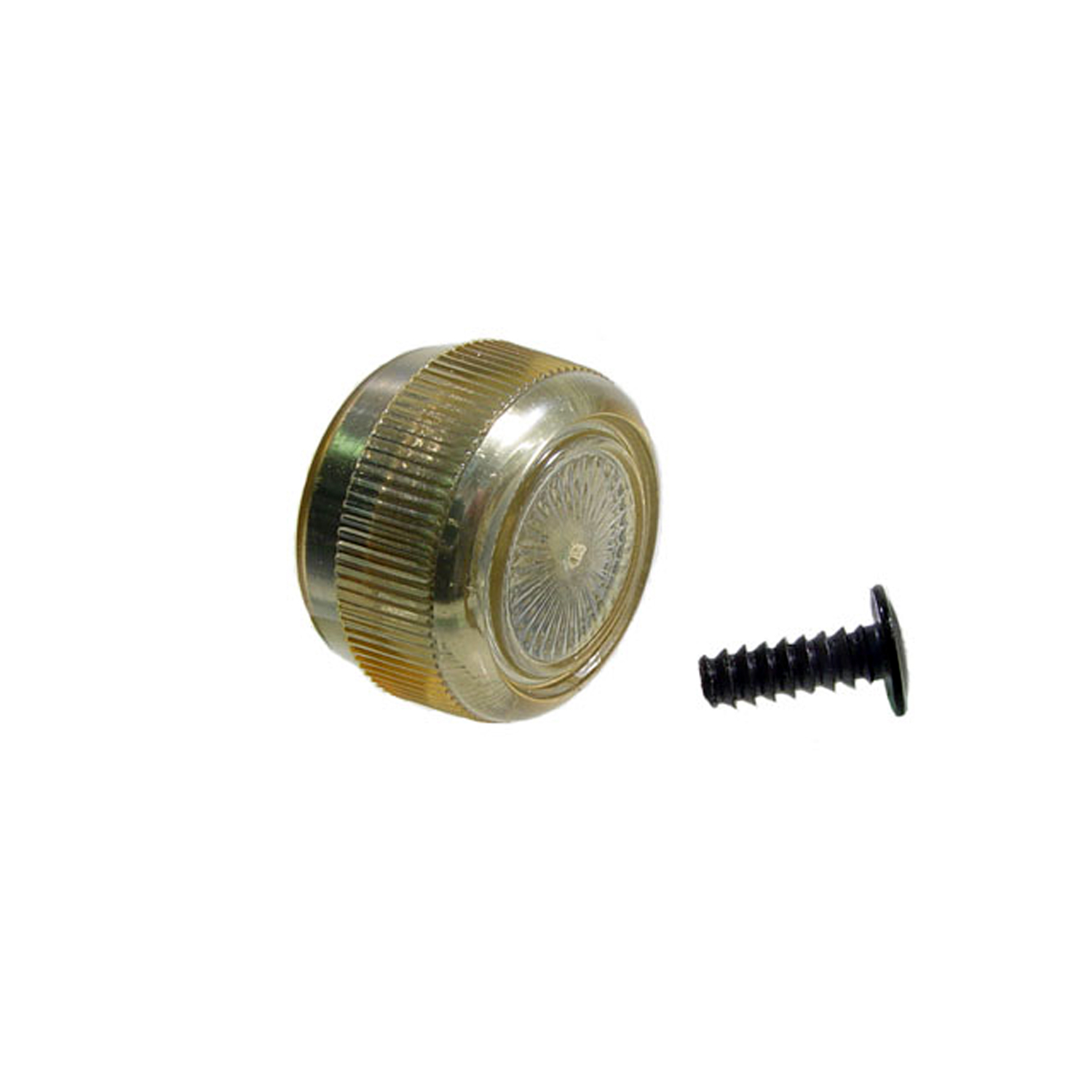 1974 Ford Thunderbird Window Crank Handle Knob and Attaching Parts. Clear. Each-RP 400-BWindow Crank Handle Knob and Attaching Parts. Clear. Each
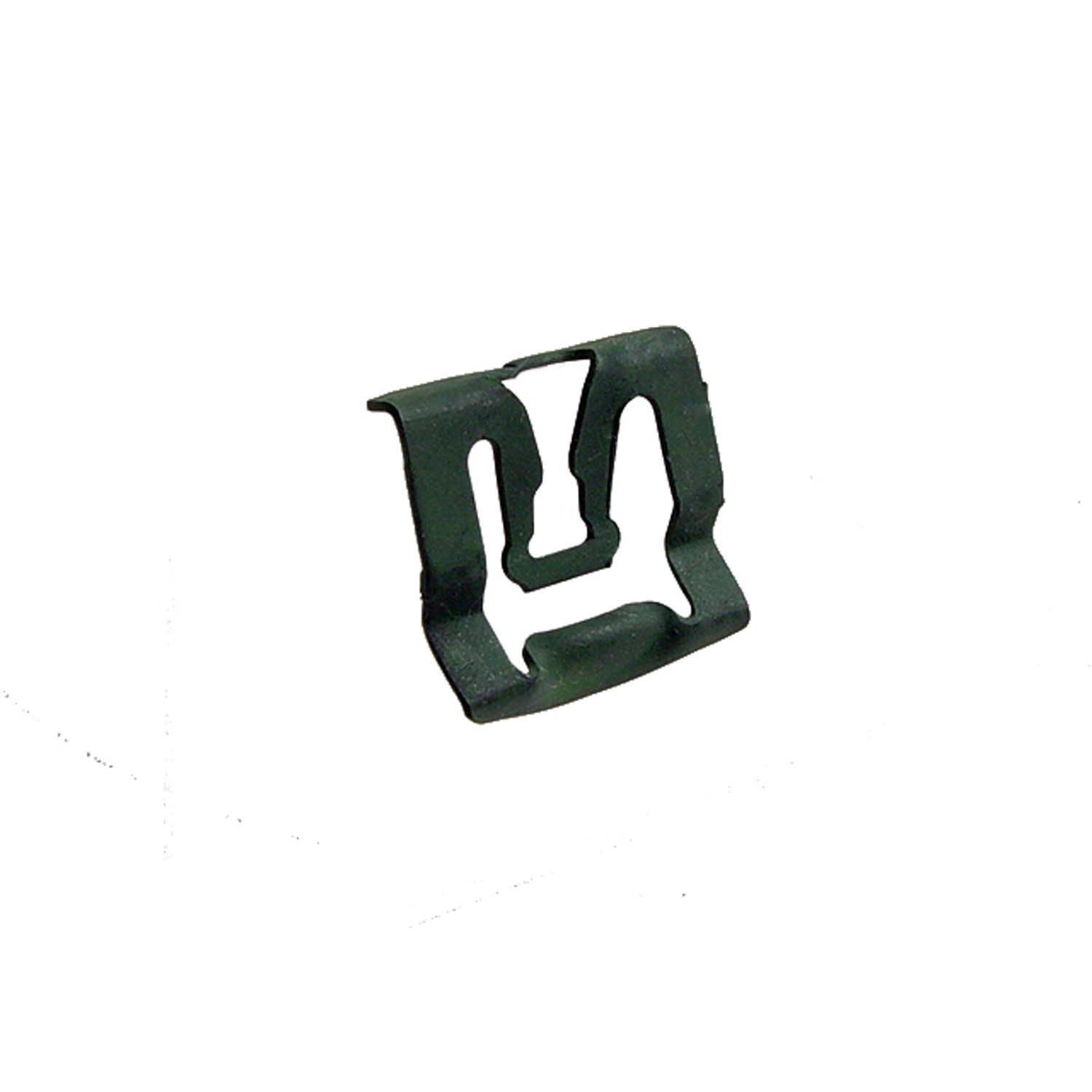 1974 Ford Thunderbird Windshield Reveal Molding Clip. Made of steel. Each-WF 228-AWindshield Reveal Molding Clip. Made of steel. Each
Why Choose Metro?
For over 100 years, Metro Moulded Parts has been the pinnacle of quality in classic car restoration parts. Our commitment to precision and authenticity in every component ensures a perfect fit and an OEM-level appearance.
- Expert Craftsmanship & Quality: Each part is a testament to our dedication to reliability and perfection, crafted from original designs and thoroughly tested.
- Advanced Technology: We use cutting-edge techniques to create flawless, long-lasting parts that surpass others in performance.
- SuperSoft Sponge – The Ultimate Door Seal: Not only are our door seals 30% softer than competitors', but they're also guaranteed to never leak. They effectively reduce wind and road noise, enhancing your classic car's comfort and driving experience.
- Proudly American: Our parts are a product of American craftsmanship, made in the USA with a spirit of excellence and heritage.
- Unrivaled Warranty: We back our products with a 30-year industry-leading warranty, a testament to our confidence in their quality.
Join us in preserving the legacy of classic cars with parts that are crafted for perfection, not just made.