

Image of 1974 Ford Torino, Note: These illustrations use artistic license and may differ from actual historical models.
Performance Metrics
Fundamental Metrics
Emotional Appeal
MMP Rating
| Engine Specifications | |
|---|---|
| Engine: | 302 CID 2V V8, 351 CID 2V V8, 400 CID 2V V8, 460 CID 4V V8 |
| Displacement: | 302 - 460 CID |
| Horsepower: | 140 - 220 HP |
| Torque: | 240 - 355 lb-ft |
| Compression Ratio: | 8.0:1 - 8.5:1 |
| Ignition System: | Conventional breaker-point ignition system |
| Cooling System: | Liquid-cooled |
| Performance Specifications | |
| 0-60 Time: | 10 - 12 seconds |
| 1/4 Mile Time: | 17 - 19 seconds |
| Top Speed: | 115 - 120 mph |
| Transmission and Drive | |
| Drive Type: | Rear-wheel drive |
| Transmission Type: | 3-speed automatic, 4-speed manual |
| Fuel and Efficiency | |
| Fuel System Type: | Carburetor |
| MPG: | 10 - 14 MPG |
| Dimensions and Brakes | |
| Brakes: | Front disc and rear drum brakes |
| Wheelbase: | 114 inches |
| Weight: | 3,500 - 4,000 lbs |
Note: Specifications for classic cars are given to the best of our ability, considering the limited and variant data available.
1974 Ford Torino: A Big Ford for a Changing Era
The 1974 Ford Torino brought classic American size and V8 character into a decade that was rapidly changing around it. Built by Ford Motor Company in the United States, the Torino was a mid-size model positioned between smaller family cars and Ford’s full-size offerings. By 1974, it had grown into a comfortable, substantial machine with a broad range of body styles, trim levels, and engines.
The Torino’s roots stretch back to 1968, when Ford introduced it as a new mid-size line. Its name nodded to Turin, Italy, a city associated with automobile design, but the car itself was thoroughly American: roomy, rear-wheel drive, and available with engines ranging from a practical six-cylinder to a large-displacement V8. The 1974 model arrived during the first oil crisis, a moment when fuel economy and emissions were becoming harder to ignore. Yet buyers could still order a Torino with a 460-cubic-inch V8.
One detail that makes 1974 especially interesting is the arrival of the Ford Elite. Introduced during the model year, it shared the Torino platform but added personal-luxury styling, including concealed headlamps and a more formal roofline. It showed how manufacturers were trying to give buyers a taste of Thunderbird-style glamour in a more accessible package.
Torino Styling and Body Choices
The 1974 Torino wore the squared-off, substantial look popular in the middle of the decade. Its broad grille, long hood, pronounced fenders, and thick bumpers gave it a solid presence on the road. The bumpers were part of the era’s federally driven safety changes, and they added visual weight compared with the cleaner, slimmer designs of the late 1960s.
Buyers could choose from two-door coupes, four-door sedans, and station wagons, with trim levels that included Torino, Gran Torino, Gran Torino Brougham, and Gran Torino Sport. The Elite sat alongside the Torino range as a more upscale coupe. The two-door models are often the most sought-after today, while the Gran Torino Sport has particular appeal for buyers who want a more performance-oriented appearance. The wagon, meanwhile, offered generous cargo space and a family-friendly alternative to a full-size Ford.
Exterior colors reflected the period’s wide palette. Buyers could find shades of red, blue, green, brown, copper, gold, white, and metallic finishes, though exact names and availability varied by trim and production date. Bright colors make a Torino especially eye-catching today, while darker metallic paints suit the car’s formal, broad-shouldered lines.
Cabin Comfort and Period Technology
Inside, the Torino favored space and comfort over sports-car intimacy. The cabin could be ordered with vinyl or cloth-and-vinyl upholstery, and many versions used a full-width bench seat. Sport models could be equipped with bucket seats and a console, while upscale trims added extra brightwork and woodgrain-style accents. Materials were typical of a mainstream American car of the time: durable and comfortable, though not comparable to the hand-finished interiors of luxury cars.
Instrumentation was straightforward, with large, easy-to-read gauges and simple controls. Depending on trim and options, equipment could include power steering, power brakes, air conditioning, an AM/FM radio, cruise control, and upgraded interior appointments. Front disc brakes were part of the Torino’s braking setup, and automatic transmissions were common. In today’s terms, the technology was uncomplicated, but that simplicity is one reason many Torinos remain approachable for owners who enjoy working on their own cars.
What Made the Torino Matter
The 1974 Torino was not a radical engineering landmark. Its importance lies in how well it represented the American intermediate car at a turning point. It offered the room and comfort of a larger automobile, several levels of trim, and a wide engine range, all while sharing a basic platform across coupes, sedans, wagons, and the Elite.
The Torino also carried a performance legacy from earlier years. Ford had developed specialized Torino models for NASCAR competition, including the aerodynamic Talladega of 1969. Those racing efforts helped establish the Torino name as more than a family-car badge. The 1974 version was less focused on competition, but it inherited that broader reputation and continued Ford’s tradition of pairing ordinary-looking family cars with serious V8 options.
Compared with many contemporaries, the Torino stood out for its combination of size, variety, and available power. It was not as sleek or compact as a pony car, nor as imposing as a full-size sedan. Instead, it occupied a useful middle ground: a comfortable cruiser that could be ordered as a practical wagon, a well-equipped coupe, or a large-engined V8 model.
Engines, Speed, and Road Manners
Engine choices varied by model and configuration, but the 1974 Torino range included a 250-cubic-inch inline-six and several V8s, such as 302, 351, 400, and 460-cubic-inch units. Exact output depended on the engine, carburetion, emissions equipment, and transmission. In the emissions-conscious horsepower ratings of the period, many versions produced considerably less power than their displacement might suggest.
Performance also varied widely. A six-cylinder Torino was built for steady everyday travel, not quick acceleration. A healthy V8 model could generally reach 60 mph in roughly 8 to 12 seconds, depending on the engine, gearing, vehicle weight, and condition. A 460-equipped car could be quicker, while smaller-engine versions were slower. Top speed is similarly configuration-dependent, but many V8 Torinos were capable of approximately 105 to 120 mph under suitable conditions. These are broad estimates, not guaranteed figures for every surviving car.
On the road, the Torino feels like a traditional American cruiser. Its long wheelbase and soft suspension help it absorb broken pavement and highway expansion joints, though worn bushings, shocks, or springs can make an old example feel loose or floaty. The steering is relaxed rather than razor-sharp, and the car’s size is noticeable on tight, winding roads. It is most at home on open highways, where it settles into a comfortable, unhurried pace.
A V8 Torino supplies the familiar low-frequency rumble of a carbureted American engine, especially under acceleration. The automatic transmission, broad seats, and substantial ride create a relaxed driving experience rather than a highly precise one. A well-maintained car should feel composed and confident, but its brakes, tires, suspension, and steering components deserve careful inspection before enthusiastic driving.
Living with a 1974 Torino
Today, Torinos commonly serve as weekend cruisers, restoration projects, local show cars, and nostalgic family vehicles. A clean, original sedan or wagon can be just as enjoyable as a flashy coupe, particularly for an owner who values comfort and period character. The cars are also suitable for mild restomods, though extensive modifications can reduce the appeal of a rare or unusually well-preserved example.
Routine mechanical work is generally manageable for an experienced home mechanic. The Torino uses familiar Ford V8 and chassis technology, and many service items are straightforward to understand. Parts availability is good for common mechanical components, but trim-specific pieces, interior details, body panels, and model-correct items may take more searching. Rust is a major concern: inspect the floor pans, frame and body mounting areas, trunk, lower fenders, and windshield surrounds before buying.
Reliability depends heavily on maintenance and restoration quality. A neglected Torino can need substantial work in its cooling system, brakes, fuel system, electrical connections, and suspension. A carefully maintained example, however, is not inherently difficult to keep on the road. Fuel consumption is a practical consideration, particularly with a 400 or 460 V8, so the Torino is better suited to occasional cruising than to budget-conscious daily commuting.
Torino Trivia and Common Mix-Ups
The 1974 Gran Torino is sometimes confused with the bright red-and-white car from the television series Starsky & Hutch. That famous television car is associated with the 1975 and 1976 model years, not the 1974 Torino. The name also brings to mind the 1972 Gran Torino featured in the film Gran Torino, which is a different model year and should not be mistaken for the car covered here.
Ford offered the Torino in a wide range of configurations, but surviving examples are not equally common. Standard coupes and sedans are easier to find than especially well-equipped, original-condition cars or uncommon combinations of trim and engine. The 1974 Torino did not set a notable production-car speed record; its significance is more about its place in Ford’s mid-size lineup and its connection to the broader Torino performance story.
One common criticism is that the car feels heavy and thirsty, especially when equipped with a large V8. Its soft suspension and comparatively vague steering can also disappoint drivers expecting sports-car handling. Those traits are part of the Torino’s character, though: it was designed to provide room, comfort, and effortless cruising rather than sharp cornering or modern fuel economy.
Collector Values and Availability
Ford Torino production for 1974 is commonly reported at approximately 426,000 cars across the Torino family, though published totals can vary depending on which related models are included. That makes the model year far from rare overall. The harder-to-find examples are the cars with desirable specifications, documented history, original trim, or high-quality restorations.
As a broad U.S. market estimate, a project car may sell for around $2,000 to $6,000, while a usable driver often falls in the $8,000 to $18,000 range. A clean, well-restored example can bring roughly $20,000 to $35,000, with exceptional, highly original, or especially desirable cars potentially exceeding that range. Condition, rust, originality, engine, trim, and the quality of any restoration matter more than the model year alone.
Values have generally strengthened for attractive, well-presented examples as interest in 1970s American cars has grown, but the Torino remains more affordable than many better-known muscle cars. Ordinary cars may appreciate slowly, while rare or exceptionally restored examples are more likely to command a premium. Buyers should compare recent sales of similar body styles and specifications rather than rely on a single asking price.
Why the 1974 Torino Still Draws Interest
The 1974 Ford Torino captures a distinctive moment in American motoring. It combines big-car comfort, a broad choice of body styles, straightforward technology, and the option of a substantial V8, all in a design shaped by the changing priorities of the 1970s. It is not the lightest, most economical, or most agile classic Ford, but it offers an appealingly honest version of the American cruiser.
For collectors and drivers alike, the Torino’s appeal is its versatility: it can be a family wagon, a comfortable highway coupe, or a rumbling V8 classic. More than fifty years after it left the showroom, the 1974 Torino remains a memorable reminder of when Ford’s mid-size cars could be practical, stylish, and unmistakably bold all at once.
1974 Ford Torino Catalog of Parts
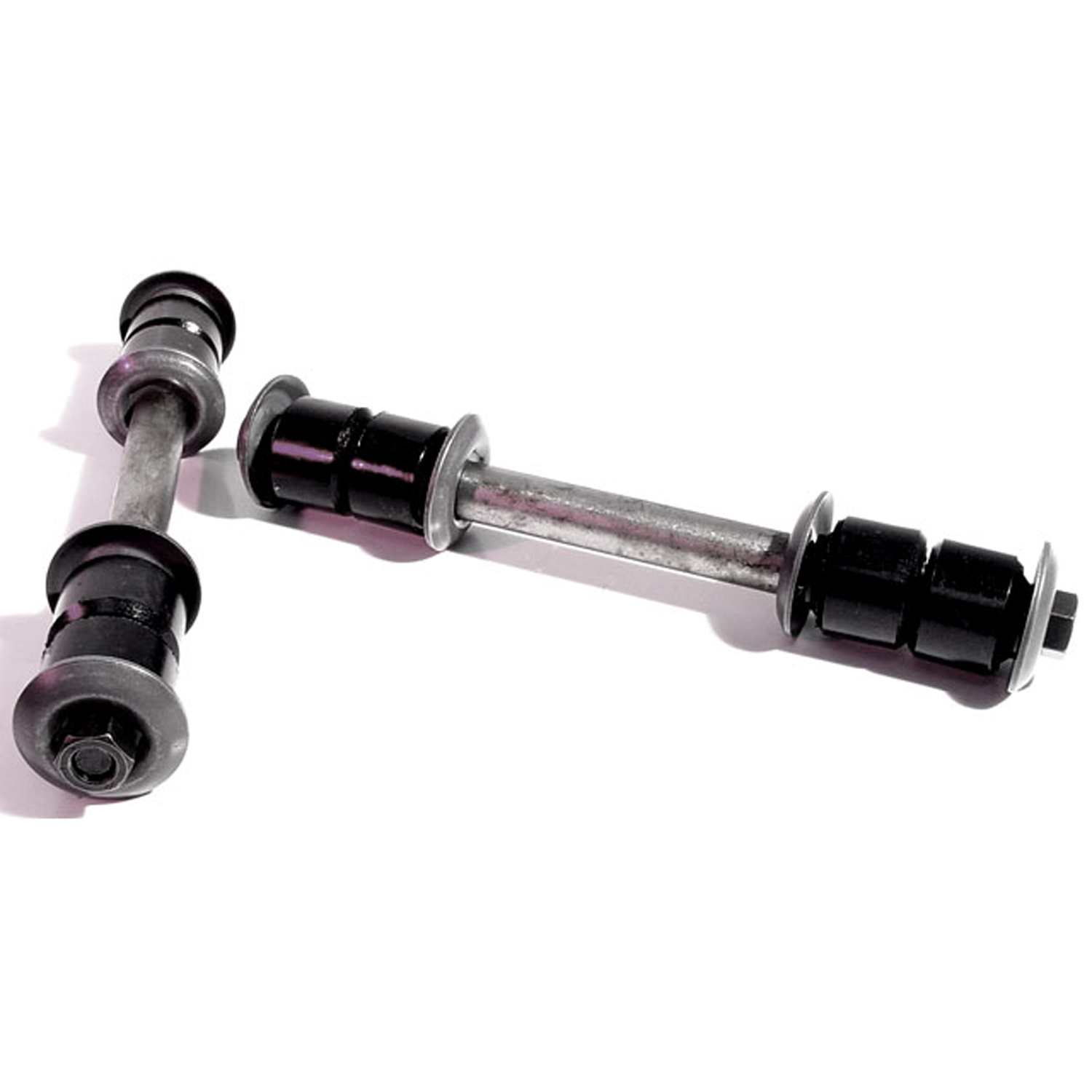 1974 Ford Torino Front Stabilizer End Repair Kit-BNK 21Front Stabilizer End Repair Kit. 22-piece set for two stabilizer bars. Contains all rubber bushings, washers, bolts and nuts, enough for one front end. Set
 1974 Ford Torino Hood to Cowl Seal, with Clips. 58-1/2" long. Each-CS 33-BHood to Cowl Seal, with Clips. 58-1/2" long. Each
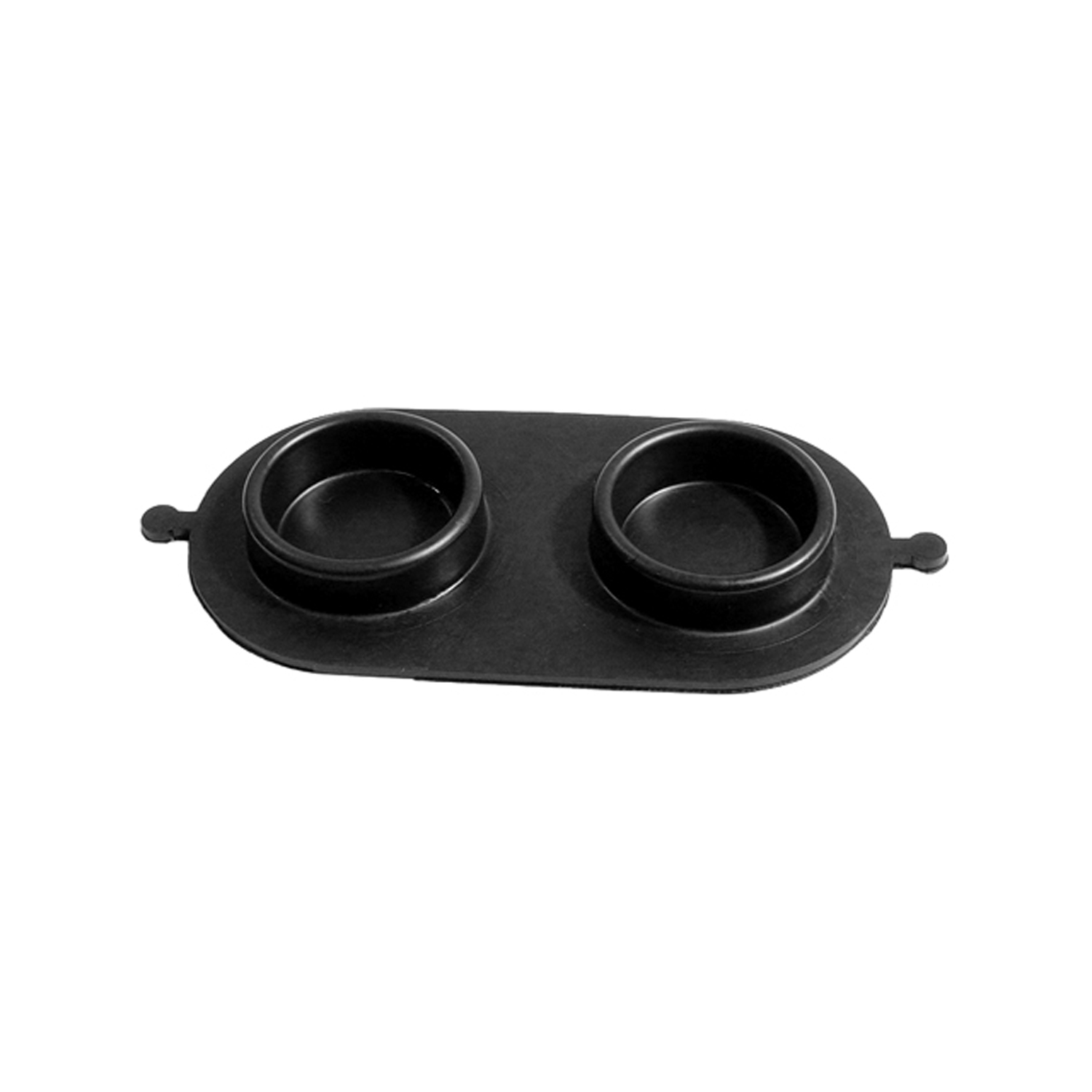 1974 Ford Torino Brake Master Cylinder Cover Seal. Replaces OEM #C7AZ2167-A-RP 2-BBrake Master Cylinder Cover Seal. Replaces OEM #C7AZ2167-A. Each
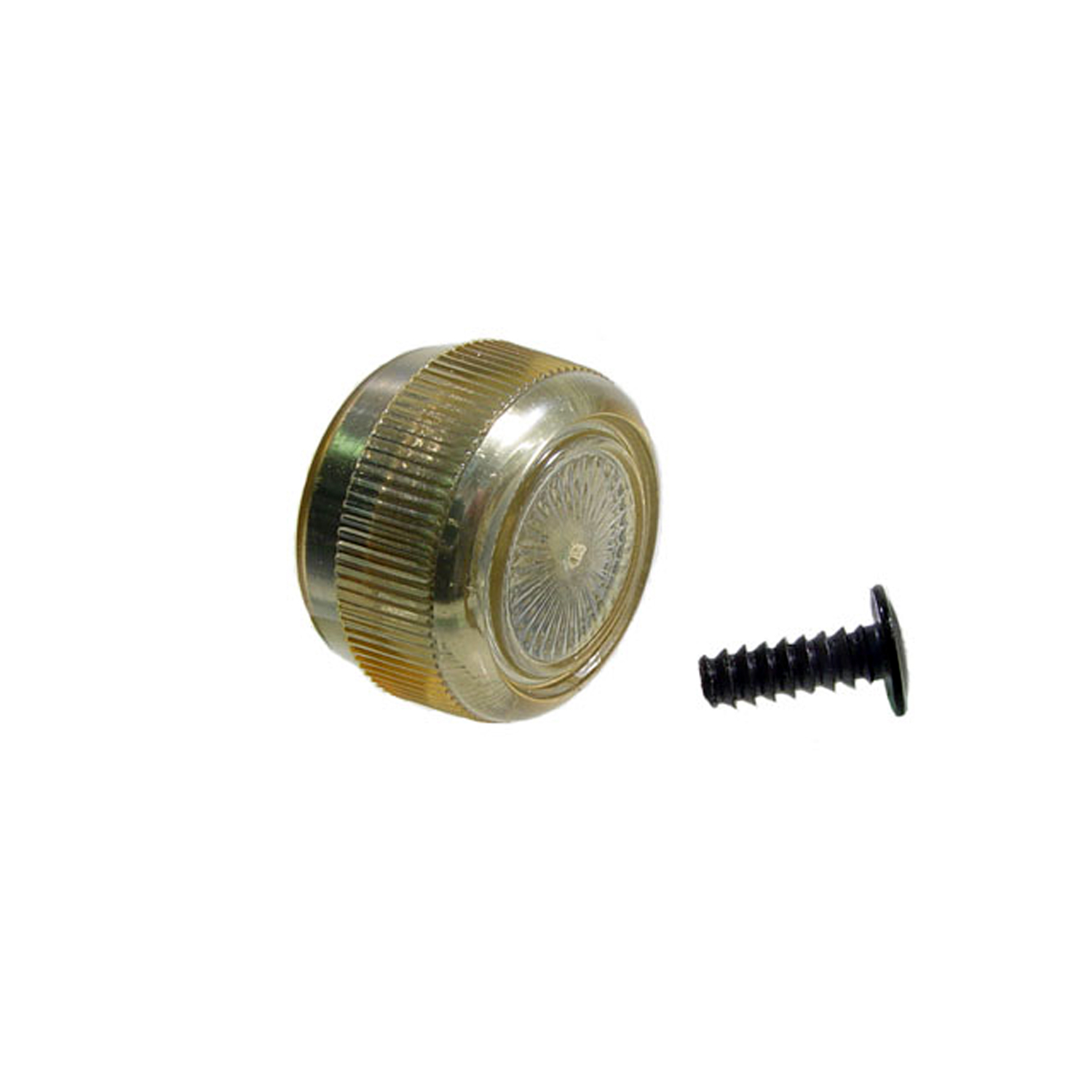 1974 Ford Torino Window Crank Handle Knob and Attaching Parts. Clear. Each-RP 400-BWindow Crank Handle Knob and Attaching Parts. Clear. Each
Why Choose Metro?
For over 100 years, Metro Moulded Parts has been the pinnacle of quality in classic car restoration parts. Our commitment to precision and authenticity in every component ensures a perfect fit and an OEM-level appearance.
- Expert Craftsmanship & Quality: Each part is a testament to our dedication to reliability and perfection, crafted from original designs and thoroughly tested.
- Advanced Technology: We use cutting-edge techniques to create flawless, long-lasting parts that surpass others in performance.
- SuperSoft Sponge – The Ultimate Door Seal: Not only are our door seals 30% softer than competitors', but they're also guaranteed to never leak. They effectively reduce wind and road noise, enhancing your classic car's comfort and driving experience.
- Proudly American: Our parts are a product of American craftsmanship, made in the USA with a spirit of excellence and heritage.
- Unrivaled Warranty: We back our products with a 30-year industry-leading warranty, a testament to our confidence in their quality.
Join us in preserving the legacy of classic cars with parts that are crafted for perfection, not just made.