

Image of 1975 Ford Courier, Note: These illustrations use artistic license and may differ from actual historical models.
Performance Metrics
Fundamental Metrics
Emotional Appeal
MMP Rating
| Engine Specifications | |
|---|---|
| Engine: | 1.8L Mazda F/2.0L Ford Pinto I4 |
| Displacement: | 1.8L-2.0L |
| Horsepower: | 74-86 hp |
| Torque: | 92-98 lb-ft |
| Compression Ratio: | 8.6:1 |
| Ignition System: | Distributor with points |
| Cooling System: | Liquid-cooled |
| Performance Specifications | |
| 0-60 Time: | Estimated 20 seconds |
| 1/4 Mile Time: | Estimated 22 seconds |
| Top Speed: | 85 mph |
| Transmission and Drive | |
| Drive Type: | Rear-wheel drive |
| Transmission Type: | 4-speed manual/3-speed automatic |
| Fuel and Efficiency | |
| Fuel System Type: | Carburetor |
| MPG: | 20-25 mpg |
| Dimensions and Brakes | |
| Brakes: | Front disc, rear drum |
| Wheelbase: | 104.9 inches |
| Weight: | 2,800 lbs |
Note: Specifications for classic cars are given to the best of our ability, considering the limited and variant data available.
1975 Ford Courier: The Compact Pickup That Came from Mazda
The 1975 Ford Courier was a small truck with a surprising family tree: beneath its Ford badges and familiar blue-oval sales pitch was a Mazda-built pickup. Created for drivers who wanted useful cargo space without the bulk and thirst of a full-size truck, the Courier helped bring compact pickups into the American mainstream.
Ford introduced the Courier in the United States in 1972, drawing on Mazda’s B-Series truck engineering and manufacturing. Ford supplied the branding, styling details, and dealer network, while Mazda provided the underlying vehicle. The arrangement gave Ford a ready-made compact pickup at a time when American buyers were increasingly interested in smaller, more economical trucks.
That timing mattered. The Courier competed with compact imports such as the Toyota Pickup and Datsun Truck, and it helped establish demand for the kind of practical small truck that Ford would later build under its own name. One especially appealing detail for enthusiasts is how closely the Courier relates to Mazda’s B1600: it is a Ford by badge and showroom, but a Mazda by much of its mechanical DNA.
Compact Pickup Styling and Cabin
The Courier had straightforward, purposeful proportions: a narrow cab, upright windshield, modest front grille, and a separate cargo bed. Ford-specific grille and badging gave the truck its own identity, but the tidy body and compact dimensions clearly reflected its Japanese roots. It looked like a working pickup rather than a scaled-down luxury vehicle, and that simplicity remains part of its charm.
The 1975 model was principally offered as a regular-cab, rear-wheel-drive pickup. Its conventional open bed made it useful for household projects, light hauling, and small-business work. Bed accessories such as canopies and bed covers could make it more versatile, though exact factory and dealer options varied by market and truck configuration.
Inside, the Courier kept things practical. The cabin was compact, with a simple dashboard, straightforward gauges, and hard-wearing surfaces chosen more for usefulness than polish. Vinyl upholstery and a rubber floor covering were well suited to muddy boots and work clothes. The bench-seat layout made the most of the available space, though the cabin was not especially roomy by modern standards.
Available paint colors varied by production and market. Period choices included the familiar range of solid colors, from white and light shades to darker blues, reds, and earth tones. White and other understated work-truck colors were common, while brighter colors now tend to catch the eye at classic-truck gatherings. Original paint codes are worth checking on a surviving truck because repaints can make period color combinations difficult to identify.
Simple Technology, Useful Engineering
The Courier’s appeal was not a long list of electronic features. Its technology was its compact, efficient layout and uncomplicated mechanical design. The 1975 truck used a Mazda-sourced 1.8-liter inline-four, a four-speed manual transmission in many examples, and rear-wheel drive. Automatic transmission availability and equipment could depend on the specific market and configuration.
Suspension design followed the familiar small-pickup formula: independent front suspension for a more manageable ride, with leaf springs at the rear to support cargo. Many examples were equipped with front disc and rear drum brakes. Power assistance was limited compared with modern trucks, so buyers should confirm the exact equipment on any particular vehicle rather than assume every Courier left the factory identically equipped.
Ford’s contribution was also strategic. Rather than develop a compact pickup from the ground up, the company could offer a truck through its own dealers while relying on Mazda’s existing engineering and production experience. The Courier demonstrated how a manufacturer partnership could fill a gap in a product range quickly.
Why the Courier Mattered
In the mid-1970s, American pickup buyers were confronting changing fuel prices and a growing interest in efficient transportation. Full-size pickups remained essential for heavy work, but many owners did not need that much truck every day. The Courier offered a smaller alternative with a real cargo bed, manageable dimensions, and a modest four-cylinder engine.
It stood out from traditional domestic pickups through its size and economy, and from its Japanese rivals through the strength of Ford’s dealer network and familiar branding. The model also foreshadowed Ford’s long-term investment in compact trucks. When the Ford Ranger arrived in 1983, it carried forward the market opportunity that the Courier had helped demonstrate.
The Courier did not invent the compact pickup, and it was not a technological revolution. Its significance was practical: it helped persuade American buyers that a smaller truck could be a legitimate everyday vehicle, not merely a compromise for people who could not afford a full-size model.
1975 Ford Courier Performance and Road Manners
The 1.8-liter four-cylinder delivered modest power, commonly reported at roughly 70 to 75 horsepower, depending on specification and measurement. Period performance figures are not perfectly consistent, and a truck’s age, gearing, condition, and load make a substantial difference. As a useful estimate, a sound 1975 Courier takes roughly 17 to 20 seconds to reach 60 mph, with a top speed in the neighborhood of 75 to 85 mph.
Those numbers make clear that the Courier was built for utility, not rapid acceleration. It feels most at home in town, on country roads, and on moderate-speed commutes. Merging into fast traffic requires planning, particularly when carrying a load or climbing a grade. The four-speed manual suits the engine’s character, giving the driver direct control over the available power.
On rough roads, the light front end and work-oriented rear leaf springs create a distinctly old-school ride. An empty bed can hop or feel unsettled over sharp bumps, while a modest load often helps the rear suspension settle down. On winding roads, the Courier’s compact size is an advantage, though its steering and handling feel more utilitarian than sporty. Crosswinds and passing trucks can be noticeable, especially at highway speed.
From behind the wheel, the experience is mechanical and uncomplicated. The four-cylinder makes a busy, familiar working-truck sound as the revs rise, and the manual gearbox keeps the driver involved. There is little insulation by modern standards, so engine, road, and wind noise are part of the package. For many classic-truck fans, that directness is a feature rather than a fault.
Living with a Courier Today
A 1975 Courier can serve as a weekend runabout, a light-duty farm or garden truck, a restoration project, or a compact classic for local shows. It is generally better suited to occasional use and moderate loads than to modern highway commuting or heavy towing. Its small size makes it easy to park and maneuver, while the open bed remains genuinely useful.
Routine maintenance is familiar to anyone who has worked on an older Japanese pickup: check the cooling system, ignition, fuel delivery, brakes, steering, suspension, and fluid leaks. Age and past work matter more than mileage alone. Rust deserves particular attention around the cab corners, floor, wheel arches, frame, and bed, since decades of utility use and weather can take their toll.
Basic service work is approachable for a mechanically inclined owner, and many common maintenance tasks do not require specialized equipment. Parts availability is mixed. Service components may be easier to find than model-specific body trim, badges, or bed pieces, and some items may be shared with Mazda B-Series models. Before buying, confirm which parts are available for the exact year and configuration. A complete, running truck is often a better starting point than a cheap project missing hard-to-find pieces.
Courier Trivia and Common Complaints
The most interesting fact about the Courier is also the easiest to spot once you know it: this Ford was built around Mazda engineering. Its shared heritage is a major reason why Courier owners often consult Mazda B-Series parts and service information, while still checking compatibility by year and component.
The Courier was part of a larger shift toward compact pickups, but it did not set a famous speed or endurance record. Its achievement was commercial and cultural: it helped make the smaller pickup a familiar choice for American buyers. Exact production totals for individual model years can be difficult to establish from public figures, so claims about a precise 1975 production number should be treated cautiously.
Common criticisms are predictable. The truck is slow by modern standards, the cabin is basic, and the ride can be choppy when the bed is empty. Its small size also limits payload and interior space compared with contemporary full-size pickups. On the other hand, those same dimensions are central to its appeal: it is simpler to maneuver, easier to store, and more economical in spirit than a large truck of the era.
1975 Ford Courier Values and Rarity
The Courier is uncommon today, but it is not usually priced like a high-profile muscle car or a rare performance truck. Many examples spent their lives working, and rust, hard use, and incomplete restorations have reduced the number of clean survivors. As a broad present-day estimate, a rough project may sell for about $1,500 to $4,000, a usable driver for roughly $5,000 to $10,000, and a clean, well-restored example for around $12,000 to $20,000 or more. Exceptional originality or condition can push a price higher, while serious rust can bring it down sharply.
There is no dependable public figure for 1975 U.S. production that accounts for every market and configuration. A reasonable working estimate is somewhere around 40,000 to 60,000 trucks sold or produced for the U.S. market that model year, but that should be understood as an estimate, not a verified factory total. The Courier is therefore best described as scarce in surviving condition rather than definitively rare by original production numbers.
Values have generally risen as clean vintage compact pickups have attracted more attention, but the Courier remains a relatively accessible classic. Well-preserved trucks are the strongest candidates for appreciation. Projects can be inexpensive to buy yet costly to complete if they need bodywork, trim, or model-specific parts. Condition, originality, and documentation matter far more than a seller’s claim that every example is rare.
Why the 1975 Ford Courier Still Belongs in the Story
The 1975 Ford Courier was a practical, Mazda-engineered compact pickup that arrived at exactly the right moment. It offered a useful bed, uncomplicated mechanicals, and a smaller footprint when many drivers were beginning to rethink what they needed from a truck. It was not fast, plush, or technologically elaborate, but it helped make compact pickups a lasting part of the American market.
Today, the Courier rewards enthusiasts who appreciate honest utility and cross-brand automotive history. Its Mazda roots, Ford showroom identity, and no-nonsense character make it more than a little old work truck. It is an early chapter in the story of how the compact pickup earned its place on American roads.
1975 Ford Courier Catalog of Parts
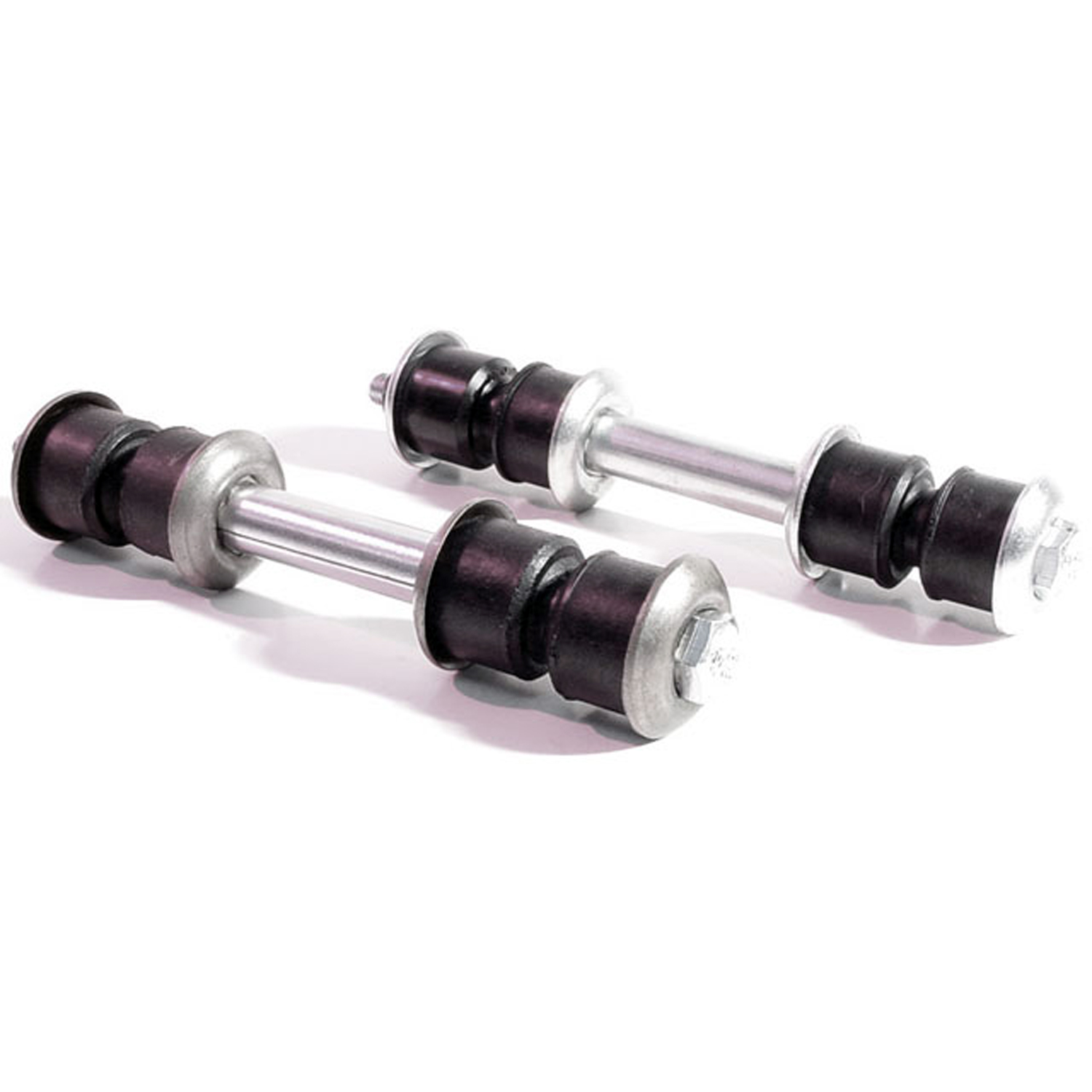 1975 Ford Courier Front Stabilizer End Repair Kit-BNK 24Front Stabilizer End Repair Kit. 22-piece set for two stabilizer bars. Contains all rubber bushings, washers, bolts and nuts, enough for one front end. Set
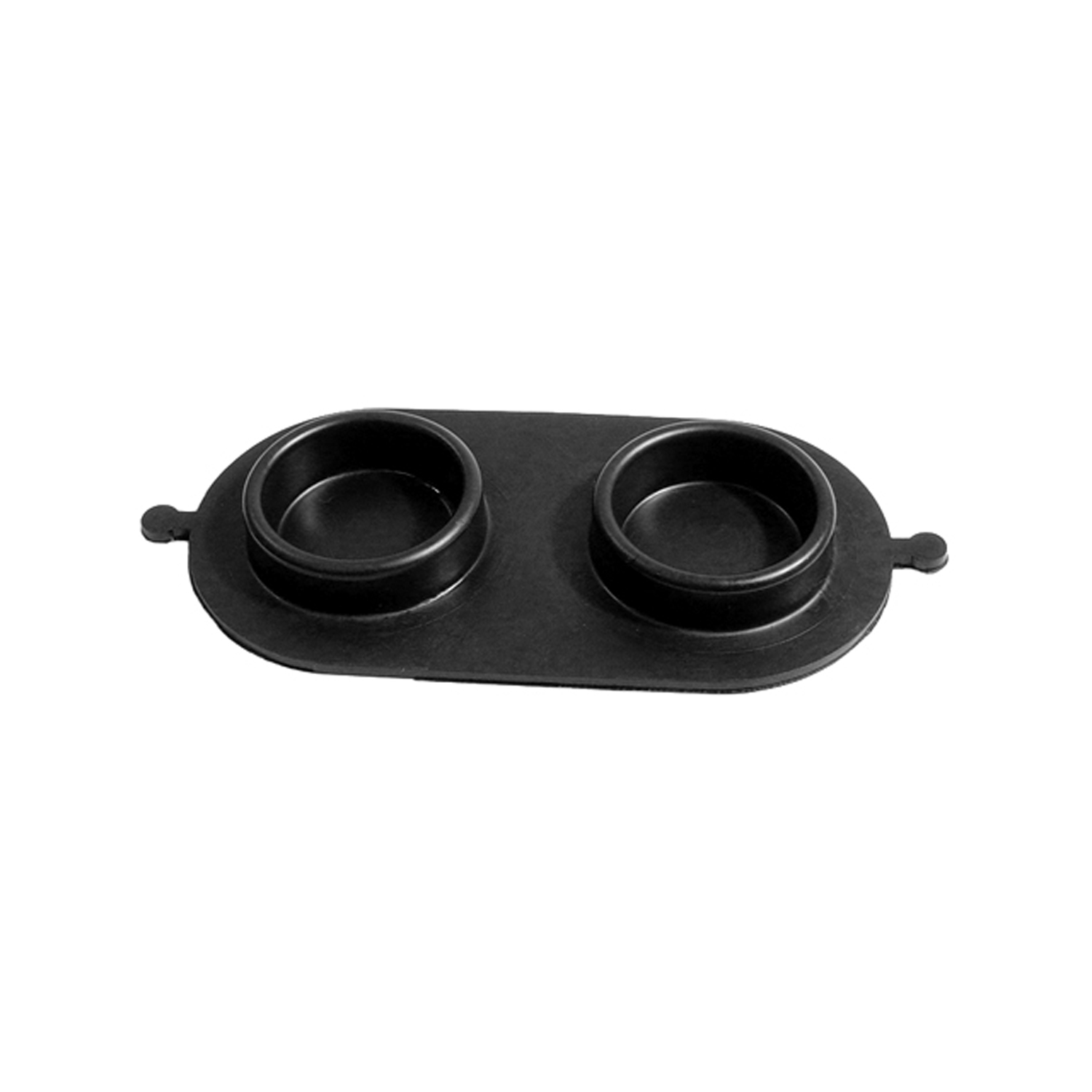 1975 Ford Courier Brake Master Cylinder Cover Seal. Replaces OEM #C7AZ2167-A-RP 2-BBrake Master Cylinder Cover Seal. Replaces OEM #C7AZ2167-A. Each
Why Choose Metro?
For over 100 years, Metro Moulded Parts has been the pinnacle of quality in classic car restoration parts. Our commitment to precision and authenticity in every component ensures a perfect fit and an OEM-level appearance.
- Expert Craftsmanship & Quality: Each part is a testament to our dedication to reliability and perfection, crafted from original designs and thoroughly tested.
- Advanced Technology: We use cutting-edge techniques to create flawless, long-lasting parts that surpass others in performance.
- SuperSoft Sponge – The Ultimate Door Seal: Not only are our door seals 30% softer than competitors', but they're also guaranteed to never leak. They effectively reduce wind and road noise, enhancing your classic car's comfort and driving experience.
- Proudly American: Our parts are a product of American craftsmanship, made in the USA with a spirit of excellence and heritage.
- Unrivaled Warranty: We back our products with a 30-year industry-leading warranty, a testament to our confidence in their quality.
Join us in preserving the legacy of classic cars with parts that are crafted for perfection, not just made.