

Image of 1975 Ford E-100 Econoline Club Wagon, Note: These illustrations use artistic license and may differ from actual historical models.
Performance Metrics
Fundamental Metrics
Emotional Appeal
MMP Rating
| Engine Specifications | |
|---|---|
| Engine: | 4.9L Inline-6, 5.8L V8, 6.6L V8, 7.5L V8 |
| Displacement: | 4.9L - 7.5L |
| Horsepower: | 101-210 HP |
| Torque: | 223-338 lb-ft |
| Compression Ratio: | 8.0:1 - 8.4:1 |
| Ignition System: | Conventional Distributor |
| Cooling System: | Liquid Cooled |
| Performance Specifications | |
| 0-60 Time: | Estimated 12-15 seconds |
| 1/4 Mile Time: | Estimated 18-20 seconds |
| Top Speed: | 85-95 mph |
| Transmission and Drive | |
| Drive Type: | Rear Wheel Drive |
| Transmission Type: | 3-speed automatic or 4-speed manual |
| Fuel and Efficiency | |
| Fuel System Type: | Carburetor |
| MPG: | 10-14 MPG |
| Dimensions and Brakes | |
| Brakes: | Front Disc / Rear Drum |
| Wheelbase: | 124 inches |
| Weight: | 4,500-5,000 lbs |
Note: Specifications for classic cars are given to the best of our ability, considering the limited and variant data available.
1975 Ford E-100 Econoline Club Wagon: A Classic Van Guide
With its broad windshield, blunt front end, and room for a whole crew, the 1975 Ford E-100 Econoline Club Wagon brought the American van into a new era of comfort and capability. It was the passenger-carrying version of Ford’s Econoline, built by the Ford Motor Company as part of a redesigned E-Series introduced for the 1975 model year.
The 1975 model matters because it marked a major shift in the Econoline’s layout and construction. Earlier Econolines had a more cab-forward design, while the new generation used a conventional front-engine arrangement and a more substantial chassis. That change helped make the van feel more carlike, easier to service, and better suited to families, tradespeople, and recreational use.
One detail that gives the Club Wagon lasting appeal is its dual personality. It could serve as practical family transportation during the week, then become the foundation for a camper, road-trip rig, or custom van. The E-Series name went on to become one of America’s most enduring van nameplates.
Square-Jawed Styling and a Roomy Cabin
The 1975 Econoline has the straightforward, functional shape people often picture when they think of a classic American van. Its flat, upright front, large rectangular grille, simple headlamps, and wide windshield give it a purposeful look. The short hood and tall body make the van seem compact from the front, but its broad cabin offers generous interior space.
Compared with the previous Econoline generation, the 1975 design looked more conventional and less like a cab-over vehicle. The forward-mounted engine sat beneath a removable interior engine cover, commonly called the doghouse. That arrangement improved access to the engine compared with older cab-forward vans, though the cover still brought engine heat and noise into the cabin.
As a Club Wagon, the E-100 was configured for passengers rather than cargo alone. Seating layouts varied, and the cabin could be ordered with multiple rows to suit family or group travel. Interior materials were practical rather than luxurious: durable vinyl and cloth upholstery, hard-wearing trim, and straightforward controls were typical. Higher equipment levels and optional features could add comfort, but this was still a working van at heart.
Ford offered a range of exterior paint colors, with availability changing by production date and trim. Period shades included understated whites and earth tones as well as brighter colors associated with 1970s vehicles. White, blue, red, and tan are especially familiar on surviving examples. Original color and trim codes are worth checking when assessing a restoration, since vans were often repainted or customized over the years.
The E-100 was the light-duty version of the Econoline range. Ford also sold heavier E-250 and E-350 models, while Club Wagon passenger versions came in different equipment and seating configurations. The short-wheelbase E-100 is the most recognizable compact passenger format, though exact availability and equipment depended on the order. Ford’s more upscale Chateau Club Wagon name became prominent later in the decade, so a 1975 example should be identified by its original trim and documentation rather than assumed to be a Chateau.
Why the 1975 Redesign Mattered
The 1975 Econoline helped establish the basic formula that would define Ford’s full-size vans for decades: a front-mounted engine, a sturdy chassis, a broad passenger compartment, and a range of configurations for personal and commercial use. The redesign made the van more approachable for drivers accustomed to cars and pickup trucks, while retaining the load-carrying usefulness that made the Econoline popular with businesses.
It also arrived at an important moment. The oil crisis of the early 1970s had made fuel economy a major concern, while tightening emissions requirements were changing how engines performed. A full-size V8-powered van was not an economy vehicle, but the Econoline offered something smaller cars could not: flexible space for passengers, equipment, or a conversion interior.
The Club Wagon helped broaden the idea of what a van could be. It was not just a delivery vehicle or tradesman’s tool. Families, outdoor enthusiasts, and custom-van builders could use the same basic platform for very different purposes. That versatility became a defining part of the American van market.
Engines, Speed, and the Driving Experience
Engine availability varied with model, configuration, and order. Six-cylinder power was offered in the Econoline range, including Ford’s well-known 300-cubic-inch inline-six in applicable configurations. V8 options were also available, with the exact choices depending on the E-100 specification and market. A surviving van’s engine should be verified by its identification tags and original paperwork, since engine swaps are common.
Period performance figures are not as consistently documented for individual E-100 Club Wagon configurations as they are for passenger cars. As a practical estimate, a stock six-cylinder example may take roughly 18 to 22 seconds to reach 60 mph. A V8 version may do it in around 14 to 18 seconds, depending on gearing, transmission, load, and condition. Top speed is generally in the neighborhood of 80 to 90 mph, but these vans are happiest cruising at more moderate speeds. These are estimates, not guaranteed factory figures.
Behind the wheel, the Club Wagon feels tall, substantial, and much more upright than a car. The driver sits high, with a commanding view through the wide windshield. Steering and braking feel depend heavily on equipment and maintenance; power assistance, where fitted, makes low-speed maneuvering easier. The van’s large turning circle and broad body call for care in tight parking lots and narrow streets.
On smooth pavement, the ride is comfortable by work-van standards. Over broken roads, the suspension can feel firm, especially when the van is lightly loaded. Crosswinds and gusts are noticeable because of the tall, flat-sided body, and winding roads reward a smooth driving style rather than quick inputs. The engine’s sound is part of the experience: an inline-six has a steady, workmanlike note, while a V8 adds a deeper rumble beneath the doghouse. Expect more engine and road noise than in a modern passenger vehicle.
Living With an E-100 Club Wagon
Owners use these vans as weekend cruisers, family haulers, vintage campers, show vehicles, and rolling foundations for custom interiors. A mostly stock Club Wagon is appealing to collectors who want the original passenger-van experience. A thoughtfully converted example can be more useful for travel, though modifications may affect originality and resale value.
Mechanical repairs are often manageable for a capable home mechanic. Ford engines and many service parts are familiar to independent shops, and the simple, spacious body makes some routine work straightforward. The doghouse can make engine access more involved than on a conventional car, however, and older wiring, cooling systems, carburetors, brakes, and steering components may need careful attention.
Rust is a key inspection point. Check the floors, lower body panels, wheel openings, door bottoms, windshield area, and chassis for corrosion or poorly repaired damage. Also inspect the frame and suspension mounting points. Passenger vans may have spent years in family use, commercial service, or custom conversion, so condition and maintenance history matter more than the badge alone. Original seating, trim, glass, and exterior parts can take time to find.
Van Trivia and Common Complaints
“Club Wagon” was Ford’s name for its passenger-oriented Econoline models, not a separate mechanical platform. The name captured the van’s social side: room for a group, luggage, and the sort of road trip that was harder to manage in a conventional sedan.
The 1975 E-100 Club Wagon does not have a widely recognized production speed record or a single famous motorsport achievement. Its legacy is more practical and cultural. Econolines became familiar sights in family travel, business fleets, conversion-van scenes, and later recreational-vehicle use. Individual vans have appeared in films, television, and private collections, but no one celebrity ownership story defines the model.
Common criticisms are familiar to anyone who has driven a vintage full-size van: modest acceleration, heavy fuel consumption, noticeable wind sensitivity, and a driving position that can feel busy in traffic. The engine doghouse can also add heat and noise to the cabin. Those drawbacks are balanced by a simple, useful layout and a level of interior space that remains impressive.
Collector Values and Market Outlook
There is no single dependable production figure for the 1975 E-100 Club Wagon alone. Ford built Econolines in several weight classes, body configurations, and trim levels, and public production summaries do not always break the totals down by exact combination. A reasonable, clearly approximate estimate is that production of E-100 Club Wagons for the model year reached the thousands or possibly low tens of thousands. That is a market estimate, not a confirmed factory total.
Availability is moderate but uneven. Project vans appear regularly, while clean, unmodified passenger examples are harder to find. Many surviving vans have been repainted, converted, or altered mechanically. A well-documented Club Wagon with original seating and trim can therefore be more interesting to collectors than a heavily modified example, even if the latter is more visually dramatic.
As a broad 2026 U.S. market guide, a rough project may sell for about $3,000 to $8,000. A usable driver in fair to good condition might bring roughly $8,000 to $18,000. A clean, well-restored, or particularly well-preserved example could reach $20,000 to $35,000 or more, especially if it has desirable original features and strong documentation. These are estimates, and actual prices depend on rust, mechanical condition, originality, location, and the quality of any conversion.
Interest in classic vans and vintage road-trip vehicles has supported values, particularly for tidy, usable examples. The market is not as predictable as that for high-profile muscle cars, and a costly restoration may not return its full investment. Still, clean Club Wagons have become more appealing as buyers seek distinctive classics with practical interior space. The best long-term prospects are likely to belong to solid, well-kept vans rather than ambitious projects with extensive corrosion.
A Practical Classic With Room to Roam
The 1975 Ford E-100 Econoline Club Wagon stands at the beginning of a more modern chapter for Ford’s full-size vans. Its redesigned layout, straightforward engineering, and flexible passenger cabin made it useful in its own era and adaptable to many roles today. It is not quick or especially refined, but it offers character, space, and a direct connection to the great American tradition of the road-trip van.
For collectors and enthusiasts, the appeal is simple: a good Club Wagon is more than a box on wheels. It is a durable piece of everyday automotive history, ready to carry passengers, camping gear, or a new chapter of its own.
1975 Ford E-100 Econoline Club Wagon Catalog of Parts
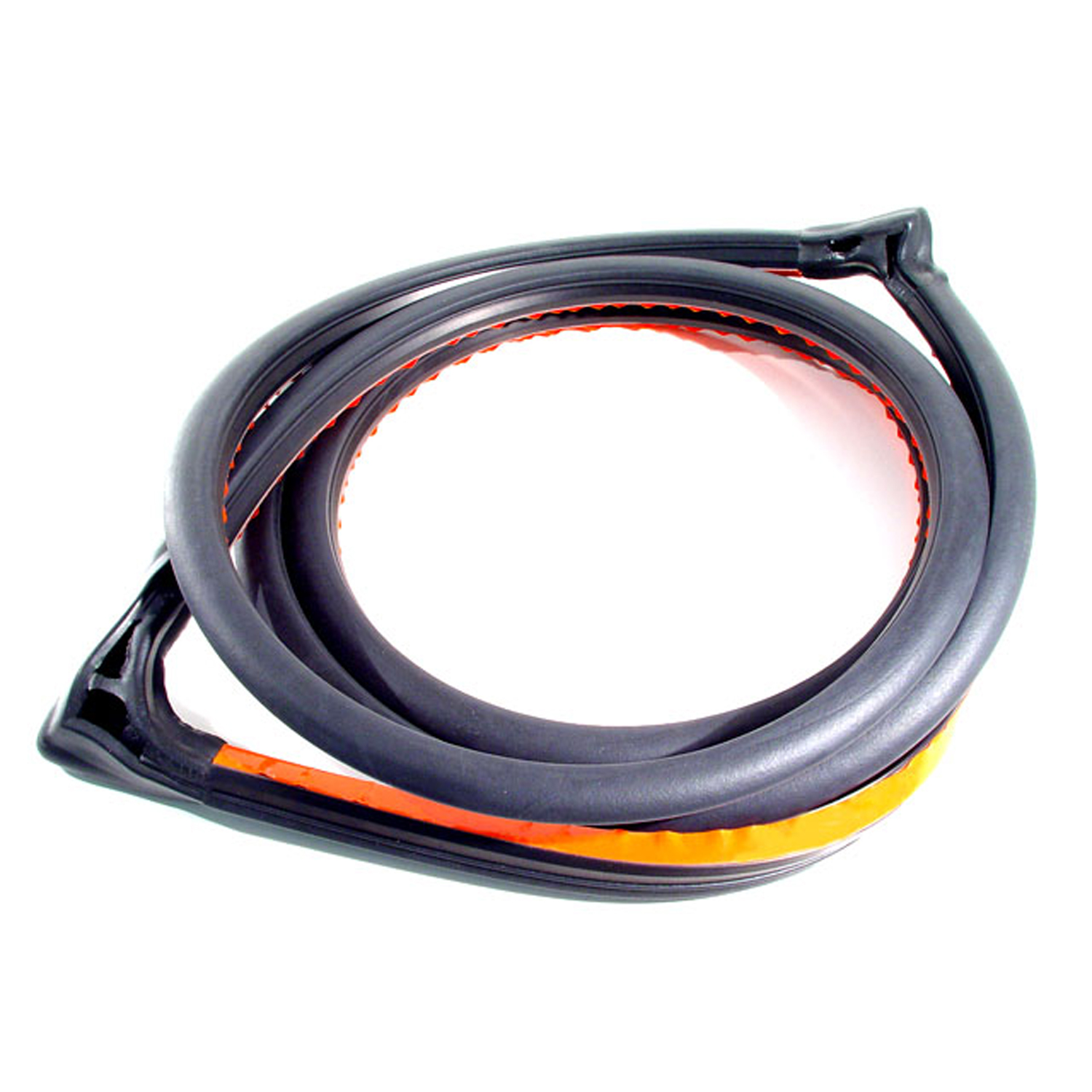 1975 Ford E-100 Econoline Club Wagon Front Side Cargo Door Seal-LM 110-VAFront Side Cargo Door Seal (fits front right side of cargo door). Replaces OEM #E9UZ 1525324 B. For rear (left side) matching seal, see LM 110-VB. Each
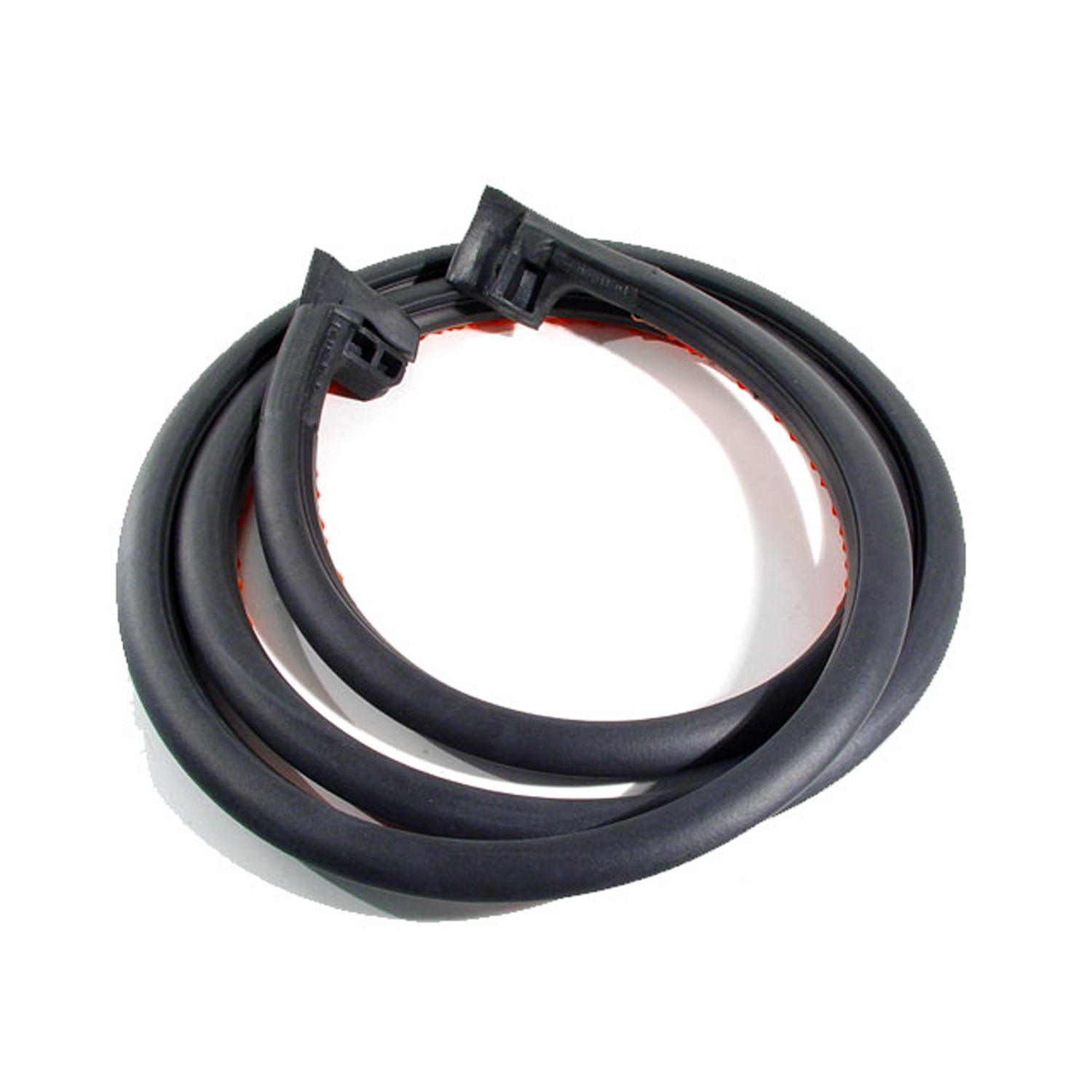 1975 Ford E-100 Econoline Club Wagon Rear Side Cargo Door Seal-LM 110-VBRear Side Cargo Door Seal (fits rear left side of cargo door). Replaces OEM #E9UZ 1525325 B. For front (right side) matching seal, see LM 110-VA. Each
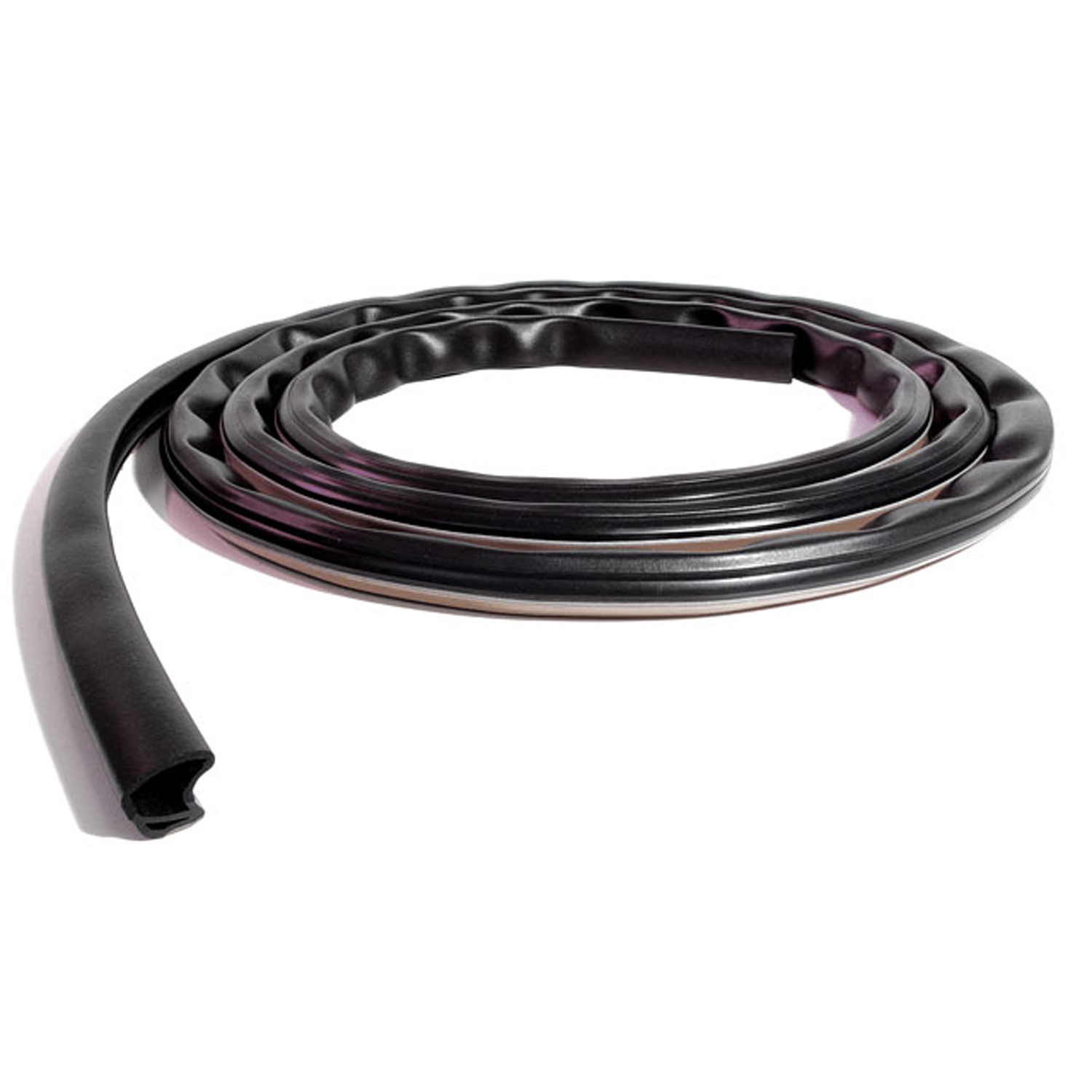 1975 Ford E-100 Econoline Club Wagon Left Front (drivers side) Door Seal. Each-LM 110-VLLeft Front (drivers side) Door Seal. Each
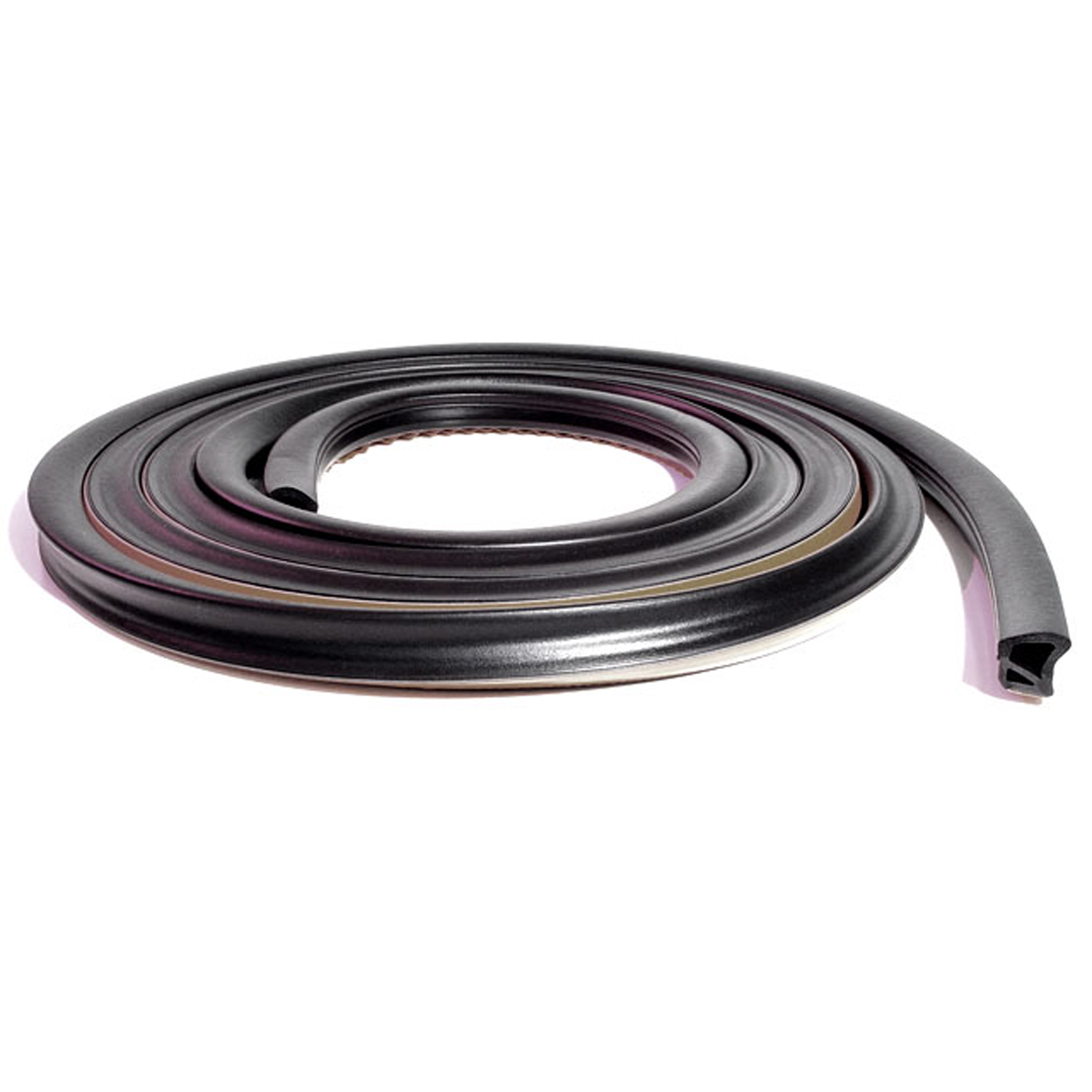 1975 Ford E-100 Econoline Club Wagon Right Front (passenger side) Door Seal. Each-LM 110-VRRight Front (passenger side) Door Seal. Each
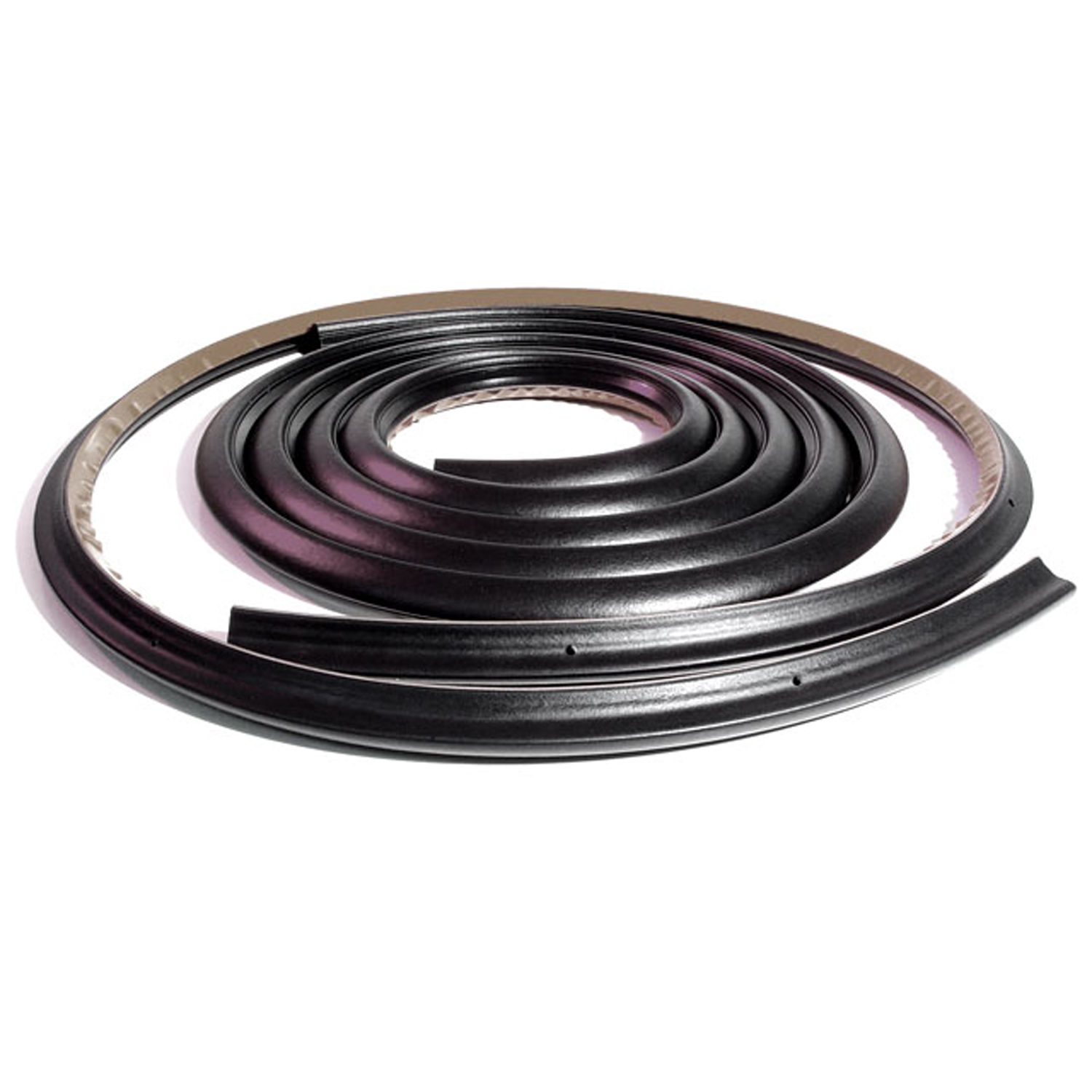 1975 Ford E-100 Econoline Club Wagon Side Slider Door Seal. Each-LM 110-VSSide Slider Door Seal. Each
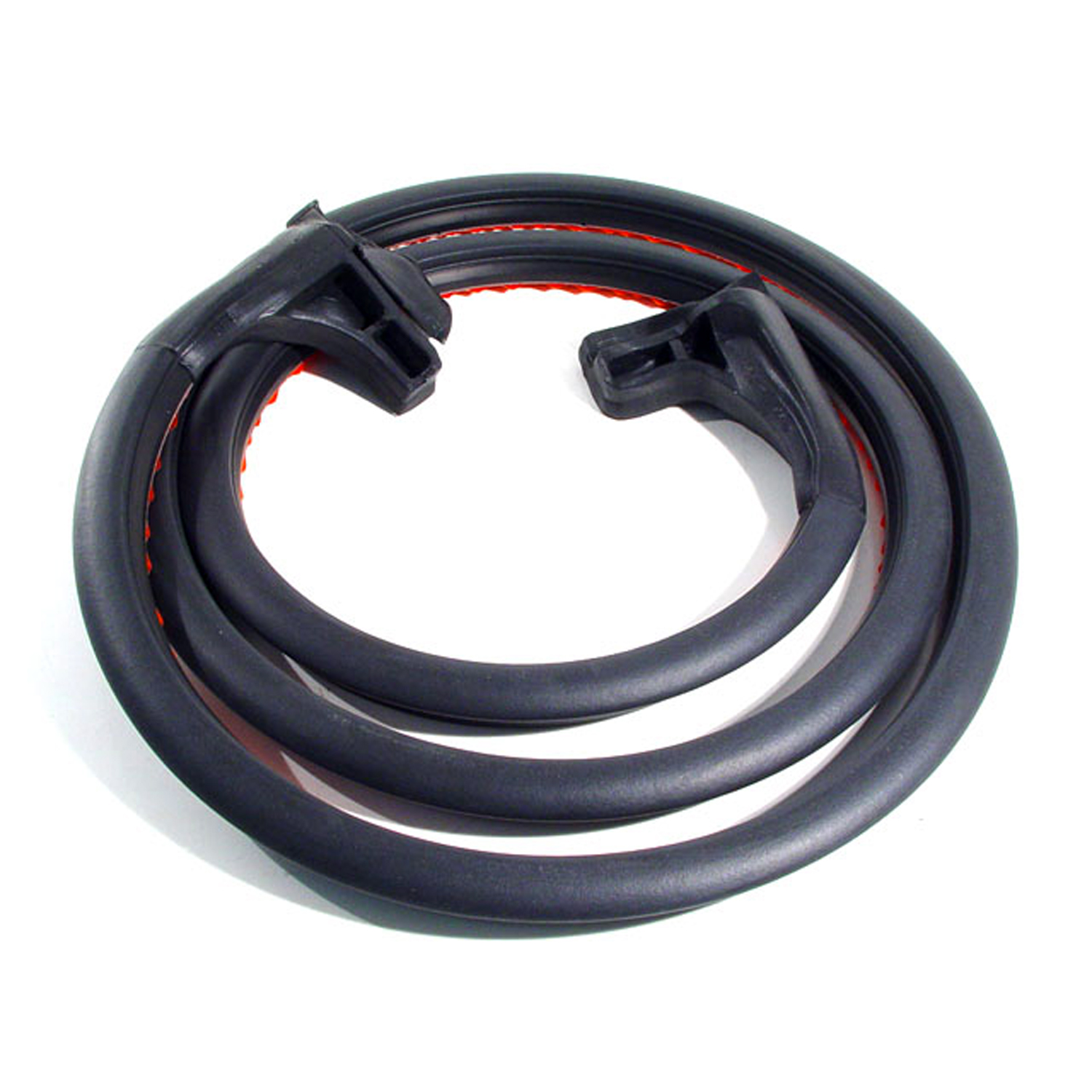 1975 Ford E-100 Econoline Club Wagon Left Rear Door Seal (Drivers Side)-LM 110-VTLeft Rear Door Seal (Drivers Side). Replaces OEM #E9UZ 1543723 A. Each
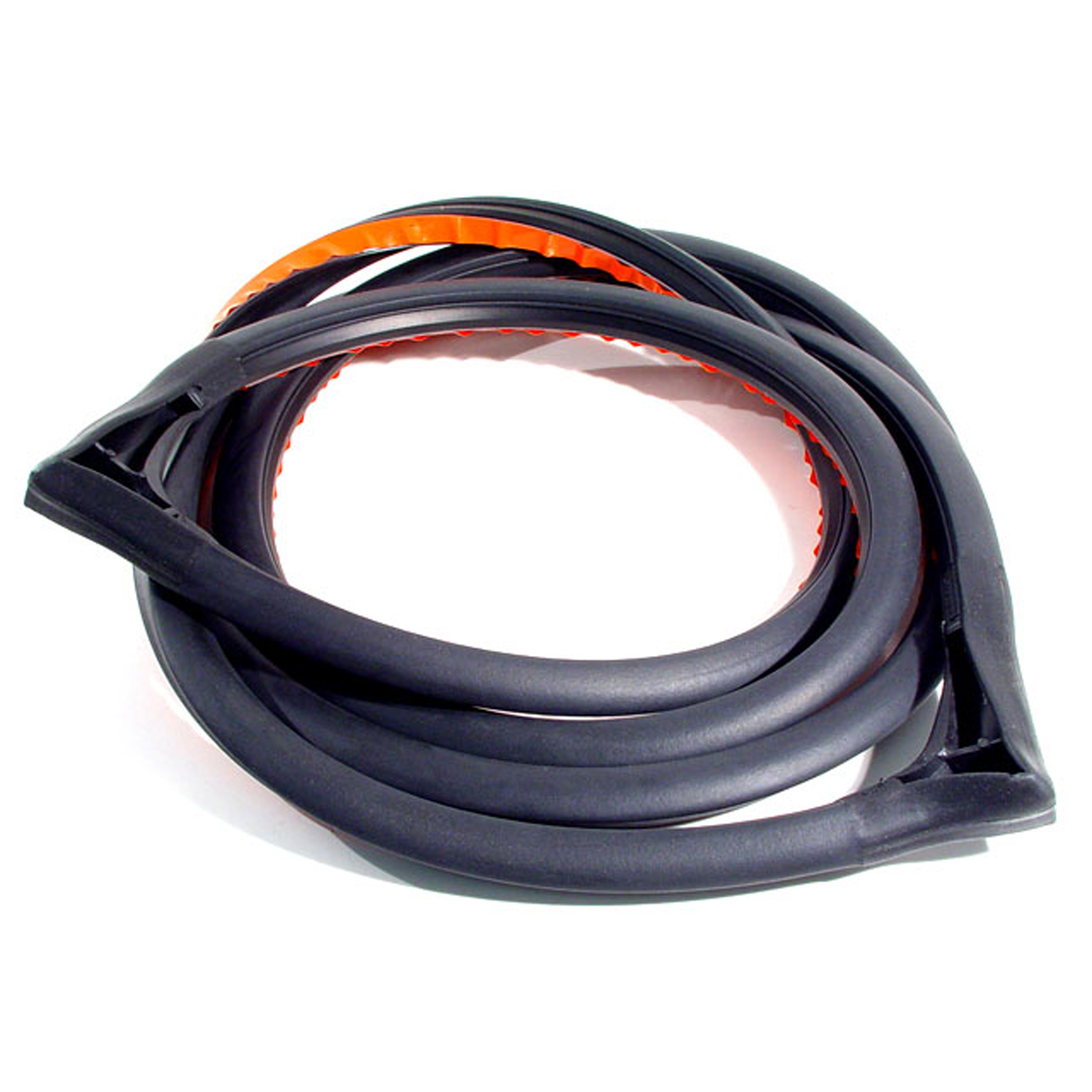 1975 Ford E-100 Econoline Club Wagon Right Rear Door Seal (Passenger Side)-LM 110-VURight Rear Door Seal (Passenger Side). Replaces OEM #F0UZ 1543722 A. Each
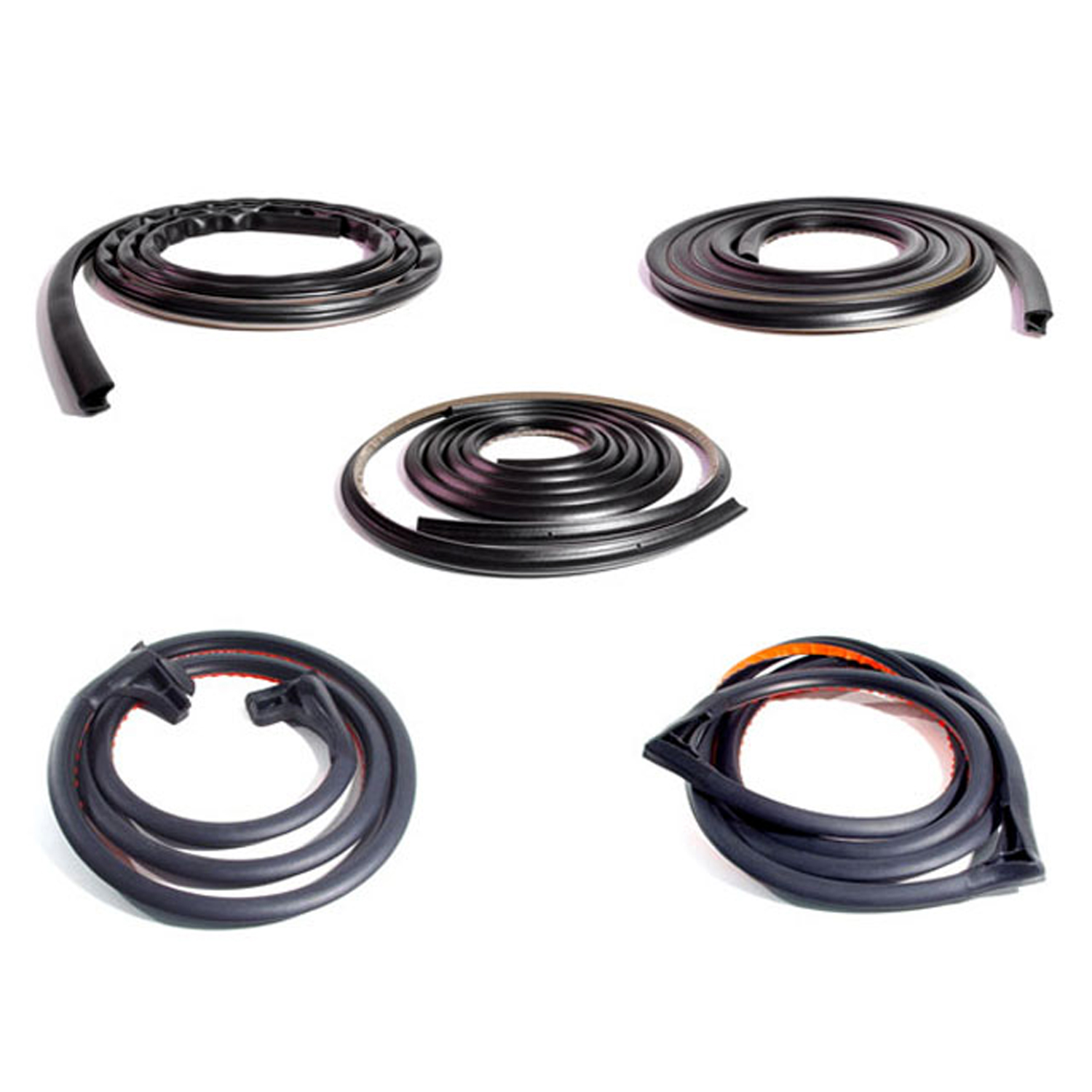 1975 Ford E-100 Econoline Club Wagon Basic Kit, for Models with Side Sliding Door-RKB 3000-100Basic Kit, for Models with Side Sliding Door. Front Left Door (LM 110-VL), Front Right Door (LM 110-VR), Back Left Door (LM 110-VT), Back Right Door (LM 110-VU), Side Sliding Door (LM 110-VS) Seals.
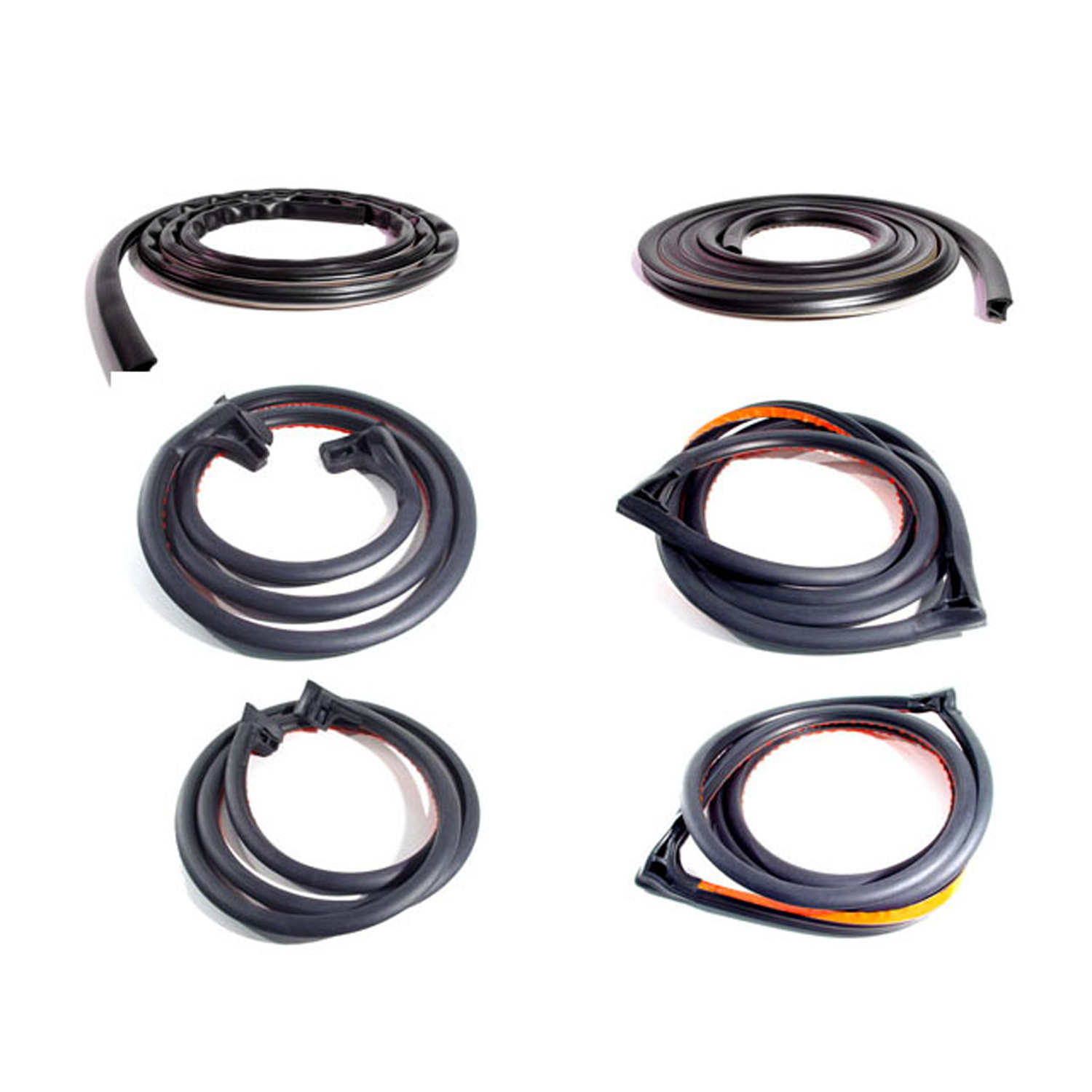 1975 Ford E-100 Econoline Club Wagon Basic Kit, for Models w/Side Cargo Door-RKB 3000-101Basic Kit, for Models w/Side Cargo Door. Front Left LM 110-VL), Front Right LM 110-VR), Back Left LM110-VT), Back Right LM 110-VU), Front Cargo Side (LM 110-VA), Rear Cargo Side (LM 110-VB) Door Seals.
Why Choose Metro?
For over 100 years, Metro Moulded Parts has been the pinnacle of quality in classic car restoration parts. Our commitment to precision and authenticity in every component ensures a perfect fit and an OEM-level appearance.
- Expert Craftsmanship & Quality: Each part is a testament to our dedication to reliability and perfection, crafted from original designs and thoroughly tested.
- Advanced Technology: We use cutting-edge techniques to create flawless, long-lasting parts that surpass others in performance.
- SuperSoft Sponge – The Ultimate Door Seal: Not only are our door seals 30% softer than competitors', but they're also guaranteed to never leak. They effectively reduce wind and road noise, enhancing your classic car's comfort and driving experience.
- Proudly American: Our parts are a product of American craftsmanship, made in the USA with a spirit of excellence and heritage.
- Unrivaled Warranty: We back our products with a 30-year industry-leading warranty, a testament to our confidence in their quality.
Join us in preserving the legacy of classic cars with parts that are crafted for perfection, not just made.