

Image of 1975 Ford E-250 Econoline, Note: These illustrations use artistic license and may differ from actual historical models.
Performance Metrics
Fundamental Metrics
Emotional Appeal
MMP Rating
| Engine Specifications | |
|---|---|
| Engine Options: | 4.9L Inline 6, 5.8L V8, 7.5L V8 |
| Displacement Range: | 4.9L - 7.5L |
| Horsepower Range: | 101 - 208 hp |
| Torque: | 223 - 312 lb-ft |
| Compression Ratio: | 8.0:1 - 8.4:1 |
| Ignition System: | Distributor ignition |
| Cooling System: | Liquid cooled |
| Performance Specifications | |
| 0-60 Time: | Estimated 12 - 15 seconds |
| 1/4 Mile Time: | Estimated 18 - 20 seconds |
| Top Speed: | 85 - 95 mph |
| Transmission and Drive | |
| Drive Type: | Rear wheel drive |
| Transmission Type: | 3-speed automatic |
| Fuel and Efficiency | |
| Fuel System Type: | Carburetor |
| MPG: | Estimated 10 - 12 mpg |
| Dimensions and Brakes | |
| Brakes: | Front disc / Rear drum |
| Wheelbase: | 124 inches |
| Weight: | 4,500 - 5,500 lbs |
Note: Specifications for classic cars are given to the best of our ability, considering the limited and variant data available.
1975 Ford E-250 Econoline: A Work Van at a Turning Point
The 1975 Ford E-250 Econoline brought big-truck toughness to the van world just as work vans, camper conversions, and custom cruisers were becoming part of everyday American life. Built by Ford, the E-250 was the three-quarter-ton member of the Econoline range, positioned between the lighter E-100 and heavier E-350. Its sturdy construction and adaptable interior made it equally at home hauling tools, carrying passengers, or serving as the starting point for a weekend camper.
The 1975 model year marked a major change for the Econoline. Ford introduced a redesigned, front-engine van with a body-on-frame layout, replacing the earlier cab-forward design. The new arrangement gave the van a more conventional driving position and brought it closer in concept to a pickup truck. One intriguing result: the E-Series platform would prove so adaptable that it remained a familiar sight in commercial fleets and van conversions for decades.
Square-Jawed Styling and Practical Details
The 1975 E-250 has the purposeful, upright shape associated with classic American vans. A broad, nearly flat windshield meets a short hood and blunt nose, while large side panels and a tall roof make the most of the vehicle’s footprint. Its proportions are straightforward rather than sleek, but that boxy profile is part of the appeal: there is room inside, and the exterior looks ready for work.
Inside, the emphasis was durability over luxury. Depending on how it was ordered, the cabin could feature vinyl upholstery, simple door trim, rubber floor covering, and painted metal surfaces. The dashboard was functional and easy to read, with straightforward controls rather than the layered electronics found in a modern van. Passenger-oriented versions and higher-trim packages could add more comfortable seating and interior finishes, while commercial examples were often deliberately spartan.
Ford offered a range of factory paint colors, including practical fleet shades and more expressive colors suited to private buyers. White was a common choice for commercial vans because it was easy to keep looking presentable and worked well for company graphics. Period blues, reds, greens, and earth tones also look right at home on a restored example, though exact colors and names varied by paint code and trim.
The E-250 was available in cargo and passenger-oriented configurations, with body and roof choices varying by model and order. Cargo vans offered a largely open load space, while passenger versions could be equipped with multiple rows of seats. The most iconic modern image may be a customized or camper-converted Econoline, but the plain cargo van was the practical heart of the range. Ford’s platform also attracted specialist conversion companies, which could add windows, seating, insulation, cabinetry, or a raised roof.
Why the 1975 Redesign Mattered
The new Econoline helped define the full-size van formula that became familiar across North America: a front-mounted engine, a substantial frame, a wide cabin, and a large, configurable body. That layout made the van easier to adapt for different jobs and helped create a more conventional driving experience than the earlier forward-control design. It also allowed Ford to draw on the company’s truck engineering and parts expertise.
The E-250 stood apart from smaller vans through its heavier-duty role. Its one-ton-and-a-half-ton range companions gave buyers choices, but the E-250 offered a useful middle ground for tradespeople and fleets that needed more capacity than a light-duty van without stepping up to the largest model. The design’s lasting influence is visible in the generations of E-Series vans that followed, as well as in the way modern full-size vans continue to balance cargo space, payload, and configurable interiors.
Engines, Speed, and Road Manners
Powertrain choices depended on the specific order and market. Common options included Ford’s 300-cubic-inch inline-six and small-block V8s such as the 302, with larger V8 choices available in parts of the range. A three-speed automatic was a popular pairing, while manual transmissions were also offered. The 300 six earned a reputation as a durable, work-focused engine, while a V8 gave a loaded van more convincing acceleration and a deeper exhaust note.
There is no single dependable 0-to-60-mph or top-speed figure for every 1975 E-250. Engine, transmission, axle ratio, body style, tires, and load all make a difference, and period test data for individual configurations is limited. As a broad road-going estimate, a typical example might take roughly 16 to 22 seconds to reach 60 mph, while top speed would generally be in the neighborhood of 80 to 95 mph. These are estimates, not guaranteed factory specifications, and an old, heavily loaded van may perform quite differently.
On the road, the E-250 feels substantial. The tall body catches crosswinds, and the long, upright shape asks the driver to plan ahead on exposed highways. It is not a sports car on winding roads: steering response is deliberate, and the van’s mass and height encourage smooth inputs. On ordinary streets, the commanding view and broad cabin make it easy to place, while a healthy suspension can take rough pavement in stride. Worn shocks, tired springs, loose steering components, or overloaded tires can quickly make the ride feel unsettled.
With a V8 under the hood, the driving soundtrack is classic Ford truck: a low burble at idle that builds into a steady, workmanlike growl under acceleration. The engine sits close to the occupants, so warmth and mechanical noise are part of the experience. The driver operates a large steering wheel and simple controls, with the sense of piloting a compact truck rather than a modern minivan.
Living With an E-250 Today
Owners use these vans as vintage work vehicles, camper projects, weekend cruisers, parts haulers, and show vehicles. A mostly original cargo van can be an appealing alternative to a pickup for someone who needs covered storage, while a thoughtfully converted example makes a distinctive road-trip rig. Custom vans with period graphics, plush interiors, or raised roofs have their own following.
Mechanical repairs are often approachable for an experienced home mechanic. The engines and many chassis components come from Ford’s truck family, and the vehicle’s relatively simple systems are easier to understand than the electronics in a modern van. That does not mean every job is effortless: the engine bay is crowded, access can be awkward, and age-related repairs may involve corroded fasteners, old wiring, or hard-to-find trim.
Before buying, inspect the frame, floors, body mounts, wheel arches, and lower body panels for rust. Check the steering and suspension for play, examine the brakes and tires carefully, and look for cooling-system trouble or signs of overheating. A van that has spent years as a work vehicle may also have hidden floor damage or a history of heavy loads. Parts availability is generally better for mechanical service items than for some model-specific body and interior pieces.
Little-Known Facts and Common Complaints
The E-250’s appeal lies in its versatility rather than a famous race result or a headline-grabbing speed record. It was built to do ordinary jobs well, and that working life is part of its character. Many examples were modified after leaving the factory, so a van advertised as a “conversion” may have equipment installed by a specialist rather than by Ford itself.
There is no widely recognized production record or major motorsport achievement associated specifically with the 1975 E-250. Nor is there a well-documented celebrity-owned edition that defines the model. Its more lasting cultural presence comes from the countless vans used by contractors, delivery fleets, families, musicians, and camper builders. Custom Econolines also became a recognizable part of the van scene that grew during the 1970s.
Common criticisms are familiar to anyone who has driven an old full-size van: modest fuel economy, wind sensitivity, substantial road noise, and braking and handling that feel dated by modern standards. The tall body can be tiring in gusty conditions, and large blind spots require care. These are not surprises so much as reminders that the E-250 was engineered for practical capacity, not modern refinement.
Collector Value and Market Outlook
Values vary widely according to rust, mechanical condition, originality, body style, and the quality of any conversion. As a broad 2026 estimate in the U.S. market, a project or rough driver might sell for about $3,000 to $8,000. A usable, presentable van could bring roughly $8,000 to $18,000, while a clean restoration or well-executed period-style conversion may reach $20,000 to $40,000 or more. Exceptional custom builds can exceed that range, though buyers should judge the quality of the work rather than assume every modification adds value.
Exact production figures for the 1975 E-250 are not consistently published in commonly available model summaries. A reasonable estimate is that Ford built tens of thousands of E-250s that year, perhaps in the range of 25,000 to 45,000, within a larger Econoline production total that may have reached roughly 100,000 to 150,000 across the series. Treat those figures as informed estimates, not verified factory totals.
Good examples are available, but rust-free, original vans are less common than tired work trucks or modified projects. Interest in vintage campers and classic vans has helped the best examples gain attention, so clean, well-documented vehicles are holding value and can appreciate gradually. Rough vans remain affordable, but restoration costs can quickly exceed the value of an ordinary driver.
A Classic Van Built to Keep Working
The 1975 Ford E-250 Econoline is significant because it combined a practical truck-based foundation with the flexible space that made full-size vans so useful. Its boxy styling, straightforward cabin, range of configurations, and familiar Ford powertrains helped it serve commercial owners and private buyers alike. It is not quick or especially polished, but it offers a distinctive, hands-on driving experience and a remarkably adaptable platform.
For collectors, the best E-250 is not necessarily the shiniest one. It is the van with solid structure, sound mechanicals, and a configuration that suits its next chapter. Half a century after its redesign, the 1975 Econoline still makes its case the old-fashioned way: it has room to work, room to travel, and plenty of character to spare.
1975 Ford E-250 Econoline Catalog of Parts
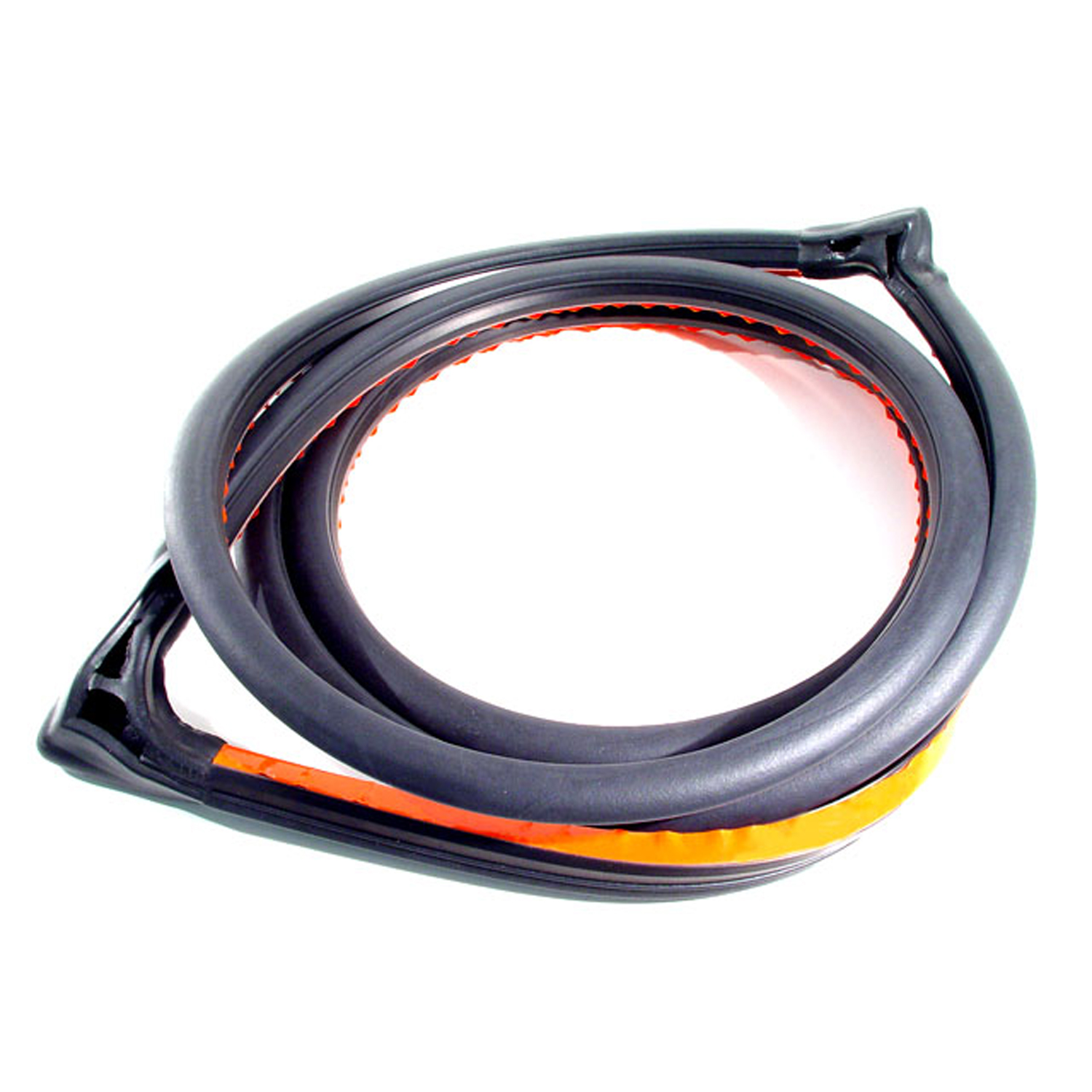 1975 Ford E-250 Econoline Front Side Cargo Door Seal-LM 110-VAFront Side Cargo Door Seal (fits front right side of cargo door). Replaces OEM #E9UZ 1525324 B. For rear (left side) matching seal, see LM 110-VB. Each
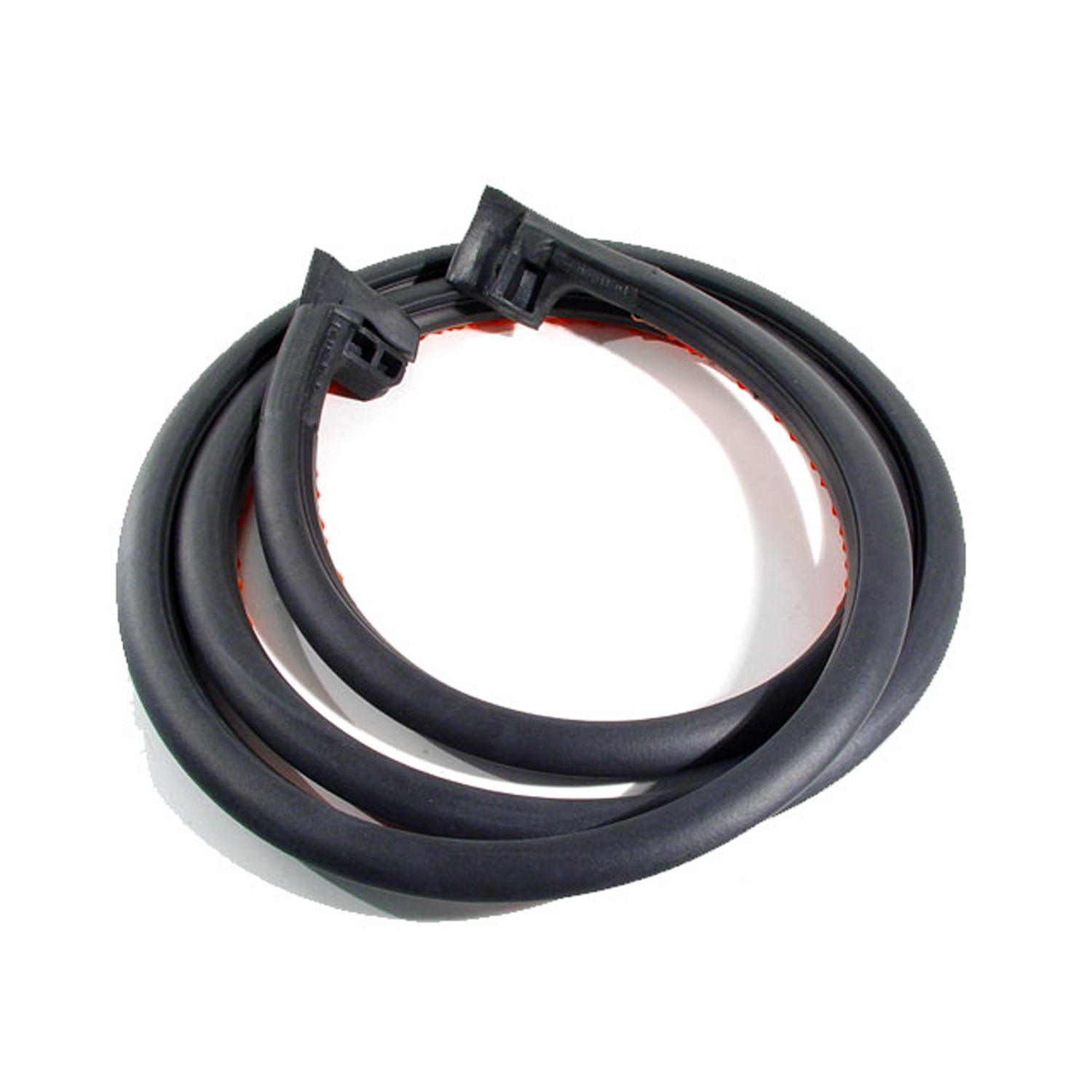 1975 Ford E-250 Econoline Rear Side Cargo Door Seal-LM 110-VBRear Side Cargo Door Seal (fits rear left side of cargo door). Replaces OEM #E9UZ 1525325 B. For front (right side) matching seal, see LM 110-VA. Each
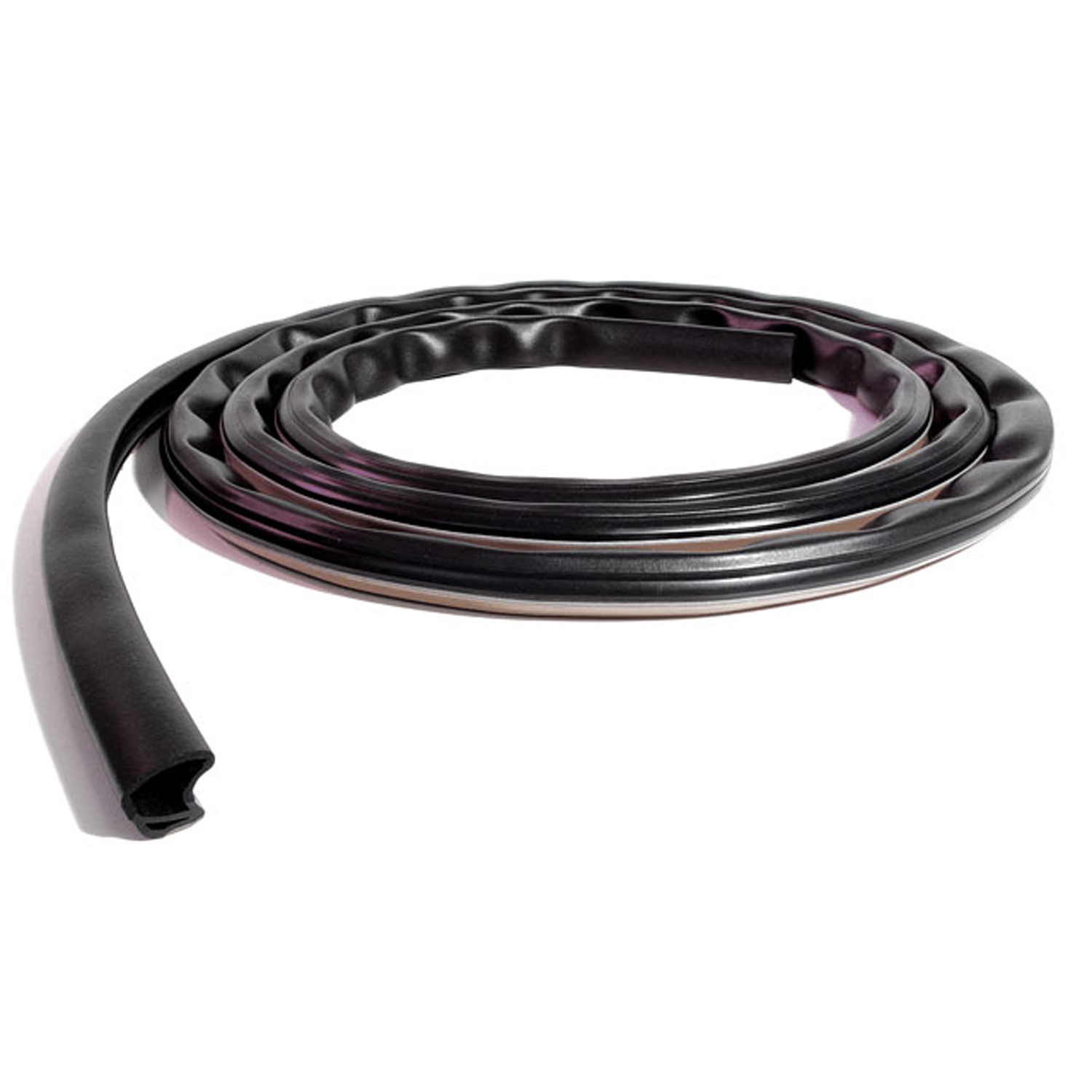 1975 Ford E-250 Econoline Left Front (drivers side) Door Seal. Each-LM 110-VLLeft Front (drivers side) Door Seal. Each
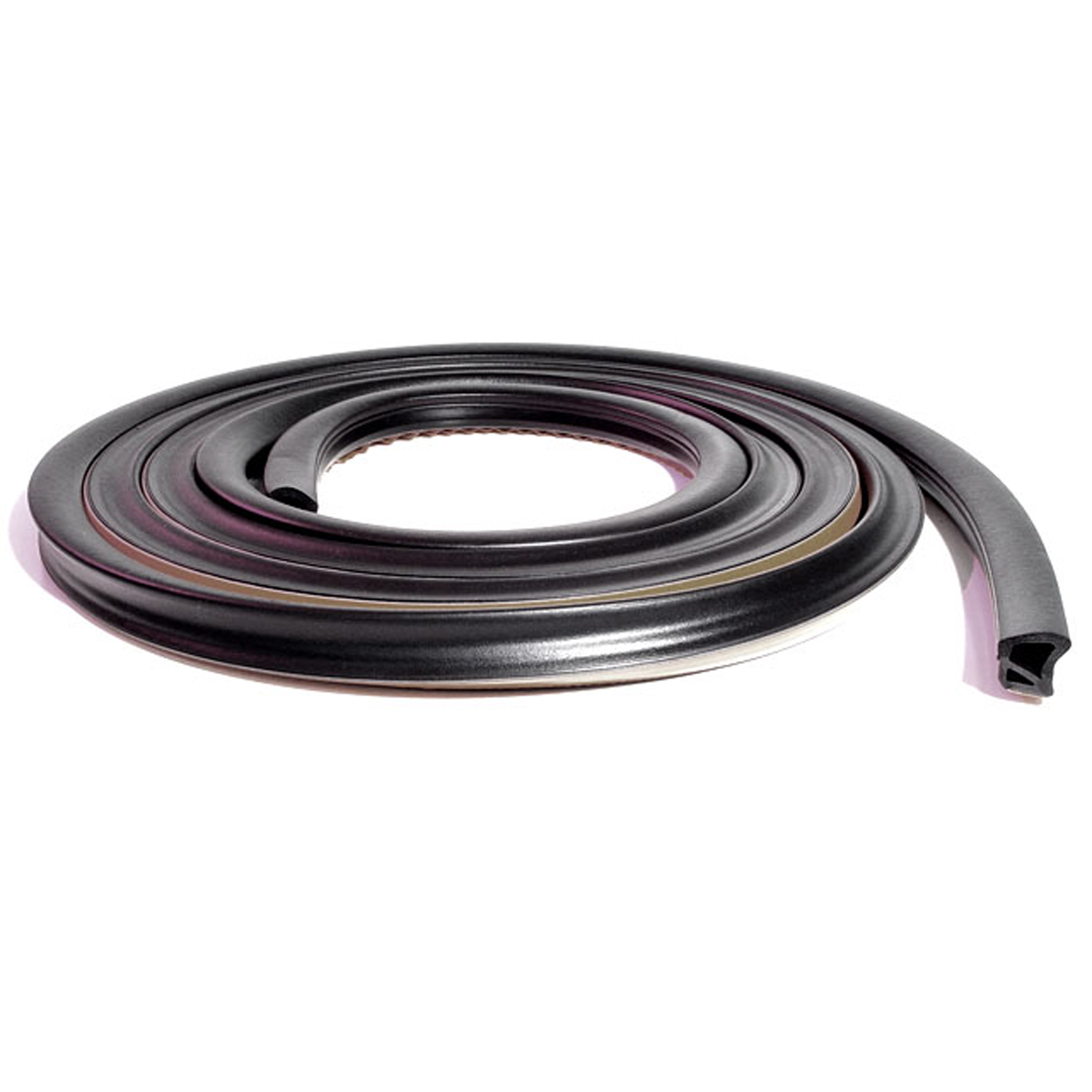 1975 Ford E-250 Econoline Right Front (passenger side) Door Seal. Each-LM 110-VRRight Front (passenger side) Door Seal. Each
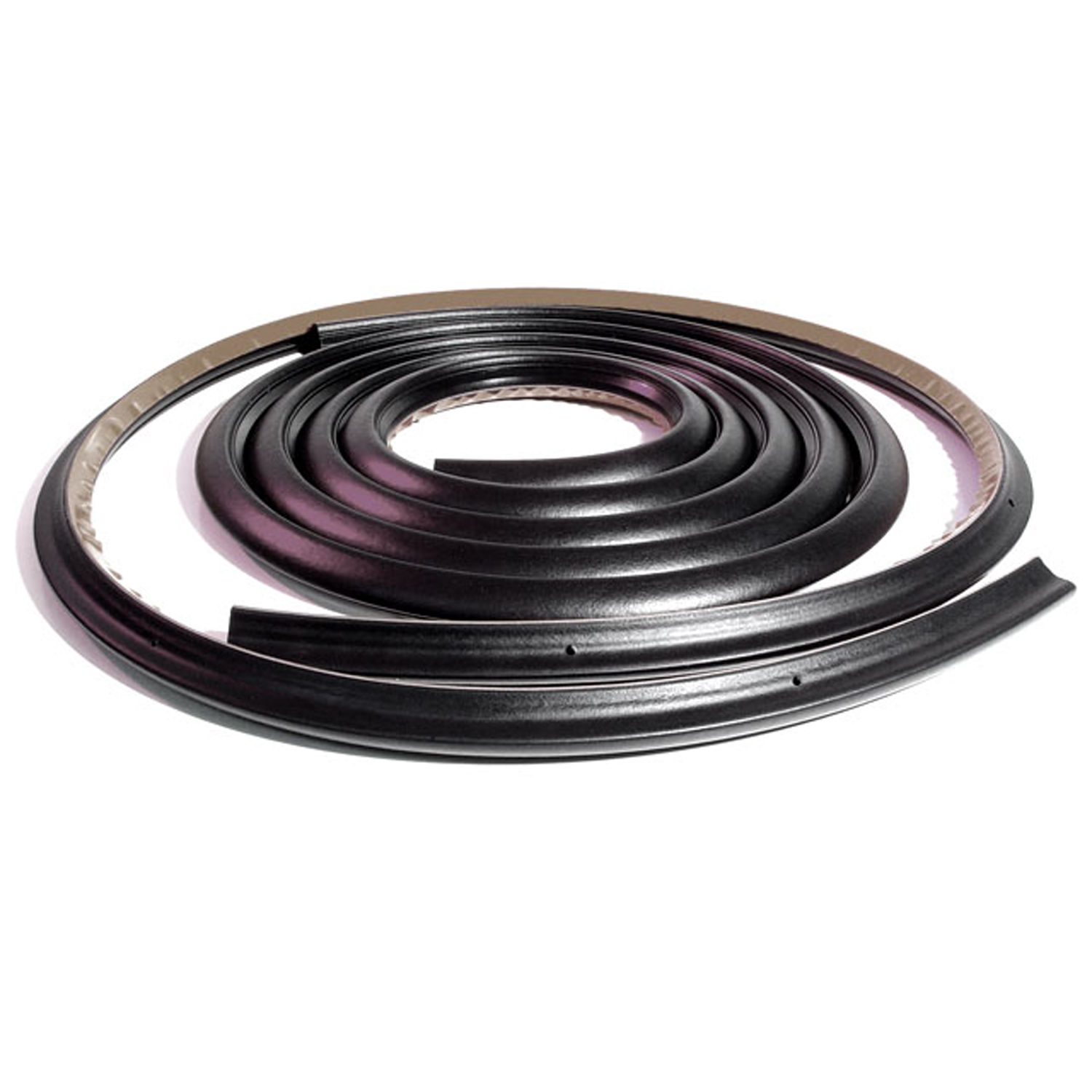 1975 Ford E-250 Econoline Side Slider Door Seal. Each-LM 110-VSSide Slider Door Seal. Each
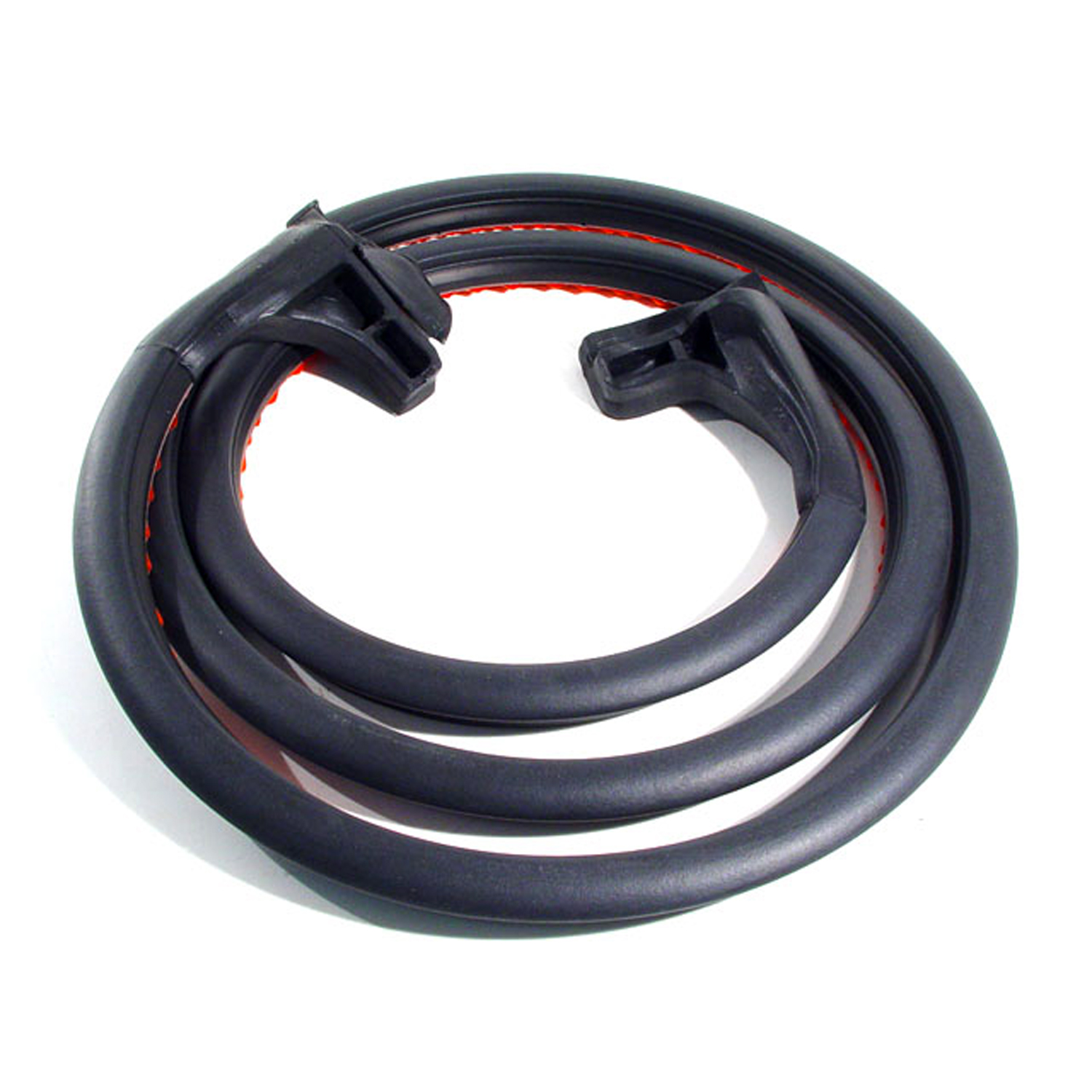 1975 Ford E-250 Econoline Left Rear Door Seal (Drivers Side)-LM 110-VTLeft Rear Door Seal (Drivers Side). Replaces OEM #E9UZ 1543723 A. Each
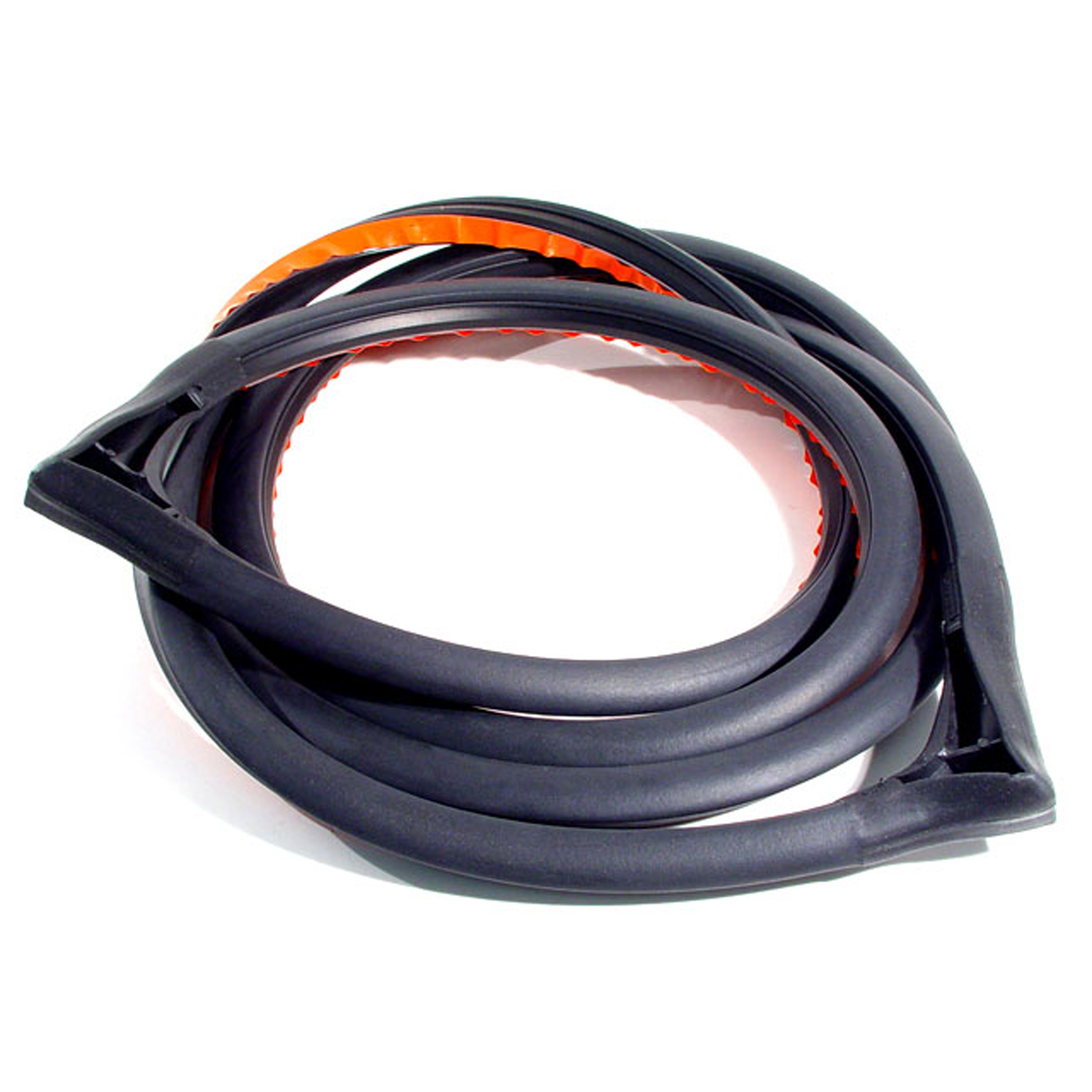 1975 Ford E-250 Econoline Right Rear Door Seal (Passenger Side)-LM 110-VURight Rear Door Seal (Passenger Side). Replaces OEM #F0UZ 1543722 A. Each
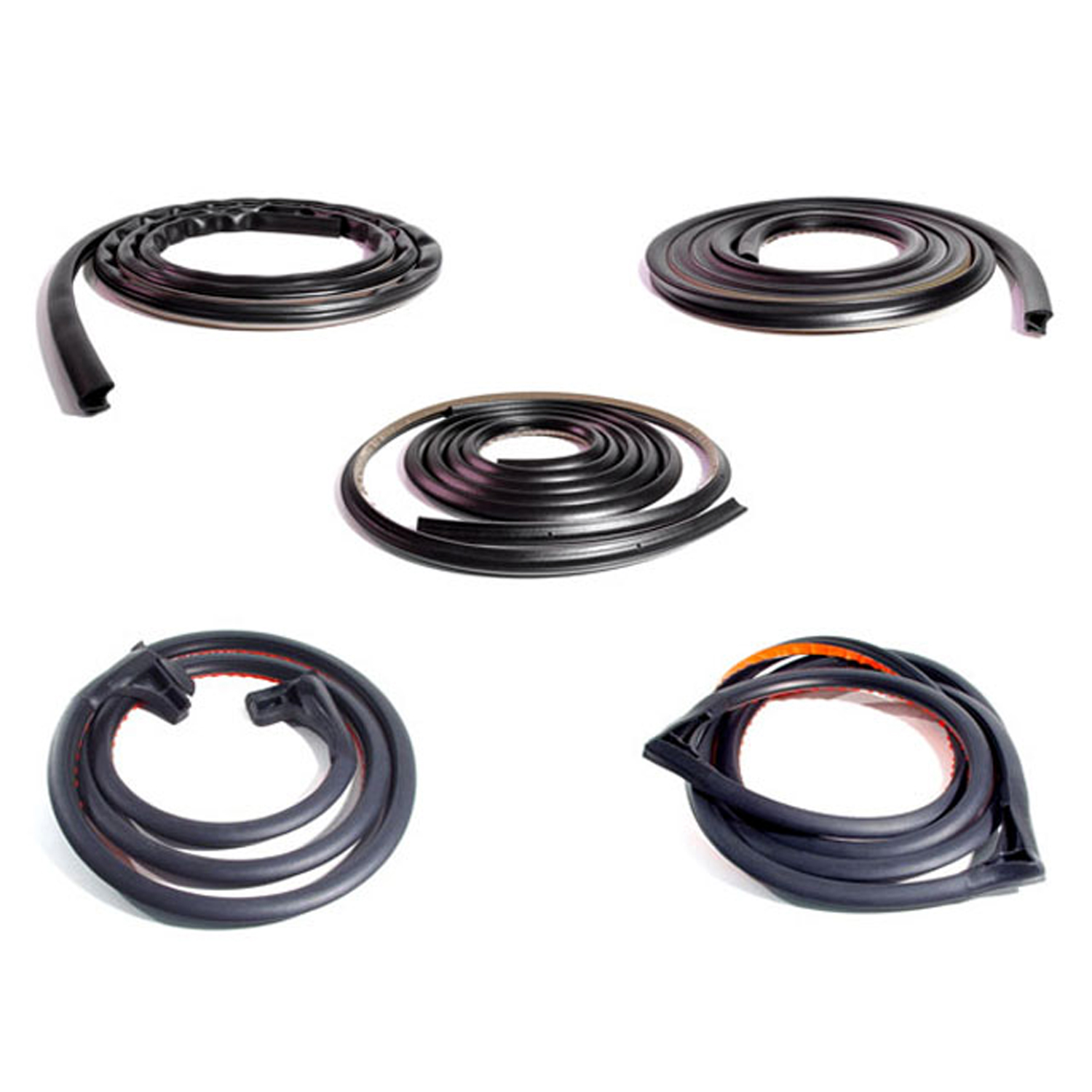 1975 Ford E-250 Econoline Basic Kit, for Models with Side Sliding Door-RKB 3000-100Basic Kit, for Models with Side Sliding Door. Front Left Door (LM 110-VL), Front Right Door (LM 110-VR), Back Left Door (LM 110-VT), Back Right Door (LM 110-VU), Side Sliding Door (LM 110-VS) Seals.
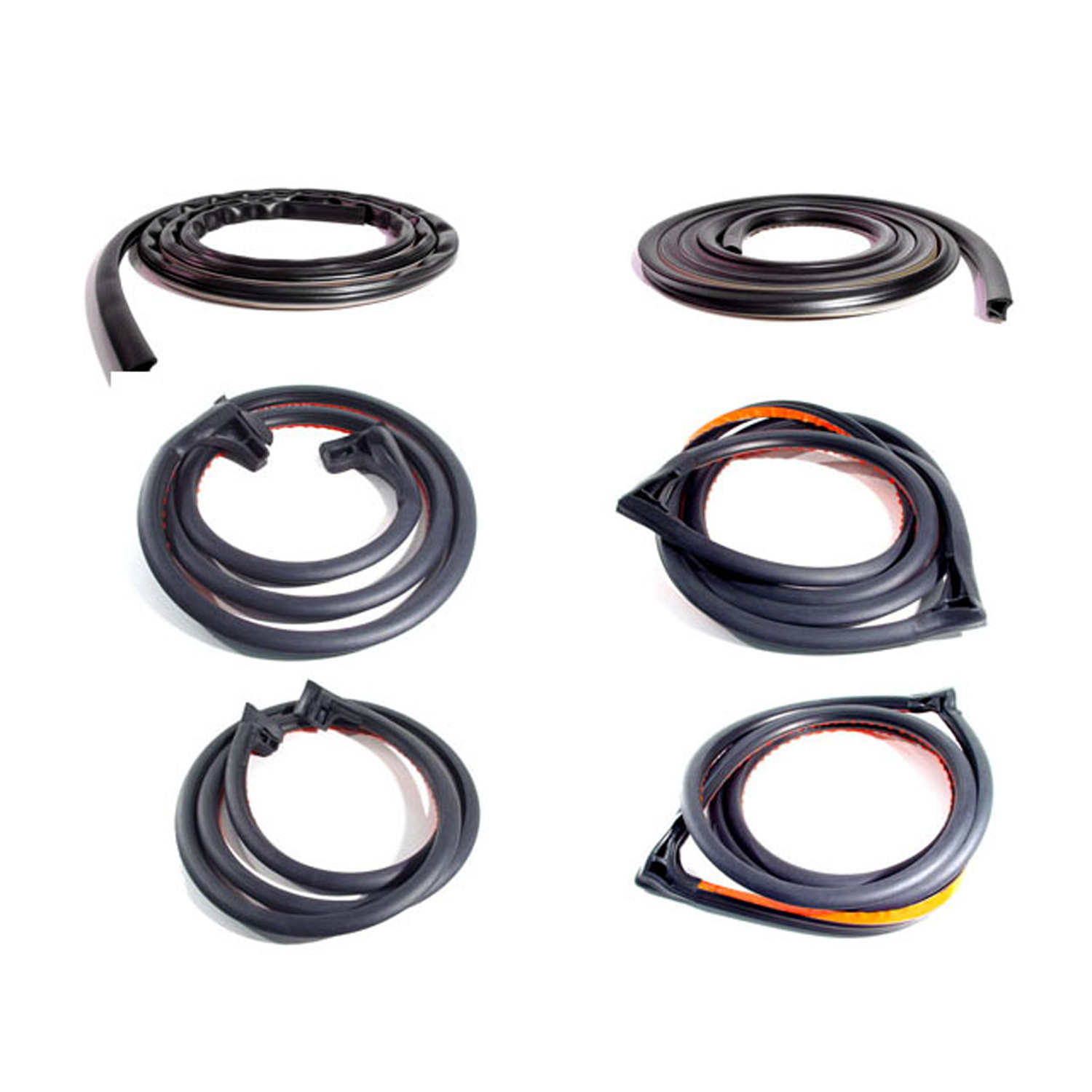 1975 Ford E-250 Econoline Basic Kit, for Models w/Side Cargo Door-RKB 3000-101Basic Kit, for Models w/Side Cargo Door. Front Left LM 110-VL), Front Right LM 110-VR), Back Left LM110-VT), Back Right LM 110-VU), Front Cargo Side (LM 110-VA), Rear Cargo Side (LM 110-VB) Door Seals.
Why Choose Metro?
For over 100 years, Metro Moulded Parts has been the pinnacle of quality in classic car restoration parts. Our commitment to precision and authenticity in every component ensures a perfect fit and an OEM-level appearance.
- Expert Craftsmanship & Quality: Each part is a testament to our dedication to reliability and perfection, crafted from original designs and thoroughly tested.
- Advanced Technology: We use cutting-edge techniques to create flawless, long-lasting parts that surpass others in performance.
- SuperSoft Sponge – The Ultimate Door Seal: Not only are our door seals 30% softer than competitors', but they're also guaranteed to never leak. They effectively reduce wind and road noise, enhancing your classic car's comfort and driving experience.
- Proudly American: Our parts are a product of American craftsmanship, made in the USA with a spirit of excellence and heritage.
- Unrivaled Warranty: We back our products with a 30-year industry-leading warranty, a testament to our confidence in their quality.
Join us in preserving the legacy of classic cars with parts that are crafted for perfection, not just made.