
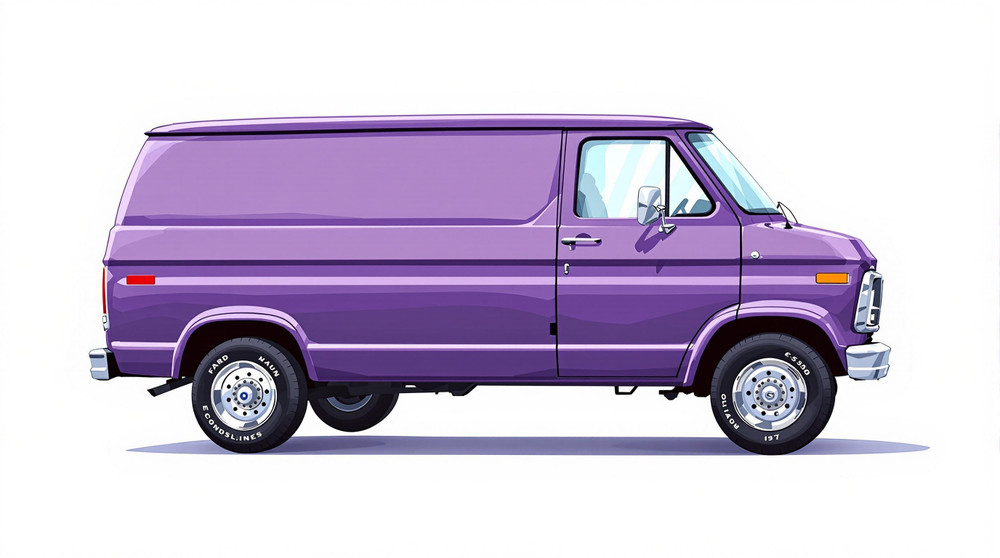
Image of 1975 Ford E-350 Econoline, Note: These illustrations use artistic license and may differ from actual historical models.
Performance Metrics
Fundamental Metrics
Emotional Appeal
MMP Rating
| Engine Specifications | |
|---|---|
| Engine Options: | 5.8L Windsor V8, 6.6L FE V8, 7.5L 385 V8 |
| Displacement Range: | 351-460 cubic inches |
| Horsepower Range: | 150-225 hp |
| Torque: | 275-375 lb-ft |
| Compression Ratio: | 8.0:1 - 8.4:1 |
| Ignition System: | Conventional breaker-point ignition system |
| Cooling System: | Liquid-cooled |
| Performance Specifications | |
| 0-60 Time: | Estimated 12-15 seconds |
| 1/4 Mile Time: | Estimated 18-20 seconds |
| Top Speed: | 85-95 mph |
| Transmission and Drive | |
| Drive Type: | Rear-wheel drive |
| Transmission Type: | 3-speed automatic |
| Fuel and Efficiency | |
| Fuel System Type: | Carburetor |
| MPG: | 10-12 mpg |
| Dimensions and Brakes | |
| Brakes: | Front disc and rear drum brakes |
| Wheelbase: | 138 inches |
| Weight: | 4,500-5,500 lbs |
Note: Specifications for classic cars are given to the best of our ability, considering the limited and variant data available.
1975 Ford E-350 Econoline: The One-Ton Van That Could Do It All
Built to haul more than people and their luggage, the 1975 Ford E-350 Econoline was a hardworking one-ton van with the bones of a truck and the versatility of a blank canvas. Ford offered it as a cargo van, passenger hauler, or chassis ready for a specialty body, making it a familiar sight at job sites, airports, small businesses, and on family road trips.
The Econoline name dates to 1961, when Ford launched a compact van inspired in part by the practical, forward-control vans then gaining popularity. By 1975, however, the E-Series had grown into a more conventional, full-size design. The E-350 sat at the heavy-duty end of the range, with a stronger chassis and greater load capacity than the lighter E-100, E-150, and E-250 models. Its appeal was straightforward: give owners a tough platform, then let them decide what it needed to become.
One detail that makes the 1975 model especially interesting is its place in the transition from the early, cab-forward Econoline to the long-running van layout familiar today. Ford had moved the engine forward, under a large interior engine cover, giving the van a more conventional nose while retaining a useful cargo area. That basic formula helped the E-Series remain a staple of American commercial fleets for decades.
Square-Jawed Styling and a Work-Ready Cabin
The 1975 Econoline wore its purpose plainly. A broad, upright windshield, short hood, flat sides, and squared-off rear body gave it a practical, almost architectural look. The front end featured a simple grille and round headlamps, with details varying by trim and equipment. The E-350’s tall stance and heavy-duty running gear gave it a more substantial presence than a passenger car, but its shape was dictated by useful interior space rather than styling fashion.
Inside, the standard cabin was durable and easy to clean. Vinyl upholstery, hard-wearing floor coverings, straightforward gauges, and simple switches were typical of a work-focused van. The large engine cover between the front seats was an unavoidable part of the design, but it also made the powertrain accessible for routine checks and some repairs. Passenger versions could be fitted with more seating and trim, while conversion companies added carpeting, upgraded upholstery, lighting, storage, and entertainment equipment.
Technology was modest by modern standards, but the Econoline offered the essentials for its era: conventional instrumentation, power steering and power brakes where ordered, and a choice of manual or automatic transmissions depending on configuration. Safety and comfort features varied with the original order. There were no modern driver aids, electronic engine controls, or airbag systems, so the driving experience remained mechanical and direct.
Ford offered a range of factory paint colors, including work-friendly whites and solid fleet colors as well as brighter period shades. White was a particularly common choice for commercial vans because it was easy to maintain and suited company graphics. The actual palette depended on the model year’s paint chart, trim, and fleet-order selections.
Body and configuration choices were a major part of the Econoline’s appeal. Buyers could choose a cargo van, a passenger-oriented Club Wagon, or an E-350 chassis cab and cutaway for an outside body. The cargo van became the iconic working version, while passenger models and later conversions made the platform popular for shuttles, campers, and recreational vehicles. The E-350’s heavy-duty frame also made it a natural foundation for box bodies, service vehicles, and other commercial applications.
Why the E-350 Mattered
The 1975 E-350 was not a design revolution on its own. Its significance came from how effectively it combined van packaging with truck-grade capability. The full-size Econoline offered businesses a large, enclosed space that could be configured for tools, deliveries, passengers, or specialized equipment, all in a vehicle that was easier to maneuver than many larger commercial trucks.
That flexibility helped establish the full-size van as an essential part of American working life. Contractors could order a cargo model and build shelving around their trade. Transit and shuttle operators could carry passengers. Recreation-vehicle builders could turn a van chassis into a camper. The E-350’s lasting influence is visible in the continued popularity of heavy-duty vans and cutaway platforms used for delivery, passenger transport, and motorhome construction.
Compared with lighter vans, the E-350’s main distinction was its greater-duty chassis and payload-oriented role. It was not necessarily the right choice for every buyer: a heavy van could feel cumbersome when lightly loaded and used around town. But for operators who needed strength, space, and an adaptable platform, that trade-off was part of the point.
Engines, Speed, and the Driving Feel
Engine availability depended on configuration and the original order. Period Econolines could be specified with inline-six or V8 power, with larger V8 options available in the range. A common heavy-duty setup paired a V8 with an automatic transmission, although exact engine and transmission combinations should be confirmed from the vehicle’s door data, engine identification, and build records. The E-350’s final gearing, axle ratio, body style, and load could all make a noticeable difference on the road.
There is no single meaningful factory 0-to-60 mph figure for every 1975 E-350. These vans were sold in many weights and configurations, and period performance testing was not as consistent as it is for modern cars. As a broad real-world estimate, an unloaded example with V8 power might take roughly 15 to 20 seconds to reach 60 mph. A heavy van, a six-cylinder model, or one carrying a substantial load could take longer. Top speed also varies, but roughly 75 to 90 mph is a sensible estimate for many stock examples. These are approximate figures, not guaranteed specifications, and a vintage van should not be pushed to its limits simply to test them.
Behind the wheel, the Econoline feels more like a truck than a car. The driver sits high, the windshield is upright, and the engine cover occupies a noticeable part of the cabin. A V8 produces a deep, workmanlike rumble that becomes more pronounced under acceleration. The ride can feel firm when the van is empty, while a properly loaded vehicle may settle down over bumps. Steering is slower and less precise than in a modern van, and a tall body can be affected by crosswinds. On winding roads, careful inputs and a sensible speed make for a much more comfortable drive.
Living With a 1975 Econoline
Today, an E-350 can serve as a weekend camper, vintage work van, show vehicle, film prop, or practical project. Many surviving examples have already been converted, modified, or used as donor vehicles. Original cargo vans are especially appealing to enthusiasts who want a period-correct work-truck look, while clean Club Wagons and professionally built campers attract buyers seeking a usable classic.
Mechanical simplicity is one of the van’s strengths. Its older engines and conventional driveline can be approachable for a mechanically minded owner, and many routine service tasks do not require specialist diagnostic equipment. Parts availability is generally reasonable for common mechanical components, though original trim, body-specific items, and correct interior pieces can take more effort to find.
Age and working life matter more than the odometer alone. Inspect the frame and underbody for corrosion, especially around structural areas and suspension mounting points. Check the floor, wheel arches, door bottoms, and windshield surrounds for rust or old repairs. Also examine the engine cover and surrounding insulation for heat damage, confirm that the cooling system is healthy, and test the brakes, steering, transmission, and rear axle under load. A van that spent decades in commercial service may have had a hard life even if it looks tidy from the outside.
Notable Details and Common Complaints
The E-Series’ most impressive achievement is its longevity as a model line. The Econoline name evolved into the E-Series, which became one of Ford’s defining commercial vehicles and remained in production for generations. The 1975 E-350 was part of that broader story: a simple, adaptable platform that could be tailored to an unusually wide range of jobs.
There is no widely recognized speed, endurance, or production record specific to the 1975 E-350, and no single celebrity ownership story defines the model. Its more meaningful claim to fame is its everyday ubiquity. Vans like it supported trades, deliveries, passenger services, and recreation across North America, often without attracting much attention until they became classics.
Common criticisms are familiar to anyone who has driven an old full-size van: fuel consumption can be high, handling feels ponderous compared with a modern vehicle, and the engine cover can make the front cabin warm and noisy. Braking distances, visibility, and crash protection also fall short of modern expectations. These are important considerations if you plan to use one regularly, rather than simply display it.
Collector Value and Availability
Ford did not publish a simple, widely used production total for every 1975 E-350 body and equipment combination, so an exact model-specific count is difficult to state responsibly. As a rough estimate, production was likely in the tens of thousands across the E-350’s different configurations, but that should be treated as an informed guess rather than a verified factory figure. Survivors vary greatly in condition, and original, unmodified examples are less common than work-worn vans or later conversions.
In the 2026 market, a project-grade or heavily used E-350 might sell for roughly $3,000 to $8,000. A running, roadworthy example in fair to good condition may bring about $8,000 to $20,000, while a clean, well-restored, unusually original, or professionally converted van can reach approximately $20,000 to $40,000 or more. Exceptional campers and high-quality custom builds may exceed that range, but their value depends heavily on workmanship, documentation, and buyer demand.
Values have generally benefited from renewed interest in vintage vans, camping, and period-correct commercial vehicles. The E-350 is not as universally collectible as a classic muscle car, and condition can make its market unpredictable. A sound, usable van with documented maintenance is likely to attract more interest than a highly modified project with unclear history. Overall, the best examples appear to be appreciating gradually, while rough or incomplete vans remain more affordable.
A Working Classic With Room to Make It Yours
The 1975 Ford E-350 Econoline stands out not for luxury or speed, but for strength, space, and adaptability. Its truck-based character, practical cabin, and broad range of body configurations made it useful to businesses and families alike, while its straightforward mechanical design still appeals to hands-on owners.
More than a box on wheels, the E-350 is a snapshot of American utility: built to work first, then shaped by whoever needed it. That mix of honest engineering and endless possibility is exactly why this one-ton Ford van remains worth saving.
1975 Ford E-350 Econoline Catalog of Parts
 1975 Ford E-350 Econoline Brake Pedal Pad. 4-3/4" wide X 2-1/4" long-CB 111-NBrake Pedal Pad. 4-3/4" wide X 2-1/4" long. Replaces OEM #'s BC3Z2457B, D3TZ2457A, D3TZ2457B. Each
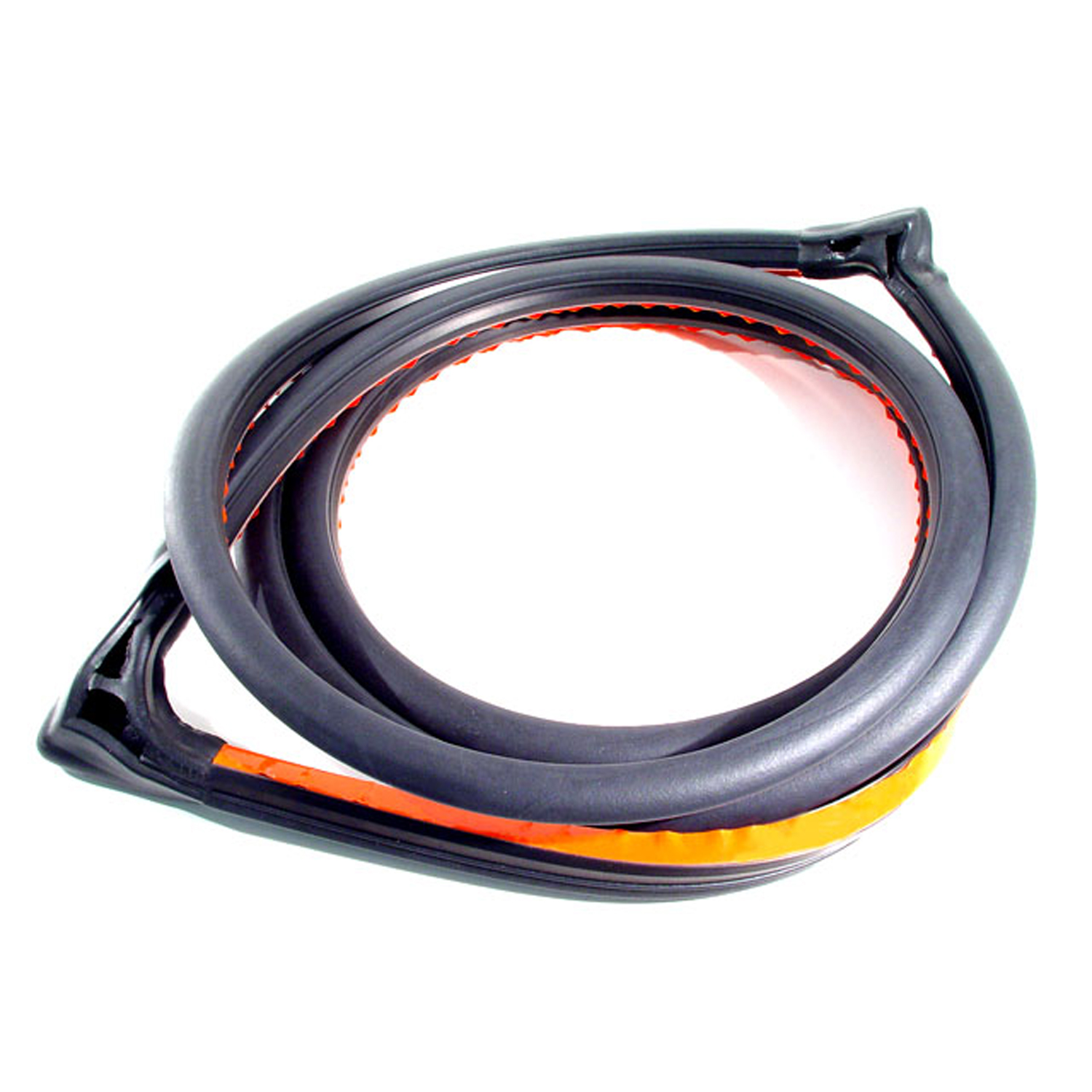 1975 Ford E-350 Econoline Front Side Cargo Door Seal-LM 110-VAFront Side Cargo Door Seal (fits front right side of cargo door). Replaces OEM #E9UZ 1525324 B. For rear (left side) matching seal, see LM 110-VB. Each
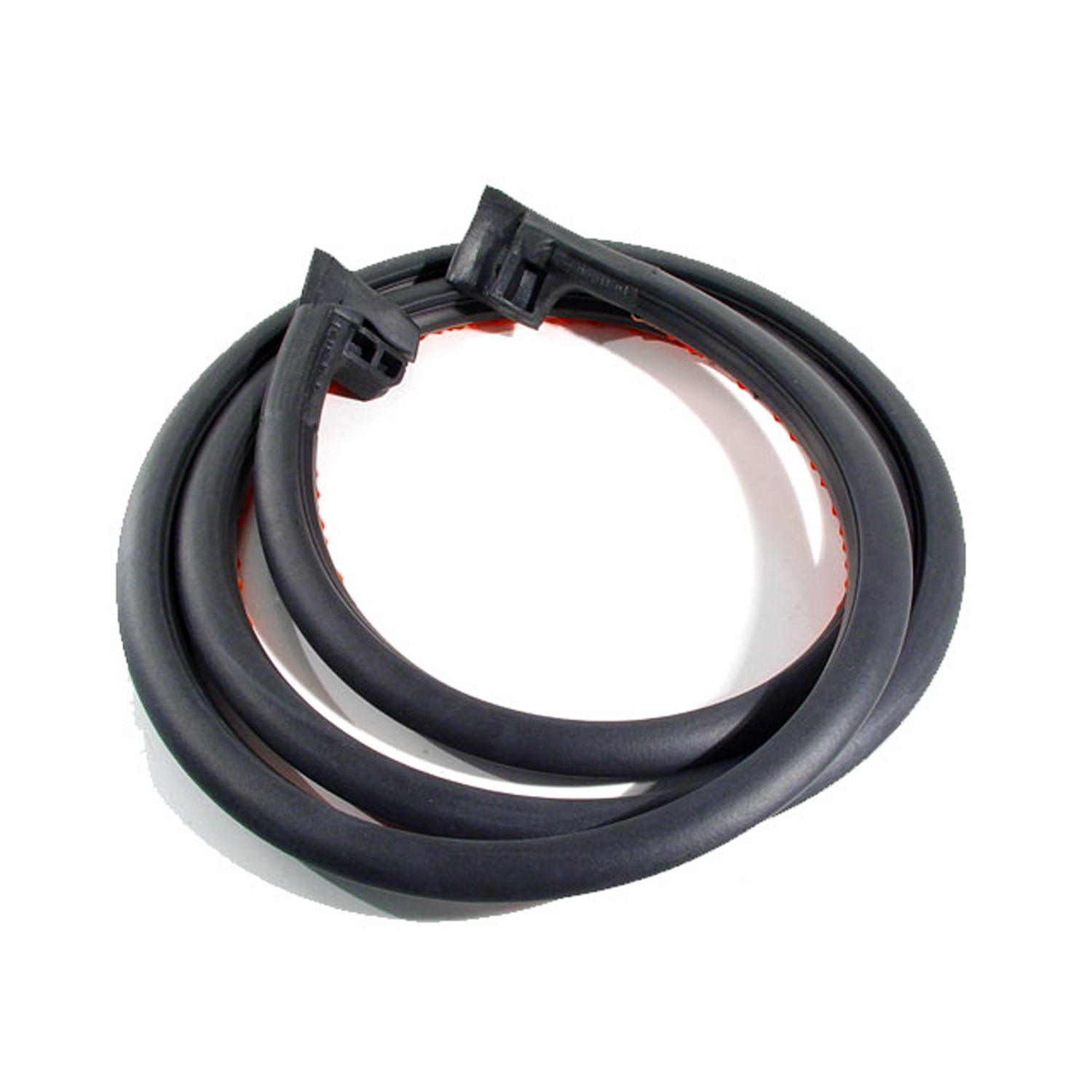 1975 Ford E-350 Econoline Rear Side Cargo Door Seal-LM 110-VBRear Side Cargo Door Seal (fits rear left side of cargo door). Replaces OEM #E9UZ 1525325 B. For front (right side) matching seal, see LM 110-VA. Each
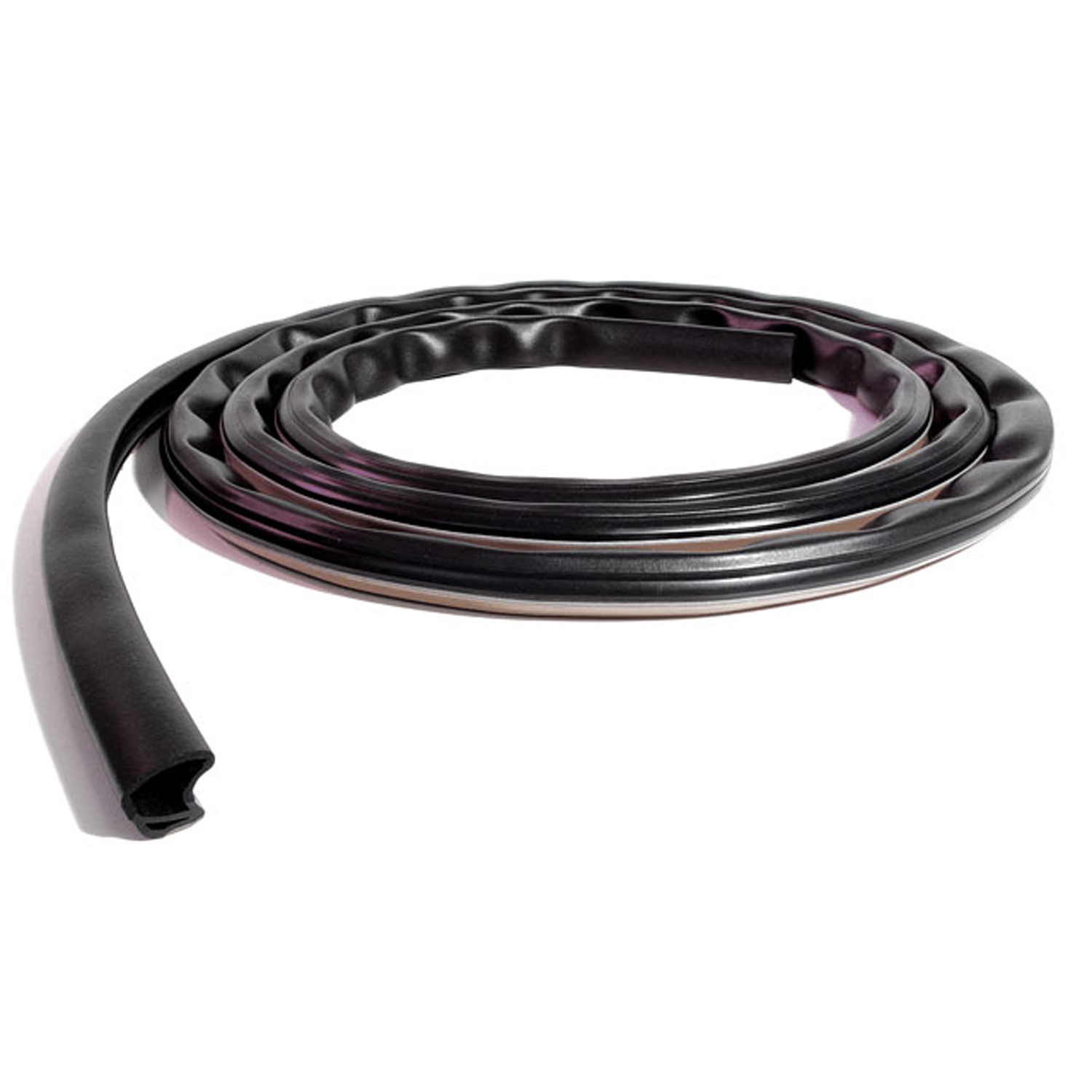 1975 Ford E-350 Econoline Left Front (drivers side) Door Seal. Each-LM 110-VLLeft Front (drivers side) Door Seal. Each
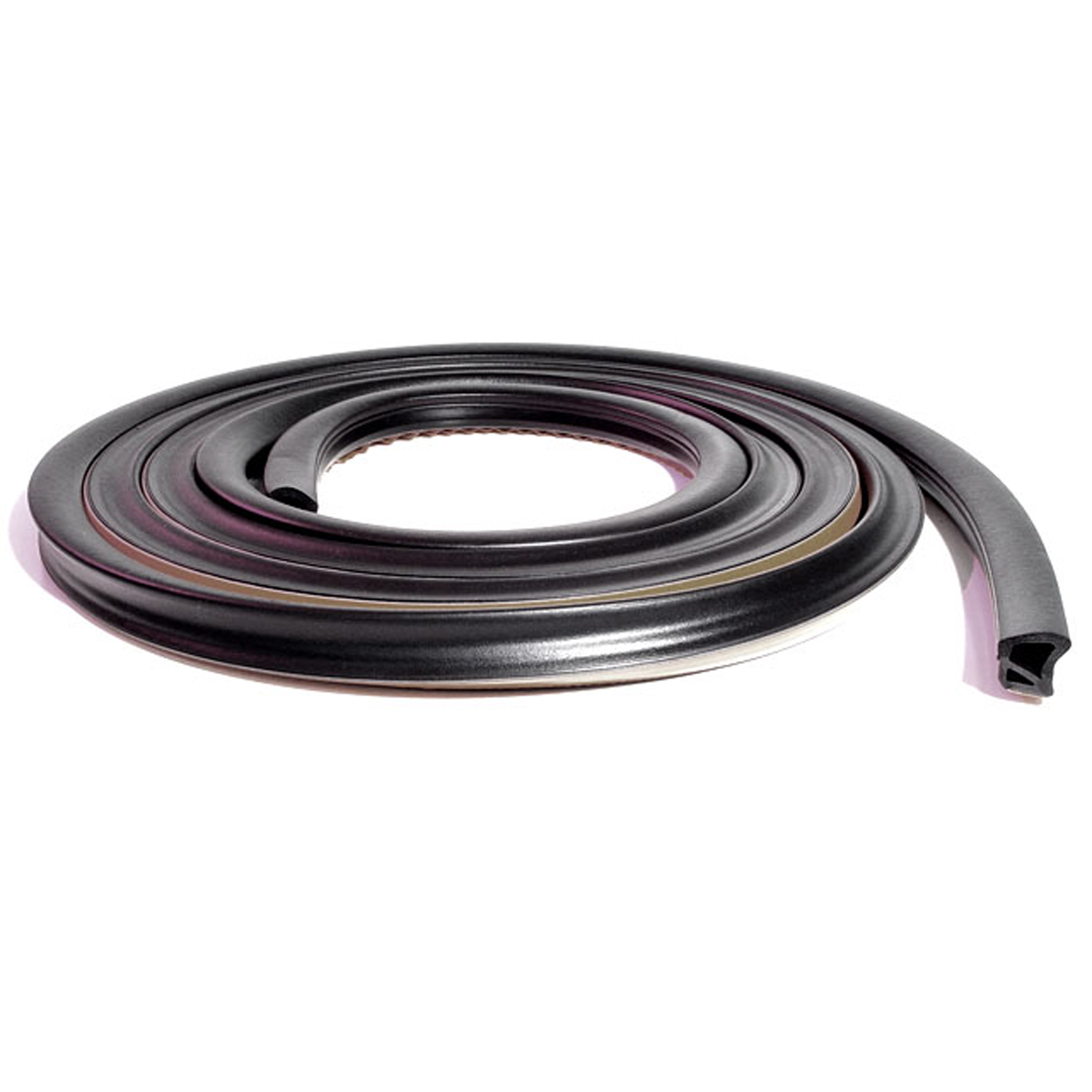 1975 Ford E-350 Econoline Right Front (passenger side) Door Seal. Each-LM 110-VRRight Front (passenger side) Door Seal. Each
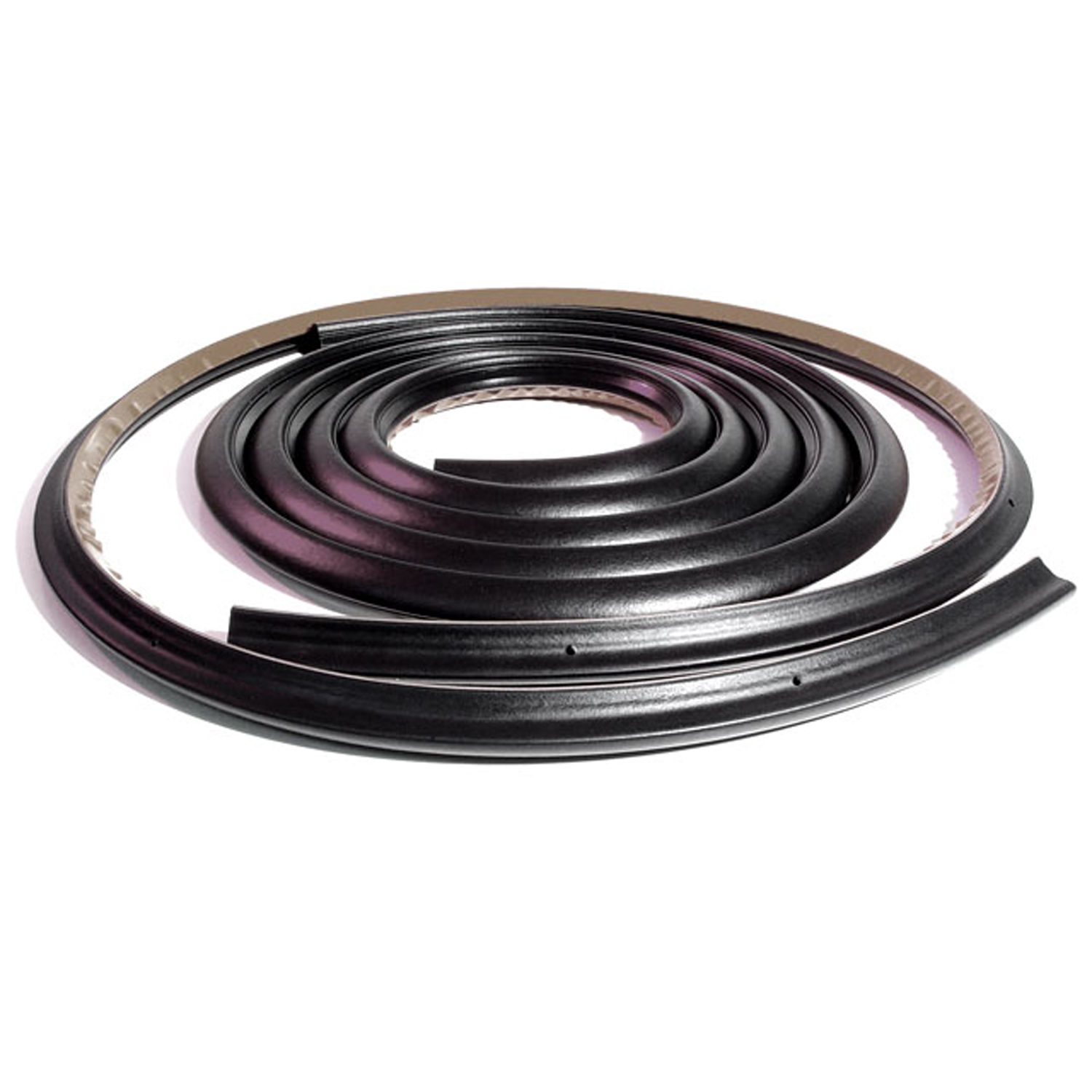 1975 Ford E-350 Econoline Side Slider Door Seal. Each-LM 110-VSSide Slider Door Seal. Each
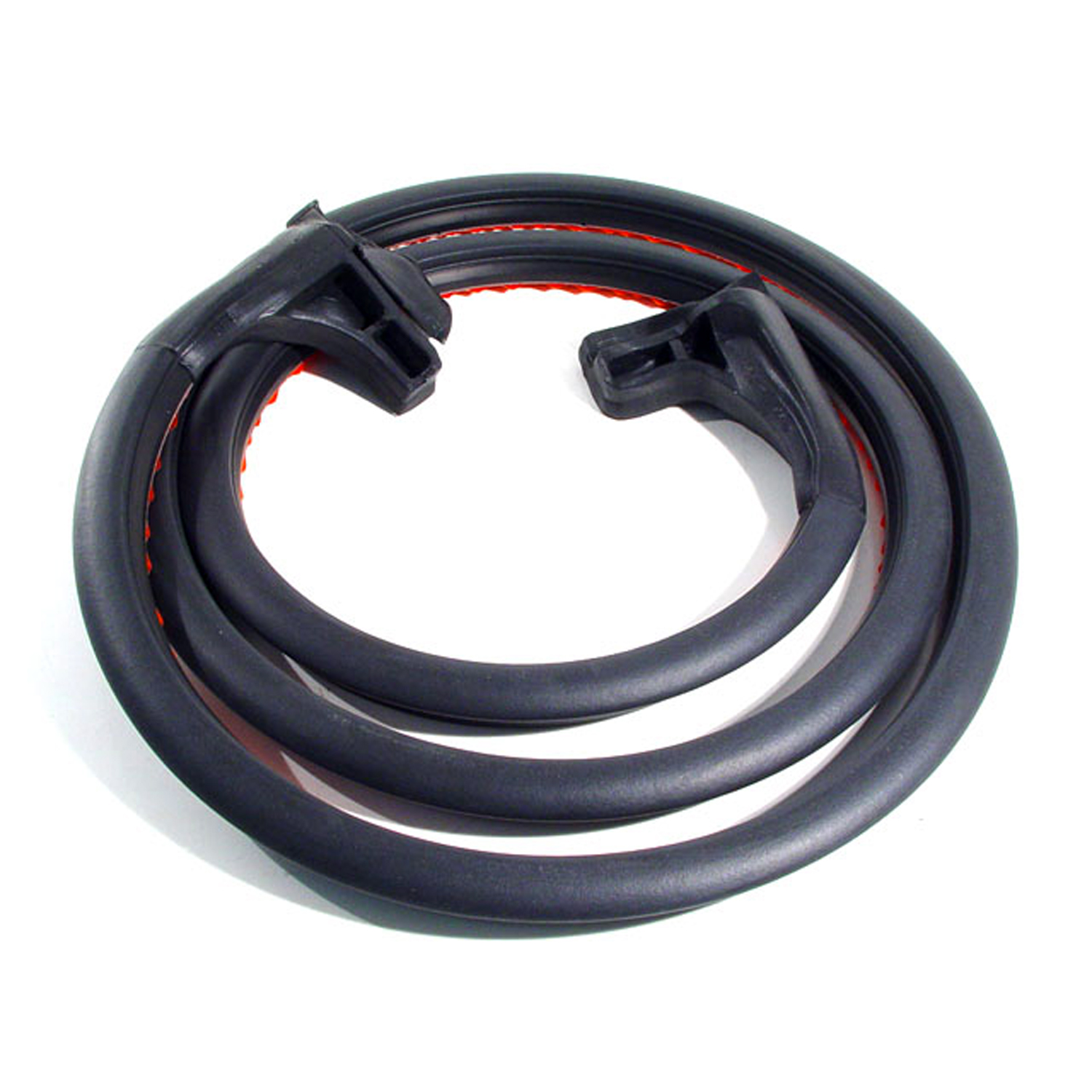 1975 Ford E-350 Econoline Left Rear Door Seal (Drivers Side)-LM 110-VTLeft Rear Door Seal (Drivers Side). Replaces OEM #E9UZ 1543723 A. Each
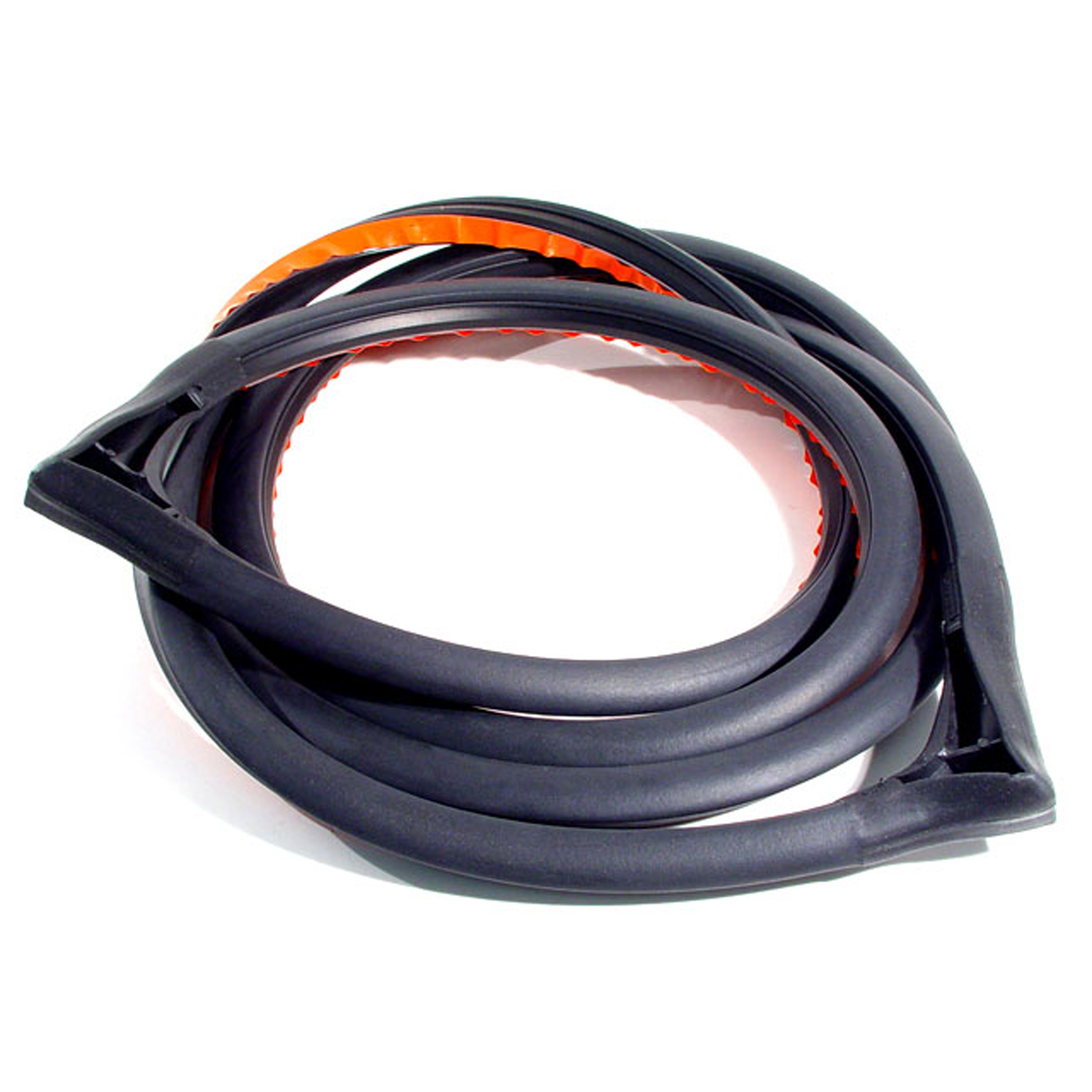 1975 Ford E-350 Econoline Right Rear Door Seal (Passenger Side)-LM 110-VURight Rear Door Seal (Passenger Side). Replaces OEM #F0UZ 1543722 A. Each
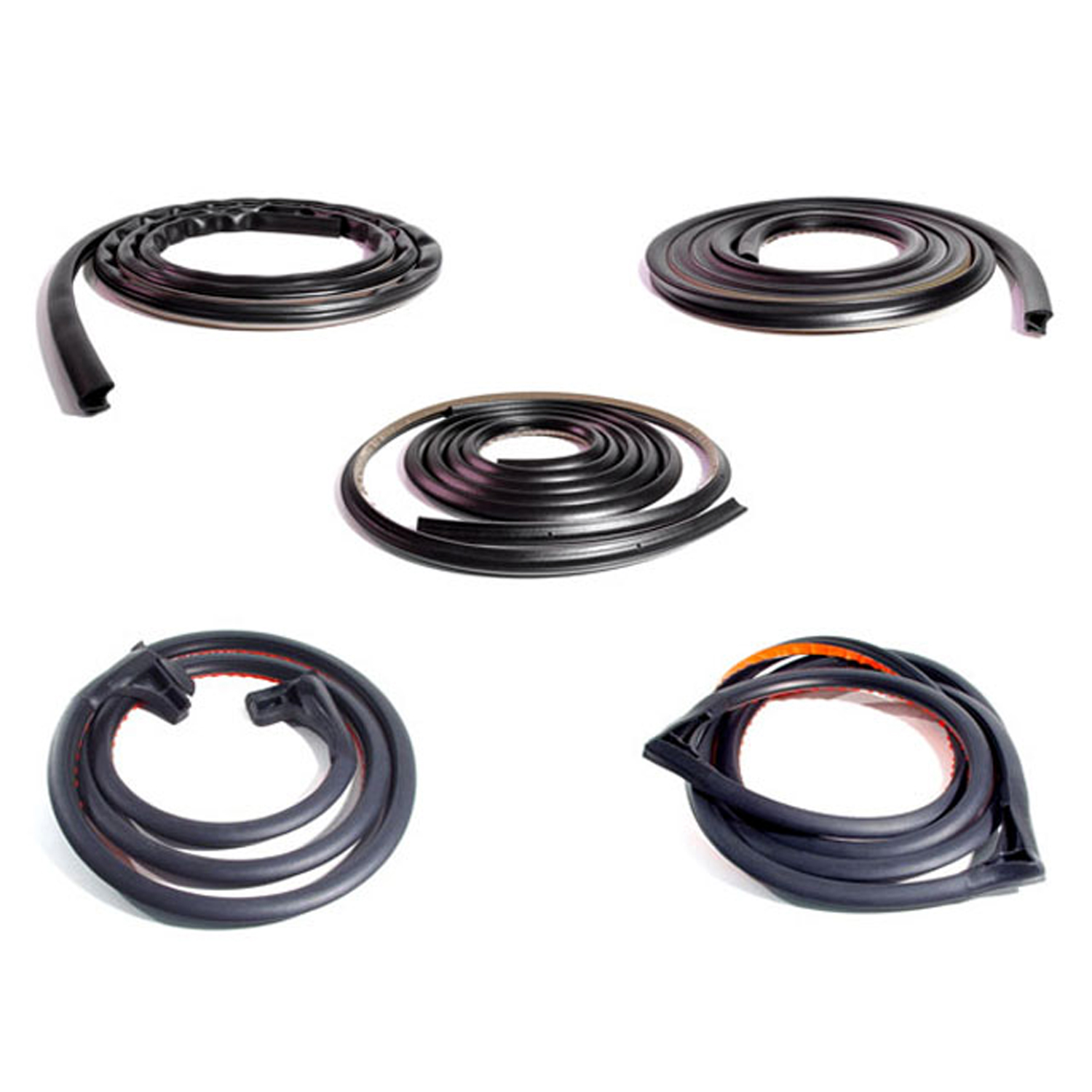 1975 Ford E-350 Econoline Basic Kit, for Models with Side Sliding Door-RKB 3000-100Basic Kit, for Models with Side Sliding Door. Front Left Door (LM 110-VL), Front Right Door (LM 110-VR), Back Left Door (LM 110-VT), Back Right Door (LM 110-VU), Side Sliding Door (LM 110-VS) Seals.
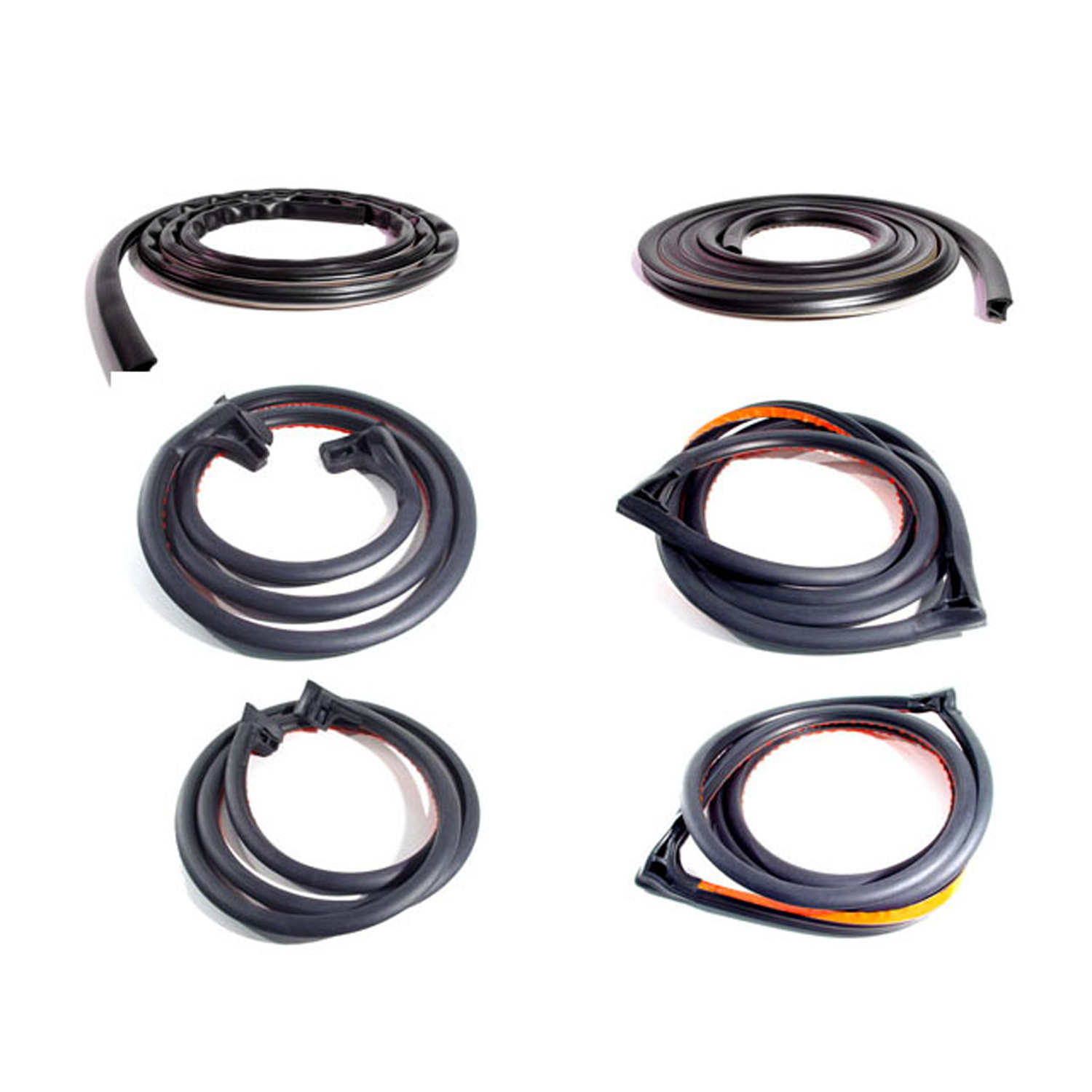 1975 Ford E-350 Econoline Basic Kit, for Models w/Side Cargo Door-RKB 3000-101Basic Kit, for Models w/Side Cargo Door. Front Left LM 110-VL), Front Right LM 110-VR), Back Left LM110-VT), Back Right LM 110-VU), Front Cargo Side (LM 110-VA), Rear Cargo Side (LM 110-VB) Door Seals.
Why Choose Metro?
For over 100 years, Metro Moulded Parts has been the pinnacle of quality in classic car restoration parts. Our commitment to precision and authenticity in every component ensures a perfect fit and an OEM-level appearance.
- Expert Craftsmanship & Quality: Each part is a testament to our dedication to reliability and perfection, crafted from original designs and thoroughly tested.
- Advanced Technology: We use cutting-edge techniques to create flawless, long-lasting parts that surpass others in performance.
- SuperSoft Sponge – The Ultimate Door Seal: Not only are our door seals 30% softer than competitors', but they're also guaranteed to never leak. They effectively reduce wind and road noise, enhancing your classic car's comfort and driving experience.
- Proudly American: Our parts are a product of American craftsmanship, made in the USA with a spirit of excellence and heritage.
- Unrivaled Warranty: We back our products with a 30-year industry-leading warranty, a testament to our confidence in their quality.
Join us in preserving the legacy of classic cars with parts that are crafted for perfection, not just made.