
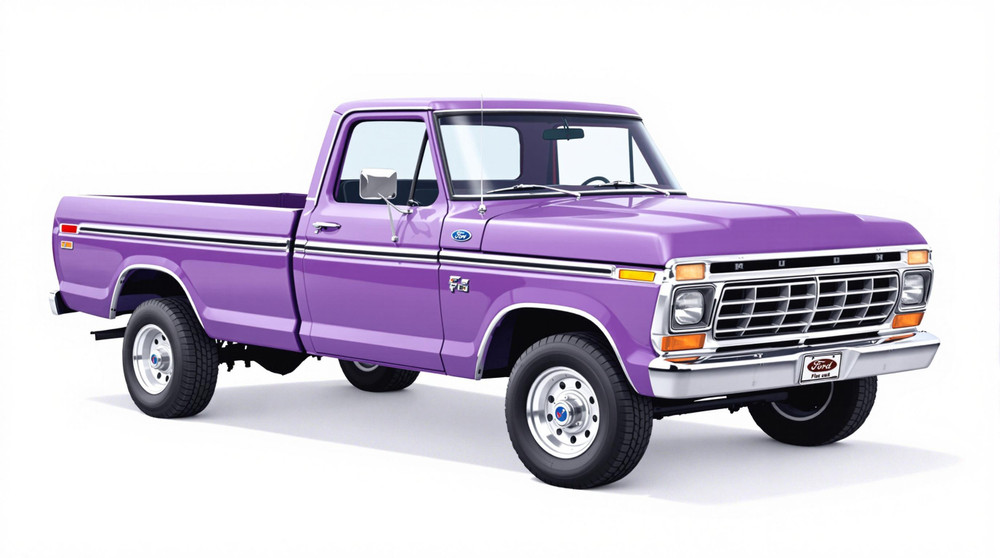
Image of 1975 Ford F-250, Note: These illustrations use artistic license and may differ from actual historical models.
Performance Metrics
Fundamental Metrics
Emotional Appeal
MMP Rating
| Engine Specifications | |
|---|---|
| Engine: | 4.9L 300 Cu. In. I6, 5.9L 360 Cu. In. V8, 6.4L 390 Cu. In. V8, 7.5L 460 Cu. In. V8 |
| Displacement: | 300-460 Cu. In. |
| Horsepower: | 100-220 HP |
| Torque: | 223-388 lb-ft |
| Compression Ratio: | 8.0:1 - 8.5:1 |
| Ignition System: | Conventional Distributor |
| Cooling System: | Liquid cooled |
| Performance Specifications | |
| 0-60 Time: | Estimated 10-15 seconds |
| 1/4 Mile Time: | Estimated 17-20 seconds |
| Top Speed: | 85-100 mph |
| Transmission and Drive | |
| Drive Type: | Rear Wheel Drive (RWD) |
| Transmission Type: | 3-speed automatic, 4-speed manual |
| Fuel and Efficiency | |
| Fuel System Type: | Carburetor |
| MPG: | Estimated 10-15 MPG |
| Dimensions and Brakes | |
| Brakes: | Front Disc / Rear Drum |
| Wheelbase: | 133 inches |
| Weight: | 4,500-5,000 lbs |
Note: Specifications for classic cars are given to the best of our ability, considering the limited and variant data available.
1975 Ford F-250: The Dentside Heavyweight
The 1975 Ford F-250 was built for work first, but its squared-off styling and tough, straightforward engineering have made it a favorite among classic-truck enthusiasts. Produced by Ford as part of the sixth-generation F-Series, it sat between the F-100 and F-350 in the lineup, offering a useful balance of hauling capacity and everyday practicality.
It belongs to the generation enthusiasts call the “Dentside,” a nickname inspired by the indented character line running along the body. Ford’s 1973–1979 trucks helped establish the visual language of the modern American pickup: broad shoulders, a prominent grille, and a cab designed to feel more comfortable than earlier work trucks. One intriguing detail is that the F-250 could be ordered in several very different personalities, from a basic farm or fleet truck to a four-wheel-drive Camper Special equipped for hauling a slide-in camper.
Dentside Styling and Cab Choices
The F-250 wears its size plainly. A tall, broad hood leads to a rectangular grille framed by large headlamps, while the long body sides and squared wheel openings give the truck a purposeful stance. Chrome trim, bright bumpers, and decorative side moldings depended on the trim level and options. The overall look is less delicate than that of a car-based vehicle, but the proportions are balanced and unmistakably Ford.
Buyers could choose a Styleside pickup bed, with smooth exterior sides, or a Flareside bed, whose exposed rear fenders gave the truck a narrower, more traditional appearance. Regular-cab trucks were the familiar workhorse choice. Ford also offered the SuperCab, an extended-cab design with extra room behind the front seat for passengers or gear. Four-wheel drive was available for buyers who needed traction on job sites, rough roads, or winter routes.
Color choices changed with trim and production details, but the palette included solid and two-tone finishes. White, red, blue, and earthier shades such as green or brown are commonly seen on surviving examples. Bright two-tone paint can make a restored truck especially eye-catching, while plain white and red examples reflect the F-250’s practical fleet-and-work roots.
A Work-Truck Interior with Useful Options
Inside, the 1975 F-250 is straightforward and durable. The broad dashboard uses simple, legible gauges and large controls that are easy to operate with work gloves. Depending on how the truck was ordered, the cabin could have a vinyl bench seat suited to hard use or a more comfortable cloth or upgraded-trim interior. Materials were functional rather than luxurious, with painted metal and hard-wearing vinyl common in a working truck.
Options could add power steering, power brakes, air conditioning, an automatic transmission, upgraded seating, and an AM radio. The F-250 was not packed with electronic systems, which is part of its appeal today. Its technology was mechanical and serviceable: front disc brakes with rear drums, available four-wheel drive, and a choice of engines and transmissions suited to different loads and driving needs.
Engines, Chassis, and 1970s Innovation
Engine availability varied with configuration and equipment, but the 1975 F-250 could be ordered with Ford’s 300-cubic-inch inline-six or V8 power, including FE-family 360- and 390-cubic-inch engines and the large 460-cubic-inch V8 in applicable configurations. A three-speed manual was a common basic transmission, with other manual and automatic choices available depending on the truck’s specification.
Ford’s Twin I-Beam independent front suspension was a defining feature of its two-wheel-drive pickups. It used two long beams, each pivoting from the frame and carrying a front wheel, to provide independent wheel movement without giving up the rugged character expected of a truck. Four-wheel-drive F-250s used a different front suspension arrangement designed around their driven front axle. Together with the model’s stout frame and heavy-duty running gear, these choices helped make the F-250 a versatile tool rather than simply a larger-looking light pickup.
The F-250’s significance lies less in one dramatic invention than in the way it brought useful engineering and a more accommodating cab to a mass-market work truck. It could serve a contractor during the week, tow a trailer on the weekend, or carry a camper on a family trip. That versatility helped define what American buyers came to expect from a pickup.
Road Manners and Real-World Performance
Performance figures depend heavily on engine, axle gearing, transmission, tires, and load. There was no single 0-to-60-mph figure that applies to every 1975 F-250. As a broad estimate, many examples take roughly 15 to 25 seconds to reach 60 mph, with a big-block 460 generally feeling stronger under load than the six-cylinder. Depending on configuration and condition, an unloaded truck might reach approximately 85 to 100 mph, but these pickups were designed for useful torque and hauling, not sustained high-speed travel.
On the road, the F-250 feels substantial. A two-wheel-drive truck with Twin I-Beam suspension can ride firmly and may feel busy over sharp bumps, especially when its springs are set up for heavy loads. A loaded bed or trailer often settles the ride. Four-wheel-drive versions sit higher and feel more truck-like, while their added weight and different front-end layout affect steering and cornering.
Windy roads call for deliberate inputs. The tall body, solid truck proportions, and period steering feel are a reminder to leave modern-car expectations behind. The driving experience is physical and direct: the engine is audible, the steering takes more effort than a contemporary vehicle’s, and the driver feels the chassis respond beneath them. A V8 adds a familiar low growl, while the 300 six is prized for its steady, workmanlike character.
Living with a 1975 F-250
Today, these trucks appear as working classics, weekend drivers, restoration projects, show vehicles, and tow rigs. A clean, original truck can be enjoyable on local roads, while a properly maintained example may still handle light hauling. For frequent towing or daily use, buyers should assess the brakes, cooling system, tires, steering, and drivetrain carefully rather than assuming that a vintage work truck is ready for heavy service.
Routine maintenance is generally approachable for an experienced home mechanic. The engines and mechanical systems are conventional, and many common service parts remain available through classic-truck suppliers. That does not make every repair simple: age, previous modifications, and worn components can turn basic jobs into larger projects. Rust deserves particular attention around cab corners, floors, rocker panels, bed supports, and frame areas. On four-wheel-drive trucks, inspect the transfer case, front axle, and associated steering and suspension parts.
Parts availability is one of the F-250’s practical advantages, but original trim, correct interior pieces, and unmodified body panels can take more effort to find. Before buying, check that the truck’s identification and paperwork match its configuration, and look closely for poorly repaired collision damage or extensive rust hidden beneath fresh paint.
F-250 Facts and Common Complaints
The “Dentside” nickname applies to the entire 1973–1979 Ford pickup generation, not just the 1975 model. The F-250’s wide range of cab, bed, engine, and equipment combinations also means two trucks from the same year can feel remarkably different. Camper Special equipment and four-wheel drive are popular with collectors, while a well-preserved SuperCab offers a less common alternative to the regular-cab pickup.
There is no widely cited production total for every 1975 F-250 combination, and Ford’s overall F-Series sales figures do not provide a simple count of individual cab, engine, and trim configurations. A reasonable non-factory estimate is that production was in the tens of thousands, perhaps around 40,000 to 70,000 F-250s for the model year. Treat that as an informed estimate, not an official figure. Surviving trucks are available, but unmodified examples with solid bodies and desirable options are much harder to find than project vehicles.
Common criticisms are familiar to anyone who drives an older heavy-duty pickup: fuel consumption can be high, the ride can be stiff when unloaded, and the steering and braking feel dated beside a modern truck. Rust and years of hard work also take a toll. The same simplicity that makes the F-250 appealing can mean fewer comforts, but it also makes the truck easier to understand and maintain than many newer vehicles.
1975 Ford F-250 Collector Values
Values vary with rust, originality, engine, drivetrain, cab style, restoration quality, and local demand. As a broad 2026 estimate in the U.S. market, a rough project might sell for about $3,000 to $8,000. A usable driver in fair-to-good condition could fall around $8,000 to $18,000, while a clean, well-presented example may bring approximately $18,000 to $30,000. Exceptional restorations, scarce configurations, and desirable four-wheel-drive or big-block trucks can reach $30,000 to $50,000 or more.
These ranges are guides, not guaranteed sale prices. A shiny truck with hidden rust may be worth less than an honest, solid driver, and restoration costs can exceed the market value of an ordinary example. Interest in vintage pickups has supported values over the long term, particularly for clean four-wheel-drive trucks, but prices are condition-sensitive and can soften when a vehicle needs extensive body or mechanical work. The best examples have generally held their appeal better than basic projects.
Why the 1975 F-250 Still Matters
The 1975 Ford F-250 captures a period when pickups were becoming more comfortable without losing their job-site credibility. Its Dentside body, choice of practical powertrains, sturdy chassis, and broad range of configurations made it useful in far more situations than a simple work-only label suggests.
It is not a sports truck, and it does not pretend to be one. The F-250’s charm is the honest combination of mechanical character and real capability: a classic Ford that can still turn heads at a show, carry a load, and remind its driver why the American pickup became an icon.
1975 Ford F-250 Catalog of Parts
 1975 Ford F-250 Brake Pedal Pad. 4-3/4" wide X 2-1/4" long-CB 111-NBrake Pedal Pad. 4-3/4" wide X 2-1/4" long. Replaces OEM #'s BC3Z2457B, D3TZ2457A, D3TZ2457B. Each
 1975 Ford F-250 Door seal. '73-'79 Ford F-Series trucks. '78-'79 Ford Bronco-LM 110-ADoor seal. '73-'79 Ford F-Series trucks. '78-'79 Ford Bronco. Fits on cab, either side. Each.
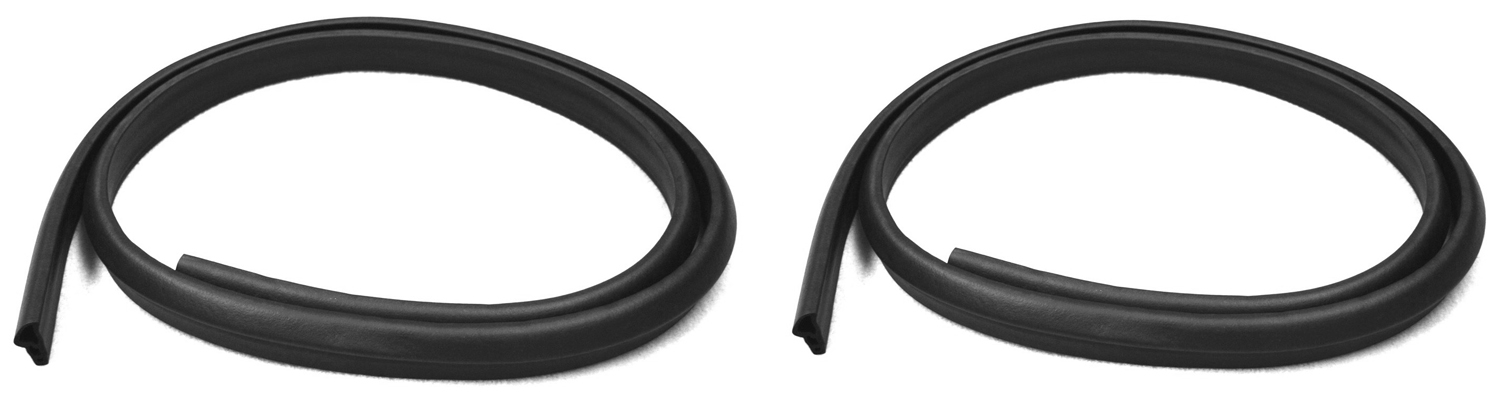 1975 Ford F-250 Upper Door Seal, 73-79 Ford Full Size Truck, 78-79 Ford Bronco, On Door, Pair-LM 110-AUThis auxiliary seal fits on the top portion of the door. It is primarily designed to reduce wind and road noise. It also provides added weatherseal protection and further cushions the door when it is shut closed. This part was stock on the 1978-1979 models but you can use them on any of the '73-'79 models specified.
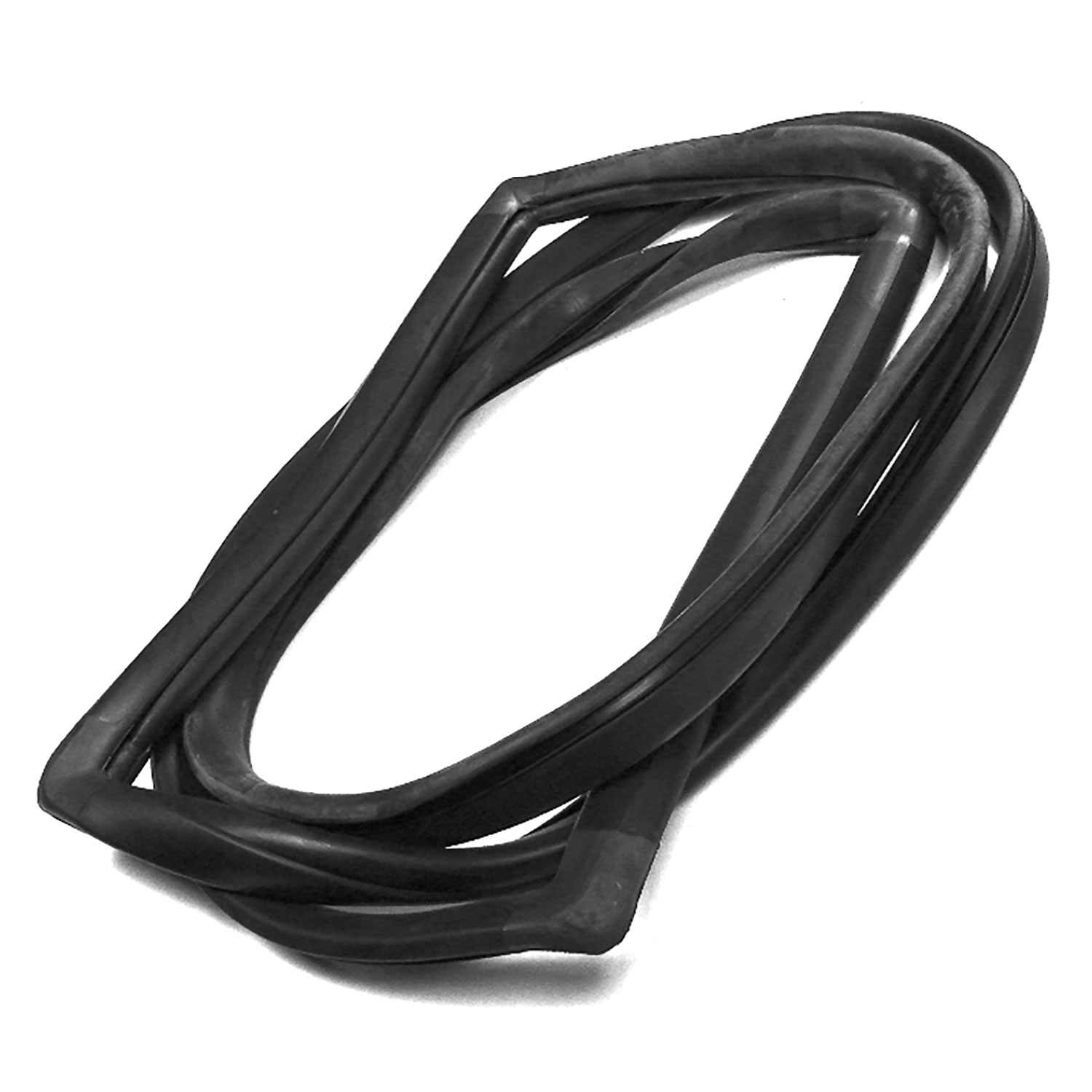 1975 Ford F-250 Windshield Seal, 67-79 Ford Full Size Truck, 78-79 Bronco, Without Trim Groove-VWS 3304-CThis windshield seal goes first on the glass and is installed using the rope-in method. This product is made from the original specs and with high quality ozone resistant EPDM rubber for a great fit and long life. This item is designed to be installed during glass replacement.
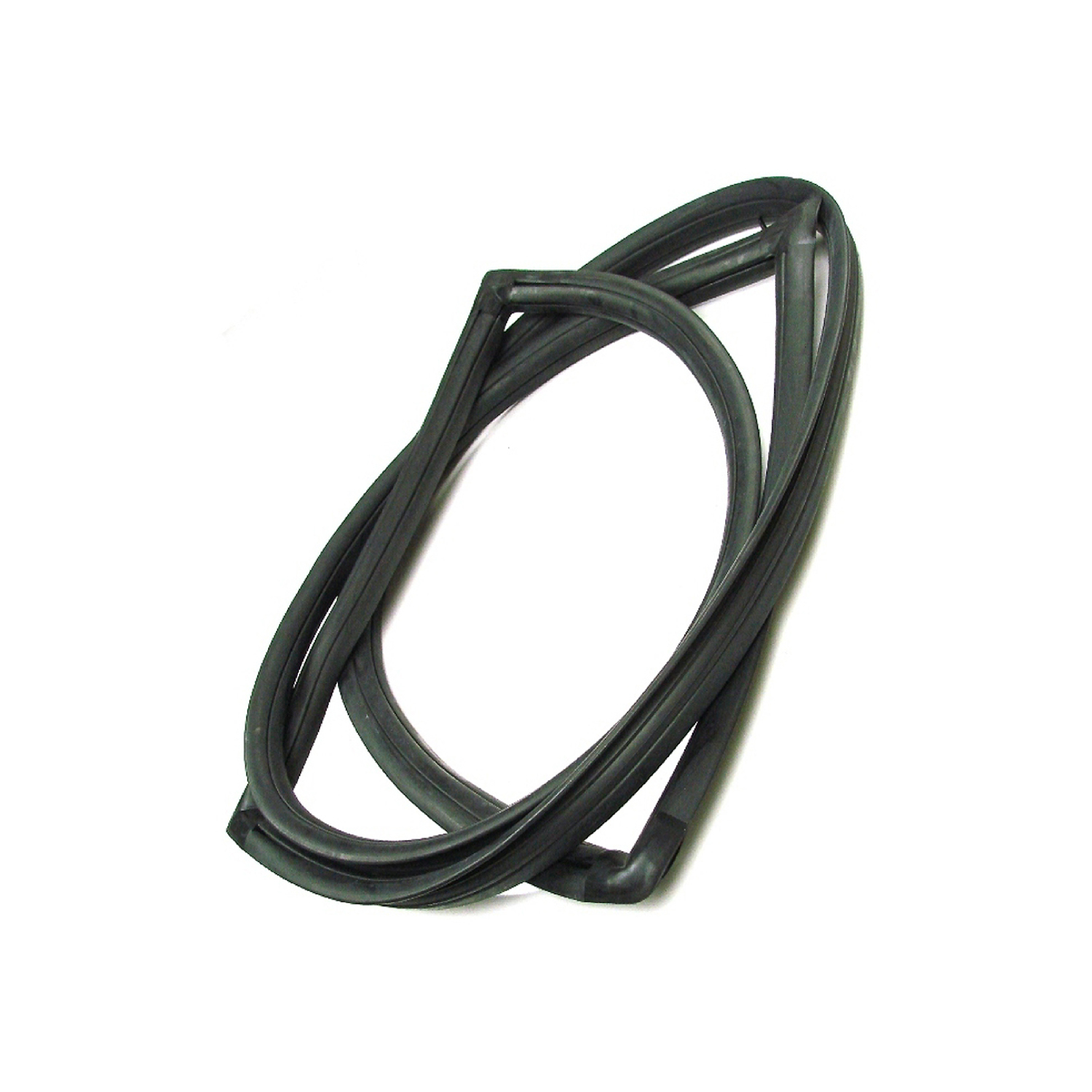 1975 Ford F-250 Windshield seal, '73-'76 Ford F Series Truck-VWS 3304-EWindshield seal, '73-'76 Ford F Series Truck with groove to accept trim, each.
 1975 Ford F-250 Rear window seal, '73-'79 Ford F Series Truck without trim groove-VWS 3304-RRear window seal, '73-'79 Ford F Series Truck without trim groove, each. Replaces OEM part # D3TZ-1042084-A.
Why Choose Metro?
For over 100 years, Metro Moulded Parts has been the pinnacle of quality in classic car restoration parts. Our commitment to precision and authenticity in every component ensures a perfect fit and an OEM-level appearance.
- Expert Craftsmanship & Quality: Each part is a testament to our dedication to reliability and perfection, crafted from original designs and thoroughly tested.
- Advanced Technology: We use cutting-edge techniques to create flawless, long-lasting parts that surpass others in performance.
- SuperSoft Sponge – The Ultimate Door Seal: Not only are our door seals 30% softer than competitors', but they're also guaranteed to never leak. They effectively reduce wind and road noise, enhancing your classic car's comfort and driving experience.
- Proudly American: Our parts are a product of American craftsmanship, made in the USA with a spirit of excellence and heritage.
- Unrivaled Warranty: We back our products with a 30-year industry-leading warranty, a testament to our confidence in their quality.
Join us in preserving the legacy of classic cars with parts that are crafted for perfection, not just made.