

Image of 1975 Ford Gran Torino, Note: These illustrations use artistic license and may differ from actual historical models.
Performance Metrics
Fundamental Metrics
Emotional Appeal
MMP Rating
| Engine Specifications | |
|---|---|
| Engine: | 302 CID 2V V8, 351 CID 2V V8, 400 CID 2V V8, 460 CID 4V V8 |
| Displacement: | 302 - 460 CID |
| Horsepower: | 138 - 224 HP |
| Torque: | 242 - 356 lb-ft |
| Compression Ratio: | 8.0:1 - 8.5:1 |
| Ignition System: | Conventional breaker-point ignition system |
| Cooling System: | Liquid-cooled |
| Performance Specifications | |
| 0-60 Time: | 10 - 12 seconds |
| 1/4 Mile Time: | 17 - 19 seconds |
| Top Speed: | 115 - 120 mph |
| Transmission and Drive | |
| Drive Type: | Rear-wheel drive |
| Transmission Type: | 3-speed automatic |
| Fuel and Efficiency | |
| Fuel System Type: | Carburetor |
| MPG: | 10 - 14 MPG |
| Dimensions and Brakes | |
| Brakes: | Front disc and rear drum brakes |
| Wheelbase: | 114 inches |
| Weight: | 3,500 - 4,000 lbs |
Note: Specifications for classic cars are given to the best of our ability, considering the limited and variant data available.
1975 Ford Gran Torino: Big-Sized American Comfort
The 1975 Ford Gran Torino brought the classic American formula of a long hood, roomy cabin, and available V8 power into a decade that was rapidly changing the auto industry. Built by Ford Motor Company, it belonged to the Torino family, a midsize-to-large line known for broad model choice and comfortable road manners. A Gran Torino could be ordered as a two-door hardtop, four-door sedan, or station wagon, making it as much a family car as a personal cruiser.
Its timing is part of its story. The 1973 oil crisis, stricter emissions rules, and new federal safety requirements were reshaping cars across the United States. The 1975 Gran Torino retained the substantial proportions and traditional rear-wheel-drive layout buyers expected, while adding the mandated catalytic converter and prominent energy-absorbing bumpers. One memorable connection came later: the famous red-and-white Starsky & Hutch television car was a 1974 Gran Torino, helping turn this generation of Torino into a pop-culture icon.
Torino Styling and Cabin Comfort
The Gran Torino looked every inch a mid-1970s Ford. Its squared-off body, long profile, broad grille, and substantial bumpers gave it a confident, formal presence. Chrome trim and brightwork varied with trim level, while the two-door hardtop had a particularly clean roofline and an expansive side window. The wagon traded some of that sleekness for a generous cargo area and a practical, upright rear body.
Inside, the Gran Torino favored space and comfort over sports-car intimacy. The dashboard and door panels used durable molded materials, with cloth-and-vinyl or other upholstery combinations depending on the trim and options. A higher-grade interior could add plusher seating, more decorative trim, and extra convenience features. Expect a wide bench seat in many examples, though bucket seats and a console were available on selected configurations. These were materials designed for regular family use, not hand-finished luxury-car craftsmanship, but a well-kept cabin can still feel inviting and substantial.
Buyers could choose from a broad palette of period colors, including familiar shades of red, blue, green, white, and earth tones. Exact paint names and combinations depended on body style and trim. The most eye-catching cars today tend to be those with strong period colors, contrasting vinyl roofs, and coordinated interiors, although original condition matters more to collectors than any single color.
Ford offered several Torino and Gran Torino variations, with equipment and naming changing across the model range. The Gran Torino two-door hardtop is often the most recognizable body style, while the four-door sedan and wagon make practical alternatives. The separate Ford Elite was the more upscale personal-luxury coupe in Ford’s 1975 lineup, rather than simply a Gran Torino trim.
What Made the 1975 Model Different
The Gran Torino was not a radical technology showcase. Its appeal came from combining familiar, durable engineering with a wide choice of body styles and equipment. Ford used a traditional body-on-frame construction, rear-wheel drive, front independent suspension, and a solid rear axle. That layout was well understood by mechanics and suited the car’s role as a comfortable, full-size-feeling cruiser.
Federal safety rules brought the Torino larger bumpers designed to withstand low-speed impacts, while emissions requirements made catalytic converters part of the 1975 American-car landscape. These changes reflected the industry’s new priorities: safety and cleaner exhaust, even as manufacturers worked around reduced power and rising fuel costs. The Gran Torino’s value proposition remained straightforward: plenty of room, familiar controls, and the option of V8 power.
Engines, Speed, and Road Manners
Engine availability varied with body style and equipment, but the lineup included a 250-cubic-inch inline-six in some configurations and several V8 choices, commonly ranging from a 302 to larger 351-, 400-, and 460-cubic-inch engines. A three-speed automatic was typical, and the largest V8s delivered the effortless low-speed torque that suited the car’s relaxed character. Exact specifications differ by engine, axle ratio, and equipment, so it is wise to verify the powertrain against the vehicle’s identification numbers and factory documentation.
There is no single meaningful 0-to-60 mph or top-speed figure for every 1975 Gran Torino. As a general guide, V8 cars commonly reached 60 mph in roughly 9 to 13 seconds, depending on engine and gearing. A healthy large-displacement example could be quicker, while a six-cylinder car or a heavily optioned wagon would be slower. Approximate top speeds for stock examples generally fall around 100 to 115 mph, but these are estimates rather than a universal factory rating. Today, age, maintenance, tires, and drivetrain condition matter more than period claims.
On the road, the Torino feels broad, soft-riding, and unmistakably American. Its suspension smooths ordinary pavement and takes the edge off bumps, making it a pleasant highway car. On winding roads, the long wheelbase, weight, and relatively slow steering call for measured inputs. It can lean noticeably in corners, and it does not respond with the precision of a modern sports sedan. The driver gets a large steering wheel, a generous view over the hood, and the deep, mellow sound of a V8 when equipped. It is a car to cruise, not attack every corner.
Living With a Gran Torino
Today, owners use 1975 Gran Torinos as weekend cruisers, show cars, family-history projects, and occasional daily drivers. The sedan and wagon are especially appealing to enthusiasts who want something less common than a two-door classic. The hardtop, meanwhile, has the strongest visual link to the era’s television and movie image.
Routine service is generally approachable for a home mechanic. The basic rear-wheel-drive layout is familiar, and many maintenance tasks do not require specialist tools. Parts availability is reasonable for common mechanical components, though trim pieces, body panels, and model-specific interior details can take more effort to locate. Before buying, inspect the frame and floor for rust, check the body mounts and suspension, and look closely for evidence of poor collision repairs. Also check the cooling system, transmission behavior, brake condition, and any emissions equipment still fitted. A neglected big-block car can become expensive quickly, especially if it needs hard-to-find trim as well as mechanical work.
Gran Torino Trivia and Common Complaints
The best-known Torino on television was the Starsky & Hutch car, but it was a red 1974 model with a white stripe, not a 1975 Gran Torino. Its fame nevertheless boosted interest in this broader generation of Ford intermediates. The Torino name also has a long motorsport connection: earlier Torinos competed in NASCAR, though the 1975 Gran Torino was primarily a road car rather than a headline-grabbing race model.
There is no widely recognized production or speed record associated specifically with the 1975 Gran Torino. Its appeal rests instead on its scale, V8 options, and place in a changing period of American motoring. Common criticisms include heavy fuel consumption, soft handling, and modest performance compared with the muscle cars of the late 1960s. The catalytic converter and emissions controls also meant that power was generally lower than buyers had once expected from large-displacement engines.
Collector Values and Availability
Ford Torino-family production in 1975 is commonly estimated at roughly 400,000 cars across the range. That is a model-family estimate, not a confirmed production count for Gran Torino trim alone, and surviving-car numbers are much lower. Two-door examples tend to attract the most attention, while sedans and wagons can be harder to find in clean, original condition. Exact rarity is difficult to establish without reliable production figures by body style and trim.
As a broad 2026-market guide, a project or rough-running car might sell for around $3,000 to $7,000. A usable driver in decent condition may fall roughly between $7,000 and $15,000, while a well-restored or unusually clean example could bring about $15,000 to $25,000 or more. Exceptional cars with desirable equipment, excellent documentation, or outstanding restoration quality may exceed that range. These are general estimates: location, rust, originality, engine, and condition can shift a price substantially.
Values have generally risen as interest in 1970s American cars has grown, but the Gran Torino remains more affordable than many famous muscle cars. Its market is strongest for solid, complete examples, not ambitious projects with extensive rust or missing trim. Buyers tend to reward originality and good workmanship more than oversized wheels or cosmetic modifications.
Why the 1975 Gran Torino Still Matters
The 1975 Ford Gran Torino captures a turning point in American car culture. It kept the space, rear-wheel-drive layout, and available V8 character that buyers knew, even as new safety and emissions rules and the fuel crisis changed what automakers could build. It is comfortable, uncomplicated by modern standards, and unmistakably a product of its era.
Whether you choose a hardtop, sedan, or wagon, the Gran Torino offers more than nostalgia. It tells the story of how Detroit adapted to a new decade while holding on to the big-car experience. That mix of everyday usefulness, period style, and easygoing V8 character is what keeps the 1975 Gran Torino cruising into the present.
1975 Ford Gran Torino Catalog of Parts
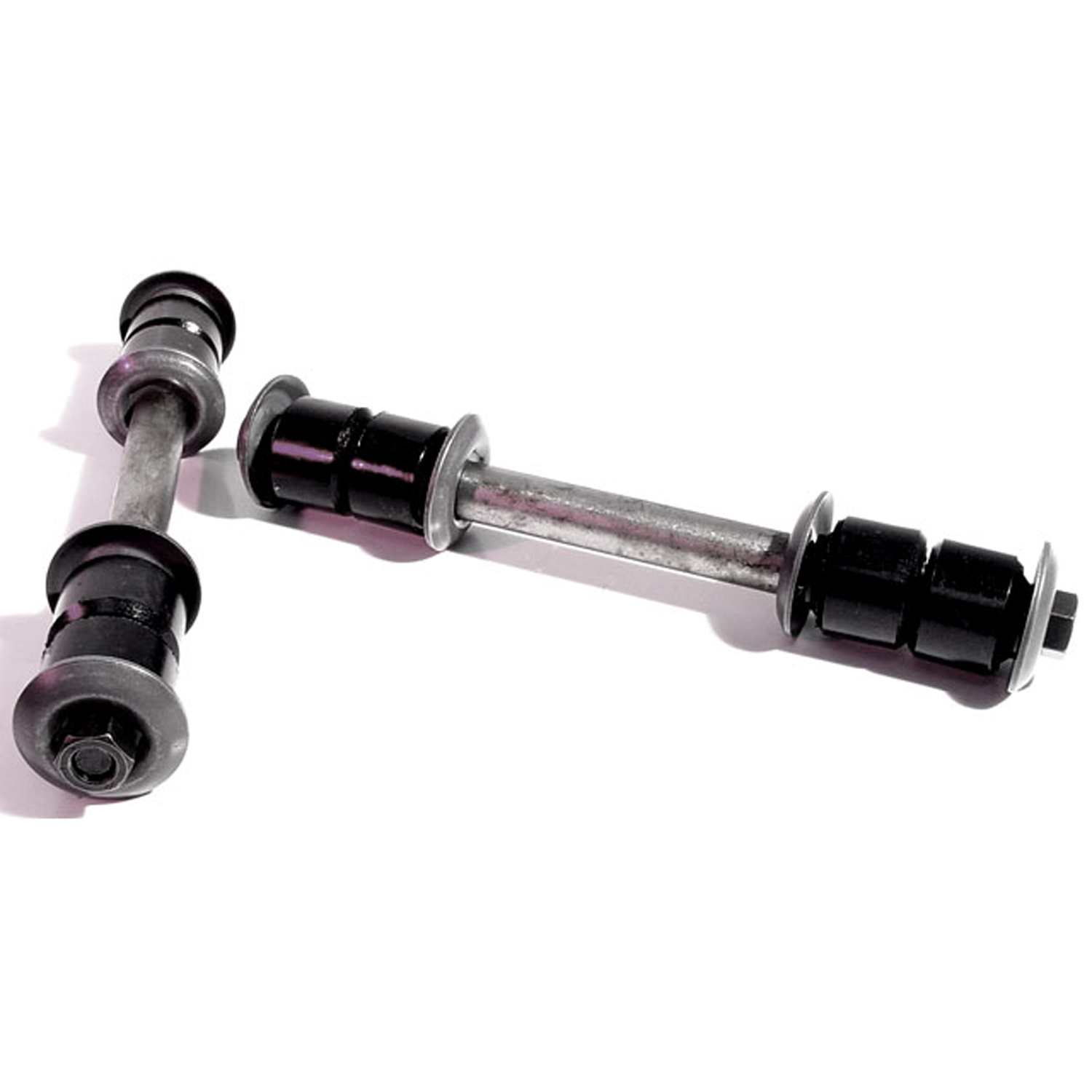 1975 Ford Gran Torino Front Stabilizer End Repair Kit-BNK 21Front Stabilizer End Repair Kit. 22-piece set for two stabilizer bars. Contains all rubber bushings, washers, bolts and nuts, enough for one front end. Set
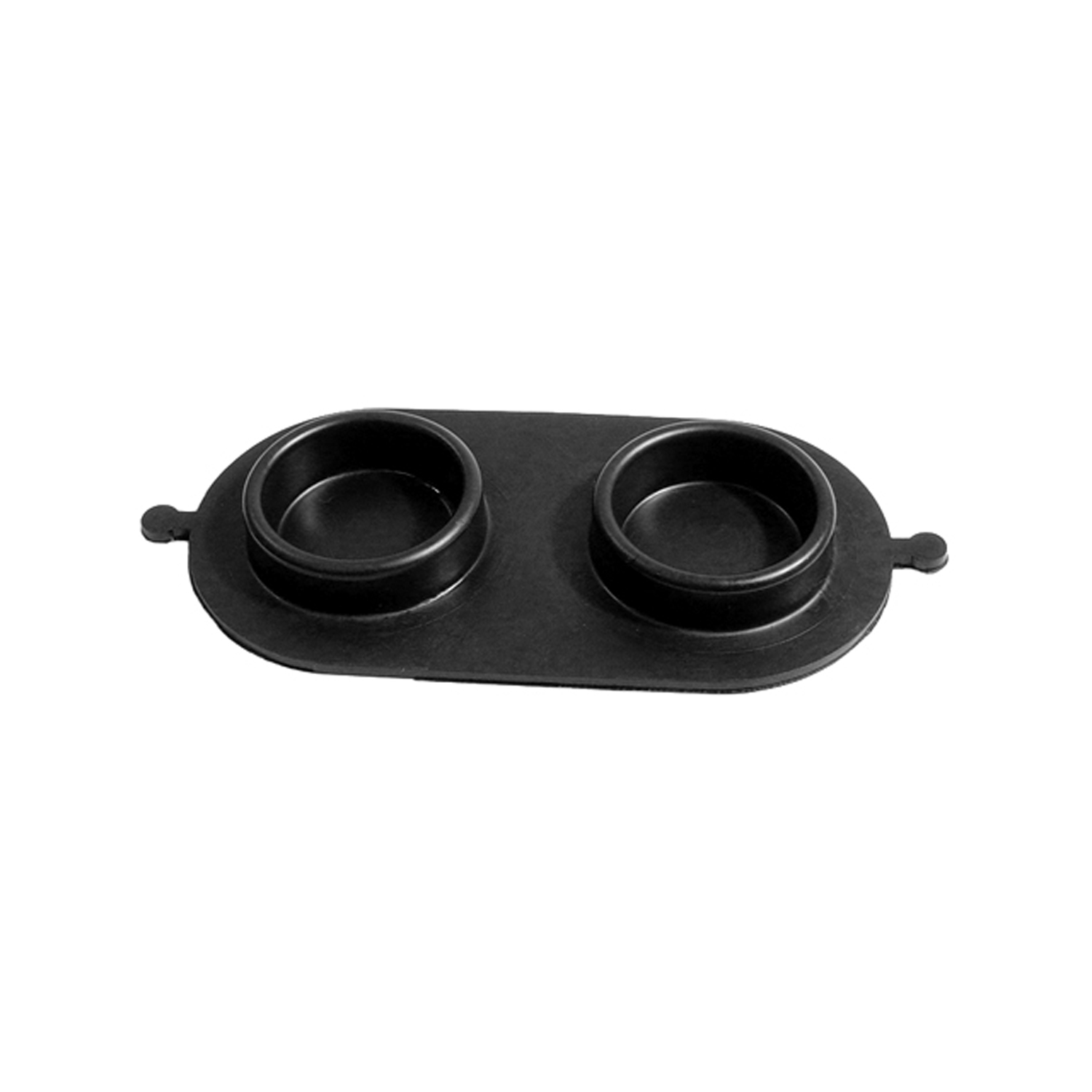 1975 Ford Gran Torino Brake Master Cylinder Cover Seal. Replaces OEM #C7AZ2167-A-RP 2-BBrake Master Cylinder Cover Seal. Replaces OEM #C7AZ2167-A. Each
Why Choose Metro?
For over 100 years, Metro Moulded Parts has been the pinnacle of quality in classic car restoration parts. Our commitment to precision and authenticity in every component ensures a perfect fit and an OEM-level appearance.
- Expert Craftsmanship & Quality: Each part is a testament to our dedication to reliability and perfection, crafted from original designs and thoroughly tested.
- Advanced Technology: We use cutting-edge techniques to create flawless, long-lasting parts that surpass others in performance.
- SuperSoft Sponge – The Ultimate Door Seal: Not only are our door seals 30% softer than competitors', but they're also guaranteed to never leak. They effectively reduce wind and road noise, enhancing your classic car's comfort and driving experience.
- Proudly American: Our parts are a product of American craftsmanship, made in the USA with a spirit of excellence and heritage.
- Unrivaled Warranty: We back our products with a 30-year industry-leading warranty, a testament to our confidence in their quality.
Join us in preserving the legacy of classic cars with parts that are crafted for perfection, not just made.