

Image of 1975 Ford Granada, Note: These illustrations use artistic license and may differ from actual historical models.
Performance Metrics
Fundamental Metrics
Emotional Appeal
MMP Rating
| Engine Specifications | |
|---|---|
| Engine: | 200 CID I6, 250 CID I6, 302 CID V8, 351 CID V8 |
| Displacement: | 200-351 cubic inches |
| Horsepower: | 84-149 HP |
| Torque: | 122-245 lb-ft |
| Compression Ratio: | 8.0:1 - 8.4:1 |
| Ignition System: | Conventional breaker-point ignition system |
| Cooling System: | Liquid-cooled |
| Performance Specifications | |
| 0-60 Time: | Estimated 10-14 seconds |
| 1/4 Mile Time: | Estimated 17-20 seconds |
| Top Speed: | 100-110 mph |
| Transmission and Drive | |
| Drive Type: | Rear-wheel drive |
| Transmission Type: | 3-speed automatic, 4-speed manual |
| Fuel and Efficiency | |
| Fuel System Type: | Carburetor |
| MPG: | Estimated 13-18 MPG |
| Dimensions and Brakes | |
| Brakes: | Front disc, rear drum |
| Wheelbase: | 109.9 inches |
| Weight: | 3,200-3,600 lbs |
Note: Specifications for classic cars are given to the best of our ability, considering the limited and variant data available.
1975 Ford Granada: American Luxury, Made Practical
The 1975 Ford Granada brought a taste of formal, European-inspired luxury to the American family-car market without the price tag of a European import. Introduced by Ford Motor Company for the 1975 model year, it was a compact, rear-wheel-drive sedan with a comfortable cabin, plenty of chrome, and familiar Ford mechanicals underneath.
The Granada arrived at a pivotal moment. Fuel prices and changing tastes were pushing buyers toward smaller cars, while many still wanted the comfort and presence of a traditional American sedan. Ford’s answer was a car that looked more upscale than its Maverick-based underpinnings suggested. One of its most memorable marketing moves was a campaign inviting shoppers to compare the Granada with the Mercedes-Benz 280, a bold comparison that made the car a talking point even if the two vehicles were worlds apart in engineering and price.
For its first year, the Granada proved a hit, with approximately 302,000 cars sold. It offered an appealing combination of manageable size, familiar serviceability, and an appropriately plush feel for the era.
Formal Styling and a Plush Cabin
The Granada’s exterior wore a crisp, upright shape that looked deliberately more formal than the compact cars from which it drew its basic architecture. A long hood, squared-off roofline, bright chrome trim, and an upright grille gave it a composed, almost stately appearance. Rectangular headlamps and substantial bumpers completed the period-correct American look.
Buyers could choose a two-door or four-door sedan. The two-door’s longer front doors and available vinyl roof gave it a dressier, coupe-like character, while the four-door was the practical choice for families. There was no 1975 Granada wagon. Trim levels included the base model and the more upscale Ghia, which added a richer appearance and comfort-focused details.
Inside, the Granada aimed to feel like a step above an ordinary compact. Depending on trim and options, the cabin could feature vinyl or cloth upholstery, padded surfaces, carpeting, woodgrain-style accents, and more elaborate seat trim. The Ghia was the most luxurious version, with a more finished interior and additional convenience equipment. Materials were appropriate to a mainstream 1970s Ford: comfortable and attractive when new, though not built to the hand-finished standards of a premium European car.
Equipment varied with the car’s original order, but power steering, power brakes, air conditioning, automatic transmission, and upgraded audio were among the kinds of features buyers could specify. The Granada’s front-disc, rear-drum brake layout and conventional rear-wheel-drive construction were familiar technologies, not exotic innovations. Its appeal was putting comfort and useful equipment in a car that remained straightforward to operate and service.
Ford offered the Granada in a range of colors that changed with paint and trim combinations. Period shades included subdued metallics, blues, greens, reds, and traditional whites and creams. Earthy tones and darker greens or blues suited the car’s formal styling particularly well, while a vinyl roof paired with a contrasting body color was a popular way to give a two-door a more upscale look.
Why the Granada Mattered
The Granada’s importance lies less in introducing a new mechanical idea than in understanding where the American market was heading. It offered a smaller alternative to Ford’s full-size sedans while preserving the qualities many buyers valued: a quiet ride, a broad bench seat, automatic-transmission convenience, and a sense of substantiality.
It also helped establish the idea that a compact or intermediate American car could be sold as a near-luxury product. Ford did not create a European-style sports sedan, and the Granada was not a direct engineering rival to a Mercedes-Benz. Instead, it used familiar domestic components and formal styling to deliver a more accessible version of the luxury-car experience. That formula would remain popular across the industry for years.
The Granada was mechanically related to the Ford Maverick, but it had a more refined appearance and a stronger emphasis on comfort. Its Mercury counterpart was the Monarch. The name can also cause confusion: the American Granada was distinct from the larger Ford Granada sold in Europe, despite sharing the same name.
Engines, Speed, and Road Manners
Depending on configuration, a 1975 Granada could be ordered with a 200-cubic-inch inline-six, a 250-cubic-inch inline-six, or a V8. Common V8 choices included the 302-cubic-inch engine, with availability varying by equipment and market. Period power ratings were modest by modern standards, particularly after the industry shifted to net horsepower figures. Approximate ratings were about 83 horsepower for the 200 six, 99 for the 250 six, and roughly 140 for a 302 V8. Exact figures can differ by engine, transmission, and source.
Performance depended heavily on the engine and axle ratio. A six-cylinder car was built for relaxed commuting rather than quick launches, with 0-60 mph times commonly estimated in the high teens. A V8 model could make the same sprint in roughly 10 to 13 seconds. Top speed also varied, but a healthy V8 Granada could reach around 100 mph, while six-cylinder cars were generally slower. These are broad period-style estimates, not guaranteed results for a decades-old car.
On the road, the Granada favored comfort over corner-carving. Its suspension absorbed ordinary pavement imperfections well, and the car felt calm on highways. Over broken roads, the ride was generally forgiving, though worn bushings, tired springs, or old shocks can make a surviving example feel loose or bouncy. On winding roads, expect noticeable body lean and steering designed for easy cruising rather than sharp feedback. Crosswinds and highway grooves can also remind the driver that this is a relatively light, upright 1970s sedan.
The driving experience is part of the Granada’s charm. The inline-six delivers a subdued, workmanlike note; the V8 adds a deeper burble and more effortless passing power. The steering is light, the seating position is upright, and the broad cabin feels distinctly old-school. It is a car for taking the scenic route, not attacking a set of hairpins.
Living With a 1975 Granada
Today, Granadas are best suited to relaxed weekend use, local cruising, and classic-car gatherings. Some owners keep them as occasional drivers, while others restore them to preserve a comfortable, everyday American sedan that has largely disappeared from collector conversations.
Routine maintenance is usually manageable for an owner with basic mechanical skills. The engines and rear-wheel-drive layout share familiar Ford-era principles, and many mechanical parts are easier to source than model-specific trim. A shop accustomed to older domestic cars should find the basic service work straightforward.
The bigger challenge is condition. Rust can affect floors, lower body panels, wheel openings, and structural areas, so inspect carefully before buying. Interior trim, emblems, body moldings, and Ghia-specific details may be harder to find than common service parts. As with any 1970s car, check the brakes, steering, cooling system, wiring, and fuel system before treating it as dependable transportation.
Granada Facts and Common Complaints
The Granada’s Mercedes comparison campaign remains its most famous piece of trivia. It was a memorable piece of American car advertising, but it should not be mistaken for a claim that the Ford matched a Mercedes-Benz in construction or performance. The comparison was primarily about image and price: Ford was selling an attainable, formal-looking alternative.
There is no widely recognized Granada land-speed or endurance record, and the model is not celebrated as a factory racing car. Its notable achievement was commercial rather than sporting: roughly 302,000 sales in its debut year made it a successful response to buyers seeking a smaller, more upscale Ford.
Common criticisms include modest performance from the six-cylinder engines, soft handling, and a design that borrowed heavily from conventional domestic-car formulae. Some enthusiasts also dismiss the Granada as a Maverick with extra trim. That description overlooks its distinct styling and comfort mission, but it captures why the car is not usually treated as a high-performance collectible.
Collector Values and Availability
The 1975 Granada remains an affordable classic, although clean, original examples are becoming less common as ordinary cars have been scrapped or modified. A reasonable estimate is that roughly 300,000 were produced or sold in the United States for the 1975 model year. Exact production totals can vary depending on how a source counts model variants and sales.
As a broad U.S. market estimate for 2026, a project car may sell for about $1,000 to $3,000. A usable driver in fair to good condition might bring around $4,000 to $8,000, while a very clean, well-maintained example could reach roughly $9,000 to $15,000. An unusually original, exceptionally preserved, or especially well-equipped car may exceed that range, but such sales are the exception rather than the rule. Condition, rust, documentation, and the quality of any restoration matter more than simply having a V8 or Ghia badge.
Values have edged upward for the best examples as interest in overlooked 1970s cars grows, but the Granada is not generally an investment-grade collectible. Ordinary cars remain affordable, and the market rewards originality and excellent condition more than ambitious custom work. For buyers, that means a good one can still deliver a lot of classic-car character for comparatively little money.
A Comfortable Classic With a Story
The 1975 Ford Granada was not a sports sedan or a technological trailblazer. It was a smartly positioned, comfortable American car that answered a changing market with familiar engineering and a more formal, upscale presentation. Its sales success, memorable Mercedes comparison, and easygoing road manners make it an interesting snapshot of Ford’s strategy in the 1970s.
For enthusiasts willing to look beyond the headline-grabbing muscle cars, the Granada offers something different: an approachable, usable classic with an unmistakable period feel. It may not have been a Mercedes, but it gave a great many American drivers their own version of affordable, everyday luxury.
1975 Ford Granada Catalog of Parts
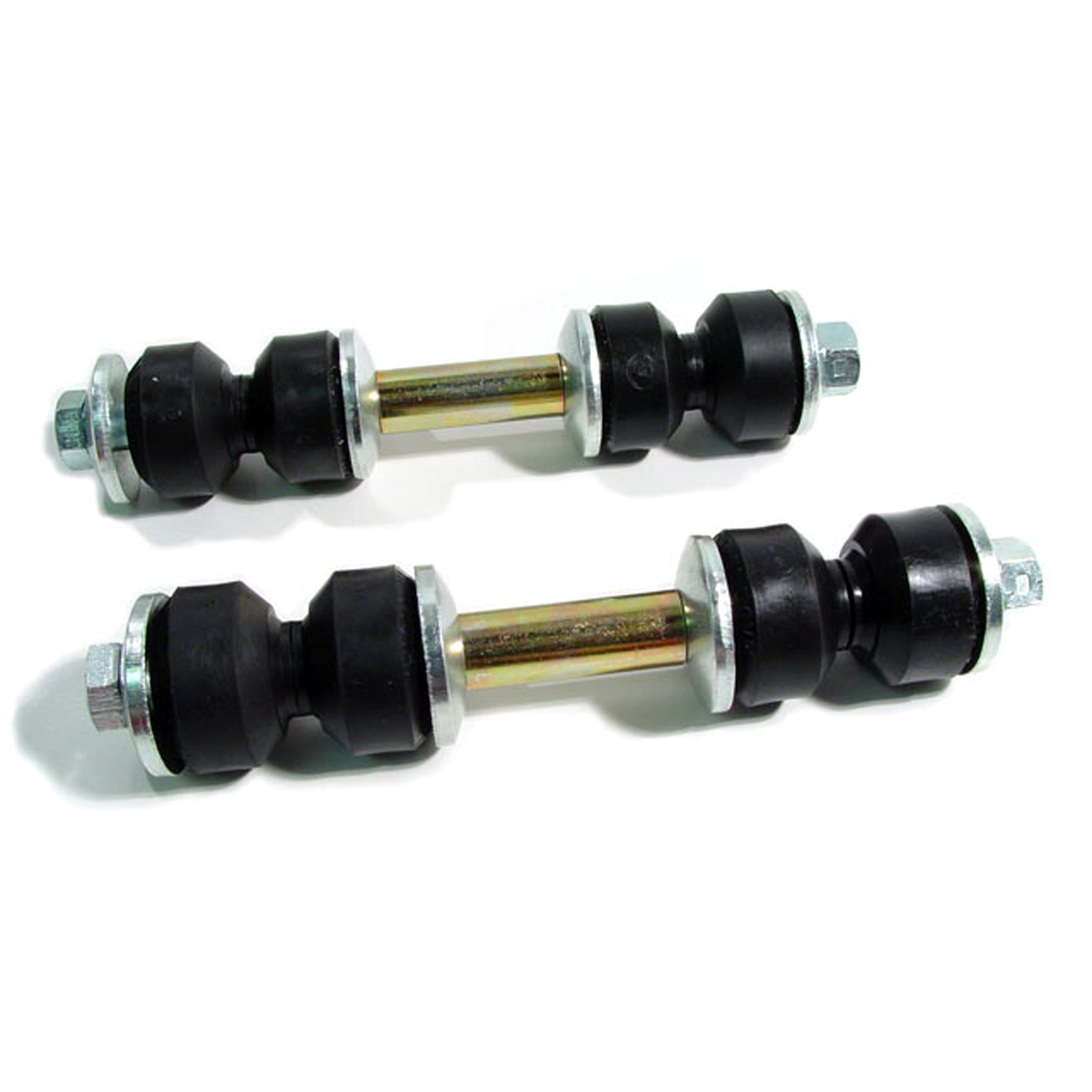 1975 Ford Granada Front Stabilizer End Repair Kit-BNK 22Front Stabilizer End Repair Kit. 22-piece set for two stabilizer bars. Contains all rubber bushings, washers, bolts and nuts, enough for one front end. Set
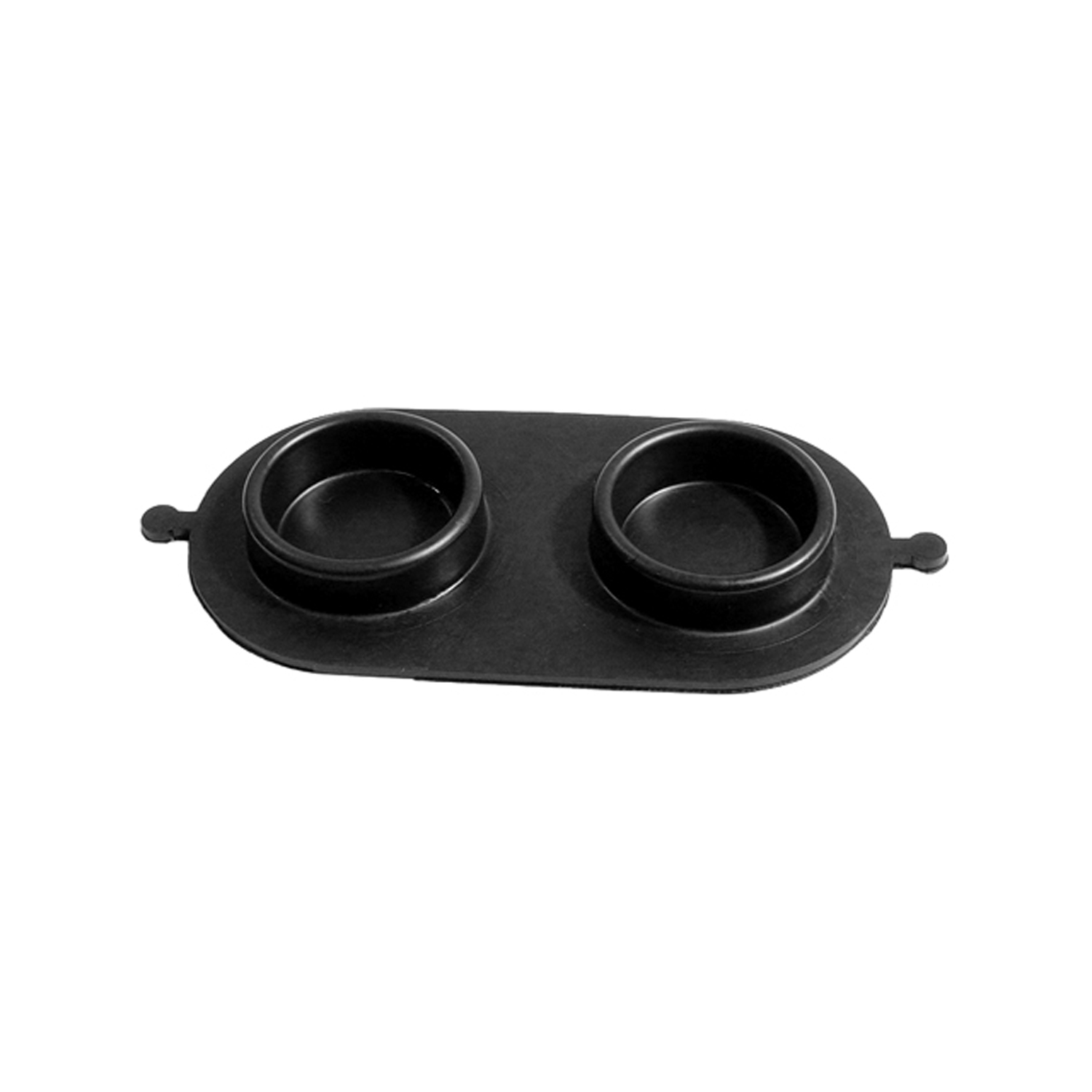 1975 Ford Granada Brake Master Cylinder Cover Seal. Replaces OEM #C7AZ2167-A-RP 2-BBrake Master Cylinder Cover Seal. Replaces OEM #C7AZ2167-A. Each
Why Choose Metro?
For over 100 years, Metro Moulded Parts has been the pinnacle of quality in classic car restoration parts. Our commitment to precision and authenticity in every component ensures a perfect fit and an OEM-level appearance.
- Expert Craftsmanship & Quality: Each part is a testament to our dedication to reliability and perfection, crafted from original designs and thoroughly tested.
- Advanced Technology: We use cutting-edge techniques to create flawless, long-lasting parts that surpass others in performance.
- SuperSoft Sponge – The Ultimate Door Seal: Not only are our door seals 30% softer than competitors', but they're also guaranteed to never leak. They effectively reduce wind and road noise, enhancing your classic car's comfort and driving experience.
- Proudly American: Our parts are a product of American craftsmanship, made in the USA with a spirit of excellence and heritage.
- Unrivaled Warranty: We back our products with a 30-year industry-leading warranty, a testament to our confidence in their quality.
Join us in preserving the legacy of classic cars with parts that are crafted for perfection, not just made.