

Image of 1975 Ford Ltd, Note: These illustrations use artistic license and may differ from actual historical models.
Performance Metrics
Fundamental Metrics
Emotional Appeal
MMP Rating
| Engine Specifications | |
|---|---|
| Engine Options: | 351 cu in (5.8 L) Windsor V8, 400 cu in (6.6 L) Cleveland V8, 460 cu in (7.5 L) 385 V8 |
| Displacement Range: | 351-460 cu in (5.8-7.5 L) |
| Horsepower Range: | 140-224 hp (approximately) |
| Torque: | 276-388 lb-ft (approximately) |
| Compression Ratio: | 8.0:1 - 8.5:1 (approximately) |
| Ignition System: | Electronic ignition |
| Cooling System: | Liquid-cooled |
| Performance Specifications | |
| 0-60 Time: | 10-12 seconds (approximately) |
| 1/4 Mile Time: | 17-19 seconds (approximately) |
| Top Speed: | 115-120 mph (approximately) |
| Transmission and Drive | |
| Drive Type: | Rear-wheel drive |
| Transmission Type: | 3-speed automatic |
| Fuel and Efficiency | |
| Fuel System Type: | Carburetor |
| MPG: | 10-12 mpg (approximately) |
| Dimensions and Brakes | |
| Brakes: | Front disc, rear drum |
| Wheelbase: | 121.0 in |
| Weight: | 4,000-4,500 lbs (approximately) |
Note: Specifications for classic cars are given to the best of our ability, considering the limited and variant data available.
1975 Ford LTD: Ford’s Full-Size Comfort Cruiser
The 1975 Ford LTD was built for a distinctly American kind of motoring: spacious, quiet, and unhurried. A full-size Ford with a broad hood and generous chrome, it sat near the top of the company’s mainstream car range and offered families, executives, and fleet buyers a roomy alternative to smaller cars. Ford Motor Company had introduced the LTD name in 1965 as an upscale version of the Galaxie, then made it a standalone model in 1967.
The 1975 model arrived during a period of change. Drivers were still adjusting to the fuel crisis that followed the 1973 oil embargo, while automakers faced tighter emissions and safety rules. Yet the LTD remained a large, traditional rear-wheel-drive car. One notable marker of the era was its emissions equipment: U.S.-market cars were part of the shift to catalytic converters and unleaded gasoline that transformed how American cars were built and maintained.
Formal Styling, Full-Size Presence
The LTD’s design favored presence over wind-cheating curves. Its long, level hood led to a broad, upright grille, rectangular headlamps, and substantial chrome bumpers. Strong horizontal lines emphasized the car’s length, while squared-off bodywork gave it the formal look popular in American showrooms during the mid-1970s. The two-door models had a particularly elegant profile, with a long roof and a more personal, coupe-like feel.
Inside, the LTD made room its main luxury feature. Wide bench seats, generous legroom, and a broad dashboard gave the cabin a relaxed, lounge-like atmosphere. Depending on trim and options, buyers could choose cloth or vinyl upholstery, upgraded carpeting, woodgrain-style accents, and more elaborate seat and door-panel trim. Higher trims such as the LTD Brougham and Landau added a more dressed-up look, though equipment varied by body style and order.
Available conveniences included automatic transmission, power steering, power brakes, air conditioning, power windows and locks, cruise control, and an AM/FM radio, depending on the particular car’s specification. These were not exotic technologies, but they made long highway trips easier. The catalytic converter and requirement for unleaded fuel were more consequential engineering changes, reflecting the new emissions era.
Ford offered the LTD as a two-door hardtop, a four-door sedan, and a four-door station wagon. The coupe appealed to buyers who wanted a personal-looking car without giving up full-size comfort. The sedan was a practical family and fleet choice, while the wagon added substantial cargo space. Trim and roof details varied, and the exact combination of body style and equipment can matter to collectors today.
Why the 1975 LTD Mattered
The LTD was a major player in Ford’s answer to rivals such as the Chevrolet Caprice and Plymouth’s full-size models. It represented the American full-size formula at a moment when that formula was coming under pressure: body-on-frame construction, rear-wheel drive, a broad range of engines, and a cabin designed to carry passengers in comfort. Its importance lies less in introducing a single groundbreaking feature than in showing how the established full-size car adapted to new emissions rules and changing consumer concerns.
In 1975, manufacturers were balancing familiar expectations against fuel economy and regulation. The LTD retained its generous proportions and traditional driving character, but its powertrains and emissions systems belonged to a new reality. Ford would later downsize its full-size cars for the 1979 model year, making the 1975 LTD part of the final period when a big American sedan still carried the classic, long-hood-and-large-cabin proportions.
Engines, Speed, and Road Manners
Engine availability depended on body style, trim, and market. Common choices in the full-size Ford range included V8s such as the 351-cubic-inch and 400-cubic-inch engines, with larger-displacement options available on some configurations. Most were paired with an automatic transmission and rear-wheel drive. As with many cars of the period, the exact engine in an individual LTD should be verified from its identification tags and paperwork rather than assumed from its badges.
Performance figures vary with engine, axle ratio, vehicle condition, and test method. As a broad period-car estimate, a 1975 LTD might reach 0 to 60 mph in roughly 11 to 15 seconds, with stronger-engine versions toward the quicker end of that range. A healthy example could have a top speed in the neighborhood of 100 to 110 mph, though it was designed for relaxed highway travel, not sustained high-speed performance. These are estimates, not a single factory specification for every LTD.
On the road, the LTD feels substantial. Its suspension is tuned to soften bumps and expansion joints, and the long wheelbase helps it settle into a steady highway rhythm. The tradeoff is that it does not feel nimble on tight, winding roads. Body roll is noticeable by modern standards, and the large footprint calls for some planning in narrow streets and parking lots. In crosswinds, the car’s size and broad body can make it feel more affected than a smaller modern vehicle.
From behind the wheel, the experience is about smooth progress rather than sharp responses. The V8 provides a deep, subdued rumble, while the automatic transmission shifts without asking the driver to work hard. Power steering makes maneuvering manageable, though the steering can feel less precise than modern rack-and-pinion systems. A well-maintained LTD should feel composed and comfortable, not sporty.
Living With an LTD Today
Most 1975 LTDs now serve as weekend cruisers, family-history cars, or show vehicles. Their roomy interiors and relaxed ride make them enjoyable for local drives and highway outings. They are not common racing candidates: their weight, size, and comfort-focused setup are better suited to cruising than competition.
Mechanical work is approachable for an owner with basic tools and experience. The engines and rear-wheel-drive layout use familiar technology, and many routine repairs are straightforward. Parts availability is generally reasonable for common service items, though trim pieces, body-specific details, and high-quality interior components can take more searching. Before buying, inspect the frame and body for rust, check the condition of the suspension and brakes, and confirm that the emissions equipment and fuel system are in good order.
Fuel consumption is an important part of ownership. A large V8 sedan from 1975 will use considerably more fuel than a modern family car, and worn carburetion or ignition components can make consumption worse. A car that has been stored for years may also need attention to rubber hoses, seals, cooling components, and its fuel system before it is ready for dependable regular use.
Useful LTD Trivia
The LTD name began as an upscale Galaxie trim before becoming its own model line. The 1975 car also captures a notable turning point in American motoring, when catalytic converters and unleaded fuel became central to the new-car experience. Ford’s full-size LTD was available in configurations ranging from formal two-door cruiser to practical station wagon, giving the model a broader role than a single body style suggests.
LTDs also found work in fleet service, including police and government use, though equipment varied by order and not every LTD was a pursuit-ready police car. There is no widely recognized speed or endurance record associated with the 1975 model. Its appeal is instead rooted in how well it represents the everyday full-size American car of its time.
Common criticisms are easy to understand from a modern perspective: high fuel use, a large footprint, modest acceleration, and handling that prioritizes comfort over agility. Buyers should also be wary of assuming every car described as a “Brougham” or “Landau” has the same equipment. Original specifications and surviving condition vary substantially.
Collector Values and Availability
The 1975 LTD is not generally a rare collector car. Ford produced LTDs in substantial numbers, but a precise production total for every body style and trim combination is not consistently available. A reasonable broad estimate is several hundred thousand LTD-badged cars across the model year, with the sedan, coupe, and wagon represented in different proportions. Survivors are less common than the original production suggests, especially cars with clean bodies, complete trim, and well-documented history.
As a general U.S. market estimate, project cars or high-mileage drivers may sell for about $2,000 to $5,000. Usable, presentable examples often fall around $5,000 to $10,000, while exceptionally clean or restored cars can bring roughly $10,000 to $18,000 or more. Wagons, unusually well-preserved examples, and cars with desirable factory options may attract a premium, but condition and documentation matter more than trim badges alone. These ranges are broad guides, not an appraisal.
Values have generally been steadier than those of more famous muscle cars. The LTD is gaining interest among enthusiasts who appreciate big seventies Fords, but it remains an affordable classic compared with many high-profile collector models. Over time, the best examples may appreciate as clean survivors become harder to find, while ordinary cars are likely to remain condition-sensitive rather than rapidly rising in price.
A Classic Built for the Long Way Around
The 1975 Ford LTD combines the space and comfort of a traditional American full-size car with the engineering changes that arrived during a pivotal decade. Its formal styling, V8 character, and easygoing ride make it a memorable cruiser, while its emissions-era hardware and fuel appetite tell the story of a car industry in transition. For anyone looking for an approachable slice of mid-seventies motoring, the LTD remains a roomy, characterful reminder of when the open road was its natural habitat.
1975 Ford Ltd Catalog of Parts
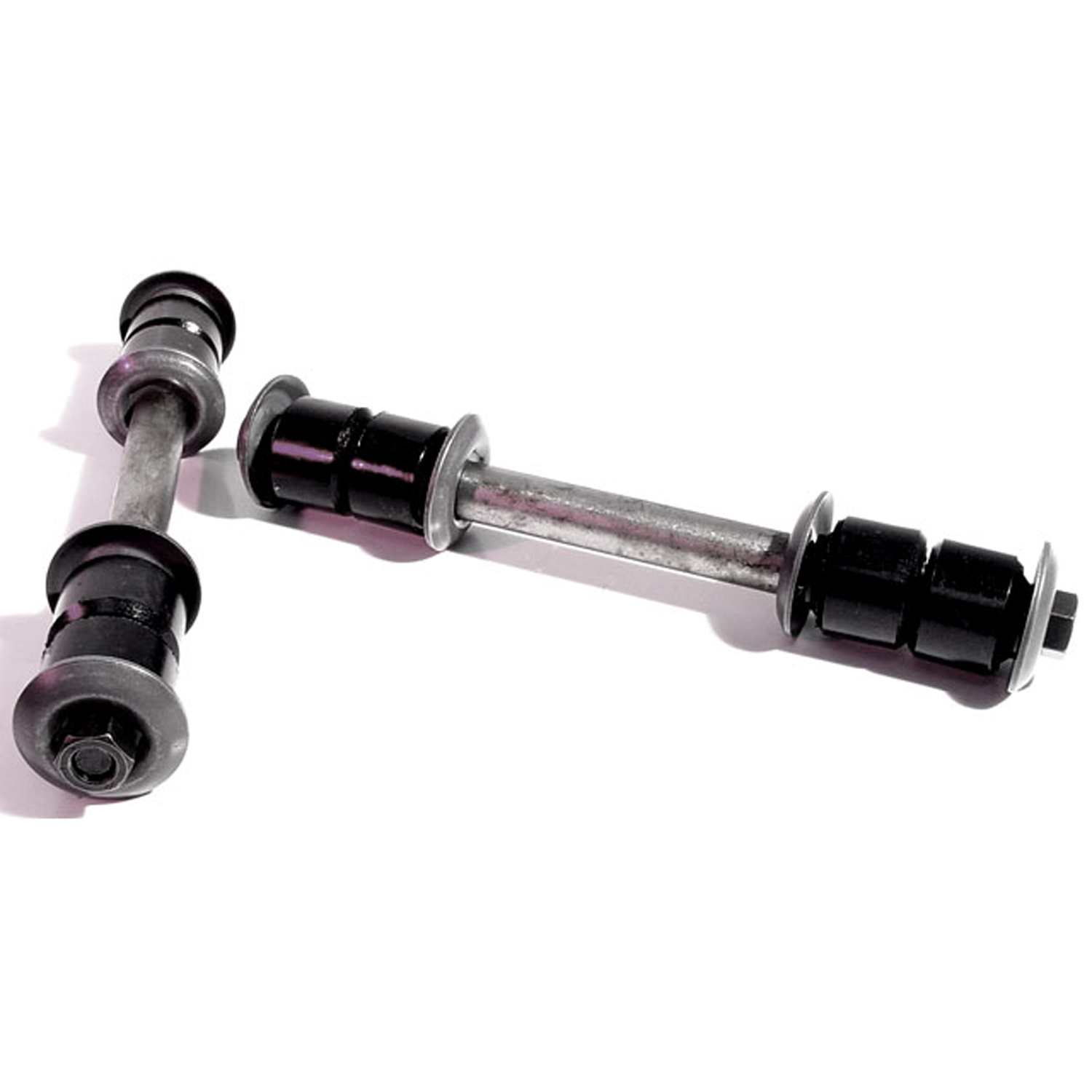 1975 Ford LTD Front Stabilizer End Repair Kit-BNK 21Front Stabilizer End Repair Kit. 22-piece set for two stabilizer bars. Contains all rubber bushings, washers, bolts and nuts, enough for one front end. Set
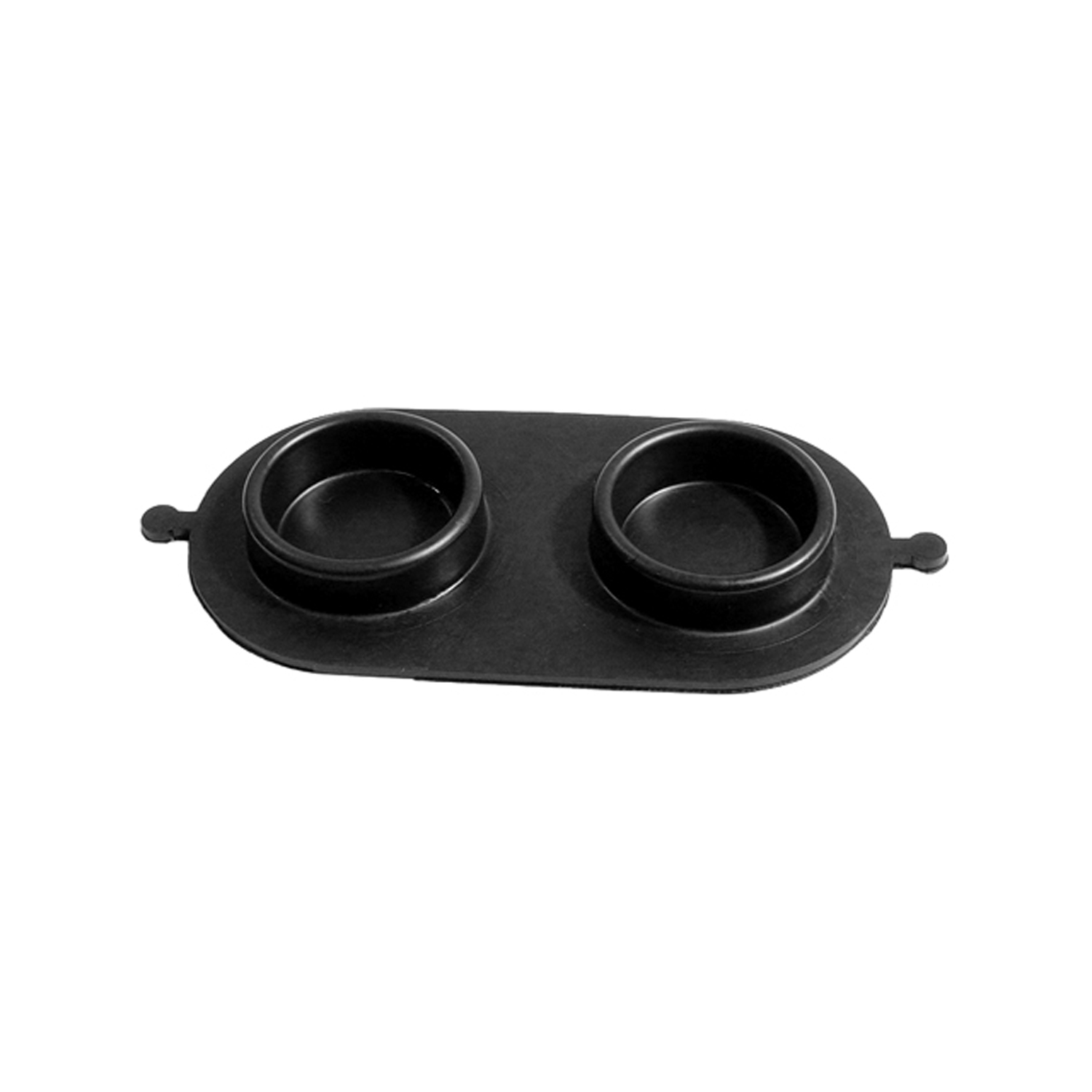 1975 Ford LTD Brake Master Cylinder Cover Seal. Replaces OEM #C7AZ2167-A-RP 2-BBrake Master Cylinder Cover Seal. Replaces OEM #C7AZ2167-A. Each
Why Choose Metro?
For over 100 years, Metro Moulded Parts has been the pinnacle of quality in classic car restoration parts. Our commitment to precision and authenticity in every component ensures a perfect fit and an OEM-level appearance.
- Expert Craftsmanship & Quality: Each part is a testament to our dedication to reliability and perfection, crafted from original designs and thoroughly tested.
- Advanced Technology: We use cutting-edge techniques to create flawless, long-lasting parts that surpass others in performance.
- SuperSoft Sponge – The Ultimate Door Seal: Not only are our door seals 30% softer than competitors', but they're also guaranteed to never leak. They effectively reduce wind and road noise, enhancing your classic car's comfort and driving experience.
- Proudly American: Our parts are a product of American craftsmanship, made in the USA with a spirit of excellence and heritage.
- Unrivaled Warranty: We back our products with a 30-year industry-leading warranty, a testament to our confidence in their quality.
Join us in preserving the legacy of classic cars with parts that are crafted for perfection, not just made.