

Image of 1975 Ford Maverick, Note: These illustrations use artistic license and may differ from actual historical models.
Performance Metrics
Fundamental Metrics
Emotional Appeal
MMP Rating
| Engine Specifications | |
|---|---|
| Engine: | 200 CID I6, 250 CID I6, 302 CID V8 |
| Displacement: | 200-302 cubic inches |
| Horsepower: | 84-140 hp |
| Torque: | 122-239 lb-ft |
| Compression Ratio: | 8.0:1 - 8.4:1 |
| Ignition System: | Conventional breaker point ignition system |
| Cooling System: | Liquid cooled |
| Performance Specifications | |
| 0-60 Time: | Estimated 10-12 seconds |
| 1/4 Mile Time: | Estimated 17-19 seconds |
| Top Speed: | 100-110 mph |
| Transmission and Drive | |
| Drive Type: | Rear-wheel drive |
| Transmission Type: | 3-speed manual, 3-speed automatic |
| Fuel and Efficiency | |
| Fuel System Type: | Carburetor |
| MPG: | Estimated 15-20 mpg |
| Dimensions and Brakes | |
| Brakes: | Front disc and rear drum brakes |
| Wheelbase: | 109.9 inches |
| Weight: | 2,800-3,100 lbs |
Note: Specifications for classic cars are given to the best of our ability, considering the limited and variant data available.
1975 Ford Maverick: America’s Straightforward Compact
The 1975 Ford Maverick was built for drivers who wanted honest transportation without paying for unnecessary size or complexity. A compact, rear-wheel-drive sedan with familiar mechanicals, it came from a period when rising fuel costs and changing tastes were pushing American automakers to rethink the big-car formula. Ford had introduced the Maverick for 1970 as an affordable alternative to imported compacts, and by 1975 it had become an established part of the company’s lineup.
The Maverick’s history began with a practical idea: make a simple, attractive car using proven components and keep the price accessible. It shared its basic engineering with earlier Ford compact-car designs, particularly the Falcon, and was manufactured by Ford Motor Company. Its name suggested an independent spirit, but its real appeal was its uncomplicated value. A notable change in the 1975 model year was the arrival of catalytic converters on U.S. cars, part of the industry’s response to emissions regulations. Those converters required unleaded fuel, tying the Maverick to a major change in everyday motoring.
Compact Shape, Classic Ford Character
The Maverick’s styling is clean and unmistakably from the early 1970s. Its long, gently sloping hood leads into a simple grille, while the short rear deck and straight body sides give the car a tidy, purposeful profile. It is not as muscular as a Mustang or as ornate as a full-size Ford. Instead, its design makes a virtue of its compact proportions, with restrained trim and a shape that feels both practical and confident.
Inside, the Maverick is similarly straightforward. The dashboard is easy to read, the controls are familiar, and the cabin prioritizes function over luxury. Depending on trim and options, buyers could choose different seat fabrics, floor coverings, and convenience equipment. Materials were generally durable rather than plush, which suited a car meant to be affordable to buy and maintain. Air conditioning, upgraded radios, and more comfortable seating could make a Maverick a pleasant daily driver, but its interior remained a product of an era before soft-touch finishes and elaborate electronics.
Ford offered a range of exterior paints, from understated whites, silvers, and blues to brighter colors that suited the car’s youthful image. Exact names and availability varied by market and trim. The sportier Grabber package is the most visually distinctive version, with special exterior details and a more assertive look. The 1975 range included two-door and four-door sedans. The two-door Grabber is often the version enthusiasts picture first, though it was a package on the familiar Maverick sedan rather than a separate body style. Ford did not offer a factory Maverick wagon or convertible for 1975.
What Made the Maverick Matter
The Maverick was not a technological revolution, and that was part of its success. It used conventional front-engine, rear-wheel-drive engineering, a sturdy unibody structure, and components that were familiar to Ford dealers and independent mechanics. Against small imports, it offered American styling, available six-cylinder or V8 power, and a roomier feel than many buyers expected from a compact. Against larger domestic cars, it promised lower purchase and running costs.
By 1975, the energy crisis had made fuel economy a more pressing concern, while emissions rules were changing how cars were built and fueled. The Maverick sat at the intersection of those pressures. It was still a traditional American car in its layout, but its compact footprint made it a sensible choice for drivers reconsidering the size of their next vehicle. Its lasting influence is less about a single breakthrough than about demonstrating the appeal of a simple, affordable domestic compact at scale.
Engines, Speed, and Road Manners
For 1975, Maverick buyers could choose from inline-six engines and, depending on configuration, a 302-cubic-inch V8. Commonly quoted output figures for the sixes are approximately 83 horsepower for the 200-cubic-inch engine and 99 horsepower for the 250. The 302 V8 was rated at roughly 129 net horsepower. These are period-style estimates, and exact figures can differ with equipment, emissions calibration, and the source used.
A six-cylinder Maverick is best understood as a steady commuter rather than a quick car. Depending on transmission, gearing, and condition, a six-cylinder example might take roughly 15 to 18 seconds to reach 60 mph, with a top speed in the neighborhood of 90 to 100 mph. A healthy 302 V8 car is livelier, with estimated 0-to-60 times around 10 to 12 seconds and a top speed near 105 to 110 mph. These are broad estimates, not guarantees: today’s decades-old cars vary considerably, and original tires, brakes, and suspension matter as much as engine output.
The Maverick’s ride is comfortable on ordinary roads, though its compact suspension and period tires can feel firm over broken pavement. On winding roads, it is predictable and easy to place, but it does not have the sharp, modern response of a contemporary sports sedan. The V8 adds stronger acceleration and a deeper exhaust note, while the six delivers a quieter, more economical rhythm. Steering, braking, and transmission feel are decidedly mechanical, giving the driver a direct connection to the car rather than a filtered one.
Living With a 1975 Maverick
Today, Mavericks serve as weekend cruisers, budget classics, restoration projects, and occasional daily drivers. Their appeal to home mechanics is a major advantage. The basic layout is familiar, many routine jobs are straightforward, and a strong community of Ford enthusiasts can help with parts and technical advice. Some mechanical components are shared with other Ford models, although trim, body, and model-specific parts can take more searching.
Reliability depends on condition, maintenance, and the quality of any past repairs. Check carefully for rust in the floors, trunk, rocker panels, wheel openings, and around the windshield. Inspect the suspension, steering, brakes, cooling system, and wiring before buying. Cars that have sat for years may need fuel-system work, fresh hoses, tires, and a thorough brake overhaul even if the engine starts. A well-maintained six-cylinder car can be a relaxed driver; a V8 or modified example may need closer attention to cooling, driveline, and brake upgrades.
Maverick Trivia and Common Criticisms
The Maverick’s name and compact proportions helped it stand apart from the larger Fords surrounding it in showrooms. Its Mercury counterpart was the Comet, which shared much of the same basic formula. The Grabber package gave the Maverick a sportier identity, but the model remained a practical compact rather than a dedicated performance car.
There is no widely recognized 1975 Maverick speed or endurance record that defines the model’s reputation. Its more meaningful achievement was its popularity as an affordable Ford compact across the Maverick’s production run. Buyers and collectors should also be cautious about celebrity-owner stories: unless supported by reliable documentation, such claims are difficult to verify.
Common criticisms are fair but not fatal. The six-cylinder versions can feel slow by modern standards, the cabin is basic, and the car’s handling is more dependable than exciting. Emissions equipment and age can also make a neglected 1975 example less lively than its original specifications suggest. Still, those limitations are part of the car’s honest character: the Maverick was designed to make everyday driving affordable, not to compete with a sports car.
1975 Maverick Values and Availability
There is no single authoritative production figure that neatly describes every 1975 Maverick configuration, so a reasonable working estimate is roughly 160,000 to 180,000 cars for the model year. That is an estimate, not a verified count for every body style and trim. Mavericks are not exceptionally rare in the classic-car world, but clean, original cars and well-documented Grabbers are less common than project cars and modified examples.
In the U.S. market, a rough current value range might run from about $1,500 to $5,000 for a project, $5,000 to $10,000 for a usable driver, and $10,000 to $18,000 for a clean, well-kept example. A high-quality restoration, especially a desirable Grabber or V8 car, could bring approximately $18,000 to $30,000 or more, depending on originality, workmanship, and buyer interest. These are broad estimates; regional demand and condition can move a price substantially.
Values have generally strengthened for the best examples as interest in 1970s classics grows, but the Maverick remains more attainable than many better-known muscle cars. Originality, rust-free bodywork, and documentation usually matter more than an ambitious engine swap. It is a car to buy because you enjoy it, rather than one to count on as a high-return investment.
Why the Maverick Still Deserves a Look
The 1975 Ford Maverick combined familiar engineering, compact dimensions, available V8 power, and straightforward styling at a time when American drivers were reassessing what they needed from a car. It was not a luxury machine or a performance legend, but it delivered the practical promise that made it successful: useful space, simple ownership, and a distinctly Ford character. For today’s enthusiast, that blend makes the Maverick an approachable classic with a story rooted in a changing era of American motoring.
1975 Ford Maverick Catalog of Parts
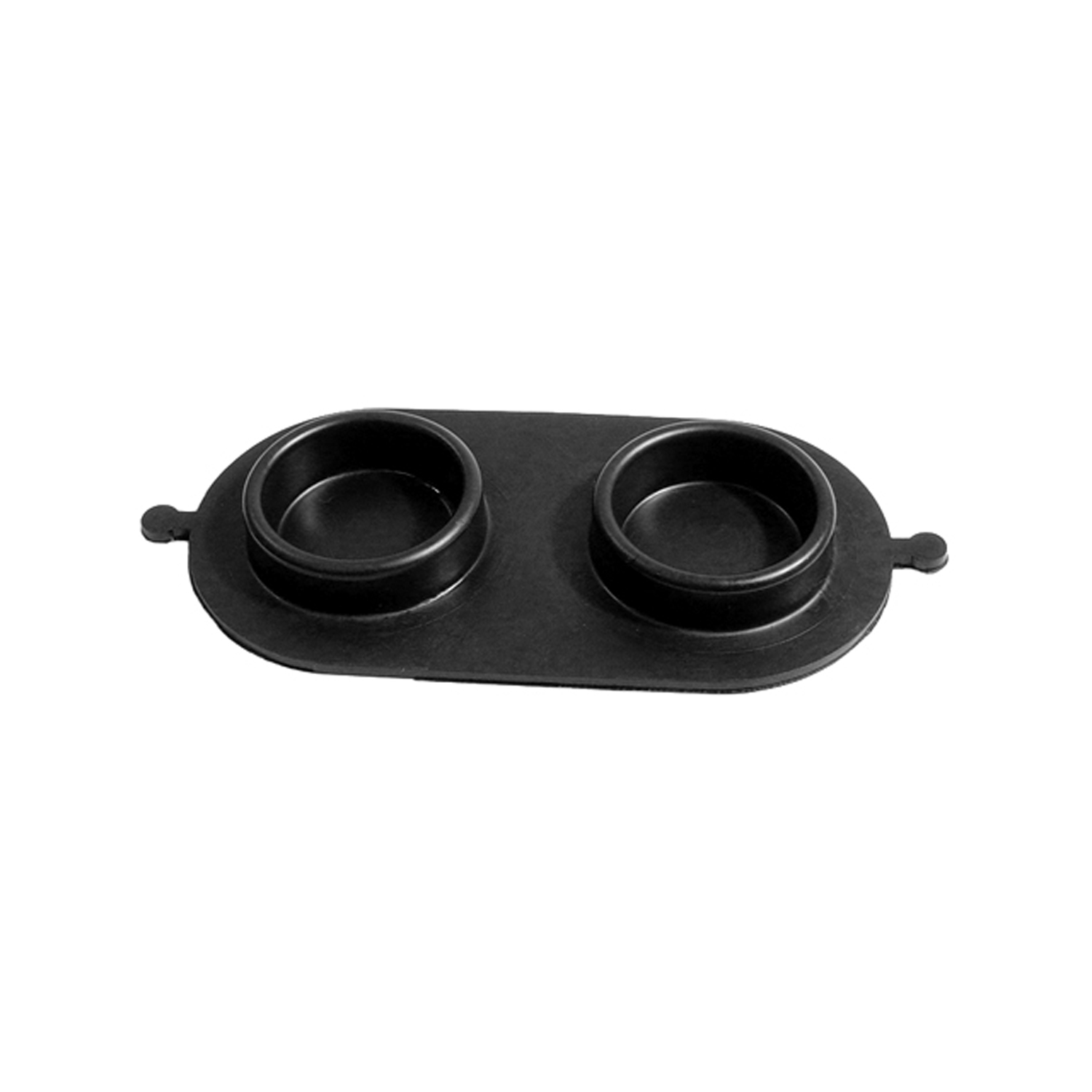 1975 Ford Maverick Brake Master Cylinder Cover Seal. Replaces OEM #C7AZ2167-A-RP 2-BBrake Master Cylinder Cover Seal. Replaces OEM #C7AZ2167-A. Each
Why Choose Metro?
For over 100 years, Metro Moulded Parts has been the pinnacle of quality in classic car restoration parts. Our commitment to precision and authenticity in every component ensures a perfect fit and an OEM-level appearance.
- Expert Craftsmanship & Quality: Each part is a testament to our dedication to reliability and perfection, crafted from original designs and thoroughly tested.
- Advanced Technology: We use cutting-edge techniques to create flawless, long-lasting parts that surpass others in performance.
- SuperSoft Sponge – The Ultimate Door Seal: Not only are our door seals 30% softer than competitors', but they're also guaranteed to never leak. They effectively reduce wind and road noise, enhancing your classic car's comfort and driving experience.
- Proudly American: Our parts are a product of American craftsmanship, made in the USA with a spirit of excellence and heritage.
- Unrivaled Warranty: We back our products with a 30-year industry-leading warranty, a testament to our confidence in their quality.
Join us in preserving the legacy of classic cars with parts that are crafted for perfection, not just made.