

Image of 1975 Ford Mustang Ii, Note: These illustrations use artistic license and may differ from actual historical models.
Performance Metrics
Fundamental Metrics
Emotional Appeal
MMP Rating
| Engine Specifications | |
|---|---|
| Engine Options: | 2.3L I4, 2.8L V6, 4.9L V8 |
| Displacement Range: | 140-302 cu in |
| Horsepower Range: | 88-140 hp |
| Torque: | 118-240 lb-ft |
| Compression Ratio: | 8.4:1 (I4), 8.7:1 (V6), 8.4:1 (V8) |
| Ignition System: | Electronic |
| Cooling System: | Liquid-cooled |
| Performance Specifications | |
| 0-60 Time: | 10-14 seconds |
| 1/4 Mile Time: | 17-20 seconds |
| Top Speed: | 105-110 mph |
| Transmission and Drive | |
| Drive Type: | RWD |
| Transmission Type: | 4-speed manual, 3-speed automatic |
| Fuel and Efficiency | |
| Fuel System Type: | Carburetor |
| MPG: | 15-20 mpg |
| Dimensions and Brakes | |
| Brakes: | Front disc, rear drum |
| Wheelbase: | 96.2 in |
| Weight: | 2,600-2,900 lbs |
Note: Specifications for classic cars are given to the best of our ability, considering the limited and variant data available.
1975 Ford Mustang II: The Mustang Reimagined
The 1975 Ford Mustang II was a smaller, more economical Mustang built for a very different America than the one that welcomed the original pony car. Introduced by Ford in 1974, the second-generation Mustang traded much of the first model’s size and power for a compact footprint, lower weight, and better fuel economy. Its timing was no accident: the oil crisis, rising fuel prices, and stricter emissions rules had made big, thirsty cars harder to sell.
For 1975, Ford answered one of the loudest complaints about the new Mustang by bringing back a V8 option. The 302-cubic-inch V8 gave buyers a more traditional Mustang choice, even as the model remained far smaller than its predecessors. The Mustang II had already made headlines in its debut year by winning Motor Trend’s 1974 Car of the Year award. That accolade reflected how closely Ford had matched the moment, though enthusiasts still debated whether a smaller Mustang could live up to the name.
Compact Styling, Classic Mustang Cues
The Mustang II kept familiar pony-car proportions in a tidier package: a long-looking hood, short rear deck, pronounced front fenders, and a grille bearing the running-horse emblem. Its sharper, more formal lines suited the mid-1970s, while the car’s reduced dimensions made it easier to park and maneuver than the larger 1971-73 Mustangs. Ford shortened the wheelbase to 96.2 inches, helping make the car nearly a foot shorter overall than the earlier generation.
Inside, the Mustang II offered a driver-focused cabin with a straightforward dashboard and clear, easy-to-read instruments. Vinyl upholstery was common, with cloth and upgraded trim available depending on model and equipment. The Ghia emphasized comfort and appearance, while the Mach 1 brought a sportier look. Buyers could also add features such as air conditioning, power steering, and power brakes. Materials and fit were typical of a mass-market American car of the period: practical and durable, but not especially luxurious outside the better-trimmed versions.
Factory colors varied by trim and production run, with choices spanning bright reds and yellows, blues, greens, whites, blacks, and metallic shades. Bold colors suit the car’s 1970s character, while red, white, and blue examples remain especially eye-catching at shows. The exact palette depended on the model year and paint package.
Coupe, Ghia, or Mach 1?
The 1975 Mustang II came in two basic body styles: a two-door notchback coupe and a three-door 2+2 hatchback. The coupe had a more formal profile and was available in upscale Ghia trim. The hatchback offered a larger, more useful cargo opening and came in versions including the sporty Mach 1. For many enthusiasts, the Mach 1 hatchback is the most recognizable Mustang II, with its performance-inspired details and fastback-like roofline.
Trim names mattered. Ghia focused on comfort and appearance, while Mach 1 leaned into the Mustang’s sporty identity. The 302 V8, available in 1975, added another layer of appeal for buyers who wanted more than the standard four-cylinder or optional V6. Equipment and engine combinations varied, so checking the car’s door data plate and original documentation is worthwhile when evaluating a potential purchase.
Why the Mustang II Mattered
The Mustang II was a substantial break from the larger, more powerful Mustangs that came before it. Ford designed the car around changing fuel costs and regulations, rather than trying to preserve the previous generation’s size at any price. The lighter body and smaller engines helped make it more economical, while its compact dimensions gave it a more manageable feel in traffic and tight parking spaces.
Its influence also reached beyond Ford showrooms. The Mustang II’s compact independent front suspension, with rack-and-pinion steering, became a popular choice for hot-rod and custom-car builders. Its relatively self-contained layout made it practical to adapt to older cars, giving the design an afterlife in the aftermarket. That legacy is a striking contrast to the model’s sometimes divisive reputation among Mustang fans.
Engines, Speed, and Road Manners
The 1975 engine lineup started with a 2.3-liter inline-four producing about 88 horsepower. A 2.8-liter V6 rated at roughly 105 horsepower offered a middle ground, while the returning 302 V8 produced about 140 horsepower in emissions-era tune. Those figures are modest by modern standards, but the Mustang II was also lighter and smaller than the big-block-era cars that shaped many people’s expectations.
Performance depends on engine, transmission, gearing, condition, and test method. As a broad period-car estimate, a V8 Mustang II could reach 60 mph in about nine to eleven seconds and run to roughly 105 mph or a little more. The four-cylinder models were noticeably slower, often taking around 15 seconds or longer to reach 60 mph. Treat these figures as general benchmarks rather than guaranteed results for an individual car.
On the road, the Mustang II feels compact and relatively easy to place. Its rack-and-pinion steering gives it a more direct response than many larger American cars of the era, and the independent front suspension helps it feel composed on ordinary roads. The rear uses a live axle and leaf springs, so sharp bumps can unsettle the back end, especially in a worn or poorly maintained example. On a winding road, it is more nimble than its size and period styling might suggest, but it is not a modern sports car. The V8 adds a familiar low rumble, while the four-cylinder and V6 deliver a quieter, more economical character.
Living With a Mustang II
Today, a 1975 Mustang II can serve as a weekend cruiser, a local-show car, or an approachable entry point into classic Ford ownership. A sound, stock example can be used for occasional driving, though age-related issues make a thorough inspection essential before relying on one as daily transportation. Look closely for rust in the floors, cowl, lower body panels, and around the windshield, along with worn suspension parts, tired steering components, and neglected cooling systems.
Routine maintenance is generally straightforward for a mechanically inclined owner. The engines and drivetrains use familiar Ford components, and many service parts remain available through classic-car suppliers. As with any 50-year-old vehicle, condition matters more than the badge: old fuel lines, electrical connections, seals, brakes, and emissions equipment may need attention. A careful pre-purchase inspection can help distinguish a solid driver from a project that needs extensive bodywork.
Mustang II Facts and Talking Points
The 1975 model year marked the return of a V8 to the Mustang II lineup after the 1974 launch offered only four- and six-cylinder engines. The 302 was a smaller, less powerful version of the V8 performance many Mustang buyers remembered, but its arrival helped answer demand for a more traditional engine option.
Another useful point of context: the Mustang II’s Car of the Year award belongs to the 1974 model, its debut year, rather than the 1975 car specifically. The award reflected the importance of Ford’s downsizing strategy during a period of fuel and regulatory change. The Mustang II is also often criticized for its modest power, its relationship to Ford’s smaller-car components, and the contrast with earlier high-performance Mustangs. Those criticisms are part of its history, but they can obscure what the car did well: it kept the Mustang name in the market while buyers’ priorities were changing.
1975 Mustang II Values and Rarity
Ford built approximately 188,575 Mustang IIs for the 1975 model year, across the available body styles and trims. That makes the car findable, but surviving examples vary widely in condition. Rust-free cars with complete interiors and good documentation are much harder to locate than rough project cars. V8 Mach 1s and well-preserved Ghia models can attract extra interest, although exact production figures for specific combinations should be verified through reliable model records.
As a broad U.S. market estimate, a project car might sell for around $2,000 to $5,000, while a usable driver could fall in the $5,000 to $12,000 range. Clean, well-restored examples may bring roughly $12,000 to $22,000, with exceptional or especially desirable cars sometimes exceeding that range. These are estimates, not appraisals; originality, rust, documentation, location, and engine and trim combinations all influence price.
Mustang II values remain more affordable than those of many earlier Mustangs, and the market has generally been selective rather than uniformly appreciating. The best examples have gained attention as collectors look beyond the most famous Mustang generations, but ordinary cars are still valued mainly as accessible classics. Buying the best body and condition you can afford is usually wiser than counting on a quick rise in value.
A Mustang Built for Its Moment
The 1975 Ford Mustang II was a compact, practical response to an era of fuel shortages, emissions rules, and changing tastes. It offered coupe and hatchback body styles, a range of engines including a newly returned V8, and handling hardware that later found a second life in the hot-rod world. It was not the biggest or fastest Mustang, and that difference is precisely what makes it historically important.
For collectors, the Mustang II is a reminder that a classic car’s significance is not measured only in horsepower. It represents the moment Ford reshaped an American icon to meet a new reality, keeping the Mustang moving forward when the road ahead had changed.
1975 Ford Mustang Ii Catalog of Parts
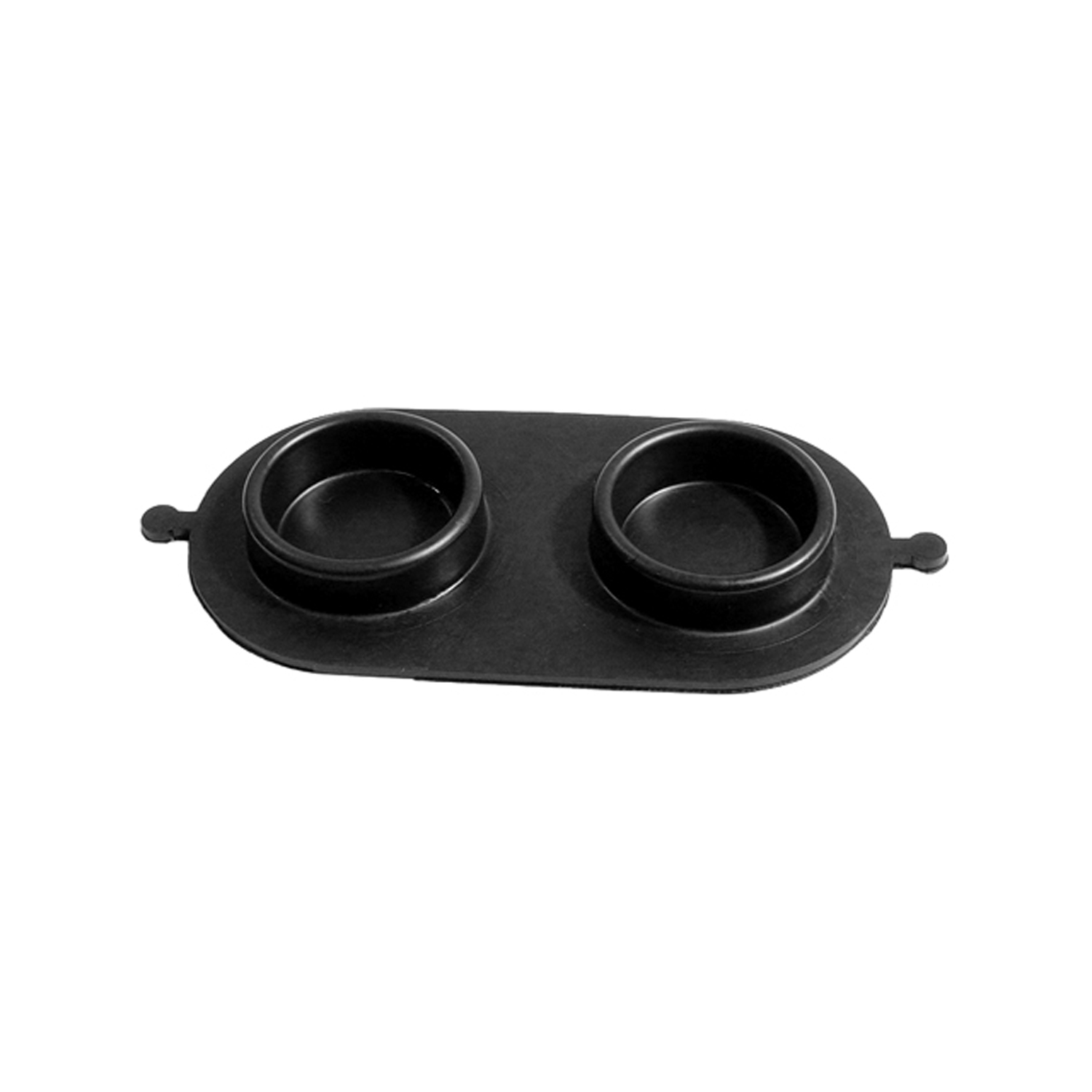 1975 Ford Mustang II Brake Master Cylinder Cover Seal. Replaces OEM #C7AZ2167-A-RP 2-BBrake Master Cylinder Cover Seal. Replaces OEM #C7AZ2167-A. Each
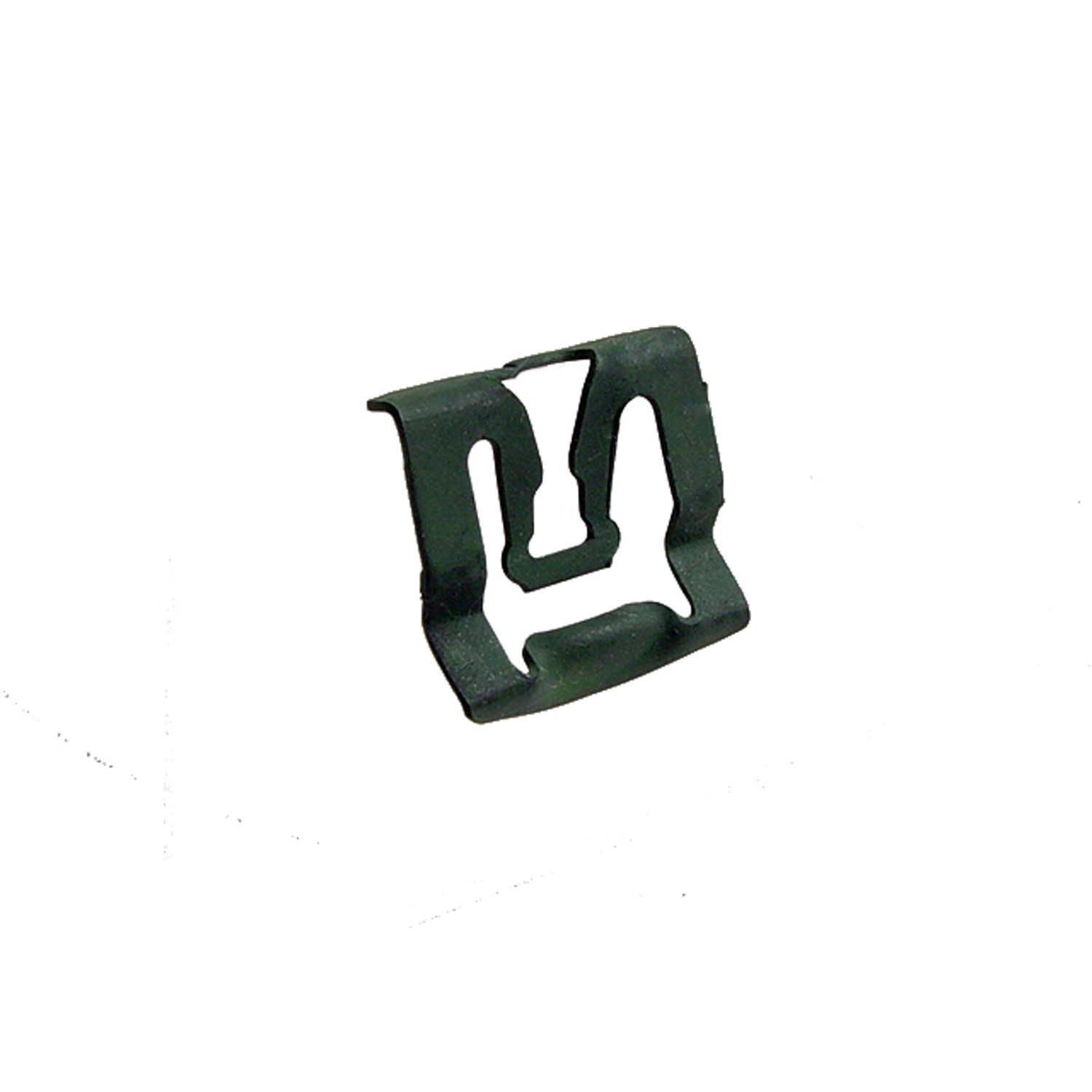 1975 Ford Mustang II Windshield Reveal Molding Clip. Made of steel. Each-WF 228-AWindshield Reveal Molding Clip. Made of steel. Each
Why Choose Metro?
For over 100 years, Metro Moulded Parts has been the pinnacle of quality in classic car restoration parts. Our commitment to precision and authenticity in every component ensures a perfect fit and an OEM-level appearance.
- Expert Craftsmanship & Quality: Each part is a testament to our dedication to reliability and perfection, crafted from original designs and thoroughly tested.
- Advanced Technology: We use cutting-edge techniques to create flawless, long-lasting parts that surpass others in performance.
- SuperSoft Sponge – The Ultimate Door Seal: Not only are our door seals 30% softer than competitors', but they're also guaranteed to never leak. They effectively reduce wind and road noise, enhancing your classic car's comfort and driving experience.
- Proudly American: Our parts are a product of American craftsmanship, made in the USA with a spirit of excellence and heritage.
- Unrivaled Warranty: We back our products with a 30-year industry-leading warranty, a testament to our confidence in their quality.
Join us in preserving the legacy of classic cars with parts that are crafted for perfection, not just made.