

Image of 1975 Ford Thunderbird, Note: These illustrations use artistic license and may differ from actual historical models.
Performance Metrics
Fundamental Metrics
Emotional Appeal
MMP Rating
| Engine Specifications | |
|---|---|
| Engine: | 460 CID 4V V-8 |
| Displacement: | 460 cubic inches (7.5 liters) |
| Horsepower: | 220 HP |
| Torque: | 355 lb-ft |
| Compression Ratio: | 8.0:1 |
| Ignition System: | Electronic |
| Cooling System: | Liquid-cooled |
| Performance Specifications | |
| 0-60 Time: | 10 seconds |
| 1/4 Mile Time: | 17.5 seconds |
| Top Speed: | 120 mph |
| Transmission and Drive | |
| Drive Type: | Rear-wheel drive |
| Transmission Type: | 3-speed automatic |
| Fuel and Efficiency | |
| Fuel System Type: | Carburetor |
| MPG: | 10-12 mpg |
| Dimensions and Brakes | |
| Brakes: | Front disc and rear drum brakes |
| Wheelbase: | 120.4 inches |
| Weight: | 4,900 lbs |
Note: Specifications for classic cars are given to the best of our ability, considering the limited and variant data available.
1975 Ford Thunderbird: A Personal-Luxury Coupe at Full Scale
The 1975 Ford Thunderbird brought personal-luxury motoring to an impressive scale, pairing a long, sculpted body with a quiet cabin and V8 power. Built by Ford Motor Company in the United States, it belonged to the Thunderbird’s sixth generation, introduced for 1972. By 1975, the Thunderbird had grown far beyond the sporty two-seat car that launched the nameplate in the 1950s. It was now a substantial, comfort-focused coupe aimed at buyers who wanted prestige, presence, and relaxed highway travel.
The timing gave this Thunderbird an interesting place in Ford history. The 1973 oil crisis, tighter emissions rules, and rising fuel costs were changing American cars, yet Ford’s flagship coupe remained unapologetically large. A notable detail of the 1975 model year is that its engines were paired with catalytic converters, part of the industry-wide shift to emissions-control hardware and unleaded fuel. The car was a product of its moment: still big and luxurious, but entering a new era of regulation and efficiency concerns.
Hidden Headlamps and Formal Thunderbird Style
The 1975 Thunderbird made its presence known through proportions rather than sharp, sporty lines. Its long hood, broad shoulders, squared-off rear, and formal roofline gave it the look of a land yacht in the best sense. The nose featured a prominent grille and concealed headlamps, which disappeared behind doors when not in use. That clean front-end treatment helped the car look more expensive and composed than a conventional family coupe.
At the back, broad horizontal styling and a wide stance reinforced the Thunderbird’s substantial character. The roof was especially important to the design. Ford offered the car as a two-door hardtop, with trim packages that could add a vinyl-covered roof and small opera-style side windows. These details helped create the classic personal-luxury profile, distinguishing the Thunderbird from the more practical sedans and coupes in Ford’s regular lineup.
Ford’s exterior color palette varied by trim and production details, but buyers could choose from the era’s familiar range of whites, reds, blues, greens, silvers, and warm copper or brown tones. Darker colors suited the Thunderbird’s formal styling, while white and brighter shades showed off its large body lines. Inside, buyers could find coordinated cloth and vinyl upholstery, with upscale trim and optional comfort features. The cabin emphasized soft surfaces, broad seats, and generous space rather than a sporty cockpit feel.
The 1975 Thunderbird came only as a two-door coupe. Buyers could select different trim levels, including the more elaborately dressed Town Landau, but there was no convertible or four-door version in this model year. The Town Landau’s vinyl roof and formal details became one of the most recognizable versions of the car.
Comfort Features in a Changing Era
Ford designed the Thunderbird around an easy, well-equipped driving experience. Depending on the car’s specification, features could include power steering, power brakes, power windows, air conditioning, cruise control, and automatic climate-control equipment. A three-speed automatic transmission was standard, reinforcing the car’s role as a relaxed cruiser rather than a driver’s car built around frequent gear changes.
Those features were impressive conveniences for the time, but the most noticeable innovation was often the car’s overall integration of size, comfort, and styling. The Thunderbird used a body-on-frame construction approach suited to a large American coupe. Its substantial structure, wide seats, and quiet-running V8s made long journeys its natural territory. Emissions equipment and unleaded-fuel requirements were also part of the ownership experience in 1975, reflecting how quickly automotive technology was changing.
Why the 1975 Thunderbird Matters
The Thunderbird had begun in 1955 as Ford’s stylish answer to the growing interest in sporty American cars. It quickly took a different path from the Chevrolet Corvette, becoming a four-seat personal car in 1958. Over the following decades, the name came to represent a distinctive mix of comfort, image, and individual style.
The 1975 model is significant because it represents the large, formal end of that evolution. It shared its broad engineering environment with other full-size Ford products and was closely related in concept and scale to the luxury coupes of the period, including the Lincoln Continental Mark IV. Yet the Thunderbird retained its own identity through its styling, trim, and position as Ford’s premium personal coupe.
Its size also marks a turning point. The 1972–1976 generation was among the biggest Thunderbirds ever built. In 1977, Ford moved the Thunderbird onto a smaller platform, responding to changing fuel prices and market preferences. The 1975 car therefore stands near the end of the full-size Thunderbird era: a vivid example of American luxury before downsizing reshaped the segment.
V8 Power and Highway Manners
For 1975, the standard engine was a 400-cubic-inch V8. A 460-cubic-inch V8 was available for buyers who wanted more displacement. Exact output figures depend on the engine and rating source, but period net ratings are commonly reported at roughly 166 horsepower for the 400 and around 220 horsepower for the 460. Both engines were teamed with a three-speed automatic transmission.
With a curb weight approaching or exceeding 5,000 pounds depending on equipment, the Thunderbird was never a lightweight performer. A 400-powered example typically needs roughly 11 to 13 seconds to reach 60 mph, while a healthy 460 car may do it in around 10 to 11 seconds. Those are estimates, not guaranteed figures: engine condition, gearing, tires, tune, and test method all make a difference. Top speed is also approximate, generally in the neighborhood of 105 to 115 mph, though the car’s size and age make sustained high-speed driving less appealing than a comfortable cruise.
On the road, the Thunderbird feels broad, heavy, and deliberately relaxed. Its suspension is tuned to absorb ordinary bumps and pavement seams, giving the cabin a soft, settled ride on highways. On winding roads, the trade-off becomes clear: the car leans in corners, responds more slowly than a modern coupe, and asks the driver to plan ahead. Crosswinds and uneven pavement can make its mass noticeable, especially if the suspension, steering, or tires are worn.
The driving experience is about unhurried momentum. The V8 delivers a low, subdued rumble, the automatic transmission shifts without demanding attention, and the steering is light thanks to power assistance. A well-maintained car should feel composed and comfortable rather than quick or precise. The broad hood, deep seats, and long wheelbase give the driver a commanding, lounge-like view of the road.
Living With a 1975 Thunderbird
Today, the 1975 Thunderbird is best suited to weekend cruising, local shows, and relaxed touring. It can be used regularly, but its fuel consumption, large dimensions, and age make it a less practical daily driver than a modern car. Parking in tight spaces takes care, and the thirsty V8s are a reminder that fuel economy was not the design priority.
Routine mechanical work is manageable for an owner comfortable with older American cars. The engines and automatic transmission use familiar Ford-era components, and many service parts remain available through specialist suppliers. The bigger challenges are often age-related rather than uniquely Thunderbird problems: deteriorated vacuum lines, electrical faults, worn suspension bushings, leaking seals, cooling-system issues, and carburetor or emissions-system tuning.
Body and trim condition deserve close inspection before purchase. Rust can affect floor pans, lower body sections, trunk areas, and other moisture-prone locations. Concealed-headlamp mechanisms, vinyl roofs, opera-window trim, interior plastics, and model-specific exterior pieces can take more effort to source or restore than common mechanical parts. A complete, well-preserved car is usually a better buy than a cheap project missing hard-to-find trim.
Trivia, Reputation, and Common Criticisms
The 1975 Thunderbird was not a separate high-performance special edition. Its character came from its size, trim, and available V8s, particularly the optional 460. The Town Landau is often the version enthusiasts picture first because its roof treatment and opera windows capture the formal personal-luxury look of the decade.
Production for the 1975 model year is commonly listed at about 42,685 cars. That makes the Thunderbird neither exceptionally rare nor as plentiful as some mass-market Ford models. It was a significant production run, but surviving examples vary widely in condition. Its most lasting claim to fame is less about a speed record or competition victory and more about representing the high-water mark of the full-size American personal-luxury coupe.
Common criticisms are familiar: it is heavy, fuel-hungry, and not especially nimble. Emissions-era tuning can also make a neglected example feel less powerful than its engine size suggests. On the other hand, the very qualities that draw criticism in modern traffic are part of its appeal to classic-car fans. The Thunderbird offers big-coupe comfort, a commanding road presence, and a driving style that encourages patience rather than haste.
1975 Thunderbird Values and Collector Appeal
The 1975 Thunderbird is generally an accessible classic rather than a rare investment-grade collectible. As a broad 2026 market estimate in the United States, a running driver-quality car may sell for roughly $4,000 to $9,000. A clean, attractive example with sound bodywork and a good interior might bring about $10,000 to $18,000. Exceptional, highly original, or professionally restored cars can reach approximately $20,000 to $30,000, though top prices depend heavily on condition, documentation, and local demand.
These figures are estimates, not fixed values. Rust, incomplete trim, mechanical needs, and poor-quality restoration work can lower a car’s worth quickly. A documented 460-powered example or an especially well-preserved Town Landau may attract additional interest, but condition remains the main factor.
With roughly 42,685 produced, the 1975 model is reasonably available compared with genuinely rare classics. Good examples are less common than the production total suggests, since many large coupes were used hard or scrapped over the years. Values have generally remained modest compared with more famous muscle cars and early Thunderbirds. Well-kept examples may be gaining appreciation as interest grows in 1970s American cars, but buyers should approach the Thunderbird primarily as an enjoyable classic, not a guaranteed financial investment.
A Big-Coupe Thunderbird Worth Remembering
The 1975 Ford Thunderbird combined concealed headlamps, formal personal-luxury styling, a spacious cabin, and V8 power in one of the largest versions of the nameplate. It arrived during a period of oil concerns and emissions change, yet still delivered the scale and comfort that defined American luxury cars of its era.
It is not a sports car, and it makes no attempt to be one. Its appeal lies in the long hood, soft ride, quiet V8 rumble, and sense of occasion that comes with driving a full-size Thunderbird. For enthusiasts who want an approachable piece of 1970s Ford history, the 1975 model remains a compelling reminder of when comfort and presence were measured in inches, cubic inches, and miles of open highway.
1975 Ford Thunderbird Catalog of Parts
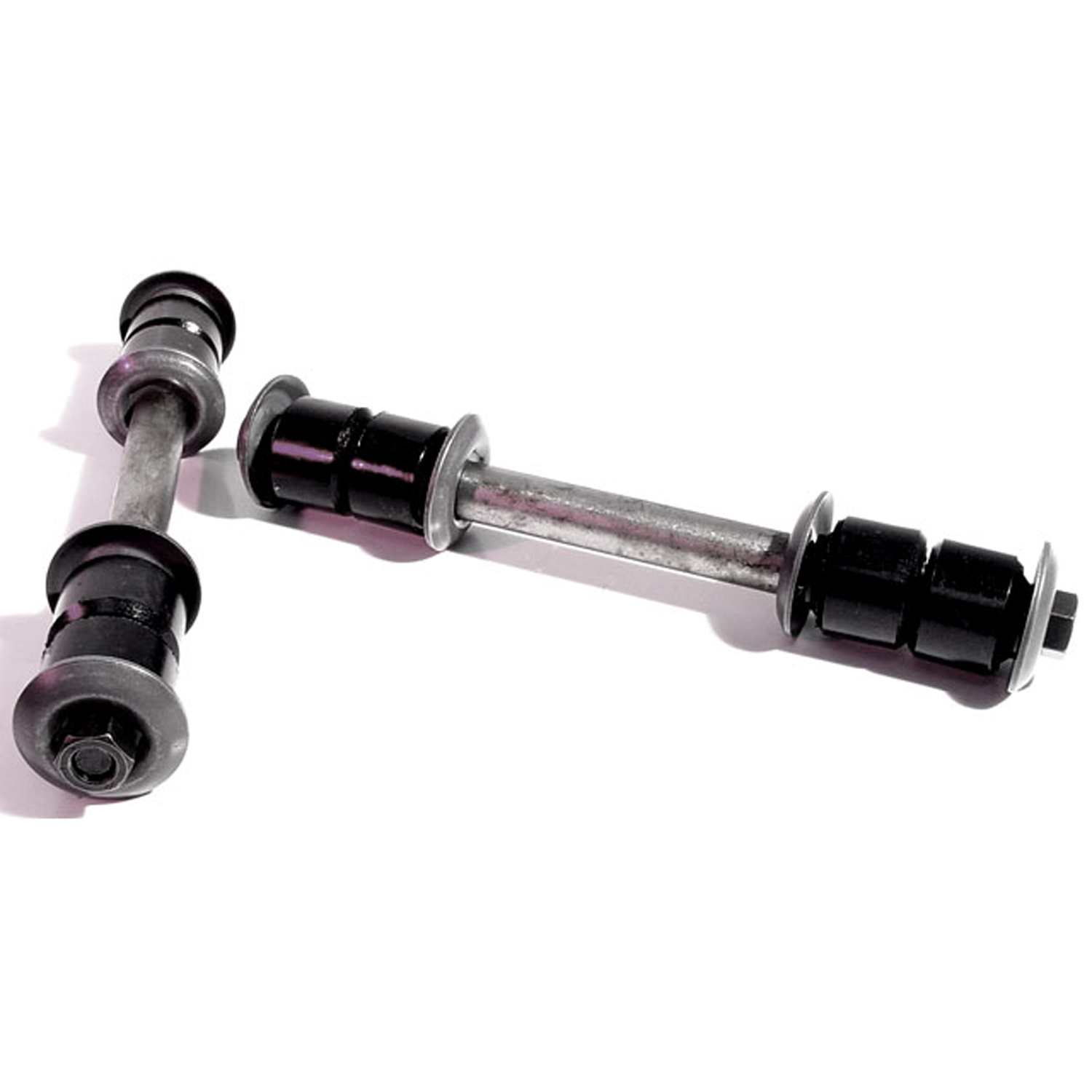 1975 Ford Thunderbird Front Stabilizer End Repair Kit-BNK 21Front Stabilizer End Repair Kit. 22-piece set for two stabilizer bars. Contains all rubber bushings, washers, bolts and nuts, enough for one front end. Set
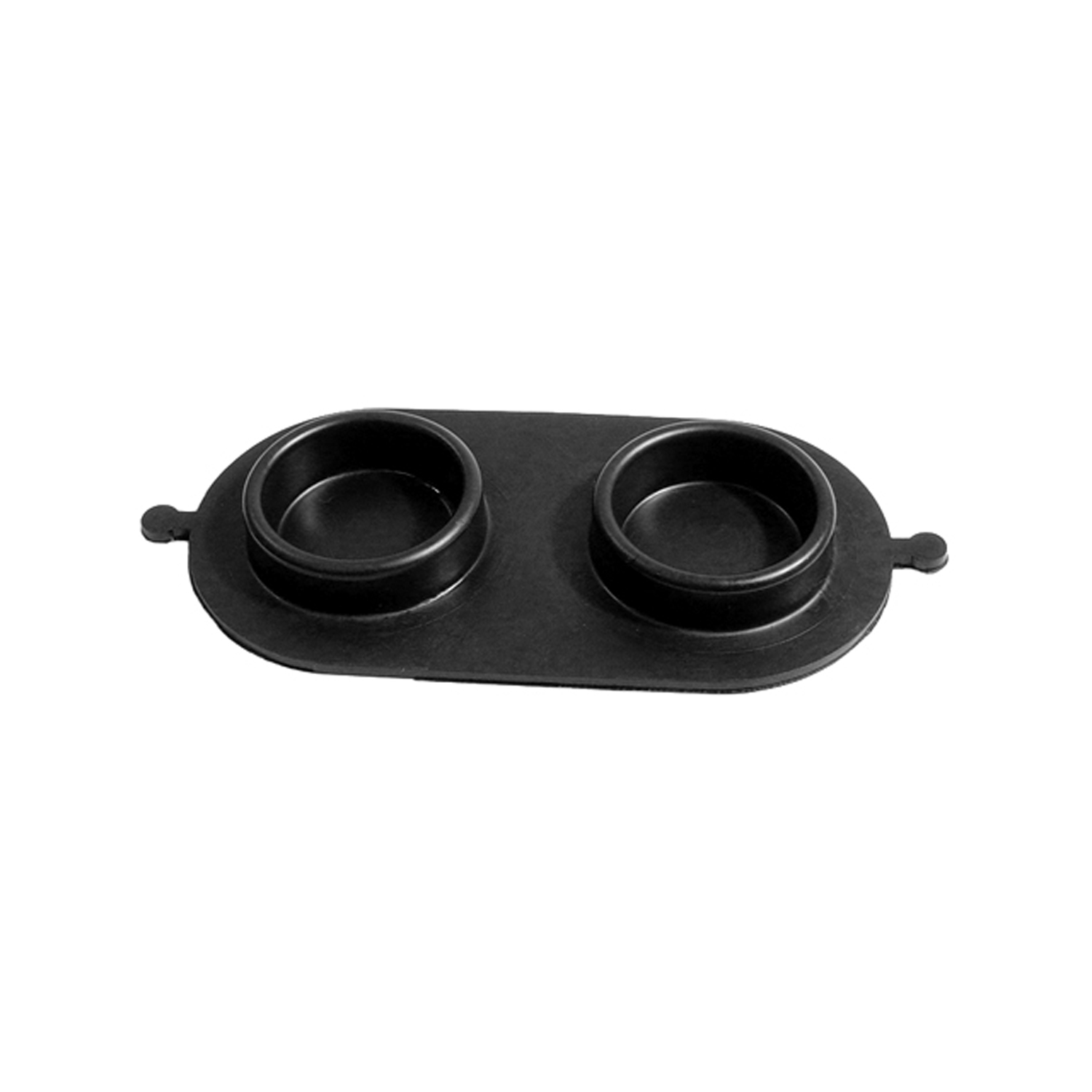 1975 Ford Thunderbird Brake Master Cylinder Cover Seal. Replaces OEM #C7AZ2167-A-RP 2-BBrake Master Cylinder Cover Seal. Replaces OEM #C7AZ2167-A. Each
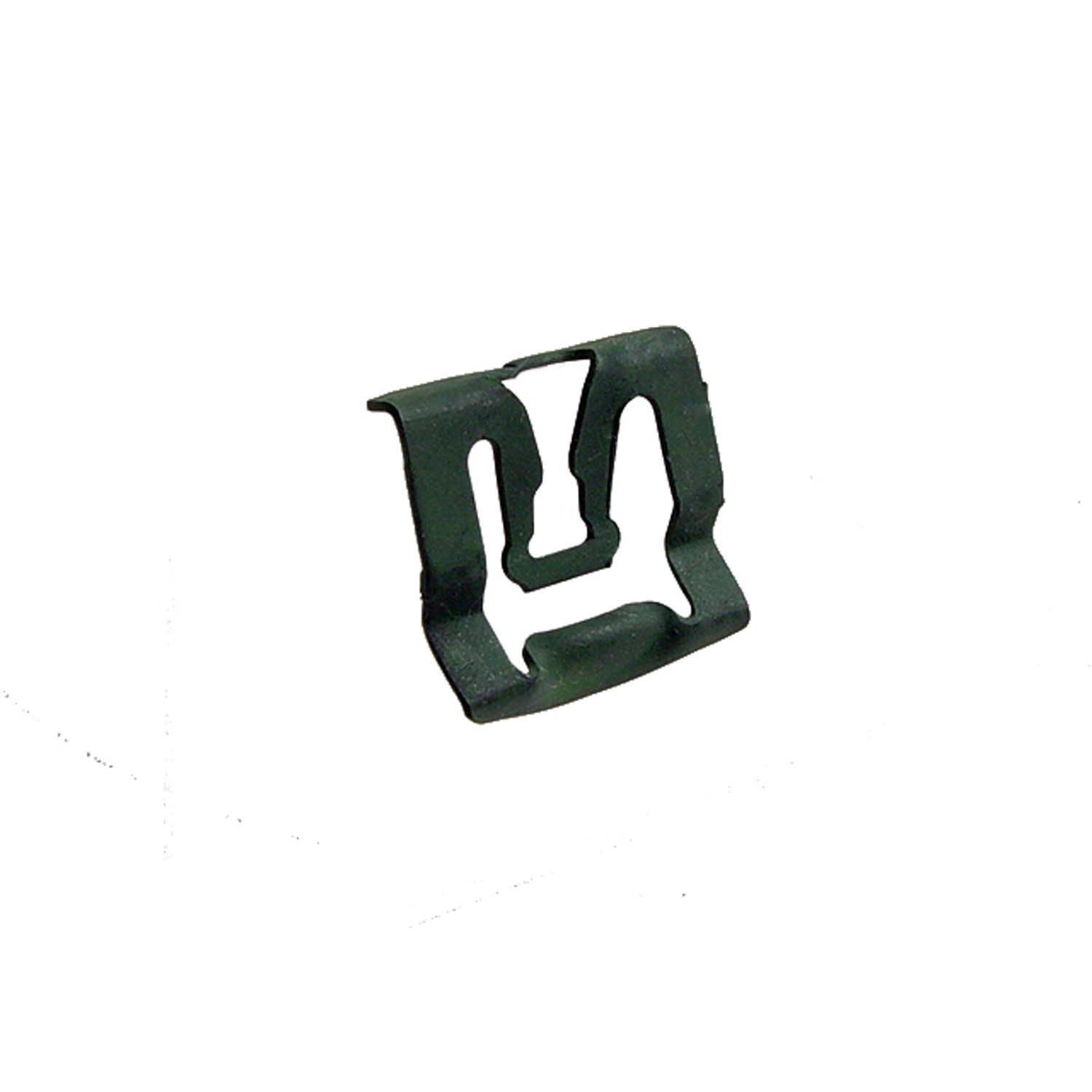 1975 Ford Thunderbird Windshield Reveal Molding Clip. Made of steel. Each-WF 228-AWindshield Reveal Molding Clip. Made of steel. Each
Why Choose Metro?
For over 100 years, Metro Moulded Parts has been the pinnacle of quality in classic car restoration parts. Our commitment to precision and authenticity in every component ensures a perfect fit and an OEM-level appearance.
- Expert Craftsmanship & Quality: Each part is a testament to our dedication to reliability and perfection, crafted from original designs and thoroughly tested.
- Advanced Technology: We use cutting-edge techniques to create flawless, long-lasting parts that surpass others in performance.
- SuperSoft Sponge – The Ultimate Door Seal: Not only are our door seals 30% softer than competitors', but they're also guaranteed to never leak. They effectively reduce wind and road noise, enhancing your classic car's comfort and driving experience.
- Proudly American: Our parts are a product of American craftsmanship, made in the USA with a spirit of excellence and heritage.
- Unrivaled Warranty: We back our products with a 30-year industry-leading warranty, a testament to our confidence in their quality.
Join us in preserving the legacy of classic cars with parts that are crafted for perfection, not just made.