

Image of 1975 Ford Torino, Note: These illustrations use artistic license and may differ from actual historical models.
Performance Metrics
Fundamental Metrics
Emotional Appeal
MMP Rating
| Engine Specifications | |
|---|---|
| Engine: | 302 CID 2V V8, 351 CID 2V V8, 400 CID 2V V8, 460 CID 4V V8 |
| Displacement: | 302 - 460 CID |
| Horsepower: | 138 - 224 HP |
| Torque: | 238 - 382 lb-ft |
| Compression Ratio: | 8.0:1 - 8.5:1 |
| Ignition System: | Conventional breaker-point ignition system |
| Cooling System: | Liquid-cooled |
| Performance Specifications | |
| 0-60 Time: | 10 - 12 seconds |
| 1/4 Mile Time: | 17 - 19 seconds |
| Top Speed: | 105 - 115 mph |
| Transmission and Drive | |
| Drive Type: | Rear-wheel drive |
| Transmission Type: | 3-speed automatic, 4-speed manual |
| Fuel and Efficiency | |
| Fuel System Type: | Carburetor |
| MPG: | 10 - 14 MPG |
| Dimensions and Brakes | |
| Brakes: | Front disc, rear drum |
| Wheelbase: | 114 inches |
| Weight: | 3,500 - 4,000 lbs |
Note: Specifications for classic cars are given to the best of our ability, considering the limited and variant data available.
1975 Ford Torino: The Big-Body Ford at a Turning Point
The 1975 Ford Torino was built for drivers who still wanted a roomy American car, even as fuel prices, emissions rules, and changing tastes were reshaping the industry. Made by Ford Motor Company, the Torino began in 1968 as a mid-size model and grew into a broad family of sedans, wagons, and coupes. By 1975, it was a substantial, comfort-minded car with a strong V8 heritage and a noticeably more formal personality than its earlier muscle-car-era relatives.
The timing mattered. The Torino arrived in the middle of the fuel-conscious 1970s, when automakers were adapting to stricter emissions requirements and rising operating costs. The 1975 model year brought catalytic converters and unleaded-fuel requirements for new U.S. cars, while buyers increasingly valued comfort and convenience alongside performance. A notable detail for Torino fans: the famous red-and-white-striped Starsky & Hutch car was based on a 1974 Gran Torino, not a 1975, though the show helped make the entire Torino name memorable.
Torino Styling: Long Lines and a Formal Face
The 1975 Torino wore the proportions of a classic American intermediate: a long hood, generous cabin, broad shoulders, and a substantial rear deck. Its front end featured a wide grille framed by rectangular headlights, with a deep bumper that reflected the era’s federal impact standards. The overall effect was less sporty and more stately than the fastback-inspired Torinos of the late 1960s and early 1970s.
Ford offered the Torino in several forms, including two-door coupes, four-door sedans, and station wagons. The Torino Elite, a personal-luxury coupe with a more formal roofline and upgraded trim, was a standout choice for buyers who wanted a stylish two-door without a performance-car image. Depending on trim and equipment, buyers could also choose dressier versions such as the Brougham. The Elite’s long profile and plush presentation make it one of the most recognizable 1975 Torino variants today.
Inside, the Torino prioritized space and comfort. Materials and finishes varied by trim, but buyers could find patterned cloth or vinyl upholstery, carpeting, padded surfaces, and woodgrain-style accents. Bench seating was common, while some models offered more upscale seating and trim combinations. The cabin was broad and relaxed, with plenty of room for passengers, though its large dimensions could make the dashboard and controls feel less driver-focused than those in smaller cars.
Available paint colors covered a wide range, from subdued blues, greens, and browns to brighter shades and metallic finishes. Exact names and availability varied by model and production period. Earth tones and darker metallic colors suited the Torino’s formal look, while brighter hues gave the coupe and wagon a more playful presence. Options could include air conditioning, power steering, power brakes, an AM/FM radio, and other convenience equipment, depending on configuration.
1975 Features and Period Technology
The Torino was not designed as a technology showcase, but it reflected the major changes underway in the American car industry. Catalytic converters became part of the emissions-control system on new U.S. cars for 1975, and owners had to use unleaded gasoline. Ford’s engine and ignition equipment also evolved through the period, with electronic ignition technology available on some applications and configurations.
Most Torinos used a conventional front-engine, rear-wheel-drive layout, a body-on-frame construction approach, and automatic transmissions on many examples. That formula made the car familiar to repair shops and home mechanics. Power steering and power-assisted brakes were popular options, especially on heavier V8 models, where they made low-speed maneuvering and everyday driving easier.
Why the Torino Mattered
The Torino’s significance comes from its ability to represent several different eras of Ford history. It began as a mid-size model during the late-1960s performance boom, became associated with NASCAR competition through specialized earlier versions, and matured into a spacious family and personal-luxury car in the 1970s. The 1975 model belongs firmly to that later chapter, when comfort, safety regulations, and emissions compliance were becoming central design concerns.
What set the 1975 Torino apart from many contemporaries was its combination of size, traditional rear-wheel-drive packaging, and a wide model range. A buyer could choose a practical sedan or wagon, a more luxurious Elite coupe, or a V8-powered car with relaxed highway manners. Its design was not radical, but it captured the American preference for roomy interiors and substantial road presence at a moment when the industry was beginning to move toward smaller cars.
The Torino nameplate ended after the 1976 model year, when Ford reorganized its mid-size lineup around the LTD II. Its earlier racing and performance associations remain important to the model’s legacy, but the 1975 Torino is better understood as a comfortable, full-featured cruiser from the final years of the large American intermediate.
Engines, Speed, and Road Manners
Engine availability depended on body style, trim, and equipment. The lineup included a 250-cubic-inch inline-six on some versions, along with V8 choices such as the 302, several 351-cubic-inch variants, and the 400-cubic-inch V8. These engines were tuned for a period of tighter emissions controls, so their character and output could differ from the high-performance versions enthusiasts remember from earlier years.
There was no single 0-to-60-mph figure for every 1975 Torino. A six-cylinder or modest V8 model could take roughly 13 to 16 seconds, while a larger-engine example in good condition might manage the run in about 10 to 12 seconds. Depending on engine, gearing, condition, and body style, a stock Torino could reach an estimated top speed in the neighborhood of 100 to 115 mph. These are broad period-style estimates, not guarantees for an individual car.
On the road, the Torino feels substantial. Its weight, soft suspension tuning, and long wheelbase help it settle into a comfortable highway rhythm, and it generally absorbs ordinary pavement imperfections better than a smaller, sportier car. On a winding road, that same setup can bring noticeable body lean and understeer. Strong crosswinds and tight parking spaces also remind the driver that this is a large 1970s car, not a nimble modern sedan.
The driving experience is part of the appeal. A V8 produces a low, familiar burble, while the automatic transmission and power steering encourage smooth, unhurried inputs. The driver sits in a wide cabin with a generous view over the hood, and the car feels happiest cruising rather than being hustled through corners. A well-maintained example should feel composed, but worn suspension bushings, tired shocks, and aged tires can make it floaty or vague.
Living With a 1975 Torino
Today, Torinos serve several roles. Some are weekend cruisers or show cars, while others are being restored as family-era classics. Wagons can make practical vintage haulers, and coupes often attract buyers looking for a comfortable classic with strong visual presence. The 1975 model is not usually chosen for serious competition, although earlier Torino performance variants have a much stronger connection to racing history.
Routine repairs are generally approachable for an experienced home mechanic. The basic layout is familiar, many service tasks are straightforward, and parts for common mechanical items are often available through classic-Ford suppliers. Trim, interior pieces, body panels, and model-specific components can be harder to source, especially for less common configurations. Before buying, inspect the frame and body for rust, check the condition of the suspension and brakes, and confirm that the emissions equipment and fuel system have been handled correctly.
Reliability depends heavily on maintenance and restoration quality. A Torino that has been stored poorly may need attention to its cooling system, wiring, carburetor, transmission, and rubber components. Because it is a large, older car, fuel consumption is also a practical consideration, particularly with a V8. It can be used regularly, but many owners prefer to preserve it as a fair-weather driver rather than rely on it as their only transportation.
Torino Trivia and Common Misconceptions
The most famous Torino connection remains Starsky & Hutch. The television car was a 1974 Gran Torino modified with its distinctive red-and-white paint scheme, so it should not be mistaken for a factory 1975 special edition. The TV association boosted interest in the Torino name, but it did not make every model year equally rare or valuable.
The Torino also has a deeper racing lineage than its comfortable 1975 character might suggest. Ford built special Torino-based cars for NASCAR competition in earlier years, including the aerodynamic Talladega. Those racing machines belong to a different chapter of the nameplate’s history; the 1975 Torino itself was not a record-setting NASCAR model. Its claim to fame is more about being part of a long-running Ford family that crossed from muscle-era performance into 1970s comfort.
Common criticisms are straightforward: the 1975 Torino is heavy, thirsty by modern standards, and not especially nimble. Emissions-era engine tuning can make some examples feel less lively than their displacement suggests. It is also easy to confuse its different body styles and trims, or to assume that every Torino has the same performance pedigree. Buyers should judge the car on its actual engine, condition, and equipment.
Collector Values and Availability
The 1975 Torino is generally more accessible than the best-known muscle-era Torinos. Values vary with body style, originality, rust, documentation, and restoration quality. As a broad U.S. market estimate, a project car may sell for around $3,000 to $8,000, while a usable driver often falls in the $8,000 to $18,000 range. A clean, well-presented example may bring roughly $20,000 to $35,000, with exceptional or especially desirable cars sometimes reaching higher. These are approximate ranges, not appraisals, and local markets can differ considerably.
Ford did not make the 1975 Torino a limited-production model. A reasonable estimate for total Torino-family production that year is roughly 200,000 to 250,000 cars, though published totals can vary depending on which related models and body styles are counted. Individual configurations are much less common than the overall number suggests. A particular trim, engine, color combination, or well-documented original example may be difficult to find even when ordinary Torinos remain available.
Prices have generally remained below those of the most coveted 1960s and early-1970s muscle cars. The Torino has gained appreciation among enthusiasts who value its size, period styling, and Ford heritage, but condition and originality tend to matter more than speculation. A tidy, correctly restored car is likely to hold interest better than a rough example with missing trim or incomplete paperwork.
Why the 1975 Torino Still Deserves a Look
The 1975 Ford Torino is a snapshot of an automotive industry in transition. It pairs classic rear-wheel-drive proportions and roomy American-car comfort with the emissions and safety changes that defined the mid-1970s. Its choices ranged from practical sedans and wagons to the more luxurious Torino Elite, while its earlier family history carried genuine performance and racing credentials.
It may not be the fastest or most celebrated Torino, but it offers a different kind of classic-car appeal: generous space, easygoing V8 character, approachable mechanicals, and unmistakable 1970s presence. For anyone looking for a substantial Ford cruiser with a story that stretches from NASCAR history to family-road-trip comfort, the 1975 Torino is a distinctive piece of the American automotive past.
1975 Ford Torino Catalog of Parts
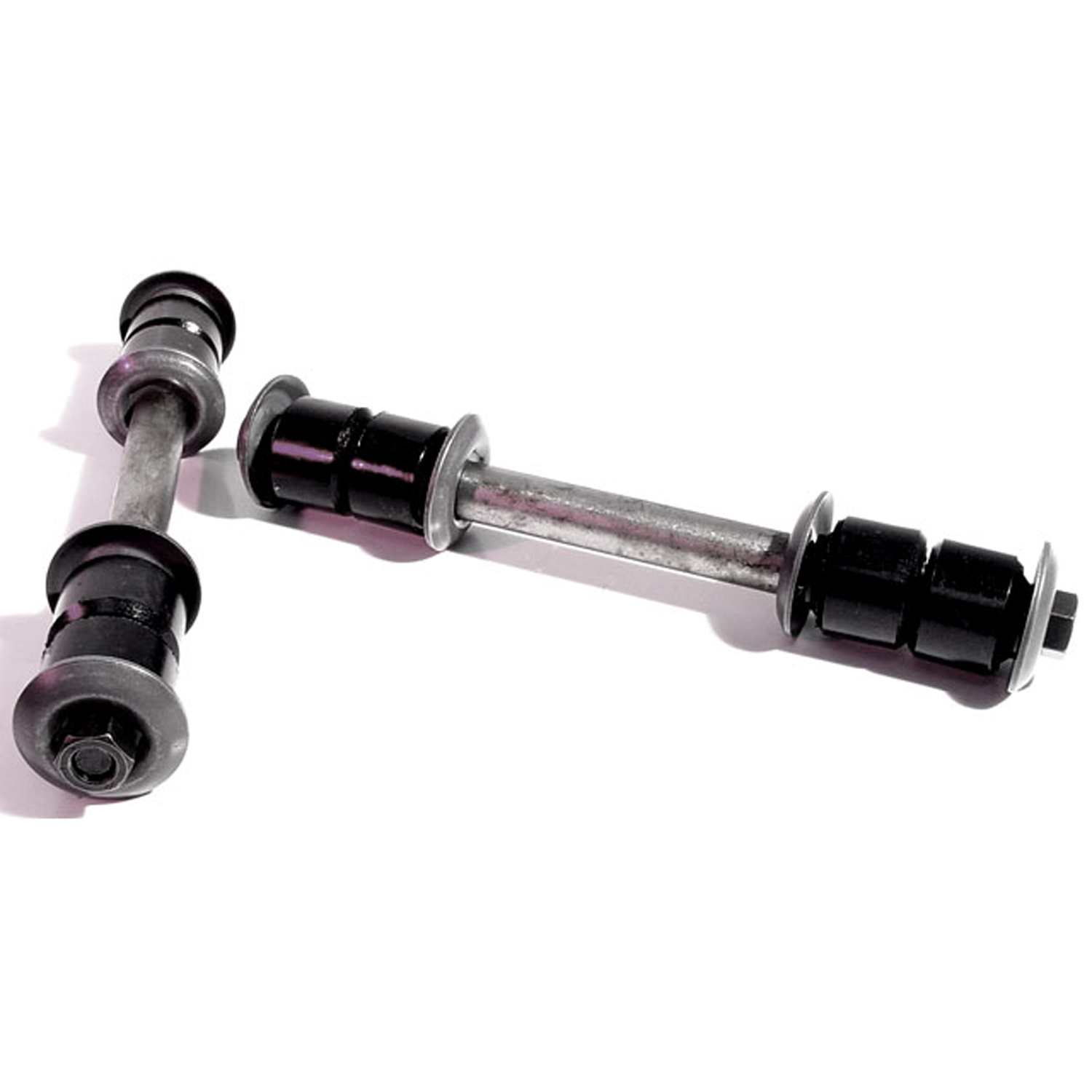 1975 Ford Torino Front Stabilizer End Repair Kit-BNK 21Front Stabilizer End Repair Kit. 22-piece set for two stabilizer bars. Contains all rubber bushings, washers, bolts and nuts, enough for one front end. Set
 1975 Ford Torino Hood to Cowl Seal, with Clips. 58-1/2" long. Each-CS 33-BHood to Cowl Seal, with Clips. 58-1/2" long. Each
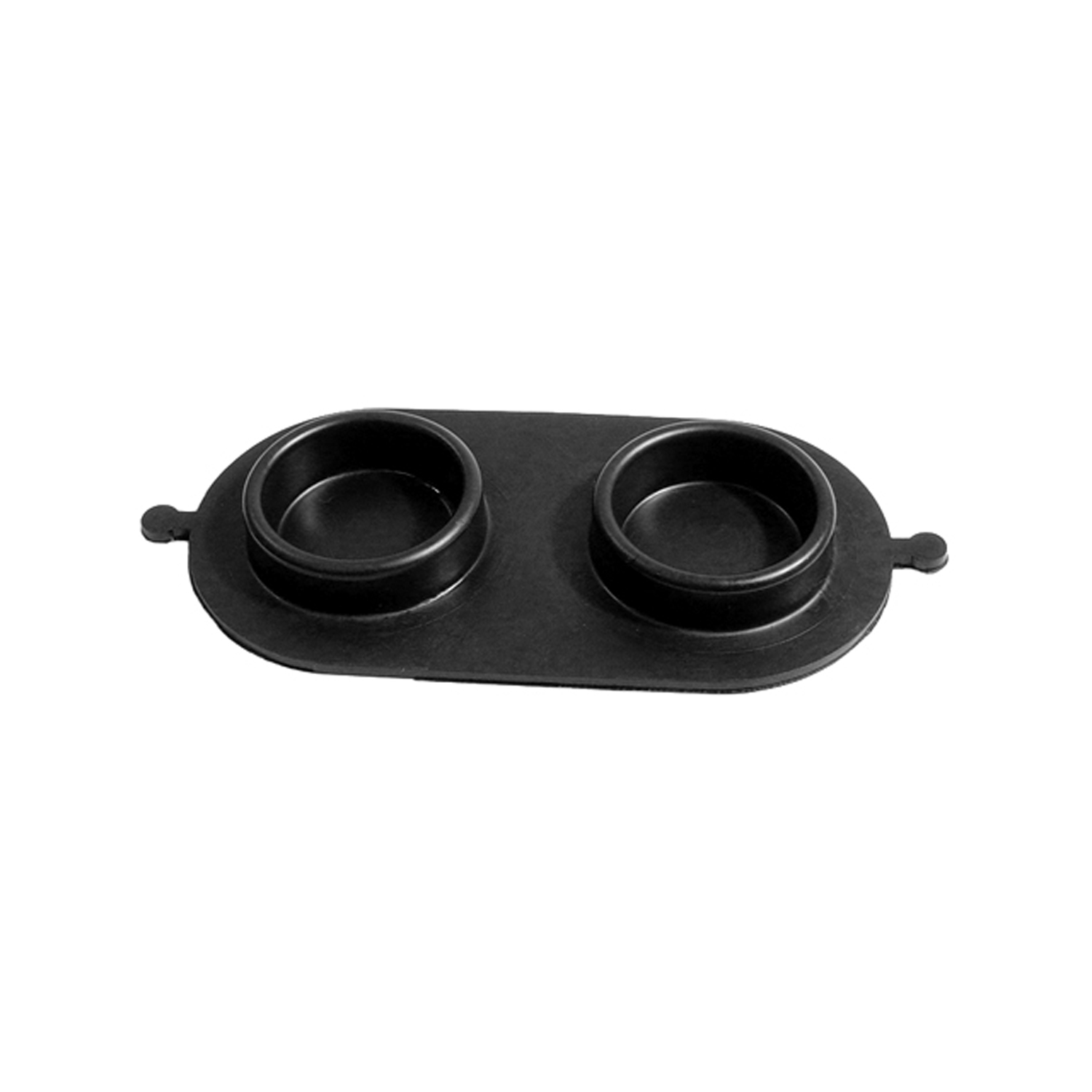 1975 Ford Torino Brake Master Cylinder Cover Seal. Replaces OEM #C7AZ2167-A-RP 2-BBrake Master Cylinder Cover Seal. Replaces OEM #C7AZ2167-A. Each
Why Choose Metro?
For over 100 years, Metro Moulded Parts has been the pinnacle of quality in classic car restoration parts. Our commitment to precision and authenticity in every component ensures a perfect fit and an OEM-level appearance.
- Expert Craftsmanship & Quality: Each part is a testament to our dedication to reliability and perfection, crafted from original designs and thoroughly tested.
- Advanced Technology: We use cutting-edge techniques to create flawless, long-lasting parts that surpass others in performance.
- SuperSoft Sponge – The Ultimate Door Seal: Not only are our door seals 30% softer than competitors', but they're also guaranteed to never leak. They effectively reduce wind and road noise, enhancing your classic car's comfort and driving experience.
- Proudly American: Our parts are a product of American craftsmanship, made in the USA with a spirit of excellence and heritage.
- Unrivaled Warranty: We back our products with a 30-year industry-leading warranty, a testament to our confidence in their quality.
Join us in preserving the legacy of classic cars with parts that are crafted for perfection, not just made.